"148d1066ed74e216"{"id":"1002968","slug":"zombie-bloated-male","title":"Zombie - Bloated Male","category":"Characters \u0026 Creatures","engine":"4.22+,5.0+","assetVersion":"","engineVersion":"Engine Version: 4.22+,5.0+","tag":"Characters","accent":"blue","visual":"character","summary":"Explore the modular Zombie - Bloated Male asset pack featuring seed-based blueprint randomization, Master Pose optimization, dismemberment gibs, and mocap.","platform":"Unreal Engine","indexPolicy":"index","publishedAt":"2026-11-22T14:36:15.265Z","updatedAt":"2026-11-22T14:36:15.265Z","sourceNotes":[],"fileContents":[],"compatibility":["Unreal Engine","Engine Version: 4.22+,5.0+"],"featuredImage":{"alt":"Zombie - Bloated Male","src":"/wp-content/uploads/published/2026/11/57a79d01096e-3aefff1f-8879-4319-8174-80a77dbe32cf-712a71a54f.webp"},"hasDownloadLink":true,"downloads":0,"terms":[{"taxonomy":"category","slug":"characters-and-creatures","name":"Characters \u0026 Creatures"}],"galleryImages":[{"src":"/wp-content/uploads/published/2026/11/7399374220c3-20f37ef5-f2da-4c55-b9f8-99a7447e1109-b5ff36e76d.webp","alt":"Zombie - Bloated Male"},{"src":"/wp-content/uploads/published/2026/11/ed17b1d30b86-7198424c-e295-4de3-937e-0601b2d1ea18-f9b234c50a.webp","alt":"Zombie - Bloated Male"},{"src":"/wp-content/uploads/published/2026/11/097c54f7ad88-5c8be8a4-07bc-457c-bd48-fd29314b1008-9ebb9f79ba.webp","alt":"Zombie - Bloated Male"},{"src":"/wp-content/uploads/published/2026/11/c86921d52c55-8cdea4ba-a934-4a98-826b-e7f790c2e67b-3c9a48210a.webp","alt":"Zombie - Bloated Male"},{"src":"/wp-content/uploads/published/2026/11/0b5ea2759a3c-596c9842-d3ca-4068-9d4b-ee47135c08ea-80f77e7d7e.webp","alt":"Zombie - Bloated Male"},{"src":"/wp-content/uploads/published/2026/11/314cb1ae60a9-c875511e-984d-498e-b0d5-6b54d119eb9a-7d98fbbd1a.webp","alt":"Zombie - Bloated Male"},{"src":"/wp-content/uploads/published/2026/11/fb6b63a0d554-6782c7e6-7a3e-46f5-a9fe-e2fa211a9fa1-7d125f3bc7.webp","alt":"Zombie - Bloated Male"}],"accessPanel":{"kind":"resource","title":"Get this resource","safetyNote":"Resources are manually reviewed before listing to improve quality and reduce obvious risks.","fileName":"Content.7z","resourceType":"Resource archive","versions":[]},"contentHtml":"\u003ch2\u003ePopulating Post-Apocalyptic Encounters with Bloated Male Variants\u003c/h2\u003e\u003cp\u003eDense survival horror scenarios and survival wave shooters rely heavily on enemy variety to sustain tension. Repetitive enemy silhouettes and identical clothing break the illusion of an overrun quarantine zone, a decaying hospital corridor, or a desolate urban highway. The Zombie - Bloated Male pack provides an imposing, heavy-set undead archetype equipped with interchangeable modular clothing, distinct head models, and an automated blueprint randomizer designed to populate scenes with hundreds of thousands of distinct visual permutations on spawn.\u003c/p\u003e\u003cp\u003eInstead of requiring technical artists to assemble dozens of discrete character models manually, the package supplies modular building blocks that combine into unique entities on the fly. The bloated body profile adds immediate physical weight and silhouette diversity to standard undead rosters, presenting a decayed, distended silhouette that stands apart from standard humanoid runners and walkers. Game developers can dictate exactly which variations are permitted to appear in an encounter, ensuring that narrative-specific clothing presets appear where appropriate while allowing open-world horde spawners to cycle through the full spectrum of heads, outfits, and color palettes.\u003c/p\u003e\u003ch2\u003eSeed-Based Architecture and the Zombie Blueprint Components\u003c/h2\u003e\u003cp\u003eIntegration speed often determines whether a modular character package fits smoothly into an existing development pipeline. Rather than binding appearance logic directly to construction scripts—which can create unnecessary processing overhead and limit procedural spawning control—the system utilizes seed-based randomization. Generating variations via dedicated seeds ensures that random generation does not run passively during construction, granting explicit control over enemy configurations across specific maps, levels, or difficulty tiers.\u003c/p\u003e\u003cp\u003eThe underlying framework operates through two modular actor components:\u003c/p\u003e\u003cul\u003e\u003cli\u003e\u003cstrong\u003eBPC_OutfitControl:\u003c/strong\u003e An inheritance-based component that houses child component classes with customizable parameters. It can be attached to existing artificial intelligence frameworks or custom character blueprints in one to two minutes, immediately injecting full outfit randomization into third-party AI systems.\u003c/li\u003e\u003cli\u003e\u003cstrong\u003eBPC_MorphControl:\u003c/strong\u003e A dedicated facial animation component tasked with manipulating facial morph targets, randomized expression poses, and individualized facial shifts on spawn.\u003c/li\u003e\u003c/ul\u003e\u003cp\u003eBecause the logic is fully detached from hardcoded pawn classes, developers using existing combat frameworks, navigation logic, or custom behavior trees can inherit the visual randomization pipeline without rewriting their character base classes.\u003c/p\u003e\u003ch2\u003eModular Mesh Optimization and Bloated Male Cloth Performance\u003c/h2\u003e\u003cp\u003eRendering dozens of modular characters simultaneously can severely tax draw call budgets if every clothing item, limb, and accessory functions as an isolated skeletal mesh component. To counter this, the Bloated Male character leverages Unreal Engine's Master Pose optimizations. This setup allows multiple modular parts to follow a master skeletal hierarchy while the engine renders the composite character as a unified single skeletal mesh, substantially cutting down performance overhead during large mob encounters.\u003c/p\u003e\u003cp\u003eCloth physics present another common technical hurdle in real-time engine environments, where legacy Apex cloth calculations can trigger visual culling errors across various engine versions. The package resolves this by delivering two distinct iterations for each relevant mesh: one authored with simulated cloth and an alternate version stripped of Apex cloth data. Developers can toggle between dynamic cloth simulation and static mesh behavior directly through the outfit control component, enabling tight optimization passes for high-density horde scenes or performance-sensitive platforms ahead of the Chaos physics update.\u003c/p\u003e\u003ch2\u003eDismemberment Masking, Physics Assets, and Ragdoll Gibs\u003c/h2\u003e\u003cp\u003eKinetic combat systems demand reactive destruction when heavy weapons or explosives impact enemy ranks. The asset incorporates pre-configured physics assets tailored directly to the bloated male frame, ensuring realistic ragdoll weight distribution upon defeat rather than generic floaty reactions.\u003c/p\u003e\u003cp\u003eFor damage modeling, the package integrates randomized gore and dismemberment masks alongside fully prepared dismembered gibs. Severable limbs and meat chunks match the underlying skeletal structure, allowing combat programmers to wire the assets straight into custom limb-severing and directional damage systems. The accompanying dismemberment masks blend wounds, exposed tissue, and severed bone caps cleanly at the detachment points, removing the need to author custom interior flesh meshes when implementing tactical shooter or horror damage mechanics.\u003c/p\u003e\u003ch2\u003eMaterial Customization and Mocap Online Animation Integration\u003c/h2\u003e\u003cp\u003eVisual diversity extends beyond physical geometry swaps through an adaptable texturing pipeline. The character includes albedo masks and gray-scaled blank textures intended for quick tint adjustments. Developers can generate entirely new uniform schemes, muddy variations, or bloody palettes within the material editor without painting new base color maps in external texturing software. Standard defaults feature balanced color adjustments, material assignments, and realistic surface responses.\u003c/p\u003e\u003cp\u003eWhen working with dynamic lighting setups, engine-level subsurface scattering profiles can occasionally display visual artifacts under dynamic lighting conditions. The package accounts for this engine behavior in three distinct ways:\u003c/p\u003e\u003cul\u003e\u003cli\u003eDisabling automatic exposure compensation inside post-processing volumes.\u003c/li\u003e\u003cli\u003eSwitching the level skylight mobility to stationary.\u003c/li\u003e\u003cli\u003eUtilizing the included alternative master materials, which bypass subsurface profile lookups entirely to preserve clean material fidelity under dynamic sun and point lights.\u003c/li\u003e\u003c/ul\u003e\u003cp\u003eFor movement and motion sequencing, the pack bundles 34 licensed animations from Mocap Online. These motion-captured assets supply realistic walking cadences, shambling strides, and character-appropriate gestures configured for immediate use with standard animation blueprints. Five demonstration maps, including an AI showcase environment, are provided to test the movement sets, examine outfit generation parameters, and inspect physics assets in live viewport conditions.\u003c/p\u003e\u003ch2\u003eProduction Workflows Suited for the Bloated Character Variant\u003c/h2\u003e\u003cp\u003eThe Zombie - Bloated Male package functions best in projects where enemy readability, rapid assembly, and scalable performance are primary goals. Solo developers and small teams building third-person horror adventures or wave-defense shooters can deploy the ready-to-use blueprint examples to stand up working enemies quickly. At the same time, teams with established gameplay architectures can strip out the demonstration pawns, attach the outfit and morph components to proprietary AI controllers, and drive seed-based spawn logic directly from game-mode managers.\u003c/p\u003e\n\n\u003ch2\u003eContinue Browsing Similar Packs\u003c/h2\u003e\n\u003cul\u003e\n\u003cli\u003e\u003ca href=\"https://3dcghub.com/npc-zombie-man/\" rel=\"noopener noreferrer\"\u003eNPC Zombie Man\u003c/a\u003e\u003c/li\u003e\n\u003cli\u003e\u003ca href=\"https://3dcghub.com/zombie-starved-male/\" rel=\"noopener noreferrer\"\u003eZombie - Starved Male\u003c/a\u003e\u003c/li\u003e\n\u003cli\u003e\u003ca href=\"https://3dcghub.com/polygon-city-zombies-low-poly-urban-zombie-character-pack/\" rel=\"noopener noreferrer\"\u003ePOLYGON - City Zombies - Low Poly Urban Zombie Character Pack\u003c/a\u003e\u003c/li\u003e\n\u003cli\u003e\u003ca href=\"https://3dcghub.com/npc-zombie-woman/\" rel=\"noopener noreferrer\"\u003eNPC Zombie Woman\u003c/a\u003e\u003c/li\u003e\n\u003cli\u003e\u003ca href=\"https://3dcghub.com/post-apocaliptic-survival-male-character/\" rel=\"noopener noreferrer\"\u003ePost apocaliptic survival male character\u003c/a\u003e\u003c/li\u003e\n\u003c/ul\u003e","contentTextLength":7230,"navigation":{"current":1,"total":4890,"next":{"id":"1002967","slug":"modular-skeleton","title":"Modular skeleton","category":"Creatures \u0026 Monsters","platform":"Unreal Engine","updatedAt":"2026-11-22T13:00:39.145Z"}},"relatedResources":[{"id":"1002552","slug":"npc-zombie-man","title":"NPC Zombie Man","category":"Characters \u0026 Creatures","engine":"4.26+,5.0+","assetVersion":"","engineVersion":"Engine Version: 4.26+,5.0+","tag":"Characters","accent":"blue","visual":"character","summary":"Explore the implementation, animation state setup, and scene integration of the lowpoly realistic male NPC Zombie Man character.","platform":"Unreal Engine","indexPolicy":"index","publishedAt":"2026-11-13T10:05:07.335Z","updatedAt":"2026-11-13T10:05:07.335Z","sourceNotes":[],"fileContents":[],"compatibility":["Unreal Engine","Engine Version: 4.26+,5.0+"],"featuredImage":{"alt":"NPC Zombie Man","src":"/wp-content/uploads/published/2026/11/d18ab5b5c1ab-63237373-bab7-49b9-b385-f2258e413def-e6fe9e4fc2.webp"},"fileSizeBytes":55124836,"hasDownloadLink":true,"downloads":0},{"id":"1000143","slug":"zombie-starved-male","title":"Zombie - Starved Male","category":"Characters \u0026 Creatures","engine":"5.1+","assetVersion":"","engineVersion":"Engine Version: 5.1+","tag":"Characters","accent":"blue","visual":"character","summary":"Zombie - Starved Male centers on fast setup, seed-based randomization, modular outfit control, and dismemberment-ready characters for Unreal scenes.","platform":"Unreal Engine","indexPolicy":"index","publishedAt":"2026-06-12T17:25:33.387Z","updatedAt":"2026-06-12T17:25:33.387Z","sourceNotes":[],"fileContents":[],"compatibility":["Unreal Engine","Engine Version: 5.1+"],"featuredImage":{"alt":"Zombie - Starved Male","src":"/wp-content/uploads/published/2026/06/21411f2395a9-428115cb-f798-4d9d-b022-fb3a72aa8e6b-e4980defa1.webp"},"fileSizeBytes":2635958906,"hasDownloadLink":true,"downloads":1},{"id":"1002560","slug":"polygon-city-zombies-low-poly-urban-zombie-character-pack","title":"POLYGON - City Zombies - Low Poly Urban Zombie Character Pack","category":"Characters \u0026 Creatures","engine":"4.26+,5.0+","assetVersion":"","engineVersion":"Engine Version: 4.26+,5.0+","tag":"Characters","accent":"blue","visual":"character","summary":"Explore the POLYGON - City Zombies low-poly character collection featuring 50 infected civilian models, props, and stylized horror assets for urban scenes.","platform":"Unreal Engine","indexPolicy":"index","publishedAt":"2026-11-13T10:56:06.391Z","updatedAt":"2026-11-13T10:56:06.391Z","sourceNotes":[],"fileContents":[],"compatibility":["Unreal Engine","Engine Version: 4.26+,5.0+"],"featuredImage":{"alt":"POLYGON - City Zombies - Low Poly Urban Zombie Character Pack","src":"/wp-content/uploads/published/2026/11/686e9ad2da3f-5cd8c2c9-e48b-4dde-b764-d745cace947f-0b86ed6881.webp"},"fileSizeBytes":15828621,"hasDownloadLink":true,"downloads":0}]}[{"id":4225,"sourceId":4225,"taxonomyId":4225,"taxonomy":"category","slug":"asset-library","name":"Asset Library","parentId":null,"count":4744,"hasChildren":true,"href":"/","seoTitle":"Free Game Assets Library | 3DCGHUB","seoDescription":"Browse free Unreal Engine, Unity, Blender assets and game development tutorials on 3DCGHUB with previews, compatibility notes, and secure downloads.","sitemapEnabled":true,"children":[{"id":4227,"sourceId":4227,"taxonomyId":4227,"taxonomy":"category","slug":"blender-add-ons-plugins","name":"Blender Add-ons \u0026 Plugins","parentId":4225,"count":10,"hasChildren":false,"href":"/category/blender-add-ons-plugins/","seoTitle":"Free Blender Add-ons \u0026 Plugins | 3DCGHUB","seoDescription":"Browse free Blender Add-ons \u0026 Plugins tools for Blender on 3DCGHUB: curated downloads with preview images, compatibility notes and secure download access.","sitemapEnabled":true},{"id":514,"sourceId":514,"taxonomyId":514,"taxonomy":"category","slug":"unity-2","name":"Unity","parentId":4225,"count":453,"hasChildren":true,"href":"/category/unity-2/","seoTitle":"Free Unity Assets | 3DCGHUB","seoDescription":"Browse free Unity resources on 3DCGHUB: curated downloads with preview images, compatibility notes and secure download access.","sitemapEnabled":true,"children":[{"id":523,"sourceId":523,"taxonomyId":523,"taxonomy":"category","slug":"2d","name":"2D","parentId":514,"count":1,"hasChildren":true,"href":"/category/2d/","seoTitle":"Free Unity 2D | 3DCGHUB","seoDescription":"Browse free 2D assets for Unity on 3DCGHUB: curated downloads with preview images, compatibility notes and secure download access.","sitemapEnabled":true},{"id":515,"sourceId":515,"taxonomyId":515,"taxonomy":"category","slug":"3d-unity-2","name":"3D","parentId":514,"count":162,"hasChildren":true,"href":"/category/3d-unity-2/","seoTitle":"Free Unity 3D Assets | 3DCGHUB","seoDescription":"Browse free 3D assets for Unity on 3DCGHUB: curated downloads with preview images, compatibility notes and secure download access.","sitemapEnabled":true},{"id":565,"sourceId":565,"taxonomyId":565,"taxonomy":"category","slug":"add-ons","name":"Add-Ons","parentId":514,"count":2,"hasChildren":false,"href":"/category/add-ons/","seoTitle":"Free Unity Add-Ons | 3DCGHUB","seoDescription":"Browse free Add-Ons assets for Unity on 3DCGHUB: curated downloads with preview images, compatibility notes and secure download access.","sitemapEnabled":true},{"id":529,"sourceId":529,"taxonomyId":529,"taxonomy":"category","slug":"audio-unity-2","name":"Audio","parentId":514,"count":1,"hasChildren":true,"href":"/category/audio-unity-2/","seoTitle":"Free Unity Audio | 3DCGHUB","seoDescription":"Browse free Audio for Unity on 3DCGHUB: curated downloads with preview images, compatibility notes and secure download access.","sitemapEnabled":true},{"id":557,"sourceId":557,"taxonomyId":557,"taxonomy":"category","slug":"templates","name":"Templates","parentId":514,"count":36,"hasChildren":true,"href":"/category/templates/","seoTitle":"Free Unity Templates | 3DCGHUB","seoDescription":"Browse free Unity project templates on 3DCGHUB. Starter kits with previews, compatibility notes, and secure download access.","sitemapEnabled":true},{"id":533,"sourceId":533,"taxonomyId":533,"taxonomy":"category","slug":"tools-unity-2","name":"Tools","parentId":514,"count":0,"hasChildren":true,"href":"/category/tools-unity-2/","sitemapEnabled":true},{"id":554,"sourceId":554,"taxonomyId":554,"taxonomy":"category","slug":"vfx-unity-2","name":"VFX","parentId":514,"count":4,"hasChildren":true,"href":"/category/vfx-unity-2/","seoTitle":"Free Unity VFX | 3DCGHUB","seoDescription":"Browse free VFX for Unity on 3DCGHUB: curated downloads with preview images, compatibility notes and secure download access.","sitemapEnabled":true}]},{"id":511,"sourceId":511,"taxonomyId":511,"taxonomy":"category","slug":"unreal-engine-2","name":"Unreal Engine","parentId":4225,"count":4282,"hasChildren":true,"href":"/category/unreal-engine-2/","seoTitle":"Free Unreal Engine Assets | 3DCGHUB","seoDescription":"Browse free Unreal Engine resources on 3DCGHUB: curated downloads with preview images, compatibility notes and secure download access.","sitemapEnabled":true,"children":[{"id":54,"sourceId":54,"taxonomyId":54,"taxonomy":"category","slug":"3d","name":"3D","parentId":511,"count":2428,"hasChildren":true,"href":"/category/3d/","seoTitle":"Free Unreal Engine 3D | 3DCGHUB","seoDescription":"Browse free 3D assets for Unreal Engine on 3DCGHUB: curated downloads with preview images, compatibility notes and secure download access.","sitemapEnabled":true},{"id":441,"sourceId":441,"taxonomyId":441,"taxonomy":"category","slug":"animations","name":"Animations","parentId":511,"count":245,"hasChildren":true,"href":"/category/animations/","seoTitle":"Free Unreal Engine Animations | 3DCGHUB","seoDescription":"Browse free Animations for Unreal Engine on 3DCGHUB: curated downloads with preview images, compatibility notes and secure download access.","sitemapEnabled":true},{"id":446,"sourceId":446,"taxonomyId":446,"taxonomy":"category","slug":"audio","name":"Audio","parentId":511,"count":63,"hasChildren":true,"href":"/category/audio/","seoTitle":"Free Unreal Engine Audio Resources | 3DCGHUB","seoDescription":"Browse free Unreal Engine audio resources including sound effects, voices, dialogue, and ambient sounds. Curated free downloads on 3DCGHUB.","sitemapEnabled":true},{"id":466,"sourceId":466,"taxonomyId":466,"taxonomy":"category","slug":"game-systems","name":"Game Systems","parentId":511,"count":356,"hasChildren":true,"href":"/category/game-systems/","seoTitle":"Free Unreal Engine Game Systems | 3DCGHUB","seoDescription":"Browse free Game Systems tools for Unreal Engine on 3DCGHUB: curated downloads with preview images, compatibility notes and secure download access.","sitemapEnabled":true},{"id":478,"sourceId":478,"taxonomyId":478,"taxonomy":"category","slug":"game-templates","name":"Game Templates","parentId":511,"count":150,"hasChildren":true,"href":"/category/game-templates/","seoTitle":"Free Unreal Engine Game Templates | 3DCGHUB","seoDescription":"Browse free Game Templates for Unreal Engine on 3DCGHUB: curated downloads with preview images, compatibility notes and secure download access.","sitemapEnabled":true},{"id":432,"sourceId":432,"taxonomyId":432,"taxonomy":"category","slug":"hdri","name":"HDRI","parentId":511,"count":6,"hasChildren":true,"href":"/category/hdri/","seoTitle":"Free Unreal Engine HDRI | 3DCGHUB","seoDescription":"Browse free Unreal Engine HDRI skies and lighting maps on 3DCGHUB. Environment lighting with previews and secure downloads.","sitemapEnabled":true},{"id":228,"sourceId":228,"taxonomyId":228,"taxonomy":"category","slug":"material-and-textures","name":"Material \u0026 Textures","parentId":511,"count":172,"hasChildren":true,"href":"/category/material-and-textures/","seoTitle":"Free Unreal Engine Material \u0026 Textures | 3DCGHUB","seoDescription":"Browse free Material \u0026 Textures for Unreal Engine on 3DCGHUB: curated downloads with preview images, compatibility notes and secure download access.","sitemapEnabled":true},{"id":298,"sourceId":298,"taxonomyId":298,"taxonomy":"category","slug":"sprites-and-flipbooks","name":"Sprites \u0026 Flipbooks","parentId":511,"count":17,"hasChildren":true,"href":"/category/sprites-and-flipbooks/","seoTitle":"Free Unreal Engine Sprites \u0026 Flipbooks | 3DCGHUB","seoDescription":"Browse free Sprites \u0026 Flipbooks assets for Unreal Engine on 3DCGHUB: curated downloads with preview images, compatibility notes and secure download access.","sitemapEnabled":true},{"id":489,"sourceId":489,"taxonomyId":489,"taxonomy":"category","slug":"tools-and-plugins","name":"Tools \u0026 Plugins","parentId":511,"count":390,"hasChildren":true,"href":"/category/tools-and-plugins/","seoTitle":"Free Unreal Engine Tools \u0026 Plugins | 3DCGHUB","seoDescription":"Browse free Tools \u0026 Plugins for Unreal Engine on 3DCGHUB: curated downloads with preview images, compatibility notes and secure download access.","sitemapEnabled":true},{"id":459,"sourceId":459,"taxonomyId":459,"taxonomy":"category","slug":"ui","name":"UI","parentId":511,"count":43,"hasChildren":true,"href":"/category/ui/","seoTitle":"Free Unreal Engine UI | 3DCGHUB","seoDescription":"Browse free UI for Unreal Engine on 3DCGHUB: curated downloads with preview images, compatibility notes and secure download access.","sitemapEnabled":true},{"id":450,"sourceId":450,"taxonomyId":450,"taxonomy":"category","slug":"vfx","name":"VFX","parentId":511,"count":412,"hasChildren":true,"href":"/category/vfx/","seoTitle":"Free Unreal Engine VFX | 3DCGHUB","seoDescription":"Browse free VFX for Unreal Engine on 3DCGHUB: curated downloads with preview images, compatibility notes and secure download access.","sitemapEnabled":true}]}]},{"id":4222,"sourceId":4222,"taxonomyId":4222,"taxonomy":"category","slug":"tutorial-library","name":"Tutorial Library","parentId":null,"count":117,"hasChildren":false,"href":"/tutorials/","seoTitle":"Free Game Development Tutorial Library | 3DCGHUB","seoDescription":"Browse free game development tutorials for Unreal Engine, Unity, Blender, and more on 3DCGHUB with practical workflows and secure downloads.","sitemapEnabled":true}]
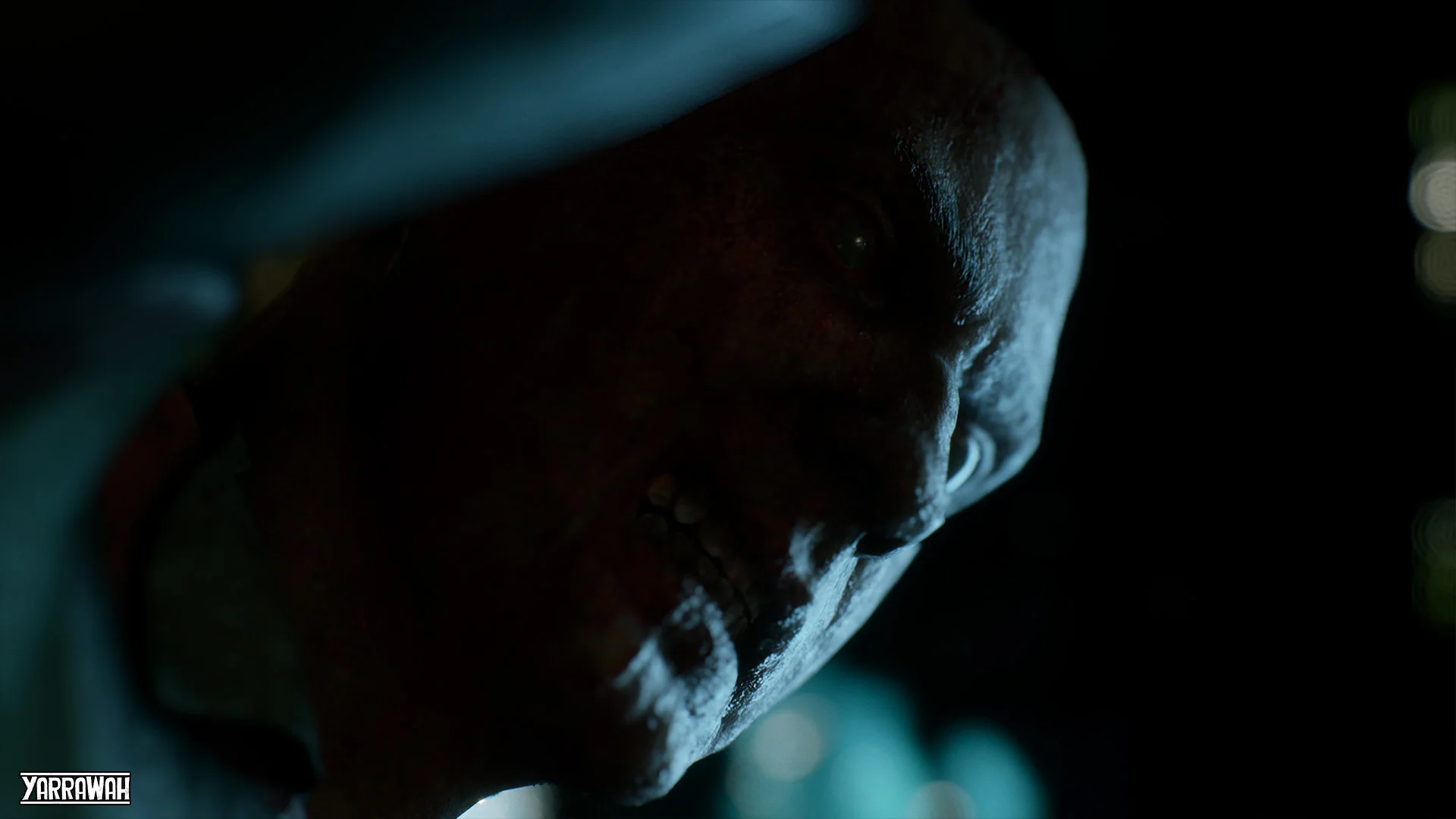
Resource screenshots
1 / 7
Join our channel
Follow 3DCGHUB on Telegram for new resource drops, migration updates, and community notices.
Populating Post-Apocalyptic Encounters with Bloated Male Variants
Dense survival horror scenarios and survival wave shooters rely heavily on enemy variety to sustain tension. Repetitive enemy silhouettes and identical clothing break the illusion of an overrun quarantine zone, a decaying hospital corridor, or a desolate urban highway. The Zombie - Bloated Male pack provides an imposing, heavy-set undead archetype equipped with interchangeable modular clothing, distinct head models, and an automated blueprint randomizer designed to populate scenes with hundreds of thousands of distinct visual permutations on spawn.
Instead of requiring technical artists to assemble dozens of discrete character models manually, the package supplies modular building blocks that combine into unique entities on the fly. The bloated body profile adds immediate physical weight and silhouette diversity to standard undead rosters, presenting a decayed, distended silhouette that stands apart from standard humanoid runners and walkers. Game developers can dictate exactly which variations are permitted to appear in an encounter, ensuring that narrative-specific clothing presets appear where appropriate while allowing open-world horde spawners to cycle through the full spectrum of heads, outfits, and color palettes.
Seed-Based Architecture and the Zombie Blueprint Components
Integration speed often determines whether a modular character package fits smoothly into an existing development pipeline. Rather than binding appearance logic directly to construction scripts—which can create unnecessary processing overhead and limit procedural spawning control—the system utilizes seed-based randomization. Generating variations via dedicated seeds ensures that random generation does not run passively during construction, granting explicit control over enemy configurations across specific maps, levels, or difficulty tiers.
The underlying framework operates through two modular actor components:
BPC_OutfitControl: An inheritance-based component that houses child component classes with customizable parameters. It can be attached to existing artificial intelligence frameworks or custom character blueprints in one to two minutes, immediately injecting full outfit randomization into third-party AI systems.
BPC_MorphControl: A dedicated facial animation component tasked with manipulating facial morph targets, randomized expression poses, and individualized facial shifts on spawn.
Because the logic is fully detached from hardcoded pawn classes, developers using existing combat frameworks, navigation logic, or custom behavior trees can inherit the visual randomization pipeline without rewriting their character base classes.
Modular Mesh Optimization and Bloated Male Cloth Performance
Rendering dozens of modular characters simultaneously can severely tax draw call budgets if every clothing item, limb, and accessory functions as an isolated skeletal mesh component. To counter this, the Bloated Male character leverages Unreal Engine's Master Pose optimizations. This setup allows multiple modular parts to follow a master skeletal hierarchy while the engine renders the composite character as a unified single skeletal mesh, substantially cutting down performance overhead during large mob encounters.
Cloth physics present another common technical hurdle in real-time engine environments, where legacy Apex cloth calculations can trigger visual culling errors across various engine versions. The package resolves this by delivering two distinct iterations for each relevant mesh: one authored with simulated cloth and an alternate version stripped of Apex cloth data. Developers can toggle between dynamic cloth simulation and static mesh behavior directly through the outfit control component, enabling tight optimization passes for high-density horde scenes or performance-sensitive platforms ahead of the Chaos physics update.
Dismemberment Masking, Physics Assets, and Ragdoll Gibs
Kinetic combat systems demand reactive destruction when heavy weapons or explosives impact enemy ranks. The asset incorporates pre-configured physics assets tailored directly to the bloated male frame, ensuring realistic ragdoll weight distribution upon defeat rather than generic floaty reactions.
For damage modeling, the package integrates randomized gore and dismemberment masks alongside fully prepared dismembered gibs. Severable limbs and meat chunks match the underlying skeletal structure, allowing combat programmers to wire the assets straight into custom limb-severing and directional damage systems. The accompanying dismemberment masks blend wounds, exposed tissue, and severed bone caps cleanly at the detachment points, removing the need to author custom interior flesh meshes when implementing tactical shooter or horror damage mechanics.
Material Customization and Mocap Online Animation Integration
Visual diversity extends beyond physical geometry swaps through an adaptable texturing pipeline. The character includes albedo masks and gray-scaled blank textures intended for quick tint adjustments. Developers can generate entirely new uniform schemes, muddy variations, or bloody palettes within the material editor without painting new base color maps in external texturing software. Standard defaults feature balanced color adjustments, material assignments, and realistic surface responses.
When working with dynamic lighting setups, engine-level subsurface scattering profiles can occasionally display visual artifacts under dynamic lighting conditions. The package accounts for this engine behavior in three distinct ways:
Switching the level skylight mobility to stationary.
Utilizing the included alternative master materials, which bypass subsurface profile lookups entirely to preserve clean material fidelity under dynamic sun and point lights.
For movement and motion sequencing, the pack bundles 34 licensed animations from Mocap Online. These motion-captured assets supply realistic walking cadences, shambling strides, and character-appropriate gestures configured for immediate use with standard animation blueprints. Five demonstration maps, including an AI showcase environment, are provided to test the movement sets, examine outfit generation parameters, and inspect physics assets in live viewport conditions.
Production Workflows Suited for the Bloated Character Variant
The Zombie - Bloated Male package functions best in projects where enemy readability, rapid assembly, and scalable performance are primary goals. Solo developers and small teams building third-person horror adventures or wave-defense shooters can deploy the ready-to-use blueprint examples to stand up working enemies quickly. At the same time, teams with established gameplay architectures can strip out the demonstration pawns, attach the outfit and morph components to proprietary AI controllers, and drive seed-based spawn logic directly from game-mode managers.
 Characters
 Characters
 Characters