"0341a2901a4ae9aa"{"id":"1000143","slug":"zombie-starved-male","title":"Zombie - Starved Male","category":"Characters \u0026 Creatures","engine":"5.1+","assetVersion":"","engineVersion":"Engine Version: 5.1+","tag":"Characters","accent":"blue","visual":"character","summary":"Zombie - Starved Male centers on fast setup, seed-based randomization, modular outfit control, and dismemberment-ready characters for Unreal scenes.","platform":"Unreal Engine","publishedAt":"2026-06-12T17:25:33.387Z","updatedAt":"2026-06-12T17:25:33.387Z","sourceNotes":[],"fileContents":[],"compatibility":["Unreal Engine","Engine Version: 5.1+"],"featuredImage":{"alt":"Zombie - Starved Male","src":"/wp-content/uploads/published/2026/06/21411f2395a9-428115cb-f798-4d9d-b022-fb3a72aa8e6b-e4980defa1.webp"},"hasDownloadLink":true,"downloads":0,"terms":[{"taxonomy":"category","slug":"characters-and-creatures","name":"Characters \u0026 Creatures"}],"galleryImages":[{"src":"/wp-content/uploads/published/2026/06/33acc66dcb16-f5ee4d27-84ec-49dc-bbe9-3f4e55962f46-a0d8a7ca57.webp","alt":"Zombie - Starved Male"},{"src":"/wp-content/uploads/published/2026/06/8b55f6270d8d-49476c63-9f9b-477f-9722-e8ee43929f4c-6497c71e1f.webp","alt":"Zombie - Starved Male"},{"src":"/wp-content/uploads/published/2026/06/682c6e822638-a0e873ce-6ce9-4f71-b241-3e3ef904c0a9-b7aa88f95f.webp","alt":"Zombie - Starved Male"},{"src":"/wp-content/uploads/published/2026/06/dc3dd1dbffac-b4dce7fa-4df9-4d87-afe4-9e2d5d2561ad-086f954b87.webp","alt":"Zombie - Starved Male"},{"src":"/wp-content/uploads/published/2026/06/6e4949359c5b-94eb4449-f045-436e-9ab6-ddd1c64c5467-b5d4e278e0.webp","alt":"Zombie - Starved Male"},{"src":"/wp-content/uploads/published/2026/06/4a2d25576552-683c1d3c-c06a-45ad-a502-6952cd88cf98-c9aa4f87d3.webp","alt":"Zombie - Starved Male"},{"src":"/wp-content/uploads/published/2026/06/e1f49a011689-f8feeedf-0c99-43e3-b112-a64eb594c120-54e4bfa347.webp","alt":"Zombie - Starved Male"},{"src":"/wp-content/uploads/published/2026/06/8fabada3c464-0bd246d7-b634-4f56-812d-c4359229b997-782fb82616.webp","alt":"Zombie - Starved Male"},{"src":"/wp-content/uploads/published/2026/06/c78a770883d0-65e352f7-b82a-4901-bfea-97a9e0304bd4-cd6deeb3f2.webp","alt":"Zombie - Starved Male"},{"src":"/wp-content/uploads/published/2026/06/2d1063d565d1-f3339e7c-760d-4598-bef3-53bb748209bb-f3fe5d67b9.webp","alt":"Zombie - Starved Male"}],"accessPanel":{"kind":"resource","title":"Download this resource","eyebrow":"Free Download","message":"Log in or create a free account to start your download.","fileName":"Content.7z","safetyNote":"Resources are manually reviewed before listing to improve quality and reduce obvious risks.","actionLabel":"Download Free","resourceType":"Resource archive"},"contentHtml":"\u003cp\u003eGetting this character into a project is framed around speed. Update 3.0 completely rewrote the randomization code and morph control code, making the pack significantly easier to integrate into new projects and reducing setup from roughly ten minutes to around one to two minutes. That changes the role of \u003cstrong\u003eZombie - Starved Male\u003c/strong\u003e From a character that needs careful manual preparation into one that can be dropped into a production pipeline quickly, especially when a team needs undead population variety without spending time assembling every figure by hand.\u003c/p\u003e \u003cp\u003eThe pack is not limited to one presentation of a starving male zombie. It includes an array of zombie characters, heads, and outfits, with a flexible blueprint zombie randomizer that works with other AI or character packs on the marketplace. For artists and designers, that means this asset can fill more than one job. It can act as a featured infected NPC, a repeatable background crowd unit, or a base for map-specific variations where costume combinations and facial states help the same undead archetype appear less predictable.\u003c/p\u003e \u003ch2\u003eFast setup through the rewritten randomization system\u003c/h2\u003e\n\u003cp\u003eThe rewritten systems in Update 3.0 shape how the pack is used from the start. Randomization and morph control were rebuilt from the ground up, and this gives a simpler path into new projects. Instead of treating customization as a separate polish pass, the pack makes variation part of the initial implementation. That is important for developers who want to establish enemy diversity early, because they can begin with randomized zombies rather than placeholder duplicates.\u003c/p\u003e \u003cp\u003eMultiple blueprint examples are included to get projects started and to show the scope of the asset. Those examples do more than demonstrate isolated features. They provide a practical bridge between the raw character content and in-game use, especially for teams that want to test spawning logic, outfit changes, or facial variation before folding the zombie into a larger AI setup. Five demo maps are also included, giving the pack a more production-ready feel than a character that arrives without context.\u003c/p\u003e \u003cp\u003eAnother useful part of the setup path is the inheritance-based outfit component. Randomization can be added to any AI or blueprint simply by adding \u003cstrong\u003eBPC_OutfitControl\u003c/strong\u003e. Each zombie includes a child component class with customized parameters, which makes integration into other AI or character packs quicker and more intuitive. In practice, that opens a strong creative route: a developer can keep an established AI behavior system and swap visual variety in through the outfit component instead of rebuilding the character logic around a new zombie asset.\u003c/p\u003e \u003ch2\u003eZombie - Starved Male as a modular crowd and encounter tool\u003c/h2\u003e\n\u003cp\u003eThe pack’s main creative strength is scale through variation. It is possible to generate hundreds of thousands of unique zombies by randomizing outfits on spawn. That makes the asset useful well beyond a single hero monster. A team building survival scenes, ruined city streets, quarantine zones, or scripted horde moments can use the same underlying pack repeatedly while still avoiding a cloned look.\u003c/p\u003e \u003cp\u003eControl is not left entirely to chance. The pack gives full control over what variations are allowed to spawn, so randomization can be narrowed for a particular district, faction, or story beat. One map might call for a harsher, stripped-back infected look, while another might need a broader mix of heads, clothing pieces, and facial states. Since the allowed variation set can be controlled, the same resource can support both free-form undead crowds and more curated encounter design.\u003c/p\u003e \u003cp\u003eHair, bald, and hair cap variations add another visible layer of silhouette change. Combined with the modular heads and outfits, those options help the same zombie family read as a larger infected population rather than a repeated character with minor texture swaps. That is especially helpful in scenes where players scan groups from mid-distance. The crowd does not need to rely on animation alone to feel varied.\u003c/p\u003e \u003cp\u003eFacial variation also plays a bigger role here than in many modular enemy packs. Randomized facial animations and morph poses are included, and facial morph shapes are controlled through \u003cstrong\u003eBPC_MorphControl\u003c/strong\u003e. This gives the undead cast more than static visual diversity. Expression and facial distortion can contribute to the sense that each spawned zombie has its own damaged features and behavioral tone.\u003c/p\u003e \u003ch2\u003eSeed-based randomization and BPC_OutfitControl\u003c/h2\u003e\n\u003cp\u003eThe move to seed-based randomization is one of the pack’s more practical workflow details. Zombie randomization no longer runs on construction, and the seed-based approach gives much more control over what type of zombies are spawned. It also allows custom variations to be reused or set up for maps. That makes the pack easier to direct artistically.\u003c/p\u003e \u003cp\u003eFor example, a developer can approach variation in two different ways using the same system. One use is broad procedural population, where spawn points produce many distinct infected from the available parts. The other is deliberate reuse, where certain custom variations are established for specific locations. A narrow street, a hospital wing, or a combat arena can maintain a recognizable visual identity while still drawing from the same modular zombie framework.\u003c/p\u003e \u003cp\u003eBecause \u003cstrong\u003eBPC_OutfitControl\u003c/strong\u003e Can be added to any AI or blueprint, the randomization layer becomes portable. That is valuable for teams with existing enemy controllers or encounter logic already in place. Rather than swapping out core systems, they can bring the visual randomization into those blueprints and keep their current gameplay structure intact.\u003c/p\u003e \u003ch2\u003eMaster Pose rendering, cloth options, and shared zombie assets\u003c/h2\u003e\n\u003cp\u003eThe rendering side is tuned for modular character use inside Unreal. The pack uses Master Pose optimizations included by Unreal for modular skeletal characters, allowing the characters to render as a single skeletal mesh. For scenes that need many undead on screen, this matters. Modular content often risks becoming cumbersome once many parts are being combined, but here the modular approach is paired with an optimization path intended specifically for this kind of character assembly.\u003c/p\u003e \u003cp\u003eCloth handling also receives direct attention in the update notes. Apex has culling issues in all versions of Unreal, so a separate version without Apex cloth is included for each mesh. That version can be enabled or disabled through the outfit control component, with a strong performance benefit. This gives artists and technical designers a clear choice when dressing scenes: they can preserve the outfit range while choosing the mesh variation that better suits the performance target or behavior of the encounter.\u003c/p\u003e \u003cp\u003eThe pack also includes certain master assets configured to work with each individual zombie. That shared content helps hold the modular system together across the different parts and options. It suggests a resource meant to operate as a connected character framework rather than a loose pile of interchangeable pieces.\u003c/p\u003e \u003cp\u003eVisual customization extends beyond mesh combinations. Albedo masks and gray-scaled textures are provided to make new color variations easier, and bonus plain or blank textures are included for advanced customization. This allows artists to push the zombie toward cleaner base looks, more stylized material treatments, or map-specific palette control without abandoning the pack’s existing structure. Better color balance on some textures is also part of the listed minor changes in the update, alongside improvements to default randomization presets, materials, physics assets, and showcase levels.\u003c/p\u003e \u003ch2\u003eDismembered limbs, gore masks, and physics-ready undead scenes\u003c/h2\u003e\n\u003cp\u003e\u003cstrong\u003eZombie - Starved Male\u003c/strong\u003e Is prepared for violent gameplay systems rather than only visual placement. Each zombie comes with configured physics assets and dismembered gibs, ready to plug into dismemberment systems. Dismembered limbs are ready to use, and randomized gore and dismemberment masks are part of the included feature set. For developers building combat where body damage is meant to read clearly, that preparation cuts down on the work needed to adapt the character to reactive hit systems.\u003c/p\u003e \u003cp\u003eCustomized ragdolls and physics assets push the asset further toward gameplay use. A zombie that supports outfit variation is useful for atmosphere, but a zombie that also arrives with configured physics and dismemberment components is easier to place into melee encounters, ballistic combat, or scripted kill reactions. This gives a character pack that can function in static scene dressing and in heavily interactive combat spaces.\u003c/p\u003e \u003cp\u003eAnimation support adds another layer to that readiness. The pack includes 34 licensed animations from Mocap Online, listed as 34 unique animations. That gives teams a broader base for movement and behavior than a single idle-and-attack setup would. It also complements the randomized facial work, since body motion, facial morph variation, and outfit changes together help the zombies feel less repetitive when spawned in groups.\u003c/p\u003e \u003ch2\u003eWhere the Starved Male fits best\u003c/h2\u003e\n\u003cp\u003eThis pack suits developers who need a reusable undead character system more than a one-off monster. Its strongest use is in projects that benefit from repeatable variation: crowd scenes, layered spawn tables, map-specific infected presets, and combat setups that rely on ragdolls or dismemberment. The short setup path, blueprint examples, demo maps, modular outfit control, seed-based randomization, and ready-to-use physics content all point in the same direction.\u003c/p\u003e \u003cp\u003eFor production, the appeal is straightforward. \u003cstrong\u003eZombie - Starved Male\u003c/strong\u003e Gives a modular zombie with heads, outfits, facial variation, dismemberment-ready parts, cloth options, and Unreal-focused optimization, while still letting teams control exactly what kind of undead appear in a level. That makes it a practical choice when a project needs zombies that are fast to integrate, easy to vary, and ready to hold up across repeated use.\u003c/p\u003e\n\n\u003ch2\u003eContinue Browsing Similar Packs\u003c/h2\u003e\n\u003cul\u003e\n\u003cli\u003e\u003ca href=\"https://3dcghub.com/urbanzombie3/\" title=\"UrbanZombie3\"\u003eUrbanZombie3\u003c/a\u003e\u003c/li\u003e\n\u003cli\u003e\u003ca href=\"https://3dcghub.com/parasite-zombie-06-game-assets-extra/\" title=\"Parasite Zombie 06 - Game Assets + Extra\"\u003eParasite Zombie 06 - Game Assets + Extra\u003c/a\u003e\u003c/li\u003e\n\u003cli\u003e\u003ca href=\"https://3dcghub.com/medieval-armour-metahuman-male-female/\" title=\"Medieval Armour - Metahuman - Male/Female\"\u003eMedieval Armour - Metahuman - Male/Female\u003c/a\u003e\u003c/li\u003e\n\u003cli\u003e\u003ca href=\"https://3dcghub.com/parasite-zombie-05-game-assets-extra/\" title=\"Parasite Zombie 05 - Game Assets + Extra\"\u003eParasite Zombie 05 - Game Assets + Extra\u003c/a\u003e\u003c/li\u003e\n\u003cli\u003e\u003ca href=\"https://3dcghub.com/male-mega-realistic-character-pack-01/\" title=\"Male Mega Realistic Character Pack 01\"\u003eMale Mega Realistic Character Pack 01\u003c/a\u003e\u003c/li\u003e\n\u003c/ul\u003e","contentTextLength":10230,"navigation":{"current":2025,"total":4017,"previous":{"id":"1000145","slug":"aaa-game-environment-creation-in-unreal-engine-5","title":"AAA Game Environment Creation in Unreal Engine 5","category":"Unreal Engine","platform":"Unreal Engine","updatedAt":"2026-06-13T08:44:03.779Z"},"next":{"id":"1000142","slug":"waterstamp-water-decals","title":"Waterstamp - Water Decals","category":"Water","platform":"Unreal Engine","updatedAt":"2026-06-12T16:55:21.280Z"}},"relatedResources":[{"id":"1000651","slug":"modular-medieval-npc-metahuman-male-female","title":"Modular Medieval NPC - Metahuman - Male/Female","category":"Characters \u0026 Creatures","engine":"5.0+","assetVersion":"","engineVersion":"Engine Version: 5.0+","tag":"Characters","accent":"blue","visual":"character","summary":"Modular medieval NPC system with MetaHuman support, parametric clothing, UE5 Mannequin rig conversion, and Blueprints for NPCs, player characters, and an in-gam","platform":"Unreal Engine","publishedAt":"2026-07-21T19:10:45.900Z","updatedAt":"2026-07-21T19:10:45.900Z","sourceNotes":[],"fileContents":[],"compatibility":["Unreal Engine","Engine Version: 5.0+"],"featuredImage":{"alt":"Modular Medieval NPC - Metahuman - Male/Female","src":"/wp-content/uploads/published/2026/07/b9a07620d89f-a159ceef-b6c6-4ed0-b507-e0154e526184-0f8e05b036.webp"},"hasDownloadLink":true,"downloads":6},{"id":"3013","slug":"medieval-armour-metahuman-male-female","title":"Medieval Armour - Metahuman - Male/Female","category":"Characters \u0026 Creatures","engine":"5.0+","assetVersion":"Engine version: 5.0+","engineVersion":"5.0","tag":"Characters","accent":"blue","visual":"character","summary":"Enhance your game with this modular Medieval Armour pack. Fully compatible with MetaHuman and Unreal Engine 5, featuring customizable knight and soldier sets.","platform":"Unreal Engine","publishedAt":"2026-02-07T16:24:55.000Z","updatedAt":"2026-04-19T15:57:43.000Z","sourceNotes":[],"fileContents":[],"compatibility":["Unreal Engine","Engine version: 5.0+"],"featuredImage":{"alt":"Medieval Armour - Metahuman - Male/Female","src":"https://3dcghub.com/wp-content/uploads/2026/02/a9674880-5e39-4e2c-8bce-51cab7294e45.webp"},"hasDownloadLink":true,"downloads":10},{"id":"1000034","slug":"zombie-hazmat","title":"Zombie - Hazmat","category":"Characters \u0026 Creatures","engine":"5.1+","assetVersion":"","engineVersion":"5.1+","tag":"Characters","accent":"blue","visual":"character","summary":"Zombie - Hazmat is a fully rigged, game-ready horror character with clean topology and PBR textures for outbreak, sci-fi, and survival scenes.","platform":"Unreal Engine","publishedAt":"2026-05-21T09:43:51.218Z","updatedAt":"2026-05-21T09:43:51.218Z","sourceNotes":[],"fileContents":[],"compatibility":["Unreal Engine","Engine version: 5.1+"],"featuredImage":{"alt":"Zombie - Hazmat","src":"/wp-content/uploads/published/2026/05/12b53f62fa6d-fa0f5c6b-4976-440e-a9bb-dc6be68bbe60-a6d39a96ff.webp"},"hasDownloadLink":true,"downloads":1}]}
Characters
Zombie - Starved Male
Zombie - Starved Male centers on fast setup, seed-based randomization, modular outfit control, and dismemberment-ready characters for Unreal scenes.
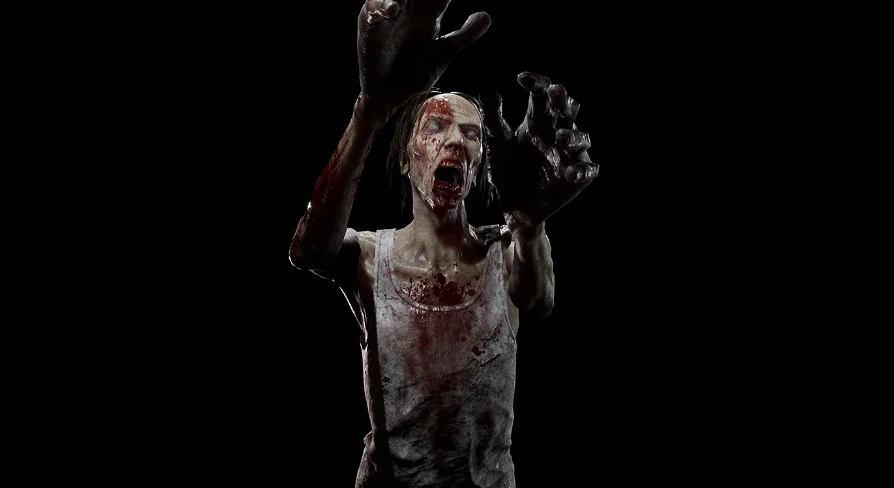
Getting this character into a project is framed around speed. Update 3.0 completely rewrote the randomization code and morph control code, making the pack significantly easier to integrate into new projects and reducing setup from roughly ten minutes to around one to two minutes. That changes the role of Zombie - Starved Male From a character that needs careful manual preparation into one that can be dropped into a production pipeline quickly, especially when a team needs undead population variety without spending time assembling every figure by hand.
The pack is not limited to one presentation of a starving male zombie. It includes an array of zombie characters, heads, and outfits, with a flexible blueprint zombie randomizer that works with other AI or character packs on the marketplace. For artists and designers, that means this asset can fill more than one job. It can act as a featured infected NPC, a repeatable background crowd unit, or a base for map-specific variations where costume combinations and facial states help the same undead archetype appear less predictable.
Fast setup through the rewritten randomization system
The rewritten systems in Update 3.0 shape how the pack is used from the start. Randomization and morph control were rebuilt from the ground up, and this gives a simpler path into new projects. Instead of treating customization as a separate polish pass, the pack makes variation part of the initial implementation. That is important for developers who want to establish enemy diversity early, because they can begin with randomized zombies rather than placeholder duplicates.
Multiple blueprint examples are included to get projects started and to show the scope of the asset. Those examples do more than demonstrate isolated features. They provide a practical bridge between the raw character content and in-game use, especially for teams that want to test spawning logic, outfit changes, or facial variation before folding the zombie into a larger AI setup. Five demo maps are also included, giving the pack a more production-ready feel than a character that arrives without context.
Another useful part of the setup path is the inheritance-based outfit component. Randomization can be added to any AI or blueprint simply by adding BPC_OutfitControl. Each zombie includes a child component class with customized parameters, which makes integration into other AI or character packs quicker and more intuitive. In practice, that opens a strong creative route: a developer can keep an established AI behavior system and swap visual variety in through the outfit component instead of rebuilding the character logic around a new zombie asset.
Zombie - Starved Male as a modular crowd and encounter tool
The pack’s main creative strength is scale through variation. It is possible to generate hundreds of thousands of unique zombies by randomizing outfits on spawn. That makes the asset useful well beyond a single hero monster. A team building survival scenes, ruined city streets, quarantine zones, or scripted horde moments can use the same underlying pack repeatedly while still avoiding a cloned look.
Control is not left entirely to chance. The pack gives full control over what variations are allowed to spawn, so randomization can be narrowed for a particular district, faction, or story beat. One map might call for a harsher, stripped-back infected look, while another might need a broader mix of heads, clothing pieces, and facial states. Since the allowed variation set can be controlled, the same resource can support both free-form undead crowds and more curated encounter design.
Hair, bald, and hair cap variations add another visible layer of silhouette change. Combined with the modular heads and outfits, those options help the same zombie family read as a larger infected population rather than a repeated character with minor texture swaps. That is especially helpful in scenes where players scan groups from mid-distance. The crowd does not need to rely on animation alone to feel varied.
Facial variation also plays a bigger role here than in many modular enemy packs. Randomized facial animations and morph poses are included, and facial morph shapes are controlled through BPC_MorphControl. This gives the undead cast more than static visual diversity. Expression and facial distortion can contribute to the sense that each spawned zombie has its own damaged features and behavioral tone.
Seed-based randomization and BPC_OutfitControl
The move to seed-based randomization is one of the pack’s more practical workflow details. Zombie randomization no longer runs on construction, and the seed-based approach gives much more control over what type of zombies are spawned. It also allows custom variations to be reused or set up for maps. That makes the pack easier to direct artistically.
For example, a developer can approach variation in two different ways using the same system. One use is broad procedural population, where spawn points produce many distinct infected from the available parts. The other is deliberate reuse, where certain custom variations are established for specific locations. A narrow street, a hospital wing, or a combat arena can maintain a recognizable visual identity while still drawing from the same modular zombie framework.
Because BPC_OutfitControl Can be added to any AI or blueprint, the randomization layer becomes portable. That is valuable for teams with existing enemy controllers or encounter logic already in place. Rather than swapping out core systems, they can bring the visual randomization into those blueprints and keep their current gameplay structure intact.
Master Pose rendering, cloth options, and shared zombie assets
The rendering side is tuned for modular character use inside Unreal. The pack uses Master Pose optimizations included by Unreal for modular skeletal characters, allowing the characters to render as a single skeletal mesh. For scenes that need many undead on screen, this matters. Modular content often risks becoming cumbersome once many parts are being combined, but here the modular approach is paired with an optimization path intended specifically for this kind of character assembly.
Cloth handling also receives direct attention in the update notes. Apex has culling issues in all versions of Unreal, so a separate version without Apex cloth is included for each mesh. That version can be enabled or disabled through the outfit control component, with a strong performance benefit. This gives artists and technical designers a clear choice when dressing scenes: they can preserve the outfit range while choosing the mesh variation that better suits the performance target or behavior of the encounter.
The pack also includes certain master assets configured to work with each individual zombie. That shared content helps hold the modular system together across the different parts and options. It suggests a resource meant to operate as a connected character framework rather than a loose pile of interchangeable pieces.
Visual customization extends beyond mesh combinations. Albedo masks and gray-scaled textures are provided to make new color variations easier, and bonus plain or blank textures are included for advanced customization. This allows artists to push the zombie toward cleaner base looks, more stylized material treatments, or map-specific palette control without abandoning the pack’s existing structure. Better color balance on some textures is also part of the listed minor changes in the update, alongside improvements to default randomization presets, materials, physics assets, and showcase levels.
Dismembered limbs, gore masks, and physics-ready undead scenes
Zombie - Starved Male Is prepared for violent gameplay systems rather than only visual placement. Each zombie comes with configured physics assets and dismembered gibs, ready to plug into dismemberment systems. Dismembered limbs are ready to use, and randomized gore and dismemberment masks are part of the included feature set. For developers building combat where body damage is meant to read clearly, that preparation cuts down on the work needed to adapt the character to reactive hit systems.
Customized ragdolls and physics assets push the asset further toward gameplay use. A zombie that supports outfit variation is useful for atmosphere, but a zombie that also arrives with configured physics and dismemberment components is easier to place into melee encounters, ballistic combat, or scripted kill reactions. This gives a character pack that can function in static scene dressing and in heavily interactive combat spaces.
Animation support adds another layer to that readiness. The pack includes 34 licensed animations from Mocap Online, listed as 34 unique animations. That gives teams a broader base for movement and behavior than a single idle-and-attack setup would. It also complements the randomized facial work, since body motion, facial morph variation, and outfit changes together help the zombies feel less repetitive when spawned in groups.
Where the Starved Male fits best
This pack suits developers who need a reusable undead character system more than a one-off monster. Its strongest use is in projects that benefit from repeatable variation: crowd scenes, layered spawn tables, map-specific infected presets, and combat setups that rely on ragdolls or dismemberment. The short setup path, blueprint examples, demo maps, modular outfit control, seed-based randomization, and ready-to-use physics content all point in the same direction.
For production, the appeal is straightforward. Zombie - Starved Male Gives a modular zombie with heads, outfits, facial variation, dismemberment-ready parts, cloth options, and Unreal-focused optimization, while still letting teams control exactly what kind of undead appear in a level. That makes it a practical choice when a project needs zombies that are fast to integrate, easy to vary, and ready to hold up across repeated use.
 Characters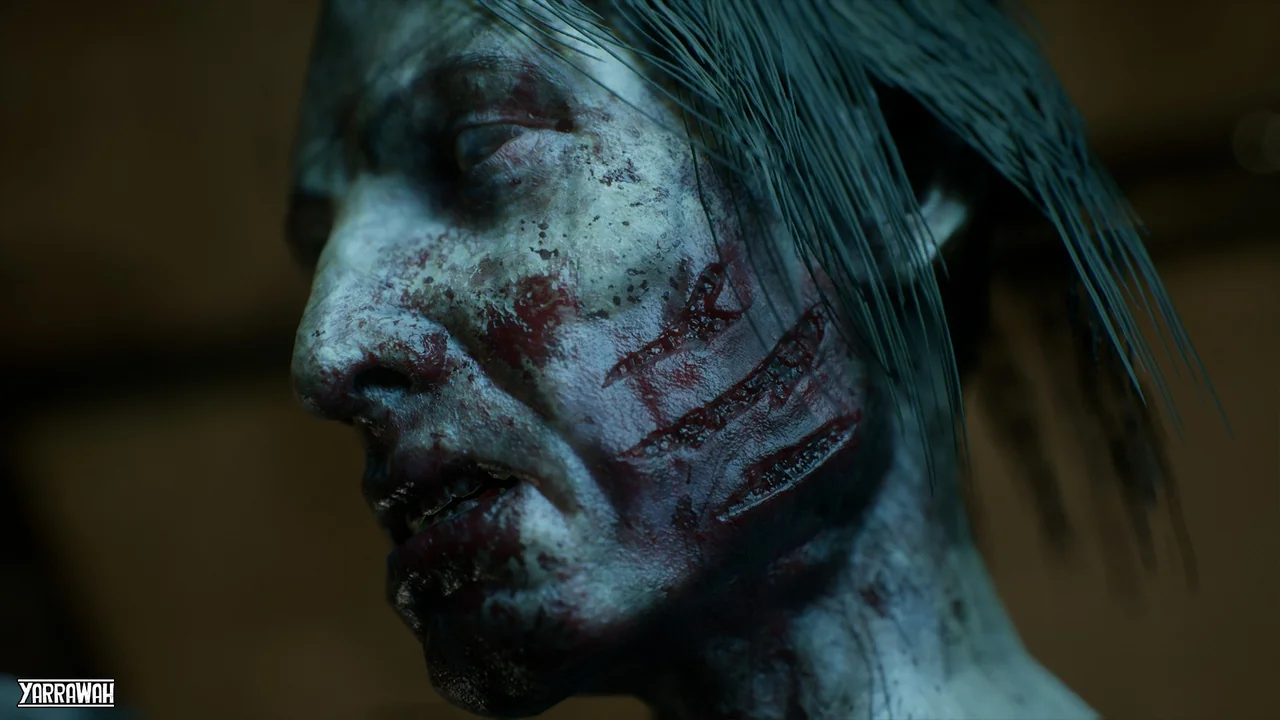
 Characters
 Characters
 Characters