"7ad89cffa44984cf"{"id":"1002552","slug":"npc-zombie-man","title":"NPC Zombie Man","category":"Characters \u0026 Creatures","engine":"4.26+,5.0+","assetVersion":"","engineVersion":"Engine Version: 4.26+,5.0+","tag":"Characters","accent":"blue","visual":"character","summary":"Explore the implementation, animation state setup, and scene integration of the lowpoly realistic male NPC Zombie Man character.","platform":"Unreal Engine","indexPolicy":"index","publishedAt":"2026-11-13T10:05:07.335Z","updatedAt":"2026-11-13T10:05:07.335Z","sourceNotes":[],"fileContents":[],"compatibility":["Unreal Engine","Engine Version: 4.26+,5.0+"],"featuredImage":{"alt":"NPC Zombie Man","src":"/wp-content/uploads/published/2026/11/d18ab5b5c1ab-63237373-bab7-49b9-b385-f2258e413def-e6fe9e4fc2.webp"},"hasDownloadLink":true,"downloads":0,"terms":[{"taxonomy":"category","slug":"characters-and-creatures","name":"Characters \u0026 Creatures"}],"galleryImages":[{"src":"/wp-content/uploads/published/2026/11/160681676738-0fff7ed4-847c-4946-8ef9-bdf0caafb2cf-1e96075485.webp","alt":"NPC Zombie Man"},{"src":"/wp-content/uploads/published/2026/11/3815438a755c-c710c86e-964b-47b3-b5c7-78ca850b0446-7b4a0f551b.webp","alt":"NPC Zombie Man"}],"accessPanel":{"kind":"resource","title":"Get this resource","eyebrow":"Free resource","message":"Download this resource in your browser.","fileName":"Content.7z","safetyNote":"Resources are manually reviewed before listing to improve quality and reduce obvious risks.","actionLabel":"Get this resource","resourceType":"Resource archive","versions":[]},"contentHtml":"\u003ch2\u003eIntegrating NPC Zombie Man Through Animation Blueprints\u003c/h2\u003e\n\u003cp\u003eDeploying an animated humanoid opponent into a real-time environment begins with establishing a functional control pipeline. The NPC Zombie Man is built as a realistic, lowpoly male humanoid character intended for non-player character roles within apocalyptic and horror-themed interactive projects. Operating as an NPC, the character relies on dedicated script and animation blueprint logic to drive skeletal motion, route behavioral parameters, and transition between static poses and dynamic locomotion.\u003c/p\u003e\n\u003cp\u003eSetting up the character starts by wiring the animation blueprint directly to the character pawn or skeletal mesh component. Because the package incorporates script elements, the core logic handles standard non-player character tasks: monitoring state changes, querying environmental stimuli, and signaling the skeletal mesh to update its current animation clip. The lowpoly geometry ensures the mesh maintains a lightweight rendering footprint while preserving the anatomical proportions of an adult male humanoid, making it suitable for populating both concentrated encounter spaces and wider post-apocalyptic layouts without taxing geometry budgets.\u003c/p\u003e \u003ch2\u003eMotion Sets Included with NPC Zombie Man\u003c/h2\u003e\n\u003cp\u003eCharacter variation and behavioral nuance depend heavily on the underlying animation list. The NPC Zombie Man package delivers a curated roster of focused animations that define its physical behaviors:\u003c/p\u003e\n\u003cul\u003e \u003cli\u003e\u003cstrong\u003eIdle:\u003c/strong\u003e A neutral standing posture that serves as the root fallback state when no sensory triggers, target tracks, or movement inputs are active.\u003c/li\u003e \u003cli\u003e\u003cstrong\u003eWalk:\u003c/strong\u003e A baseline locomotion cycle suited for steady forward pathing or standard waypoint navigation.\u003c/li\u003e \u003cli\u003e\u003cstrong\u003eHungry Walk:\u003c/strong\u003e An alternative locomotion cycle reflecting a more desperate, search-driven gait that signals heightened target acquisition or persistent stalker behavior.\u003c/li\u003e \u003cli\u003e\u003cstrong\u003eRun:\u003c/strong\u003e A high-velocity forward locomotion cycle suited for direct pursuit, target tracking, and close-quarters charges.\u003c/li\u003e \u003cli\u003e\u003cstrong\u003eRage:\u003c/strong\u003e A distinct behavioral performance clip conveying heightened aggression, threat posturing, or state transitions from unalerted wandering to active hostility.\u003c/li\u003e \u003cli\u003e\u003cstrong\u003eRise:\u003c/strong\u003e A recovery motion enabling the model to transition from prone or downed positions back into an upright stance.\u003c/li\u003e \u003cli\u003e\u003cstrong\u003eUp(Element) and Up(Cycle):\u003c/strong\u003e Specialized vertical transition clips configured to handle segmented lifting motions or looping upright poses during environmental resets.\u003c/li\u003e \u003cli\u003e\u003cstrong\u003eEating:\u003c/strong\u003e A grounded, contextual interaction loop depicting the humanoid consuming biomass or feeding on down-level targets.\u003c/li\u003e \u003cli\u003e\u003cstrong\u003eSeizure-Eating:\u003c/strong\u003e An erratic variant of the feeding routine that adds convulsive, distressed physical bursts to the consumption animation, heightening the horror atmosphere.\u003c/li\u003e\n\u003c/ul\u003e \u003ch2\u003eLocomotion Sequencing and State Management\u003c/h2\u003e\n\u003cp\u003eCreating believable behavior for the NPC Zombie Man requires organizing these animation clips into coherent state machine branches within the animation blueprint. Locomotion logic typically bridges Idle, Walk, Hungry Walk, and Run through standard directional and velocity parameters. When the script registers low movement speed during ambient roaming, the model smoothly outputs the standard Walk cycle. As target proximity shortens or an alert state elevates, the script switches the blend variable to drive the Hungry Walk, signaling an intentional shift in pathing without needing an abrupt cut in locomotion continuity.\u003c/p\u003e\n\u003cp\u003eTransitions into maximum pursuit leverage the Run cycle, triggered once the tracking script confirms line of sight or reaches a specific distance threshold. Interspersing the Rage animation between calm wandering and full chase creates an intermediate alert phase. The script commands the state machine to exit ambient walking, play the Rage montage, and subsequently transition directly into Run upon sequence completion. This prevents instant velocity snapping and gives downstream systems time to coordinate audio or reactive camera events.\u003c/p\u003e\n\u003cp\u003eDowned and grounded interactions demand dedicated state routing. The Rise animation, combined with Up(Element) and Up(Cycle), supports recovery routines when the zombie recovers from floor positions or transitions up through scripted environmental triggers. Meanwhile, contextual nodes handle stationary horror staging. Placing the NPC Zombie Man into an Eating state anchors the character to a specific location in the scene. Branching from standard Eating into Seizure-Eating introduces sudden erratic variation into the loop, allowing the script to modulate intensity based on nearby player actions or timed gameplay conditions.\u003c/p\u003e \u003ch2\u003eHorror Staging and Crime Scene Asset Alignment\u003c/h2\u003e\n\u003cp\u003eThe aesthetic profile of the NPC Zombie Man blends realistic character proportions with lowpoly efficiency, aligning it with horror and post-apocalyptic narrative frameworks. Verified compatibility with Crime Scene Assets broadens its deployment scope beyond standard open-world wandering. It can be integrated directly into investigative levels, abandoned urban interiors, and cordoned-off biohazard incident areas.\u003c/p\u003e\n\u003cp\u003eIn crime scene settings, the feeding animations find immediate practical utility. Setting the character to execute Eating or Seizure-Eating over victim props grounds the encounter within an ongoing narrative event. The realistic detailing provides clear visual reads under direct lighting, flashlight cones, or harsh forensic lamps, while the lowpoly framework keeps overhead low when pairing the character with cluttered investigation scenes, blood decals, barricades, and scattered environmental props.\u003c/p\u003e \u003ch2\u003eRole in the Broader NPC Zombies Collection\u003c/h2\u003e\n\u003cp\u003eThe NPC Zombie Man is not an isolated mesh; it belongs to the wider NPC Zombies collection. Working within a broader collection structure simplifies scaling encounter density across multiple scenes. Shared architectural conventions across the collection allow the animation blueprint, motion logic, and underlying script frameworks to interface seamlessly across different encounter profiles.\u003c/p\u003e\n\u003cp\u003eWhether deployed as an isolated prowler utilizing Hungry Walk in a confined hallway, positioned as an incapacitated threat transitioning through Rise, or grouped alongside other humanoid infected to overwhelm a fortified location, the asset functions as a versatile, lowpoly hostile agent ready for immediate implementation in realistic horror productions.\u003c/p\u003e\n\n\u003ch2\u003eExplore Similar Assets\u003c/h2\u003e\n\u003cul\u003e\n\u003cli\u003e\u003ca href=\"https://3dcghub.com/npc-zombies/\" rel=\"noopener noreferrer\"\u003eNPC Zombies\u003c/a\u003e\u003c/li\u003e\n\u003cli\u003e\u003ca href=\"https://3dcghub.com/baker-character-npc-baker-character-worker-npc-sculpt-3d-model-man-art-old/\" rel=\"noopener noreferrer\"\u003eBaker Character / NPC ( Baker Character Worker NPC Sculpt 3D Model Man Art Old )\u003c/a\u003e\u003c/li\u003e\n\u003cli\u003e\u003ca href=\"https://3dcghub.com/npc-blacksmith/\" rel=\"noopener noreferrer\"\u003eNPC Blacksmith\u003c/a\u003e\u003c/li\u003e\n\u003cli\u003e\u003ca href=\"https://3dcghub.com/zombie-mutant-2/\" rel=\"noopener noreferrer\"\u003eZombie mutant 2\u003c/a\u003e\u003c/li\u003e\n\u003cli\u003e\u003ca href=\"https://3dcghub.com/clown-man/\" rel=\"noopener noreferrer\"\u003eClown Man\u003c/a\u003e\u003c/li\u003e\n\u003c/ul\u003e","contentTextLength":6494,"navigation":{"current":25,"total":4499,"previous":{"id":"1002553","slug":"dragons-pack-pbr","title":"Dragons Pack PBR","category":"Characters \u0026 Creatures","platform":"Unreal Engine","updatedAt":"2026-11-13T10:44:04.939Z"},"next":{"id":"1002551","slug":"mushroom-monster-pack-pbr","title":"Mushroom Monster Pack PBR","category":"Characters \u0026 Creatures","platform":"Unreal Engine","updatedAt":"2026-11-13T10:04:14.578Z"}},"relatedResources":[{"id":"1002554","slug":"npc-zombie-woman","title":"NPC Zombie Woman","category":"Characters \u0026 Creatures","engine":"4.26+,5.0+","assetVersion":"","engineVersion":"Engine Version: 4.26+,5.0+","tag":"Characters","accent":"blue","visual":"character","summary":"Implement the lowpoly NPC Zombie Woman character, featuring built-in horror animations, Animation Blueprint support, and Crime Scene Assets compatibility.","platform":"Unreal Engine","indexPolicy":"index","publishedAt":"2026-11-13T10:45:37.029Z","updatedAt":"2026-11-13T10:45:37.029Z","sourceNotes":[],"fileContents":[],"compatibility":["Unreal Engine","Engine Version: 4.26+,5.0+"],"featuredImage":{"alt":"NPC Zombie Woman","src":"/wp-content/uploads/published/2026/11/f01a60fe4227-aef61dd6-a600-4242-af51-a535dc45cb81-062719f84c.webp"},"hasDownloadLink":true,"downloads":0},{"id":"1002335","slug":"npc-zombies","title":"NPC Zombies","category":"Characters \u0026 Creatures","engine":"4.16+,5.0+","assetVersion":"","engineVersion":"Engine Version: 4.16+,5.0+","tag":"Characters","accent":"blue","visual":"character","summary":"NPC Zombies gives horror scenes Zombie Man and Zombie Woman as animated NPC characters with simple animations,.max rig source files, and lowpoly-realistic tags","platform":"Unreal Engine","indexPolicy":"index","publishedAt":"2026-11-06T06:39:53.860Z","updatedAt":"2026-11-06T06:39:53.860Z","sourceNotes":[],"fileContents":[],"compatibility":["Unreal Engine","Engine Version: 4.16+,5.0+"],"featuredImage":{"alt":"NPC Zombies","src":"/wp-content/uploads/published/2026/11/d02aefd69737-29bbaa93-24aa-4764-8ce1-f10fbdf4dea0-be8939a943.webp"},"hasDownloadLink":true,"downloads":0},{"id":"1001792","slug":"baker-character-npc-baker-character-worker-npc-sculpt-3d-model-man-art-old","title":"Baker Character / NPC ( Baker Character Worker NPC Sculpt 3D Model Man Art Old )","category":"Characters \u0026 Creatures","engine":"4.26+,5.0+","assetVersion":"","engineVersion":"Engine Version: 4.26+,5.0+","tag":"Characters","accent":"blue","visual":"character","summary":"Explore the fully rigged Baker Character NPC model, built on the Unreal Engine Mannequin skeleton for modular scene integration and animation workflows.","platform":"Unreal Engine","indexPolicy":"index","publishedAt":"2026-10-21T07:44:46.854Z","updatedAt":"2026-10-21T07:44:46.854Z","sourceNotes":[],"fileContents":[],"compatibility":["Unreal Engine","Engine Version: 4.26+,5.0+"],"featuredImage":{"alt":"Baker Character / NPC ( Baker Character Worker NPC Sculpt 3D Model Man Art Old )","src":"/wp-content/uploads/published/2026/10/4e58afb31219-0fb78b29-b3dc-44eb-a85c-0d511756fd39-61d90e66eb.webp"},"hasDownloadLink":true,"downloads":0}]}
Characters
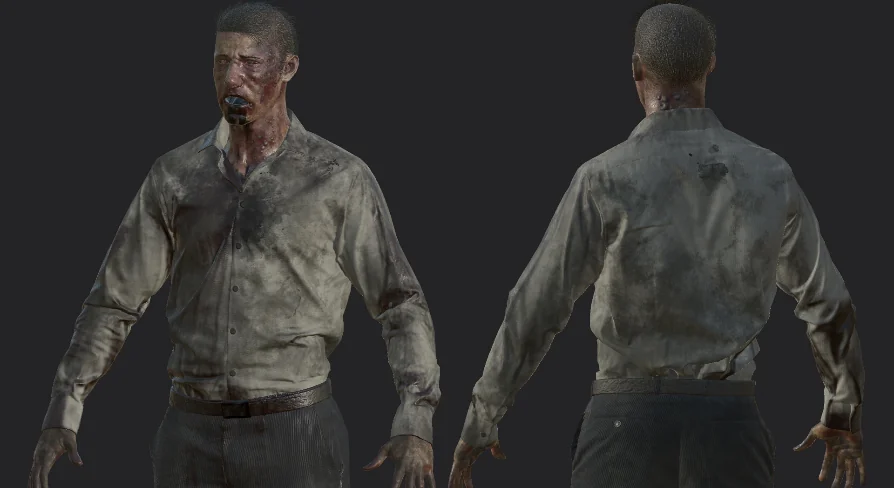
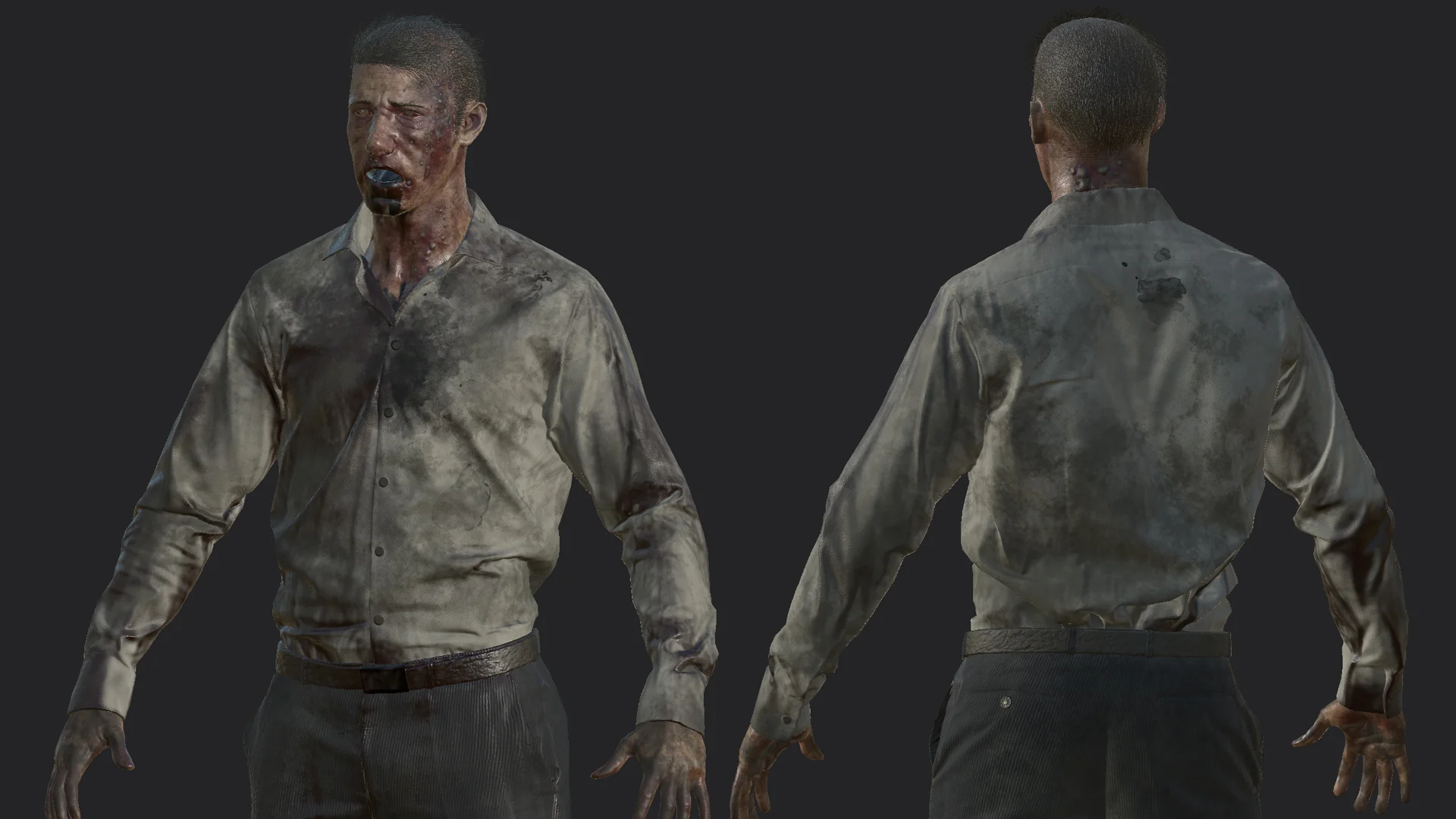
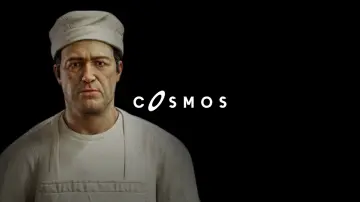
NPC Zombie Man
Explore the implementation, animation state setup, and scene integration of the lowpoly realistic male NPC Zombie Man character.
Integrating NPC Zombie Man Through Animation Blueprints
Deploying an animated humanoid opponent into a real-time environment begins with establishing a functional control pipeline. The NPC Zombie Man is built as a realistic, lowpoly male humanoid character intended for non-player character roles within apocalyptic and horror-themed interactive projects. Operating as an NPC, the character relies on dedicated script and animation blueprint logic to drive skeletal motion, route behavioral parameters, and transition between static poses and dynamic locomotion.
Setting up the character starts by wiring the animation blueprint directly to the character pawn or skeletal mesh component. Because the package incorporates script elements, the core logic handles standard non-player character tasks: monitoring state changes, querying environmental stimuli, and signaling the skeletal mesh to update its current animation clip. The lowpoly geometry ensures the mesh maintains a lightweight rendering footprint while preserving the anatomical proportions of an adult male humanoid, making it suitable for populating both concentrated encounter spaces and wider post-apocalyptic layouts without taxing geometry budgets.
Motion Sets Included with NPC Zombie Man
Character variation and behavioral nuance depend heavily on the underlying animation list. The NPC Zombie Man package delivers a curated roster of focused animations that define its physical behaviors:
Idle: A neutral standing posture that serves as the root fallback state when no sensory triggers, target tracks, or movement inputs are active.
Walk: A baseline locomotion cycle suited for steady forward pathing or standard waypoint navigation.
Hungry Walk: An alternative locomotion cycle reflecting a more desperate, search-driven gait that signals heightened target acquisition or persistent stalker behavior.
Run: A high-velocity forward locomotion cycle suited for direct pursuit, target tracking, and close-quarters charges.
Rage: A distinct behavioral performance clip conveying heightened aggression, threat posturing, or state transitions from unalerted wandering to active hostility.
Rise: A recovery motion enabling the model to transition from prone or downed positions back into an upright stance.
Up(Element) and Up(Cycle): Specialized vertical transition clips configured to handle segmented lifting motions or looping upright poses during environmental resets.
Eating: A grounded, contextual interaction loop depicting the humanoid consuming biomass or feeding on down-level targets.
Seizure-Eating: An erratic variant of the feeding routine that adds convulsive, distressed physical bursts to the consumption animation, heightening the horror atmosphere.
Locomotion Sequencing and State Management
Creating believable behavior for the NPC Zombie Man requires organizing these animation clips into coherent state machine branches within the animation blueprint. Locomotion logic typically bridges Idle, Walk, Hungry Walk, and Run through standard directional and velocity parameters. When the script registers low movement speed during ambient roaming, the model smoothly outputs the standard Walk cycle. As target proximity shortens or an alert state elevates, the script switches the blend variable to drive the Hungry Walk, signaling an intentional shift in pathing without needing an abrupt cut in locomotion continuity.
Transitions into maximum pursuit leverage the Run cycle, triggered once the tracking script confirms line of sight or reaches a specific distance threshold. Interspersing the Rage animation between calm wandering and full chase creates an intermediate alert phase. The script commands the state machine to exit ambient walking, play the Rage montage, and subsequently transition directly into Run upon sequence completion. This prevents instant velocity snapping and gives downstream systems time to coordinate audio or reactive camera events.
Downed and grounded interactions demand dedicated state routing. The Rise animation, combined with Up(Element) and Up(Cycle), supports recovery routines when the zombie recovers from floor positions or transitions up through scripted environmental triggers. Meanwhile, contextual nodes handle stationary horror staging. Placing the NPC Zombie Man into an Eating state anchors the character to a specific location in the scene. Branching from standard Eating into Seizure-Eating introduces sudden erratic variation into the loop, allowing the script to modulate intensity based on nearby player actions or timed gameplay conditions.
Horror Staging and Crime Scene Asset Alignment
The aesthetic profile of the NPC Zombie Man blends realistic character proportions with lowpoly efficiency, aligning it with horror and post-apocalyptic narrative frameworks. Verified compatibility with Crime Scene Assets broadens its deployment scope beyond standard open-world wandering. It can be integrated directly into investigative levels, abandoned urban interiors, and cordoned-off biohazard incident areas.
In crime scene settings, the feeding animations find immediate practical utility. Setting the character to execute Eating or Seizure-Eating over victim props grounds the encounter within an ongoing narrative event. The realistic detailing provides clear visual reads under direct lighting, flashlight cones, or harsh forensic lamps, while the lowpoly framework keeps overhead low when pairing the character with cluttered investigation scenes, blood decals, barricades, and scattered environmental props.
Role in the Broader NPC Zombies Collection
The NPC Zombie Man is not an isolated mesh; it belongs to the wider NPC Zombies collection. Working within a broader collection structure simplifies scaling encounter density across multiple scenes. Shared architectural conventions across the collection allow the animation blueprint, motion logic, and underlying script frameworks to interface seamlessly across different encounter profiles.
Whether deployed as an isolated prowler utilizing Hungry Walk in a confined hallway, positioned as an incapacitated threat transitioning through Rise, or grouped alongside other humanoid infected to overwhelm a fortified location, the asset functions as a versatile, lowpoly hostile agent ready for immediate implementation in realistic horror productions.
 Characters
 Characters
 Characters
 Characters