"fa182e0cd0a6ea73"{"id":"1001792","slug":"baker-character-npc-baker-character-worker-npc-sculpt-3d-model-man-art-old","title":"Baker Character / NPC ( Baker Character Worker NPC Sculpt 3D Model Man Art Old )","category":"Characters \u0026 Creatures","engine":"4.26+,5.0+","assetVersion":"","engineVersion":"Engine Version: 4.26+,5.0+","tag":"Characters","accent":"blue","visual":"character","summary":"Explore the fully rigged Baker Character NPC model, built on the Unreal Engine Mannequin skeleton for modular scene integration and animation workflows.","platform":"Unreal Engine","publishedAt":"2026-10-21T07:44:46.854Z","updatedAt":"2026-10-21T07:44:46.854Z","sourceNotes":[],"fileContents":[],"compatibility":["Unreal Engine","Engine Version: 4.26+,5.0+"],"featuredImage":{"alt":"Baker Character / NPC ( Baker Character Worker NPC Sculpt 3D Model Man Art Old )","src":"/wp-content/uploads/published/2026/10/4e58afb31219-0fb78b29-b3dc-44eb-a85c-0d511756fd39-61d90e66eb.webp"},"hasDownloadLink":true,"downloads":0,"terms":[{"taxonomy":"category","slug":"characters-and-creatures","name":"Characters \u0026 Creatures"}],"galleryImages":[{"src":"/wp-content/uploads/published/2026/10/3497018d64c5-9b1f21fe-b133-4a4f-a6e7-369794094dcb-1e9f59c25f.webp","alt":"Baker Character / NPC ( Baker Character Worker NPC Sculpt 3D Model Man Art Old )"},{"src":"/wp-content/uploads/published/2026/10/ed4a7ebd79cb-0e404e46-92f7-4049-92f3-0dac151d8257-10764b4d21.webp","alt":"Baker Character / NPC ( Baker Character Worker NPC Sculpt 3D Model Man Art Old )"},{"src":"/wp-content/uploads/published/2026/10/f61d47dbe2f0-27201cc3-cc60-451c-b375-0e7db93fd0d5-4324f4575c.webp","alt":"Baker Character / NPC ( Baker Character Worker NPC Sculpt 3D Model Man Art Old )"},{"src":"/wp-content/uploads/published/2026/10/495ab8e6848b-291b2e77-e7ce-41ee-b349-c14ee45fee54-f2536148ee.webp","alt":"Baker Character / NPC ( Baker Character Worker NPC Sculpt 3D Model Man Art Old )"},{"src":"/wp-content/uploads/published/2026/10/aa91c15e061c-e5cccd6c-9297-42a2-9a82-b05249bef09e-15dcc23ec8.webp","alt":"Baker Character / NPC ( Baker Character Worker NPC Sculpt 3D Model Man Art Old )"},{"src":"/wp-content/uploads/published/2026/10/9991c395a4ee-2fb3562b-0b63-406d-ac5f-a630747f16ac-ba6658da1d.webp","alt":"Baker Character / NPC ( Baker Character Worker NPC Sculpt 3D Model Man Art Old )"},{"src":"/wp-content/uploads/published/2026/10/bbac4f471e61-677002cc-48ae-46cf-bd06-427af5fabcaa-a58e28aefc.webp","alt":"Baker Character / NPC ( Baker Character Worker NPC Sculpt 3D Model Man Art Old )"},{"src":"/wp-content/uploads/published/2026/10/f718c4d4a41d-a1adbe1b-51a7-4d10-a021-6e680784f026-77f46e301e.webp","alt":"Baker Character / NPC ( Baker Character Worker NPC Sculpt 3D Model Man Art Old )"},{"src":"/wp-content/uploads/published/2026/10/5f2d8d384735-b0bae53c-b0a2-4f75-991a-727fa90712cd-e01c9312fe.webp","alt":"Baker Character / NPC ( Baker Character Worker NPC Sculpt 3D Model Man Art Old )"},{"src":"/wp-content/uploads/published/2026/10/6c82f685e554-107ae53d-c524-45be-bc92-cee819deabc4-cf485640a1.webp","alt":"Baker Character / NPC ( Baker Character Worker NPC Sculpt 3D Model Man Art Old )"}],"accessPanel":{"kind":"resource","title":"Download this resource","eyebrow":"Free Download","message":"Log in or create a free account to start your download.","fileName":"Baker Character - NPC.7z","safetyNote":"Resources are manually reviewed before listing to improve quality and reduce obvious risks.","actionLabel":"Download Free","resourceType":"Resource archive"},"contentHtml":"\u003ch2\u003ePopulating Artisan Interiors with the Baker Character Worker NPC\u003c/h2\u003e\u003cp\u003ePopulating historical, fantasy, or contemporary village streets requires background figures that convey specific trades rather than generic crowd archetypes. The Baker Character provides a specialized worker sculpt depicting an older man tailored for service, trade, and workshop environments. Rather than serving as an abstract civilian, the model is shaped around the distinct persona of a baker, giving immediate narrative identity to storefronts, kitchen hearths, and food distribution hubs. Placing a dedicated craftsman in an interactive space grounds the environment, turning empty architectural geometry into an active place of labor.\u003c/p\u003e\u003cp\u003eBecause the character represents an older working man, the sculpt balances expressive character art with the structural demands of real-time rendering. The asset fits directly into background staging, quest-giver duties, or ambient worker loops where specific occupational costuming and posture are needed. Crafting believable commercial settings depends heavily on these granular roles, ensuring players immediately recognize the functional purpose of a bakery or tavern setting without requiring excessive environmental exposition.\u003c/p\u003e\u003ch2\u003eUnreal Engine Mannequin Skeleton Compatibility and Animation Blueprints\u003c/h2\u003e\u003cp\u003eA critical technical advantage of this character sculpt lies in its underlying rigging structure. The mesh is fully rigged and built directly according to the Unreal Engine Mannequin Skeleton. Aligning bone hierarchies, naming conventions, and joint orientations with standard mannequin proportions eliminates the tedious friction of manual skeleton retargeting. Any motion assets, animation sequences, blend spaces, or state machines designed around standard mannequin rigs transfer directly onto the character without destructive deformation or extra alignment steps.\u003c/p\u003e\u003cp\u003eThis tight integration extends to runtime implementation through Animation Blueprints and gameplay scripting. Because the model accepts standard animations, setting up ambient routines—such as kneading dough, stoking ovens, carrying trays, or engaging in dialogue—operates through standard animation graphs. Technical artists can bind existing interaction scripts directly to the character, bypassing the need to generate dedicated animation sets from scratch. The rigged mesh handles complex locomotion, stance shifts, and stationary idles while preserving the silhouette of the older artisan figure.\u003c/p\u003e\u003ch2\u003eScene Integration alongside the Ultimate Level Art Tool\u003c/h2\u003e\u003cp\u003eSetting characters into believable worlds requires coherent surroundings. This character asset pairs functionally with the Ultimate Level Art Tool, often designated as ULAT. Originally conceived as a modular design development tool for mobile and web-based systems, the utility enables developers to construct fast, custom modular buildings while providing a systematic mechanism for populating environments naturally. When developing commercial districts, bakeries, or crowded town centers, modular architectural placement must align closely with character density.\u003c/p\u003e\u003cp\u003eUtilizing the model alongside modular building kits established through ULAT streamlines the layout phase. Developers can assemble custom bakery storefronts, interior kitchens, and adjacent retail spaces, subsequently dropping the worker NPC into position to evaluate scale, camera visibility, and navigational flow. Because the character integrates seamlessly with these environment-building pipelines, the transition between raw architectural modularity and an inhabited, functional game space occurs smoothly. The character acts as a key visual scale reference, anchoring modular props, countertops, and doorways to realistic human dimensions.\u003c/p\u003e\u003ch2\u003eProduction Workflow from Documentation to In-Engine Staging\u003c/h2\u003e\u003cp\u003eDeploying specialized character models into active game projects demands clear setup paths, especially when configuring runtime behaviors and animation graphs. The package is supported by structured documentation along with step-by-step tutorial videos covering foundational configuration and secondary implementation steps. These resources guide the process of verifying skeleton bindings, connecting motion assets, and managing the character's initial scene presence.\u003c/p\u003e\u003cp\u003eFollowing the provided technical guidance ensures that asset parameters, physics assets, and skeletal mesh settings operate properly within the project's rendering and animation pipelines. Whether the character is configured as a stationary shopkeeper utilizing simple dialogue scripts or an active worker cycling through complex pathfinding networks, the accompanying documentation clarifies the technical handoff from asset import to runtime execution.\u003c/p\u003e\u003ch2\u003ePractical Deployment in Civilian and Trade Scenarios\u003c/h2\u003e\u003cp\u003eSelecting the right non-player character model depends on balancing specific thematic character design with broad technical flexibility. This baker sculpt fills a precise production niche: a fully rigged, older working-class figure that sidesteps the generic look of modern crowd libraries while maintaining standard mannequin compliance. Projects demanding detailed artisan quarters, bustling morning markets, or rural trade shops gain an authentic working figure that drops directly into existing Unreal Engine animation pipelines without requiring custom rigging overhauls.\u003c/p\u003e\n\n\u003ch2\u003eRelated Resources Worth Checking\u003c/h2\u003e\n\u003cul\u003e\n\u003cli\u003e\u003ca href=\"https://3dcghub.com/personnel/\" title=\"Personnel\"\u003ePersonnel\u003c/a\u003e\u003c/li\u003e\n\u003cli\u003e\u003ca href=\"https://3dcghub.com/medical-worker-01/\" title=\"Medical Worker 01\"\u003eMedical Worker 01\u003c/a\u003e\u003c/li\u003e\n\u003cli\u003e\u003ca href=\"https://3dcghub.com/clown-man/\" title=\"Clown Man\"\u003eClown Man\u003c/a\u003e\u003c/li\u003e\n\u003cli\u003e\u003ca href=\"https://3dcghub.com/survival-npc-maria-mimi-estrada/\" title=\"Survival NPC - Maria \u0026quot;Mimi\u0026quot; Estrada\"\u003eSurvival NPC - Maria \u0026quot;Mimi\u0026quot; Estrada\u003c/a\u003e\u003c/li\u003e\n\u003cli\u003e\u003ca href=\"https://3dcghub.com/black-girl-zahira-african-female-character-npc-vrhc/\" title=\"Black Girl Zahira African Female Character NPC VRHC\"\u003eBlack Girl Zahira African Female Character NPC VRHC\u003c/a\u003e\u003c/li\u003e\n\u003c/ul\u003e","contentTextLength":5539,"navigation":{"current":64,"total":3789,"previous":{"id":"1001793","slug":"biome-generator-pcg","title":"Biome Generator PCG","category":"Procedural Systems","platform":"Unreal Engine","updatedAt":"2026-10-21T07:45:47.706Z"},"next":{"id":"1001791","slug":"asian-abandoned-temple","title":"Asian Abandoned Temple","category":"Abandoned","platform":"Unreal Engine","updatedAt":"2026-10-21T07:43:49.272Z"}},"relatedResources":[{"id":"3220","slug":"personnel","title":"Personnel","category":"Characters \u0026 Creatures","engine":"4.26+,5.0+","assetVersion":"Engine version: 4.26+,5.0+","engineVersion":"4.14","tag":"Characters","accent":"blue","visual":"character","summary":"Create lifelike laboratory, hospital, and office environments with this optimized personnel character pack for Unreal Engine. Features customizable NPCs.","platform":"Unreal Engine","publishedAt":"2026-02-08T16:45:00.000Z","updatedAt":"2026-04-19T15:57:41.000Z","sourceNotes":[],"fileContents":[],"compatibility":["Unreal Engine","Engine version: 4.26+,5.0+"],"featuredImage":{"alt":"Personnel","src":"https://3dcghub.com/wp-content/uploads/2026/02/fea3ce67-4103-4923-9385-a65c5c458e80.webp"},"hasDownloadLink":true,"downloads":1},{"id":"1001352","slug":"medical-worker-01","title":"Medical Worker 01","category":"Characters \u0026 Creatures","engine":"4.18+,5.0+","assetVersion":"","engineVersion":"Engine Version: 4.18+,5.0+","tag":"Characters","accent":"blue","visual":"character","summary":"Deploy Medical Worker 01 into apocalyptic and quarantine scenes. Features Epic skeleton compatibility, customizable colors, mobile materials, and lowpoly optimi","platform":"Unreal Engine","publishedAt":"2026-10-04T10:21:26.511Z","updatedAt":"2026-10-04T10:21:26.511Z","sourceNotes":[],"fileContents":[],"compatibility":["Unreal Engine","Engine Version: 4.18+,5.0+"],"featuredImage":{"alt":"Medical Worker 01","src":"/wp-content/uploads/published/2026/10/69c21328187c-883e8750-efa8-4fb2-852c-8deb03de9660-4a37c564cd.webp"},"hasDownloadLink":true,"downloads":0},{"id":"1000804","slug":"clown-man","title":"Clown Man","category":"Characters \u0026 Creatures","engine":"4.26+,5.0+","assetVersion":"","engineVersion":"Engine Version: 4.26+,5.0+","tag":"Characters","accent":"blue","visual":"character","summary":"Clown Man is a modular Unreal Engine character with an Epic skeleton, ARKit-compatible blendshapes, PBR textures, and bonus weapons for horror, fantasy, and RPG","platform":"Unreal Engine","publishedAt":"2026-07-31T03:29:34.401Z","updatedAt":"2026-07-31T03:29:34.401Z","sourceNotes":[],"fileContents":[],"compatibility":["Unreal Engine","Engine Version: 4.26+,5.0+"],"featuredImage":{"alt":"Clown Man","src":"/wp-content/uploads/published/2026/07/721d00445d7c-0bb204b0-6e58-4866-904e-ac7793c6d8f7-c6737409bb.webp"},"hasDownloadLink":true,"downloads":2}]}
Characters
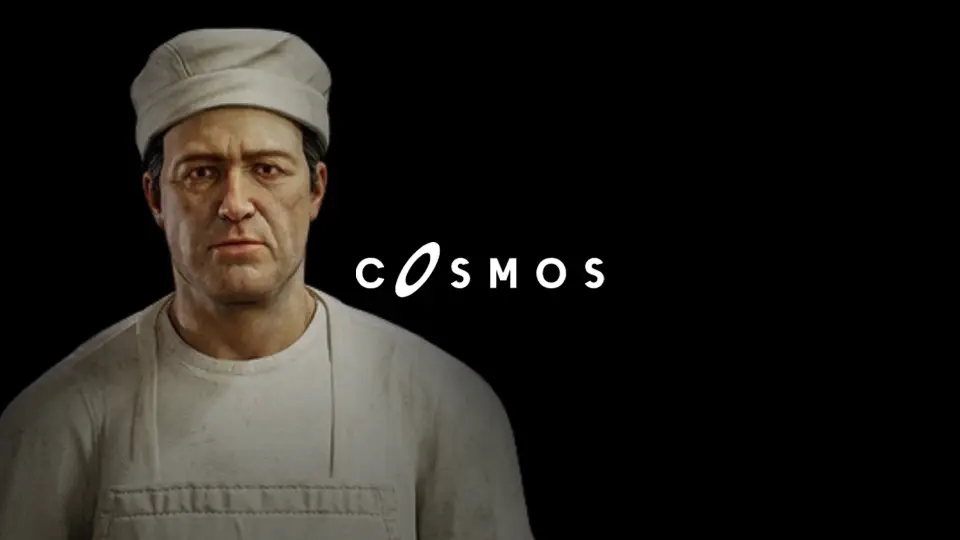
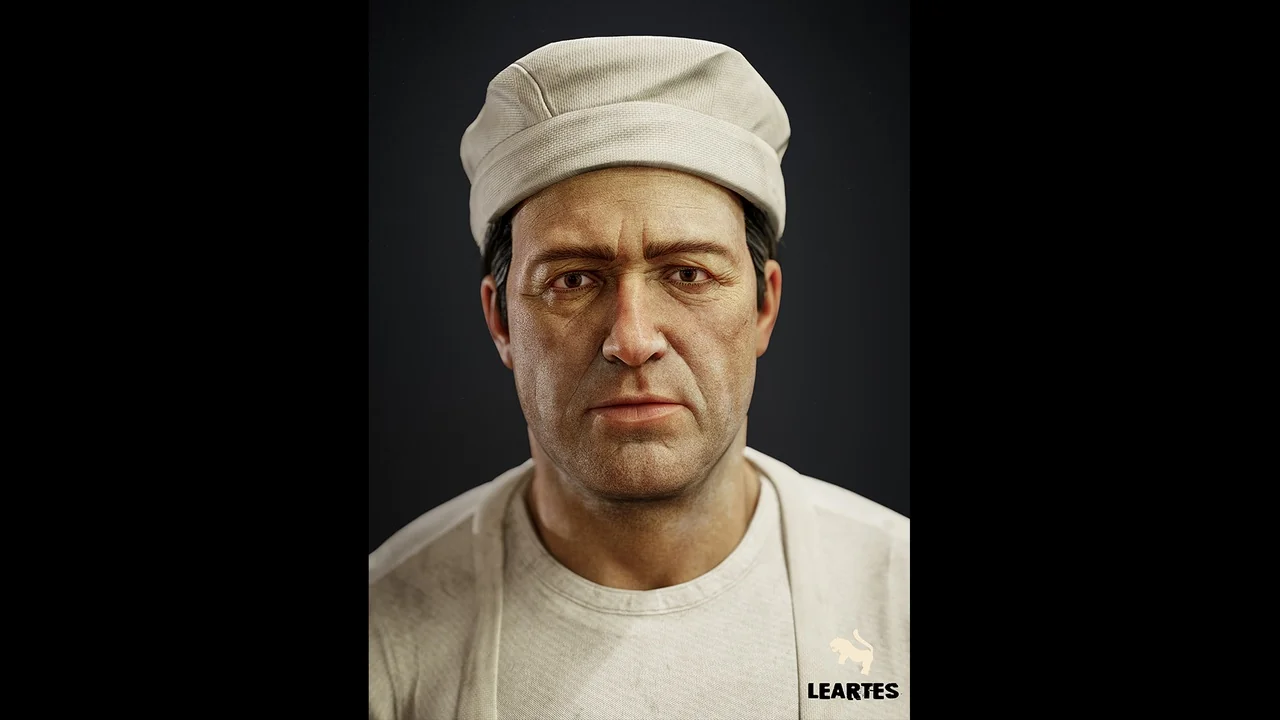
Baker Character / NPC ( Baker Character Worker NPC Sculpt 3D Model Man Art Old )
Explore the fully rigged Baker Character NPC model, built on the Unreal Engine Mannequin skeleton for modular scene integration and animation workflows.
Populating Artisan Interiors with the Baker Character Worker NPC
Populating historical, fantasy, or contemporary village streets requires background figures that convey specific trades rather than generic crowd archetypes. The Baker Character provides a specialized worker sculpt depicting an older man tailored for service, trade, and workshop environments. Rather than serving as an abstract civilian, the model is shaped around the distinct persona of a baker, giving immediate narrative identity to storefronts, kitchen hearths, and food distribution hubs. Placing a dedicated craftsman in an interactive space grounds the environment, turning empty architectural geometry into an active place of labor.
Because the character represents an older working man, the sculpt balances expressive character art with the structural demands of real-time rendering. The asset fits directly into background staging, quest-giver duties, or ambient worker loops where specific occupational costuming and posture are needed. Crafting believable commercial settings depends heavily on these granular roles, ensuring players immediately recognize the functional purpose of a bakery or tavern setting without requiring excessive environmental exposition.
Unreal Engine Mannequin Skeleton Compatibility and Animation Blueprints
A critical technical advantage of this character sculpt lies in its underlying rigging structure. The mesh is fully rigged and built directly according to the Unreal Engine Mannequin Skeleton. Aligning bone hierarchies, naming conventions, and joint orientations with standard mannequin proportions eliminates the tedious friction of manual skeleton retargeting. Any motion assets, animation sequences, blend spaces, or state machines designed around standard mannequin rigs transfer directly onto the character without destructive deformation or extra alignment steps.
This tight integration extends to runtime implementation through Animation Blueprints and gameplay scripting. Because the model accepts standard animations, setting up ambient routines—such as kneading dough, stoking ovens, carrying trays, or engaging in dialogue—operates through standard animation graphs. Technical artists can bind existing interaction scripts directly to the character, bypassing the need to generate dedicated animation sets from scratch. The rigged mesh handles complex locomotion, stance shifts, and stationary idles while preserving the silhouette of the older artisan figure.
Scene Integration alongside the Ultimate Level Art Tool
Setting characters into believable worlds requires coherent surroundings. This character asset pairs functionally with the Ultimate Level Art Tool, often designated as ULAT. Originally conceived as a modular design development tool for mobile and web-based systems, the utility enables developers to construct fast, custom modular buildings while providing a systematic mechanism for populating environments naturally. When developing commercial districts, bakeries, or crowded town centers, modular architectural placement must align closely with character density.
Utilizing the model alongside modular building kits established through ULAT streamlines the layout phase. Developers can assemble custom bakery storefronts, interior kitchens, and adjacent retail spaces, subsequently dropping the worker NPC into position to evaluate scale, camera visibility, and navigational flow. Because the character integrates seamlessly with these environment-building pipelines, the transition between raw architectural modularity and an inhabited, functional game space occurs smoothly. The character acts as a key visual scale reference, anchoring modular props, countertops, and doorways to realistic human dimensions.
Production Workflow from Documentation to In-Engine Staging
Deploying specialized character models into active game projects demands clear setup paths, especially when configuring runtime behaviors and animation graphs. The package is supported by structured documentation along with step-by-step tutorial videos covering foundational configuration and secondary implementation steps. These resources guide the process of verifying skeleton bindings, connecting motion assets, and managing the character's initial scene presence.
Following the provided technical guidance ensures that asset parameters, physics assets, and skeletal mesh settings operate properly within the project's rendering and animation pipelines. Whether the character is configured as a stationary shopkeeper utilizing simple dialogue scripts or an active worker cycling through complex pathfinding networks, the accompanying documentation clarifies the technical handoff from asset import to runtime execution.
Practical Deployment in Civilian and Trade Scenarios
Selecting the right non-player character model depends on balancing specific thematic character design with broad technical flexibility. This baker sculpt fills a precise production niche: a fully rigged, older working-class figure that sidesteps the generic look of modern crowd libraries while maintaining standard mannequin compliance. Projects demanding detailed artisan quarters, bustling morning markets, or rural trade shops gain an authentic working figure that drops directly into existing Unreal Engine animation pipelines without requiring custom rigging overhauls.
 Characters
 Characters
 Characters
 Characters