"c14ff6bd758dadb1"{"id":"1000534","slug":"uscans-workshop-01","title":"Uscans Workshop 01","category":"Apocalyptic / Post-apocalyptic","engine":"5.2+","assetVersion":"","engineVersion":"Engine Version: 5.2+","tag":"Apocalyptic","accent":"blue","visual":"mech","summary":"Uscans Workshop 01 delivers drag-and-drop realistic garage and workshop assets—tables, shelving, planks, and tools—for fast scene building in Unreal Engine.","platform":"Unreal Engine","publishedAt":"2026-07-14T19:26:22.523Z","updatedAt":"2026-07-14T19:26:22.523Z","sourceNotes":[],"fileContents":[],"compatibility":["Unreal Engine","Engine Version: 5.2+"],"featuredImage":{"alt":"Uscans Workshop 01","src":"/wp-content/uploads/published/2026/07/1007507da9aa-7ae5ff6a-d7f6-40a6-a179-8b679cc6d673-a9311aa01e.webp"},"hasDownloadLink":true,"downloads":0,"terms":[{"taxonomy":"category","slug":"apocalyptic-post-apocalyptic","name":"Apocalyptic / Post-apocalyptic"}],"galleryImages":[{"src":"/wp-content/uploads/published/2026/07/366b92f683bd-31ace6ea-a3fd-4078-9b86-1e52b550fded-44378bd506.webp","alt":"Uscans Workshop 01"},{"src":"/wp-content/uploads/published/2026/07/37d556aa2be2-2f9f647c-f499-4554-825a-65f9dffc3f18-44ac0fa51e.webp","alt":"Uscans Workshop 01"},{"src":"/wp-content/uploads/published/2026/07/be018448a2aa-938fc671-9286-4a67-afc0-f381b1b7d7aa-2addb2b5f5.webp","alt":"Uscans Workshop 01"},{"src":"/wp-content/uploads/published/2026/07/6be8aa75631a-9a5e0b95-8d17-4ccc-8bb8-c4600f9609f0-fab02dfc0a.webp","alt":"Uscans Workshop 01"},{"src":"/wp-content/uploads/published/2026/07/207f200ce789-11044e7a-95d8-4b49-862f-0278fe6049bc-b43e475e42.webp","alt":"Uscans Workshop 01"},{"src":"/wp-content/uploads/published/2026/07/08ef59441e31-8b87740c-2e68-4fa0-aa1e-8dd8ab438f17-a6352f9c29.webp","alt":"Uscans Workshop 01"},{"src":"/wp-content/uploads/published/2026/07/b295ba4bdc85-ba6f9188-5081-4331-ba73-e4d279aa8206-ffd8785e0d.webp","alt":"Uscans Workshop 01"},{"src":"/wp-content/uploads/published/2026/07/302fbbf6b8f9-e4562138-daf6-4f39-bafd-552ec20a2c87-d951673e71.webp","alt":"Uscans Workshop 01"},{"src":"/wp-content/uploads/published/2026/07/b2de60be26ef-3b4b8aab-c026-4364-b9dc-afaa5a0fcab6-f64cfe5630.webp","alt":"Uscans Workshop 01"},{"src":"/wp-content/uploads/published/2026/07/aa77b838f762-dff9de88-e273-493c-8523-b31e6cbb208a-9f4899f9c6.webp","alt":"Uscans Workshop 01"}],"accessPanel":{"kind":"resource","title":"Download this resource","eyebrow":"Free Download","message":"Log in or create a free account to start your download.","fileName":"Content.7z","safetyNote":"Resources are manually reviewed before listing to improve quality and reduce obvious risks.","actionLabel":"Download Free","resourceType":"Resource archive"},"contentHtml":"\u003cp\u003eUscans Workshop 01 is structured through a straightforward promise: give artists a library of realistic objects they can drop into a scene and immediately populate a space. The collection centers on the kind of props that define a working garage or industrial workshop—tables, shelves, boxes, tools, and planks—placing them within a drag-and-drop workflow that removes the need to model, texture, or assemble each element from scratch. The Uscans team created every asset in the package, maintaining a consistent visual language across the set so that pieces feel like they belong in the same environment.\u003c/p\u003e \u003ch2\u003eDrag-and-Drop Tables, Shelving, and Planks\u003c/h2\u003e\n\u003cp\u003eThe functional identity of the package rests on the everyday objects it provides. Tables and shelving units act as the structural anchors of a workshop scene, giving artists surfaces to place smaller items on and vertical frameworks to build clutter around. Planks introduce a layer of texture and wear—wood surfaces that carry the scuffs, grime, and age associated with a working space. The inclusion of boxes and tools rounds out the set, supplying the secondary detail that makes a room feel occupied rather than sterile.\u003c/p\u003e\n\u003cp\u003eBecause the workflow is positioned around drag-and-drop placement, the emphasis shifts from technical preparation to creative arrangement. An artist can pull a table into a scene, position a shelf against a nearby wall, stack a few boxes underneath, and scatter tools across the surfaces in a matter of minutes. The goal is to fill space efficiently while preserving the density and visual interest that a believable workshop demands. This approach lends itself to iterative design: a level designer can rough out a basic layout, swap pieces in and out, and refine the composition without getting bogged down in import settings or material assignments.\u003c/p\u003e \u003ch2\u003eDirty, Old, and Realistic Surfaces\u003c/h2\u003e\n\u003cp\u003eThe tags attached to the collection—Dirty, Old, Apocalyptic, Realistic—point to a clear aesthetic direction. These are not pristine factory-fresh props. The surfaces carry the wear and accumulation of a space that has seen use, neglect, or decay. That visual character makes the assets suitable for scenes set in abandoned structures, post-disaster environments, or simply aging garages where tools have been left out and dust has settled. The realistic tag reinforces that the materials are built to hold up under closer inspection, with the kind of surface detail that reads well in both wide environmental shots and tighter framing.\u003c/p\u003e\n\u003cp\u003eFor cinematics and render work, this worn quality becomes a compositional advantage. A dirty plank or a scuffed table brings natural variation to a frame, breaking up reflections and adding micro-detail that catches light in unpredictable ways. The same principle applies to gameplay spaces. A player moving through a garage level registers the grime and clutter as environmental storytelling—the space feels lived in, abandoned, or forgotten, depending on how the props are arranged and lit.\u003c/p\u003e \u003ch2\u003eBuilding a Garage or Apocalyptic Level Scene\u003c/h2\u003e\n\u003cp\u003eThe modular tagging suggests that pieces are intended to work together as building blocks for larger layouts. Shelving can line a wall, planks can form barriers or makeshift shelving, and boxes can stack to create cover or obstruction. The presence of a car tag, alongside garage and workshop terms, opens the possibility that the set accommodates vehicle-centric environments—a garage bay with a workbench, shelving, scattered tools, and a vehicle occupying the central floor space. This combination of props fits a range of scene types, from a functional mechanic's workspace to an apocalyptic level where the same garage has fallen into disrepair and been repurposed as a shelter or scavenging ground.\u003c/p\u003e\n\u003cp\u003eFilling a space in a few minutes is not just a speed claim—it reflects how the asset set is organized. By providing the core furniture and prop categories that a workshop demands, the package lets an artist establish the skeleton of a room quickly and then layer in detail. The creative process becomes one of selection and placement rather than construction. A designer can decide where the shelving runs, how the tables are oriented, and which tools sit where, trusting that the individual pieces carry the surface quality needed to make the overall scene hold up visually.\u003c/p\u003e \u003ch2\u003ePBR Materials and Cinematic Rendering\u003c/h2\u003e\n\u003cp\u003eThe PBR tag indicates that the materials follow a physically based rendering pipeline, the standard for modern real-time engines when it comes to achieving believable light interaction. In use, this means the metal of a tool, the wood of a plank, and the painted surface of a shelf each respond to light in a way that approximates real-world behavior—metals reflect with the appropriate intensity, rough surfaces scatter light evenly, and grime layers alter the reflectivity of the base material beneath. For cinematic applications, this material fidelity is what allows the props to sit within a lit, shaded environment without drawing attention to themselves as game assets. They behave the way a camera expects surfaces to behave.\u003c/p\u003e \u003ch2\u003eEngine Compatibility and Iterative Scene Assembly\u003c/h2\u003e\n\u003cp\u003eUscans Workshop 01 is compatible with Unreal Engine versions 5.2 through 5.4, covering the current generation of the engine and ensuring that artists working within that range can integrate the assets into their projects. The real value lies in the creative freedom the set provides. With a library of realistic, pre-built objects at hand, the bottleneck shifts from asset creation to scene composition. An artist can block out a garage interior, test different arrangements of shelving and furniture, and adjust the density of props until the space reads correctly. The drag-and-drop simplicity means that revisions are inexpensive—if a layout does not work, the pieces can be repositioned or replaced without starting over. This iterative loop is where the package earns its place. It is set up to handle the rapid construction of believable workshop, garage, and industrial interior scenes, giving developers the tools to fill spaces efficiently while maintaining the realistic visual standard required for cinematic rendering and immersive gameplay environments.\u003c/p\u003e\n\n\u003ch2\u003eExplore Similar Assets\u003c/h2\u003e\n\u003cul\u003e\n\u003cli\u003e\u003ca href=\"https://3dcghub.com/uscans-doors-01/\" title=\"Uscans Doors 01\"\u003eUscans Doors 01\u003c/a\u003e\u003c/li\u003e\n\u003cli\u003e\u003ca href=\"https://3dcghub.com/post-apocalyptic-district/\" title=\"Post Apocalyptic District\"\u003ePost Apocalyptic District\u003c/a\u003e\u003c/li\u003e\n\u003cli\u003e\u003ca href=\"https://3dcghub.com/realistic-ivy-plants/\" title=\"Realistic IVY Plants\"\u003eRealistic IVY Plants\u003c/a\u003e\u003c/li\u003e\n\u003cli\u003e\u003ca href=\"https://3dcghub.com/post-apocalypse-city/\" title=\"Post-apocalypse city\"\u003ePost-apocalypse city\u003c/a\u003e\u003c/li\u003e\n\u003cli\u003e\u003ca href=\"https://3dcghub.com/swampy-industrial-zone/\" title=\"Swampy industrial zone\"\u003eSwampy industrial zone\u003c/a\u003e\u003c/li\u003e\n\u003c/ul\u003e","contentTextLength":6335,"navigation":{"current":1328,"total":3719,"previous":{"id":"1000535","slug":"icy-snow-environment-asset-pack","title":"Icy Snow Environment - Asset Pack","category":"Nature \u0026 Plants","platform":"Unreal Engine","updatedAt":"2026-07-15T02:17:38.579Z"},"next":{"id":"1000533","slug":"nordic-harbour-modular-city-building-kit","title":"Nordic Harbour - Modular City Building Kit","category":"Cities","platform":"Unreal Engine","updatedAt":"2026-07-14T17:52:33.396Z"}},"relatedResources":[{"id":"1000176","slug":"uscans-doors-01","title":"Uscans Doors 01","category":"Apocalyptic / Post-apocalyptic","engine":"5.3+","assetVersion":"","engineVersion":"Engine Version: 5.3+","tag":"Apocalyptic","accent":"blue","visual":"mech","summary":"Uscans Doors 01 focuses on realistic old doors for scene work, with a drag-and-drop setup aimed at abandoned and photogrammetry-driven environments.","platform":"Unreal Engine","publishedAt":"2026-06-20T07:03:51.520Z","updatedAt":"2026-06-20T07:03:51.520Z","sourceNotes":[],"fileContents":[],"compatibility":["Unreal Engine","Engine Version: 5.3+"],"featuredImage":{"alt":"Uscans Doors 01","src":"/wp-content/uploads/published/2026/06/0311baaebd81-b87657a4-fa96-423c-96b3-c2c5b55501d3-c3991b705d.webp"},"hasDownloadLink":true,"downloads":0},{"id":"1001698","slug":"post-apocalyptic-abandoned-coffee-shop-drive-thru","title":"Post Apocalyptic Abandoned Coffee Shop Drive Thru","category":"Apocalyptic / Post-apocalyptic","engine":"5.0+","assetVersion":"","engineVersion":"Engine Version: 5.0+","tag":"Apocalyptic","accent":"blue","visual":"mech","summary":"Examine the modular architecture, layered materials, texture budgets, and layout options in the Post Apocalyptic Abandoned Coffee Shop Drive Thru environment.","platform":"Unreal Engine","publishedAt":"2026-10-14T10:07:50.072Z","updatedAt":"2026-10-14T10:07:50.072Z","sourceNotes":[],"fileContents":[],"compatibility":["Unreal Engine","Engine Version: 5.0+"],"featuredImage":{"alt":"Post Apocalyptic Abandoned Coffee Shop Drive Thru","src":"/wp-content/uploads/published/2026/10/ef17473c3bd0-03682c0d-ee73-4661-9dba-feedf93c0a9d-516d90a349.webp"},"hasDownloadLink":true,"downloads":1},{"id":"1001693","slug":"post-apocalyptic-coffee-shop-post-apocalyptic-coffee-shop-post-shop-coffee","title":"Post Apocalyptic Coffee Shop ( Post Apocalyptic Coffee Shop Post Shop Coffee )","category":"Apocalyptic / Post-apocalyptic","engine":"5.3+","assetVersion":"","engineVersion":"Engine Version: 5.3+","tag":"Apocalyptic","accent":"blue","visual":"mech","summary":"Explore the Post Apocalyptic Coffee Shop environment featuring 275 unique meshes, Nanite and Lumen support for Unreal Engine 5, and ULAT integration.","platform":"Unreal Engine","publishedAt":"2026-10-14T09:13:19.729Z","updatedAt":"2026-10-14T09:13:19.729Z","sourceNotes":[],"fileContents":[],"compatibility":["Unreal Engine","Engine Version: 5.3+"],"featuredImage":{"alt":"Post Apocalyptic Coffee Shop ( Post Apocalyptic Coffee Shop Post Shop Coffee )","src":"/wp-content/uploads/published/2026/10/32eec0d9f4dd-444247f0-1fa4-439b-9dc2-1a92fe9d7bff-dee2c61035.webp"},"hasDownloadLink":true,"downloads":0}]}
Apocalyptic
Uscans Workshop 01
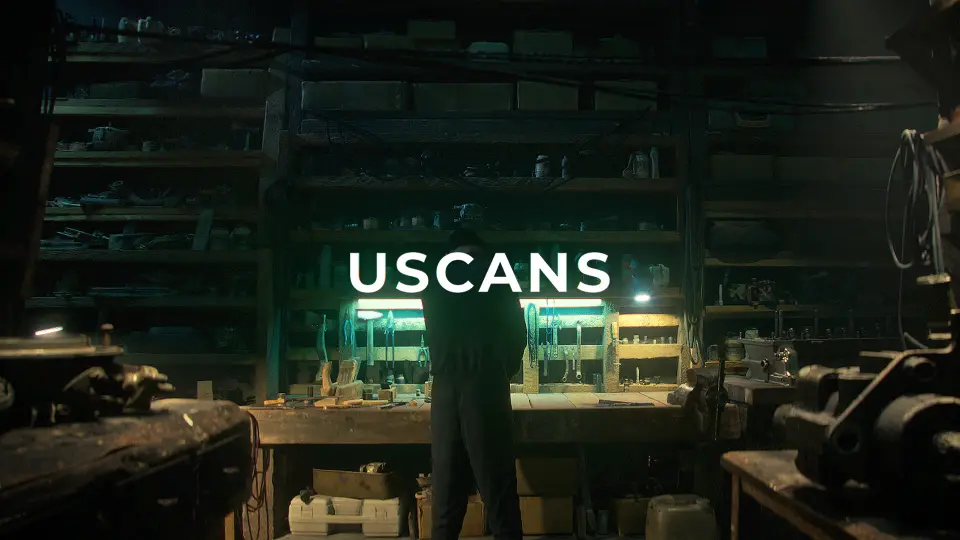
Uscans Workshop 01 delivers drag-and-drop realistic garage and workshop assets—tables, shelving, planks, and tools—for fast scene building in Unreal Engine.
Uscans Workshop 01 is structured through a straightforward promise: give artists a library of realistic objects they can drop into a scene and immediately populate a space. The collection centers on the kind of props that define a working garage or industrial workshop—tables, shelves, boxes, tools, and planks—placing them within a drag-and-drop workflow that removes the need to model, texture, or assemble each element from scratch. The Uscans team created every asset in the package, maintaining a consistent visual language across the set so that pieces feel like they belong in the same environment.
Drag-and-Drop Tables, Shelving, and Planks
The functional identity of the package rests on the everyday objects it provides. Tables and shelving units act as the structural anchors of a workshop scene, giving artists surfaces to place smaller items on and vertical frameworks to build clutter around. Planks introduce a layer of texture and wear—wood surfaces that carry the scuffs, grime, and age associated with a working space. The inclusion of boxes and tools rounds out the set, supplying the secondary detail that makes a room feel occupied rather than sterile.
Because the workflow is positioned around drag-and-drop placement, the emphasis shifts from technical preparation to creative arrangement. An artist can pull a table into a scene, position a shelf against a nearby wall, stack a few boxes underneath, and scatter tools across the surfaces in a matter of minutes. The goal is to fill space efficiently while preserving the density and visual interest that a believable workshop demands. This approach lends itself to iterative design: a level designer can rough out a basic layout, swap pieces in and out, and refine the composition without getting bogged down in import settings or material assignments.
Dirty, Old, and Realistic Surfaces
The tags attached to the collection—Dirty, Old, Apocalyptic, Realistic—point to a clear aesthetic direction. These are not pristine factory-fresh props. The surfaces carry the wear and accumulation of a space that has seen use, neglect, or decay. That visual character makes the assets suitable for scenes set in abandoned structures, post-disaster environments, or simply aging garages where tools have been left out and dust has settled. The realistic tag reinforces that the materials are built to hold up under closer inspection, with the kind of surface detail that reads well in both wide environmental shots and tighter framing.
For cinematics and render work, this worn quality becomes a compositional advantage. A dirty plank or a scuffed table brings natural variation to a frame, breaking up reflections and adding micro-detail that catches light in unpredictable ways. The same principle applies to gameplay spaces. A player moving through a garage level registers the grime and clutter as environmental storytelling—the space feels lived in, abandoned, or forgotten, depending on how the props are arranged and lit.
Building a Garage or Apocalyptic Level Scene
The modular tagging suggests that pieces are intended to work together as building blocks for larger layouts. Shelving can line a wall, planks can form barriers or makeshift shelving, and boxes can stack to create cover or obstruction. The presence of a car tag, alongside garage and workshop terms, opens the possibility that the set accommodates vehicle-centric environments—a garage bay with a workbench, shelving, scattered tools, and a vehicle occupying the central floor space. This combination of props fits a range of scene types, from a functional mechanic's workspace to an apocalyptic level where the same garage has fallen into disrepair and been repurposed as a shelter or scavenging ground.
Filling a space in a few minutes is not just a speed claim—it reflects how the asset set is organized. By providing the core furniture and prop categories that a workshop demands, the package lets an artist establish the skeleton of a room quickly and then layer in detail. The creative process becomes one of selection and placement rather than construction. A designer can decide where the shelving runs, how the tables are oriented, and which tools sit where, trusting that the individual pieces carry the surface quality needed to make the overall scene hold up visually.
PBR Materials and Cinematic Rendering
The PBR tag indicates that the materials follow a physically based rendering pipeline, the standard for modern real-time engines when it comes to achieving believable light interaction. In use, this means the metal of a tool, the wood of a plank, and the painted surface of a shelf each respond to light in a way that approximates real-world behavior—metals reflect with the appropriate intensity, rough surfaces scatter light evenly, and grime layers alter the reflectivity of the base material beneath. For cinematic applications, this material fidelity is what allows the props to sit within a lit, shaded environment without drawing attention to themselves as game assets. They behave the way a camera expects surfaces to behave.
Engine Compatibility and Iterative Scene Assembly
Uscans Workshop 01 is compatible with Unreal Engine versions 5.2 through 5.4, covering the current generation of the engine and ensuring that artists working within that range can integrate the assets into their projects. The real value lies in the creative freedom the set provides. With a library of realistic, pre-built objects at hand, the bottleneck shifts from asset creation to scene composition. An artist can block out a garage interior, test different arrangements of shelving and furniture, and adjust the density of props until the space reads correctly. The drag-and-drop simplicity means that revisions are inexpensive—if a layout does not work, the pieces can be repositioned or replaced without starting over. This iterative loop is where the package earns its place. It is set up to handle the rapid construction of believable workshop, garage, and industrial interior scenes, giving developers the tools to fill spaces efficiently while maintaining the realistic visual standard required for cinematic rendering and immersive gameplay environments.
 Apocalyptic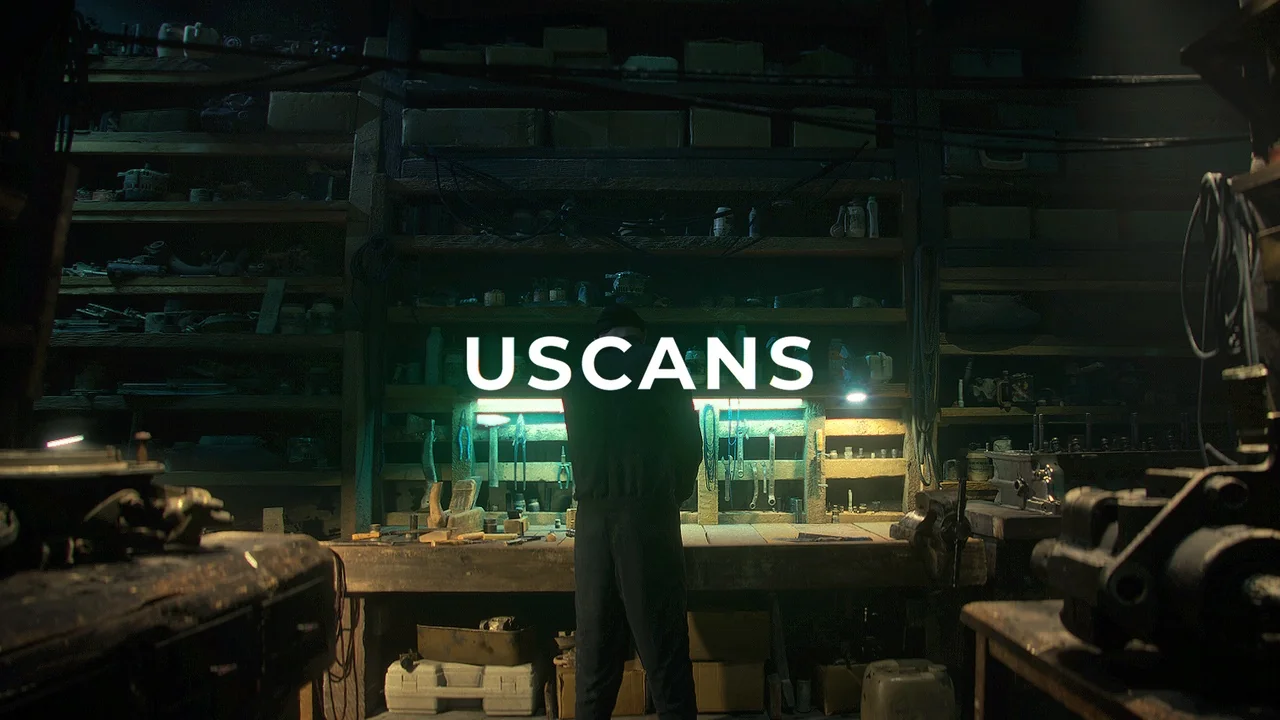
 Apocalyptic
 Apocalyptic
 Apocalyptic