"1a0e4ac4dc71d030"{"id":"1000176","slug":"uscans-doors-01","title":"Uscans Doors 01","category":"Apocalyptic / Post-apocalyptic","engine":"5.3+","assetVersion":"","engineVersion":"Engine Version: 5.3+","tag":"Apocalyptic","accent":"blue","visual":"mech","summary":"Uscans Doors 01 focuses on realistic old doors for scene work, with a drag-and-drop setup aimed at abandoned and photogrammetry-driven environments.","platform":"Unreal Engine","publishedAt":"2026-06-20T07:03:51.520Z","updatedAt":"2026-06-20T07:03:51.520Z","sourceNotes":[],"fileContents":[],"compatibility":["Unreal Engine","Engine Version: 5.3+"],"featuredImage":{"alt":"Uscans Doors 01","src":"/wp-content/uploads/published/2026/06/0311baaebd81-b87657a4-fa96-423c-96b3-c2c5b55501d3-c3991b705d.webp"},"hasDownloadLink":true,"downloads":0,"terms":[{"taxonomy":"category","slug":"apocalyptic-post-apocalyptic","name":"Apocalyptic / Post-apocalyptic"}],"galleryImages":[{"src":"/wp-content/uploads/published/2026/06/aecbd69e6939-761d6439-dae2-417a-bfef-772434d81002-19297d3b1e.webp","alt":"Uscans Doors 01"},{"src":"/wp-content/uploads/published/2026/06/f2ad85be98cd-9ee836d0-b49e-4098-a541-c97a45f83a6b-9f2dc1af53.webp","alt":"Uscans Doors 01"},{"src":"/wp-content/uploads/published/2026/06/fccd783c2bca-51797e09-741e-4fc5-8626-a15438708df2-344cfd9884.webp","alt":"Uscans Doors 01"},{"src":"/wp-content/uploads/published/2026/06/7ff5c4ed04c5-714d5694-0956-422a-8cd9-dee51684b97f-86dadbcff3.webp","alt":"Uscans Doors 01"},{"src":"/wp-content/uploads/published/2026/06/a37c080af4ae-a2d6f08d-b2fa-4734-b5ea-982e748863cb-05e6090e9f.webp","alt":"Uscans Doors 01"},{"src":"/wp-content/uploads/published/2026/06/9141603cfd1c-6b84882c-99a7-4a4a-9402-b69de8997b6b-5c13d01285.webp","alt":"Uscans Doors 01"},{"src":"/wp-content/uploads/published/2026/06/a06bfb76519e-622df3e4-a6e3-4697-acf4-aff2bb0bd708-2c40a39cc9.webp","alt":"Uscans Doors 01"},{"src":"/wp-content/uploads/published/2026/06/b66c9150f371-64b68239-8966-4bc7-ac45-f69bdade64cd-2cae62001d.webp","alt":"Uscans Doors 01"},{"src":"/wp-content/uploads/published/2026/06/d2247ebcf5a5-f903d7bf-5a63-4d84-87b2-3542dee69940-060f06ce23.webp","alt":"Uscans Doors 01"},{"src":"/wp-content/uploads/published/2026/06/685ce7a17786-ae717e9b-5390-4ce0-884d-682d7544be16-bc3687f4db.webp","alt":"Uscans Doors 01"}],"accessPanel":{"kind":"resource","title":"Download this resource","eyebrow":"Free Download","message":"Log in or create a free account to start your download.","fileName":"Content.7z","safetyNote":"Resources are manually reviewed before listing to improve quality and reduce obvious risks.","actionLabel":"Download Free","resourceType":"Resource archive"},"contentHtml":"\u003cp\u003eWhen a scene needs believable architectural detail fast, doors often end up doing more visual work than their size suggests. They define age, neglect, access, mood, and the condition of the surrounding space. Uscans Doors 01 is a focused package structured through that specific need, offering realistic door assets that are meant to be easy to add to scenes with a drag-and-drop workflow.\u003c/p\u003e\n\u003cp\u003eThe scope is deliberately narrow and clearly stated. Only the doors are included. Any props shown around them in product images are not part of the package. That distinction matters in production because it sets the right expectation from the start: this is not a complete room dressing set or a broader environment collection. It is a door-focused resource intended to slot into an existing scene where the surrounding set dressing is handled separately.\u003c/p\u003e \u003ch2\u003eOnly the doors are included\u003c/h2\u003e\n\u003cp\u003eThe most important practical detail here is also the simplest one. Uscans Doors 01 contains doors only, not the extra props that may appear around them in promotional imagery. For artists and teams assembling scenes from multiple sources, that makes the pack easier to place correctly in a pipeline. Its role is specific rather than all-encompassing.\u003c/p\u003e\n\u003cp\u003eThat kind of clarity helps avoid a common workflow problem: reaching for an environment asset expecting a full set of supporting objects, then needing to rebuild a scene plan when those extras are missing. With this package, the emphasis stays on the door assets themselves. They can serve as focal points, architectural markers, or supporting elements inside a larger level without implying that nearby clutter, fixtures, or scene props come with them.\u003c/p\u003e \u003ch2\u003eUscans Doors 01 in abandoned and old scenes\u003c/h2\u003e\n\u003cp\u003eThe tags point to a distinct visual direction: abandoned, old, realistic, and door. That combination places Uscans Doors 01 naturally within worn environments where surface history and structural detail matter. A clean contemporary interior would call for a different kind of asset language. This package fits the opposite end of that spectrum.\u003c/p\u003e\n\u003cp\u003eIn practical scene building, old doors do more than fill wall openings. They reinforce the condition of a location. In abandoned spaces, a door can suggest whether a room has been sealed off, neglected, revisited, or left to decay with the rest of the structure. That makes a realistic old door especially useful in levels that depend on atmosphere. Even before any supporting props are added, the right door can establish that a space is not new, not pristine, and not neutral. It contributes directly to the visual storytelling of abandoned environments.\u003c/p\u003e\n\u003cp\u003eThe realistic emphasis is central here. Uscans presents these as realistic objects that are easy to add to scenes, which gives the package a clear place in work where believable rendering is the target. Rather than acting as a stylized interpretation, the doors are positioned for scenes that need grounded detail and a more natural presence within the environment.\u003c/p\u003e \u003ch2\u003eDrag and drop for faster scene assembly\u003c/h2\u003e\n\u003cp\u003eUscans describes the setup approach in very direct terms: just drag and drop into projects. That statement frames the package less as something that demands heavy preparation and more as a resource intended to move quickly from library to scene.\u003c/p\u003e\n\u003cp\u003eIn a real production workflow, that kind of simplicity is often most useful during layout, look development, and environment iteration. Doors are repeated structural elements, and they tend to appear in multiple locations across a level. An asset that can be placed quickly helps maintain momentum while blocking out spaces or refining a scene that already exists. It also suits artists who want to test several placements without turning each one into a separate technical task.\u003c/p\u003e\n\u003cp\u003eThe promise of easier realistic renders connects to the same idea. If the goal is to reach a believable result with less friction, then a straightforward placement workflow matters as much as the asset style itself. Uscans Doors 01 is positioned as a practical addition to that process: not a broad scene solution, but a direct way to add realistic door elements where they are needed.\u003c/p\u003e \u003ch2\u003ePhotogrammetry and realistic rendering\u003c/h2\u003e\n\u003cp\u003ePhotogrammetry appears among the defining tags, and that is one of the clearest indicators of where this resource sits visually. Paired with realistic and old, it places the package within a production style that leans toward captured or closely observed surface character rather than simplified forms.\u003c/p\u003e\n\u003cp\u003eThat matters most in scenes where the camera gets close enough for age and material condition to carry weight. A door in an abandoned hallway, an entry point in a decayed structure, or a repeated set of worn access points across a level can all benefit from that kind of realism. The resource is presented as making realistic renders easier, so its value in workflow terms is tied to reducing the gap between scene assembly and a convincing final image.\u003c/p\u003e\n\u003cp\u003eThe package also carries the Nanite tag. Without stretching beyond what is stated, that tag still signals the asset’s placement within a modern real-time environment conversation. Alongside photogrammetry and realistic presentation, it reinforces the sense that these doors belong in detailed scene work rather than in a minimal or heavily abstracted visual style.\u003c/p\u003e \u003ch2\u003eWhere Doors 01 fits inside a level\u003c/h2\u003e\n\u003cp\u003eThe level tag gives another useful clue about intended use. These doors are not framed as isolated study pieces alone. They make sense as components inside larger playable or explorable spaces, where repeated architectural elements help define flow, boundaries, and points of entry.\u003c/p\u003e\n\u003cp\u003eIn level work, doors often serve several purposes at once. They break up wall repetition, give scale cues to surrounding structures, and contribute to the identity of different areas. An old realistic door can turn a plain opening into something with presence. In an abandoned setting, that same asset can also deepen the sense of place by suggesting wear, closure, or disuse. Since Uscans emphasizes ease of use, the pack fits best where artists need to integrate that kind of environmental detail without slowing down scene construction.\u003c/p\u003e\n\u003cp\u003eThe fact that all assets are created by the Uscans team also gives the collection a defined authorship and internal consistency. For production use, that is a practical point. A focused set made by one team can be easier to work into a scene when consistency of look matters, especially in an environment where multiple repeated doors may appear across connected spaces.\u003c/p\u003e \u003ch2\u003eA focused environment piece rather than a full set\u003c/h2\u003e\n\u003cp\u003eUscans Doors 01 works best when treated as a targeted environment resource. Its strength is not breadth. It is the clear combination of realistic old door assets, abandoned scene relevance, photogrammetry-driven presentation, and a drag-and-drop workflow that aims to make scene building easier.\u003c/p\u003e\n\u003cp\u003eFor artists assembling levels or renders that need worn architectural detail, this pack fits as a specific layer of the environment rather than the entire environment itself. It is for the door moments in a scene: the entrance that sets the tone, the repeated openings that give a corridor credibility, or the aged surfaces that help a realistic abandoned space feel complete.\u003c/p\u003e\n\n\u003ch2\u003eExplore Similar Assets\u003c/h2\u003e\n\u003cul\u003e\n\u003cli\u003e\u003ca href=\"https://3dcghub.com/post-apocalypse-city/\" title=\"Post-apocalypse city\"\u003ePost-apocalypse city\u003c/a\u003e\u003c/li\u003e\n\u003cli\u003e\u003ca href=\"https://3dcghub.com/swampy-industrial-zone/\" title=\"Swampy industrial zone\"\u003eSwampy industrial zone\u003c/a\u003e\u003c/li\u003e\n\u003cli\u003e\u003ca href=\"https://3dcghub.com/wasteland-environment-wasteland-wasteland-madmax-desert-sand-dry-desert-3d/\" title=\"Wasteland Environment ( Wasteland Wasteland Madmax Desert Sand Dry Desert 3D )\"\u003eWasteland Environment ( Wasteland Wasteland Madmax Desert Sand Dry Desert 3D )\u003c/a\u003e\u003c/li\u003e\n\u003cli\u003e\u003ca href=\"https://3dcghub.com/abandoned-gas-station-post-apocalyptic/\" title=\"Abandoned Gas Station - Post Apocalyptic\"\u003eAbandoned Gas Station - Post Apocalyptic\u003c/a\u003e\u003c/li\u003e\n\u003cli\u003e\u003ca href=\"https://3dcghub.com/abandoned-sea-platform-post-apocalyptic-offshore-environment-pack/\" title=\"Abandoned Sea Platform – Post-Apocalyptic Offshore Environment Pack\"\u003eAbandoned Sea Platform – Post-Apocalyptic Offshore Environment Pack\u003c/a\u003e\u003c/li\u003e\n\u003c/ul\u003e","contentTextLength":7511,"navigation":{"current":1125,"total":3200,"previous":{"id":"1000177","slug":"victorian-vol-1-furniture-nanite-and-low-poly","title":"Victorian VOL.1 - Furniture (Nanite and Low Poly)","category":"Furniture \u0026 Fixtures","platform":"Unreal Engine","updatedAt":"2026-06-20T07:26:46.484Z"},"next":{"id":"1000175","slug":"urban-background-buildings-vol-1","title":"Urban Background Buildings - VOL.1","category":"Cities","platform":"Unreal Engine","updatedAt":"2026-06-20T06:26:44.634Z"}},"relatedResources":[{"id":"1000534","slug":"uscans-workshop-01","title":"Uscans Workshop 01","category":"Apocalyptic / Post-apocalyptic","engine":"5.2+","assetVersion":"","engineVersion":"Engine Version: 5.2+","tag":"Apocalyptic","accent":"blue","visual":"mech","summary":"Uscans Workshop 01 delivers drag-and-drop realistic garage and workshop assets—tables, shelving, planks, and tools—for fast scene building in Unreal Engine.","platform":"Unreal Engine","publishedAt":"2026-07-14T19:26:22.523Z","updatedAt":"2026-07-14T19:26:22.523Z","sourceNotes":[],"fileContents":[],"compatibility":["Unreal Engine","Engine Version: 5.2+"],"featuredImage":{"alt":"Uscans Workshop 01","src":"/wp-content/uploads/published/2026/07/1007507da9aa-7ae5ff6a-d7f6-40a6-a179-8b679cc6d673-a9311aa01e.webp"},"hasDownloadLink":true,"downloads":0},{"id":"1001045","slug":"airport-terminal-interior","title":"Airport Terminal Interior","category":"Apocalyptic / Post-apocalyptic","engine":"5.1+","assetVersion":"","engineVersion":"Engine Version: 5.1+","tag":"Apocalyptic","accent":"blue","visual":"mech","summary":"An Unreal Engine 5 airport terminal environment featuring over 250 modular assets, advanced master materials, Lumen lighting, and blueprint-driven controls for","platform":"Unreal Engine","publishedAt":"2026-08-27T15:15:18.323Z","updatedAt":"2026-08-27T15:15:18.323Z","sourceNotes":[],"fileContents":[],"compatibility":["Unreal Engine","Engine Version: 5.1+"],"featuredImage":{"alt":"Airport Terminal Interior","src":"/wp-content/uploads/published/2026/08/40189474eb31-0b21dda8-4ad5-440c-89b8-46954fb7eb3a-71576db436.webp"},"hasDownloadLink":true,"downloads":0},{"id":"1000327","slug":"realistic-ivy-plants","title":"Realistic IVY Plants","category":"Apocalyptic / Post-apocalyptic","engine":"5.0+","assetVersion":"","engineVersion":"Engine Version: 5.0+","tag":"Apocalyptic","accent":"blue","visual":"mech","summary":"A collection of 25 unoptimized ivy plant meshes designed for specific architectural shapes like inner and outer corners, ideal for overgrown or ruined environme","platform":"Unreal Engine","publishedAt":"2026-07-05T06:42:01.825Z","updatedAt":"2026-07-05T06:42:01.825Z","sourceNotes":[],"fileContents":[],"compatibility":["Unreal Engine","Engine Version: 5.0+"],"featuredImage":{"alt":"Realistic IVY Plants","src":"/wp-content/uploads/published/2026/07/ebf737a5d8f6-5e89b3af-7f18-4239-891f-a8ec8c3bea4f-99a7f033f2.webp"},"hasDownloadLink":true,"downloads":3}]}
Apocalyptic
Uscans Doors 01
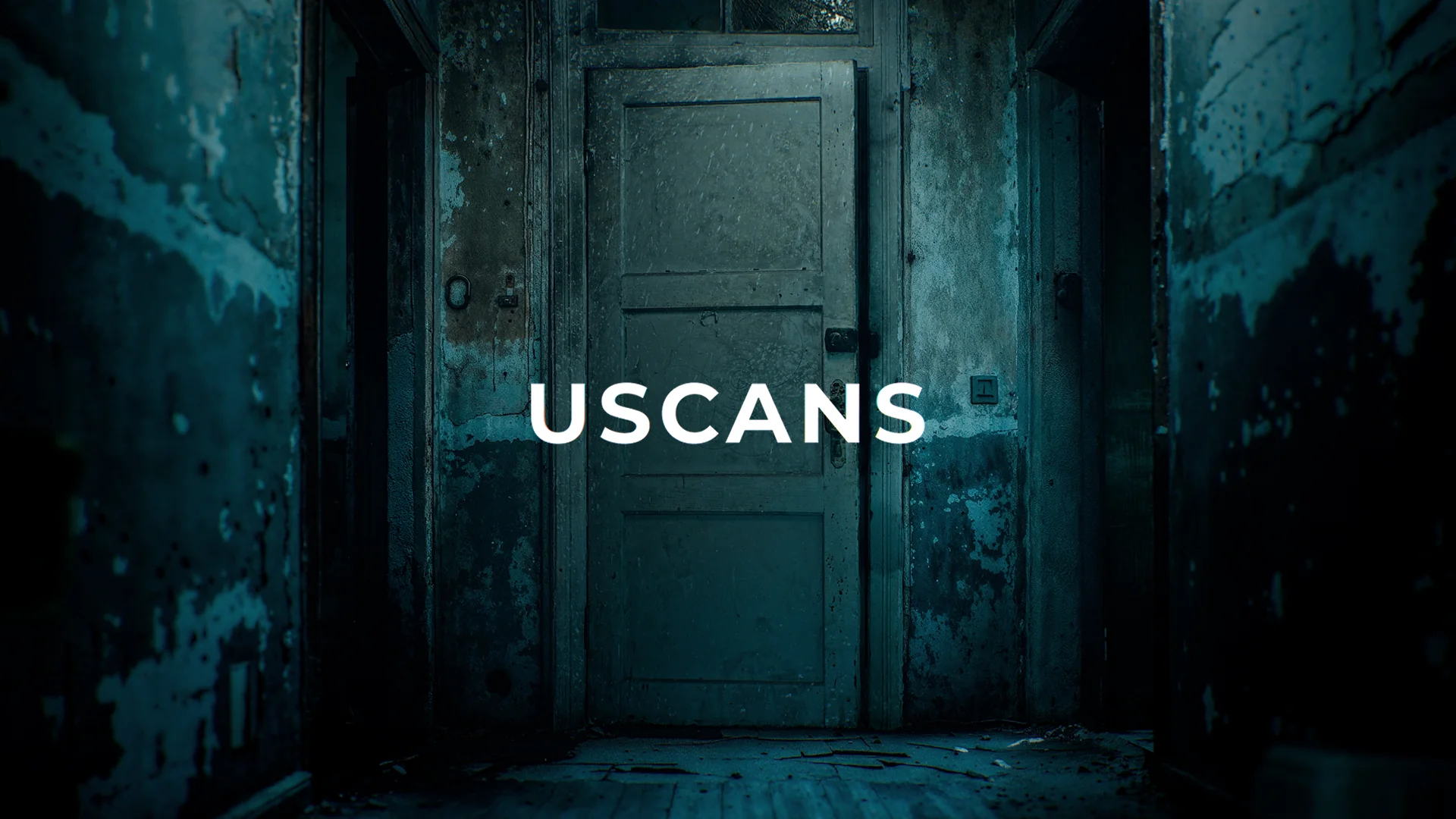
Uscans Doors 01 focuses on realistic old doors for scene work, with a drag-and-drop setup aimed at abandoned and photogrammetry-driven environments.
When a scene needs believable architectural detail fast, doors often end up doing more visual work than their size suggests. They define age, neglect, access, mood, and the condition of the surrounding space. Uscans Doors 01 is a focused package structured through that specific need, offering realistic door assets that are meant to be easy to add to scenes with a drag-and-drop workflow.
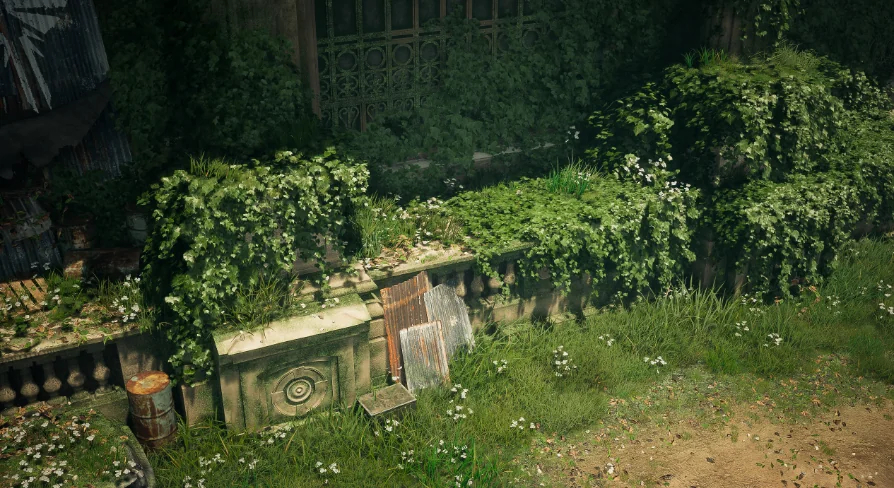
The scope is deliberately narrow and clearly stated. Only the doors are included. Any props shown around them in product images are not part of the package. That distinction matters in production because it sets the right expectation from the start: this is not a complete room dressing set or a broader environment collection. It is a door-focused resource intended to slot into an existing scene where the surrounding set dressing is handled separately.
Only the doors are included
The most important practical detail here is also the simplest one. Uscans Doors 01 contains doors only, not the extra props that may appear around them in promotional imagery. For artists and teams assembling scenes from multiple sources, that makes the pack easier to place correctly in a pipeline. Its role is specific rather than all-encompassing.
That kind of clarity helps avoid a common workflow problem: reaching for an environment asset expecting a full set of supporting objects, then needing to rebuild a scene plan when those extras are missing. With this package, the emphasis stays on the door assets themselves. They can serve as focal points, architectural markers, or supporting elements inside a larger level without implying that nearby clutter, fixtures, or scene props come with them.
Uscans Doors 01 in abandoned and old scenes
The tags point to a distinct visual direction: abandoned, old, realistic, and door. That combination places Uscans Doors 01 naturally within worn environments where surface history and structural detail matter. A clean contemporary interior would call for a different kind of asset language. This package fits the opposite end of that spectrum.
In practical scene building, old doors do more than fill wall openings. They reinforce the condition of a location. In abandoned spaces, a door can suggest whether a room has been sealed off, neglected, revisited, or left to decay with the rest of the structure. That makes a realistic old door especially useful in levels that depend on atmosphere. Even before any supporting props are added, the right door can establish that a space is not new, not pristine, and not neutral. It contributes directly to the visual storytelling of abandoned environments.
The realistic emphasis is central here. Uscans presents these as realistic objects that are easy to add to scenes, which gives the package a clear place in work where believable rendering is the target. Rather than acting as a stylized interpretation, the doors are positioned for scenes that need grounded detail and a more natural presence within the environment.
Drag and drop for faster scene assembly
Uscans describes the setup approach in very direct terms: just drag and drop into projects. That statement frames the package less as something that demands heavy preparation and more as a resource intended to move quickly from library to scene.
In a real production workflow, that kind of simplicity is often most useful during layout, look development, and environment iteration. Doors are repeated structural elements, and they tend to appear in multiple locations across a level. An asset that can be placed quickly helps maintain momentum while blocking out spaces or refining a scene that already exists. It also suits artists who want to test several placements without turning each one into a separate technical task.
The promise of easier realistic renders connects to the same idea. If the goal is to reach a believable result with less friction, then a straightforward placement workflow matters as much as the asset style itself. Uscans Doors 01 is positioned as a practical addition to that process: not a broad scene solution, but a direct way to add realistic door elements where they are needed.
Photogrammetry and realistic rendering
Photogrammetry appears among the defining tags, and that is one of the clearest indicators of where this resource sits visually. Paired with realistic and old, it places the package within a production style that leans toward captured or closely observed surface character rather than simplified forms.
That matters most in scenes where the camera gets close enough for age and material condition to carry weight. A door in an abandoned hallway, an entry point in a decayed structure, or a repeated set of worn access points across a level can all benefit from that kind of realism. The resource is presented as making realistic renders easier, so its value in workflow terms is tied to reducing the gap between scene assembly and a convincing final image.
The package also carries the Nanite tag. Without stretching beyond what is stated, that tag still signals the asset’s placement within a modern real-time environment conversation. Alongside photogrammetry and realistic presentation, it reinforces the sense that these doors belong in detailed scene work rather than in a minimal or heavily abstracted visual style.
Where Doors 01 fits inside a level
The level tag gives another useful clue about intended use. These doors are not framed as isolated study pieces alone. They make sense as components inside larger playable or explorable spaces, where repeated architectural elements help define flow, boundaries, and points of entry.
In level work, doors often serve several purposes at once. They break up wall repetition, give scale cues to surrounding structures, and contribute to the identity of different areas. An old realistic door can turn a plain opening into something with presence. In an abandoned setting, that same asset can also deepen the sense of place by suggesting wear, closure, or disuse. Since Uscans emphasizes ease of use, the pack fits best where artists need to integrate that kind of environmental detail without slowing down scene construction.
The fact that all assets are created by the Uscans team also gives the collection a defined authorship and internal consistency. For production use, that is a practical point. A focused set made by one team can be easier to work into a scene when consistency of look matters, especially in an environment where multiple repeated doors may appear across connected spaces.
A focused environment piece rather than a full set
Uscans Doors 01 works best when treated as a targeted environment resource. Its strength is not breadth. It is the clear combination of realistic old door assets, abandoned scene relevance, photogrammetry-driven presentation, and a drag-and-drop workflow that aims to make scene building easier.
For artists assembling levels or renders that need worn architectural detail, this pack fits as a specific layer of the environment rather than the entire environment itself. It is for the door moments in a scene: the entrance that sets the tone, the repeated openings that give a corridor credibility, or the aged surfaces that help a realistic abandoned space feel complete.
 Apocalyptic
 Apocalyptic
 Apocalyptic
 Apocalyptic