"f813c18d2170b1f6"{"id":"24572","slug":"unreal-engine-5-c-make-your-own-action-combat-game","title":"Unreal Engine 5 C++: Make Your Own Action Combat Game","category":"Unreal Engine","engine":"Video language: English","assetVersion":"Video language: English","engineVersion":"File content: video + supporting files + English subtitles","tag":"Unreal Engine","accent":"blue","visual":"mech","summary":"This Unreal Engine 5 C++ course walks through a combat-game build from setup and character movement to lock-on, player combat, stats, and enemy behaviour. It also covers interfaces, design patterns, and debugging practices for a cleaner C++ workflow.","platform":"Unreal Engine","publishedAt":"2026-04-15T13:39:57.000Z","updatedAt":"2026-04-20T06:12:44.000Z","sourceNotes":[],"fileContents":[],"compatibility":["Unreal Engine","Video language: English","File content: video + supporting files + English subtitles"],"featuredImage":{"alt":"Unreal Engine 5 C++: Make Your Own Action Combat Game","src":"https://3dcghub.com/wp-content/uploads/2026/04/1832d3b2ca64_6079077_9a3c.webp"},"hasDownloadLink":true,"downloads":0,"terms":[{"taxonomy":"category","slug":"tutoriallibrary-unrealengine","name":"Unreal Engine"},{"taxonomy":"post_tag","slug":"characters","name":"Characters"},{"taxonomy":"post_tag","slug":"environment","name":"Environment"},{"taxonomy":"post_tag","slug":"unreal-engine-5","name":"Unreal Engine 5"}],"galleryImages":[],"accessPanel":{"kind":"video-resource","title":"Access this video resource","eyebrow":"Free Download","message":"Log in or create a free account to start your download.","fileName":"unreal-engine-action-combat-game.7z","safetyNote":"All resources are 100% manually reviewed to eliminate all risks.","actionLabel":"Download Free","resourceType":"Video package"},"contentHtml":"\u003ch2\u003eBuilding the combat loop from setup to movement\u003c/h2\u003e\n\u003cp\u003eThis Unreal Engine 5 C++ course centers on one practical problem: how to assemble an action combat game that feels like a complete system rather than a collection of disconnected mechanics. The curriculum starts with introduction and setup, then moves into character movement so the foundation is in place before the combat layer is added.\u003c/p\u003e\n\u003cp\u003eThat order matters because the rest of the build depends on how the player moves through the space. With a listed workload of 15h 33m and an intermediate level, the course sits in the range where the code work is substantial but still organized around a clear path. It is aimed at people who already understand C++ concepts and want to apply them in game development while learning how action combat systems fit together inside UE5.\u003c/p\u003e \u003ch2\u003eLock-on and player combat as the core encounter flow\u003c/h2\u003e\n\u003cp\u003eThe combat side of the project is not treated as a single feature drop-in. It moves through a lock-on system and then into player combat, which gives the game a structured encounter flow instead of a loose attack setup.\u003c/p\u003e\n\u003cp\u003eThat structure pairs with the course goal of building action-packed combat systems with Unreal Engine 5 and C++. Dynamic animations are part of the learning goals as well, with the emphasis on making characters fight like pros. The combination of movement, lock-on, and animation work points toward combat that reacts cleanly to the playerâs target and keeps the battle readable while still feeling active. The curriculum order supports that idea by placing lock-on before combat and then following with enemy behaviour and interface work, so the player-facing side and the response systems grow together.\u003c/p\u003e \u003ch2\u003eStats, maps, and enums for scalable gameplay data\u003c/h2\u003e\n\u003cp\u003eOnce the player combat layer is in place, the course turns to stats. The learning goals explicitly call out scalable stat systems using maps and enums, which makes the gameplay data feel organized rather than hardcoded.\u003c/p\u003e\n\u003cp\u003eThat matters in an action game because combat usually needs to respond to changing values, and the course pushes that through C++ instead of leaving it as a surface-level setup. The stats topic sits in the middle of the curriculum, between player combat and enemy behaviour, which suggests it is meant to support both sides of the fight. The course also includes game interface work, so the stat system is not isolated from the rest of the player experience. It connects to what the player sees, how combat evolves, and how the rest of the build can stay manageable as the project grows.\u003c/p\u003e \u003ch2\u003eEnemy behaviour, interfaces, and the observer pattern\u003c/h2\u003e\n\u003cp\u003eEnemy AI is one of the main threads in the course. The stated goal is to create enemy AI that is relentless and keeps players on their toes, and the curriculum includes enemy behaviour as a dedicated section.\u003c/p\u003e\n\u003cp\u003eThat focus is backed by a broader set of programming tools: interfaces and design patterns such as the observer pattern. Those topics point to a cleaner way of handling communication between gameplay systems, which is especially useful when combat, stats, AI, and the interface all need to react to one another. The course also promises hands-on C++ coding, with more than a thousand lines written during the process, so these patterns are not presented as abstract theory. They are part of the actual implementation flow. The added goal of navigating Unrealâs documentation quickly reinforces the practical side of that work, since combat and AI systems often depend on finding the right engine tools at the right moment.\u003c/p\u003e \u003ch2\u003eC++ depth, debugging, and the production fit\u003c/h2\u003e\n\u003cp\u003eThe course does not stop at feature building. Debugging is a named learning goal, including the aim to prevent memory leaks and keep the game smooth. That places code health alongside gameplay work instead of treating it as a separate concern.\u003c/p\u003e\n\u003cp\u003eThis is where the intermediate level becomes important. The material is suited to someone who already has a solid grasp of C++ concepts and wants to move into game development with a better understanding of how to keep a codebase maintainable. The emphasis on best practices the first time also stands out, especially for learners who want to avoid ending up with an unmaintainable project later on. The final curriculum steps, finishing touches and course wrapup, bring the work to a close after the combat loop, AI, stats, and interface pieces have been assembled. That makes the course feel like a guided build of a production-minded prototype rather than a one-off feature demo.\u003c/p\u003e\n\u003cp\u003eFor a UE5 project that needs combat logic, enemy pressure, and structured gameplay data, this course fits as a focused C++ build path. It covers the systems that make an action game hold together and places them in an order that matches real implementation work: setup, movement, lock-on, combat, stats, behaviour, interface, and refinement.\u003c/p\u003e\n\n\u003ch2\u003eMore From The Same Workflow\u003c/h2\u003e\n\u003cul\u003e\n\u003cli\u003e\u003ca href=\"https://3dcghub.com/unreal-engine-5-for-beginners-create-your-first-game/\" title=\"Unreal Engine 5 for Beginners – Create your first game\"\u003eUnreal Engine 5 for Beginners – Create your first game\u003c/a\u003e\u003c/li\u003e\n\u003cli\u003e\u003ca href=\"https://3dcghub.com/unreal-engine-5-one-course-solution-for-material/\" title=\"Unreal Engine 5: One Course Solution For Material\"\u003eUnreal Engine 5: One Course Solution For Material\u003c/a\u003e\u003c/li\u003e\n\u003cli\u003e\u003ca href=\"https://3dcghub.com/unreal-engine-5-c-advanced-action-rpg/\" title=\"Unreal Engine 5 C++: Advanced Action RPG\"\u003eUnreal Engine 5 C++: Advanced Action RPG\u003c/a\u003e\u003c/li\u003e\n\u003cli\u003e\u003ca href=\"https://3dcghub.com/unreal-engine-5-one-course-solution-for-niagara-vfx/\" title=\"Unreal Engine 5: One Course Solution For Niagara VFX\"\u003eUnreal Engine 5: One Course Solution For Niagara VFX\u003c/a\u003e\u003c/li\u003e\n\u003cli\u003e\u003ca href=\"https://3dcghub.com/make-a-2d-platformer-in-unreal-engine-5-c/\" title=\"Make a 2D platformer in Unreal engine 5 C++\"\u003eMake a 2D platformer in Unreal engine 5 C++\u003c/a\u003e\u003c/li\u003e\n\u003c/ul\u003e","contentTextLength":5150,"navigation":{"current":1955,"total":3651,"previous":{"id":"24575","slug":"the-ultimate-2d-top-down-unreal-engine-course","title":"The Ultimate 2D Top Down Unreal Engine Course","category":"Unreal Engine","platform":"Unreal Engine","updatedAt":"2026-04-20T06:12:44.000Z"},"next":{"id":"24568","slug":"unreal-engine-5-for-beginners-create-your-first-game","title":"Unreal Engine 5 for Beginners - Create your first game","category":"Unreal Engine","platform":"Unreal Engine","updatedAt":"2026-04-20T06:12:44.000Z"}},"relatedResources":[{"id":"24581","slug":"make-a-2d-action-platformer-in-unreal-engine-5","title":"Make a 2D Action Platformer in Unreal Engine 5","category":"Unreal Engine","engine":"Video language: English","assetVersion":"Video language: English","engineVersion":"File content: video + supporting files + English subtitles","tag":"Unreal Engine","accent":"blue","visual":"audio","summary":"A side-scrolling action game in Unreal Engine 5 needs responsive movement, readable enemy behavior, and levels that support fast platforming. This training walks through that workflow with Paper 2D, from basics and Blueprints to combat, AI, UI, and level cr...","platform":"Unreal Engine","publishedAt":"2026-04-15T13:51:52.000Z","updatedAt":"2026-04-20T06:12:43.000Z","sourceNotes":[],"fileContents":[],"compatibility":["Unreal Engine","Video language: English","File content: video + supporting files + English subtitles"],"featuredImage":{"alt":"Make a 2D Action Platformer in Unreal Engine 5","src":"https://3dcghub.com/wp-content/uploads/2026/04/269b76c038ae_5706222_3889.webp"},"hasDownloadLink":true,"downloads":1},{"id":"24560","slug":"unreal-engine-5-c-advanced-action-rpg","title":"Unreal Engine 5 C++: Advanced Action RPG","category":"Unreal Engine","engine":"Video language: English","assetVersion":"Video language: English","engineVersion":"File content: video + supporting files + English subtitles","tag":"Unreal Engine","accent":"blue","visual":"animation","summary":"An intermediate Unreal Engine 5 C++ course focused on advanced RPG combat, Gameplay Ability System work, and the systems that support responsive melee gameplay. It moves from hero setup and combo design into enemy AI, reactions, special abilities, UI, and g...","platform":"Unreal Engine","publishedAt":"2026-04-15T13:14:09.000Z","updatedAt":"2026-04-20T06:12:44.000Z","sourceNotes":[],"fileContents":[],"compatibility":["Unreal Engine","Video language: English","File content: video + supporting files + English subtitles"],"featuredImage":{"alt":"Unreal Engine 5 C++: Advanced Action RPG","src":"https://3dcghub.com/wp-content/uploads/2026/04/30646bfd2e0c_5743852_e253_15.webp"},"hasDownloadLink":true,"downloads":6},{"id":"24568","slug":"unreal-engine-5-for-beginners-create-your-first-game","title":"Unreal Engine 5 for Beginners - Create your first game","category":"Unreal Engine","engine":"Video language: English","assetVersion":"Video language: English","engineVersion":"File content: video + supporting files + English subtitles","tag":"Unreal Engine","accent":"blue","visual":"city","summary":"This beginner course walks through Unreal Engine 5 basics, then moves into Blueprints, character animation, UI widgets, and the steps needed to create a real 3D game. It is aimed at beginner game developers who want a practical starting point.","platform":"Unreal Engine","publishedAt":"2026-04-15T13:30:22.000Z","updatedAt":"2026-04-20T06:12:44.000Z","sourceNotes":[],"fileContents":[],"compatibility":["Unreal Engine","Video language: English","File content: video + supporting files + English subtitles"],"featuredImage":{"alt":"Unreal Engine 5 for Beginners - Create your first game","src":"https://3dcghub.com/wp-content/uploads/2026/04/d35b769681b1_5098972_a916_5.webp"},"hasDownloadLink":true,"downloads":0}]}
Unreal Engine
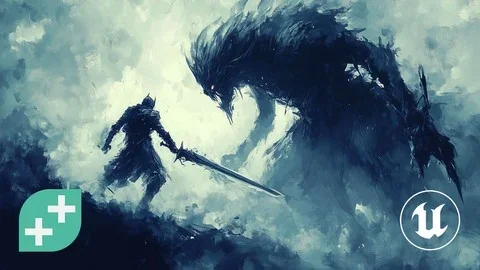
Unreal Engine 5 C++: Make Your Own Action Combat Game
This Unreal Engine 5 C++ course walks through a combat-game build from setup and character movement to lock-on, player combat, stats, and enemy behaviour. It also covers interfaces, design patterns, and debugging practices for a cleaner C++ workflow.
Category:Unreal EnginePlatform: Unreal EngineVideo language: EnglishFile content: video + supporting files + English subtitlesPublished: Apr 15, 2026Updated: Apr 20, 2026
Unreal Engine
Resource overview
Building the combat loop from setup to movement
This Unreal Engine 5 C++ course centers on one practical problem: how to assemble an action combat game that feels like a complete system rather than a collection of disconnected mechanics. The curriculum starts with introduction and setup, then moves into character movement so the foundation is in place before the combat layer is added.
That order matters because the rest of the build depends on how the player moves through the space. With a listed workload of 15h 33m and an intermediate level, the course sits in the range where the code work is substantial but still organized around a clear path. It is aimed at people who already understand C++ concepts and want to apply them in game development while learning how action combat systems fit together inside UE5.
Lock-on and player combat as the core encounter flow
The combat side of the project is not treated as a single feature drop-in. It moves through a lock-on system and then into player combat, which gives the game a structured encounter flow instead of a loose attack setup.
That structure pairs with the course goal of building action-packed combat systems with Unreal Engine 5 and C++. Dynamic animations are part of the learning goals as well, with the emphasis on making characters fight like pros. The combination of movement, lock-on, and animation work points toward combat that reacts cleanly to the playerâs target and keeps the battle readable while still feeling active. The curriculum order supports that idea by placing lock-on before combat and then following with enemy behaviour and interface work, so the player-facing side and the response systems grow together.
Stats, maps, and enums for scalable gameplay data
Once the player combat layer is in place, the course turns to stats. The learning goals explicitly call out scalable stat systems using maps and enums, which makes the gameplay data feel organized rather than hardcoded.
That matters in an action game because combat usually needs to respond to changing values, and the course pushes that through C++ instead of leaving it as a surface-level setup. The stats topic sits in the middle of the curriculum, between player combat and enemy behaviour, which suggests it is meant to support both sides of the fight. The course also includes game interface work, so the stat system is not isolated from the rest of the player experience. It connects to what the player sees, how combat evolves, and how the rest of the build can stay manageable as the project grows.
Enemy behaviour, interfaces, and the observer pattern
Enemy AI is one of the main threads in the course. The stated goal is to create enemy AI that is relentless and keeps players on their toes, and the curriculum includes enemy behaviour as a dedicated section.
That focus is backed by a broader set of programming tools: interfaces and design patterns such as the observer pattern. Those topics point to a cleaner way of handling communication between gameplay systems, which is especially useful when combat, stats, AI, and the interface all need to react to one another. The course also promises hands-on C++ coding, with more than a thousand lines written during the process, so these patterns are not presented as abstract theory. They are part of the actual implementation flow. The added goal of navigating Unrealâs documentation quickly reinforces the practical side of that work, since combat and AI systems often depend on finding the right engine tools at the right moment.
C++ depth, debugging, and the production fit
The course does not stop at feature building. Debugging is a named learning goal, including the aim to prevent memory leaks and keep the game smooth. That places code health alongside gameplay work instead of treating it as a separate concern.
This is where the intermediate level becomes important. The material is suited to someone who already has a solid grasp of C++ concepts and wants to move into game development with a better understanding of how to keep a codebase maintainable. The emphasis on best practices the first time also stands out, especially for learners who want to avoid ending up with an unmaintainable project later on. The final curriculum steps, finishing touches and course wrapup, bring the work to a close after the combat loop, AI, stats, and interface pieces have been assembled. That makes the course feel like a guided build of a production-minded prototype rather than a one-off feature demo.
For a UE5 project that needs combat logic, enemy pressure, and structured gameplay data, this course fits as a focused C++ build path. It covers the systems that make an action game hold together and places them in an order that matches real implementation work: setup, movement, lock-on, combat, stats, behaviour, interface, and refinement.
 Unreal Engine
 Unreal Engine
 Unreal Engine
 Unreal Engine