"a7cfa646d0d8ae55"{"id":"1001202","slug":"kcisa-korean-traditional-smart-materials-vol-2","title":"KCISA -Korean Traditional Smart Materials Vol.2","category":"Art \u0026 Traditional","engine":"5.0+","assetVersion":"","engineVersion":"Engine Version: 5.0+","tag":"Art \u0026 Traditional","accent":"blue","visual":"luts","summary":"Explore KCISA -Korean Traditional Smart Materials Vol.2, featuring traditional bricks, stones, wood, grass, and metals for Korean historical settings.","platform":"Unreal Engine","publishedAt":"2026-09-19T08:19:34.190Z","updatedAt":"2026-09-19T08:19:34.190Z","sourceNotes":[],"fileContents":[],"compatibility":["Unreal Engine","Engine Version: 5.0+"],"featuredImage":{"alt":"KCISA -Korean Traditional Smart Materials Vol.2","src":"/wp-content/uploads/published/2026/09/2c95566da559-303bf72f-bdf6-4425-b9e1-4102c775e7fd-75f405a23b.webp"},"hasDownloadLink":true,"downloads":0,"terms":[{"taxonomy":"category","slug":"art-and-traditional","name":"Art \u0026 Traditional"}],"galleryImages":[{"src":"/wp-content/uploads/published/2026/09/95662796d1f2-16755e70-349e-4820-b86b-77dbd776a57e-cd019a1936.webp","alt":"KCISA -Korean Traditional Smart Materials Vol.2"},{"src":"/wp-content/uploads/published/2026/09/342ddfe9aade-b7523bd5-7605-4cfa-ab98-7157fd9c3741-36e556e2bb.webp","alt":"KCISA -Korean Traditional Smart Materials Vol.2"},{"src":"/wp-content/uploads/published/2026/09/de0c6d7f3c10-cd6ccbbf-0eb1-464b-8f04-ca826f66401a-a116738990.webp","alt":"KCISA -Korean Traditional Smart Materials Vol.2"},{"src":"/wp-content/uploads/published/2026/09/7aa159a9db38-e6d088a6-bfd0-4efb-a1bf-d8f6eb98be0c-2c1d01c8d4.webp","alt":"KCISA -Korean Traditional Smart Materials Vol.2"}],"accessPanel":{"kind":"resource","title":"Download this resource","eyebrow":"Free Download","message":"Log in or create a free account to start your download.","fileName":"Content.7z","safetyNote":"Resources are manually reviewed before listing to improve quality and reduce obvious risks.","actionLabel":"Download Free","resourceType":"Resource archive"},"contentHtml":"\u003ch2\u003eSurface Categories: Bricks, Stones, Wood, Grass, and Metals\u003c/h2\u003e\n\u003cp\u003eKCISA -Korean Traditional Smart Materials Vol.2 gathers an essential selection of surfaces rooted in Korean cultural environments, comprising bricks, stones, grass, wood, and metals. Each distinct material class addresses a specific layer of environmental construction. Wood surfaces reflect the structural and finished timber required for posts, beams, rafters, and paneled partitions. Bricks provide masonry textures suited for defensive fortifications, lower wall bases, decorative chimneys, and boundary enclosures. Cut and raw stones serve foundational needs, addressing retaining barriers, flagstone walkways, courtyards, and rustic landscape elements.\u003c/p\u003e\n\u003cp\u003eVegetation and metallurgy finish out the collection to balance hard masonry with organic ground cover and structural accents. The grass material introduces ground surface variation for outdoor courtyards, embankments, and rural clearings surrounding historical sites. Metals complete the lineup by covering structural fasteners, door hardware, metal bands, decorative studs, and decorative accents found throughout traditional joinery. By compiling these five elemental surfaces into a unified volume, the pack supplies the necessary building blocks to surface both synthetic architecture and natural surroundings.\u003c/p\u003e \u003ch2\u003eEvoking Korean Atmosphere Through Roads and Street Stones\u003c/h2\u003e\n\u003cp\u003eAtmosphere in an unfamiliar environment often reveals itself through ordinary surfaces underfoot. When visiting a foreign country, the distinct visual identity of the region emerges through everyday elements such as asphalt tiles, roadway pavements, and street stones. Subtle shifts in stone cut, masonry bonding, and roadway material treatments give a location its unmistakable cultural texture. This collection aims directly at capturing that ambient sensation of Korea by focusing on grounded, tactile surface properties.\u003c/p\u003e\n\u003cp\u003eGround-level construction sets the visual rhythm of an entire scene. Pathways, carriage roads, and stepped passages define how a space feels long before an observer examines the ornate details of rooflines or decorative painting. By rendering authentic textures for stones, roads, and masonry pathways, these smart materials allow spatial layouts to read as distinctly Korean from the foundation upward. The interplay between flat transit surfaces, worn street stones, and rough pathway edges provides the environmental cues needed to ground an exterior setting in realistic regional geography.\u003c/p\u003e \u003ch2\u003eContextual Pairing with KCISA - Bogildo Island Seyeonjeong Pavilion\u003c/h2\u003e\n\u003cp\u003eThe material set is verified for direct compatibility with the KCISA - Bogildo Island Seyeonjeong Pavilion asset. Bogildo Island Seyeonjeong Pavilion represents a landmark of Korean pavilion culture, celebrated for its harmony between open timber architecture, stone waterworks, and surrounding nature. Utilizing this smart material pack alongside the pavilion model allows every surface—from the water-facing stone platforms to the weathered timber pavilion frames—to reflect consistent material identity.\u003c/p\u003e\n\u003cp\u003eArchitectural installations like Seyeonjeong require subtle material continuity between natural earth and human-made construction. The pavilion's stone embankments and water channels demand convincing stone textures, while the surrounding banks and cleared grounds require integrated grass surfaces. Structural columns and flooring rely on appropriate wood grain and wear characteristics, while gate fixtures and connective joints call for complementary metals. Pairing this material volume with the Seyeonjeong Pavilion ensures that the entire landscape and architectural ensemble maintains a cohesive Korean historical presence.\u003c/p\u003e \u003ch2\u003eSurface Construction in Historical and Traditional Korean Settings\u003c/h2\u003e\n\u003cp\u003eTraditional Korean architecture relies on clear material boundaries governed by structural practicality. Timber framing sits atop shaped foundation stones to isolate organic wood from ground dampness, while brickwork and stacked stone walls delineate courtyard enclosures and property lines. Grass yards and packed ground extend between structures, maintaining a deliberate balance between wild landscape and disciplined building. The inclusion of wood, brick, stone, metal, and grass in this pack directly mirrors this structural methodology.\u003c/p\u003e\n\u003cp\u003eThe materials accommodate historical scenes where buildings must feel integrated into their natural topography rather than imposed upon it. Because traditional Asian construction methods emphasize visible materials—leaving joinery exposed, stone plinths unplastered, and timber surfaces clearly defined—the quality of each individual surface material carries substantial visual weight. The smart materials in this collection are tailored to retain these specific surface identities across large structural forms and small architectural fittings alike.\u003c/p\u003e \u003ch2\u003eApplication for Cultural and Period Environments\u003c/h2\u003e\n\u003cp\u003eProducers of historical media, cultural heritage visualizations, and regional game worlds require specialized surface palettes to prevent environments from looking generic. Broad Asian historical tropes often fail to distinguish between the specific construction traditions of different nations. By focusing strictly on the materials that embody the visual identity of Korea, this volume gives artists the tools to construct culturally accurate landscapes and settlements.\u003c/p\u003e\n\u003cp\u003eWhether texturing an open garden compound, village pathways lined with street stones, or fortified traditional buildings, the pack handles the surface requirements of historical Asian settings. The materials are set up to service everything from heavy architectural timbers and masonry barriers down to the outdoor turf and ironwork that bind a period Korean environment together.\u003c/p\u003e\n\n\u003ch2\u003eContinue Browsing Similar Packs\u003c/h2\u003e\n\u003cul\u003e\n\u003cli\u003e\u003ca href=\"https://3dcghub.com/kcisa-korean-traditional-smart-materials-vol-1/\" title=\"KCISA -Korean Traditional Smart Materials Vol.1\"\u003eKCISA -Korean Traditional Smart Materials Vol.1\u003c/a\u003e\u003c/li\u003e\n\u003cli\u003e\u003ca href=\"https://3dcghub.com/kcisa-korean-traditional-pattern-normal/\" title=\"KCISA -Korean Traditional Pattern Normal\"\u003eKCISA -Korean Traditional Pattern Normal\u003c/a\u003e\u003c/li\u003e\n\u003cli\u003e\u003ca href=\"https://3dcghub.com/kcisa-korean-traditional-pattern-decal/\" title=\"KCISA - Korean Traditional Pattern Decal\"\u003eKCISA - Korean Traditional Pattern Decal\u003c/a\u003e\u003c/li\u003e\n\u003cli\u003e\u003ca href=\"https://3dcghub.com/advanced-cel-shader-lite/\" title=\"Advanced Cel Shader Lite\"\u003eAdvanced Cel Shader Lite\u003c/a\u003e\u003c/li\u003e\n\u003cli\u003e\u003ca href=\"https://3dcghub.com/body-cam-effects/\" title=\"Body Cam Effects\"\u003eBody Cam Effects\u003c/a\u003e\u003c/li\u003e\n\u003c/ul\u003e","contentTextLength":5987,"navigation":{"current":23,"total":3167,"previous":{"id":"1001203","slug":"kcisa-korean-traditional-smart-materials-vol-3","title":"KCISA -Korean Traditional Smart Materials Vol.3","category":"Art \u0026 Traditional","platform":"Unreal Engine","updatedAt":"2026-09-19T08:20:55.391Z"},"next":{"id":"1001201","slug":"kcisa-korean-traditional-smart-materials-vol-1","title":"KCISA -Korean Traditional Smart Materials Vol.1","category":"Art \u0026 Traditional","platform":"Unreal Engine","updatedAt":"2026-09-19T08:18:10.164Z"}},"relatedResources":[{"id":"1001204","slug":"kcisa-korean-traditional-smart-materials-vol-4","title":"KCISA -Korean Traditional Smart Materials Vol.4","category":"Art \u0026 Traditional","engine":"5.0+","assetVersion":"","engineVersion":"Engine Version: 5.0+","tag":"Art \u0026 Traditional","accent":"blue","visual":"luts","summary":"Explore KCISA -Korean Traditional Smart Materials Vol.4, featuring traditional Korean architectural and landscape materials like stone, wood, and brick.","platform":"Unreal Engine","publishedAt":"2026-09-19T08:22:21.629Z","updatedAt":"2026-09-19T08:22:21.629Z","sourceNotes":[],"fileContents":[],"compatibility":["Unreal Engine","Engine Version: 5.0+"],"featuredImage":{"alt":"KCISA -Korean Traditional Smart Materials Vol.4","src":"/wp-content/uploads/published/2026/09/fd8800c89146-2ccabbb3-8c43-41a7-a712-5039b9416d55-e69509d935.webp"},"hasDownloadLink":true,"downloads":0},{"id":"1001203","slug":"kcisa-korean-traditional-smart-materials-vol-3","title":"KCISA -Korean Traditional Smart Materials Vol.3","category":"Art \u0026 Traditional","engine":"5.0+","assetVersion":"","engineVersion":"Engine Version: 5.0+","tag":"Art \u0026 Traditional","accent":"blue","visual":"luts","summary":"Examine KCISA -Korean Traditional Smart Materials Vol.3, delivering authentic Korean textures across bricks, stones, grass, wood, and metals.","platform":"Unreal Engine","publishedAt":"2026-09-19T08:20:55.391Z","updatedAt":"2026-09-19T08:20:55.391Z","sourceNotes":[],"fileContents":[],"compatibility":["Unreal Engine","Engine Version: 5.0+"],"featuredImage":{"alt":"KCISA -Korean Traditional Smart Materials Vol.3","src":"/wp-content/uploads/published/2026/09/7837ce3eb952-30098e03-3b36-4ada-b259-daedd5b4869e-4e4872a13a.webp"},"hasDownloadLink":true,"downloads":0},{"id":"1001201","slug":"kcisa-korean-traditional-smart-materials-vol-1","title":"KCISA -Korean Traditional Smart Materials Vol.1","category":"Art \u0026 Traditional","engine":"5.0+","assetVersion":"","engineVersion":"Engine Version: 5.0+","tag":"Art \u0026 Traditional","accent":"blue","visual":"luts","summary":"Build authentic historical Korean environments with KCISA -Korean Traditional Smart Materials Vol.1, featuring stones, wood, metals, bricks, and grass.","platform":"Unreal Engine","publishedAt":"2026-09-19T08:18:10.164Z","updatedAt":"2026-09-19T08:18:10.164Z","sourceNotes":[],"fileContents":[],"compatibility":["Unreal Engine","Engine Version: 5.0+"],"featuredImage":{"alt":"KCISA -Korean Traditional Smart Materials Vol.1","src":"/wp-content/uploads/published/2026/09/e89f654c69da-dbcf4be8-ff6f-4503-9914-83d26de0a810-219a903b95.webp"},"hasDownloadLink":true,"downloads":0}]}
Art & Traditional
KCISA -Korean Traditional Smart Materials Vol.2
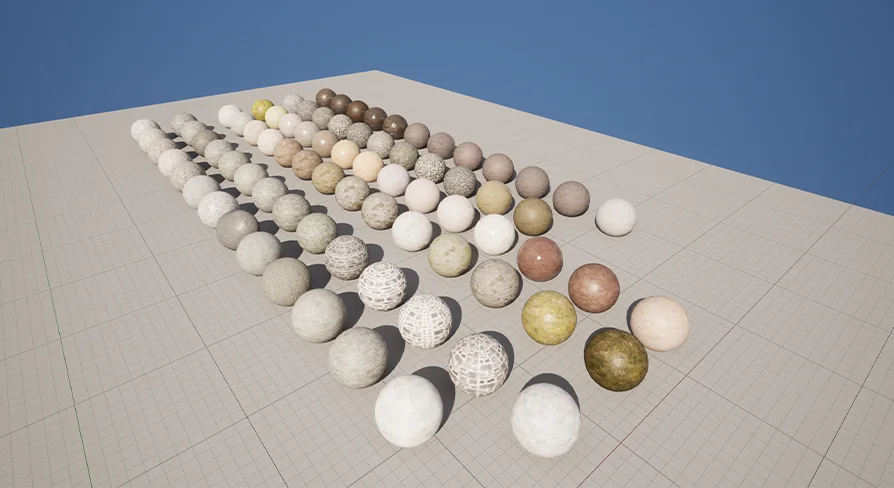
Explore KCISA -Korean Traditional Smart Materials Vol.2, featuring traditional bricks, stones, wood, grass, and metals for Korean historical settings.
Surface Categories: Bricks, Stones, Wood, Grass, and Metals
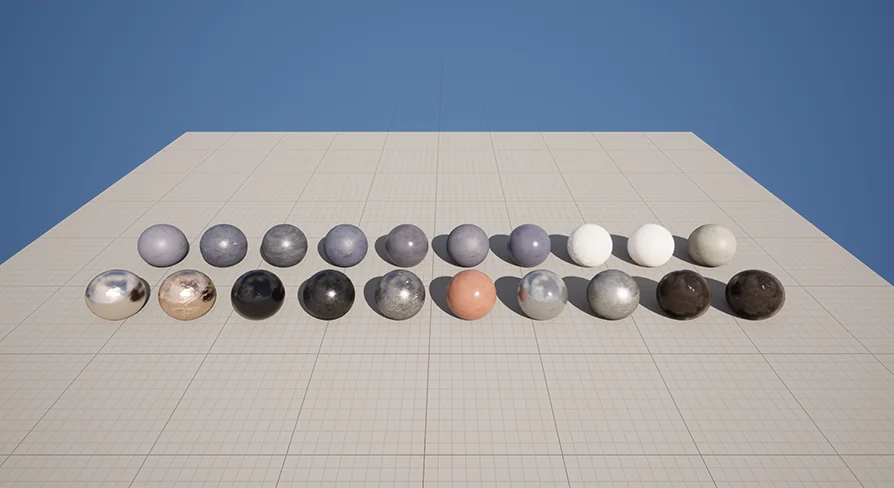
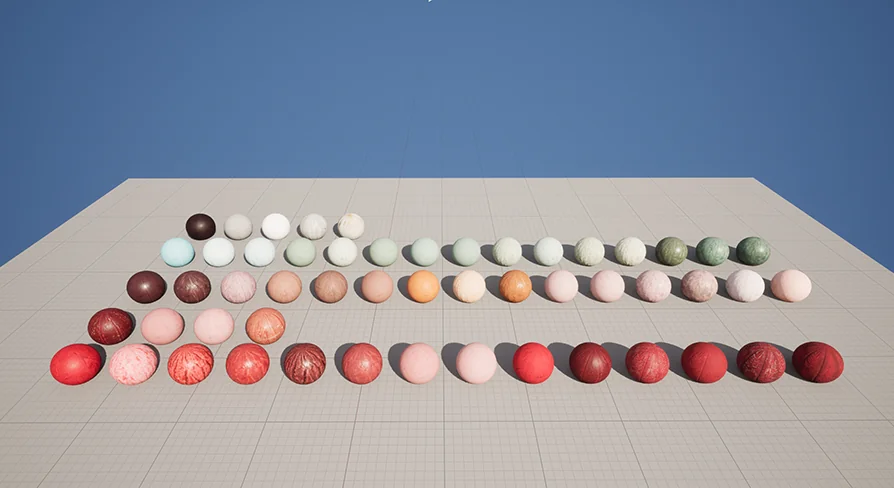
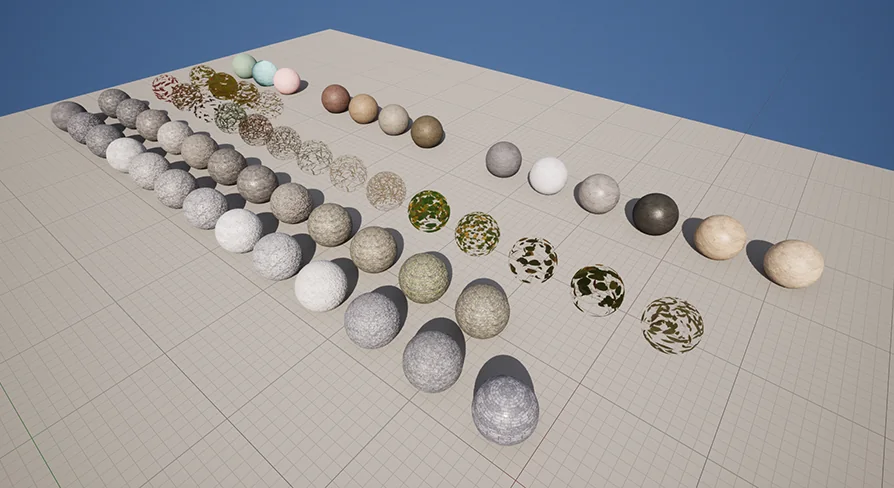
KCISA -Korean Traditional Smart Materials Vol.2 gathers an essential selection of surfaces rooted in Korean cultural environments, comprising bricks, stones, grass, wood, and metals. Each distinct material class addresses a specific layer of environmental construction. Wood surfaces reflect the structural and finished timber required for posts, beams, rafters, and paneled partitions. Bricks provide masonry textures suited for defensive fortifications, lower wall bases, decorative chimneys, and boundary enclosures. Cut and raw stones serve foundational needs, addressing retaining barriers, flagstone walkways, courtyards, and rustic landscape elements.
Vegetation and metallurgy finish out the collection to balance hard masonry with organic ground cover and structural accents. The grass material introduces ground surface variation for outdoor courtyards, embankments, and rural clearings surrounding historical sites. Metals complete the lineup by covering structural fasteners, door hardware, metal bands, decorative studs, and decorative accents found throughout traditional joinery. By compiling these five elemental surfaces into a unified volume, the pack supplies the necessary building blocks to surface both synthetic architecture and natural surroundings.
Evoking Korean Atmosphere Through Roads and Street Stones
Atmosphere in an unfamiliar environment often reveals itself through ordinary surfaces underfoot. When visiting a foreign country, the distinct visual identity of the region emerges through everyday elements such as asphalt tiles, roadway pavements, and street stones. Subtle shifts in stone cut, masonry bonding, and roadway material treatments give a location its unmistakable cultural texture. This collection aims directly at capturing that ambient sensation of Korea by focusing on grounded, tactile surface properties.
Ground-level construction sets the visual rhythm of an entire scene. Pathways, carriage roads, and stepped passages define how a space feels long before an observer examines the ornate details of rooflines or decorative painting. By rendering authentic textures for stones, roads, and masonry pathways, these smart materials allow spatial layouts to read as distinctly Korean from the foundation upward. The interplay between flat transit surfaces, worn street stones, and rough pathway edges provides the environmental cues needed to ground an exterior setting in realistic regional geography.
Contextual Pairing with KCISA - Bogildo Island Seyeonjeong Pavilion
The material set is verified for direct compatibility with the KCISA - Bogildo Island Seyeonjeong Pavilion asset. Bogildo Island Seyeonjeong Pavilion represents a landmark of Korean pavilion culture, celebrated for its harmony between open timber architecture, stone waterworks, and surrounding nature. Utilizing this smart material pack alongside the pavilion model allows every surface—from the water-facing stone platforms to the weathered timber pavilion frames—to reflect consistent material identity.
Architectural installations like Seyeonjeong require subtle material continuity between natural earth and human-made construction. The pavilion's stone embankments and water channels demand convincing stone textures, while the surrounding banks and cleared grounds require integrated grass surfaces. Structural columns and flooring rely on appropriate wood grain and wear characteristics, while gate fixtures and connective joints call for complementary metals. Pairing this material volume with the Seyeonjeong Pavilion ensures that the entire landscape and architectural ensemble maintains a cohesive Korean historical presence.
Surface Construction in Historical and Traditional Korean Settings
Traditional Korean architecture relies on clear material boundaries governed by structural practicality. Timber framing sits atop shaped foundation stones to isolate organic wood from ground dampness, while brickwork and stacked stone walls delineate courtyard enclosures and property lines. Grass yards and packed ground extend between structures, maintaining a deliberate balance between wild landscape and disciplined building. The inclusion of wood, brick, stone, metal, and grass in this pack directly mirrors this structural methodology.
The materials accommodate historical scenes where buildings must feel integrated into their natural topography rather than imposed upon it. Because traditional Asian construction methods emphasize visible materials—leaving joinery exposed, stone plinths unplastered, and timber surfaces clearly defined—the quality of each individual surface material carries substantial visual weight. The smart materials in this collection are tailored to retain these specific surface identities across large structural forms and small architectural fittings alike.
Application for Cultural and Period Environments
Producers of historical media, cultural heritage visualizations, and regional game worlds require specialized surface palettes to prevent environments from looking generic. Broad Asian historical tropes often fail to distinguish between the specific construction traditions of different nations. By focusing strictly on the materials that embody the visual identity of Korea, this volume gives artists the tools to construct culturally accurate landscapes and settlements.
Whether texturing an open garden compound, village pathways lined with street stones, or fortified traditional buildings, the pack handles the surface requirements of historical Asian settings. The materials are set up to service everything from heavy architectural timbers and masonry barriers down to the outdoor turf and ironwork that bind a period Korean environment together.
 Art & Traditional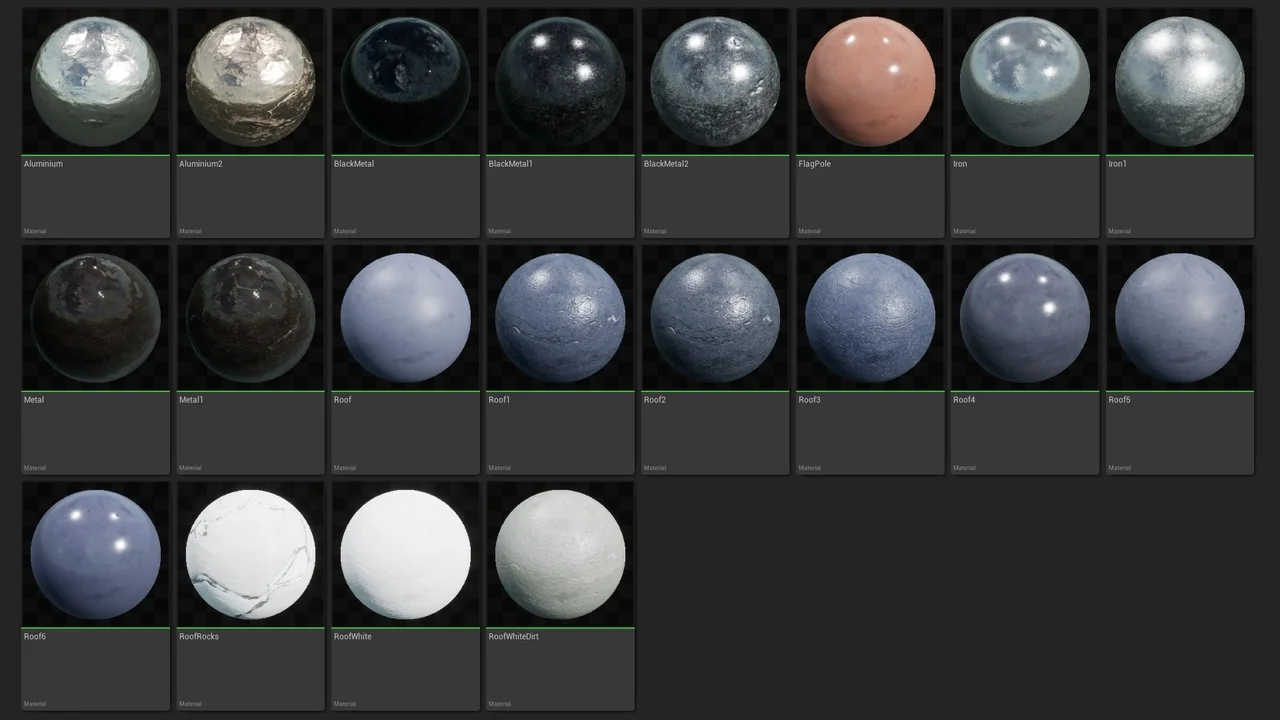
 Art & Traditional
 Art & Traditional
 Art & Traditional