"bb7a96bd710f8a97"{"id":"1001200","slug":"kcisa-korean-traditional-pattern-normal","title":"KCISA -Korean Traditional Pattern Normal","category":"Art \u0026 Traditional","engine":"5.0+","assetVersion":"","engineVersion":"Engine Version: 5.0+","tag":"Art \u0026 Traditional","accent":"blue","visual":"mech","summary":"Explore KCISA -Korean Traditional Pattern Normal, a metaverse normal map asset based on digitized Korean cultural heritage patterns for historical 3D scenes.","platform":"Unreal Engine","publishedAt":"2026-09-19T08:16:43.179Z","updatedAt":"2026-09-19T08:16:43.179Z","sourceNotes":[],"fileContents":[],"compatibility":["Unreal Engine","Engine Version: 5.0+"],"featuredImage":{"alt":"KCISA -Korean Traditional Pattern Normal","src":"/wp-content/uploads/published/2026/09/78ea02bcf7ec-ab6ff15c-f834-4ac2-be8b-74efa47261e1-29b2b3b757.webp"},"hasDownloadLink":true,"downloads":0,"terms":[{"taxonomy":"category","slug":"art-and-traditional","name":"Art \u0026 Traditional"}],"galleryImages":[{"src":"/wp-content/uploads/published/2026/09/18781e20c0c6-7c37bf83-0e5a-49c2-8ba5-14f8df30bfc1-212c432f7c.webp","alt":"KCISA -Korean Traditional Pattern Normal"},{"src":"/wp-content/uploads/published/2026/09/32c7ee32807d-d5b173ec-76b8-4bcd-92cc-1fec9806cba2-401787246b.webp","alt":"KCISA -Korean Traditional Pattern Normal"},{"src":"/wp-content/uploads/published/2026/09/36c07e382842-99c63098-41fd-4b59-a73c-b05f06163b8e-ea93794d0c.webp","alt":"KCISA -Korean Traditional Pattern Normal"},{"src":"/wp-content/uploads/published/2026/09/5493d4203f15-8705eb57-5a33-4263-8eef-a1a4437754f6-1b182bd1ae.webp","alt":"KCISA -Korean Traditional Pattern Normal"},{"src":"/wp-content/uploads/published/2026/09/256ea063e68e-eaa5e75f-8ec1-4ebc-b860-4642eccd3c63-a00ca504a2.webp","alt":"KCISA -Korean Traditional Pattern Normal"},{"src":"/wp-content/uploads/published/2026/09/bd5adc2544f6-722495ea-4418-42ee-bb98-30680a672137-59dca2b305.webp","alt":"KCISA -Korean Traditional Pattern Normal"},{"src":"/wp-content/uploads/published/2026/09/11dd790412d7-fef4ba1a-8743-479e-9a91-897c47f29cec-2c55d7029c.webp","alt":"KCISA -Korean Traditional Pattern Normal"}],"accessPanel":{"kind":"resource","title":"Download this resource","eyebrow":"Free Download","message":"Log in or create a free account to start your download.","fileName":"Content.7z","safetyNote":"Resources are manually reviewed before listing to improve quality and reduce obvious risks.","actionLabel":"Download Free","resourceType":"Resource archive"},"contentHtml":"\u003ch2\u003eVirtual Heritage Environments and Korean Traditional Patterns\u003c/h2\u003e\u003cp\u003eHistorical virtual environments demand surface detailing that reflects specific regional traditions. When constructing settings rooted in Asian architecture, generic geometric relief often breaks the sense of place. Authentic decorative detailing requires reference to real cultural artifacts rather than generalized ornamental shapes. The Korea Cultural Information Service addresses this need by capturing motifs from historic structures and artifacts across the country, making preserved heritage available as functional digital artwork.\u003c/p\u003e\u003cp\u003eUsing traditional patterns within real-time scenes allows creators to ground spaces in genuine architectural history. Whether framing an interior courtyard, embellishing decorative screens, or establishing structural timber carvings, these motifs communicate cultural context immediately. The asset functions as a bridge between physical preservation and interactive digital worlds, transforming patterns established across generations of Korean history into surfaces suited for real-time interaction.\u003c/p\u003e\u003ch2\u003eDigitized Cultural Heritage as Normal Map Metaverse Assets\u003c/h2\u003e\u003cp\u003eNormal maps offer a direct method for adding intricate surface variation without increasing the underlying polygon count of a 3D model. By calculating how light interacts with microscopic bumps, grooves, and carvings, a normal map delivers the illusion of fine three-dimensional detail across otherwise flat polygons. In this package, the digitized pattern derived from historic Korean heritage is converted into a dedicated normal map asset prepared for metaverse and real-time usage.\u003c/p\u003e\u003cp\u003eBecause the asset originates from physical artifacts cataloged by the Korea Cultural Information Service, the relief contours reflect the organic, deliberate lines created by historic craftspeople. Metaverse platforms often operate under strict performance budgets where every vertex counts. Implementing cultural patterns as normal maps ensures that dense decorative relief remains lightweight, allowing virtual visitors to inspect architectural surfaces up close without straining rendering performance.\u003c/p\u003e\u003cp\u003eSurfaces textured with this normal map respond dynamically to moving light sources. As sunlight sweeps across a virtual pavilion or lanterns illuminate an interior hall, the ridges and recesses of the Korean motif catch highlights and cast subtle self-shadows. This visual behavior reinforces depth across static geometry, bringing historical texture directly into interactive viewports.\u003c/p\u003e\u003ch2\u003eIntegrating Patterns with Bogildo Island Seyeonjeong Pavilion\u003c/h2\u003e\u003cp\u003eThe asset is identified with specific compatibility for the KCISA - Bogildo Island Seyeonjeong Pavilion environment. Bogildo Island holds deep cultural significance, and the Seyeonjeong Pavilion stands as a landmark example of Joseon-era garden architecture designed to exist in balance with surrounding water and natural landscape. Historical structures of this caliber rely heavily on specific decorative treatments across wooden pillars, structural beams, railings, and stone bases.\u003c/p\u003e\u003cp\u003ePairing the Korean traditional pattern normal map directly with assets from the Seyeonjeong Pavilion setup helps maintain visual and historical cohesion. Rather than mixing ornaments from disparate periods or regions, environment artists can align material relief with the architectural style of the pavilion complex. Applying the normal pattern across structural components establishes stylistic continuity across the garden pavilion, ensuring that decorative borders, structural framing, and accent trims share the same historical vocabulary.\u003c/p\u003e\u003cp\u003eIn practical staging, this compatibility allows developers to detail walkways, terrace dividers, or pavilion furnishings while matching the architectural motifs already present in the Seyeonjeong Pavilion build. It eliminates guesswork when deciding which relief styles belong in an authentic Joseon-style pavilion composition.\u003c/p\u003e\u003ch2\u003eApplying Historical Asian Motifs Across Virtual Materials\u003c/h2\u003e\u003cp\u003eBeyond isolated architectural builds, traditional pattern assets serve broader material workflows across interactive historical projects. Surface patterns can be combined with diverse base materials to represent carved wood, chased metal, stamped plaster, or woven fabric. Because the resource delivers surface normal information, artists can apply it over multiple material definitions depending on where the cultural motif belongs in a scene.\u003c/p\u003e\u003cp\u003eIn wooden structures, the pattern can simulate shallow relief carving on decorative panels, transoms, and furniture surfaces. Over stone textures, the same normal data evokes chiseled border accents on foundation blocks or garden lanterns. In costume and prop design, normal maps can add embossed depth to lacquered storage chests, ceremonial gear, or decorative domestic objects placed within historical living spaces.\u003c/p\u003e\u003cp\u003eThe cultural specificity captured by the Korea Cultural Information Service prevents the stylistic dilution that often happens when artists rely on synthetic or modern procedural patterns. By preserving the exact curves, borders, and symmetrical rhythms found in regional heritage items, the pattern anchors objects to a identifiable lineage of traditional Asian craft.\u003c/p\u003e\u003ch2\u003eProject Scope and Creative Implementation\u003c/h2\u003e\u003cp\u003eThis normal map asset serves environment artists, level designers, and metaverse developers building educational exhibitions, historical simulations, or narratively rich period games set in Asia. Projects that prioritize cultural fidelity benefit most from utilizing assets sourced directly from institutional digitization efforts.\u003c/p\u003e\u003cp\u003eVirtual museums, historical walkthroughs, and immersive cultural heritage initiatives gain immediate authenticity by relying on digitized patterns from the Korea Cultural Information Service. The map provides a ready-made surface solution that honors the original craftsmanship of Korean heritage sites while maintaining the technical requirements necessary for modern real-time engines.\u003c/p\u003e\n\n\u003ch2\u003eMore From The Same Workflow\u003c/h2\u003e\n\u003cul\u003e\n\u003cli\u003e\u003ca href=\"https://3dcghub.com/kcisa-korean-traditional-pattern-decal/\" title=\"KCISA - Korean Traditional Pattern Decal\"\u003eKCISA - Korean Traditional Pattern Decal\u003c/a\u003e\u003c/li\u003e\n\u003cli\u003e\u003ca href=\"https://3dcghub.com/advanced-cel-shader-lite/\" title=\"Advanced Cel Shader Lite\"\u003eAdvanced Cel Shader Lite\u003c/a\u003e\u003c/li\u003e\n\u003cli\u003e\u003ca href=\"https://3dcghub.com/body-cam-effects/\" title=\"Body Cam Effects\"\u003eBody Cam Effects\u003c/a\u003e\u003c/li\u003e\n\u003cli\u003e\u003ca href=\"https://3dcghub.com/kcisa-korean-traditional-pattern-effect/\" title=\"KCISA -Korean Traditional Pattern Effect\"\u003eKCISA -Korean Traditional Pattern Effect\u003c/a\u003e\u003c/li\u003e\n\u003cli\u003e\u003ca href=\"https://3dcghub.com/cartoon-cel-shader/\" title=\"Cartoon Cel Shader\"\u003eCartoon Cel Shader\u003c/a\u003e\u003c/li\u003e\n\u003c/ul\u003e","contentTextLength":6190,"navigation":{"current":17,"total":3159,"previous":{"id":"1001201","slug":"kcisa-korean-traditional-smart-materials-vol-1","title":"KCISA -Korean Traditional Smart Materials Vol.1","category":"Art \u0026 Traditional","platform":"Unreal Engine","updatedAt":"2026-09-19T08:18:10.164Z"},"next":{"id":"1001199","slug":"kcisa-korean-traditional-pattern-decal","title":"KCISA - Korean Traditional Pattern Decal","category":"Art \u0026 Traditional","platform":"Unreal Engine","updatedAt":"2026-09-19T08:15:12.112Z"}},"relatedResources":[{"id":"1001204","slug":"kcisa-korean-traditional-smart-materials-vol-4","title":"KCISA -Korean Traditional Smart Materials Vol.4","category":"Art \u0026 Traditional","engine":"5.0+","assetVersion":"","engineVersion":"Engine Version: 5.0+","tag":"Art \u0026 Traditional","accent":"blue","visual":"luts","summary":"Explore KCISA -Korean Traditional Smart Materials Vol.4, featuring traditional Korean architectural and landscape materials like stone, wood, and brick.","platform":"Unreal Engine","publishedAt":"2026-09-19T08:22:21.629Z","updatedAt":"2026-09-19T08:22:21.629Z","sourceNotes":[],"fileContents":[],"compatibility":["Unreal Engine","Engine Version: 5.0+"],"featuredImage":{"alt":"KCISA -Korean Traditional Smart Materials Vol.4","src":"/wp-content/uploads/published/2026/09/fd8800c89146-2ccabbb3-8c43-41a7-a712-5039b9416d55-e69509d935.webp"},"hasDownloadLink":true,"downloads":0},{"id":"1001203","slug":"kcisa-korean-traditional-smart-materials-vol-3","title":"KCISA -Korean Traditional Smart Materials Vol.3","category":"Art \u0026 Traditional","engine":"5.0+","assetVersion":"","engineVersion":"Engine Version: 5.0+","tag":"Art \u0026 Traditional","accent":"blue","visual":"luts","summary":"Examine KCISA -Korean Traditional Smart Materials Vol.3, delivering authentic Korean textures across bricks, stones, grass, wood, and metals.","platform":"Unreal Engine","publishedAt":"2026-09-19T08:20:55.391Z","updatedAt":"2026-09-19T08:20:55.391Z","sourceNotes":[],"fileContents":[],"compatibility":["Unreal Engine","Engine Version: 5.0+"],"featuredImage":{"alt":"KCISA -Korean Traditional Smart Materials Vol.3","src":"/wp-content/uploads/published/2026/09/7837ce3eb952-30098e03-3b36-4ada-b259-daedd5b4869e-4e4872a13a.webp"},"hasDownloadLink":true,"downloads":0},{"id":"1001202","slug":"kcisa-korean-traditional-smart-materials-vol-2","title":"KCISA -Korean Traditional Smart Materials Vol.2","category":"Art \u0026 Traditional","engine":"5.0+","assetVersion":"","engineVersion":"Engine Version: 5.0+","tag":"Art \u0026 Traditional","accent":"blue","visual":"luts","summary":"Explore KCISA -Korean Traditional Smart Materials Vol.2, featuring traditional bricks, stones, wood, grass, and metals for Korean historical settings.","platform":"Unreal Engine","publishedAt":"2026-09-19T08:19:34.190Z","updatedAt":"2026-09-19T08:19:34.190Z","sourceNotes":[],"fileContents":[],"compatibility":["Unreal Engine","Engine Version: 5.0+"],"featuredImage":{"alt":"KCISA -Korean Traditional Smart Materials Vol.2","src":"/wp-content/uploads/published/2026/09/2c95566da559-303bf72f-bdf6-4425-b9e1-4102c775e7fd-75f405a23b.webp"},"hasDownloadLink":true,"downloads":0}]}
Art & Traditional
KCISA -Korean Traditional Pattern Normal
Explore KCISA -Korean Traditional Pattern Normal, a metaverse normal map asset based on digitized Korean cultural heritage patterns for historical 3D scenes.
Virtual Heritage Environments and Korean Traditional Patterns
Historical virtual environments demand surface detailing that reflects specific regional traditions. When constructing settings rooted in Asian architecture, generic geometric relief often breaks the sense of place. Authentic decorative detailing requires reference to real cultural artifacts rather than generalized ornamental shapes. The Korea Cultural Information Service addresses this need by capturing motifs from historic structures and artifacts across the country, making preserved heritage available as functional digital artwork.
Using traditional patterns within real-time scenes allows creators to ground spaces in genuine architectural history. Whether framing an interior courtyard, embellishing decorative screens, or establishing structural timber carvings, these motifs communicate cultural context immediately. The asset functions as a bridge between physical preservation and interactive digital worlds, transforming patterns established across generations of Korean history into surfaces suited for real-time interaction.
Digitized Cultural Heritage as Normal Map Metaverse Assets
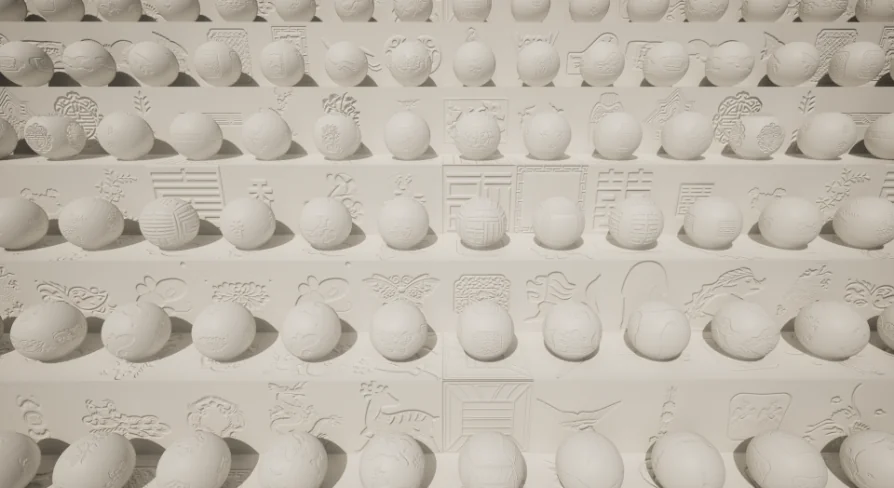
Normal maps offer a direct method for adding intricate surface variation without increasing the underlying polygon count of a 3D model. By calculating how light interacts with microscopic bumps, grooves, and carvings, a normal map delivers the illusion of fine three-dimensional detail across otherwise flat polygons. In this package, the digitized pattern derived from historic Korean heritage is converted into a dedicated normal map asset prepared for metaverse and real-time usage.
Because the asset originates from physical artifacts cataloged by the Korea Cultural Information Service, the relief contours reflect the organic, deliberate lines created by historic craftspeople. Metaverse platforms often operate under strict performance budgets where every vertex counts. Implementing cultural patterns as normal maps ensures that dense decorative relief remains lightweight, allowing virtual visitors to inspect architectural surfaces up close without straining rendering performance.
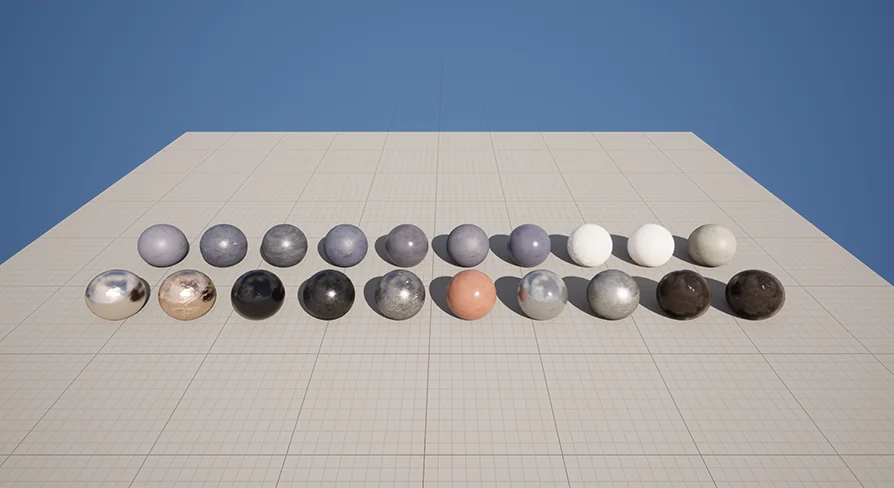
Surfaces textured with this normal map respond dynamically to moving light sources. As sunlight sweeps across a virtual pavilion or lanterns illuminate an interior hall, the ridges and recesses of the Korean motif catch highlights and cast subtle self-shadows. This visual behavior reinforces depth across static geometry, bringing historical texture directly into interactive viewports.
Integrating Patterns with Bogildo Island Seyeonjeong Pavilion
The asset is identified with specific compatibility for the KCISA - Bogildo Island Seyeonjeong Pavilion environment. Bogildo Island holds deep cultural significance, and the Seyeonjeong Pavilion stands as a landmark example of Joseon-era garden architecture designed to exist in balance with surrounding water and natural landscape. Historical structures of this caliber rely heavily on specific decorative treatments across wooden pillars, structural beams, railings, and stone bases.
Pairing the Korean traditional pattern normal map directly with assets from the Seyeonjeong Pavilion setup helps maintain visual and historical cohesion. Rather than mixing ornaments from disparate periods or regions, environment artists can align material relief with the architectural style of the pavilion complex. Applying the normal pattern across structural components establishes stylistic continuity across the garden pavilion, ensuring that decorative borders, structural framing, and accent trims share the same historical vocabulary.
In practical staging, this compatibility allows developers to detail walkways, terrace dividers, or pavilion furnishings while matching the architectural motifs already present in the Seyeonjeong Pavilion build. It eliminates guesswork when deciding which relief styles belong in an authentic Joseon-style pavilion composition.
Applying Historical Asian Motifs Across Virtual Materials
Beyond isolated architectural builds, traditional pattern assets serve broader material workflows across interactive historical projects. Surface patterns can be combined with diverse base materials to represent carved wood, chased metal, stamped plaster, or woven fabric. Because the resource delivers surface normal information, artists can apply it over multiple material definitions depending on where the cultural motif belongs in a scene.
In wooden structures, the pattern can simulate shallow relief carving on decorative panels, transoms, and furniture surfaces. Over stone textures, the same normal data evokes chiseled border accents on foundation blocks or garden lanterns. In costume and prop design, normal maps can add embossed depth to lacquered storage chests, ceremonial gear, or decorative domestic objects placed within historical living spaces.
The cultural specificity captured by the Korea Cultural Information Service prevents the stylistic dilution that often happens when artists rely on synthetic or modern procedural patterns. By preserving the exact curves, borders, and symmetrical rhythms found in regional heritage items, the pattern anchors objects to a identifiable lineage of traditional Asian craft.
Project Scope and Creative Implementation
This normal map asset serves environment artists, level designers, and metaverse developers building educational exhibitions, historical simulations, or narratively rich period games set in Asia. Projects that prioritize cultural fidelity benefit most from utilizing assets sourced directly from institutional digitization efforts.
Virtual museums, historical walkthroughs, and immersive cultural heritage initiatives gain immediate authenticity by relying on digitized patterns from the Korea Cultural Information Service. The map provides a ready-made surface solution that honors the original craftsmanship of Korean heritage sites while maintaining the technical requirements necessary for modern real-time engines.
 Art & Traditional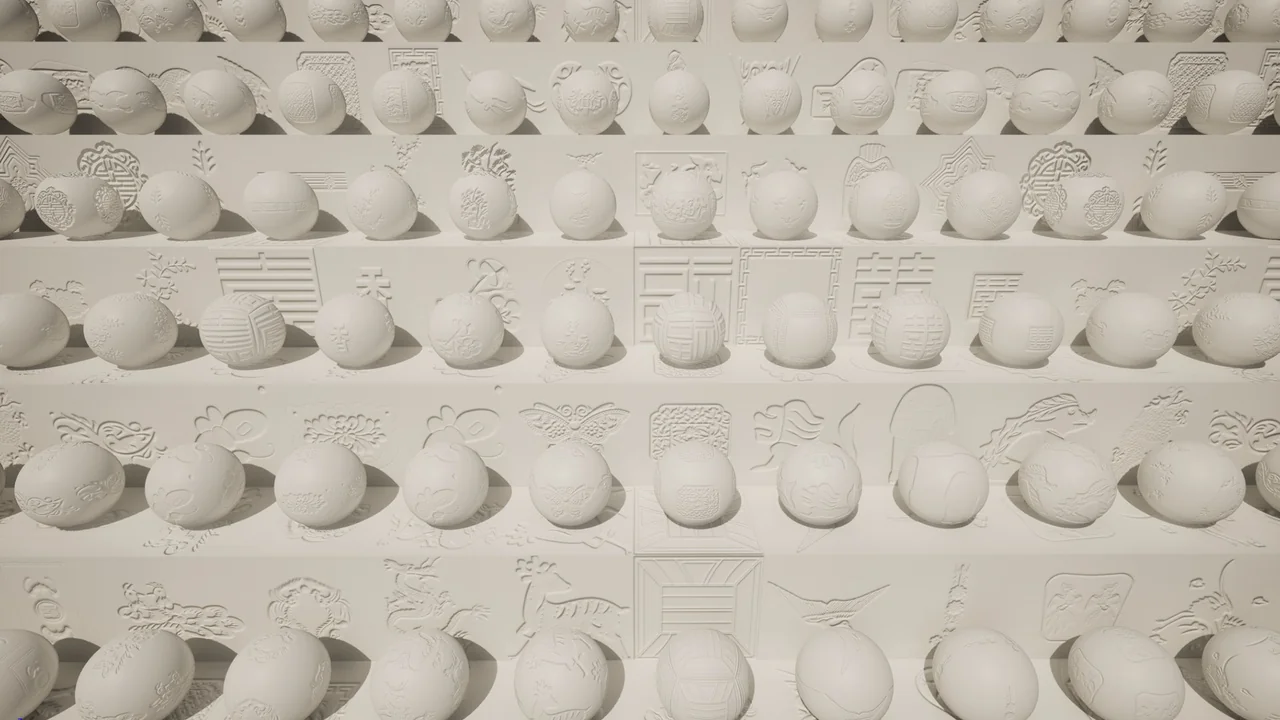
 Art & Traditional
 Art & Traditional
 Art & Traditional