"e3cd4669e638186e"{"id":"1001198","slug":"advanced-cel-shader-lite","title":"Advanced Cel Shader Lite","category":"Art \u0026 Traditional","engine":"5.0+","assetVersion":"","engineVersion":"Engine Version: 5.0+","tag":"Art \u0026 Traditional","accent":"blue","visual":"mech","summary":"Examine Advanced Cel Shader Lite for Unreal Engine 5.4, covering its rewritten architecture, inline and outline controls, and stylized shading workflows.","platform":"Unreal Engine","publishedAt":"2026-09-19T08:13:24.211Z","updatedAt":"2026-09-19T08:13:24.211Z","sourceNotes":[],"fileContents":[],"compatibility":["Unreal Engine","Engine Version: 5.0+"],"featuredImage":{"alt":"Advanced Cel Shader Lite","src":"/wp-content/uploads/published/2026/09/789eb25f95c0-b9bf7dfb-f510-4957-adca-58857fbb4dd2-63ab63bcdf.webp"},"hasDownloadLink":true,"downloads":0,"terms":[{"taxonomy":"category","slug":"art-and-traditional","name":"Art \u0026 Traditional"}],"galleryImages":[{"src":"/wp-content/uploads/published/2026/09/3204397c2138-81f6f246-3bcb-4b9e-b70d-f7765acb2dce-a85d6809cc.webp","alt":"Advanced Cel Shader Lite"},{"src":"/wp-content/uploads/published/2026/09/3a8c71d89a97-61422019-17f1-43eb-845c-c137dc1ebdb8-021776dde8.webp","alt":"Advanced Cel Shader Lite"}],"accessPanel":{"kind":"resource","title":"Download this resource","eyebrow":"Free Download","message":"Log in or create a free account to start your download.","fileName":"Content.7z","safetyNote":"Resources are manually reviewed before listing to improve quality and reduce obvious risks.","actionLabel":"Download Free","resourceType":"Resource archive"},"contentHtml":"\u003ch2\u003eUnreal Engine 5.4 Architecture and Shader Rewrite\u003c/h2\u003e\n\u003cp\u003eDeploying stylized visuals in real-time environments often hinges on keeping shader complexity manageable while handling complex surface interactions. The release baseline beginning with Unreal Engine 5.4 introduces a complete, ground-up rewrite of the Advanced Cel Shader codebase. Rather than layering additional logic over legacy rendering code, this revised architecture rebuilds the realtime cel shader to operate with greater efficiency inside modern engine pipelines.\u003c/p\u003e\n\u003cp\u003eThe principal focus of this rewrite centers on instruction count reduction. In real-time production, heavy post-process materials and multi-pass surface shaders quickly encounter performance bottlenecks when calculating multiple scene textures, view vectors, and light buffers. By streamlining the internal math, the shader achieves a lower instruction footprint per pass. Lower instruction counts directly benefit scenes populated by dense stylized geometry, layered particle systems, or multiple camera viewports where rendering overhead must remain predictable.\u003c/p\u003e\n\u003cp\u003eDespite decreasing the overall instruction load, the rebuilt shader expands on-screen functionality. The optimized structure handles core cel calculations more cleanly, granting artists direct access to stylized rendering operations without imposing the processing weight typical of older shading models.\u003c/p\u003e \u003ch2\u003eConfiguring Line Art with Inline and Outline Options\u003c/h2\u003e\n\u003cp\u003eContour definition forms the backbone of non-photorealistic rendering, particularly when aiming for aesthetics rooted in anime, manga, and classic cartoon animation. Advanced Cel Shader Lite addresses line generation through dedicated inline and outline options that shape how surface boundaries and internal creases appear on geometry.\u003c/p\u003e\n\u003cp\u003eSilhouette extraction relies on distinct outline tools to delineate outer forms against backgrounds and adjacent meshes. These external outlines give stylized characters and environment assets crisp, readable edges that hold up across changing camera distances. Concurrently, inline controls handle the interior detail markings necessary to delineate anatomical details, clothing seams, mechanical crevices, and planar shifts across a continuous mesh. Separating these parameters prevents inner surface details from being overwhelmed by the heavier edge weights applied to exterior silhouettes.\u003c/p\u003e\n\u003cp\u003eThis dual-mode line presentation allows creators to tailor their line art to specific illustrative standards:\u003c/p\u003e\n\u003cul\u003e\n\u003cli\u003eAnime character assets benefit from subtle inlines on facial geometry combined with controlled exterior silhouettes.\u003c/li\u003e\n\u003cli\u003eManga rendering pathways utilize stark, deliberate line weights that emulate inked print illustrations.\u003c/li\u003e\n\u003cli\u003eExaggerated cartoon visuals rely on strong external boundaries to emphasize silhouettes and separation from surrounding geometry.\u003c/li\u003e\n\u003cli\u003eHybrid stylized art directions blend variable line widths across distinct material zones to preserve asset clarity under diverse lighting conditions.\u003c/li\u003e\n\u003c/ul\u003e \u003ch2\u003eCel Lighting Model Interaction and Essentials Integration\u003c/h2\u003e\n\u003cp\u003eBeyond edge rendering, non-photorealistic aesthetics require strict control over light falloff, shadow stepping, and surface illumination. The rewritten framework is designed to hook into an improved Cel Lighting Model interaction path, aligning screen-space shading with the active illumination within the engine viewport.\u003c/p\u003e\n\u003cp\u003eReal-time cel shading frequently struggles with standard physically based light falloff, which introduces smooth gradients that undermine graphic, posterized visuals. An optimized interaction path bridges the gap between engine lights and cel tone curves, establishing predictable shadow bands, halftone separations, and high-contrast light highlights across stylized materials. This planned interaction workflow ensures that directional, point, and spot lights translate into sharp steps rather than soft, photorealistic attenuation.\u003c/p\u003e\n\u003cp\u003eFor productions requiring an expanded cel lighting toolset, the shader is designed to pair directly with Advanced Cel Shader Essentials. While the Lite implementation establishes fundamental edge detection and stylized tones, coupling it with the Essentials package provides a comprehensive foundation for project-wide stylized lighting demands. This combined structure allows teams to scale their stylized setup from isolated asset testing into fully illuminated game environments with synchronized lighting controls.\u003c/p\u003e \u003ch2\u003eShading Compatibility Across Stylized Asset Pipelines\u003c/h2\u003e\n\u003cp\u003eStylized visual development rarely relies on uniform opaque surfaces alone. Translucent elements, tinted surfaces, and complex refraction require tailored rendering handling to prevent stylistic mismatches across adjacent objects. Within this visual ecosystem, Advanced Cel Shader maintains compatibility alongside Advanced Glass Shader, enabling cohesive material layering.\u003c/p\u003e\n\u003cp\u003eIntegrating cel shading with stylized glass assets ensures that transparent surfaces like windows, spectacles, flasks, and energy barriers can inhabit the same visual scene without breaking the established art style. Outlines generated by the cel shader interact cleanly around transparent boundaries, preserving the illusion of hand-drawn or illustrated glasswork alongside fully opaque cel-shaded geometry. This cross-shader compatibility safeguards consistency across complex multi-layered scenes.\u003c/p\u003e \u003ch2\u003eProduction Longevity and Permanent Collection Status\u003c/h2\u003e\n\u003cp\u003eLong-term availability and maintenance are critical factors when selecting core rendering components for game development and cinematics. Advanced Cel Shader holds a recognized history within the engine community, having been selected as part of the Unreal Engine Sponsored Content for December 2018 before joining the Permanent Collection. This designation reinforces the shader's standing as an enduring fixture for non-photorealistic rendering.\u003c/p\u003e\n\u003cp\u003eMaintained alongside other works by the creator, such as Skull, the asset's transition to a permanently accessible, rebuilt toolset ensures that stylized pipelines can rely on stable foundation code through Unreal Engine 5.4 and subsequent development cycles. The ongoing optimization of its instruction pipelines, combined with versatile inline, outline, and lighting options, provides a direct path toward achieving polished anime, manga, and cartoon aesthetics in real-time engines.\u003c/p\u003e\n\n\u003ch2\u003eContinue Browsing Similar Packs\u003c/h2\u003e\n\u003cul\u003e\n\u003cli\u003e\u003ca href=\"https://3dcghub.com/cartoon-cel-shader/\" title=\"Cartoon Cel Shader\"\u003eCartoon Cel Shader\u003c/a\u003e\u003c/li\u003e\n\u003cli\u003e\u003ca href=\"https://3dcghub.com/stylized-rendering-system-cel-shader/\" title=\"Stylized Rendering System (Cel-Shader)\"\u003eStylized Rendering System (Cel-Shader)\u003c/a\u003e\u003c/li\u003e\n\u003cli\u003e\u003ca href=\"https://3dcghub.com/parallax-card-material/\" title=\"Parallax Card Material\"\u003eParallax Card Material\u003c/a\u003e\u003c/li\u003e\n\u003cli\u003e\u003ca href=\"https://3dcghub.com/body-cam-effects/\" title=\"Body Cam Effects\"\u003eBody Cam Effects\u003c/a\u003e\u003c/li\u003e\n\u003cli\u003e\u003ca href=\"https://3dcghub.com/speed-lines/\" title=\"Speed Lines\"\u003eSpeed Lines\u003c/a\u003e\u003c/li\u003e\n\u003c/ul\u003e","contentTextLength":6485,"navigation":{"current":17,"total":3157,"previous":{"id":"1001199","slug":"kcisa-korean-traditional-pattern-decal","title":"KCISA - Korean Traditional Pattern Decal","category":"Art \u0026 Traditional","platform":"Unreal Engine","updatedAt":"2026-09-19T08:15:12.112Z"},"next":{"id":"1001197","slug":"particles-and-wind-control-system","title":"Particles and Wind Control System","category":"Weather","platform":"Unreal Engine","updatedAt":"2026-09-17T07:47:59.292Z"}},"relatedResources":[{"id":"12238","slug":"cartoon-cel-shader","title":"Cartoon Cel Shader","category":"Art \u0026 Traditional","engine":"5.2+","assetVersion":"Engine version: 5.2+","engineVersion":"4.23","tag":"Art \u0026 Traditional","accent":"blue","visual":"luts","summary":"Enhance your project with the Cartoon Cel Shader, a unique material solution that avoids post-process overhead. This package includes mesh outlines and detailed environment assets like a forest and mermaid.","platform":"Unreal Engine","publishedAt":"2026-03-07T12:02:30.000Z","updatedAt":"2026-04-19T15:48:01.000Z","sourceNotes":[],"fileContents":[],"compatibility":["Unreal Engine","Engine version: 5.2+"],"featuredImage":{"alt":"Cartoon Cel Shader","src":"https://3dcghub.com/wp-content/uploads/2026/03/54ca1402-ef4f-4a96-a176-fe0373f0c0ae.webp"},"hasDownloadLink":true,"downloads":3},{"id":"15951","slug":"stylized-rendering-system-cel-shader","title":"Stylized Rendering System (Cel-Shader)","category":"Shaders","engine":"5.0+","assetVersion":"Engine version: 5.0+","engineVersion":"4.26","tag":"Shaders","accent":"blue","visual":"city","summary":"Transform your project with the Stylized Rendering System (Cel-Shader), featuring 25 outline styles and easy drag-and-drop setup for anime and manga aesthetics.","platform":"Unreal Engine","publishedAt":"2026-03-12T13:33:25.000Z","updatedAt":"2026-04-19T15:44:38.000Z","sourceNotes":[],"fileContents":[],"compatibility":["Unreal Engine","Engine version: 5.0+"],"featuredImage":{"alt":"Stylized Rendering System (Cel-Shader)","src":"https://3dcghub.com/wp-content/uploads/2026/03/e9e51600-f665-4ee5-95a5-93a70a539615.webp"},"hasDownloadLink":true,"downloads":4},{"id":"12250","slug":"parallax-card-material","title":"Parallax Card Material","category":"Art \u0026 Traditional","engine":"4.26+,5.0+","assetVersion":"Engine version: 4.26+,5.0+","engineVersion":"4.25","tag":"Art \u0026 Traditional","accent":"blue","visual":"luts","summary":"Transform flat illustrations into dynamic 3D visuals using the Parallax Card Material. This project includes a master material, five illustrated Tarot cards, and an optimized pipeline for developers.","platform":"Unreal Engine","publishedAt":"2026-03-07T12:03:09.000Z","updatedAt":"2026-04-19T15:48:01.000Z","sourceNotes":[],"fileContents":[],"compatibility":["Unreal Engine","Engine version: 4.26+,5.0+"],"featuredImage":{"alt":"Parallax Card Material","src":"https://3dcghub.com/wp-content/uploads/2026/03/890102b7-18bc-4d80-8936-e17c07325c50.webp"},"hasDownloadLink":true,"downloads":1}]}
Art & Traditional
Advanced Cel Shader Lite
Examine Advanced Cel Shader Lite for Unreal Engine 5.4, covering its rewritten architecture, inline and outline controls, and stylized shading workflows.
Deploying stylized visuals in real-time environments often hinges on keeping shader complexity manageable while handling complex surface interactions. The release baseline beginning with Unreal Engine 5.4 introduces a complete, ground-up rewrite of the Advanced Cel Shader codebase. Rather than layering additional logic over legacy rendering code, this revised architecture rebuilds the realtime cel shader to operate with greater efficiency inside modern engine pipelines.
The principal focus of this rewrite centers on instruction count reduction. In real-time production, heavy post-process materials and multi-pass surface shaders quickly encounter performance bottlenecks when calculating multiple scene textures, view vectors, and light buffers. By streamlining the internal math, the shader achieves a lower instruction footprint per pass. Lower instruction counts directly benefit scenes populated by dense stylized geometry, layered particle systems, or multiple camera viewports where rendering overhead must remain predictable.
Despite decreasing the overall instruction load, the rebuilt shader expands on-screen functionality. The optimized structure handles core cel calculations more cleanly, granting artists direct access to stylized rendering operations without imposing the processing weight typical of older shading models.
Configuring Line Art with Inline and Outline Options
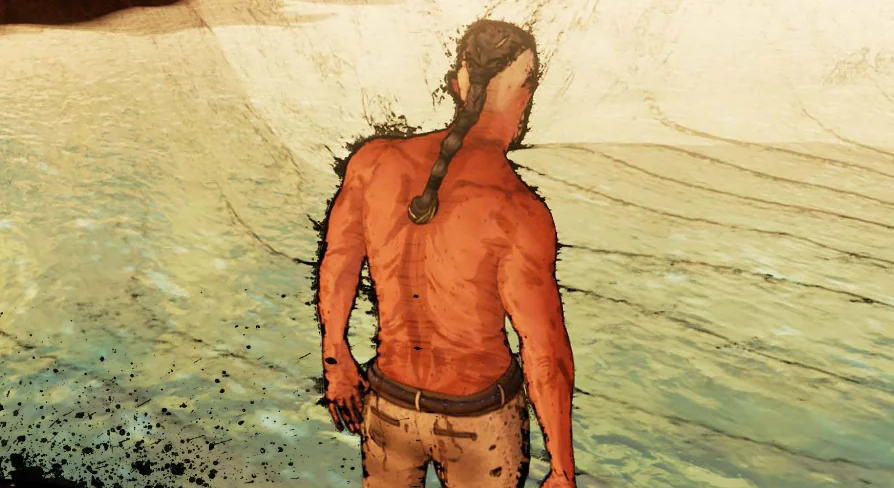
Contour definition forms the backbone of non-photorealistic rendering, particularly when aiming for aesthetics rooted in anime, manga, and classic cartoon animation. Advanced Cel Shader Lite addresses line generation through dedicated inline and outline options that shape how surface boundaries and internal creases appear on geometry.
Silhouette extraction relies on distinct outline tools to delineate outer forms against backgrounds and adjacent meshes. These external outlines give stylized characters and environment assets crisp, readable edges that hold up across changing camera distances. Concurrently, inline controls handle the interior detail markings necessary to delineate anatomical details, clothing seams, mechanical crevices, and planar shifts across a continuous mesh. Separating these parameters prevents inner surface details from being overwhelmed by the heavier edge weights applied to exterior silhouettes.
This dual-mode line presentation allows creators to tailor their line art to specific illustrative standards:
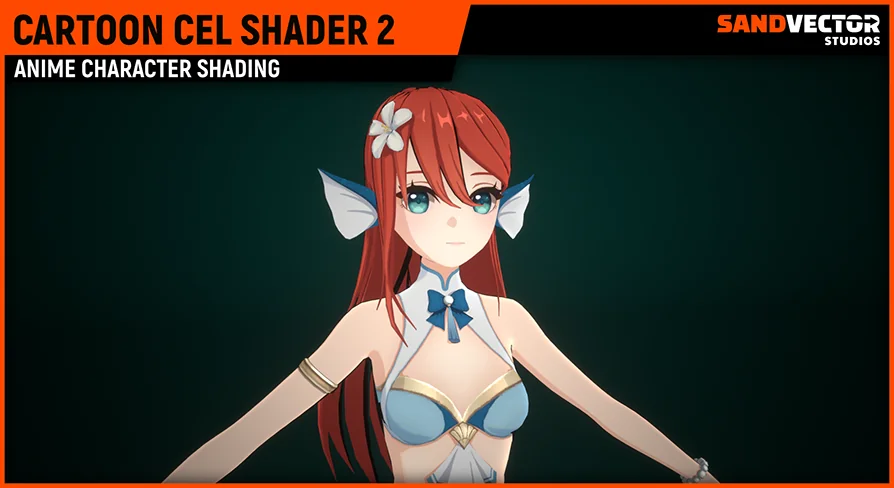
Anime character assets benefit from subtle inlines on facial geometry combined with controlled exterior silhouettes.
Manga rendering pathways utilize stark, deliberate line weights that emulate inked print illustrations.
Exaggerated cartoon visuals rely on strong external boundaries to emphasize silhouettes and separation from surrounding geometry.
Hybrid stylized art directions blend variable line widths across distinct material zones to preserve asset clarity under diverse lighting conditions.
Cel Lighting Model Interaction and Essentials Integration
Beyond edge rendering, non-photorealistic aesthetics require strict control over light falloff, shadow stepping, and surface illumination. The rewritten framework is designed to hook into an improved Cel Lighting Model interaction path, aligning screen-space shading with the active illumination within the engine viewport.
Real-time cel shading frequently struggles with standard physically based light falloff, which introduces smooth gradients that undermine graphic, posterized visuals. An optimized interaction path bridges the gap between engine lights and cel tone curves, establishing predictable shadow bands, halftone separations, and high-contrast light highlights across stylized materials. This planned interaction workflow ensures that directional, point, and spot lights translate into sharp steps rather than soft, photorealistic attenuation.
For productions requiring an expanded cel lighting toolset, the shader is designed to pair directly with Advanced Cel Shader Essentials. While the Lite implementation establishes fundamental edge detection and stylized tones, coupling it with the Essentials package provides a comprehensive foundation for project-wide stylized lighting demands. This combined structure allows teams to scale their stylized setup from isolated asset testing into fully illuminated game environments with synchronized lighting controls.
Shading Compatibility Across Stylized Asset Pipelines
Stylized visual development rarely relies on uniform opaque surfaces alone. Translucent elements, tinted surfaces, and complex refraction require tailored rendering handling to prevent stylistic mismatches across adjacent objects. Within this visual ecosystem, Advanced Cel Shader maintains compatibility alongside Advanced Glass Shader, enabling cohesive material layering.
Integrating cel shading with stylized glass assets ensures that transparent surfaces like windows, spectacles, flasks, and energy barriers can inhabit the same visual scene without breaking the established art style. Outlines generated by the cel shader interact cleanly around transparent boundaries, preserving the illusion of hand-drawn or illustrated glasswork alongside fully opaque cel-shaded geometry. This cross-shader compatibility safeguards consistency across complex multi-layered scenes.
Production Longevity and Permanent Collection Status
Long-term availability and maintenance are critical factors when selecting core rendering components for game development and cinematics. Advanced Cel Shader holds a recognized history within the engine community, having been selected as part of the Unreal Engine Sponsored Content for December 2018 before joining the Permanent Collection. This designation reinforces the shader's standing as an enduring fixture for non-photorealistic rendering.
Maintained alongside other works by the creator, such as Skull, the asset's transition to a permanently accessible, rebuilt toolset ensures that stylized pipelines can rely on stable foundation code through Unreal Engine 5.4 and subsequent development cycles. The ongoing optimization of its instruction pipelines, combined with versatile inline, outline, and lighting options, provides a direct path toward achieving polished anime, manga, and cartoon aesthetics in real-time engines.
 Art & Traditional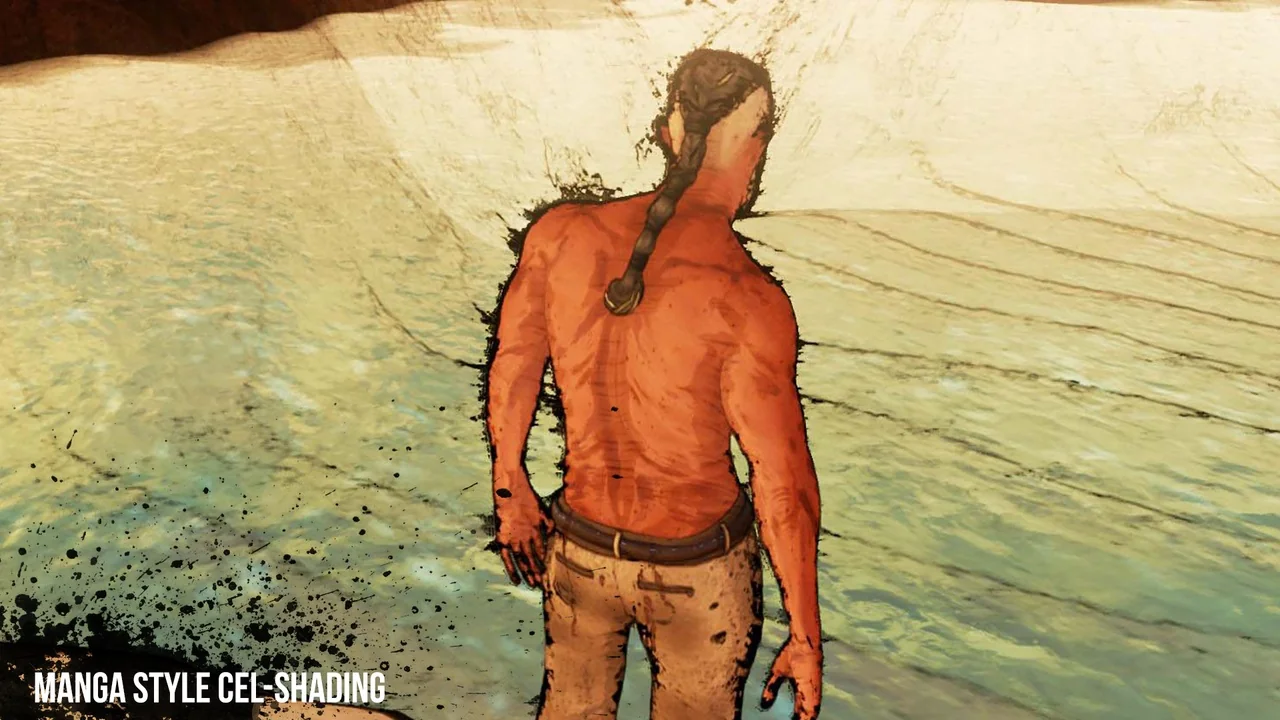
 Art & Traditional
 Shaders
 Art & Traditional