"a7cfa646d0d8ae55"{"id":"1001204","slug":"kcisa-korean-traditional-smart-materials-vol-4","title":"KCISA -Korean Traditional Smart Materials Vol.4","category":"Art \u0026 Traditional","engine":"5.0+","assetVersion":"","engineVersion":"Engine Version: 5.0+","tag":"Art \u0026 Traditional","accent":"blue","visual":"luts","summary":"Explore KCISA -Korean Traditional Smart Materials Vol.4, featuring traditional Korean architectural and landscape materials like stone, wood, and brick.","platform":"Unreal Engine","publishedAt":"2026-09-19T08:22:21.629Z","updatedAt":"2026-09-19T08:22:21.629Z","sourceNotes":[],"fileContents":[],"compatibility":["Unreal Engine","Engine Version: 5.0+"],"featuredImage":{"alt":"KCISA -Korean Traditional Smart Materials Vol.4","src":"/wp-content/uploads/published/2026/09/fd8800c89146-2ccabbb3-8c43-41a7-a712-5039b9416d55-e69509d935.webp"},"hasDownloadLink":true,"downloads":0,"terms":[{"taxonomy":"category","slug":"art-and-traditional","name":"Art \u0026 Traditional"}],"galleryImages":[{"src":"/wp-content/uploads/published/2026/09/e2c7f817105b-09441c6d-8936-4637-b181-3dda00fe7c84-1eeb41e811.webp","alt":"KCISA -Korean Traditional Smart Materials Vol.4"},{"src":"/wp-content/uploads/published/2026/09/7f847ba6ce31-4ea0b258-c597-4eae-be82-72a4ea387e4a-7b15da4bf5.webp","alt":"KCISA -Korean Traditional Smart Materials Vol.4"},{"src":"/wp-content/uploads/published/2026/09/2426aadc6a86-d67c3d5c-bbe5-4c82-be29-1d8664f90fdb-3e66eed2b7.webp","alt":"KCISA -Korean Traditional Smart Materials Vol.4"},{"src":"/wp-content/uploads/published/2026/09/3d0a8693ce66-81fc5356-9105-426a-bf15-6c3a3416a4aa-b07f7d6ae6.webp","alt":"KCISA -Korean Traditional Smart Materials Vol.4"}],"accessPanel":{"kind":"resource","title":"Download this resource","eyebrow":"Free Download","message":"Log in or create a free account to start your download.","fileName":"Content.7z","safetyNote":"Resources are manually reviewed before listing to improve quality and reduce obvious risks.","actionLabel":"Download Free","resourceType":"Resource archive"},"contentHtml":"\u003ch2\u003eApplying Korean Traditional Smart Materials Across Scene Surfaces\u003c/h2\u003e\n\u003cp\u003eEstablishing the visual weight of an environment depends heavily on the materials coating its floors, structures, and surrounding grounds. When traveling through different regions, the distinct atmosphere of a place reveals itself almost immediately through its ground surfaces and foundational structures. Street stones, road treatments, and regional masonry convey historical identity before any individual landmark comes into focus. KCISA -Korean Traditional Smart Materials Vol.4 tackles this specific design challenge by isolating the surfaces that define the visual feeling of Korea, giving artists a systematic way to apply traditional Asian environmental textures across their assets.\u003c/p\u003e\n\u003cp\u003eIntegrating these materials into a digital environment starts by identifying where cultural authenticity is most acutely felt. Rather than treating ground planes and architectural framing as generic neutral layers, the collection provides specific surface profiles rooted in historical Korean visual grammar. Applying these smart materials allows surfaces to communicate geographical and temporal placement instantly, whether building an authentic street passage, a heritage compound, or an aged rural outpost.\u003c/p\u003e \u003ch2\u003eMasonry and Ground Surfaces: Bricks, Stones, and Roads\u003c/h2\u003e\n\u003cp\u003eGround cover and structural masonry dictate how human habitation shapes an environment. KCISA approaches this through a selection of mineral surfaces that range from natural stone elements to shaped structural components. Stones and bricks form the bedrock of historical architecture and pedestrian transit, capturing the worn, functional beauty found throughout traditional Korean settlements.\u003c/p\u003e\n\u003cp\u003eStreet stones and roadway surfaces carry distinct weathering patterns shaped by regional climate and ongoing foot traffic. By implementing the bricks and stones found in this volume, artists can construct walkways, foundational platforms, low boundary walls, and courtyards that retain their authentic cultural personality. The inclusion of these structural stone surfaces ensures that urban edges and pathway transitions do not default to generic Western cobblestone or nondescript masonry. Instead, they evoke the genuine texture of Korean thoroughfares and compound floors, reinforcing the tactile atmosphere of the scene from the ground up.\u003c/p\u003e\n\u003cp\u003eRoad-adjacent elements like asphalt tiles and pavement treatments bridge the gap between historical ground layouts and aged infrastructural wear. These surfaces allow scene builders to balance pristine historical construction with the weathered degradation expected in living, functional areas. Whether lining a wide pathway or forming the perimeter around a courtyard, the brick and stone surfaces provide a consistent visual base.\u003c/p\u003e \u003ch2\u003eOrganic Architectural Elements: Wood and Grass Integration\u003c/h2\u003e\n\u003cp\u003eBeyond stone and masonry, traditional Korean building practices rely extensively on timber frameworks surrounded by natural foliage. KCISA -Korean Traditional Smart Materials Vol.4 addresses this balance by pairing organic wood materials with landscape foliage like grass. Wood is the defining medium of historical Korean pavilions, gates, posts, and roof structures, making its material treatment essential for believable heritage construction.\u003c/p\u003e\n\u003cp\u003eThe wood materials in this collection reflect the specific grain, wear, and structural qualities characteristic of Asian architectural heritage. Applying these surfaces to exposed beams, structural pillars, floorboards, and exterior paneling anchors the structure within its correct cultural context. Wood in this architectural tradition is rarely purely decorative; it acts as the primary skeleton of the building, and its material surface must convey age, load-bearing stability, and environmental exposure.\u003c/p\u003e\n\u003cp\u003eGrounding these wooden structures into their surroundings requires natural landscape transitions. The included grass material provides the necessary vegetative layer to break up harsh stone edges and frame wooden structures against the soil. By layering grass alongside stones and road surfaces, environments achieve a natural harmony between hand-built architecture and the untouched outdoor landscape, mirroring the traditional Korean architectural philosophy of blending structures into natural terrain.\u003c/p\u003e \u003ch2\u003eMetal Detailing in Historical Korean Architecture\u003c/h2\u003e\n\u003cp\u003eWhile wood and stone establish the massive forms of traditional architecture, metal materials supply the critical accent points that complete a structure. Historical gates, structural joints, decorative fittings, and functional door hardware throughout traditional Korea rely on distinctive metalwork. This volume includes dedicated metal materials designed to match the physical character of those accents.\u003c/p\u003e\n\u003cp\u003eIntegrating metal smart materials onto structural brackets, fasteners, door plates, and perimeter hardware provides visual contrast against soft wood grains and rough stone blocks. Metal in historical settings undergoes unique oxidation and handling wear, especially around hinges, latches, and exposed roof brackets. Applying these dedicated metals ensures that secondary details feel fully unified with the larger masonry and timber framework, eliminating modern material discrepancies that can pull a viewer out of a historical setting.\u003c/p\u003e \u003ch2\u003eCompatibility and Alignment with Bogildo Island Seyeonjeong Pavilion\u003c/h2\u003e\n\u003cp\u003eThe practical utility of KCISA -Korean Traditional Smart Materials Vol.4 is directly demonstrated through its alignment with specific historical architecture, notably KCISA - Bogildo Island Seyeonjeong Pavilion. Seyeonjeong Pavilion on Bogildo Island stands as one of the quintessential examples of traditional Korean garden and pavilion architecture, characterized by its deliberate integration of water, stone platforms, refined wooden pavilions, and natural vegetation.\u003c/p\u003e\n\u003cp\u003eBecause the material volume provides the fundamental brick, stone, wood, metal, and grass types that compose such sites, it functions seamlessly alongside architectural recreations of this caliber. Artists working to texture, detail, or expand scenes centered around Seyeonjeong Pavilion can deploy these materials across custom extensions, peripheral boundary structures, and landscape assets to maintain complete aesthetic continuity. This ensures that adjacent walkways, retaining stones, secondary shelters, and surrounding terrain share the same cultural finish as the central historical landmark.\u003c/p\u003e \u003ch2\u003eProduction Utility for Asian Heritage and Historical Projects\u003c/h2\u003e\n\u003cp\u003eDeploying KCISA -Korean Traditional Smart Materials Vol.4 benefits teams focused on authentic regional representation, historical simulations, and culturally specific worldbuilding. Rather than spending valuable development cycles attempting to approximate Korean environmental surfaces using generic material libraries, creators can rely on surfaces specifically tailored to capture the traditional Korean atmosphere.\u003c/p\u003e\n\u003cp\u003eThe balance of civil materials—such as asphalt tiles, roads, and street stones—alongside natural grass and foundational wood, metal, and brick makes the collection adaptable for both tightly framed architectural showcases and expansive historical landscapes. For any production requiring the tangible feeling of Korea's material heritage, this volume offers a coherent, culturally grounded material foundation.\u003c/p\u003e\n\n\u003ch2\u003eContinue Browsing Similar Packs\u003c/h2\u003e\n\u003cul\u003e\n\u003cli\u003e\u003ca href=\"https://3dcghub.com/kcisa-korean-traditional-smart-materials-vol-3/\" title=\"KCISA -Korean Traditional Smart Materials Vol.3\"\u003eKCISA -Korean Traditional Smart Materials Vol.3\u003c/a\u003e\u003c/li\u003e\n\u003cli\u003e\u003ca href=\"https://3dcghub.com/kcisa-korean-traditional-smart-materials-vol-2/\" title=\"KCISA -Korean Traditional Smart Materials Vol.2\"\u003eKCISA -Korean Traditional Smart Materials Vol.2\u003c/a\u003e\u003c/li\u003e\n\u003cli\u003e\u003ca href=\"https://3dcghub.com/kcisa-korean-traditional-smart-materials-vol-1/\" title=\"KCISA -Korean Traditional Smart Materials Vol.1\"\u003eKCISA -Korean Traditional Smart Materials Vol.1\u003c/a\u003e\u003c/li\u003e\n\u003cli\u003e\u003ca href=\"https://3dcghub.com/kcisa-korean-traditional-pattern-normal/\" title=\"KCISA -Korean Traditional Pattern Normal\"\u003eKCISA -Korean Traditional Pattern Normal\u003c/a\u003e\u003c/li\u003e\n\u003cli\u003e\u003ca href=\"https://3dcghub.com/kcisa-korean-traditional-pattern-decal/\" title=\"KCISA - Korean Traditional Pattern Decal\"\u003eKCISA - Korean Traditional Pattern Decal\u003c/a\u003e\u003c/li\u003e\n\u003c/ul\u003e","contentTextLength":7612,"navigation":{"current":21,"total":3167,"previous":{"id":"1001205","slug":"4k-materials-wood-flooring-vol-01","title":"4K Materials: Wood Flooring Vol.01","category":"Building \u0026 Human-made","platform":"Unreal Engine","updatedAt":"2026-09-19T08:24:31.393Z"},"next":{"id":"1001203","slug":"kcisa-korean-traditional-smart-materials-vol-3","title":"KCISA -Korean Traditional Smart Materials Vol.3","category":"Art \u0026 Traditional","platform":"Unreal Engine","updatedAt":"2026-09-19T08:20:55.391Z"}},"relatedResources":[{"id":"1001203","slug":"kcisa-korean-traditional-smart-materials-vol-3","title":"KCISA -Korean Traditional Smart Materials Vol.3","category":"Art \u0026 Traditional","engine":"5.0+","assetVersion":"","engineVersion":"Engine Version: 5.0+","tag":"Art \u0026 Traditional","accent":"blue","visual":"luts","summary":"Examine KCISA -Korean Traditional Smart Materials Vol.3, delivering authentic Korean textures across bricks, stones, grass, wood, and metals.","platform":"Unreal Engine","publishedAt":"2026-09-19T08:20:55.391Z","updatedAt":"2026-09-19T08:20:55.391Z","sourceNotes":[],"fileContents":[],"compatibility":["Unreal Engine","Engine Version: 5.0+"],"featuredImage":{"alt":"KCISA -Korean Traditional Smart Materials Vol.3","src":"/wp-content/uploads/published/2026/09/7837ce3eb952-30098e03-3b36-4ada-b259-daedd5b4869e-4e4872a13a.webp"},"hasDownloadLink":true,"downloads":0},{"id":"1001202","slug":"kcisa-korean-traditional-smart-materials-vol-2","title":"KCISA -Korean Traditional Smart Materials Vol.2","category":"Art \u0026 Traditional","engine":"5.0+","assetVersion":"","engineVersion":"Engine Version: 5.0+","tag":"Art \u0026 Traditional","accent":"blue","visual":"luts","summary":"Explore KCISA -Korean Traditional Smart Materials Vol.2, featuring traditional bricks, stones, wood, grass, and metals for Korean historical settings.","platform":"Unreal Engine","publishedAt":"2026-09-19T08:19:34.190Z","updatedAt":"2026-09-19T08:19:34.190Z","sourceNotes":[],"fileContents":[],"compatibility":["Unreal Engine","Engine Version: 5.0+"],"featuredImage":{"alt":"KCISA -Korean Traditional Smart Materials Vol.2","src":"/wp-content/uploads/published/2026/09/2c95566da559-303bf72f-bdf6-4425-b9e1-4102c775e7fd-75f405a23b.webp"},"hasDownloadLink":true,"downloads":0},{"id":"1001201","slug":"kcisa-korean-traditional-smart-materials-vol-1","title":"KCISA -Korean Traditional Smart Materials Vol.1","category":"Art \u0026 Traditional","engine":"5.0+","assetVersion":"","engineVersion":"Engine Version: 5.0+","tag":"Art \u0026 Traditional","accent":"blue","visual":"luts","summary":"Build authentic historical Korean environments with KCISA -Korean Traditional Smart Materials Vol.1, featuring stones, wood, metals, bricks, and grass.","platform":"Unreal Engine","publishedAt":"2026-09-19T08:18:10.164Z","updatedAt":"2026-09-19T08:18:10.164Z","sourceNotes":[],"fileContents":[],"compatibility":["Unreal Engine","Engine Version: 5.0+"],"featuredImage":{"alt":"KCISA -Korean Traditional Smart Materials Vol.1","src":"/wp-content/uploads/published/2026/09/e89f654c69da-dbcf4be8-ff6f-4503-9914-83d26de0a810-219a903b95.webp"},"hasDownloadLink":true,"downloads":0}]}
Art & Traditional
KCISA -Korean Traditional Smart Materials Vol.4
Explore KCISA -Korean Traditional Smart Materials Vol.4, featuring traditional Korean architectural and landscape materials like stone, wood, and brick.
Applying Korean Traditional Smart Materials Across Scene Surfaces
Establishing the visual weight of an environment depends heavily on the materials coating its floors, structures, and surrounding grounds. When traveling through different regions, the distinct atmosphere of a place reveals itself almost immediately through its ground surfaces and foundational structures. Street stones, road treatments, and regional masonry convey historical identity before any individual landmark comes into focus. KCISA -Korean Traditional Smart Materials Vol.4 tackles this specific design challenge by isolating the surfaces that define the visual feeling of Korea, giving artists a systematic way to apply traditional Asian environmental textures across their assets.
Integrating these materials into a digital environment starts by identifying where cultural authenticity is most acutely felt. Rather than treating ground planes and architectural framing as generic neutral layers, the collection provides specific surface profiles rooted in historical Korean visual grammar. Applying these smart materials allows surfaces to communicate geographical and temporal placement instantly, whether building an authentic street passage, a heritage compound, or an aged rural outpost.
Masonry and Ground Surfaces: Bricks, Stones, and Roads
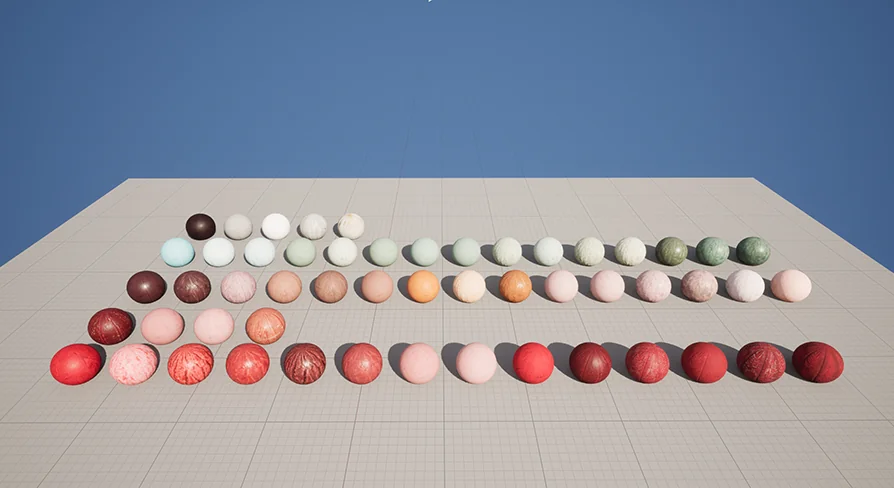
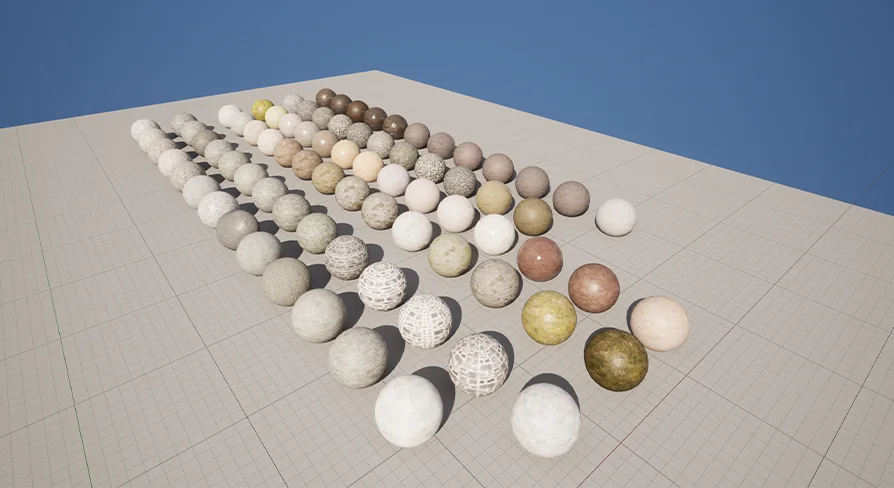
Ground cover and structural masonry dictate how human habitation shapes an environment. KCISA approaches this through a selection of mineral surfaces that range from natural stone elements to shaped structural components. Stones and bricks form the bedrock of historical architecture and pedestrian transit, capturing the worn, functional beauty found throughout traditional Korean settlements.
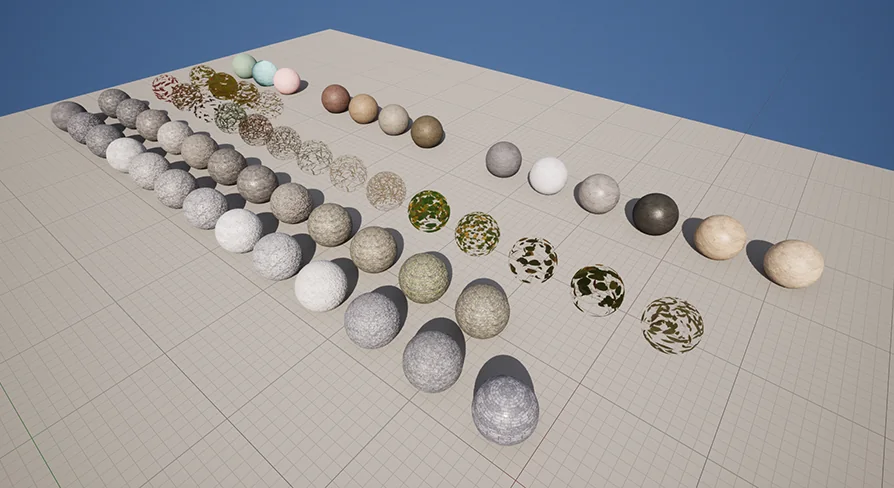
Street stones and roadway surfaces carry distinct weathering patterns shaped by regional climate and ongoing foot traffic. By implementing the bricks and stones found in this volume, artists can construct walkways, foundational platforms, low boundary walls, and courtyards that retain their authentic cultural personality. The inclusion of these structural stone surfaces ensures that urban edges and pathway transitions do not default to generic Western cobblestone or nondescript masonry. Instead, they evoke the genuine texture of Korean thoroughfares and compound floors, reinforcing the tactile atmosphere of the scene from the ground up.
Road-adjacent elements like asphalt tiles and pavement treatments bridge the gap between historical ground layouts and aged infrastructural wear. These surfaces allow scene builders to balance pristine historical construction with the weathered degradation expected in living, functional areas. Whether lining a wide pathway or forming the perimeter around a courtyard, the brick and stone surfaces provide a consistent visual base.
Organic Architectural Elements: Wood and Grass Integration
Beyond stone and masonry, traditional Korean building practices rely extensively on timber frameworks surrounded by natural foliage. KCISA -Korean Traditional Smart Materials Vol.4 addresses this balance by pairing organic wood materials with landscape foliage like grass. Wood is the defining medium of historical Korean pavilions, gates, posts, and roof structures, making its material treatment essential for believable heritage construction.
The wood materials in this collection reflect the specific grain, wear, and structural qualities characteristic of Asian architectural heritage. Applying these surfaces to exposed beams, structural pillars, floorboards, and exterior paneling anchors the structure within its correct cultural context. Wood in this architectural tradition is rarely purely decorative; it acts as the primary skeleton of the building, and its material surface must convey age, load-bearing stability, and environmental exposure.
Grounding these wooden structures into their surroundings requires natural landscape transitions. The included grass material provides the necessary vegetative layer to break up harsh stone edges and frame wooden structures against the soil. By layering grass alongside stones and road surfaces, environments achieve a natural harmony between hand-built architecture and the untouched outdoor landscape, mirroring the traditional Korean architectural philosophy of blending structures into natural terrain.
Metal Detailing in Historical Korean Architecture
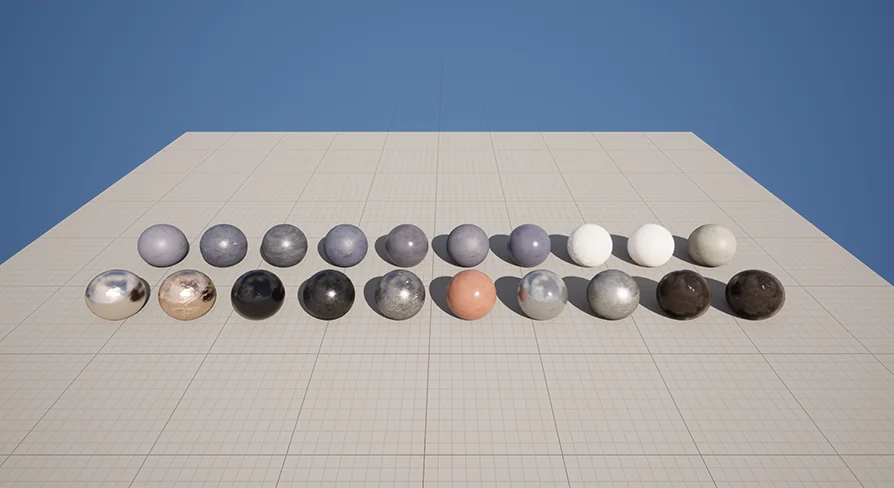
While wood and stone establish the massive forms of traditional architecture, metal materials supply the critical accent points that complete a structure. Historical gates, structural joints, decorative fittings, and functional door hardware throughout traditional Korea rely on distinctive metalwork. This volume includes dedicated metal materials designed to match the physical character of those accents.
Integrating metal smart materials onto structural brackets, fasteners, door plates, and perimeter hardware provides visual contrast against soft wood grains and rough stone blocks. Metal in historical settings undergoes unique oxidation and handling wear, especially around hinges, latches, and exposed roof brackets. Applying these dedicated metals ensures that secondary details feel fully unified with the larger masonry and timber framework, eliminating modern material discrepancies that can pull a viewer out of a historical setting.
Compatibility and Alignment with Bogildo Island Seyeonjeong Pavilion
The practical utility of KCISA -Korean Traditional Smart Materials Vol.4 is directly demonstrated through its alignment with specific historical architecture, notably KCISA - Bogildo Island Seyeonjeong Pavilion. Seyeonjeong Pavilion on Bogildo Island stands as one of the quintessential examples of traditional Korean garden and pavilion architecture, characterized by its deliberate integration of water, stone platforms, refined wooden pavilions, and natural vegetation.
Because the material volume provides the fundamental brick, stone, wood, metal, and grass types that compose such sites, it functions seamlessly alongside architectural recreations of this caliber. Artists working to texture, detail, or expand scenes centered around Seyeonjeong Pavilion can deploy these materials across custom extensions, peripheral boundary structures, and landscape assets to maintain complete aesthetic continuity. This ensures that adjacent walkways, retaining stones, secondary shelters, and surrounding terrain share the same cultural finish as the central historical landmark.
Production Utility for Asian Heritage and Historical Projects
Deploying KCISA -Korean Traditional Smart Materials Vol.4 benefits teams focused on authentic regional representation, historical simulations, and culturally specific worldbuilding. Rather than spending valuable development cycles attempting to approximate Korean environmental surfaces using generic material libraries, creators can rely on surfaces specifically tailored to capture the traditional Korean atmosphere.
The balance of civil materials—such as asphalt tiles, roads, and street stones—alongside natural grass and foundational wood, metal, and brick makes the collection adaptable for both tightly framed architectural showcases and expansive historical landscapes. For any production requiring the tangible feeling of Korea's material heritage, this volume offers a coherent, culturally grounded material foundation.
 Art & Traditional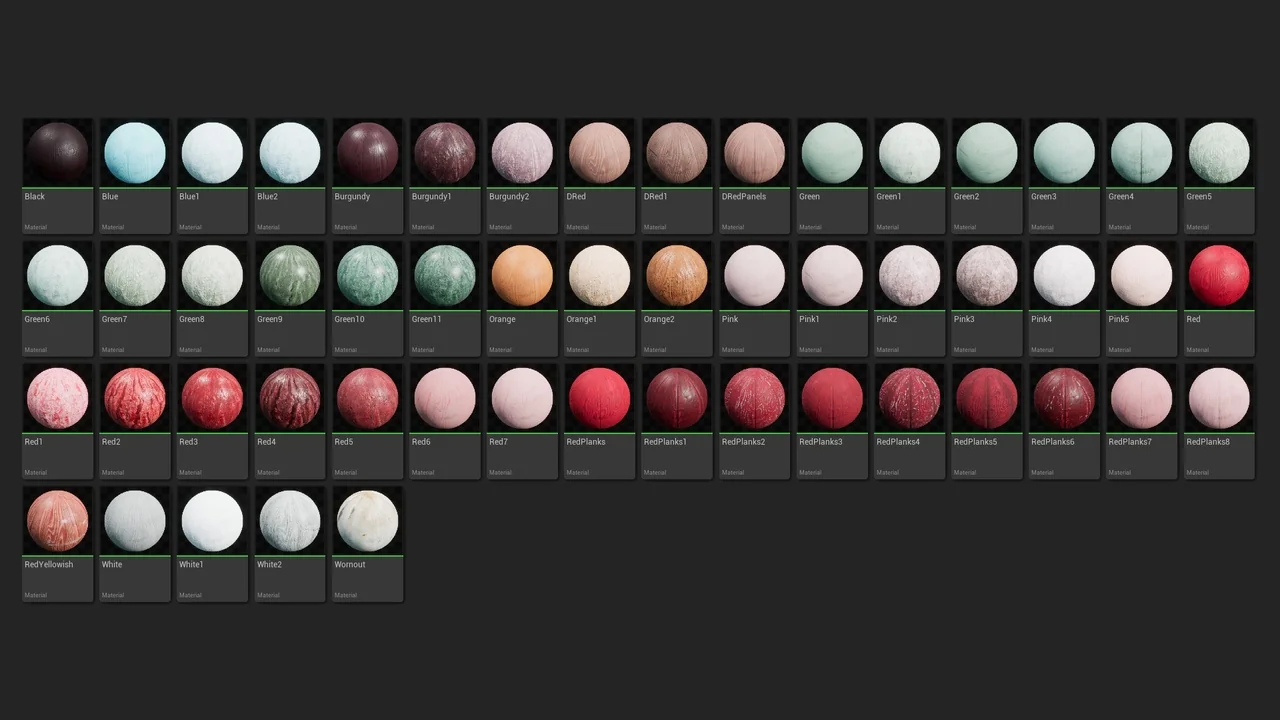
 Art & Traditional
 Art & Traditional
 Art & Traditional