"a7cfa646d0d8ae55"{"id":"1001203","slug":"kcisa-korean-traditional-smart-materials-vol-3","title":"KCISA -Korean Traditional Smart Materials Vol.3","category":"Art \u0026 Traditional","engine":"5.0+","assetVersion":"","engineVersion":"Engine Version: 5.0+","tag":"Art \u0026 Traditional","accent":"blue","visual":"luts","summary":"Examine KCISA -Korean Traditional Smart Materials Vol.3, delivering authentic Korean textures across bricks, stones, grass, wood, and metals.","platform":"Unreal Engine","publishedAt":"2026-09-19T08:20:55.391Z","updatedAt":"2026-09-19T08:20:55.391Z","sourceNotes":[],"fileContents":[],"compatibility":["Unreal Engine","Engine Version: 5.0+"],"featuredImage":{"alt":"KCISA -Korean Traditional Smart Materials Vol.3","src":"/wp-content/uploads/published/2026/09/7837ce3eb952-30098e03-3b36-4ada-b259-daedd5b4869e-4e4872a13a.webp"},"hasDownloadLink":true,"downloads":0,"terms":[{"taxonomy":"category","slug":"art-and-traditional","name":"Art \u0026 Traditional"}],"galleryImages":[{"src":"/wp-content/uploads/published/2026/09/89ee56582742-a6d081cb-dba8-429b-8dbc-1f9fc25e3e2e-d385e100fa.webp","alt":"KCISA -Korean Traditional Smart Materials Vol.3"},{"src":"/wp-content/uploads/published/2026/09/75add432a5be-a8acc7e8-640d-445e-9bfa-590d9dcee515-835cec424a.webp","alt":"KCISA -Korean Traditional Smart Materials Vol.3"},{"src":"/wp-content/uploads/published/2026/09/6bbbd18e9606-05f7bac0-d6a5-42fe-821e-3fc6c8abe948-7729b34346.webp","alt":"KCISA -Korean Traditional Smart Materials Vol.3"},{"src":"/wp-content/uploads/published/2026/09/846dac495b99-333e10a3-809e-488b-968c-31690227862c-104100de0e.webp","alt":"KCISA -Korean Traditional Smart Materials Vol.3"},{"src":"/wp-content/uploads/published/2026/09/f61150cbb0f9-ee911f46-8478-44bc-8f6c-c10ad8a54cfd-6c332c83f0.webp","alt":"KCISA -Korean Traditional Smart Materials Vol.3"}],"accessPanel":{"kind":"resource","title":"Download this resource","eyebrow":"Free Download","message":"Log in or create a free account to start your download.","fileName":"Content.7z","safetyNote":"Resources are manually reviewed before listing to improve quality and reduce obvious risks.","actionLabel":"Download Free","resourceType":"Resource archive"},"contentHtml":"\u003ch2\u003eGrounding Regional Atmosphere with Korean Traditional Smart Materials\u003c/h2\u003e\n\u003cp\u003eCapturing the distinct environmental identity of a specific country depends heavily on tactile, mundane ground-level details. The visual feeling of a place registers immediately through its walking surfaces, path construction, and structural finishes.\u003c/p\u003e\n\u003cp\u003eTravelers immediately detect the regional character of a location by observing everyday elements like asphalt tiles, roads, and street stones. KCISA -Korean Traditional Smart Materials Vol.3 targets this exact spatial perception. Instead of relying on generalized surface presets that flatten regional identity, the package focuses directly on conveying the atmosphere of Korea. By translating the visual weight and wear of historical Korean construction into digital surfaces, artists can anchor an environment in a believable geographic and historical reality from the first frame.\u003c/p\u003e \u003ch2\u003eReplicating Historical Pathways Through Bricks and Stones\u003c/h2\u003e\n\u003cp\u003eMasonry in traditional Korean construction carries a distinct balance between natural contours and deliberate craftsmanship. Surfacing paths and walls requires textures that express this specific relationship with raw materials.\u003c/p\u003e\n\u003cp\u003eThe collection provides surfaces dedicated to bricks and stones, reflecting the stonework patterns commonly seen throughout traditional streets, perimeter barriers, and building basements. These surfaces accommodate the transition between rigid structural bricks and rougher ground stone elements. Because outdoor environments rely on the rhythm of roads and walkway stones to guide viewer navigation, utilizing surfaces tailored to historical Asian architecture ensures that pathways feel grounded in specific construction traditions rather than generic medieval or fantasy archetypes.\u003c/p\u003e \u003ch2\u003eOrganic and Structural Finishes Across Grass, Wood, and Metals\u003c/h2\u003e\n\u003cp\u003eAuthentic heritage environments require visual continuity between natural landscaping, primary architectural timbers, and hardware fixtures.\u003c/p\u003e\n\u003cp\u003eKCISA -Korean Traditional Smart Materials Vol.3 addresses this balance by expanding beyond mineral surfaces to encompass grass, wood, and metals. Wood forms the primary structural language of historical Korean construction, demanding surface definitions that reflect classic joinery, post framing, and timber weathering. Alongside structural woodwork, the included metal surfaces supply the needed treatment for reinforcement brackets, door hardware, and decorative fittings. When combined with natural grass surfaces, artists can build complete transitions from untreated terrain into manicured courtyards and structural interiors without encountering stylistic breaks between asset layers.\u003c/p\u003e \u003ch2\u003eMaterial Harmony with Bogildo Island Seyeonjeong Pavilion\u003c/h2\u003e\n\u003cp\u003eAchieving cohesive environmental texturing often requires tailoring surface libraries to specific architectural monuments and complex historical layouts.\u003c/p\u003e\n\u003cp\u003eThis package maintains verified compatibility with the KCISA - Bogildo Island Seyeonjeong Pavilion release, making it directly suited for projects shaped by traditional garden structures and water pavilion complexes. The architectural design of Seyeonjeong Pavilion relies heavily on timber framing elevated over stonework, integrated closely with surrounding vegetation and pond embankments. Deploying these smart materials across such setups ensures that custom-modeled expansion assets, surrounding terrain, and modular pavilion pieces share an identical material vocabulary, preventing visual mismatch between bespoke structures and auxiliary environment dressing.\u003c/p\u003e \u003ch2\u003eProduction Placement in Historical Asian Environments\u003c/h2\u003e\n\u003cp\u003eDressing cultural environments demands consistency across background set pieces, immediate player paths, and hero architecture.\u003c/p\u003e\n\u003cp\u003eIn a standard production workflow, KCISA -Korean Traditional Smart Materials Vol.3 serves as a dedicated surfacing pass for historical, traditional, and heritage-focused scenes. Level designers and environment artists can apply the wood and metal surfaces directly to structural props, gateways, and pavilion framing, while utilizing the stone, brick, and grass materials across pathways, courtyard borders, and boundary walls. By establishing these regional material foundations early in the look-development stage, production teams maintain a unified Korean aesthetic throughout historical reconstructions, educational visual simulations, and atmospheric period games.\u003c/p\u003e\n\n\u003ch2\u003eMore From The Same Workflow\u003c/h2\u003e\n\u003cul\u003e\n\u003cli\u003e\u003ca href=\"https://3dcghub.com/kcisa-korean-traditional-smart-materials-vol-2/\" title=\"KCISA -Korean Traditional Smart Materials Vol.2\"\u003eKCISA -Korean Traditional Smart Materials Vol.2\u003c/a\u003e\u003c/li\u003e\n\u003cli\u003e\u003ca href=\"https://3dcghub.com/kcisa-korean-traditional-smart-materials-vol-1/\" title=\"KCISA -Korean Traditional Smart Materials Vol.1\"\u003eKCISA -Korean Traditional Smart Materials Vol.1\u003c/a\u003e\u003c/li\u003e\n\u003cli\u003e\u003ca href=\"https://3dcghub.com/kcisa-korean-traditional-pattern-normal/\" title=\"KCISA -Korean Traditional Pattern Normal\"\u003eKCISA -Korean Traditional Pattern Normal\u003c/a\u003e\u003c/li\u003e\n\u003cli\u003e\u003ca href=\"https://3dcghub.com/kcisa-korean-traditional-pattern-decal/\" title=\"KCISA - Korean Traditional Pattern Decal\"\u003eKCISA - Korean Traditional Pattern Decal\u003c/a\u003e\u003c/li\u003e\n\u003cli\u003e\u003ca href=\"https://3dcghub.com/advanced-cel-shader-lite/\" title=\"Advanced Cel Shader Lite\"\u003eAdvanced Cel Shader Lite\u003c/a\u003e\u003c/li\u003e\n\u003c/ul\u003e","contentTextLength":4640,"navigation":{"current":22,"total":3167,"previous":{"id":"1001204","slug":"kcisa-korean-traditional-smart-materials-vol-4","title":"KCISA -Korean Traditional Smart Materials Vol.4","category":"Art \u0026 Traditional","platform":"Unreal Engine","updatedAt":"2026-09-19T08:22:21.629Z"},"next":{"id":"1001202","slug":"kcisa-korean-traditional-smart-materials-vol-2","title":"KCISA -Korean Traditional Smart Materials Vol.2","category":"Art \u0026 Traditional","platform":"Unreal Engine","updatedAt":"2026-09-19T08:19:34.190Z"}},"relatedResources":[{"id":"1001204","slug":"kcisa-korean-traditional-smart-materials-vol-4","title":"KCISA -Korean Traditional Smart Materials Vol.4","category":"Art \u0026 Traditional","engine":"5.0+","assetVersion":"","engineVersion":"Engine Version: 5.0+","tag":"Art \u0026 Traditional","accent":"blue","visual":"luts","summary":"Explore KCISA -Korean Traditional Smart Materials Vol.4, featuring traditional Korean architectural and landscape materials like stone, wood, and brick.","platform":"Unreal Engine","publishedAt":"2026-09-19T08:22:21.629Z","updatedAt":"2026-09-19T08:22:21.629Z","sourceNotes":[],"fileContents":[],"compatibility":["Unreal Engine","Engine Version: 5.0+"],"featuredImage":{"alt":"KCISA -Korean Traditional Smart Materials Vol.4","src":"/wp-content/uploads/published/2026/09/fd8800c89146-2ccabbb3-8c43-41a7-a712-5039b9416d55-e69509d935.webp"},"hasDownloadLink":true,"downloads":0},{"id":"1001202","slug":"kcisa-korean-traditional-smart-materials-vol-2","title":"KCISA -Korean Traditional Smart Materials Vol.2","category":"Art \u0026 Traditional","engine":"5.0+","assetVersion":"","engineVersion":"Engine Version: 5.0+","tag":"Art \u0026 Traditional","accent":"blue","visual":"luts","summary":"Explore KCISA -Korean Traditional Smart Materials Vol.2, featuring traditional bricks, stones, wood, grass, and metals for Korean historical settings.","platform":"Unreal Engine","publishedAt":"2026-09-19T08:19:34.190Z","updatedAt":"2026-09-19T08:19:34.190Z","sourceNotes":[],"fileContents":[],"compatibility":["Unreal Engine","Engine Version: 5.0+"],"featuredImage":{"alt":"KCISA -Korean Traditional Smart Materials Vol.2","src":"/wp-content/uploads/published/2026/09/2c95566da559-303bf72f-bdf6-4425-b9e1-4102c775e7fd-75f405a23b.webp"},"hasDownloadLink":true,"downloads":0},{"id":"1001201","slug":"kcisa-korean-traditional-smart-materials-vol-1","title":"KCISA -Korean Traditional Smart Materials Vol.1","category":"Art \u0026 Traditional","engine":"5.0+","assetVersion":"","engineVersion":"Engine Version: 5.0+","tag":"Art \u0026 Traditional","accent":"blue","visual":"luts","summary":"Build authentic historical Korean environments with KCISA -Korean Traditional Smart Materials Vol.1, featuring stones, wood, metals, bricks, and grass.","platform":"Unreal Engine","publishedAt":"2026-09-19T08:18:10.164Z","updatedAt":"2026-09-19T08:18:10.164Z","sourceNotes":[],"fileContents":[],"compatibility":["Unreal Engine","Engine Version: 5.0+"],"featuredImage":{"alt":"KCISA -Korean Traditional Smart Materials Vol.1","src":"/wp-content/uploads/published/2026/09/e89f654c69da-dbcf4be8-ff6f-4503-9914-83d26de0a810-219a903b95.webp"},"hasDownloadLink":true,"downloads":0}]}
Art & Traditional
KCISA -Korean Traditional Smart Materials Vol.3
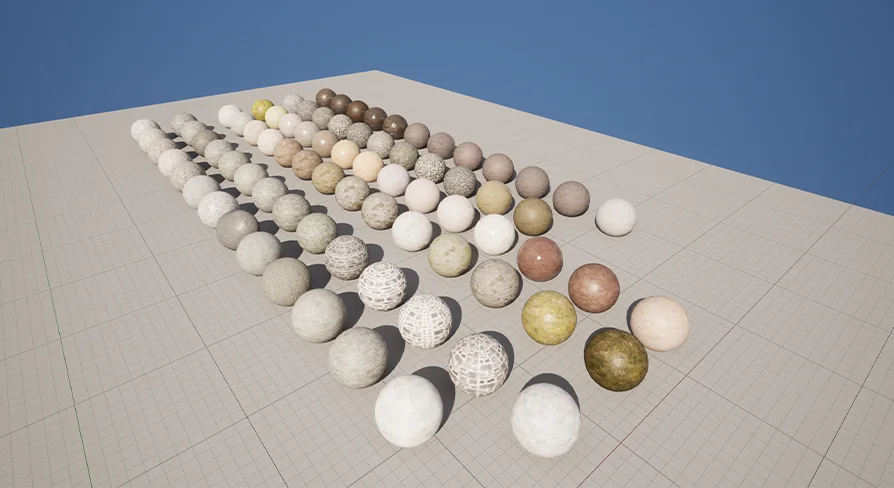
Examine KCISA -Korean Traditional Smart Materials Vol.3, delivering authentic Korean textures across bricks, stones, grass, wood, and metals.
Grounding Regional Atmosphere with Korean Traditional Smart Materials
Capturing the distinct environmental identity of a specific country depends heavily on tactile, mundane ground-level details. The visual feeling of a place registers immediately through its walking surfaces, path construction, and structural finishes.
Travelers immediately detect the regional character of a location by observing everyday elements like asphalt tiles, roads, and street stones. KCISA -Korean Traditional Smart Materials Vol.3 targets this exact spatial perception. Instead of relying on generalized surface presets that flatten regional identity, the package focuses directly on conveying the atmosphere of Korea. By translating the visual weight and wear of historical Korean construction into digital surfaces, artists can anchor an environment in a believable geographic and historical reality from the first frame.
Replicating Historical Pathways Through Bricks and Stones
Masonry in traditional Korean construction carries a distinct balance between natural contours and deliberate craftsmanship. Surfacing paths and walls requires textures that express this specific relationship with raw materials.
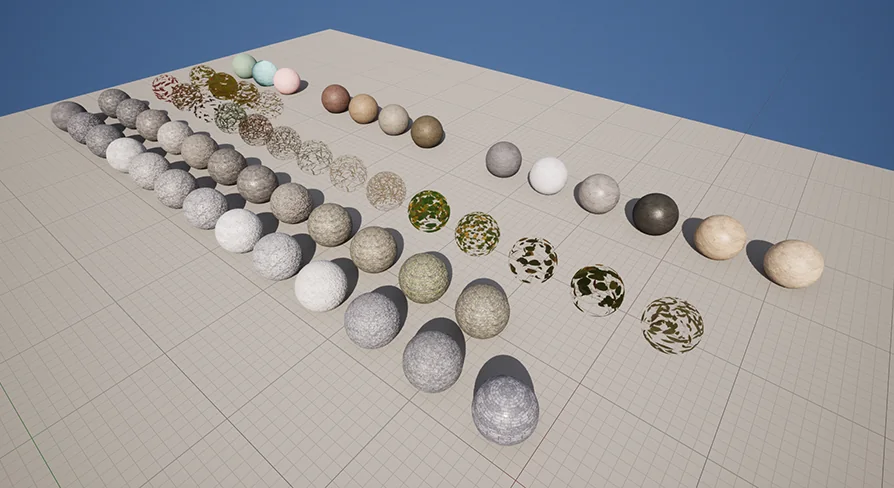
The collection provides surfaces dedicated to bricks and stones, reflecting the stonework patterns commonly seen throughout traditional streets, perimeter barriers, and building basements. These surfaces accommodate the transition between rigid structural bricks and rougher ground stone elements. Because outdoor environments rely on the rhythm of roads and walkway stones to guide viewer navigation, utilizing surfaces tailored to historical Asian architecture ensures that pathways feel grounded in specific construction traditions rather than generic medieval or fantasy archetypes.
Organic and Structural Finishes Across Grass, Wood, and Metals
Authentic heritage environments require visual continuity between natural landscaping, primary architectural timbers, and hardware fixtures.
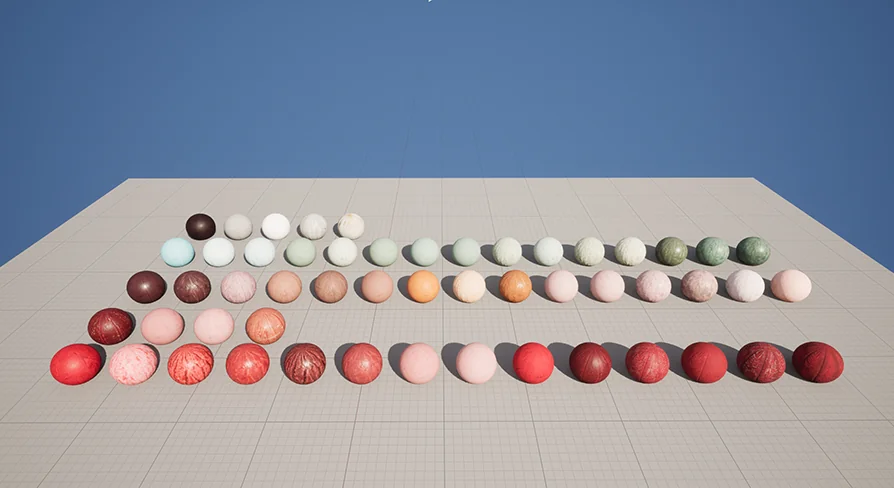
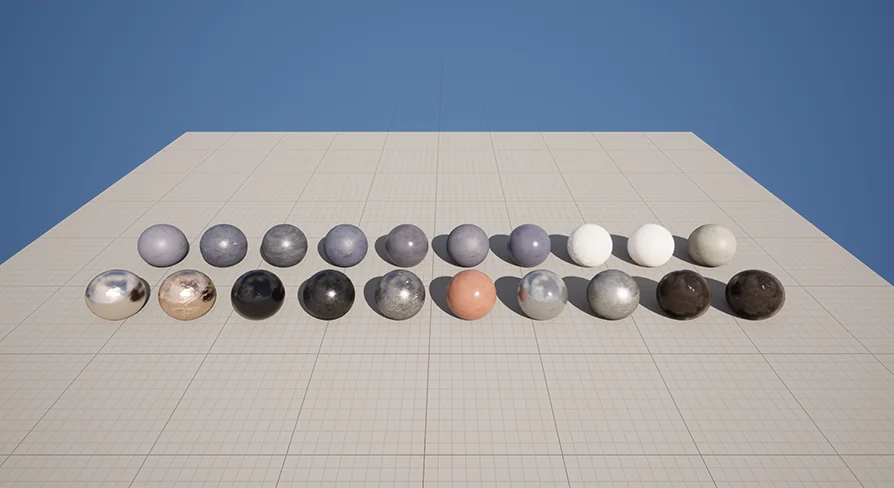
KCISA -Korean Traditional Smart Materials Vol.3 addresses this balance by expanding beyond mineral surfaces to encompass grass, wood, and metals. Wood forms the primary structural language of historical Korean construction, demanding surface definitions that reflect classic joinery, post framing, and timber weathering. Alongside structural woodwork, the included metal surfaces supply the needed treatment for reinforcement brackets, door hardware, and decorative fittings. When combined with natural grass surfaces, artists can build complete transitions from untreated terrain into manicured courtyards and structural interiors without encountering stylistic breaks between asset layers.
Material Harmony with Bogildo Island Seyeonjeong Pavilion
Achieving cohesive environmental texturing often requires tailoring surface libraries to specific architectural monuments and complex historical layouts.
This package maintains verified compatibility with the KCISA - Bogildo Island Seyeonjeong Pavilion release, making it directly suited for projects shaped by traditional garden structures and water pavilion complexes. The architectural design of Seyeonjeong Pavilion relies heavily on timber framing elevated over stonework, integrated closely with surrounding vegetation and pond embankments. Deploying these smart materials across such setups ensures that custom-modeled expansion assets, surrounding terrain, and modular pavilion pieces share an identical material vocabulary, preventing visual mismatch between bespoke structures and auxiliary environment dressing.
Production Placement in Historical Asian Environments
Dressing cultural environments demands consistency across background set pieces, immediate player paths, and hero architecture.
In a standard production workflow, KCISA -Korean Traditional Smart Materials Vol.3 serves as a dedicated surfacing pass for historical, traditional, and heritage-focused scenes. Level designers and environment artists can apply the wood and metal surfaces directly to structural props, gateways, and pavilion framing, while utilizing the stone, brick, and grass materials across pathways, courtyard borders, and boundary walls. By establishing these regional material foundations early in the look-development stage, production teams maintain a unified Korean aesthetic throughout historical reconstructions, educational visual simulations, and atmospheric period games.
 Art & Traditional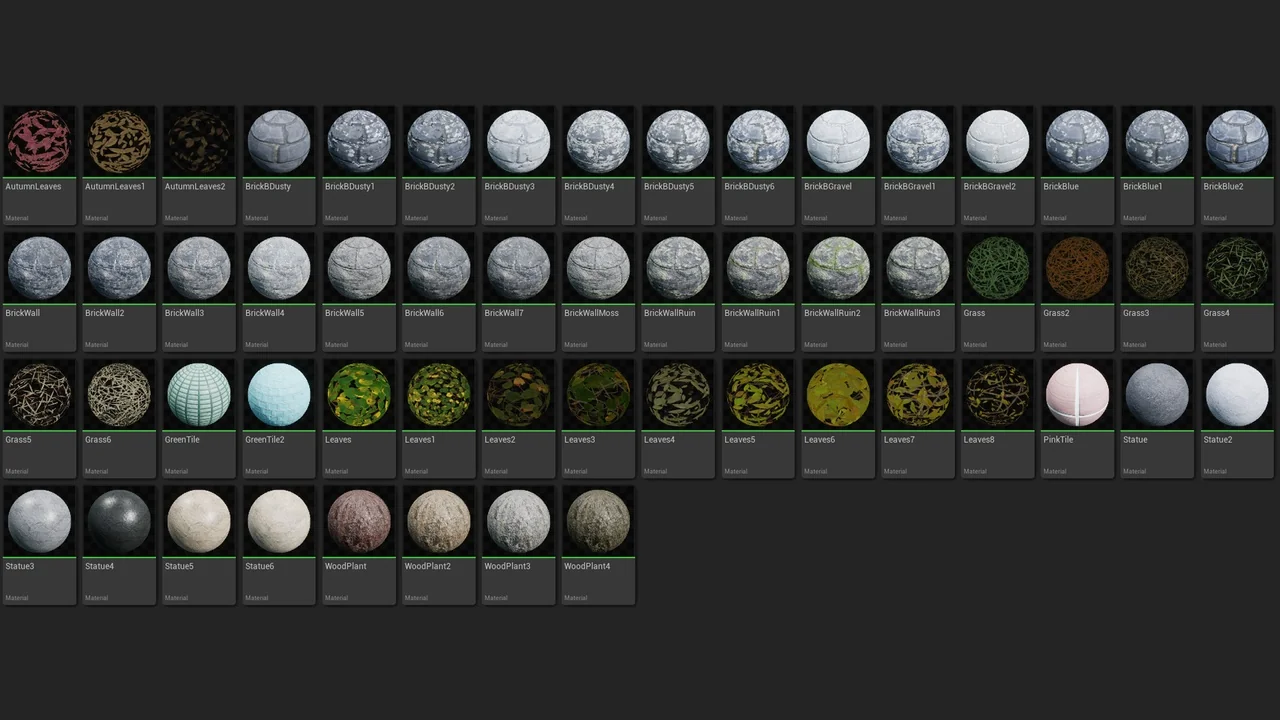
 Art & Traditional
 Art & Traditional
 Art & Traditional