"e3cd4669e638186e"{"id":"1001201","slug":"kcisa-korean-traditional-smart-materials-vol-1","title":"KCISA -Korean Traditional Smart Materials Vol.1","category":"Art \u0026 Traditional","engine":"5.0+","assetVersion":"","engineVersion":"Engine Version: 5.0+","tag":"Art \u0026 Traditional","accent":"blue","visual":"luts","summary":"Build authentic historical Korean environments with KCISA -Korean Traditional Smart Materials Vol.1, featuring stones, wood, metals, bricks, and grass.","platform":"Unreal Engine","publishedAt":"2026-09-19T08:18:10.164Z","updatedAt":"2026-09-19T08:18:10.164Z","sourceNotes":[],"fileContents":[],"compatibility":["Unreal Engine","Engine Version: 5.0+"],"featuredImage":{"alt":"KCISA -Korean Traditional Smart Materials Vol.1","src":"/wp-content/uploads/published/2026/09/e89f654c69da-dbcf4be8-ff6f-4503-9914-83d26de0a810-219a903b95.webp"},"hasDownloadLink":true,"downloads":0,"terms":[{"taxonomy":"category","slug":"art-and-traditional","name":"Art \u0026 Traditional"}],"galleryImages":[{"src":"/wp-content/uploads/published/2026/09/721681d31acc-8ea47712-517d-4e2a-8a4a-27ecf27bad2d-e91e8a2bb8.webp","alt":"KCISA -Korean Traditional Smart Materials Vol.1"},{"src":"/wp-content/uploads/published/2026/09/04ee339f8040-aa7f52a5-63e7-4fbe-8601-c4d934fe60c0-49df155847.webp","alt":"KCISA -Korean Traditional Smart Materials Vol.1"},{"src":"/wp-content/uploads/published/2026/09/05013ec6d408-d0939b6a-8ebf-4532-8e6e-c7dda0b9af93-3ee3026d95.webp","alt":"KCISA -Korean Traditional Smart Materials Vol.1"},{"src":"/wp-content/uploads/published/2026/09/cce864782df7-9d20041e-6ec7-4c2a-89a1-84ed1587d27c-0bcb88c6d7.webp","alt":"KCISA -Korean Traditional Smart Materials Vol.1"}],"accessPanel":{"kind":"resource","title":"Download this resource","eyebrow":"Free Download","message":"Log in or create a free account to start your download.","fileName":"Content.7z","safetyNote":"Resources are manually reviewed before listing to improve quality and reduce obvious risks.","actionLabel":"Download Free","resourceType":"Resource archive"},"contentHtml":"\u003ch2\u003eSurfacing Environments with Korean Traditional Smart Materials\u003c/h2\u003e\n\u003cp\u003eEstablishing an authentic geographic setting requires close attention to the visual rhythm of regional architecture and landscape surfaces. Implementing KCISA -Korean Traditional Smart Materials Vol.1 begins by mapping core materials directly to structural geometry and terrain meshes to establish a distinct local identity. Capturing the atmosphere of a specific country depends on recognizing everyday ground and structural fixtures, such as street stones, roads, and asphalt tiles. Setting up these materials early in the scene pipeline allows environmental artists to anchor realistic spatial tones before layering secondary set dressing.\u003c/p\u003e\n\u003cp\u003eThe pack functions around the premise that the presence of an environment is perceived immediately through its foundational materials. By organizing texturing workflows around traditional Asian historical cues, artists can populate complex scenes with surfaces that feel deeply situated in Korean architecture and landscape design. Applying these assets systematically across landscape layers, architectural framing, and ground pathways brings cultural specificity to virtual spaces without needing to reconstruct common real-world materials from scratch.\u003c/p\u003e \u003ch2\u003eGround Plane Configuration: Asphalt Tiles, Roads, and Street Stones\u003c/h2\u003e\n\u003cp\u003eNavigable terrain forms the primary visual baseline of any outdoor scene. In foreign environments, the atmosphere of a locale is often first perceived through ground infrastructure—the particular layout of street stones, the finish of road surfaces, and the repetition of asphalt tiles. These elements establish a grounded transit network that immediately signals cultural and physical geography to the observer.\u003c/p\u003e\n\u003cp\u003eUsing the road and street stone assets in outdoor passages provides the structural pacing necessary for courtyards, alleyways, and historic thoroughfares. Roads can be assigned to broad thoroughfares, while street stones serve well along pedestrian paths, plazas, and building perimeters. Asphalt tiles offer an alternative surface treatment for engineered walkways and paved sections. Integrating these distinct transit materials across a single environment creates visual contrast, delineating heavily trafficked corridors from perimeter walkways and structural boundaries.\u003c/p\u003e \u003ch2\u003eArchitectural and Natural Surfaces: Bricks, Stones, Wood, and Metals\u003c/h2\u003e\n\u003cp\u003eBeyond horizontal pathways, structural building elements require specialized material variation to maintain visual believability across varied elevations. KCISA -Korean Traditional Smart Materials Vol.1 provides architectural materials covering bricks, stones, wood, and metals, alongside organic natural surfaces like grass. Each category addresses a key component of historical and traditional construction practices in Korea.\u003c/p\u003e\n\u003cp\u003eBricks and stones fulfill structural demands across retaining walls, foundation footings, and decorative enclosures. Applying brick surfaces brings rhythmic masonry patterns to building exteriors, boundary walls, and formal partitions. Cut and uncut stones can be applied across structural bases, stepping stones, and natural retaining banks, providing a dense, weighted appearance beneath timber elements.\u003c/p\u003e\n\u003cp\u003eWood and metal materials address framing, decorative woodworking, structural beams, and joinery fixtures. In traditional Korean architecture, timber represents the core framework of pavilions, gates, and domestic residences, requiring materials that reflect the organic character of regional wood. Metals supply the necessary tactile definition for structural brackets, reinforcement plates, gates, door handles, and hardware accents. Integrating grass materials around these structural foundations softens hard architectural edges, merging built pavilions and stone paths directly into natural outdoor surroundings.\u003c/p\u003e \u003ch2\u003eArchitectural Integration with Bogildo Island Seyeonjeong Pavilion\u003c/h2\u003e\n\u003cp\u003eA central practical application of this material suite is its direct compatibility with the KCISA - Bogildo Island Seyeonjeong Pavilion. Seyeonjeong Pavilion, situated on Bogildo Island, represents a landmark example of traditional Korean garden architecture, constructed to interact directly with stone basins, water, and surrounding vegetation. Surfacing such a structure requires materials that accurately reflect historic Asian architectural standards.\u003c/p\u003e\n\u003cp\u003eWhen texturing assets compatible with the Bogildo Island Seyeonjeong Pavilion, the material kit provides all necessary structural and contextual layers:\u003c/p\u003e\n\u003cul\u003e\n\u003cli\u003e\u003cstrong\u003eWood surfaces\u003c/strong\u003e Applied across timber pillars, horizontal tie-beams, roof eaves, and floorboards.\u003c/li\u003e\n\u003cli\u003e\u003cstrong\u003eStone materials\u003c/strong\u003e Utilized along the elevated foundational base, surrounding natural boulders, and waterside retaining structures.\u003c/li\u003e\n\u003cli\u003e\u003cstrong\u003eMetal surfaces\u003c/strong\u003e Allocated to protective caps, hardware fixtures, and functional structural hinges.\u003c/li\u003e\n\u003cli\u003e\u003cstrong\u003eGrass and ground elements\u003c/strong\u003e Positioned to blend pavilion platforms into natural island terrain.\u003c/li\u003e\n\u003c/ul\u003e\n\u003cp\u003eThis verified compatibility guarantees that elements mapped to pavilion geometry match the visual quality of surrounding environmental ground cover, eliminating visual disconnect between historical building models and supporting terrain.\u003c/p\u003e \u003ch2\u003eMaterial Allocation for Historical and Traditional Asian Projects\u003c/h2\u003e\n\u003cp\u003eConstructing historical Asian scenes requires balancing weathered natural materials with carefully planned structural finishes. The combination of bricks, stones, grass, wood, metals, asphalt tiles, and road surfaces makes this collection suited for period dramas, historical recreations, cultural heritage visualizations, and authentic virtual travel experiences focused on Korea.\u003c/p\u003e\n\u003cp\u003eBy organizing scene surfaces into clear functional categories—transit ground surfaces, structural masonry, architectural timber, metallic accents, and organic ground foliage—artists can execute coherent texturing passes across complex historical environments. Applying KCISA -Korean Traditional Smart Materials Vol.1 provides direct access to the specific physical cues that convey Korean architectural heritage and regional atmosphere.\u003c/p\u003e\n\n\u003ch2\u003eMore From The Same Workflow\u003c/h2\u003e\n\u003cul\u003e\n\u003cli\u003e\u003ca href=\"https://3dcghub.com/kcisa-korean-traditional-pattern-normal/\" title=\"KCISA -Korean Traditional Pattern Normal\"\u003eKCISA -Korean Traditional Pattern Normal\u003c/a\u003e\u003c/li\u003e\n\u003cli\u003e\u003ca href=\"https://3dcghub.com/kcisa-korean-traditional-pattern-decal/\" title=\"KCISA - Korean Traditional Pattern Decal\"\u003eKCISA - Korean Traditional Pattern Decal\u003c/a\u003e\u003c/li\u003e\n\u003cli\u003e\u003ca href=\"https://3dcghub.com/advanced-cel-shader-lite/\" title=\"Advanced Cel Shader Lite\"\u003eAdvanced Cel Shader Lite\u003c/a\u003e\u003c/li\u003e\n\u003cli\u003e\u003ca href=\"https://3dcghub.com/body-cam-effects/\" title=\"Body Cam Effects\"\u003eBody Cam Effects\u003c/a\u003e\u003c/li\u003e\n\u003cli\u003e\u003ca href=\"https://3dcghub.com/kcisa-korean-traditional-pattern-effect/\" title=\"KCISA -Korean Traditional Pattern Effect\"\u003eKCISA -Korean Traditional Pattern Effect\u003c/a\u003e\u003c/li\u003e\n\u003c/ul\u003e","contentTextLength":6250,"navigation":{"current":14,"total":3157,"previous":{"id":"1001202","slug":"kcisa-korean-traditional-smart-materials-vol-2","title":"KCISA -Korean Traditional Smart Materials Vol.2","category":"Art \u0026 Traditional","platform":"Unreal Engine","updatedAt":"2026-09-19T08:19:34.190Z"},"next":{"id":"1001200","slug":"kcisa-korean-traditional-pattern-normal","title":"KCISA -Korean Traditional Pattern Normal","category":"Art \u0026 Traditional","platform":"Unreal Engine","updatedAt":"2026-09-19T08:16:43.179Z"}},"relatedResources":[{"id":"1001204","slug":"kcisa-korean-traditional-smart-materials-vol-4","title":"KCISA -Korean Traditional Smart Materials Vol.4","category":"Art \u0026 Traditional","engine":"5.0+","assetVersion":"","engineVersion":"Engine Version: 5.0+","tag":"Art \u0026 Traditional","accent":"blue","visual":"luts","summary":"Explore KCISA -Korean Traditional Smart Materials Vol.4, featuring traditional Korean architectural and landscape materials like stone, wood, and brick.","platform":"Unreal Engine","publishedAt":"2026-09-19T08:22:21.629Z","updatedAt":"2026-09-19T08:22:21.629Z","sourceNotes":[],"fileContents":[],"compatibility":["Unreal Engine","Engine Version: 5.0+"],"featuredImage":{"alt":"KCISA -Korean Traditional Smart Materials Vol.4","src":"/wp-content/uploads/published/2026/09/fd8800c89146-2ccabbb3-8c43-41a7-a712-5039b9416d55-e69509d935.webp"},"hasDownloadLink":true,"downloads":0},{"id":"1001203","slug":"kcisa-korean-traditional-smart-materials-vol-3","title":"KCISA -Korean Traditional Smart Materials Vol.3","category":"Art \u0026 Traditional","engine":"5.0+","assetVersion":"","engineVersion":"Engine Version: 5.0+","tag":"Art \u0026 Traditional","accent":"blue","visual":"luts","summary":"Examine KCISA -Korean Traditional Smart Materials Vol.3, delivering authentic Korean textures across bricks, stones, grass, wood, and metals.","platform":"Unreal Engine","publishedAt":"2026-09-19T08:20:55.391Z","updatedAt":"2026-09-19T08:20:55.391Z","sourceNotes":[],"fileContents":[],"compatibility":["Unreal Engine","Engine Version: 5.0+"],"featuredImage":{"alt":"KCISA -Korean Traditional Smart Materials Vol.3","src":"/wp-content/uploads/published/2026/09/7837ce3eb952-30098e03-3b36-4ada-b259-daedd5b4869e-4e4872a13a.webp"},"hasDownloadLink":true,"downloads":0},{"id":"1001202","slug":"kcisa-korean-traditional-smart-materials-vol-2","title":"KCISA -Korean Traditional Smart Materials Vol.2","category":"Art \u0026 Traditional","engine":"5.0+","assetVersion":"","engineVersion":"Engine Version: 5.0+","tag":"Art \u0026 Traditional","accent":"blue","visual":"luts","summary":"Explore KCISA -Korean Traditional Smart Materials Vol.2, featuring traditional bricks, stones, wood, grass, and metals for Korean historical settings.","platform":"Unreal Engine","publishedAt":"2026-09-19T08:19:34.190Z","updatedAt":"2026-09-19T08:19:34.190Z","sourceNotes":[],"fileContents":[],"compatibility":["Unreal Engine","Engine Version: 5.0+"],"featuredImage":{"alt":"KCISA -Korean Traditional Smart Materials Vol.2","src":"/wp-content/uploads/published/2026/09/2c95566da559-303bf72f-bdf6-4425-b9e1-4102c775e7fd-75f405a23b.webp"},"hasDownloadLink":true,"downloads":0}]}
Art & Traditional
KCISA -Korean Traditional Smart Materials Vol.1
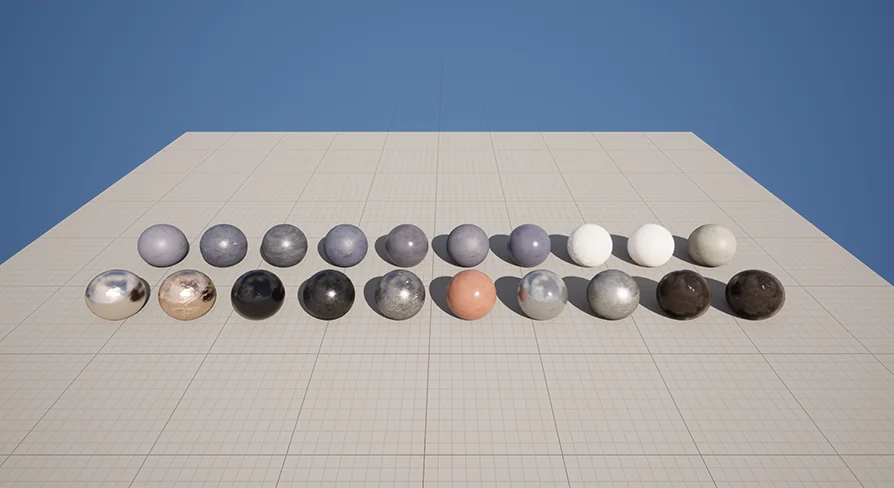
Build authentic historical Korean environments with KCISA -Korean Traditional Smart Materials Vol.1, featuring stones, wood, metals, bricks, and grass.
Surfacing Environments with Korean Traditional Smart Materials
Establishing an authentic geographic setting requires close attention to the visual rhythm of regional architecture and landscape surfaces. Implementing KCISA -Korean Traditional Smart Materials Vol.1 begins by mapping core materials directly to structural geometry and terrain meshes to establish a distinct local identity. Capturing the atmosphere of a specific country depends on recognizing everyday ground and structural fixtures, such as street stones, roads, and asphalt tiles. Setting up these materials early in the scene pipeline allows environmental artists to anchor realistic spatial tones before layering secondary set dressing.
The pack functions around the premise that the presence of an environment is perceived immediately through its foundational materials. By organizing texturing workflows around traditional Asian historical cues, artists can populate complex scenes with surfaces that feel deeply situated in Korean architecture and landscape design. Applying these assets systematically across landscape layers, architectural framing, and ground pathways brings cultural specificity to virtual spaces without needing to reconstruct common real-world materials from scratch.
Ground Plane Configuration: Asphalt Tiles, Roads, and Street Stones
Navigable terrain forms the primary visual baseline of any outdoor scene. In foreign environments, the atmosphere of a locale is often first perceived through ground infrastructure—the particular layout of street stones, the finish of road surfaces, and the repetition of asphalt tiles. These elements establish a grounded transit network that immediately signals cultural and physical geography to the observer.
Using the road and street stone assets in outdoor passages provides the structural pacing necessary for courtyards, alleyways, and historic thoroughfares. Roads can be assigned to broad thoroughfares, while street stones serve well along pedestrian paths, plazas, and building perimeters. Asphalt tiles offer an alternative surface treatment for engineered walkways and paved sections. Integrating these distinct transit materials across a single environment creates visual contrast, delineating heavily trafficked corridors from perimeter walkways and structural boundaries.
Architectural and Natural Surfaces: Bricks, Stones, Wood, and Metals
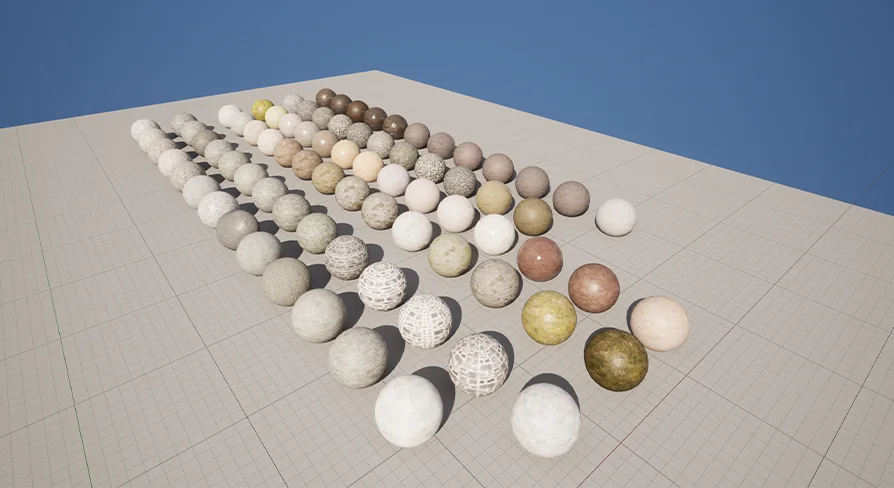
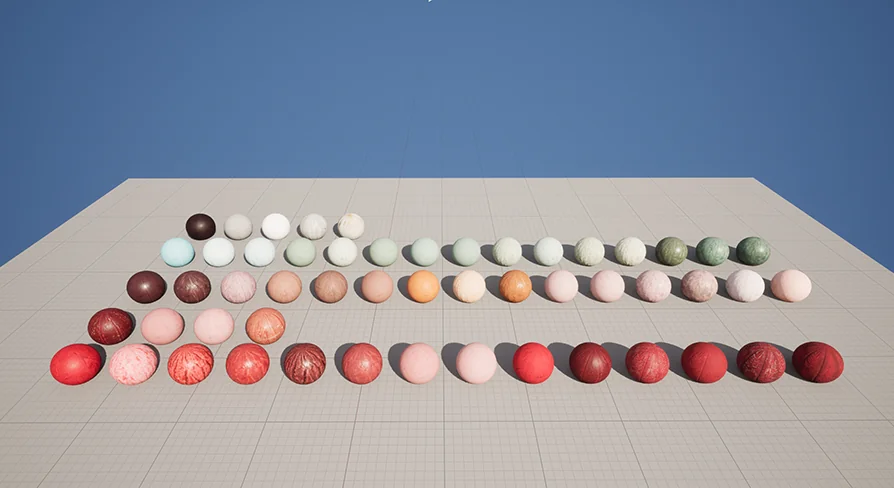
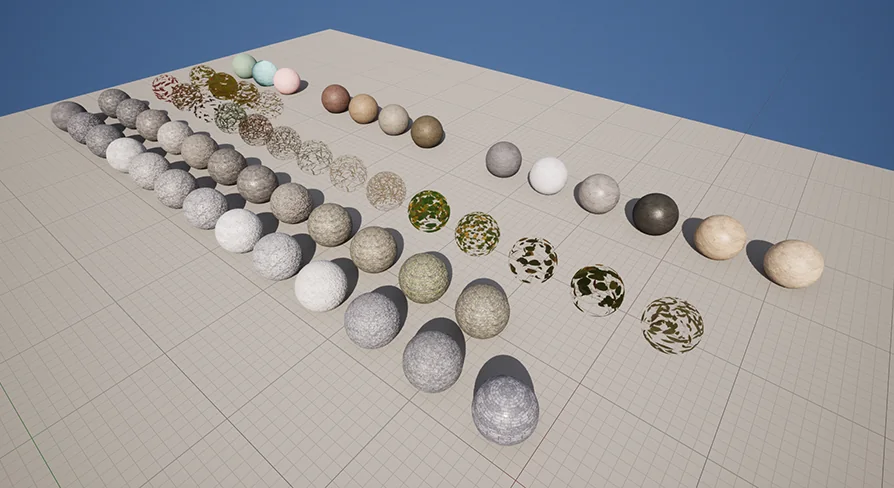
Beyond horizontal pathways, structural building elements require specialized material variation to maintain visual believability across varied elevations. KCISA -Korean Traditional Smart Materials Vol.1 provides architectural materials covering bricks, stones, wood, and metals, alongside organic natural surfaces like grass. Each category addresses a key component of historical and traditional construction practices in Korea.
Bricks and stones fulfill structural demands across retaining walls, foundation footings, and decorative enclosures. Applying brick surfaces brings rhythmic masonry patterns to building exteriors, boundary walls, and formal partitions. Cut and uncut stones can be applied across structural bases, stepping stones, and natural retaining banks, providing a dense, weighted appearance beneath timber elements.
Wood and metal materials address framing, decorative woodworking, structural beams, and joinery fixtures. In traditional Korean architecture, timber represents the core framework of pavilions, gates, and domestic residences, requiring materials that reflect the organic character of regional wood. Metals supply the necessary tactile definition for structural brackets, reinforcement plates, gates, door handles, and hardware accents. Integrating grass materials around these structural foundations softens hard architectural edges, merging built pavilions and stone paths directly into natural outdoor surroundings.
Architectural Integration with Bogildo Island Seyeonjeong Pavilion
A central practical application of this material suite is its direct compatibility with the KCISA - Bogildo Island Seyeonjeong Pavilion. Seyeonjeong Pavilion, situated on Bogildo Island, represents a landmark example of traditional Korean garden architecture, constructed to interact directly with stone basins, water, and surrounding vegetation. Surfacing such a structure requires materials that accurately reflect historic Asian architectural standards.
When texturing assets compatible with the Bogildo Island Seyeonjeong Pavilion, the material kit provides all necessary structural and contextual layers:
Wood surfaces Applied across timber pillars, horizontal tie-beams, roof eaves, and floorboards.
Stone materials Utilized along the elevated foundational base, surrounding natural boulders, and waterside retaining structures.
Metal surfaces Allocated to protective caps, hardware fixtures, and functional structural hinges.
Grass and ground elements Positioned to blend pavilion platforms into natural island terrain.
This verified compatibility guarantees that elements mapped to pavilion geometry match the visual quality of surrounding environmental ground cover, eliminating visual disconnect between historical building models and supporting terrain.
Material Allocation for Historical and Traditional Asian Projects
Constructing historical Asian scenes requires balancing weathered natural materials with carefully planned structural finishes. The combination of bricks, stones, grass, wood, metals, asphalt tiles, and road surfaces makes this collection suited for period dramas, historical recreations, cultural heritage visualizations, and authentic virtual travel experiences focused on Korea.
By organizing scene surfaces into clear functional categories—transit ground surfaces, structural masonry, architectural timber, metallic accents, and organic ground foliage—artists can execute coherent texturing passes across complex historical environments. Applying KCISA -Korean Traditional Smart Materials Vol.1 provides direct access to the specific physical cues that convey Korean architectural heritage and regional atmosphere.
 Art & Traditional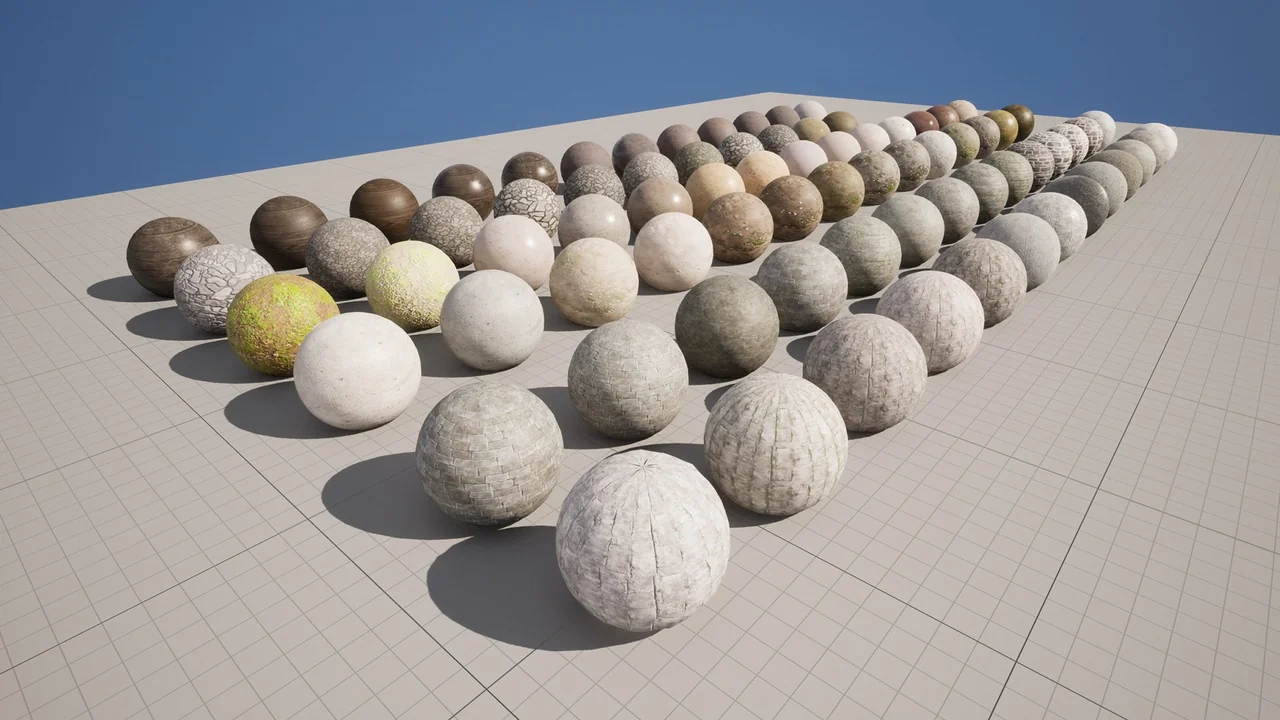
 Art & Traditional
 Art & Traditional
 Art & Traditional