"7b46a695175d8694"{"id":"1001520","slug":"house-along-the-river-house-river-village-stylized-stylised-environment-3d","title":"House Along the River ( House River Village Stylized Stylised Environment 3d )","category":"Fantasy","engine":"5.5+","assetVersion":"","engineVersion":"Engine Version: 5.5+","tag":"Fantasy","accent":"blue","visual":"city","summary":"Examine implementation workflows, Lumen lighting setup, and 73 unique meshes in the House Along the River stylized 3D environment pack.","platform":"Unreal Engine","publishedAt":"2026-10-09T13:20:19.696Z","updatedAt":"2026-10-09T13:20:19.696Z","sourceNotes":[],"fileContents":[],"compatibility":["Unreal Engine","Engine Version: 5.5+"],"featuredImage":{"alt":"House Along the River ( House River Village Stylized Stylised Environment 3d )","src":"/wp-content/uploads/published/2026/10/ea27a07cefa7-52b6fdec-f550-4920-b878-5bdbb82979cb-00737b95ec.webp"},"hasDownloadLink":true,"downloads":0,"terms":[{"taxonomy":"category","slug":"fantasy","name":"Fantasy"}],"galleryImages":[{"src":"/wp-content/uploads/published/2026/10/b8b1778e1745-bcbad374-3624-43af-885b-d34c92586981-664aea6a86.webp","alt":"House Along the River ( House River Village Stylized Stylised Environment 3d )"},{"src":"/wp-content/uploads/published/2026/10/ff7223c64d21-9c4cc76d-c3e7-4d41-862a-eec54ccc936d-0adeaef750.webp","alt":"House Along the River ( House River Village Stylized Stylised Environment 3d )"},{"src":"/wp-content/uploads/published/2026/10/0078f20148e9-9a5591fb-d8f5-41b8-a512-e361fb04ef1a-ffeba2db6e.webp","alt":"House Along the River ( House River Village Stylized Stylised Environment 3d )"},{"src":"/wp-content/uploads/published/2026/10/c0e7a51f2eef-af77d38b-f38a-464f-b160-001595c3103d-2f58f0de04.webp","alt":"House Along the River ( House River Village Stylized Stylised Environment 3d )"},{"src":"/wp-content/uploads/published/2026/10/25791f754aba-471223c6-22e0-48dc-b62a-37f44214361d-7d34a02554.webp","alt":"House Along the River ( House River Village Stylized Stylised Environment 3d )"},{"src":"/wp-content/uploads/published/2026/10/8a0fc935058d-7e08e736-96c7-4299-b87a-6976c4ee9eeb-3e49de5dd5.webp","alt":"House Along the River ( House River Village Stylized Stylised Environment 3d )"},{"src":"/wp-content/uploads/published/2026/10/dc290b01ece4-97a3ca34-f811-4771-bc01-9cef67fbb046-092d31cd53.webp","alt":"House Along the River ( House River Village Stylized Stylised Environment 3d )"},{"src":"/wp-content/uploads/published/2026/10/c29382b5b0bd-3da253e1-a3e8-44f5-a2ce-d89b387e2d95-e86a28cca5.webp","alt":"House Along the River ( House River Village Stylized Stylised Environment 3d )"},{"src":"/wp-content/uploads/published/2026/10/e6a3e28aefed-a85a1589-3c59-4344-864b-9d32ed34f21e-2a85c4d4e6.webp","alt":"House Along the River ( House River Village Stylized Stylised Environment 3d )"},{"src":"/wp-content/uploads/published/2026/10/3384d45aa5ce-86eadd4b-9721-4b3b-ba62-c18c2bef029b-775345fe4b.webp","alt":"House Along the River ( House River Village Stylized Stylised Environment 3d )"}],"accessPanel":{"kind":"resource","title":"Download this resource","eyebrow":"Free Download","message":"Log in or create a free account to start your download.","fileName":"House Along the River ( House River Village Stylized Stylised Environment 3d ).7z","safetyNote":"Resources are manually reviewed before listing to improve quality and reduce obvious risks.","actionLabel":"Download Free","resourceType":"Resource archive"},"contentHtml":"\u003ch2\u003eIntegrating the 73 Unique Meshes into Stylized River Scenes\u003c/h2\u003e\u003cp\u003ePopulating a real-time waterfront scene requires clean modularity and cohesive art direction. The environment centers on 73 unique meshes crafted to establish riverside dwellings, rustic pathways, and settlement infrastructure. Because the asset set includes all showcased pieces, scene assembly begins by laying down the riverbed foundation and setting structural foundations along the shoreline.\u003c/p\u003e\u003cp\u003eThe modular buildings allow for versatile configurations. Level designers can construct singular isolated cabins overlooking a watercourse or assemble a connected river village with docks, walkways, and residential structures. Individual architectural pieces share consistent proportions, allowing wall sections, rooflines, and wooden supports to lock together without visual seams. Stacking multiple structural components enables multi-story riverfront houses, trading outposts, or elevated platforms that adapt to fluctuating terrain elevations along riverbanks.\u003c/p\u003e\u003cp\u003eBeyond primary dwellings, the 73 meshes cover supporting environmental dressing. Pier posts, docking platforms, and outdoor fixtures provide the micro-detail needed to make village walkways appear lived-in. Placing these items along shoreline borders breaks up repetitive ground geometry, establishing clear navigation paths for third-person exploration or first-person encounters.\u003c/p\u003e\u003ch2\u003eConfiguring Lumen Enabled Lighting Across Riverfront Houses\u003c/h2\u003e\u003cp\u003eThe collection comes with Lumen enabled out of the box, altering how light propagates through stylized timber structures and watery terrain. Unreal Engine's dynamic global illumination system relies on accurate mesh distance fields, making the scale and thickness of these 73 meshes crucial for clean bounce calculation.\u003c/p\u003e\u003cp\u003eWhen working with Lumen in this river environment, directional sunlight hits roofs and wooden decks, bouncing warm indirect light into sheltered entryways and under-dock recesses. Because stylized art styles often rely on broad color gradients rather than high-frequency photographic noise, Lumen indirect lighting prevents deep shadow areas from becoming muddy voids. Roof overhangs and interior cabin corners receive soft diffuse bounce, preserving the intended artistic palette even during high-contrast times of day.\u003c/p\u003e\u003cp\u003eWater interaction benefits heavily from real-time dynamic reflections. With Lumen handling scene reflections, river planes properly catch the contours of adjacent houses, bridge timbers, and cliffside vegetation. Level designers adjusting water depth or flow direction do not need to bake static reflection cubemaps after every minor layout shift. Moving a wooden dock or altering the orientation of a river house immediately reflects across the water surface, shortening visual iteration loops during scene dressing.\u003c/p\u003e\u003ch2\u003eBalancing Game-Ready Performance and Virtual Production Demands\u003c/h2\u003e\u003cp\u003eReal-time optimization sits alongside visual fidelity in modern production pipelines. This environment is structured to support both standard game engines and virtual production stages where frame stability is mandatory. The geometry maintains an optimized balance, featuring clean edge flow that reduces unnecessary polygon density while preserving stylized silhouettes.\u003c/p\u003e\u003cp\u003eFor interactive game levels, the level of detail built into each mesh prevents severe pop-in while maintaining steady draw call counts. The assets serve broad genre requirements, including open-world river travel routes, action-adventure settlements, and contained competitive maps. Collision meshes and clean geometry boundaries prevent player characters from clipping through pier supports or getting snagged on waterfront debris.\u003c/p\u003e\u003cp\u003eIn virtual production scenarios, the high-quality visual pass ensures that foreground structures stand up to cinematic camera close-ups. When camera frustums shift dynamically, the combined asset set maintains visual consistency across variable focal lengths. Stylized silhouettes read distinctly against backdrops, allowing digital sets to project depth without requiring post-process workarounds to define asset boundaries.\u003c/p\u003e\u003ch2\u003eCross-Scene Workflow and Stylized Lost Cave Compatibility\u003c/h2\u003e\u003cp\u003eEnvironmental design rarely stops at an isolated village boundary. This package pairs directly with Stylized Lost Cave, establishing an extended architectural and environmental ecosystem. Creators building connected fantasy worlds can guide players seamlessly from sunny riverbanks into subterranean passages.\u003c/p\u003e\u003cp\u003eBridging the two environments relies on shared art conventions. The stylized surface language found in the river houses—chunky wood forms, bold silhouettes, and curated color transitions—carries straight into the rock formations and cavernous tunnels of the cave pack. Establishing an entry point, such as a hidden riverside grotto or a basement level beneath a stilted house, creates spatial continuity without jarring stylistic disconnects.\u003c/p\u003e\u003cp\u003eCombining these asset collections opens up varied level layouts:\u003c/p\u003e\u003cul\u003e\u003cli\u003eRiver-level docks leading directly into hidden cavern entrances for smuggling routes or dungeon access.\u003c/li\u003e\u003cli\u003eUnderground water channels that transition from natural stone tunnels out into populated surface-level settlements.\u003c/li\u003e\u003cli\u003eCliffside outposts perched above subterranean exits, combining cave rock meshes with riverside wooden framing.\u003c/li\u003e\u003c/ul\u003e\u003cp\u003eUsing matched environment packs reduces visual friction across level streaming boundaries, ensuring that interior dungeons and exterior waterways feel like parts of a cohesive regional map.\u003c/p\u003e\u003ch2\u003eProject Maintenance and Support Workflows\u003c/h2\u003e\u003cp\u003eMaintaining asset integrity throughout a long production cycle requires reliable technical backing. The package operates under a direct support pipeline, allowing developers to submit tickets for technical inquiries, suggestions, or asset adjustments encountered during integration.\u003c/p\u003e\u003cp\u003eFor live collaboration, real-time developer communication is accessible via dedicated community channels. This route provides immediate technical clarity when troubleshooting specific engine setup issues, discussing custom outsource environment needs, or handling scene migrations across production milestones. Having direct lines to technical assistance helps development teams keep their level art pipelines moving without stalled production schedules.\u003c/p\u003e\n\n\u003ch2\u003eContinue Browsing Similar Packs\u003c/h2\u003e\n\u003cul\u003e\n\u003cli\u003e\u003ca href=\"https://3dcghub.com/fantasy-medieval-kingdom-stylized-castle-town-village-dungeon-kingdom/\" title=\"Fantasy Medieval Kingdom (Stylized Castle, Town, Village, Dungeon, Kingdom)\"\u003eFantasy Medieval Kingdom (Stylized Castle, Town, Village, Dungeon, Kingdom)\u003c/a\u003e\u003c/li\u003e\n\u003cli\u003e\u003ca href=\"https://3dcghub.com/stylized-village-modular-stylized-fantasy-village-environment/\" title=\"Stylized Village - Modular Stylized Fantasy Village Environment\"\u003eStylized Village - Modular Stylized Fantasy Village Environment\u003c/a\u003e\u003c/li\u003e\n\u003cli\u003e\u003ca href=\"https://3dcghub.com/stylized-azure-hillside-stylized-hillside-azure-hilltop-stylized-hill-azure/\" title=\"Stylized Azure Hillside ( Stylized Hillside Azure Hilltop Stylized Hill Azure )\"\u003eStylized Azure Hillside ( Stylized Hillside Azure Hilltop Stylized Hill Azure )\u003c/a\u003e\u003c/li\u003e\n\u003cli\u003e\u003ca href=\"https://3dcghub.com/stylized-log-cabin/\" title=\"Stylized Log Cabin\"\u003eStylized Log Cabin\u003c/a\u003e\u003c/li\u003e\n\u003cli\u003e\u003ca href=\"https://3dcghub.com/stylized-house-interior-stylized-stylised-kitchen-interior-interior-dinner/\" title=\"Stylized House Interior ( Stylized Stylised Kitchen Interior Interior Dinner )\"\u003eStylized House Interior ( Stylized Stylised Kitchen Interior Interior Dinner )\u003c/a\u003e\u003c/li\u003e\n\u003c/ul\u003e","contentTextLength":6646,"navigation":{"current":25,"total":3481,"previous":{"id":"1001521","slug":"interactive-foliage-and-vegetation-system","title":"Interactive Foliage and Vegetation System","category":"Game Mechanics","platform":"Unreal Engine","updatedAt":"2026-10-09T13:33:45.442Z"},"next":{"id":"1001519","slug":"horror-engine-se","title":"Horror Engine SE","category":"Action-Adventure","platform":"Unreal Engine","updatedAt":"2026-10-09T13:19:25.405Z"}},"relatedResources":[{"id":"1001086","slug":"fantasy-medieval-kingdom-stylized-castle-town-village-dungeon-kingdom","title":"Fantasy Medieval Kingdom (Stylized Castle, Town, Village, Dungeon, Kingdom)","category":"Fantasy","engine":"5.0+","assetVersion":"","engineVersion":"Engine Version: 5.0+","tag":"Fantasy","accent":"blue","visual":"mech","summary":"Fully playable 2x2 km stylized medieval open world with castle city, village, magic forest, dungeons, docks, underwater zones, modular buildings, and full inter","platform":"Unreal Engine","publishedAt":"2026-09-04T16:54:26.409Z","updatedAt":"2026-09-04T16:54:26.409Z","sourceNotes":[],"fileContents":[],"compatibility":["Unreal Engine","Engine Version: 5.0+"],"featuredImage":{"alt":"Fantasy Medieval Kingdom (Stylized Castle, Town, Village, Dungeon, Kingdom)","src":"/wp-content/uploads/published/2026/09/a67503d4b022-dd68fe93-0fdf-41df-bcd0-363d13ef92f5-d48693974f.webp"},"hasDownloadLink":true,"downloads":5},{"id":"1000483","slug":"stylized-village-modular-stylized-fantasy-village-environment","title":"Stylized Village - Modular Stylized Fantasy Village Environment","category":"Fantasy","engine":"5.1+","assetVersion":"","engineVersion":"Engine Version: 5.1+","tag":"Fantasy","accent":"blue","visual":"city","summary":"A stylized medieval village environment with over 370 meshes, modular buildings with interiors, procedural landscape materials, and spline-based river tools.","platform":"Unreal Engine","publishedAt":"2026-07-12T06:24:10.420Z","updatedAt":"2026-07-12T06:24:10.420Z","sourceNotes":[],"fileContents":[],"compatibility":["Unreal Engine","Engine Version: 5.1+"],"featuredImage":{"alt":"Stylized Village - Modular Stylized Fantasy Village Environment","src":"/wp-content/uploads/published/2026/07/7f9edeb5854f-251e2ae6-7945-4fc0-ae51-4b047d96cc2d-a0488c1705.webp"},"hasDownloadLink":true,"downloads":3},{"id":"7997","slug":"stylized-azure-hillside-stylized-hillside-azure-hilltop-stylized-hill-azure","title":"Stylized Azure Hillside ( Stylized Hillside Azure Hilltop Stylized Hill Azure )","category":"Fantasy","engine":"5.1+","assetVersion":"Engine version: 5.1+","engineVersion":"","tag":"Fantasy","accent":"blue","visual":"city","summary":"Transform your game world with the Stylized Azure Hillside pack. This collection features 93 optimized assets designed for creating vibrant, fantasy-themed landscapes and modular villages.","platform":"Unreal Engine","publishedAt":"2026-02-22T16:20:10.000Z","updatedAt":"2026-04-19T15:55:51.000Z","sourceNotes":[],"fileContents":[],"compatibility":["Unreal Engine","Engine version: 5.1+"],"featuredImage":{"alt":"Stylized Azure Hillside ( Stylized Hillside Azure Hilltop Stylized Hill Azure )","src":"https://3dcghub.com/wp-content/uploads/2026/02/4403b927-4bf6-4699-9f2c-ac16e0c084ab.webp"},"hasDownloadLink":true,"downloads":0}]}
Fantasy
House Along the River ( House River Village Stylized Stylised Environment 3d )
Examine implementation workflows, Lumen lighting setup, and 73 unique meshes in the House Along the River stylized 3D environment pack.
Category:Unreal Engine,FantasyPlatform: Unreal EngineEngine Version: 5.5+Published: Oct 9, 2026
Fantasy
Resource overview
Integrating the 73 Unique Meshes into Stylized River Scenes
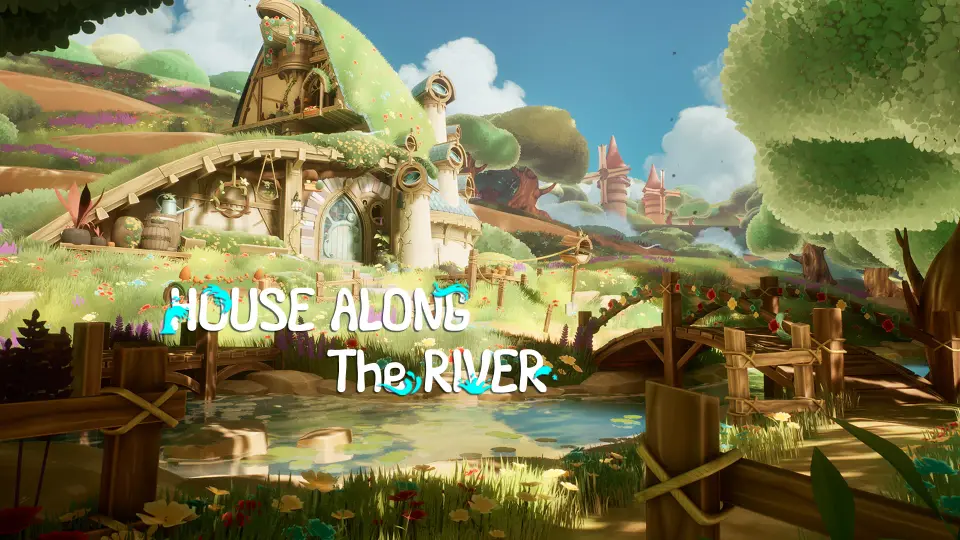
Populating a real-time waterfront scene requires clean modularity and cohesive art direction. The environment centers on 73 unique meshes crafted to establish riverside dwellings, rustic pathways, and settlement infrastructure. Because the asset set includes all showcased pieces, scene assembly begins by laying down the riverbed foundation and setting structural foundations along the shoreline.
The modular buildings allow for versatile configurations. Level designers can construct singular isolated cabins overlooking a watercourse or assemble a connected river village with docks, walkways, and residential structures. Individual architectural pieces share consistent proportions, allowing wall sections, rooflines, and wooden supports to lock together without visual seams. Stacking multiple structural components enables multi-story riverfront houses, trading outposts, or elevated platforms that adapt to fluctuating terrain elevations along riverbanks.
Beyond primary dwellings, the 73 meshes cover supporting environmental dressing. Pier posts, docking platforms, and outdoor fixtures provide the micro-detail needed to make village walkways appear lived-in. Placing these items along shoreline borders breaks up repetitive ground geometry, establishing clear navigation paths for third-person exploration or first-person encounters.
Configuring Lumen Enabled Lighting Across Riverfront Houses
The collection comes with Lumen enabled out of the box, altering how light propagates through stylized timber structures and watery terrain. Unreal Engine's dynamic global illumination system relies on accurate mesh distance fields, making the scale and thickness of these 73 meshes crucial for clean bounce calculation.
When working with Lumen in this river environment, directional sunlight hits roofs and wooden decks, bouncing warm indirect light into sheltered entryways and under-dock recesses. Because stylized art styles often rely on broad color gradients rather than high-frequency photographic noise, Lumen indirect lighting prevents deep shadow areas from becoming muddy voids. Roof overhangs and interior cabin corners receive soft diffuse bounce, preserving the intended artistic palette even during high-contrast times of day.
Water interaction benefits heavily from real-time dynamic reflections. With Lumen handling scene reflections, river planes properly catch the contours of adjacent houses, bridge timbers, and cliffside vegetation. Level designers adjusting water depth or flow direction do not need to bake static reflection cubemaps after every minor layout shift. Moving a wooden dock or altering the orientation of a river house immediately reflects across the water surface, shortening visual iteration loops during scene dressing.
Balancing Game-Ready Performance and Virtual Production Demands
Real-time optimization sits alongside visual fidelity in modern production pipelines. This environment is structured to support both standard game engines and virtual production stages where frame stability is mandatory. The geometry maintains an optimized balance, featuring clean edge flow that reduces unnecessary polygon density while preserving stylized silhouettes.
For interactive game levels, the level of detail built into each mesh prevents severe pop-in while maintaining steady draw call counts. The assets serve broad genre requirements, including open-world river travel routes, action-adventure settlements, and contained competitive maps. Collision meshes and clean geometry boundaries prevent player characters from clipping through pier supports or getting snagged on waterfront debris.
In virtual production scenarios, the high-quality visual pass ensures that foreground structures stand up to cinematic camera close-ups. When camera frustums shift dynamically, the combined asset set maintains visual consistency across variable focal lengths. Stylized silhouettes read distinctly against backdrops, allowing digital sets to project depth without requiring post-process workarounds to define asset boundaries.
Cross-Scene Workflow and Stylized Lost Cave Compatibility
Environmental design rarely stops at an isolated village boundary. This package pairs directly with Stylized Lost Cave, establishing an extended architectural and environmental ecosystem. Creators building connected fantasy worlds can guide players seamlessly from sunny riverbanks into subterranean passages.
Bridging the two environments relies on shared art conventions. The stylized surface language found in the river houses—chunky wood forms, bold silhouettes, and curated color transitions—carries straight into the rock formations and cavernous tunnels of the cave pack. Establishing an entry point, such as a hidden riverside grotto or a basement level beneath a stilted house, creates spatial continuity without jarring stylistic disconnects.
Combining these asset collections opens up varied level layouts:
River-level docks leading directly into hidden cavern entrances for smuggling routes or dungeon access.
Underground water channels that transition from natural stone tunnels out into populated surface-level settlements.
Cliffside outposts perched above subterranean exits, combining cave rock meshes with riverside wooden framing.
Using matched environment packs reduces visual friction across level streaming boundaries, ensuring that interior dungeons and exterior waterways feel like parts of a cohesive regional map.
Project Maintenance and Support Workflows
Maintaining asset integrity throughout a long production cycle requires reliable technical backing. The package operates under a direct support pipeline, allowing developers to submit tickets for technical inquiries, suggestions, or asset adjustments encountered during integration.
For live collaboration, real-time developer communication is accessible via dedicated community channels. This route provides immediate technical clarity when troubleshooting specific engine setup issues, discussing custom outsource environment needs, or handling scene migrations across production milestones. Having direct lines to technical assistance helps development teams keep their level art pipelines moving without stalled production schedules.
 Fantasy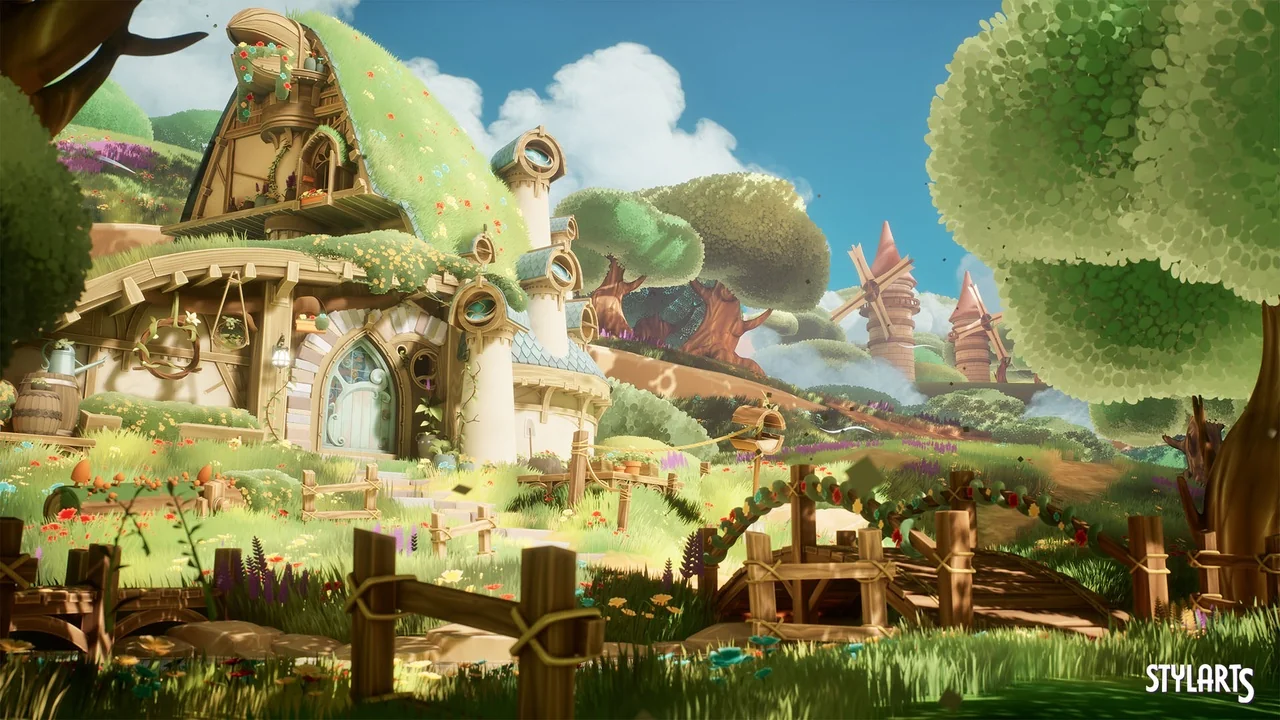
 Fantasy
 Fantasy
 Fantasy