"c68a05d5e51405b3"{"id":"27307","slug":"alchemist-starbase-rover","title":"Alchemist Starbase: Rover","category":"Gameplay Features","engine":"5.1+","assetVersion":"Engine version: 5.1+","engineVersion":"","tag":"Gameplay Features","accent":"blue","visual":"animation","summary":"Alchemist Starbase: Rover brings a sharp sci-fi vehicle into play for alien terrain, hidden-treasure hunts, and frontier travel. Its PBR and Blueprint tags make it relevant for visually grounded, interactive scenes.","platform":"Unreal Engine","publishedAt":"2026-04-24T04:00:00.000Z","updatedAt":"2026-04-24T04:13:18.000Z","sourceNotes":[],"fileContents":[],"compatibility":["Unreal Engine","Engine version: 5.1+"],"featuredImage":{"alt":"Alchemist Starbase: Rover","src":"https://3dcghub.com/wp-content/uploads/2026/04/054184c5f6a4_83ce63c6-4538-4398-8d28-1eeae1763968.webp"},"hasDownloadLink":true,"downloads":0,"terms":[{"taxonomy":"category","slug":"gameplay-features","name":"Gameplay Features"},{"taxonomy":"post_tag","slug":"environment","name":"Environment"},{"taxonomy":"post_tag","slug":"textures","name":"Textures"},{"taxonomy":"post_tag","slug":"vehicles","name":"Vehicles"}],"galleryImages":[{"src":"https://3dcghub.com/wp-content/uploads/2026/04/0d1e6b17ea82_45819fd6-0a0f-474e-aeea-3f7ee7001b2e.webp","alt":"Alchemist Starbase: Rover"},{"src":"https://3dcghub.com/wp-content/uploads/2026/04/32ac40d1d35a_dc191353-e52a-4cfe-b63d-73991b90ecf2.webp","alt":"Alchemist Starbase: Rover"},{"src":"https://3dcghub.com/wp-content/uploads/2026/04/98fe47681f17_8b00b37e-0981-4fb4-ac1f-9ce2b98bbee4.webp","alt":"Alchemist Starbase: Rover"},{"src":"https://3dcghub.com/wp-content/uploads/2026/04/4e639dfa949b_c2b79e28-47a0-4072-8e89-eae16b117e9c.webp","alt":"Alchemist Starbase: Rover"},{"src":"https://3dcghub.com/wp-content/uploads/2026/04/9b415e6c6560_1c1aaed3-10d6-4058-8d04-4946507c1dd5.webp","alt":"Alchemist Starbase: Rover"},{"src":"https://3dcghub.com/wp-content/uploads/2026/04/63a373d6eda7_3059c99d-6ea2-475b-b690-ef1c6600904a.webp","alt":"Alchemist Starbase: Rover"},{"src":"https://3dcghub.com/wp-content/uploads/2026/04/1149566a1277_d17f69b8-03f7-4c25-b0be-846ad7aa8af1.webp","alt":"Alchemist Starbase: Rover"}],"accessPanel":{"kind":"resource","title":"Access this resource","eyebrow":"Free Download","message":"Log in or create a free account to start your download.","fileName":"Content.7z","safetyNote":"All resources are 100% manually reviewed to eliminate all risks.","actionLabel":"Download Free","resourceType":"Resource archive"},"contentHtml":"\u003ch2\u003eMission-ready presence for alien ground\u003c/h2\u003e\n\u003cp\u003eAlchemist Starbase: Rover fits naturally into scenes that need a vehicle with a clear exploratory identity. It reads as a cutting-edge sci-fi rover, the kind of machine that belongs on rough alien terrain rather than in a neutral parking bay or a clean urban street. That makes it useful whenever a project needs the feeling of distance, discovery, and travel across unfamiliar ground.\u003c/p\u003e\n\u003cp\u003eThe strongest visual idea here is movement through the unknown. The rover is presented as a trusted companion for crossing alien landscapes, which gives it a role beyond simple transport. It can stand at the center of a landing site, rest beside a research outpost, or wait on the edge of a frontier path where the next journey is about to begin. In each case, the vehicle helps establish that the scene is about exploration rather than routine travel.\u003c/p\u003e \u003ch2\u003eScenes shaped by discovery\u003c/h2\u003e\n\u003cp\u003eThis rover points toward storytelling built on searching, tracking, and uncovering. The idea of unearthing hidden treasures gives artists and developers a clear direction: the asset belongs in environments where something important is buried, scattered, or waiting beyond the horizon. A ravine with strange deposits, a dune field with abandoned markers, or a moonlit expanse with a single route forward all match the rover’s tone.\u003c/p\u003e\n\u003cp\u003eIt also carries the feeling of charting new frontiers. That matters in worldbuilding because it suggests a machine that has a job to do, not just a shape to look at. A rover like this can support gameplay beats that focus on surveying terrain, reaching remote areas, or moving between points of interest in a large sci-fi setting. Even without extra embellishment, the asset already brings a sense of purpose to the frame.\u003c/p\u003e\n\u003cp\u003eArtists can lean into that tone by placing it where scale becomes part of the story. Wide skies, broken ground, strange rock forms, and distant structures all make the rover feel like a small but determined presence in a much larger universe. The vehicle’s description emphasizes cosmic adventure, so it suits scenes that want optimism, curiosity, and a hint of danger all at once.\u003c/p\u003e \u003ch2\u003ePBR and Blueprint as practical signals\u003c/h2\u003e\n\u003cp\u003eThe PBR tag is an important cue for how the asset can sit inside a rendered scene. Physically based workflows are useful when the same vehicle has to look believable under changing light, whether the setting is bright and exposed or dark and atmospheric. For a sci-fi rover, that means it can remain readable across desert-like plains, shadowed alien valleys, and dramatic exterior shots where lighting does a lot of the storytelling.\u003c/p\u003e\n\u003cp\u003eBlueprint adds another layer of usefulness. For developers working with interactive setups, that tag suggests a workflow that fits logic-driven scenes and hands-on behavior. A rover with Blueprint support can feel more immediate in projects that want the vehicle to do something, not just occupy space. That makes it a natural choice for exploration sequences, scripted arrivals, or moments where the rover needs to be part of the player’s path through the world.\u003c/p\u003e\n\u003cp\u003eThose two tags together create a clear creative profile. PBR speaks to how the surface reacts in a scene, while Blueprint points toward how the vehicle can function inside one. The result is a rover that can serve both the visual side of a sci-fi environment and the interactive side of a game or cinematic setup.\u003c/p\u003e \u003ch2\u003eUsing the rover without losing its story\u003c/h2\u003e\n\u003cp\u003eThe rover works best when the surrounding environment keeps its mission visible. It does not need a crowded backdrop to feel useful; in fact, a more open landscape can strengthen its role. A single rover against a broad alien horizon immediately suggests travel, scouting, and persistence. Add signs of prior exploration, and it becomes part of a larger narrative about what has already been found and what still remains hidden.\u003c/p\u003e\n\u003cp\u003eBecause the asset is framed as both a vehicle and a portal to the stars, it can support a wide range of sci-fi tones. Some scenes may treat it as a practical tool for crossing difficult terrain. Others may lean into its more adventurous identity, making it the machine that carries a crew toward unknown realms. That flexibility is valuable for artists who want one object to reinforce several layers of a setting without needing a separate prop for every idea.\u003c/p\u003e\n\u003cp\u003eIts strongest fit is in projects that want exploration to feel active and grounded. A rover like this can anchor a scene, define a route, and add a sense of forward motion even when it is standing still. For developers and artists building alien worlds, that combination makes it a useful focal point for travel, discovery, and frontier storytelling.\u003c/p\u003e \u003ch3\u003eA compact fit for frontier scenes\u003c/h3\u003e\n\u003cp\u003eAlchemist Starbase: Rover is most effective in projects that need a sci-fi vehicle with a clear exploratory purpose. It supports alien landscapes, hidden-treasure scenarios, and new-frontier visuals, while the PBR and Blueprint tags give it practical relevance for rendering and interactive use.\u003c/p\u003e\n\n\u003ch2\u003eMore From The Same Workflow\u003c/h2\u003e\n\u003cul\u003e\n\u003cli\u003e\u003ca href=\"https://3dcghub.com/medieval-nordic-viking-castle-environment/\" title=\"Medieval Nordic / Viking Castle Environment\"\u003eMedieval Nordic / Viking Castle Environment\u003c/a\u003e\u003c/li\u003e\n\u003cli\u003e\u003ca href=\"https://3dcghub.com/medieval-fantasy-ruins-dark-forest-environment/\" title=\"Medieval Fantasy Ruins – Dark Forest Environment\"\u003eMedieval Fantasy Ruins – Dark Forest Environment\u003c/a\u003e\u003c/li\u003e\n\u003cli\u003e\u003ca href=\"https://3dcghub.com/junkyard-environment-14-assets/\" title=\"Junkyard Environment / 14 Assets\"\u003eJunkyard Environment / 14 Assets\u003c/a\u003e\u003c/li\u003e\n\u003cli\u003e\u003ca href=\"https://3dcghub.com/medieval-village-slavic-huts-environment/\" title=\"Medieval Village – Slavic Huts environment\"\u003eMedieval Village – Slavic Huts environment\u003c/a\u003e\u003c/li\u003e\n\u003cli\u003e\u003ca href=\"https://3dcghub.com/volcano-land-environment-w-terrain-scatter-tool-exterior-natural-vfx/\" title=\"Volcano Land Environment w/ Terrain Scatter Tool (Exterior, Natural, VFX)\"\u003eVolcano Land Environment w/ Terrain Scatter Tool (Exterior, Natural, VFX)\u003c/a\u003e\u003c/li\u003e\n\u003c/ul\u003e","contentTextLength":5313,"navigation":{"current":2110,"total":3860,"previous":{"id":"27322","slug":"american-city-packs-bundle","title":"American City Packs (Bundle)","category":"Cities","platform":"Unreal Engine","updatedAt":"2026-04-24T05:51:43.000Z"},"next":{"id":"27297","slug":"aerial-survey-hdr-collection-vol-1","title":"Aerial Survey HDR Collection vol.1","category":"Variety","platform":"Unreal Engine","updatedAt":"2026-04-23T16:39:23.000Z"}},"relatedResources":[{"id":"27580","slug":"driveable-vehicle-attack-submarine","title":"Driveable Vehicle : Attack Submarine","category":"Gameplay Features","engine":"5.0+","assetVersion":"Engine version: 5.0+","engineVersion":"","tag":"Gameplay Features","accent":"blue","visual":"animation","summary":"This attack submarine arrives as a fully working vehicle Blueprint with guided torpedoes, cruise missiles, and a periscope tied to a tactical map. It also includes a destroyed version and setup notes for placing it correctly in a level.","platform":"Unreal Engine","publishedAt":"2026-04-26T12:06:18.000Z","updatedAt":"2026-04-26T12:06:19.000Z","sourceNotes":[],"fileContents":[],"compatibility":["Unreal Engine","Engine version: 5.0+"],"featuredImage":{"alt":"Driveable Vehicle : Attack Submarine","src":"https://3dcghub.com/wp-content/uploads/2026/04/ebf68783beae_11303961-140b-4d38-a959-12cbb814a247.webp"},"hasDownloadLink":true,"downloads":0},{"id":"9459","slug":"alchemist-starbase-chapter-1","title":"Alchemist Starbase: Chapter 1","category":"Sci-Fi","engine":"5.2+","assetVersion":"Engine version: 5.2+","engineVersion":"4.27","tag":"Sci-Fi","accent":"blue","visual":"city","summary":"Alchemist Starbase: Chapter 1 provides a professional suite of modular assets for Unreal Engine. Create realistic sci-fi military stations on foreign planets with high-quality PBR textures.","platform":"Unreal Engine","publishedAt":"2026-03-01T16:57:53.000Z","updatedAt":"2026-04-19T15:51:10.000Z","sourceNotes":[],"fileContents":[],"compatibility":["Unreal Engine","Engine version: 5.2+"],"featuredImage":{"alt":"Alchemist Starbase: Chapter 1","src":"https://3dcghub.com/wp-content/uploads/2026/03/3e9da76f-8bf8-4d28-b209-34af878be4b7.webp"},"hasDownloadLink":true,"downloads":0},{"id":"15092","slug":"tile-based-minimap","title":"Tile Based Minimap","category":"Gameplay Features","engine":"5.3 - 5.5","assetVersion":"Asset Version: 1.2.2 - 2.1.1","engineVersion":"Engine Version: 5.3 - 5.5","tag":"Gameplay Features","accent":"blue","visual":"mech","summary":"The Tile Based Minimap system provides a robust solution for creating tiled in-game maps using pre-rendered level images. It features GPS-style routing, multi-grid support, and full Blueprint extensibility.","platform":"Unreal Engine","publishedAt":"2026-03-12T07:51:23.000Z","updatedAt":"2026-10-08T12:57:55.645Z","sourceNotes":[],"fileContents":[],"compatibility":["Unreal Engine","Asset Version: 1.2.2 - 2.1.1","Engine Version: 5.3 - 5.5"],"featuredImage":{"alt":"Tile Based Minimap","src":"https://3dcghub.com/wp-content/uploads/2026/03/768cc7d5-0ca5-439b-b02a-f4807a2c39bd.webp"},"hasDownloadLink":true,"downloads":4}]}
Gameplay Features
Alchemist Starbase: Rover
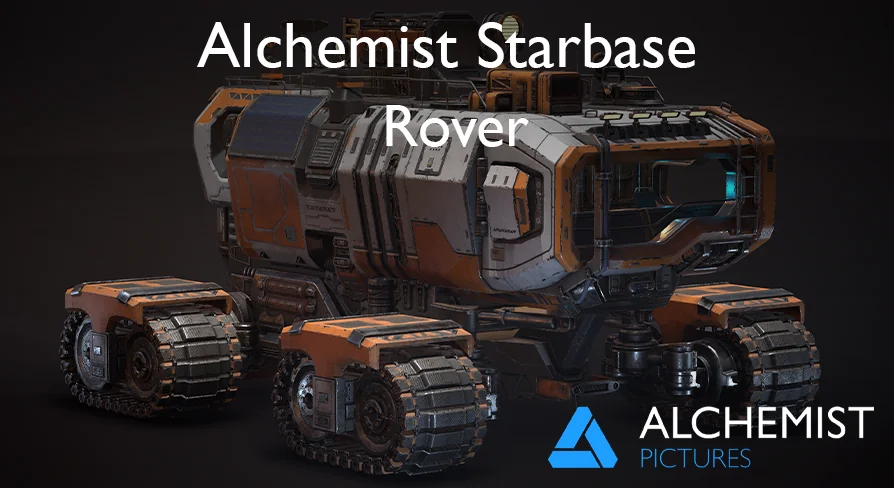
Alchemist Starbase: Rover brings a sharp sci-fi vehicle into play for alien terrain, hidden-treasure hunts, and frontier travel. Its PBR and Blueprint tags make it relevant for visually grounded, interactive scenes.
Alchemist Starbase: Rover fits naturally into scenes that need a vehicle with a clear exploratory identity. It reads as a cutting-edge sci-fi rover, the kind of machine that belongs on rough alien terrain rather than in a neutral parking bay or a clean urban street. That makes it useful whenever a project needs the feeling of distance, discovery, and travel across unfamiliar ground.
The strongest visual idea here is movement through the unknown. The rover is presented as a trusted companion for crossing alien landscapes, which gives it a role beyond simple transport. It can stand at the center of a landing site, rest beside a research outpost, or wait on the edge of a frontier path where the next journey is about to begin. In each case, the vehicle helps establish that the scene is about exploration rather than routine travel.
Scenes shaped by discovery
This rover points toward storytelling built on searching, tracking, and uncovering. The idea of unearthing hidden treasures gives artists and developers a clear direction: the asset belongs in environments where something important is buried, scattered, or waiting beyond the horizon. A ravine with strange deposits, a dune field with abandoned markers, or a moonlit expanse with a single route forward all match the rover’s tone.
It also carries the feeling of charting new frontiers. That matters in worldbuilding because it suggests a machine that has a job to do, not just a shape to look at. A rover like this can support gameplay beats that focus on surveying terrain, reaching remote areas, or moving between points of interest in a large sci-fi setting. Even without extra embellishment, the asset already brings a sense of purpose to the frame.
Artists can lean into that tone by placing it where scale becomes part of the story. Wide skies, broken ground, strange rock forms, and distant structures all make the rover feel like a small but determined presence in a much larger universe. The vehicle’s description emphasizes cosmic adventure, so it suits scenes that want optimism, curiosity, and a hint of danger all at once.
PBR and Blueprint as practical signals
The PBR tag is an important cue for how the asset can sit inside a rendered scene. Physically based workflows are useful when the same vehicle has to look believable under changing light, whether the setting is bright and exposed or dark and atmospheric. For a sci-fi rover, that means it can remain readable across desert-like plains, shadowed alien valleys, and dramatic exterior shots where lighting does a lot of the storytelling.
Blueprint adds another layer of usefulness. For developers working with interactive setups, that tag suggests a workflow that fits logic-driven scenes and hands-on behavior. A rover with Blueprint support can feel more immediate in projects that want the vehicle to do something, not just occupy space. That makes it a natural choice for exploration sequences, scripted arrivals, or moments where the rover needs to be part of the player’s path through the world.
Those two tags together create a clear creative profile. PBR speaks to how the surface reacts in a scene, while Blueprint points toward how the vehicle can function inside one. The result is a rover that can serve both the visual side of a sci-fi environment and the interactive side of a game or cinematic setup.
Using the rover without losing its story
The rover works best when the surrounding environment keeps its mission visible. It does not need a crowded backdrop to feel useful; in fact, a more open landscape can strengthen its role. A single rover against a broad alien horizon immediately suggests travel, scouting, and persistence. Add signs of prior exploration, and it becomes part of a larger narrative about what has already been found and what still remains hidden.
Because the asset is framed as both a vehicle and a portal to the stars, it can support a wide range of sci-fi tones. Some scenes may treat it as a practical tool for crossing difficult terrain. Others may lean into its more adventurous identity, making it the machine that carries a crew toward unknown realms. That flexibility is valuable for artists who want one object to reinforce several layers of a setting without needing a separate prop for every idea.
Its strongest fit is in projects that want exploration to feel active and grounded. A rover like this can anchor a scene, define a route, and add a sense of forward motion even when it is standing still. For developers and artists building alien worlds, that combination makes it a useful focal point for travel, discovery, and frontier storytelling.
A compact fit for frontier scenes
Alchemist Starbase: Rover is most effective in projects that need a sci-fi vehicle with a clear exploratory purpose. It supports alien landscapes, hidden-treasure scenarios, and new-frontier visuals, while the PBR and Blueprint tags give it practical relevance for rendering and interactive use.
 Gameplay Features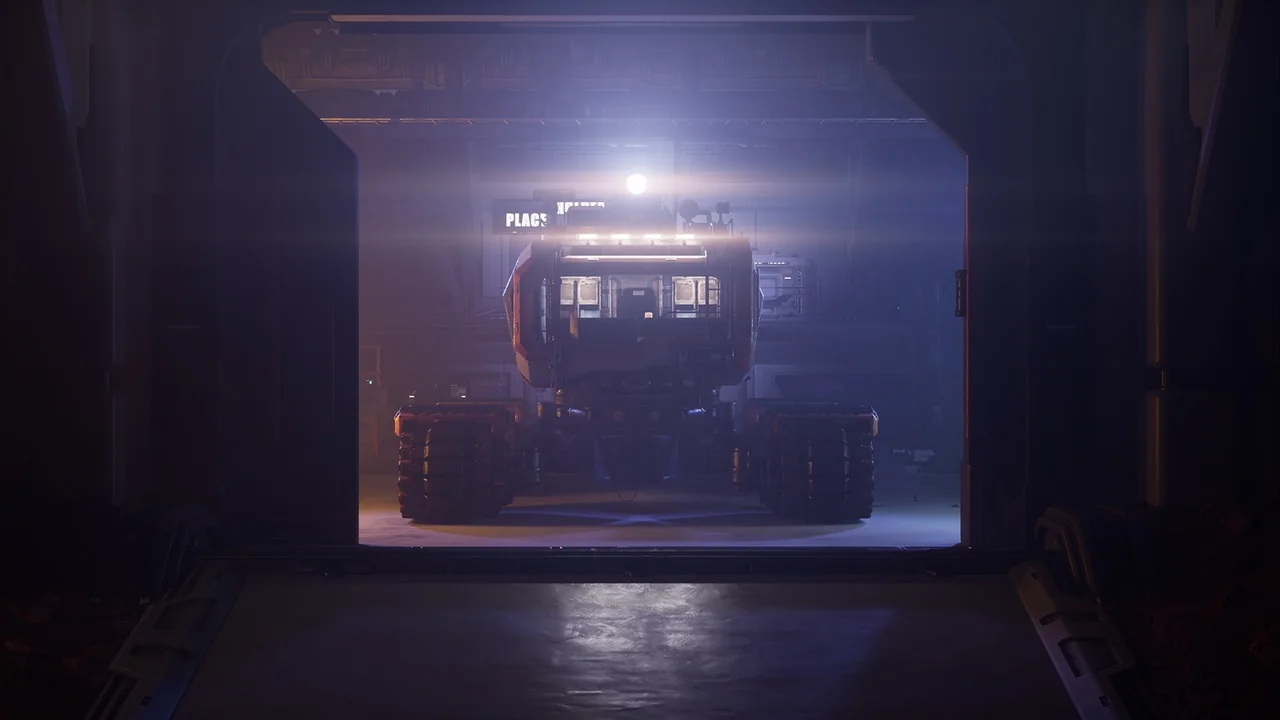
 Gameplay Features
 Sci-Fi
 Gameplay Features