"a338a1d501976271"{"id":"1001354","slug":"modular-underground-environment","title":"Modular Underground Environment","category":"Sci-Fi","engine":"4.16+,5.0+","assetVersion":"","engineVersion":"Engine Version: 4.16+,5.0+","tag":"Sci-Fi","accent":"blue","visual":"city","summary":"Build realistic lowpoly subterranean levels, bunkers, and research facilities in UE4 with the Modular Underground Environment modular asset pack.","platform":"Unreal Engine","publishedAt":"2026-10-04T10:22:21.557Z","updatedAt":"2026-10-04T10:22:21.557Z","sourceNotes":[],"fileContents":[],"compatibility":["Unreal Engine","Engine Version: 4.16+,5.0+"],"featuredImage":{"alt":"Modular Underground Environment","src":"https://media.fab.com/image_previews/gallery_images/a4276c3d-bd23-4728-b71c-dd59c5233301/d5ac6d9e-332f-4edc-ab24-7743dbad862e.png"},"hasDownloadLink":true,"downloads":0,"terms":[{"taxonomy":"category","slug":"sci-fi","name":"Sci-Fi"}],"galleryImages":[{"src":"/wp-content/uploads/published/2026/10/2995bd620c15-118ad1f8-bf45-45a0-a90f-4b7929d8d841-7f9ff9072f.webp","alt":"Modular Underground Environment"},{"src":"/wp-content/uploads/published/2026/10/c2ed74e11b9e-6709d228-484b-4c0b-b028-f5126a737743-b6db8a0ed5.webp","alt":"Modular Underground Environment"},{"src":"/wp-content/uploads/published/2026/10/e80d0fa25635-3bb00898-5936-4066-b39c-f9835d400b81-a656427ac9.webp","alt":"Modular Underground Environment"},{"src":"/wp-content/uploads/published/2026/10/b371540f2f02-bc1da4f3-19fd-433e-b365-5e4cae72f33f-54ff16d773.webp","alt":"Modular Underground Environment"},{"src":"/wp-content/uploads/published/2026/10/6d8207e0004b-e6482a88-d672-4f7c-9462-13d01659d6c0-8db2b836bb.webp","alt":"Modular Underground Environment"},{"src":"/wp-content/uploads/published/2026/10/5c543a97c076-1e26277d-b2ef-4a70-b6dc-4d56067fbccd-e55f5a9d8c.webp","alt":"Modular Underground Environment"},{"src":"/wp-content/uploads/published/2026/10/47c3b5d05da1-8249d14e-7ee6-40bc-bd2d-14e630efa12d-cfe2e65d0c.webp","alt":"Modular Underground Environment"}],"accessPanel":{"kind":"resource","title":"Download this resource","eyebrow":"Free Download","message":"Log in or create a free account to start your download.","fileName":"Content.7z","safetyNote":"Resources are manually reviewed before listing to improve quality and reduce obvious risks.","actionLabel":"Download Free","resourceType":"Resource archive"},"contentHtml":"\u003ch2\u003eConstructing Subterranean Spaces in Unreal Engine 4\u003c/h2\u003e\n\u003cp\u003eSubterranean level design presents specific structural demands. Enclosed corridors, pressurized access points, and fortified chambers require architectural consistency so wall sections, floor planes, and structural supports align cleanly across varying room heights. Modular Underground Environment serves as a foundational building set in Unreal Engine 4, tailored specifically for constructing underground networks, fallout shelters, subterranean research facilities, and secure bunker complexes.\u003c/p\u003e\n\u003cp\u003eThe pack is structured around modular geometry that can be adapted and altered by the developer. Instead of locking level builders into static, predefined chambers, the assets assemble into custom layouts suited to narrative walkthroughs, tactical combat spaces, or exploratory interiors. Pieces interlock seamlessly, eliminating unsightly seams or misaligned vertices that commonly break immersion in low-light subterranean settings.\u003c/p\u003e \u003ch2\u003eModular Underground Environment Layouts for Bunkers and Shelters\u003c/h2\u003e\n\u003cp\u003eBunker and shelter environments demand a realistic aesthetic balanced against practical performance targets. This asset collection relies on a realistic lowpoly design language, giving scenes an authentic, utilitarian appearance without overburdening engine rendering budgets. Wall slabs, structural frames, and interior partitions reflect the utilitarian construction typical of modern and cold-war-style underground defense shelters and containment centers.\u003c/p\u003e\n\u003cp\u003eBecause the models are built to connect logically, constructing multi-tiered interior networks becomes a predictable task. Level designers can start with a central command hub or containment chamber, then branch outwards using standardized junction points into drainage pathways, personnel quarters, laboratory alcoves, or mechanical shafts. The modular nature allows individual parts to be modified directly to accommodate specialized room proportions or custom doorway clearances, ensuring that repetition does not degrade the visual interest of expansive subterranean levels.\u003c/p\u003e \u003ch2\u003eBlueprint Implementation and First-Person Level Architecture\u003c/h2\u003e\n\u003cp\u003eSpatial readability is vital for first-person shooters and character-driven exploration titles. In an FPS context, player perspective sits close to interior walls, bulkheads, and environmental obstacles. Modular Underground Environment supports first-person perspectives through realistic surface treatments and disciplined proportions that maintain proper scale relative to player collision capsules.\u003c/p\u003e\n\u003cp\u003eTo accelerate map production, the package incorporates Blueprint integration. Rather than manually placing isolated static meshes and reconfiguring their parameters piece by piece, level designers can leverage Blueprints to speed up assembly, organize repeated compound structures, and manage interactive or configurable environmental components. This structure makes rapid prototyping straightforward: block out the main underground combat loop or puzzle corridor, test clearance distances against gameplay mechanics, and finalize the layout using the modular library.\u003c/p\u003e \u003ch2\u003eExpanding Into Research Facility Complexes\u003c/h2\u003e\n\u003cp\u003eUnderground bunkers often double as scientific outposts, classified testing installations, or secure bio-containment stations. The assets align directly with research center environments, functioning effectively for high-security underground installations where sterile research rooms transition into reinforced defensive shelters.\u003c/p\u003e\n\u003cp\u003eThe collection also links directly with the broader 4 IN 1 Modular Research Facility and Mega Bundle 2025 ecosystem. For developers orchestrating large-scale industrial or government complexes, this interoperability allows the subterranean bunker elements to connect seamlessly with broader surface research facilities, control centers, and environmental modules. Designers can transition a player from a surface-level laboratory complex deep into subterranean chambers using shared structural motifs and complementary modular proportions.\u003c/p\u003e \u003ch2\u003eWorkflow Suitability and Implementation\u003c/h2\u003e\n\u003cp\u003eDevelopers assembling games or interactive walk-throughs in Unreal Engine 4 gain the most utility from this package when fast prototyping and efficient resource handling are primary requirements. The lowpoly structural meshes keep draw calls and memory overhead manageable, making the pack suitable for dense interior levels that require extensive dynamic lighting, shadow casting, and volumetric atmospheric effects without dropping frame rates.\u003c/p\u003e\n\u003cp\u003eTeams building first-person shooters, survival games, or environmental puzzle adventures set within enclosed military or scientific centers can integrate the assets right out of the box. By relying on components that fit together naturally and support user modification, artists and designers spend less time correcting geometric misalignments and more time refining the layout, atmosphere, and pacing of their subterranean worlds.\u003c/p\u003e\n\n\u003ch2\u003eRelated Resources Worth Checking\u003c/h2\u003e\n\u003cul\u003e\n\u003cli\u003e\u003ca href=\"https://3dcghub.com/modular-sci-fi-quarry-environment/\" title=\"Modular Sci-Fi Quarry Environment\"\u003eModular Sci-Fi Quarry Environment\u003c/a\u003e\u003c/li\u003e\n\u003cli\u003e\u003ca href=\"https://3dcghub.com/underground-sci-fi/\" title=\"Underground Sci-Fi\"\u003eUnderground Sci-Fi\u003c/a\u003e\u003c/li\u003e\n\u003cli\u003e\u003ca href=\"https://3dcghub.com/cyberpunk-street-assets/\" title=\"Cyberpunk street assets\"\u003eCyberpunk street assets\u003c/a\u003e\u003c/li\u003e\n\u003cli\u003e\u003ca href=\"https://3dcghub.com/modular-sci-fi-station/\" title=\"Modular Sci-Fi Station\"\u003eModular Sci-Fi Station\u003c/a\u003e\u003c/li\u003e\n\u003cli\u003e\u003ca href=\"https://3dcghub.com/spectrum-galaxy-modular-sci-fi-environment-kit/\" title=\"Spectrum Galaxy | Modular Sci-Fi Environment Kit\"\u003eSpectrum Galaxy | Modular Sci-Fi Environment Kit\u003c/a\u003e\u003c/li\u003e\n\u003c/ul\u003e","contentTextLength":5138,"navigation":{"current":48,"total":3338,"previous":{"id":"1001355","slug":"nature-materials-ice","title":"Nature Materials Ice","category":"Cities","platform":"Unreal Engine","updatedAt":"2026-10-04T10:24:11.372Z"},"next":{"id":"1001353","slug":"modern-action-rock-music-pack","title":"Modern Action Rock Music Pack","category":"Music","platform":"Unreal Engine","updatedAt":"2026-10-04T10:21:44.757Z"}},"relatedResources":[{"id":"1001106","slug":"modular-sci-fi-quarry-environment","title":"Modular Sci-Fi Quarry Environment","category":"Sci-Fi","engine":"4.26+,5.0+","assetVersion":"","engineVersion":"Engine Version: 4.26+,5.0+","tag":"Sci-Fi","accent":"blue","visual":"city","summary":"A modular sci-fi quarry environment for UE4/UE5 with fit-together parts and customizable materials for building large underground spaces. Includes tutorial, vid","platform":"Unreal Engine","publishedAt":"2026-09-07T05:54:31.086Z","updatedAt":"2026-09-07T05:54:31.086Z","sourceNotes":[],"fileContents":[],"compatibility":["Unreal Engine","Engine Version: 4.26+,5.0+"],"featuredImage":{"alt":"Modular Sci-Fi Quarry Environment","src":"/wp-content/uploads/published/2026/09/f32ade7cf9dd-fad7efa4-885c-4a61-bf93-af53aef3ddda-c597b0b3b0.webp"},"hasDownloadLink":true,"downloads":0},{"id":"9693","slug":"underground-sci-fi","title":"Underground Sci-Fi","category":"Sci-Fi","engine":"4.26+,5.0+","assetVersion":"Engine version: 4.26+,5.0+","engineVersion":"4.19","tag":"Sci-Fi","accent":"blue","visual":"city","summary":"Build realistic and original futuristic environments using this modular Underground Sci-Fi asset pack. Featuring customizable materials, it is perfect for bunkers, research facilities, and spaceships.","platform":"Unreal Engine","publishedAt":"2026-03-01T17:35:44.000Z","updatedAt":"2026-04-19T15:51:02.000Z","sourceNotes":[],"fileContents":[],"compatibility":["Unreal Engine","Engine version: 4.26+,5.0+"],"featuredImage":{"alt":"Underground Sci-Fi","src":"https://3dcghub.com/wp-content/uploads/2026/03/6efb3c05-0372-4046-bbcb-953c3661bebd.webp"},"hasDownloadLink":true,"downloads":0},{"id":"1001366","slug":"starcluster-pack","title":"StarCluster Pack","category":"Sci-Fi","engine":"4.18+,5.0+","assetVersion":"","engineVersion":"Engine Version: 4.18+,5.0+","tag":"Sci-Fi","accent":"blue","visual":"mech","summary":"StarCluster Pack provides simulation-based FBX star clusters with embedded attributes, color ramps, and NeuroFractals Pack compatibility for space levels.","platform":"Unreal Engine","publishedAt":"2026-10-04T10:34:32.280Z","updatedAt":"2026-10-04T10:34:32.280Z","sourceNotes":[],"fileContents":[],"compatibility":["Unreal Engine","Engine Version: 4.18+,5.0+"],"featuredImage":{"alt":"StarCluster Pack","src":"/wp-content/uploads/published/2026/10/2f740ed7ead3-3c44b2cd-45fe-4b72-a2ca-d33ff1743043-e9ba075c24.webp"},"hasDownloadLink":true,"downloads":0}]}
Sci-Fi
Modular Underground Environment
Build realistic lowpoly subterranean levels, bunkers, and research facilities in UE4 with the Modular Underground Environment modular asset pack.
Category:Unreal Engine,Sci-FiPlatform: Unreal EngineEngine Version: 4.16+,5.0+Published: Oct 4, 2026
Sci-Fi
Resource overview
Constructing Subterranean Spaces in Unreal Engine 4
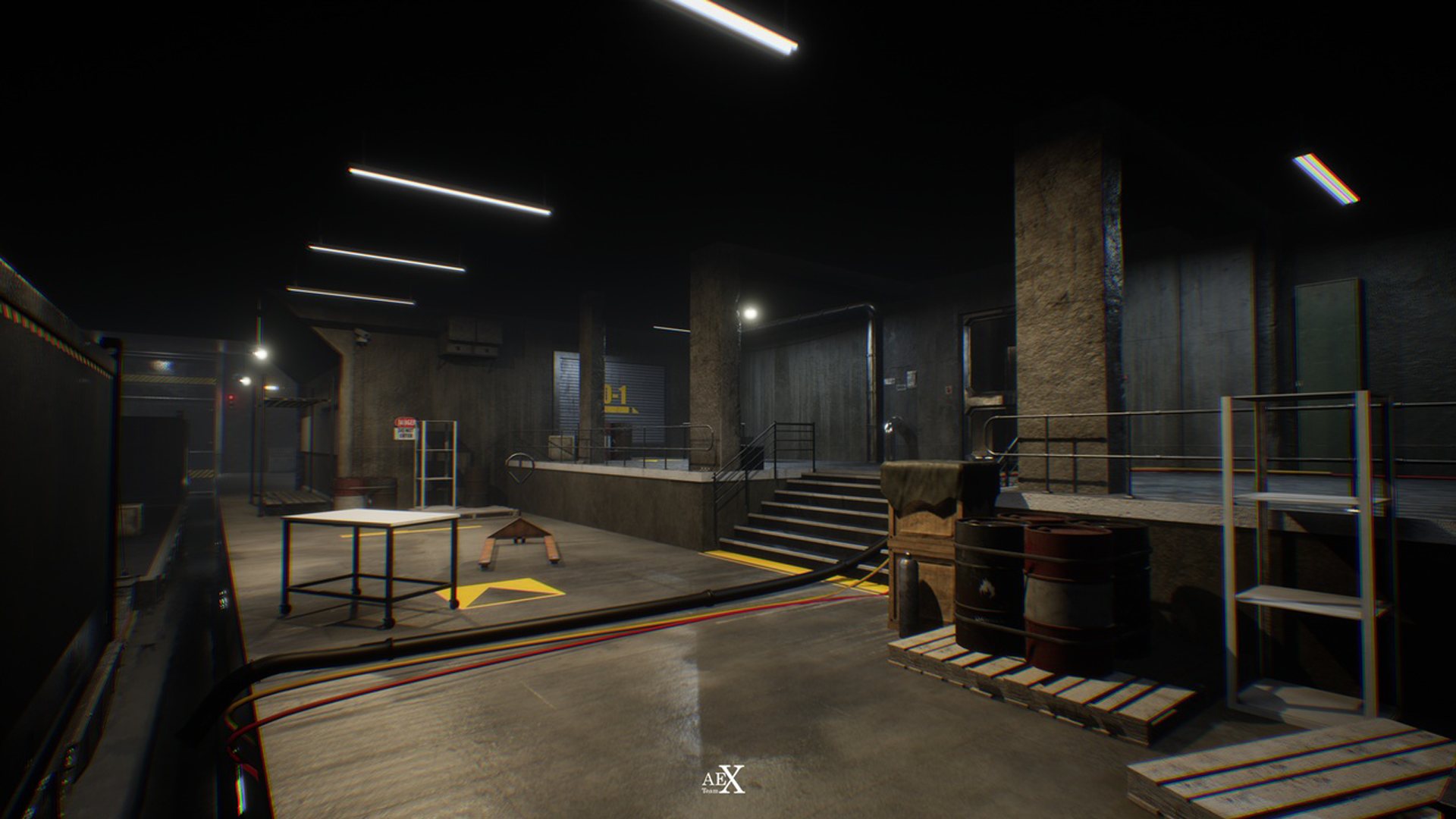
Subterranean level design presents specific structural demands. Enclosed corridors, pressurized access points, and fortified chambers require architectural consistency so wall sections, floor planes, and structural supports align cleanly across varying room heights. Modular Underground Environment serves as a foundational building set in Unreal Engine 4, tailored specifically for constructing underground networks, fallout shelters, subterranean research facilities, and secure bunker complexes.
The pack is structured around modular geometry that can be adapted and altered by the developer. Instead of locking level builders into static, predefined chambers, the assets assemble into custom layouts suited to narrative walkthroughs, tactical combat spaces, or exploratory interiors. Pieces interlock seamlessly, eliminating unsightly seams or misaligned vertices that commonly break immersion in low-light subterranean settings.
Modular Underground Environment Layouts for Bunkers and Shelters
Bunker and shelter environments demand a realistic aesthetic balanced against practical performance targets. This asset collection relies on a realistic lowpoly design language, giving scenes an authentic, utilitarian appearance without overburdening engine rendering budgets. Wall slabs, structural frames, and interior partitions reflect the utilitarian construction typical of modern and cold-war-style underground defense shelters and containment centers.
Because the models are built to connect logically, constructing multi-tiered interior networks becomes a predictable task. Level designers can start with a central command hub or containment chamber, then branch outwards using standardized junction points into drainage pathways, personnel quarters, laboratory alcoves, or mechanical shafts. The modular nature allows individual parts to be modified directly to accommodate specialized room proportions or custom doorway clearances, ensuring that repetition does not degrade the visual interest of expansive subterranean levels.
Blueprint Implementation and First-Person Level Architecture
Spatial readability is vital for first-person shooters and character-driven exploration titles. In an FPS context, player perspective sits close to interior walls, bulkheads, and environmental obstacles. Modular Underground Environment supports first-person perspectives through realistic surface treatments and disciplined proportions that maintain proper scale relative to player collision capsules.
To accelerate map production, the package incorporates Blueprint integration. Rather than manually placing isolated static meshes and reconfiguring their parameters piece by piece, level designers can leverage Blueprints to speed up assembly, organize repeated compound structures, and manage interactive or configurable environmental components. This structure makes rapid prototyping straightforward: block out the main underground combat loop or puzzle corridor, test clearance distances against gameplay mechanics, and finalize the layout using the modular library.
Expanding Into Research Facility Complexes
Underground bunkers often double as scientific outposts, classified testing installations, or secure bio-containment stations. The assets align directly with research center environments, functioning effectively for high-security underground installations where sterile research rooms transition into reinforced defensive shelters.
The collection also links directly with the broader 4 IN 1 Modular Research Facility and Mega Bundle 2025 ecosystem. For developers orchestrating large-scale industrial or government complexes, this interoperability allows the subterranean bunker elements to connect seamlessly with broader surface research facilities, control centers, and environmental modules. Designers can transition a player from a surface-level laboratory complex deep into subterranean chambers using shared structural motifs and complementary modular proportions.
Workflow Suitability and Implementation
Developers assembling games or interactive walk-throughs in Unreal Engine 4 gain the most utility from this package when fast prototyping and efficient resource handling are primary requirements. The lowpoly structural meshes keep draw calls and memory overhead manageable, making the pack suitable for dense interior levels that require extensive dynamic lighting, shadow casting, and volumetric atmospheric effects without dropping frame rates.
Teams building first-person shooters, survival games, or environmental puzzle adventures set within enclosed military or scientific centers can integrate the assets right out of the box. By relying on components that fit together naturally and support user modification, artists and designers spend less time correcting geometric misalignments and more time refining the layout, atmosphere, and pacing of their subterranean worlds.
 Sci-Fi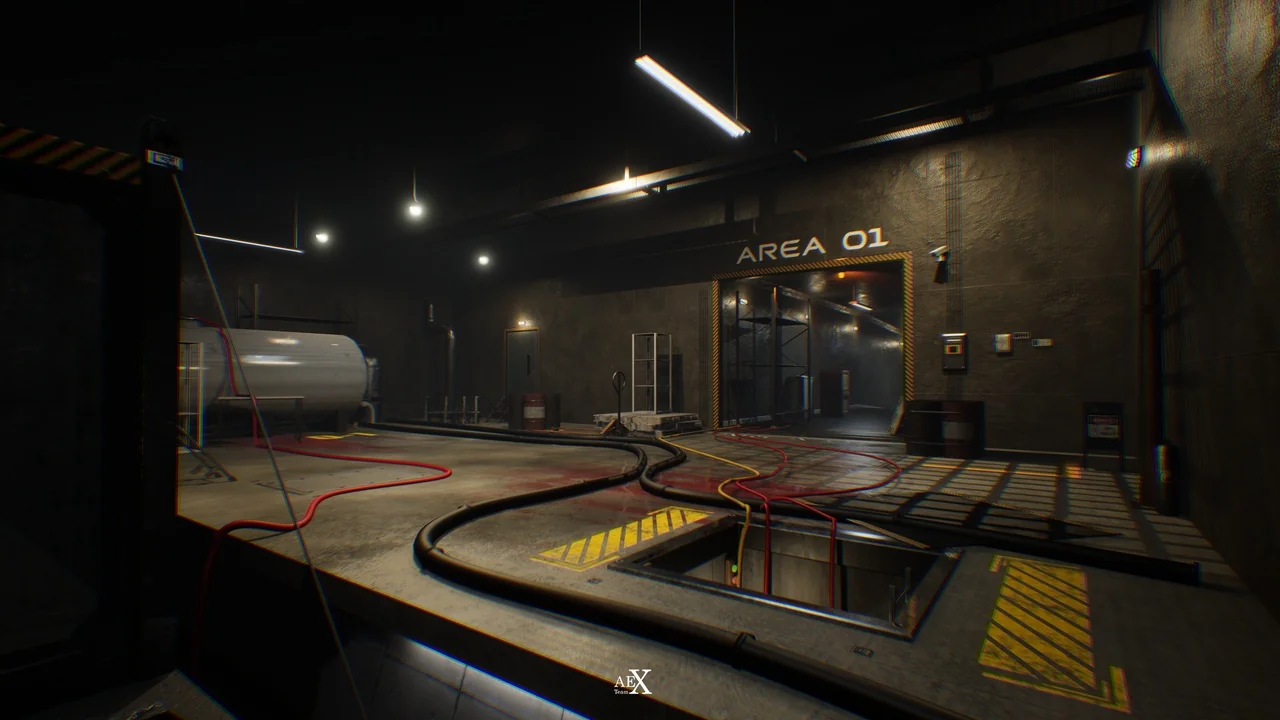
 Sci-Fi
 Sci-Fi
 Sci-Fi