"c14ff6bd758dadb1"{"id":"1001770","slug":"underground-corridors","title":"Underground Corridors","category":"Sci-Fi","engine":"4.19+,5.0+","assetVersion":"","engineVersion":"Engine Version: 4.19+,5.0+","tag":"Sci-Fi","accent":"blue","visual":"mech","summary":"Explore Underground Corridors, a collection of gloomy, mossy materials, textures, and simplistic props tailored for dark cave and corridor environments.","platform":"Unreal Engine","publishedAt":"2026-10-20T03:17:53.023Z","updatedAt":"2026-10-20T03:17:53.023Z","sourceNotes":[],"fileContents":[],"compatibility":["Unreal Engine","Engine Version: 4.19+,5.0+"],"featuredImage":{"alt":"Underground Corridors","src":"/wp-content/uploads/published/2026/10/8dfe34468dc5-1892fb4d-481e-40ed-8bc0-3a2fa037a02c-d34aabfccb.webp"},"hasDownloadLink":true,"downloads":0,"terms":[{"taxonomy":"category","slug":"sci-fi","name":"Sci-Fi"}],"galleryImages":[{"src":"/wp-content/uploads/published/2026/10/c2114d144df4-b4b312b9-3e36-4808-8e7a-55c8de03276a-a581c41b56.webp","alt":"Underground Corridors"},{"src":"/wp-content/uploads/published/2026/10/7b1cbad2ce0b-69f20827-7d27-437c-8ea9-6b7a28bb5abe-725f1b7b28.webp","alt":"Underground Corridors"},{"src":"/wp-content/uploads/published/2026/10/0d019f9a6940-deec9a5e-ab9d-4476-a92b-642d3a8e02eb-6904937ee5.webp","alt":"Underground Corridors"},{"src":"/wp-content/uploads/published/2026/10/c9e8732f3b46-ba491c5f-4291-4a34-b3f4-fa33d9bbf3fa-13e588e550.webp","alt":"Underground Corridors"},{"src":"/wp-content/uploads/published/2026/10/5fa6fcb529fc-cf61ffe3-21f1-40b5-bb75-350e76fc856b-7a6ff815d0.webp","alt":"Underground Corridors"},{"src":"/wp-content/uploads/published/2026/10/78b1b53d7eee-d2ee5406-866b-4aa1-a92d-539d521083f5-91c2d0d76a.webp","alt":"Underground Corridors"},{"src":"/wp-content/uploads/published/2026/10/249b41f5a01c-75e9b89c-baa2-4064-8e00-9301f74c5d76-033477b071.webp","alt":"Underground Corridors"},{"src":"/wp-content/uploads/published/2026/10/5e073af00bc4-381852e9-5c68-4942-a1e9-4316bcdfe6b4-ed57ebcb06.webp","alt":"Underground Corridors"},{"src":"/wp-content/uploads/published/2026/10/b6e240e5cadc-aae8afff-d1e5-4db8-a1b5-29f587d872ad-1a52f36a94.webp","alt":"Underground Corridors"}],"accessPanel":{"kind":"resource","title":"Download this resource","eyebrow":"Free Download","message":"Log in or create a free account to start your download.","fileName":"Content.7z","safetyNote":"Resources are manually reviewed before listing to improve quality and reduce obvious risks.","actionLabel":"Download Free","resourceType":"Resource archive"},"contentHtml":"\u003cp\u003eSubterranean settings in games rely heavily on damp, uninviting surfaces to convey age, neglect, and danger. When staging a forgotten subterranean complex, the transition between structured passages and rugged geological formations sets the emotional tone for exploration. Underground Corridors provides gloomy, dark, and mossy materials, textures, and simplistic props planned specifically for crafting forgotten environments. By joining damp stone surfaces with structural wall assets, the package gives level designers direct tools to shape eerie gaming paths beneath the surface.\u003c/p\u003e \u003ch2\u003eStructuring Forgotten Environments with Dark Underground Corridors\u003c/h2\u003e\n\u003cp\u003eCreating believable underground spaces requires balancing rigid architecture with centuries of undisturbed decay. In game production, corridors serve as pacing mechanisms, funneling players between larger chambers, creating tension, or directing lines of sight. Underground Corridors frames these paths through a deliberately gloomy and dark presentation. The darkness embedded in the materials helps artists sculpt areas where visibility is naturally constrained, urging players to rely on lanterns, torches, or localized spell effects to map their immediate surroundings.\u003c/p\u003e\n\u003cp\u003eThe visual identity throughout these subterranean structures leans into neglect. Instead of pristine stonework or heavily ornate architecture, the surfaces emphasize age and environmental decay. Forgotten environments demand surfaces that appear weathered by moisture, stagnant air, and deep subterranean isolation. Setting up structural passages with these gloomy textures establishes an immediate narrative context: these hallways were abandoned long ago, leaving stone surfaces to weather in total darkness.\u003c/p\u003e \u003ch2\u003eMossy Materials and Wall Textures in Subterranean Layouts\u003c/h2\u003e\n\u003cp\u003eSurface treatment dictates how wet, aged, or threatening an underground passage feels. Underground Corridors incorporates mossy materials and textures that reflect persistent subterranean moisture. Damp environments naturally invite vegetative growth along stone seams, floor edges, and wall bases. Applying these mossy textures across wall sections breaks up monotone masonry, providing natural variation that prevents continuous corridor stretches from looking uniform or repetitive.\u003c/p\u003e\n\u003cp\u003eWall surfaces form the dominant visual element within any narrow tunnel or hallway. In gameplay, players spend extensive time moving in close proximity to these boundaries, making texture depth critical for visual immersion. The mossy detailing provides visual contrast against darker rock faces, emphasizing patches where moisture accumulates. Level artists can utilize these moss-covered areas to subtly guide players through winding pathways, placing greener, damp zones near water runoffs or subterranean springs to reinforce ecological consistency within the level design.\u003c/p\u003e \u003ch2\u003ePlacement of Simplistic Props in Gloomy Pathways\u003c/h2\u003e\n\u003cp\u003eNavigating tight underground corridors requires careful prop placement to avoid cluttering navigation meshes while maintaining atmospheric richness. Underground Corridors supplies simplistic props designed to accompany the broader environmental materials. Simplistic props are particularly advantageous in corridor layout because they preserve clean collision boundaries and maintain readable player pathways during fast-paced movement or combat encounters.\u003c/p\u003e\n\u003cp\u003eBy keeping prop assets restrained, the focus stays on spatial silhouette, gloom, and environmental dread. Dressing a hallway with minimal, deliberate objects lets level designers hint at prior human or creature presence without turning a narrow walkway into an obstacle course. Scattering these props along wall alcoves, passage intersections, or partially collapsed sections reinforces the forgotten nature of the site while keeping gameplay fluid and legible.\u003c/p\u003e \u003ch2\u003eConnecting Corridor Geometry with Organic Caves\u003c/h2\u003e\n\u003cp\u003eA frequent challenge in underground game level construction is linking engineered architectural spaces with raw geological caverns. Underground Corridors holds verified compatibility with organic caves, making it an effective toolkit for staging transitional zones. Abandoned mines, excavated temple crypts, and ancient fortress basements rarely exist in isolation; they inevitably collide with natural subterranean topography.\u003c/p\u003e\n\u003cp\u003eBlending the structural wall elements and mossy materials of Underground Corridors into organic caves allows for continuous environmental transitions. Artists can stage sections where structured stone walls gradually give way to uneven rock walls, broken floor seams, and natural cave openings. Because the visual language across the materials remains dark, gloomy, and moss-laden, the visual seam between carved masonry and natural cavern stone remains cohesive, preventing abrupt aesthetic shifts that might pull players out of the experience.\u003c/p\u003e \u003ch2\u003eProduction Applications for Dark Environmental Level Design\u003c/h2\u003e\n\u003cp\u003eEnvironmental storytelling in underground game settings depends heavily on atmospheric coherence. With its dark, mossy materials, textured wall components, and restrained props, Underground Corridors suits projects that require deep mood over complex mechanical ornament. Adventure games, dark fantasy role-playing titles, survival horror projects, and subterranean dungeon crawlers all share a recurring need for corridors that convey danger and forgotten history.\u003c/p\u003e\n\u003cp\u003eDevelopers staging dungeon levels can deploy these assets to build foundational circulation spaces—the narrow connectors that join crypt chambers, cavernous monster lairs, and hidden subterranean vaults. Because the props remain simplistic and the materials center on universal themes of rock, wall, and moss, the components integrate smoothly across various modular construction pipelines. Teams focused on crafting tension, claustrophobia, and exploration will find these assets directly supportive of gloomy, subterranean gameplay.\u003c/p\u003e\n\n\u003ch2\u003eMore From The Same Workflow\u003c/h2\u003e\n\u003cul\u003e\n\u003cli\u003e\u003ca href=\"https://3dcghub.com/modular-sci-fi-interior/\" title=\"Modular Sci-Fi Interior\"\u003eModular Sci-Fi Interior\u003c/a\u003e\u003c/li\u003e\n\u003cli\u003e\u003ca href=\"https://3dcghub.com/scifi-corridor-environment/\" title=\"SciFi Corridor Environment\"\u003eSciFi Corridor Environment\u003c/a\u003e\u003c/li\u003e\n\u003cli\u003e\u003ca href=\"https://3dcghub.com/sci-fi-interior-pack/\" title=\"Sci-Fi Interior Pack\"\u003eSci-Fi Interior Pack\u003c/a\u003e\u003c/li\u003e\n\u003cli\u003e\u003ca href=\"https://3dcghub.com/modular-sci-fi-quarry-environment/\" title=\"Modular Sci-Fi Quarry Environment\"\u003eModular Sci-Fi Quarry Environment\u003c/a\u003e\u003c/li\u003e\n\u003cli\u003e\u003ca href=\"https://3dcghub.com/sci-fi-hangar/\" title=\"Sci-Fi Hangar\"\u003eSci-Fi Hangar\u003c/a\u003e\u003c/li\u003e\n\u003c/ul\u003e","contentTextLength":6057,"navigation":{"current":13,"total":3719,"previous":{"id":"1001771","slug":"wetland-sanctuary-environment-wetland-sanctuary-cyberpunk-cyberpunk-fantasy","title":"Wetland Sanctuary Environment ( Wetland Sanctuary Cyberpunk Cyberpunk Fantasy )","category":"Cyberpunk","platform":"Unreal Engine","updatedAt":"2026-10-20T03:20:47.952Z"},"next":{"id":"1001769","slug":"tv-studio-environment-set","title":"TV Studio Environment Set","category":"Interior","platform":"Unreal Engine","updatedAt":"2026-10-20T03:16:58.432Z"}},"relatedResources":[{"id":"1001680","slug":"modular-sci-fi-interior","title":"Modular Sci-Fi Interior","category":"Sci-Fi","engine":"4.26+,5.0+","assetVersion":"","engineVersion":"Engine Version: 4.26+,5.0+","tag":"Sci-Fi","accent":"blue","visual":"mech","summary":"Build AAA spaceship corridors, engineering bays, and laboratories with Modular Sci-Fi Interior, featuring 68 compatible parts and customizable materials.","platform":"Unreal Engine","publishedAt":"2026-10-13T15:31:32.670Z","updatedAt":"2026-10-13T15:31:32.670Z","sourceNotes":[],"fileContents":[],"compatibility":["Unreal Engine","Engine Version: 4.26+,5.0+"],"featuredImage":{"alt":"Modular Sci-Fi Interior","src":"/wp-content/uploads/published/2026/10/5f742de1385a-81f27987-eea8-4083-8247-e2f32ed77b80-110aed85b4.webp"},"hasDownloadLink":true,"downloads":1},{"id":"1001665","slug":"scifi-corridor-environment","title":"SciFi Corridor Environment","category":"Sci-Fi","engine":"4.20+,5.0+","assetVersion":"","engineVersion":"Engine Version: 4.20+,5.0+","tag":"Sci-Fi","accent":"blue","visual":"city","summary":"Explore the SciFi Corridor Environment, a modular lowpoly level scene built for current gen games with customizable PBR materials and prop compatibility.","platform":"Unreal Engine","publishedAt":"2026-10-13T15:05:15.324Z","updatedAt":"2026-10-13T15:05:15.324Z","sourceNotes":[],"fileContents":[],"compatibility":["Unreal Engine","Engine Version: 4.20+,5.0+"],"featuredImage":{"alt":"SciFi Corridor Environment","src":"/wp-content/uploads/published/2026/10/522388a562b7-365997bb-848d-475f-be61-3d69c5e3307e-42292051e6.webp"},"hasDownloadLink":true,"downloads":1},{"id":"1001660","slug":"sci-fi-interior-pack","title":"Sci-Fi Interior Pack","category":"Sci-Fi","engine":"4.16+,5.0+","assetVersion":"","engineVersion":"Engine Version: 4.16+,5.0+","tag":"Sci-Fi","accent":"blue","visual":"mech","summary":"Build AAA sci-fi corridors, rooms, and space station halls with the modular meshes, props, and realistic PBR materials in the Sci-Fi Interior Pack.","platform":"Unreal Engine","publishedAt":"2026-10-13T14:49:18.243Z","updatedAt":"2026-10-13T14:49:18.243Z","sourceNotes":[],"fileContents":[],"compatibility":["Unreal Engine","Engine Version: 4.16+,5.0+"],"featuredImage":{"alt":"Sci-Fi Interior Pack","src":"/wp-content/uploads/published/2026/10/feeee675490c-ab3f77c7-91c9-47ea-82e1-43d047947c91-e6293b0541.webp"},"hasDownloadLink":true,"downloads":1}]}
Sci-Fi
Underground Corridors
Explore Underground Corridors, a collection of gloomy, mossy materials, textures, and simplistic props tailored for dark cave and corridor environments.
Category:Unreal Engine,Sci-FiPlatform: Unreal EngineEngine Version: 4.19+,5.0+Published: Oct 20, 2026
Sci-Fi
Resource overview
Subterranean settings in games rely heavily on damp, uninviting surfaces to convey age, neglect, and danger. When staging a forgotten subterranean complex, the transition between structured passages and rugged geological formations sets the emotional tone for exploration. Underground Corridors provides gloomy, dark, and mossy materials, textures, and simplistic props planned specifically for crafting forgotten environments. By joining damp stone surfaces with structural wall assets, the package gives level designers direct tools to shape eerie gaming paths beneath the surface.
Structuring Forgotten Environments with Dark Underground Corridors
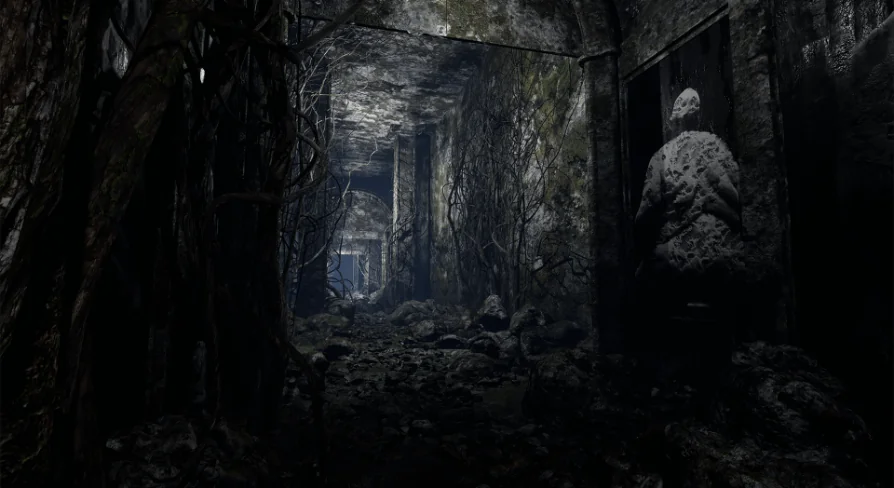
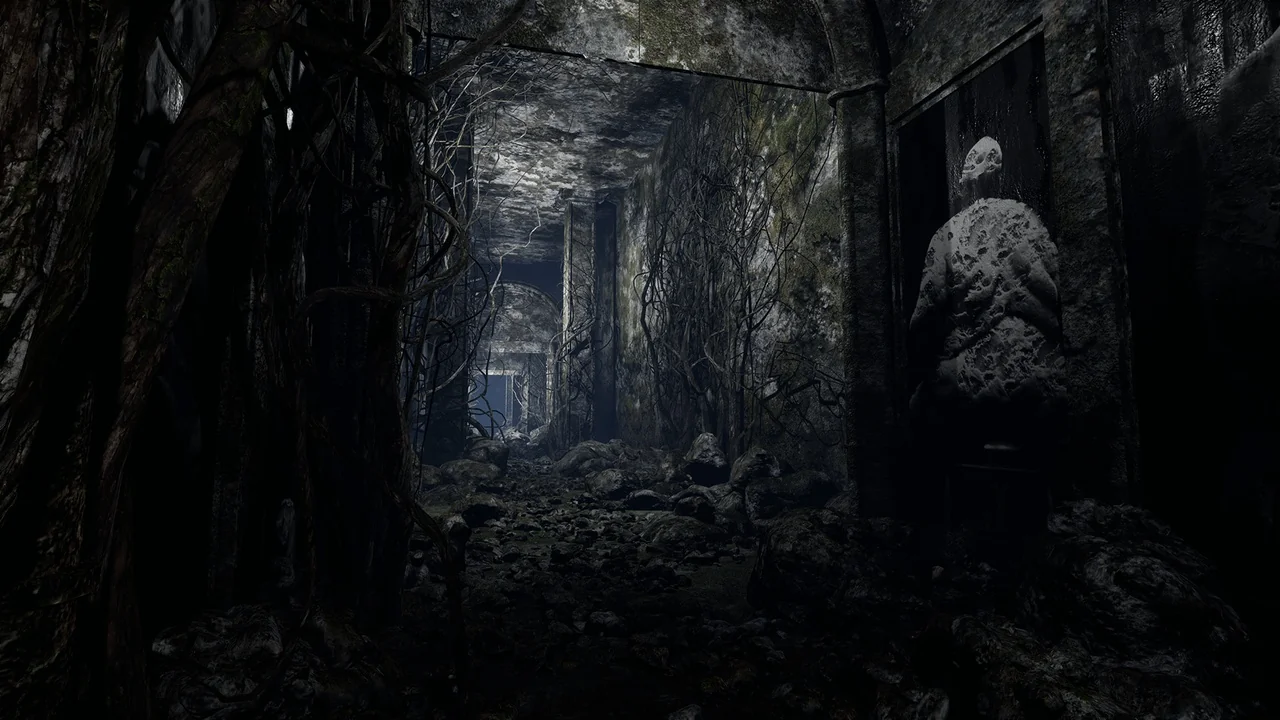
Creating believable underground spaces requires balancing rigid architecture with centuries of undisturbed decay. In game production, corridors serve as pacing mechanisms, funneling players between larger chambers, creating tension, or directing lines of sight. Underground Corridors frames these paths through a deliberately gloomy and dark presentation. The darkness embedded in the materials helps artists sculpt areas where visibility is naturally constrained, urging players to rely on lanterns, torches, or localized spell effects to map their immediate surroundings.
The visual identity throughout these subterranean structures leans into neglect. Instead of pristine stonework or heavily ornate architecture, the surfaces emphasize age and environmental decay. Forgotten environments demand surfaces that appear weathered by moisture, stagnant air, and deep subterranean isolation. Setting up structural passages with these gloomy textures establishes an immediate narrative context: these hallways were abandoned long ago, leaving stone surfaces to weather in total darkness.
Mossy Materials and Wall Textures in Subterranean Layouts
Surface treatment dictates how wet, aged, or threatening an underground passage feels. Underground Corridors incorporates mossy materials and textures that reflect persistent subterranean moisture. Damp environments naturally invite vegetative growth along stone seams, floor edges, and wall bases. Applying these mossy textures across wall sections breaks up monotone masonry, providing natural variation that prevents continuous corridor stretches from looking uniform or repetitive.
Wall surfaces form the dominant visual element within any narrow tunnel or hallway. In gameplay, players spend extensive time moving in close proximity to these boundaries, making texture depth critical for visual immersion. The mossy detailing provides visual contrast against darker rock faces, emphasizing patches where moisture accumulates. Level artists can utilize these moss-covered areas to subtly guide players through winding pathways, placing greener, damp zones near water runoffs or subterranean springs to reinforce ecological consistency within the level design.
Placement of Simplistic Props in Gloomy Pathways
Navigating tight underground corridors requires careful prop placement to avoid cluttering navigation meshes while maintaining atmospheric richness. Underground Corridors supplies simplistic props designed to accompany the broader environmental materials. Simplistic props are particularly advantageous in corridor layout because they preserve clean collision boundaries and maintain readable player pathways during fast-paced movement or combat encounters.
By keeping prop assets restrained, the focus stays on spatial silhouette, gloom, and environmental dread. Dressing a hallway with minimal, deliberate objects lets level designers hint at prior human or creature presence without turning a narrow walkway into an obstacle course. Scattering these props along wall alcoves, passage intersections, or partially collapsed sections reinforces the forgotten nature of the site while keeping gameplay fluid and legible.
Connecting Corridor Geometry with Organic Caves
A frequent challenge in underground game level construction is linking engineered architectural spaces with raw geological caverns. Underground Corridors holds verified compatibility with organic caves, making it an effective toolkit for staging transitional zones. Abandoned mines, excavated temple crypts, and ancient fortress basements rarely exist in isolation; they inevitably collide with natural subterranean topography.
Blending the structural wall elements and mossy materials of Underground Corridors into organic caves allows for continuous environmental transitions. Artists can stage sections where structured stone walls gradually give way to uneven rock walls, broken floor seams, and natural cave openings. Because the visual language across the materials remains dark, gloomy, and moss-laden, the visual seam between carved masonry and natural cavern stone remains cohesive, preventing abrupt aesthetic shifts that might pull players out of the experience.
Production Applications for Dark Environmental Level Design
Environmental storytelling in underground game settings depends heavily on atmospheric coherence. With its dark, mossy materials, textured wall components, and restrained props, Underground Corridors suits projects that require deep mood over complex mechanical ornament. Adventure games, dark fantasy role-playing titles, survival horror projects, and subterranean dungeon crawlers all share a recurring need for corridors that convey danger and forgotten history.
Developers staging dungeon levels can deploy these assets to build foundational circulation spaces—the narrow connectors that join crypt chambers, cavernous monster lairs, and hidden subterranean vaults. Because the props remain simplistic and the materials center on universal themes of rock, wall, and moss, the components integrate smoothly across various modular construction pipelines. Teams focused on crafting tension, claustrophobia, and exploration will find these assets directly supportive of gloomy, subterranean gameplay.
 Sci-Fi
 Sci-Fi
 Sci-Fi
 Sci-Fi