"a338a1d501976271"{"id":"1001383","slug":"classic-mansion","title":"Classic Mansion","category":"Interior","engine":"4.24+,5.0+","assetVersion":"","engineVersion":"Engine Version: 4.24+,5.0+","tag":"Interior","accent":"blue","visual":"mech","summary":"Explore Classic Mansion, a game environment featuring modular structural meshes, detailed furniture, and customizable blueprints for horror level design.","platform":"Unreal Engine","publishedAt":"2026-10-04T13:56:00.563Z","updatedAt":"2026-10-04T13:56:00.563Z","sourceNotes":[],"fileContents":[],"compatibility":["Unreal Engine","Engine Version: 4.24+,5.0+"],"featuredImage":{"alt":"Classic Mansion","src":"/wp-content/uploads/published/2026/10/b58971168642-8a8b57a0-d536-468f-8b52-2eab4e74c99b-5801179d5a.webp"},"hasDownloadLink":true,"downloads":1,"terms":[{"taxonomy":"category","slug":"interior","name":"Interior"}],"galleryImages":[{"src":"/wp-content/uploads/published/2026/10/aea39d0dd7fd-d1e641fe-0fd6-4f66-b92f-2d0fea16b160-142bc61f4e.webp","alt":"Classic Mansion"},{"src":"/wp-content/uploads/published/2026/10/1b8f06ad559d-4752e027-4bd1-4067-9fd3-a3a9f73fd06c-f299d245da.webp","alt":"Classic Mansion"},{"src":"/wp-content/uploads/published/2026/10/8820fb42ac18-8bee983f-6ec3-484b-8d60-c5ca259c7472-d15a37af48.webp","alt":"Classic Mansion"},{"src":"/wp-content/uploads/published/2026/10/f8ca26146278-ae2b74df-4283-473c-ab78-182b81b31220-102c48691d.webp","alt":"Classic Mansion"},{"src":"/wp-content/uploads/published/2026/10/8db38d13972d-f9247893-4214-4e7e-938b-347cac5954f8-05778ee57c.webp","alt":"Classic Mansion"},{"src":"/wp-content/uploads/published/2026/10/0743aac213b1-6f77d373-ad53-47bf-a1a0-7ed1a2fd6c48-a62339f050.webp","alt":"Classic Mansion"},{"src":"/wp-content/uploads/published/2026/10/1b1eeb56c526-7bd431a2-d5de-4e39-8cde-1ce27ec9eefd-d3cef2fae0.webp","alt":"Classic Mansion"},{"src":"/wp-content/uploads/published/2026/10/cf00f43503d6-a5b89645-715b-4dcc-9d2f-3293ab13e9fa-22bae80240.webp","alt":"Classic Mansion"},{"src":"/wp-content/uploads/published/2026/10/1aa262e428d8-6e556036-07d7-40ce-a811-1b5a90ce610b-b1a3ef76b9.webp","alt":"Classic Mansion"},{"src":"/wp-content/uploads/published/2026/10/650a9afb91d3-03daf51d-2cba-48a1-a78d-2c4bd72c91bb-e43410a5ab.webp","alt":"Classic Mansion"}],"accessPanel":{"kind":"resource","title":"Download this resource","eyebrow":"Free Download","message":"Log in or create a free account to start your download.","fileName":"Classic Mansion.7z","safetyNote":"Resources are manually reviewed before listing to improve quality and reduce obvious risks.","actionLabel":"Download Free","resourceType":"Resource archive"},"contentHtml":"\u003ch2\u003eConstructing Manor Architecture with Modular Structural Meshes\u003c/h2\u003e\u003cp\u003eAssembling large residential spaces requires a systematic approach to geometry. Classic Mansion provides modular structural meshes that let developers piece together distinct room shapes, expansive hallways, and multi-story home layouts. Because the structural components conform to a modular tileset, wall junctions, floor boundaries, and ceiling spans align cleanly. This structure enables rapid iteration when blocking out floor plans, whether the target space is a sprawling estate with multiple wings or a compact domestic interior.\u003c/p\u003e\u003cp\u003eUsing a modular system prevents the visual repetition that often plagues architectural environments. Level designers can alternate structural wall pieces, reposition entryways, and adjust internal partitions to create labyrinthine floor plans. In horror game development, spatial pacing is critical; long corridors can build anticipation, while sudden choke points or blind corners heighten player vulnerability. The modular tilesets provide the flexibility needed to test these spatial relationships early in level grayboxing and carry them directly into final art passes.\u003c/p\u003e\u003ch2\u003eFunctional Systems in Classic Mansion Blueprints\u003c/h2\u003e\u003cp\u003eBeyond static geometry, Classic Mansion includes customizable blueprints that manage interactive and dynamic elements throughout a scene. Interactive doors form the baseline of environmental navigation, establishing physical boundaries between rooms and controlling how players move through the level. With door blueprints already configured, setting up access points, closed parlors, or unyielding barriers requires minimal technical overhead.\u003c/p\u003e\u003cp\u003eProps within the package also feature dedicated blueprint logic. An adjustable clock blueprint allows for specific time configurations, making it possible to freeze time on a particular hour or synchronize timepiece displays with specific storytelling beats. Similarly, television blueprints supply electronic focal points inside living areas, capable of serving as narrative set dressing or eerie visual landmarks in darkened rooms. Handling these elements through customizable blueprints keeps mechanics tied cleanly to the environment assets, avoiding the need to write interaction logic from the ground up.\u003c/p\u003e\u003ch2\u003eFurnishing Horror Game Spaces with Detailed Meshes\u003c/h2\u003e\u003cp\u003eAn empty architectural shell only becomes a convincing residence once it is properly dressed. Classic Mansion contains hundreds of detail meshes along with detailed furniture pieces to transform bare rooms into credible living quarters. Placing cabinets, tables, seating, and decorative accents establishes the historical character and previous occupancy of each room. Level artists can furnish study areas, dining spaces, sitting rooms, and neglected corridors using assets matched in style and proportion.\u003c/p\u003e\u003cp\u003eHigh asset density helps ground the environment in reality, which in turn reinforces tension. When everyday domestic spaces like studies and parlors are filled with plausible clutter and period-appropriate furnishings, disruptions to that order become far more jarring. The extensive selection of detail meshes allows developers to dress multiple adjoining rooms without recycling the exact same arrangements, keeping exploration visually engaging as players search through drawers, examine shelves, or navigate around barricaded pathways.\u003c/p\u003e\u003ch2\u003eLighting and Weather Blueprints for Atmospheric Staging\u003c/h2\u003e\u003cp\u003eAtmosphere in a horror game environment depends heavily on environmental conditions and illumination balance. Classic Mansion integrates lighting and weather blueprints to give creators direct control over the ambient tone of both indoor and outdoor areas. Adjusting weather parameters lets teams introduce ominous outdoor backdrops visible through windows, framing the mansion within bleak, tempestuous conditions.\u003c/p\u003e\u003cp\u003eIndoor illumination works in tandem with the structural layout. Lighting blueprints allow for straightforward adjustment of light sources, enabling sharp contrast between brightly lit safe zones and shadowed recesses where visibility drops. By modulating light intensity, color, and reach across corridors and stairwells, developers can craft distinct visual paths that guide player attention or obscure lurking hazards. Combining customizable lighting setups with modular architecture ensures that every room can be tuned to its specific narrative or gameplay function.\u003c/p\u003e\u003ch2\u003eLevel Assembly for Resident and Domestic Environments\u003c/h2\u003e\u003cp\u003eDeveloping levels themed around survival horror or domestic mystery demands assets that support believable spatial logic. Classic Mansion supplies the foundational pieces to execute resident-style level layouts where backtracking, locked progression, and spatial memory are central to the experience. The combination of structural modularity, interactive props, and environmental controls supports iterative level construction from initial blockout to finished scene dressing.\u003c/p\u003e\u003cp\u003eProduction teams can deploy the package as a complete starting point for standalone horror projects or utilize its component parts to expand existing domestic settings. Having immediate access to hundreds of detailed meshes alongside functional door, clock, TV, and weather blueprints significantly reduces the setup time required to establish a fully realized mansion environment.\u003c/p\u003e\n\n\u003ch2\u003eContinue Browsing Similar Packs\u003c/h2\u003e\n\u003cul\u003e\n\u003cli\u003e\u003ca href=\"https://3dcghub.com/abandoned-mansion-_-fully-modular-asset-pack/\" title=\"Abandoned Mansion _ Fully Modular Asset Pack\"\u003eAbandoned Mansion _ Fully Modular Asset Pack\u003c/a\u003e\u003c/li\u003e\n\u003cli\u003e\u003ca href=\"https://3dcghub.com/abandoned-horror-mansion-interior-abandoned-horror-mansion-abandoned-horror/\" title=\"Abandoned Horror Mansion Interior ( Abandoned Horror Mansion Abandoned Horror )\"\u003eAbandoned Horror Mansion Interior ( Abandoned Horror Mansion Abandoned Horror )\u003c/a\u003e\u003c/li\u003e\n\u003cli\u003e\u003ca href=\"https://3dcghub.com/post-apocalyptic-mansion-albert-manor-day-and-night-lighting/\" title=\"Post Apocalyptic Mansion Albert Manor (Day and Night Lighting)\"\u003ePost Apocalyptic Mansion Albert Manor (Day and Night Lighting)\u003c/a\u003e\u003c/li\u003e\n\u003cli\u003e\u003ca href=\"https://3dcghub.com/classic-motorbike-driveable-functional-classic-motorbike-vehicle-3d-model/\" title=\"Classic MotorBike / Driveable / Functional (Classic MotorBike Vehicle 3D Model)\"\u003eClassic MotorBike / Driveable / Functional (Classic MotorBike Vehicle 3D Model)\u003c/a\u003e\u003c/li\u003e\n\u003cli\u003e\u003ca href=\"https://3dcghub.com/the-lords-mansion/\" title=\"The Lords\u0026#039; Mansion\"\u003eThe Lords\u0026#039; Mansion\u003c/a\u003e\u003c/li\u003e\n\u003c/ul\u003e","contentTextLength":5658,"navigation":{"current":18,"total":3338,"previous":{"id":"1001384","slug":"dystopian-city-environment-cyberpunk-cyberpunk-city-cyberpunk-buildings","title":"Dystopian City Environment (Cyberpunk, Cyberpunk City, Cyberpunk Buildings)","category":"Cyberpunk","platform":"Unreal Engine","updatedAt":"2026-10-04T15:02:41.998Z"},"next":{"id":"1001382","slug":"sci-fi-high-city","title":"Sci Fi High City","category":"Streets \u0026 Construction","platform":"Unreal Engine","updatedAt":"2026-10-04T12:53:22.126Z"}},"relatedResources":[{"id":"28447","slug":"abandoned-mansion-_-fully-modular-asset-pack","title":"Abandoned Mansion _ Fully Modular Asset Pack","category":"Abandoned","engine":"4.26+,5.0+","assetVersion":"Engine version: 4.26+,5.0+","engineVersion":"4.19","tag":"Abandoned","accent":"blue","visual":"city","summary":"Abandoned Mansion _ Fully Modular Asset Pack centers on a practical setup path: blocking out Victorian rooms quickly with a modular system that covers curved corners, ceilings, floors, doors, and windows. It also includes the original 3Ds Max, UE4, Substanc...","platform":"Unreal Engine","publishedAt":"2026-05-15T16:40:47.000Z","updatedAt":"2026-05-15T16:50:24.000Z","sourceNotes":[],"fileContents":[],"compatibility":["Unreal Engine","Engine version: 4.26+,5.0+"],"featuredImage":{"alt":"Abandoned Mansion _ Fully Modular Asset Pack","src":"https://3dcghub.com/wp-content/uploads/2026/05/4c3f8ee356d5_8270a8be-228d-43dc-b166-9978f2fe0a32.webp"},"hasDownloadLink":true,"downloads":0},{"id":"1001375","slug":"abandoned-horror-mansion-interior-abandoned-horror-mansion-abandoned-horror","title":"Abandoned Horror Mansion Interior ( Abandoned Horror Mansion Abandoned Horror )","category":"Horror","engine":"5.0+","assetVersion":"","engineVersion":"Engine Version: 5.0+","tag":"Horror","accent":"blue","visual":"mech","summary":"Explore the Abandoned Horror Mansion Interior pack featuring 159 vintage assets, preassembled showcase scenes, and Ultimate Level Art Tool integration.","platform":"Unreal Engine","publishedAt":"2026-10-04T12:02:03.835Z","updatedAt":"2026-10-04T12:02:03.835Z","sourceNotes":[],"fileContents":[],"compatibility":["Unreal Engine","Engine Version: 5.0+"],"featuredImage":{"alt":"Abandoned Horror Mansion Interior ( Abandoned Horror Mansion Abandoned Horror )","src":"/wp-content/uploads/published/2026/10/146268fa3b71-f5c39a4f-fc29-4e08-8fc4-805e0c3465b5-3601687c7e.webp"},"hasDownloadLink":true,"downloads":0},{"id":"1001129","slug":"post-apocalyptic-mansion-albert-manor-day-and-night-lighting","title":"Post Apocalyptic Mansion Albert Manor (Day and Night Lighting)","category":"Horror","engine":"5.3+","assetVersion":"","engineVersion":"Engine Version: 5.3+","tag":"Horror","accent":"blue","visual":"mech","summary":"Post-apocalyptic mansion Albert Manor delivers a ruined exterior for Unreal Engine with 300 meshes, master material controls, day/night dynamic lighting, foliag","platform":"Unreal Engine","publishedAt":"2026-09-07T18:33:34.153Z","updatedAt":"2026-09-07T18:33:34.153Z","sourceNotes":[],"fileContents":[],"compatibility":["Unreal Engine","Engine Version: 5.3+"],"featuredImage":{"alt":"Post Apocalyptic Mansion Albert Manor (Day and Night Lighting)","src":"/wp-content/uploads/published/2026/09/8ba08547c7f3-1351b525-aca0-4fc9-ae54-559f87377a0a-01fd175d01.webp"},"hasDownloadLink":true,"downloads":0}]}
Interior
Classic Mansion
Explore Classic Mansion, a game environment featuring modular structural meshes, detailed furniture, and customizable blueprints for horror level design.
Category:Unreal Engine,InteriorPlatform: Unreal EngineEngine Version: 4.24+,5.0+Published: Oct 4, 2026
Interior
Resource overview
Constructing Manor Architecture with Modular Structural Meshes
Assembling large residential spaces requires a systematic approach to geometry. Classic Mansion provides modular structural meshes that let developers piece together distinct room shapes, expansive hallways, and multi-story home layouts. Because the structural components conform to a modular tileset, wall junctions, floor boundaries, and ceiling spans align cleanly. This structure enables rapid iteration when blocking out floor plans, whether the target space is a sprawling estate with multiple wings or a compact domestic interior.
Using a modular system prevents the visual repetition that often plagues architectural environments. Level designers can alternate structural wall pieces, reposition entryways, and adjust internal partitions to create labyrinthine floor plans. In horror game development, spatial pacing is critical; long corridors can build anticipation, while sudden choke points or blind corners heighten player vulnerability. The modular tilesets provide the flexibility needed to test these spatial relationships early in level grayboxing and carry them directly into final art passes.
Functional Systems in Classic Mansion Blueprints
Beyond static geometry, Classic Mansion includes customizable blueprints that manage interactive and dynamic elements throughout a scene. Interactive doors form the baseline of environmental navigation, establishing physical boundaries between rooms and controlling how players move through the level. With door blueprints already configured, setting up access points, closed parlors, or unyielding barriers requires minimal technical overhead.
Props within the package also feature dedicated blueprint logic. An adjustable clock blueprint allows for specific time configurations, making it possible to freeze time on a particular hour or synchronize timepiece displays with specific storytelling beats. Similarly, television blueprints supply electronic focal points inside living areas, capable of serving as narrative set dressing or eerie visual landmarks in darkened rooms. Handling these elements through customizable blueprints keeps mechanics tied cleanly to the environment assets, avoiding the need to write interaction logic from the ground up.
Furnishing Horror Game Spaces with Detailed Meshes
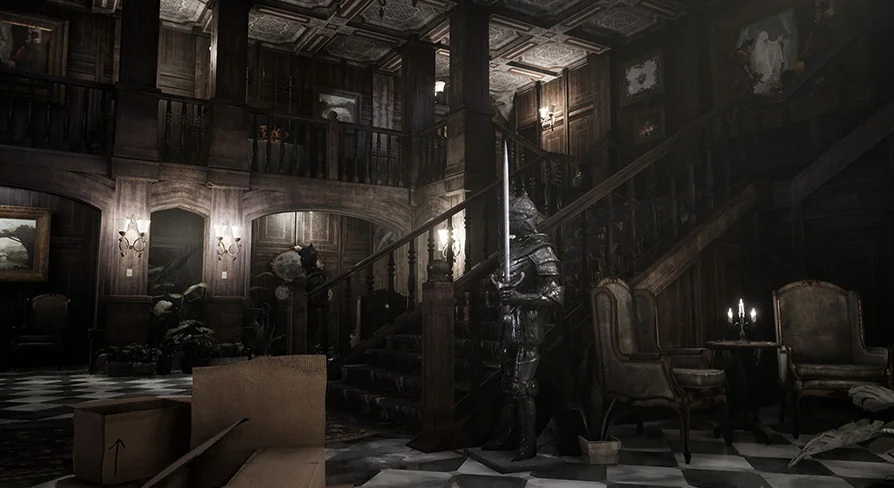
An empty architectural shell only becomes a convincing residence once it is properly dressed. Classic Mansion contains hundreds of detail meshes along with detailed furniture pieces to transform bare rooms into credible living quarters. Placing cabinets, tables, seating, and decorative accents establishes the historical character and previous occupancy of each room. Level artists can furnish study areas, dining spaces, sitting rooms, and neglected corridors using assets matched in style and proportion.
High asset density helps ground the environment in reality, which in turn reinforces tension. When everyday domestic spaces like studies and parlors are filled with plausible clutter and period-appropriate furnishings, disruptions to that order become far more jarring. The extensive selection of detail meshes allows developers to dress multiple adjoining rooms without recycling the exact same arrangements, keeping exploration visually engaging as players search through drawers, examine shelves, or navigate around barricaded pathways.
Lighting and Weather Blueprints for Atmospheric Staging
Atmosphere in a horror game environment depends heavily on environmental conditions and illumination balance. Classic Mansion integrates lighting and weather blueprints to give creators direct control over the ambient tone of both indoor and outdoor areas. Adjusting weather parameters lets teams introduce ominous outdoor backdrops visible through windows, framing the mansion within bleak, tempestuous conditions.
Indoor illumination works in tandem with the structural layout. Lighting blueprints allow for straightforward adjustment of light sources, enabling sharp contrast between brightly lit safe zones and shadowed recesses where visibility drops. By modulating light intensity, color, and reach across corridors and stairwells, developers can craft distinct visual paths that guide player attention or obscure lurking hazards. Combining customizable lighting setups with modular architecture ensures that every room can be tuned to its specific narrative or gameplay function.
Level Assembly for Resident and Domestic Environments
Developing levels themed around survival horror or domestic mystery demands assets that support believable spatial logic. Classic Mansion supplies the foundational pieces to execute resident-style level layouts where backtracking, locked progression, and spatial memory are central to the experience. The combination of structural modularity, interactive props, and environmental controls supports iterative level construction from initial blockout to finished scene dressing.
Production teams can deploy the package as a complete starting point for standalone horror projects or utilize its component parts to expand existing domestic settings. Having immediate access to hundreds of detailed meshes alongside functional door, clock, TV, and weather blueprints significantly reduces the setup time required to establish a fully realized mansion environment.
 Interior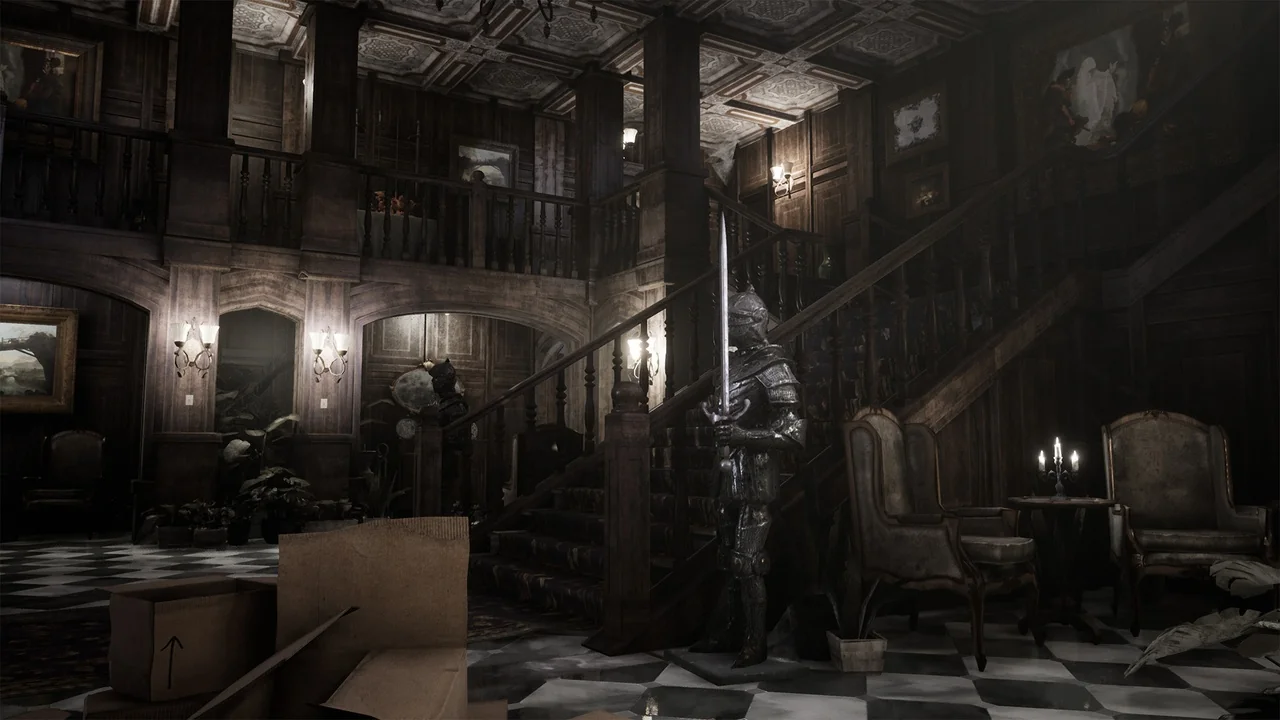
 Abandoned
 Horror
 Horror