"0148f1904a9b0d16"{"id":"1002616","slug":"stylized-rogue","title":"Stylized rogue","category":"Characters \u0026 Creatures","engine":"4.26+,5.0+","assetVersion":"","engineVersion":"Engine Version: 4.26+,5.0+","tag":"Characters","accent":"blue","visual":"character","summary":"A low-poly stylized rogue rigged to the Epic Skeleton, featuring a masked bandit design, knife weapon, modular parts, and dual color variations.","platform":"Unreal Engine","indexPolicy":"index","publishedAt":"2026-11-14T09:11:01.826Z","updatedAt":"2026-11-14T09:11:01.826Z","sourceNotes":[],"fileContents":[],"compatibility":["Unreal Engine","Engine Version: 4.26+,5.0+"],"featuredImage":{"alt":"Stylized rogue","src":"/wp-content/uploads/published/2026/11/b7c090379c2b-8102e8a0-51f2-41a7-b5e4-d132d02f99d9-5e6cf77c15.webp"},"hasDownloadLink":true,"downloads":0,"terms":[{"taxonomy":"category","slug":"characters-and-creatures","name":"Characters \u0026 Creatures"}],"galleryImages":[{"src":"/wp-content/uploads/published/2026/11/07d4c1b43098-9ae85c52-1194-439b-9387-60eb5d314e9d-a2e697648c.webp","alt":"Stylized rogue"},{"src":"/wp-content/uploads/published/2026/11/80c9ec00da23-40ea6952-258a-4f9b-8d77-07ded8773c60-8da7550b48.webp","alt":"Stylized rogue"},{"src":"/wp-content/uploads/published/2026/11/b46adbc450de-2ee25814-5801-42e1-8c75-4234b2a620cc-a85a45c8c3.webp","alt":"Stylized rogue"},{"src":"/wp-content/uploads/published/2026/11/c442952fbe9d-851e8b66-ec6f-4b9d-8fa3-d9e1d7cbc1e0-e2bbbb6fc2.webp","alt":"Stylized rogue"},{"src":"/wp-content/uploads/published/2026/11/1f59ade003a9-6ef2f4af-4ce2-493b-87ac-fc87e83f0800-69affe36f2.webp","alt":"Stylized rogue"},{"src":"/wp-content/uploads/published/2026/11/39290e59ead4-329fd08e-9c02-4c96-aaf4-abffff7ab07c-1eef57c2b7.webp","alt":"Stylized rogue"},{"src":"/wp-content/uploads/published/2026/11/aa072ceddb8f-c67fcad5-56d4-4959-b03c-02a9ffad816b-11bb398a9c.webp","alt":"Stylized rogue"},{"src":"/wp-content/uploads/published/2026/11/720c70d18afb-107cdd31-d5e1-4bd1-be30-934470dc3f74-e09912506e.webp","alt":"Stylized rogue"},{"src":"/wp-content/uploads/published/2026/11/57d1538d1bd8-28035880-c208-4e68-848e-defa70f48767-d0c0e8fd2d.webp","alt":"Stylized rogue"},{"src":"/wp-content/uploads/published/2026/11/4e95c0e6b609-d86588c5-6094-478a-9403-9ac80f517cfc-ed725fc224.webp","alt":"Stylized rogue"}],"accessPanel":{"kind":"resource","title":"Get this resource","eyebrow":"Free resource","message":"Download this resource in your browser.","fileName":"Content.7z","safetyNote":"Resources are manually reviewed before listing to improve quality and reduce obvious risks.","actionLabel":"Get this resource","resourceType":"Resource archive","versions":[]},"contentHtml":"\u003cp\u003eA masked bandit brandishing a knife serves as a quintessential archetype in fantasy and medieval titles, providing a distinct silhouette for stealth operatives, cutpurses, and dungeon skirmishers. This low-poly rogue package supplies a fully stylized, ready-to-animate humanoid built specifically for real-time game environments. By marrying handpainted artistry with modern physically based rendering (PBR) workflows, the character balances vibrant, expressive visual clarity with accurate surface responses to dynamic scene lighting.\u003c/p\u003e \u003ch2\u003eVisual Identity of the Stylized Rogue Model\u003c/h2\u003e\n\u003cp\u003eThe visual definition of this asset centers on classic stealth and roguish tropes. Outfitted with a cloth mask concealing the face and wielding a utility knife suited for close-quarters combat, the model carries an immediate narrative identity. The low-poly mesh geometry preserves sharp, deliberate contours that read clearly from top-down tactical angles, isometric viewpoints, or third-person chase cameras. The modeling strategy maintains a lightweight computational footprint, making the character suitable for deployment in dense groups, such as bandit camps or street encounters, without straining real-time render budgets.\u003c/p\u003e \u003cp\u003eSurface texturing utilizes handpainted detailing translated through a PBR material pipeline. This hybrid approach ensures that hand-crafted shadows, edge wear, and fabric highlights remain prominent while still allowing metallic sheens, roughness values, and dynamic lighting to react naturally within modern game engines. The package includes two distinct color variations. These alternate palettes permit immediate differentiation between allied and enemy units, squad leaders and foot soldiers, or simply varied encounters across different biomes without requiring custom texture overhauls.\u003c/p\u003e \u003ch2\u003eRigging the Rogue to the Epic Skeleton\u003c/h2\u003e\n\u003cp\u003eUnderpinning the character mesh is a skeletal rig built to match the standard Epic Skeleton hierarchy. By adhering to this established bone mapping, the model natively supports standard locomotion sets, combat cycles, stealth animations, and contextual interactives distributed across the Unreal development ecosystem. Developers can apply existing motion packs directly to the rogue without constructing custom joint hierarchies from scratch or rebuilding skin weights.\u003c/p\u003e \u003cp\u003eWorking with the Epic Skeleton also facilitates seamless integration into existing Animation Blueprints. The character ships with Animation Blueprint setup data, enabling rapid hookup to state machines governing idle-walk-run blending, weapon drawing, crouching, and directional rolls. The included knife functions as a dedicated weapon mesh that aligns with standard socket attachment conventions, allowing developers to script transitions between sheathed states and active combat stances with minimal setup.\u003c/p\u003e \u003ch2\u003eRetargeting Workflows and Intersection Corrections\u003c/h2\u003e\n\u003cp\u003eWhile standard bone hierarchies simplify the retargeting process, differing body proportions between custom character meshes and default source rigs can occasionally produce animation clipping. In dense physical motions—such as reaching across the chest to draw a blade, crouching into a deep stealth pose, or crossing arms—the hands or gear might penetrate the mask, chest armor, or legs. Adapting the stylized rogue to foreign animations is supported by straightforward adjustment procedures designed to eliminate these mesh intersections.\u003c/p\u003e \u003cp\u003eResolving intersections typically involves modifying retargeting translation profiles on intermediate bones or nudging rotational offsets in the retarget pose. By setting specific spine and shoulder joints to properly evaluate relative translation rather than absolute space, the rogue maintains clean distances between the limbs and the torso. This fine-tuning preserves the integrity of the stylized silhouette during aggressive combat animations, dodge maneuvers, and cinematic sequences, preventing unwanted visual artifacts during active play.\u003c/p\u003e \u003ch2\u003eModular Anatomy and Two Color Variations\u003c/h2\u003e\n\u003cp\u003eModularity forms a core mechanical pillar of the package, dividing the rogue into logical components that can be manipulated independently. Rather than binding the character into a rigid, monolithic mesh, the modular configuration lets teams swap, toggle, or isolate distinct sections of the outfit. This flexibility proves critical when generating varied crowds or outfitting players with progressive equipment tiers throughout an adventure.\u003c/p\u003e \u003cp\u003eCoupled with the modular structure, the two color variations multiply the potential roles the asset can fulfill. A developer can reserve the primary colorway for standard patrol guards or common cutthroats while using the alternate color scheme to denote elite operatives, assassins, or unique quest targets. The modular segments and texture swaps operate efficiently within standard material instance setups, keeping memory usage low while maximizing asset variety across lengthy dungeon runs or sprawling medieval towns.\u003c/p\u003e \u003ch2\u003eGameplay Scripts and Abstract Hell Creatures Pack Compatibility\u003c/h2\u003e\n\u003cp\u003eBeyond passive visual duties, the character package includes scripting elements and animation logic to accelerate technical implementation. The connection between the character mesh, the Animation Blueprint, and input scripts provides a functional baseline for testing movement mechanics, melee swings, and stealth crouching right out of the box. Teams prototyping an action-adventure or role-playing game can drop the rogue directly into graybox levels to validate camera behavior and combat pacing before building custom ability sets.\u003c/p\u003e \u003cp\u003eIn terms of project ecosystem synergy, the stylized rogue is intended for smooth integration alongside the Abstract Hell Creatures Pack. This compatibility ensures that the rogue can immediately populate encounters, narrative scenarios, or survival arenas featuring those specific creature types. The matching technical foundations prevent conflicting animation skeletons, mismatched scale standards, or colliding script hooks when building combat encounters between the masked rogue and opposing creature groups.\u003c/p\u003e \u003ch2\u003eProduction Utility and Deployment\u003c/h2\u003e\n\u003cp\u003eDeploying the stylized rogue provides immediate functional utility across multiple genres, including medieval fantasy RPGs, stealth infiltrators, turn-based tactical strategies, and arena brawlers. Because the asset combines low-poly optimization, handpainted PBR surfaces, modular flexibility, dual color schemes, and direct Epic Skeleton rigging, it addresses both aesthetic and architectural demands in a unified package. The character stands ready to serve as a nimble player protagonist, a lethal companion, or a recurring wilderness adversary throughout challenging game projects.\u003c/p\u003e\n\n\u003ch2\u003eContinue Browsing Similar Packs\u003c/h2\u003e\n\u003cul\u003e\n\u003cli\u003e\u003ca href=\"https://3dcghub.com/biotech-rogue/\" rel=\"noopener noreferrer\"\u003eBiotech - Rogue\u003c/a\u003e\u003c/li\u003e\n\u003cli\u003e\u003ca href=\"https://3dcghub.com/aki-stylized-character/\" rel=\"noopener noreferrer\"\u003eAki - Stylized Character\u003c/a\u003e\u003c/li\u003e\n\u003cli\u003e\u003ca href=\"https://3dcghub.com/yuko-stylized-character/\" rel=\"noopener noreferrer\"\u003eYuko - Stylized Character\u003c/a\u003e\u003c/li\u003e\n\u003cli\u003e\u003ca href=\"https://3dcghub.com/stylized-modular-character/\" rel=\"noopener noreferrer\"\u003eStylized Modular Character\u003c/a\u003e\u003c/li\u003e\n\u003cli\u003e\u003ca href=\"https://3dcghub.com/animated-stylized-wizard/\" rel=\"noopener noreferrer\"\u003eAnimated Stylized Wizard\u003c/a\u003e\u003c/li\u003e\n\u003c/ul\u003e","contentTextLength":6861,"navigation":{"current":25,"total":4543,"previous":{"id":"1002617","slug":"surface-forge-v1-1-5","title":"Surface Forge v1.1.5","category":"Nature \u0026 Terrain","platform":"Unreal Engine","updatedAt":"2026-11-14T09:12:11.306Z"},"next":{"id":"1002615","slug":"pbr-creature-hunter","title":"PBR Creature Hunter","category":"Characters \u0026 Creatures","platform":"Unreal Engine","updatedAt":"2026-11-14T09:10:13.472Z"}},"relatedResources":[{"id":"1002460","slug":"biotech-rogue","title":"Biotech - Rogue","category":"Characters \u0026 Creatures","engine":"4.16+,5.0+","assetVersion":"","engineVersion":"Engine Version: 4.16+,5.0+","tag":"Characters","accent":"blue","visual":"character","summary":"Examine Biotech - Rogue, a sci-fi android character featuring UE4 mannequin rigging, dedicated FPS hands, customizable mask materials, and runnable blueprints.","platform":"Unreal Engine","indexPolicy":"index","publishedAt":"2026-11-11T08:47:38.898Z","updatedAt":"2026-11-11T08:47:38.898Z","sourceNotes":[],"fileContents":[],"compatibility":["Unreal Engine","Engine Version: 4.16+,5.0+"],"featuredImage":{"alt":"Biotech - Rogue","src":"/wp-content/uploads/published/2026/11/5c5f91d16b3a-424a7832-2ed9-42d4-81db-c0a0867cf683-5d7c4b3259.webp"},"hasDownloadLink":true,"downloads":0},{"id":"1002377","slug":"aki-stylized-character","title":"Aki - Stylized Character","category":"Characters \u0026 Creatures","engine":"4.21+,5.0+","assetVersion":"","engineVersion":"Engine Version: 4.21+,5.0+","tag":"Characters","accent":"blue","visual":"character","summary":"Technical analysis of Aki - Stylized Character, covering its 19 locomotion and combat animations, modular underwear mesh, dual material variants, and setup.","platform":"Unreal Engine","indexPolicy":"index","publishedAt":"2026-11-10T03:53:51.987Z","updatedAt":"2026-11-10T03:53:51.987Z","sourceNotes":[],"fileContents":[],"compatibility":["Unreal Engine","Engine Version: 4.21+,5.0+"],"featuredImage":{"alt":"Aki - Stylized Character","src":"/wp-content/uploads/published/2026/11/02ec53fb1f60-779ae982-d073-4ffd-b3c5-26fe24c6f288-dd9d13dffd.webp"},"hasDownloadLink":true,"downloads":0},{"id":"1002376","slug":"yuko-stylized-character","title":"Yuko - Stylized Character","category":"Characters \u0026 Creatures","engine":"4.21+,5.0+","assetVersion":"","engineVersion":"Engine Version: 4.21+,5.0+","tag":"Characters","accent":"blue","visual":"character","summary":"Yuko is a stylized low-poly fantasy heroine with 19 animations, armed and unarmed attacks, jump and locomotion states, PBR materials, and an underwear mesh.","platform":"Unreal Engine","indexPolicy":"index","publishedAt":"2026-11-09T18:46:24.480Z","updatedAt":"2026-11-09T18:46:24.480Z","sourceNotes":[],"fileContents":[],"compatibility":["Unreal Engine","Engine Version: 4.21+,5.0+"],"featuredImage":{"alt":"Yuko - Stylized Character","src":"/wp-content/uploads/published/2026/11/8bb2ba81acd4-a3722cc0-2412-4993-a5cd-bd762b6043d4-539eb9d852.webp"},"hasDownloadLink":true,"downloads":0}]}
Characters
Stylized rogue
A low-poly stylized rogue rigged to the Epic Skeleton, featuring a masked bandit design, knife weapon, modular parts, and dual color variations.
A masked bandit brandishing a knife serves as a quintessential archetype in fantasy and medieval titles, providing a distinct silhouette for stealth operatives, cutpurses, and dungeon skirmishers. This low-poly rogue package supplies a fully stylized, ready-to-animate humanoid built specifically for real-time game environments. By marrying handpainted artistry with modern physically based rendering (PBR) workflows, the character balances vibrant, expressive visual clarity with accurate surface responses to dynamic scene lighting.
Visual Identity of the Stylized Rogue Model
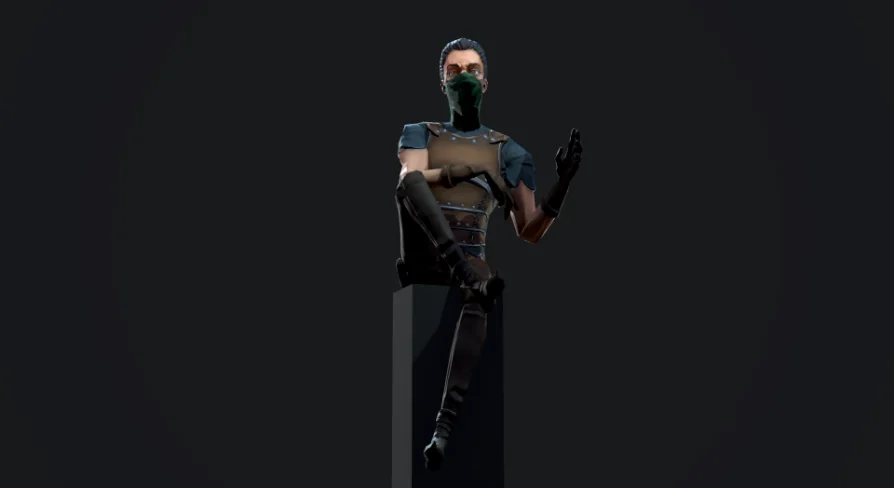
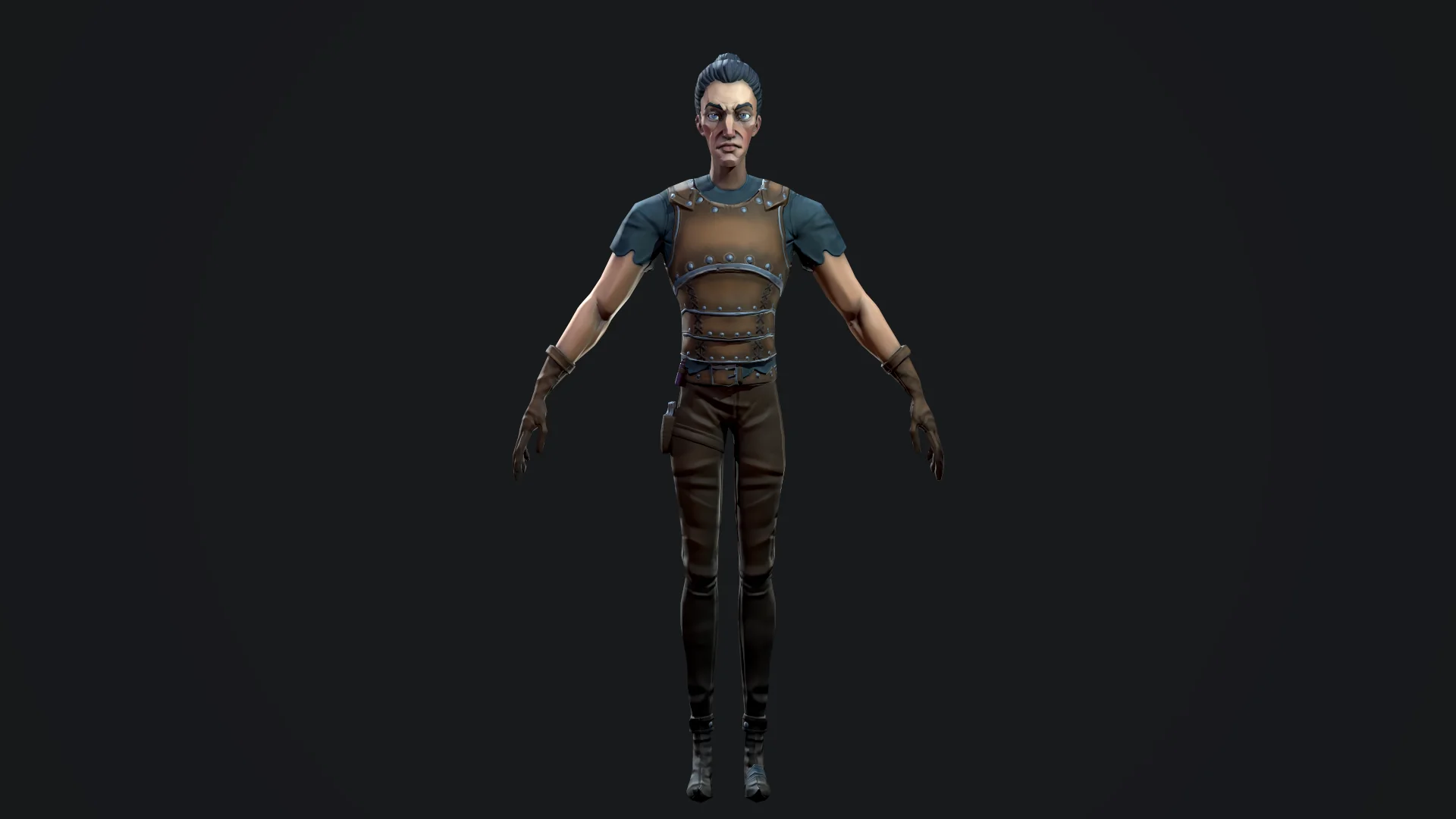
The visual definition of this asset centers on classic stealth and roguish tropes. Outfitted with a cloth mask concealing the face and wielding a utility knife suited for close-quarters combat, the model carries an immediate narrative identity. The low-poly mesh geometry preserves sharp, deliberate contours that read clearly from top-down tactical angles, isometric viewpoints, or third-person chase cameras. The modeling strategy maintains a lightweight computational footprint, making the character suitable for deployment in dense groups, such as bandit camps or street encounters, without straining real-time render budgets.
Surface texturing utilizes handpainted detailing translated through a PBR material pipeline. This hybrid approach ensures that hand-crafted shadows, edge wear, and fabric highlights remain prominent while still allowing metallic sheens, roughness values, and dynamic lighting to react naturally within modern game engines. The package includes two distinct color variations. These alternate palettes permit immediate differentiation between allied and enemy units, squad leaders and foot soldiers, or simply varied encounters across different biomes without requiring custom texture overhauls.
Rigging the Rogue to the Epic Skeleton
Underpinning the character mesh is a skeletal rig built to match the standard Epic Skeleton hierarchy. By adhering to this established bone mapping, the model natively supports standard locomotion sets, combat cycles, stealth animations, and contextual interactives distributed across the Unreal development ecosystem. Developers can apply existing motion packs directly to the rogue without constructing custom joint hierarchies from scratch or rebuilding skin weights.
Working with the Epic Skeleton also facilitates seamless integration into existing Animation Blueprints. The character ships with Animation Blueprint setup data, enabling rapid hookup to state machines governing idle-walk-run blending, weapon drawing, crouching, and directional rolls. The included knife functions as a dedicated weapon mesh that aligns with standard socket attachment conventions, allowing developers to script transitions between sheathed states and active combat stances with minimal setup.
Retargeting Workflows and Intersection Corrections
While standard bone hierarchies simplify the retargeting process, differing body proportions between custom character meshes and default source rigs can occasionally produce animation clipping. In dense physical motions—such as reaching across the chest to draw a blade, crouching into a deep stealth pose, or crossing arms—the hands or gear might penetrate the mask, chest armor, or legs. Adapting the stylized rogue to foreign animations is supported by straightforward adjustment procedures designed to eliminate these mesh intersections.
Resolving intersections typically involves modifying retargeting translation profiles on intermediate bones or nudging rotational offsets in the retarget pose. By setting specific spine and shoulder joints to properly evaluate relative translation rather than absolute space, the rogue maintains clean distances between the limbs and the torso. This fine-tuning preserves the integrity of the stylized silhouette during aggressive combat animations, dodge maneuvers, and cinematic sequences, preventing unwanted visual artifacts during active play.
Modular Anatomy and Two Color Variations
Modularity forms a core mechanical pillar of the package, dividing the rogue into logical components that can be manipulated independently. Rather than binding the character into a rigid, monolithic mesh, the modular configuration lets teams swap, toggle, or isolate distinct sections of the outfit. This flexibility proves critical when generating varied crowds or outfitting players with progressive equipment tiers throughout an adventure.
Coupled with the modular structure, the two color variations multiply the potential roles the asset can fulfill. A developer can reserve the primary colorway for standard patrol guards or common cutthroats while using the alternate color scheme to denote elite operatives, assassins, or unique quest targets. The modular segments and texture swaps operate efficiently within standard material instance setups, keeping memory usage low while maximizing asset variety across lengthy dungeon runs or sprawling medieval towns.
Gameplay Scripts and Abstract Hell Creatures Pack Compatibility
Beyond passive visual duties, the character package includes scripting elements and animation logic to accelerate technical implementation. The connection between the character mesh, the Animation Blueprint, and input scripts provides a functional baseline for testing movement mechanics, melee swings, and stealth crouching right out of the box. Teams prototyping an action-adventure or role-playing game can drop the rogue directly into graybox levels to validate camera behavior and combat pacing before building custom ability sets.
In terms of project ecosystem synergy, the stylized rogue is intended for smooth integration alongside the Abstract Hell Creatures Pack. This compatibility ensures that the rogue can immediately populate encounters, narrative scenarios, or survival arenas featuring those specific creature types. The matching technical foundations prevent conflicting animation skeletons, mismatched scale standards, or colliding script hooks when building combat encounters between the masked rogue and opposing creature groups.
Production Utility and Deployment
Deploying the stylized rogue provides immediate functional utility across multiple genres, including medieval fantasy RPGs, stealth infiltrators, turn-based tactical strategies, and arena brawlers. Because the asset combines low-poly optimization, handpainted PBR surfaces, modular flexibility, dual color schemes, and direct Epic Skeleton rigging, it addresses both aesthetic and architectural demands in a unified package. The character stands ready to serve as a nimble player protagonist, a lethal companion, or a recurring wilderness adversary throughout challenging game projects.
 Characters
 Characters
 Characters
 Characters