"177e4e4394b9ce1f"{"id":"1001603","slug":"stones-vol-1-scanned-materials","title":"Stones Vol. 1 - Scanned Materials","category":"Stone","engine":"5.2+","assetVersion":"","engineVersion":"Engine Version: 5.2+","tag":"Stone","accent":"blue","visual":"luts","summary":"Stones Vol. 1 - Scanned Materials delivers 10 photogrammetry PBR instance materials featuring packed ARM textures and customizable shader parameters.","platform":"Unreal Engine","publishedAt":"2026-10-10T16:27:55.183Z","updatedAt":"2026-10-10T16:27:55.183Z","sourceNotes":[],"fileContents":[],"compatibility":["Unreal Engine","Engine Version: 5.2+"],"featuredImage":{"alt":"Stones Vol. 1 - Scanned Materials","src":"/wp-content/uploads/published/2026/10/93c76ee97657-4d5c7a4a-44cc-480c-a49e-531250bd2f96-b69a9f13a8.webp"},"hasDownloadLink":true,"downloads":0,"terms":[{"taxonomy":"category","slug":"stone-nature-and-terrain","name":"Stone"}],"galleryImages":[{"src":"/wp-content/uploads/published/2026/10/0b394630407e-8c54db6b-fb38-4feb-bbc4-9471cfebd519-f774228236.webp","alt":"Stones Vol. 1 - Scanned Materials"},{"src":"/wp-content/uploads/published/2026/10/6ce0592babcf-03f06fad-7c7a-4efa-8996-41ba70fb85a7-bdcafa0fd2.webp","alt":"Stones Vol. 1 - Scanned Materials"},{"src":"/wp-content/uploads/published/2026/10/32c9c2d5bf9e-c288a1a5-fa43-4291-9e87-c6e32c61cbe1-3a65133bb0.webp","alt":"Stones Vol. 1 - Scanned Materials"},{"src":"/wp-content/uploads/published/2026/10/72f06bb25f55-3c0d40e1-208f-49ae-9a8d-1bf1adf073c3-f39ef4d2d4.webp","alt":"Stones Vol. 1 - Scanned Materials"},{"src":"/wp-content/uploads/published/2026/10/f1a7db69678c-506d5e51-eae9-4841-a00c-f21898684098-6725e5dba8.webp","alt":"Stones Vol. 1 - Scanned Materials"},{"src":"/wp-content/uploads/published/2026/10/992f56b716df-03fc0dfe-5bf7-4e51-b4d8-2ac7be0df7e5-ab552dcc57.webp","alt":"Stones Vol. 1 - Scanned Materials"},{"src":"/wp-content/uploads/published/2026/10/d8a96cef5b44-b3a93560-cea9-424e-94c6-fcff8604f70b-35d9c3f3fd.webp","alt":"Stones Vol. 1 - Scanned Materials"},{"src":"/wp-content/uploads/published/2026/10/1d0b4f772e09-ec3b30c9-7280-44d4-8ab1-4367f93cd942-f3cc513c92.webp","alt":"Stones Vol. 1 - Scanned Materials"},{"src":"/wp-content/uploads/published/2026/10/f1a626e4787f-19b3a8d6-9185-466d-80b3-5362867191c1-9038a23cce.webp","alt":"Stones Vol. 1 - Scanned Materials"},{"src":"/wp-content/uploads/published/2026/10/64aea98a0fe6-3f793380-bbf2-4243-95d6-b61c01523f50-b0e8a3e8fc.webp","alt":"Stones Vol. 1 - Scanned Materials"}],"accessPanel":{"kind":"resource","title":"Download this resource","eyebrow":"Free Download","message":"Log in or create a free account to start your download.","fileName":"Stones Vol. 1 - Scanned Materials.7z","safetyNote":"Resources are manually reviewed before listing to improve quality and reduce obvious risks.","actionLabel":"Download Free","resourceType":"Resource archive"},"contentHtml":"\u003cp\u003eSurface construction in realistic 3D environments often stumbles when generic textures fail to convey the physical weight, micro-shadows, and organic imperfections of real-world geology. Building believable pathways, courtyards, and rocky terrains requires surface data derived directly from the physical world. Stones Vol. 1 - Scanned Materials targets this foundational workflow need by translating raw photogrammetry captures into a versatile collection of ten ready-to-use instance materials.\u003c/p\u003e \u003cp\u003ePhotogrammetry records real optical and surface behavior, allowing digital ground planes to bypass the sterile appearance common in procedural generation. By providing ten distinct material instances configured around realistic stone, tile, and cobblestone patterns, the package offers a modular palette of surface finishes. These surfaces match the physical needs of high-fidelity scenes where terrain and architectural masonry require convincing real-world grounding.\u003c/p\u003e \u003ch2\u003eTexture Structure and Packed ARM Maps\u003c/h2\u003e\n\u003cp\u003ePerformance and memory usage depend heavily on how texture maps are structured within a project pipeline.\u003c/p\u003e\n\u003cp\u003eThe materials utilize an optimized channel-packing method designed around ARM textures alongside standard normal and base color maps. The ARM map combines three distinct black-and-white data channels into a single three-channel texture file. The red channel stores ambient occlusion, the green channel holds roughness values, and the blue channel carries metallic information. Packing three textures into one reduces sampler overhead in the shader graph, improving performance across demanding scenes while preserving crucial tactile variation.\u003c/p\u003e\n\u003cp\u003eBase color textures in the collection carry an additional layer of spatial detail by integrating a height map straight into the alpha channel. This pairing avoids the necessity of assigning an independent file solely for elevation data. Combined with the dedicated normal map, the embedded height map allows the shader to drive parallax or displacement effects smoothly, giving cobblestone edges and recessed stone joints authentic depth under dynamic lighting.\u003c/p\u003e \u003ch2\u003eConfiguring Material Instance Parameters for Realistic Scanned Materials\u003c/h2\u003e\n\u003cp\u003ePre-configured material instances must retain flexibility to match distinct artistic directions and lighting conditions across different scenes.\u003c/p\u003e\n\u003cp\u003eEach of the ten instance materials includes dedicated controls exposed directly in the parameter list. Artists can adjust tint and saturation values on the fly, permitting fine shifts in color temperature to reflect damp subterranean rock, sun-baked cobblestone streets, or weathered outdoor flags. This eliminates the need to jump into external image editing software simply to rebalance diffuse tones across adjacent terrain elements.\u003c/p\u003e\n\u003cp\u003eSurface reflectivity and light interaction receive equivalent control through dedicated intensity parameters. Users can fine-tune roughness intensity to toggle between dry, matte finishes and glossy, moisture-rich surfaces. Normal intensity adjustments allow direct amplification or softening of physical fissures and surface relief, while occlusion intensity parameters modify the contrast of shadowed crevices, ensuring the ambient occlusion maps adapt naturally to varied global illumination setups.\u003c/p\u003e \u003ch2\u003eMapping Cobblestone, Tile, and Stone Formations\u003c/h2\u003e\n\u003cp\u003eApplying realistic materials across varied environment layouts requires adaptable UV scaling.\u003c/p\u003e\n\u003cp\u003eThe materials include full UV controls, allowing artists to change tiling scales across broad landscapes or focused architectural assets without distorting the underlying photogrammetry detail. Tightening the UV repetition helps cover vast outdoor courtyards, whereas loosening the scale brings the micro-topography of individual stones forward for close-up shots. The realistic cobblestone, tile, and stone surfaces retain high fidelity whether tiled across architectural structures or mapped onto uneven terrain.\u003c/p\u003e\n\u003cp\u003eEnvironments rarely consist of isolated rock surfaces. In broader scene layouts, stone paths frequently transition into looser ground surfaces. Because this asset collection focuses specifically on stone varieties, it pairs naturally alongside complementary sets such as Sands Vol. 1 - Scanned Materials, allowing level designers to blend packed stone, paved cobblestones, and sandy soil within unified physical environments.\u003c/p\u003e \u003ch2\u003eAsset Contents and Geometry Scope\u003c/h2\u003e\n\u003cp\u003eUnderstanding exactly what is bundled within the package keeps scene preparation straightforward.\u003c/p\u003e\n\u003cp\u003eThe product provides the ten instance materials along with a demo cube mesh intended for previewing surface response and testing material properties under project-specific lighting. The complex static meshes, landscape environments, and architectural props shown throughout preview renders are not bundled with the asset. Users apply these scanned materials directly onto their own custom meshes, landscape actors, or modular assets.\u003c/p\u003e\n\u003cp\u003eThis lean structure ensures project folders remain free of unwanted geometry overhead. Because the entire focus is placed on the ten instance materials and their accompanying texture sets, the assets can be dropped straight into existing modular libraries or material blending setups with minimal setup time.\u003c/p\u003e \u003ch2\u003eProduction Placement Across Environment Pipelines\u003c/h2\u003e\n\u003cp\u003eMaterial flexibility determines where an asset pack provides the most value within a production cycle.\u003c/p\u003e\n\u003cp\u003eStones Vol. 1 - Scanned Materials serves as a dedicated foundation layer for level designers, technical artists, and environment creators building realistic outdoor paths, historic streets, interior stone floors, and weathered structures. The accessible parameters for saturation, tint, UVs, and map intensities mean that a single instance can be adapted across multiple biomes without duplicate textures bloating project storage. Whether assigned to modular walkways or blended across custom terrain geometry, the package gives environment pipelines a photorealistic PBR stone foundation grounded in physical photogrammetry.\u003c/p\u003e\n\n\u003ch2\u003eContinue Browsing Similar Packs\u003c/h2\u003e\n\u003cul\u003e\n\u003cli\u003e\u003ca href=\"https://3dcghub.com/snow-vol-1-scanned-materials/\" title=\"Snow Vol. 1 - Scanned Materials\"\u003eSnow Vol. 1 - Scanned Materials\u003c/a\u003e\u003c/li\u003e\n\u003cli\u003e\u003ca href=\"https://3dcghub.com/forest-landscape-materials-vol-i/\" title=\"Forest Landscape Materials Vol.I\"\u003eForest Landscape Materials Vol.I\u003c/a\u003e\u003c/li\u003e\n\u003cli\u003e\u003ca href=\"https://3dcghub.com/gemstone-material-pack-1/\" title=\"Gemstone Material Pack 1\"\u003eGemstone Material Pack 1\u003c/a\u003e\u003c/li\u003e\n\u003cli\u003e\u003ca href=\"https://3dcghub.com/roadside-vol-1-blockades-nanite-and-low-poly-versions-2/\" title=\"Roadside VOL.1 - Blockades (Nanite and Low Poly Versions)\"\u003eRoadside VOL.1 - Blockades (Nanite and Low Poly Versions)\u003c/a\u003e\u003c/li\u003e\n\u003cli\u003e\u003ca href=\"https://3dcghub.com/roadside-vol-3-rural-props-nanite-and-low-poly-versions/\" title=\"Roadside VOL.3 - Rural Props (Nanite and Low Poly Versions)\"\u003eRoadside VOL.3 - Rural Props (Nanite and Low Poly Versions)\u003c/a\u003e\u003c/li\u003e\n\u003c/ul\u003e","contentTextLength":6252,"navigation":{"current":11,"total":3551,"previous":{"id":"1001604","slug":"stylized-fantasy-creatures-bundle","title":"Stylized Fantasy Creatures Bundle","category":"Animals","platform":"Unreal Engine","updatedAt":"2026-10-10T16:29:20.837Z"},"next":{"id":"1001602","slug":"stegosaurus","title":"Stegosaurus","category":"Animals","platform":"Unreal Engine","updatedAt":"2026-10-10T16:23:41.255Z"}},"relatedResources":[{"id":"1001124","slug":"snow-vol-1-scanned-materials","title":"Snow Vol. 1 - Scanned Materials","category":"Snow","engine":"5.2+","assetVersion":"","engineVersion":"Engine Version: 5.2+","tag":"Snow","accent":"blue","visual":"luts","summary":"Snow material pack with ten instance materials featuring Base Color alpha height, Normal, ARM packing, plus adjustable saturation, tint, UV and intensity contro","platform":"Unreal Engine","publishedAt":"2026-09-07T13:21:15.487Z","updatedAt":"2026-09-07T13:21:15.487Z","sourceNotes":[],"fileContents":[],"compatibility":["Unreal Engine","Engine Version: 5.2+"],"featuredImage":{"alt":"Snow Vol. 1 - Scanned Materials","src":"/wp-content/uploads/published/2026/09/afbf0885705b-20b3d3c1-af6a-49cb-96ac-e7596a3445a3-e0975c5e15.webp"},"hasDownloadLink":true,"downloads":0},{"id":"1001210","slug":"forest-landscape-materials-vol-i","title":"Forest Landscape Materials Vol.I","category":"Nature \u0026 Terrain","engine":"5.0+","assetVersion":"","engineVersion":"Engine Version: 5.0+","tag":"Nature \u0026 Terrain","accent":"blue","visual":"luts","summary":"Examine Forest Landscape Materials Vol.I, featuring 3mx3m photo-scanned coniferous forest surfaces with multiple displacement methods.","platform":"Unreal Engine","publishedAt":"2026-09-19T08:43:08.399Z","updatedAt":"2026-09-19T08:43:08.399Z","sourceNotes":[],"fileContents":[],"compatibility":["Unreal Engine","Engine Version: 5.0+"],"featuredImage":{"alt":"Forest Landscape Materials Vol.I","src":"/wp-content/uploads/published/2026/09/b61bfba68fd5-e493231b-b7cb-4dda-a978-64109746a3b0-09225789f5.webp"},"hasDownloadLink":true,"downloads":0},{"id":"12953","slug":"gemstone-material-pack-1","title":"Gemstone Material Pack 1","category":"Stone","engine":"4.26+,5.0+","assetVersion":"Engine version: 4.26+,5.0+","engineVersion":"4.26","tag":"Stone","accent":"blue","visual":"luts","summary":"Gemstone Material Pack 1 offers seven unique, high-resolution textures designed for diverse artistic styles. This collection provides essential features like color tinting and normal map control for detailed 3D environments.","platform":"Unreal Engine","publishedAt":"2026-03-09T18:06:06.000Z","updatedAt":"2026-04-19T15:46:34.000Z","sourceNotes":[],"fileContents":[],"compatibility":["Unreal Engine","Engine version: 4.26+,5.0+"],"featuredImage":{"alt":"Gemstone Material Pack 1","src":"https://3dcghub.com/wp-content/uploads/2026/03/d9a1c246-337c-4fea-ba75-775da748c06d.webp"},"hasDownloadLink":true,"downloads":0}]}
Stone
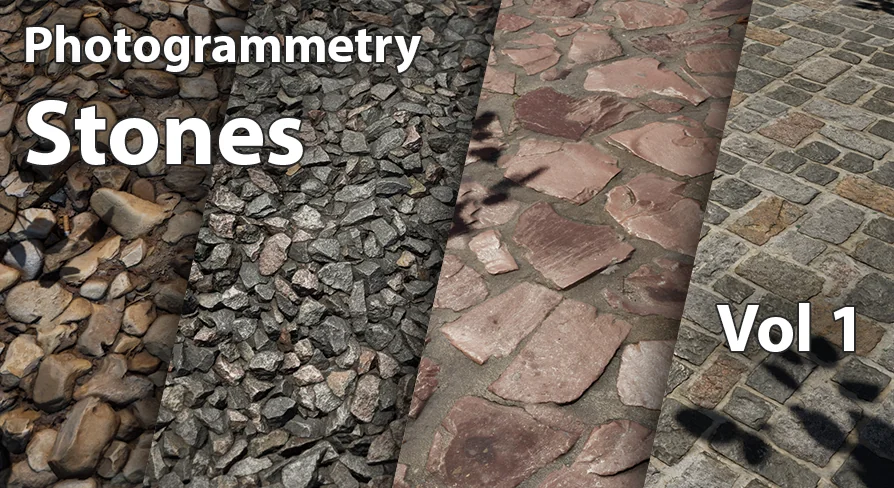
Stones Vol. 1 - Scanned Materials
Stones Vol. 1 - Scanned Materials delivers 10 photogrammetry PBR instance materials featuring packed ARM textures and customizable shader parameters.
Category:Unreal Engine,StonePlatform: Unreal EngineEngine Version: 5.2+Published: Oct 10, 2026
Stone
Resource overview
Surface construction in realistic 3D environments often stumbles when generic textures fail to convey the physical weight, micro-shadows, and organic imperfections of real-world geology. Building believable pathways, courtyards, and rocky terrains requires surface data derived directly from the physical world. Stones Vol. 1 - Scanned Materials targets this foundational workflow need by translating raw photogrammetry captures into a versatile collection of ten ready-to-use instance materials.
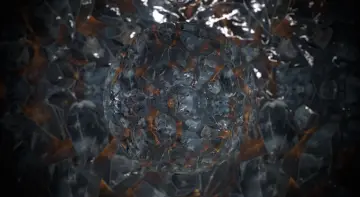
Photogrammetry records real optical and surface behavior, allowing digital ground planes to bypass the sterile appearance common in procedural generation. By providing ten distinct material instances configured around realistic stone, tile, and cobblestone patterns, the package offers a modular palette of surface finishes. These surfaces match the physical needs of high-fidelity scenes where terrain and architectural masonry require convincing real-world grounding.
Texture Structure and Packed ARM Maps
Performance and memory usage depend heavily on how texture maps are structured within a project pipeline.
The materials utilize an optimized channel-packing method designed around ARM textures alongside standard normal and base color maps. The ARM map combines three distinct black-and-white data channels into a single three-channel texture file. The red channel stores ambient occlusion, the green channel holds roughness values, and the blue channel carries metallic information. Packing three textures into one reduces sampler overhead in the shader graph, improving performance across demanding scenes while preserving crucial tactile variation.
Base color textures in the collection carry an additional layer of spatial detail by integrating a height map straight into the alpha channel. This pairing avoids the necessity of assigning an independent file solely for elevation data. Combined with the dedicated normal map, the embedded height map allows the shader to drive parallax or displacement effects smoothly, giving cobblestone edges and recessed stone joints authentic depth under dynamic lighting.
Configuring Material Instance Parameters for Realistic Scanned Materials
Pre-configured material instances must retain flexibility to match distinct artistic directions and lighting conditions across different scenes.
Each of the ten instance materials includes dedicated controls exposed directly in the parameter list. Artists can adjust tint and saturation values on the fly, permitting fine shifts in color temperature to reflect damp subterranean rock, sun-baked cobblestone streets, or weathered outdoor flags. This eliminates the need to jump into external image editing software simply to rebalance diffuse tones across adjacent terrain elements.
Surface reflectivity and light interaction receive equivalent control through dedicated intensity parameters. Users can fine-tune roughness intensity to toggle between dry, matte finishes and glossy, moisture-rich surfaces. Normal intensity adjustments allow direct amplification or softening of physical fissures and surface relief, while occlusion intensity parameters modify the contrast of shadowed crevices, ensuring the ambient occlusion maps adapt naturally to varied global illumination setups.
The materials include full UV controls, allowing artists to change tiling scales across broad landscapes or focused architectural assets without distorting the underlying photogrammetry detail. Tightening the UV repetition helps cover vast outdoor courtyards, whereas loosening the scale brings the micro-topography of individual stones forward for close-up shots. The realistic cobblestone, tile, and stone surfaces retain high fidelity whether tiled across architectural structures or mapped onto uneven terrain.
Environments rarely consist of isolated rock surfaces. In broader scene layouts, stone paths frequently transition into looser ground surfaces. Because this asset collection focuses specifically on stone varieties, it pairs naturally alongside complementary sets such as Sands Vol. 1 - Scanned Materials, allowing level designers to blend packed stone, paved cobblestones, and sandy soil within unified physical environments.
Asset Contents and Geometry Scope
Understanding exactly what is bundled within the package keeps scene preparation straightforward.
The product provides the ten instance materials along with a demo cube mesh intended for previewing surface response and testing material properties under project-specific lighting. The complex static meshes, landscape environments, and architectural props shown throughout preview renders are not bundled with the asset. Users apply these scanned materials directly onto their own custom meshes, landscape actors, or modular assets.
This lean structure ensures project folders remain free of unwanted geometry overhead. Because the entire focus is placed on the ten instance materials and their accompanying texture sets, the assets can be dropped straight into existing modular libraries or material blending setups with minimal setup time.
Production Placement Across Environment Pipelines
Material flexibility determines where an asset pack provides the most value within a production cycle.
Stones Vol. 1 - Scanned Materials serves as a dedicated foundation layer for level designers, technical artists, and environment creators building realistic outdoor paths, historic streets, interior stone floors, and weathered structures. The accessible parameters for saturation, tint, UVs, and map intensities mean that a single instance can be adapted across multiple biomes without duplicate textures bloating project storage. Whether assigned to modular walkways or blended across custom terrain geometry, the package gives environment pipelines a photorealistic PBR stone foundation grounded in physical photogrammetry.
 Stone
Stone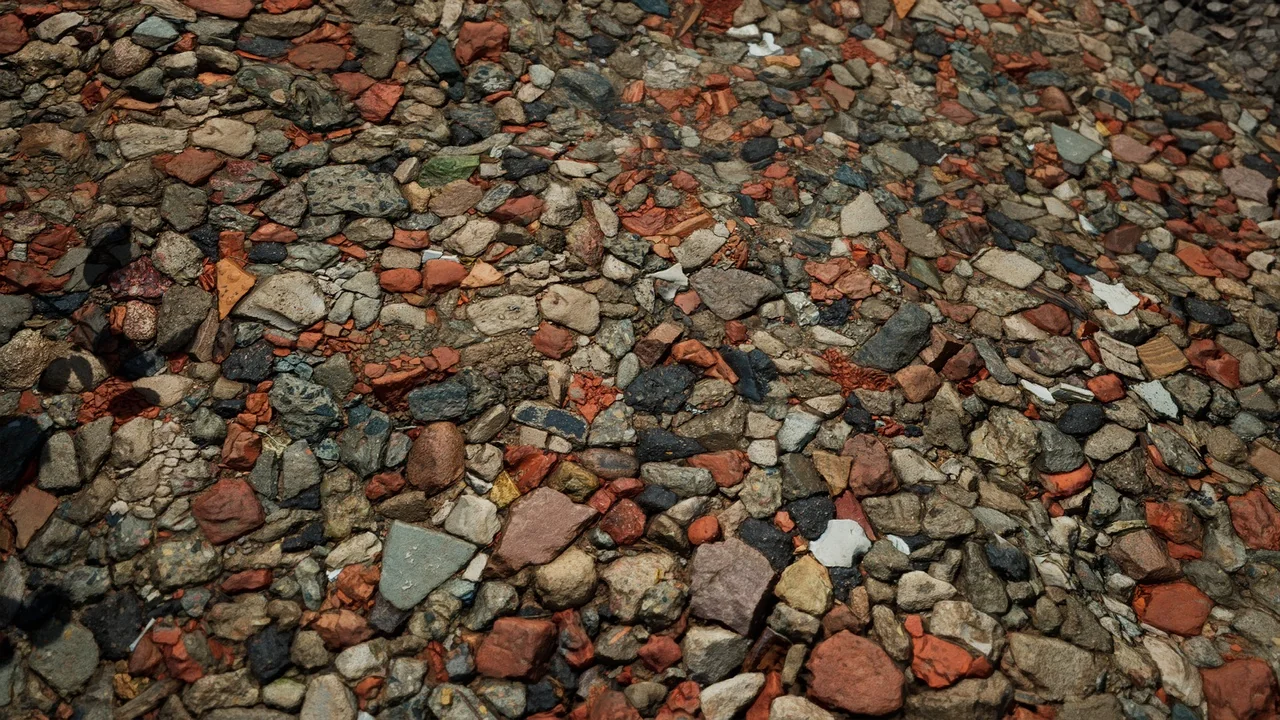
 Snow
Snow Nature & Terrain
 Stone
Stone