Introduction to Physical Rope
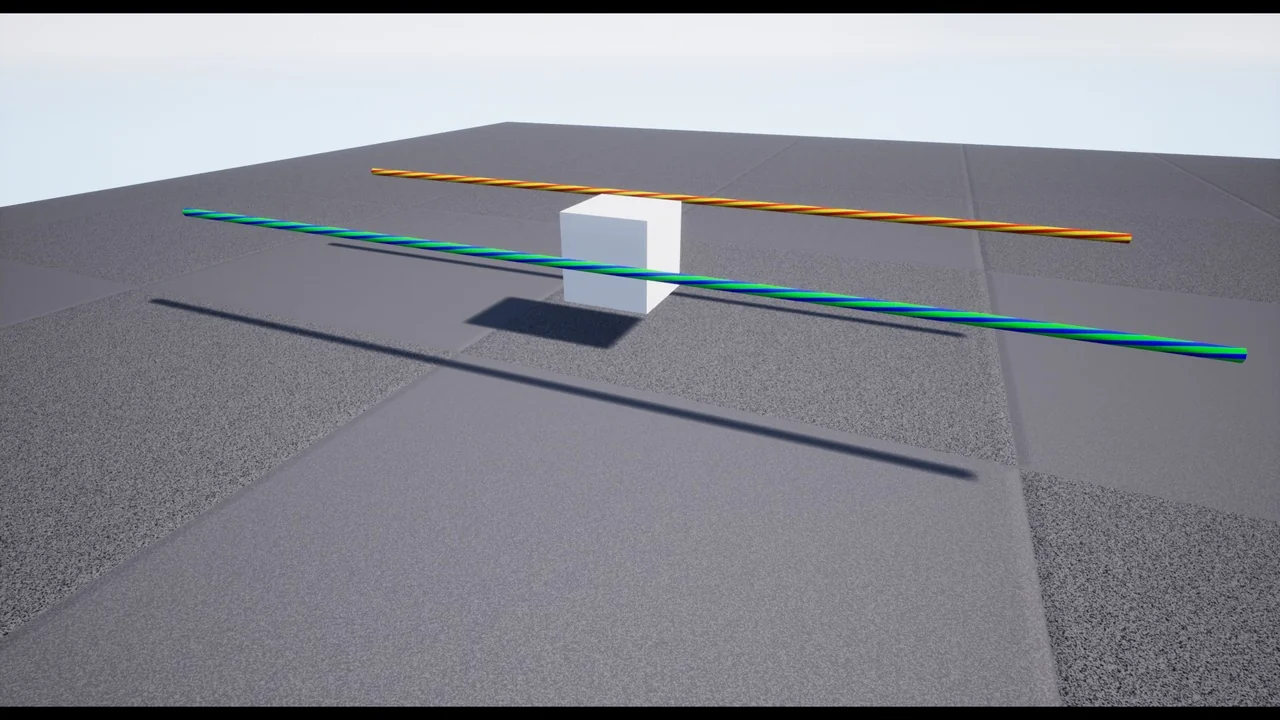
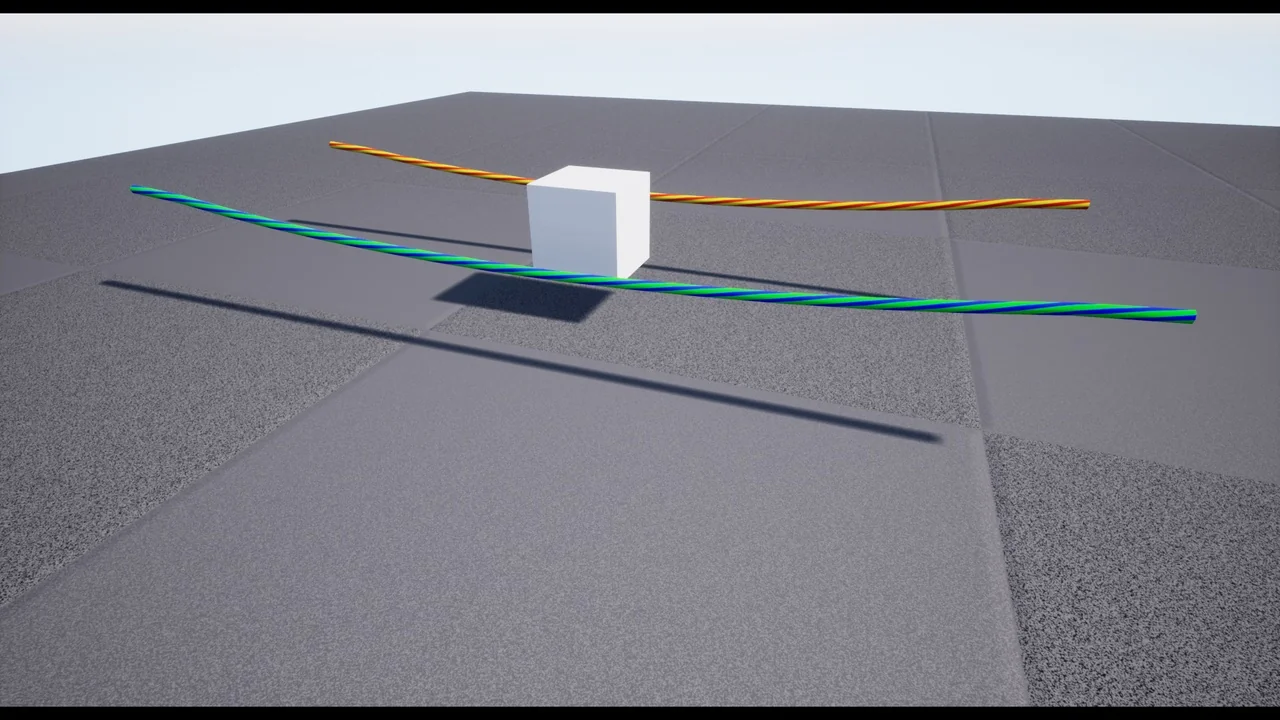
Physical Rope is a specialized asset designed for developers who require realistic movement and interaction in their digital environments. This tool functions as a physically collidable and simulatable component. Consequently, it offers a dynamic solution for creators building complex scenes. By integrating this asset, developers can achieve a higher level of environmental realism.
Realistic Simulation Capabilities
The core functionality of Physical Rope centers on its simulation features. Because it is a simulatable rope, it reacts to forces and movements within the game engine. This simulation ensures that the asset behaves naturally during gameplay. Moreover, the physics-based approach allows for consistent behavior across different scenarios. Developers can utilize this simulation to create believable cables and wires.
Advanced Collision Features
Physical Rope stands out due to its physically collidable nature. Unlike static visual elements, this rope interacts directly with other objects in the world. Therefore, it does not simply pass through surfaces or obstacles. Instead, the collision properties allow the rope to rest on, wrap around, or bounce off other actors. This interaction is essential for maintaining immersion in high-fidelity projects.
Versatile Blueprint Integration
The creator developed Physical Rope as a Blueprint-based asset. This structure makes it highly accessible for various development workflows. Since it utilizes Blueprints, it provides a clear framework for implementation. Furthermore, the asset is categorized as a wire or cable solution. This versatility makes it suitable for many different environmental needs.
Practical Applications for Developers
There are many ways to implement the Physical Rope within a project. For instance, it can represent realistic wiring in an industrial setting. Additionally, it serves as an excellent tool for creating functional cables. Because the asset is physically simulated, it adds a layer of depth to any scene. Consequently, the developer has provided a tool that balances visual realism with physical accuracy.
Conclusion
In summary, Physical Rope is an essential asset for those focusing on physics-driven environments. It combines simulation and collision to deliver a realistic experience. However, its simple Blueprint integration ensures it remains user-friendly for creators. By using Physical Rope, you can ensure your project features high-quality, interactive elements.
Screenshots & Gallery