"7ad89cffa44984cf"{"id":"1002556","slug":"parasite-spider","title":"Parasite_Spider","category":"Game Development Resource","engine":"4.19+,5.0+","assetVersion":"","engineVersion":"Engine Version: 4.19+,5.0+","tag":"Game Development R","accent":"blue","visual":"mech","summary":"Examine the Parasite_Spider creature asset, featuring 56 animations, Animationblueprint setup, and versatile implementation for shooter, fantasy, and horror gam","platform":"Unreal Engine","indexPolicy":"index","publishedAt":"2026-11-13T10:47:59.388Z","updatedAt":"2026-11-13T10:47:59.388Z","sourceNotes":[],"fileContents":[],"compatibility":["Unreal Engine","Engine Version: 4.19+,5.0+"],"featuredImage":{"alt":"Parasite_Spider","src":"/wp-content/uploads/published/2026/11/1ea5e65cab52-33d65b7d-a7b4-435d-998b-54b067e93eb4-524085e3c1.webp"},"hasDownloadLink":true,"downloads":0,"terms":[],"galleryImages":[{"src":"/wp-content/uploads/published/2026/11/baa3f5263ca7-a6c8f1eb-2270-4331-94f1-407031dbbbfb-1423462d72.webp","alt":"Parasite_Spider"},{"src":"/wp-content/uploads/published/2026/11/1852fc2bc09d-152111b8-f4cc-4e87-9fee-e7f3b2fbdecc-530c764224.webp","alt":"Parasite_Spider"},{"src":"/wp-content/uploads/published/2026/11/7d611c7a36ce-6db25b5e-272a-45df-87d6-f2272241a4cb-96ba20bdd4.webp","alt":"Parasite_Spider"},{"src":"/wp-content/uploads/published/2026/11/f122bfc7d603-5ca9b348-e030-4dd4-99be-dd3599207fd8-b4b3966bdc.webp","alt":"Parasite_Spider"},{"src":"/wp-content/uploads/published/2026/11/c8a26006092a-7e775df1-150b-48a6-9bad-68ca4d94eecb-09ce5117de.webp","alt":"Parasite_Spider"}],"accessPanel":{"kind":"resource","title":"Get this resource","eyebrow":"Free resource","message":"Download this resource in your browser.","fileName":"Content.7z","safetyNote":"Resources are manually reviewed before listing to improve quality and reduce obvious risks.","actionLabel":"Get this resource","resourceType":"Resource archive","versions":[]},"contentHtml":"\u003ch2\u003eThe Parasite_Spider Creature Profile\u003c/h2\u003e\n\u003cp\u003eThe Parasite_Spider delivers a dedicated monster archetype configured to function as an aggressive, reactive hostile entity in interactive environments. Focused on a predatory arachnid form, the asset bridges the gap between creature design and real-time execution by combining an explicit monster structure with a complete runtime animation workflow. Rather than serving as an inert prop or a static model, the asset represents an interactive combatant tailored for scenarios requiring hostile fauna or biologically corrupted threats.\u003c/p\u003e\n\u003cp\u003eIts characterization draws heavily from biological horror, predatory infestation, and multi-legged locomotion. The silhouette conveys immediate danger, allowing it to function as a frontline melee antagonist, an ambush predator, or a swarm unit. Because the character concept unifies parasitic elements with spider anatomy, it operates fluidly in scenarios where physical revulsion and tactical pressure meet. The core asset bundle couples the base creature presentation with dedicated motion and logic assets, letting production pipelines integrate the beast directly into level encounters without starting rigging or movement systems from scratch.\u003c/p\u003e \u003ch2\u003eMotion Systems and the 56 Parasite_Spider Creature Animations\u003c/h2\u003e\n\u003cp\u003eAnimation forms the central functional pillar of this monster package. With 56 animations for creatures included, the collection provides a comprehensive library of motion data tailored strictly to the physical mechanics of a multi-limbed monstrosity. High-quality animations are critical when dealing with non-humanoid anatomy, where foot placement, weight distribution, and sudden directional shifts instantly expose flaws if motion curves lack precision.\u003c/p\u003e\n\u003cp\u003eA library of 56 distinct motions supports a broad spread of behavioral phases. Instead of relying on a sparse loop of simple idle, run, and attack states, a set of this scale accommodates varied mechanical responses. Locomotion sets can incorporate multiple directional speeds, sharp turns, erratic lateral scurrying, and cautious stalking steps. Combat actions can encompass varied strike telegraphs, quick jabs, recovery loops, directional flinches, impact reactions, and distinct takedown or death sequences.\u003c/p\u003e\n\u003cp\u003eHaving 56 creature-specific animations ensures that encounters remain visually dynamic during prolonged engagements. In titles where players face the same enemy type across several encounters, repetitive motion cycles quickly degrade immersion. By offering a varied selection of high-quality creature movements, the asset provides the expressive latitude needed to stage both subtle ambient roaming and explosive, high-intensity melee aggression. The articulation gives weight to every stride, leap, and predatory turn.\u003c/p\u003e \u003ch2\u003eAnimationblueprint Integration and Script Logic\u003c/h2\u003e\n\u003cp\u003eThe presence of an Animationblueprint alongside script infrastructure anchors raw motion data to active gameplay triggers. In real-time production, animation clips require an operational logic structure to blend smoothly, calculate velocity offsets, and evaluate transition parameters. The Animationblueprint manages these transitions, reading continuous variables such as directional speed, combat status, health thresholds, and target tracking to output clean poses on a frame-by-frame basis.\u003c/p\u003e\n\u003cp\u003eBecause the creature links motion sequences directly into an Animationblueprint setup, technical artists and developers avoid the time-consuming process of wiring state machines from the ground up for a multi-legged skeleton. The blueprint structure coordinates locomotion blends, handles transition interrupts when combat strikes trigger, and drives state changes such as shifting from resting states into high-alert pursuits.\u003c/p\u003e\n\u003cp\u003eScript components complement this blueprint foundation by exposing operational control over state logic. Whether governing when the entity initiates an attack string, how it processes damage feedback, or how it reacts to environmental triggers, the script-ready configuration links raw motion states with active gameplay systems. This tight cohesion between the Animationblueprint and underlying scripts guarantees that inputs from artificial intelligence systems, pathfinding grids, or direct level events trigger immediate, natural physical responses without jarring animation snaps or pose breaks.\u003c/p\u003e \u003ch2\u003eEncounter Staging Across Shooters, Fantasy, and Horror\u003c/h2\u003e\n\u003cp\u003eThe asset is structured to accommodate three primary genres: enemy Shooter, Fantasy, and Horror. Each genre makes distinct demands on monster assets, and the Parasite_Spider meets these demands through its hybrid predatory theme and movement capabilities.\u003c/p\u003e\n\u003cp\u003eIn an enemy Shooter context, encounters typically focus on threat recognition, hit verification, and target movement patterns. Fast-paced shooters demand enemies that read clearly at a distance while navigating complex, uneven terrain. The arachnid profile provides an unmistakable silhouette against industrial corridors, alien outposts, or ruined military complexes. Here, the creature functions effectively as a fast-closing melee unit, forcing players to break cover or switch focus from ranged combatants to close-quarters threats. Its high-quality animations allow clear wind-up frames for melee strikes, giving players brief tactical windows to dodge, counter, or fire before an impact connects.\u003c/p\u003e\n\u003cp\u003eWithin Fantasy settings, the Parasite_Spider fits naturally into subterranean caverns, forgotten tombs, blighted forests, or cursed crypts. Fantasy gameplay often emphasizes visceral melee combat and elemental vulnerability. The creature can embody mutated dungeon vermin, the corrupted thrall of a necromancer, or a wild apex monster defending its brood. The extensive motion set permits expressive reactions to heavy weaponry, spell impacts, and defensive parries, integrating cleanly into the rhythmic, reactive pacing characteristic of action role-playing games.\u003c/p\u003e\n\u003cp\u003eIn Horror productions, pacing shifts from fast reflexes to psychological tension and dread. Here, the unsettling nature of the parasite-spider blend becomes the primary asset. The combination of erratic skittering, sudden pauses, and deliberate creeping animations enables developers to stage jump scares, ceiling drops, or terrifying stalking sequences through shadowy corridors. The Animationblueprint can blend slow, methodical stalking motions with explosive lunges, cultivating an environment of persistent vulnerability where sound cues and sudden creature silhouettes drive player anxiety.\u003c/p\u003e \u003ch2\u003eFunctional Scope for Interactive Monster Encounters\u003c/h2\u003e\n\u003cp\u003eParasite_Spider provides an integrated creature asset that unites a grotesque visual identity with an extensive library of 56 animations, an Animationblueprint, and scripted control logic. By addressing both the visual needs of high-tension creature encounters and the functional needs of state management, it equips creators to build challenging, reactive threats across Shooter, Fantasy, and Horror projects.\u003c/p\u003e\n\n\u003ch2\u003eExplore Similar Assets\u003c/h2\u003e\n\u003cul\u003e\n\u003cli\u003e\u003ca href=\"https://3dcghub.com/robot-spider/\" rel=\"noopener noreferrer\"\u003eRobot Spider\u003c/a\u003e\u003c/li\u003e\n\u003cli\u003e\u003ca href=\"https://3dcghub.com/spiders-pack/\" rel=\"noopener noreferrer\"\u003eSpiders pack\u003c/a\u003e\u003c/li\u003e\n\u003cli\u003e\u003ca href=\"https://3dcghub.com/parasite-fat/\" rel=\"noopener noreferrer\"\u003eParasite Fat\u003c/a\u003e\u003c/li\u003e\n\u003cli\u003e\u003ca href=\"https://3dcghub.com/darkness-spider/\" rel=\"noopener noreferrer\"\u003eDarkness Spider\u003c/a\u003e\u003c/li\u003e\n\u003cli\u003e\u003ca href=\"https://3dcghub.com/spider-tank/\" rel=\"noopener noreferrer\"\u003eSpider Tank\u003c/a\u003e\u003c/li\u003e\n\u003c/ul\u003e","contentTextLength":7077,"navigation":{"current":21,"total":4499,"previous":{"id":"1002557","slug":"parasites-pack","title":"Parasites Pack","category":"Characters \u0026 Creatures","platform":"Unreal Engine","updatedAt":"2026-11-13T10:49:48.970Z"},"next":{"id":"1002555","slug":"parasite-fat","title":"Parasite Fat","category":"Characters \u0026 Creatures","platform":"Unreal Engine","updatedAt":"2026-11-13T10:46:56.136Z"}},"relatedResources":[{"id":"1002174","slug":"robot-spider","title":"Robot Spider","category":"Characters \u0026 Creatures","engine":"4.19+,5.0+","assetVersion":"","engineVersion":"Engine Version: 4.19+,5.0+","tag":"Characters","accent":"blue","visual":"character","summary":"Examine the Robot Spider character model, featuring 4K PBR metallic-roughness textures, 13 animations, turret articulation, and an included damage variant.","platform":"Unreal Engine","indexPolicy":"index","publishedAt":"2026-10-29T10:54:47.040Z","updatedAt":"2026-10-29T10:54:47.040Z","sourceNotes":[],"fileContents":[],"compatibility":["Unreal Engine","Engine Version: 4.19+,5.0+"],"featuredImage":{"alt":"Robot Spider","src":"/wp-content/uploads/published/2026/10/c97535cddc0a-84eee4c7-f51c-4fc6-8d32-755f9175da17-3e3c630c50.webp"},"hasDownloadLink":true,"downloads":1},{"id":"1001364","slug":"spiders-pack","title":"Spiders pack","category":"Animals","engine":"4.23+,5.0+","assetVersion":"","engineVersion":"Engine Version: 4.23+,5.0+","tag":"Animals","accent":"blue","visual":"mech","summary":"Explore Spiders pack, featuring three unique meshes, six materials, and thirteen animations for cave, forest, and swamp fantasy creature encounters.","platform":"Unreal Engine","indexPolicy":"index","publishedAt":"2026-10-04T10:33:17.972Z","updatedAt":"2026-10-04T10:33:17.972Z","sourceNotes":[],"fileContents":[],"compatibility":["Unreal Engine","Engine Version: 4.23+,5.0+"],"featuredImage":{"alt":"Spiders pack","src":"/wp-content/uploads/published/2026/10/7fa8ce563f7a-bbb98fb7-f42c-41e4-b9bd-2282c79826c7-486fdee7a2.webp"},"hasDownloadLink":true,"downloads":3},{"id":"1002557","slug":"parasites-pack","title":"Parasites Pack","category":"Characters \u0026 Creatures","engine":"4.26+,5.0+","assetVersion":"","engineVersion":"Engine Version: 4.26+,5.0+","tag":"Characters","accent":"blue","visual":"character","summary":"A detailed look at the Parasites Pack, featuring five low-poly creature characters with animations, sounds, animation blueprints, and script integration.","platform":"Unreal Engine","indexPolicy":"index","publishedAt":"2026-11-13T10:49:48.970Z","updatedAt":"2026-11-13T10:49:48.970Z","sourceNotes":[],"fileContents":[],"compatibility":["Unreal Engine","Engine Version: 4.26+,5.0+"],"featuredImage":{"alt":"Parasites Pack","src":"/wp-content/uploads/published/2026/11/d5f5d25bb220-1ef98fa5-f598-4a54-8211-2a1e0a164513-d20c82884b.webp"},"hasDownloadLink":true,"downloads":0}]}
Game Development R
Parasite_Spider
Examine the Parasite_Spider creature asset, featuring 56 animations, Animationblueprint setup, and versatile implementation for shooter, fantasy, and horror gam
Category:Unreal EnginePlatform: Unreal EngineEngine Version: 4.19+,5.0+Published: Nov 13, 2026
Game Development R
Resource overview
The Parasite_Spider Creature Profile
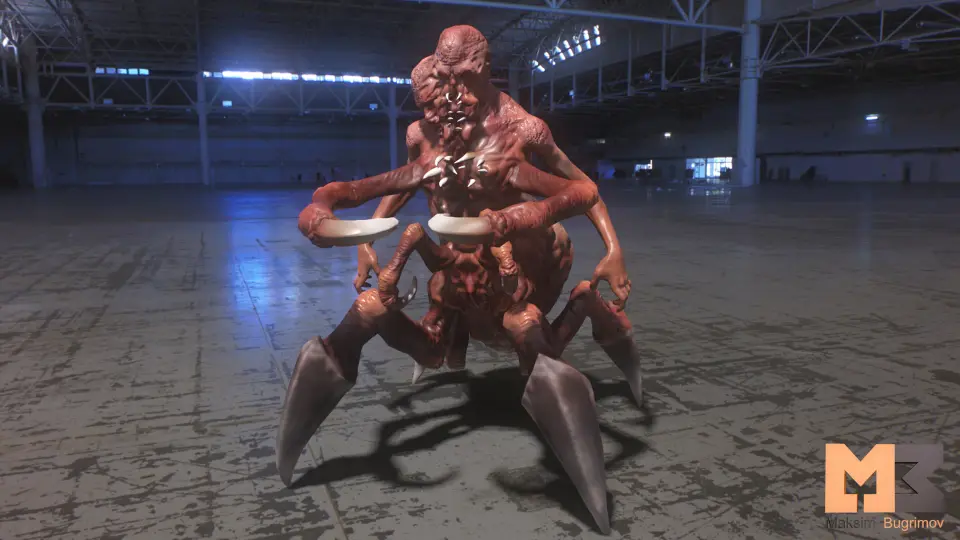
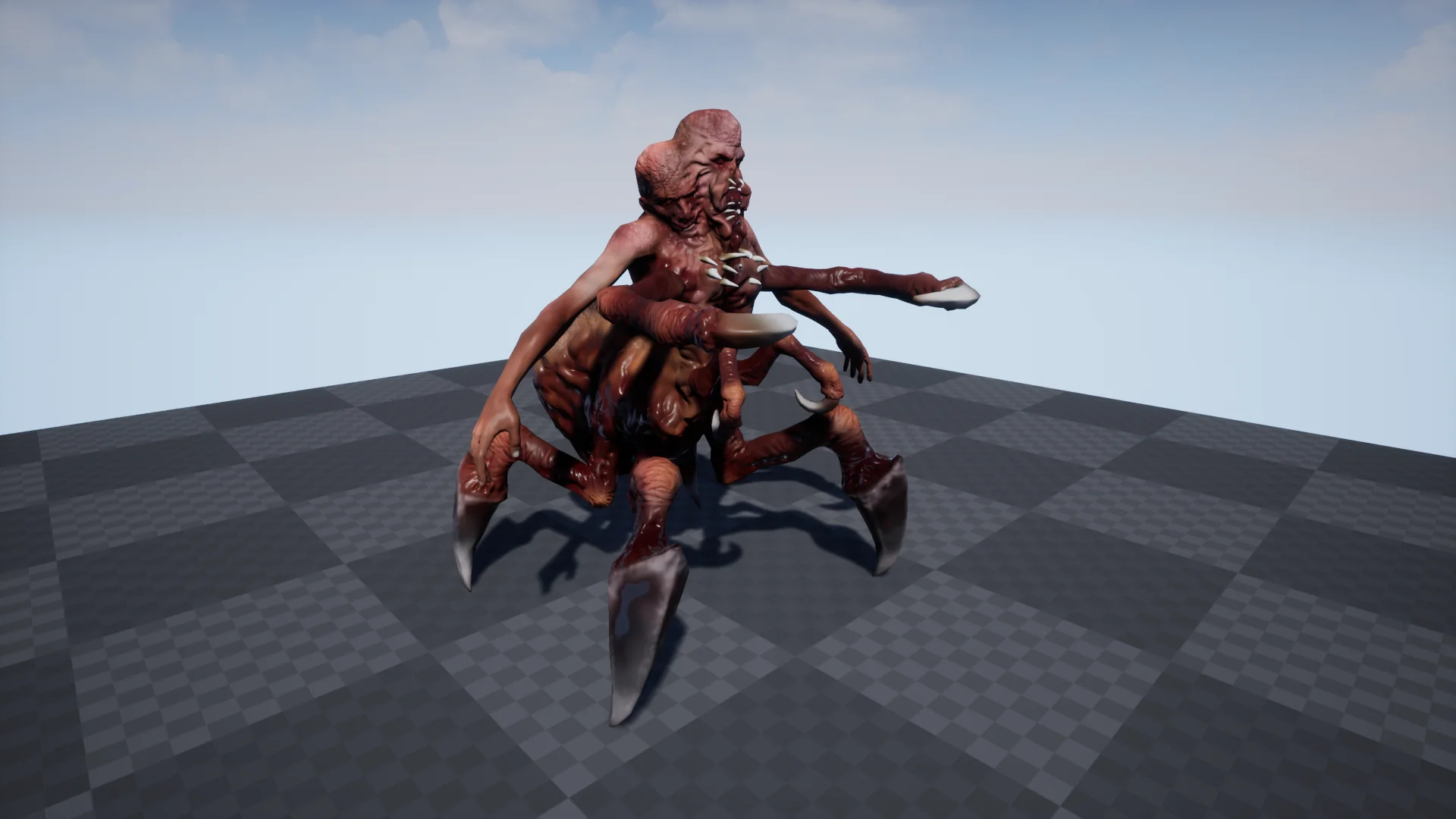
The Parasite_Spider delivers a dedicated monster archetype configured to function as an aggressive, reactive hostile entity in interactive environments. Focused on a predatory arachnid form, the asset bridges the gap between creature design and real-time execution by combining an explicit monster structure with a complete runtime animation workflow. Rather than serving as an inert prop or a static model, the asset represents an interactive combatant tailored for scenarios requiring hostile fauna or biologically corrupted threats.
Its characterization draws heavily from biological horror, predatory infestation, and multi-legged locomotion. The silhouette conveys immediate danger, allowing it to function as a frontline melee antagonist, an ambush predator, or a swarm unit. Because the character concept unifies parasitic elements with spider anatomy, it operates fluidly in scenarios where physical revulsion and tactical pressure meet. The core asset bundle couples the base creature presentation with dedicated motion and logic assets, letting production pipelines integrate the beast directly into level encounters without starting rigging or movement systems from scratch.
Motion Systems and the 56 Parasite_Spider Creature Animations
Animation forms the central functional pillar of this monster package. With 56 animations for creatures included, the collection provides a comprehensive library of motion data tailored strictly to the physical mechanics of a multi-limbed monstrosity. High-quality animations are critical when dealing with non-humanoid anatomy, where foot placement, weight distribution, and sudden directional shifts instantly expose flaws if motion curves lack precision.
A library of 56 distinct motions supports a broad spread of behavioral phases. Instead of relying on a sparse loop of simple idle, run, and attack states, a set of this scale accommodates varied mechanical responses. Locomotion sets can incorporate multiple directional speeds, sharp turns, erratic lateral scurrying, and cautious stalking steps. Combat actions can encompass varied strike telegraphs, quick jabs, recovery loops, directional flinches, impact reactions, and distinct takedown or death sequences.
Having 56 creature-specific animations ensures that encounters remain visually dynamic during prolonged engagements. In titles where players face the same enemy type across several encounters, repetitive motion cycles quickly degrade immersion. By offering a varied selection of high-quality creature movements, the asset provides the expressive latitude needed to stage both subtle ambient roaming and explosive, high-intensity melee aggression. The articulation gives weight to every stride, leap, and predatory turn.
Animationblueprint Integration and Script Logic
The presence of an Animationblueprint alongside script infrastructure anchors raw motion data to active gameplay triggers. In real-time production, animation clips require an operational logic structure to blend smoothly, calculate velocity offsets, and evaluate transition parameters. The Animationblueprint manages these transitions, reading continuous variables such as directional speed, combat status, health thresholds, and target tracking to output clean poses on a frame-by-frame basis.
Because the creature links motion sequences directly into an Animationblueprint setup, technical artists and developers avoid the time-consuming process of wiring state machines from the ground up for a multi-legged skeleton. The blueprint structure coordinates locomotion blends, handles transition interrupts when combat strikes trigger, and drives state changes such as shifting from resting states into high-alert pursuits.
Script components complement this blueprint foundation by exposing operational control over state logic. Whether governing when the entity initiates an attack string, how it processes damage feedback, or how it reacts to environmental triggers, the script-ready configuration links raw motion states with active gameplay systems. This tight cohesion between the Animationblueprint and underlying scripts guarantees that inputs from artificial intelligence systems, pathfinding grids, or direct level events trigger immediate, natural physical responses without jarring animation snaps or pose breaks.
Encounter Staging Across Shooters, Fantasy, and Horror
The asset is structured to accommodate three primary genres: enemy Shooter, Fantasy, and Horror. Each genre makes distinct demands on monster assets, and the Parasite_Spider meets these demands through its hybrid predatory theme and movement capabilities.
In an enemy Shooter context, encounters typically focus on threat recognition, hit verification, and target movement patterns. Fast-paced shooters demand enemies that read clearly at a distance while navigating complex, uneven terrain. The arachnid profile provides an unmistakable silhouette against industrial corridors, alien outposts, or ruined military complexes. Here, the creature functions effectively as a fast-closing melee unit, forcing players to break cover or switch focus from ranged combatants to close-quarters threats. Its high-quality animations allow clear wind-up frames for melee strikes, giving players brief tactical windows to dodge, counter, or fire before an impact connects.
Within Fantasy settings, the Parasite_Spider fits naturally into subterranean caverns, forgotten tombs, blighted forests, or cursed crypts. Fantasy gameplay often emphasizes visceral melee combat and elemental vulnerability. The creature can embody mutated dungeon vermin, the corrupted thrall of a necromancer, or a wild apex monster defending its brood. The extensive motion set permits expressive reactions to heavy weaponry, spell impacts, and defensive parries, integrating cleanly into the rhythmic, reactive pacing characteristic of action role-playing games.
In Horror productions, pacing shifts from fast reflexes to psychological tension and dread. Here, the unsettling nature of the parasite-spider blend becomes the primary asset. The combination of erratic skittering, sudden pauses, and deliberate creeping animations enables developers to stage jump scares, ceiling drops, or terrifying stalking sequences through shadowy corridors. The Animationblueprint can blend slow, methodical stalking motions with explosive lunges, cultivating an environment of persistent vulnerability where sound cues and sudden creature silhouettes drive player anxiety.
Functional Scope for Interactive Monster Encounters
Parasite_Spider provides an integrated creature asset that unites a grotesque visual identity with an extensive library of 56 animations, an Animationblueprint, and scripted control logic. By addressing both the visual needs of high-tension creature encounters and the functional needs of state management, it equips creators to build challenging, reactive threats across Shooter, Fantasy, and Horror projects.
 Game Development R
 Characters
 Animals
 Characters