"7ad89cffa44984cf"{"id":"1002555","slug":"parasite-fat","title":"Parasite Fat","category":"Characters \u0026 Creatures","engine":"4.26+,5.0+","assetVersion":"","engineVersion":"Engine Version: 4.26+,5.0+","tag":"Characters","accent":"blue","visual":"character","summary":"Examine the Parasite Fat creature asset, featuring low-poly modeling, 56 creature animations, an Animation Blueprint, and multi-genre game utility.","platform":"Unreal Engine","indexPolicy":"index","publishedAt":"2026-11-13T10:46:56.136Z","updatedAt":"2026-11-13T10:46:56.136Z","sourceNotes":[],"fileContents":[],"compatibility":["Unreal Engine","Engine Version: 4.26+,5.0+"],"featuredImage":{"alt":"Parasite Fat","src":"/wp-content/uploads/published/2026/11/9614601ac561-e57895a1-f308-4590-8778-c5c57928d074-16fac66df3.webp"},"hasDownloadLink":true,"downloads":0,"terms":[{"taxonomy":"category","slug":"characters-and-creatures","name":"Characters \u0026 Creatures"}],"galleryImages":[{"src":"/wp-content/uploads/published/2026/11/cb47af876ba6-f1c6f19a-fbb8-4574-8351-ed3025ff0867-f5671781fc.webp","alt":"Parasite Fat"},{"src":"/wp-content/uploads/published/2026/11/556f82560407-b69cd07e-ef45-4f68-86e4-c4bfb911ed31-273b605779.webp","alt":"Parasite Fat"},{"src":"/wp-content/uploads/published/2026/11/616cbf2af3d6-4ccbe28e-398b-44a0-90cf-e953ad3bebdf-f6b89b870d.webp","alt":"Parasite Fat"},{"src":"/wp-content/uploads/published/2026/11/7409b7030d21-2125e286-280d-45fc-b6b2-a087ce3c93cb-fb7ce7fe78.webp","alt":"Parasite Fat"}],"accessPanel":{"kind":"resource","title":"Get this resource","eyebrow":"Free resource","message":"Download this resource in your browser.","fileName":"Content.7z","safetyNote":"Resources are manually reviewed before listing to improve quality and reduce obvious risks.","actionLabel":"Get this resource","resourceType":"Resource archive","versions":[]},"contentHtml":"\u003ch2\u003eContextualizing Parasite Fat Across Hostile Environments\u003c/h2\u003e\n\u003cp\u003eGloomy industrial drainage tunnels, fog-drenched fantasy barrows, and abandoned quarantine outposts share a common staging need: a biological threat that instantly communicates corruption. Parasite Fat operates directly within these spaces. Its swollen silhouette and parasitic premise establish immediate tension when positioned in dimly lit corridors or subterranean arenas. Because the creature leans into low-poly construction, level designers can place it in tight interior chambers or populate wide-open combat zones without sacrificing the visual clarity needed for fast-paced gameplay.\u003c/p\u003e\n\u003cp\u003eIn horror settings, the asset works as a disturbing focal point. Placing a hulking, parasitic entity into a flickering medical bay or a damp root cellar evokes visceral vulnerability, especially when encountered in confined spaces with scarce lighting. Fantasy projects can reframe the same creature as an eldritch abomination, a blighted underground dweller, or a plague-spawned guardian guarding corrupted ruins. Because the visual direction relies on low-poly styling, the silhouette remains legible against complex background geometry, preventing players from losing track of the threat during chaotic encounters.\u003c/p\u003e \u003ch2\u003eBehavioral Logic and Animation Blueprint Architecture for Parasite Fat\u003c/h2\u003e\n\u003cp\u003eVisual presentation is only half of any enemy encounter; motion logic and technical control dictate how convincing the creature feels in runtime conditions. The inclusion of an Animation Blueprint and supporting script structure bridges the gap between raw motion assets and active gameplay logic. Rather than requiring developers to construct character state machines and blend spaces entirely from scratch, the system establishes a direct framework for managing locomotion transitions, idle variations, and combat states.\u003c/p\u003e\n\u003cp\u003eUsing an Animation Blueprint allows the monster to smoothly interpolate between varying speeds, whether it is slowly stalking a corridor or accelerating into an aggressive charge. Hit reactions, directional turns, and behavioral branches can be driven programmatically via script variables. This setup provides predictable behavior trees for artificial intelligence routines. When a player breaks line of sight or retreats behind cover, the transition logic inside the blueprint can switch states cleanly, maintaining anatomical plausibility without unnatural animation clipping or sudden pose popping.\u003c/p\u003e \u003ch2\u003eMovement Breadth Across the 56 Creature Animations\u003c/h2\u003e\n\u003cp\u003eNon-humanoid and monstrous enemies frequently suffer from limited motion variety in game production, leading to repetitive combat cycles where players memorize single attack frames. Parasite Fat addresses this through a dedicated set of 56 creature animations. Having dozens of motion clips available gives technical animators the range necessary to build layered, reactive creature behavior instead of relying on a handful of static loops.\u003c/p\u003e\n\u003cp\u003eWith 56 distinct motions, combat pacing can incorporate diverse behavioral subsets:\u003c/p\u003e\n\u003cul\u003e \u003cli\u003eLocomotion sets covering various gaits, including measured pacing, wounded movement, and fast rushes toward targets.\u003c/li\u003e \u003cli\u003eDirectional flinches and recovery animations that signal received damage based on weapon impacts.\u003c/li\u003e \u003cli\u003eMultiple attack sequences allowing the creature to alternate between close-range swings, sweeping strikes, and lunging maneuvers.\u003c/li\u003e \u003cli\u003eTransitions between dormant, alerted, and aggressive postures to support stealth or ambushes.\u003c/li\u003e \u003cli\u003eDistinct death sequences that reflect high-impact defeats or slow collapses, preventing multiple slain monsters from falling identically.\u003c/li\u003e\n\u003c/ul\u003e\n\u003cp\u003eThis volume of animation clips ensures that encounters remain dynamic. When players face the monster repeatedly throughout a campaign, the variety in movement states keeps the adversary unpredictable, sustaining the sense of danger across multiple levels.\u003c/p\u003e \u003ch2\u003eCombat Roles from Wave Shooters to Survival Encounters\u003c/h2\u003e\n\u003cp\u003eIn action-oriented enemy shooters, combat encounters rely on distinct enemy archetypes to force tactical decision-making. Parasite Fat fits the role of an imposing frontline bruiser. Its bulk signals durability, naturally prompting players to prioritize targets, switch to heavier ordnance, or maintain physical distance. Because the asset is supported by scripted animation logic, it can be integrated into wave-based combat systems where groups of smaller enemies swarm ahead while this heavy entity advances relentlessly.\u003c/p\u003e\n\u003cp\u003eSurvival horror games require a different tempo. Here, the creature functions as an ammo-draining obstacle where engagement must be weighed against flight. The high-quality animation work ensures that close-quarters encounters feel threatening and physical. If trapped in a dead end, a player facing sudden, aggressive lunges must read the creature's attack windups to time evasive maneuvers. In fantasy role-playing games, the creature translates naturally into an elite dungeon mini-boss or a summoning result, where its animated attacks challenge party positioning and tanking mechanics.\u003c/p\u003e \u003ch2\u003eProduction Alignment and Stylized Pipeline Benefits\u003c/h2\u003e\n\u003cp\u003eThe choice of a low-poly aesthetic provides practical advantages for modern development pipelines. Beyond aesthetic style, low-poly geometry reduces memory overhead and rendering cost, making the package particularly valuable for projects targeting broader hardware ranges, high frame rates, or massive enemy counts on screen. In wave shooters where dozens of hostiles attack simultaneously, low-poly assets maintain system performance where dense, cinematic meshes would cause frame drops.\u003c/p\u003e\n\u003cp\u003eTeams building games within fantasy, shooter, or horror spaces benefit from having the model, 56 dedicated creature animations, script logic, and Animation Blueprint bundled together. This structure bypasses the friction of rigging and building animation trees independently, enabling developers to import the creature directly into graybox levels, wire it to their existing AI systems, and evaluate gameplay balance immediately.\u003c/p\u003e\n\n\u003ch2\u003eContinue Browsing Similar Packs\u003c/h2\u003e\n\u003cul\u003e\n\u003cli\u003e\u003ca href=\"https://3dcghub.com/parasite-zombie-05-game-assets-extra/\" rel=\"noopener noreferrer\"\u003eParasite Zombie 05 - Game Assets + Extra\u003c/a\u003e\u003c/li\u003e\n\u003cli\u003e\u003ca href=\"https://3dcghub.com/parasite-zombie-06-game-assets-extra/\" rel=\"noopener noreferrer\"\u003eParasite Zombie 06 - Game Assets + Extra\u003c/a\u003e\u003c/li\u003e\n\u003cli\u003e\u003ca href=\"https://3dcghub.com/parasite-zombie-04-game-assets-extra/\" rel=\"noopener noreferrer\"\u003eParasite Zombie 04 - Game Assets + Extra\u003c/a\u003e\u003c/li\u003e\n\u003cli\u003e\u003ca href=\"https://3dcghub.com/krot-ghs/\" rel=\"noopener noreferrer\"\u003eKrot GHS\u003c/a\u003e\u003c/li\u003e\n\u003cli\u003e\u003ca href=\"https://3dcghub.com/modern-character/\" rel=\"noopener noreferrer\"\u003eModern character\u003c/a\u003e\u003c/li\u003e\n\u003c/ul\u003e","contentTextLength":6200,"navigation":{"current":22,"total":4499,"previous":{"id":"1002556","slug":"parasite-spider","title":"Parasite_Spider","category":"Game Development Resource","platform":"Unreal Engine","updatedAt":"2026-11-13T10:47:59.388Z"},"next":{"id":"1002554","slug":"npc-zombie-woman","title":"NPC Zombie Woman","category":"Characters \u0026 Creatures","platform":"Unreal Engine","updatedAt":"2026-11-13T10:45:37.029Z"}},"relatedResources":[{"id":"1002557","slug":"parasites-pack","title":"Parasites Pack","category":"Characters \u0026 Creatures","engine":"4.26+,5.0+","assetVersion":"","engineVersion":"Engine Version: 4.26+,5.0+","tag":"Characters","accent":"blue","visual":"character","summary":"A detailed look at the Parasites Pack, featuring five low-poly creature characters with animations, sounds, animation blueprints, and script integration.","platform":"Unreal Engine","indexPolicy":"index","publishedAt":"2026-11-13T10:49:48.970Z","updatedAt":"2026-11-13T10:49:48.970Z","sourceNotes":[],"fileContents":[],"compatibility":["Unreal Engine","Engine Version: 4.26+,5.0+"],"featuredImage":{"alt":"Parasites Pack","src":"/wp-content/uploads/published/2026/11/d5f5d25bb220-1ef98fa5-f598-4a54-8211-2a1e0a164513-d20c82884b.webp"},"hasDownloadLink":true,"downloads":0},{"id":"3193","slug":"parasite-zombie-05-game-assets-extra","title":"Parasite Zombie 05 - Game Assets + Extra","category":"Characters \u0026 Creatures","engine":"5.2+","assetVersion":"Engine version: 5.2+","engineVersion":"4.27","tag":"Characters","accent":"blue","visual":"character","summary":"Enhance your horror game with the Parasite Zombie 05. This modular character asset is perfect for modern, sci-fi, and medieval projects in Unreal Engine.","platform":"Unreal Engine","indexPolicy":"noindex","publishedAt":"2026-02-08T16:34:11.000Z","updatedAt":"2026-04-19T15:57:41.000Z","sourceNotes":[],"fileContents":[],"compatibility":["Unreal Engine","Engine version: 5.2+"],"featuredImage":{"alt":"Parasite Zombie 05 - Game Assets + Extra","src":"https://3dcghub.com/wp-content/uploads/2026/02/95e0cdaf-0c1e-4da6-a850-afd01029b95e.webp"},"hasDownloadLink":true,"downloads":3},{"id":"3186","slug":"parasite-zombie-04-game-assets-extra","title":"Parasite Zombie 04 - Game Assets + Extra","category":"Characters \u0026 Creatures","engine":"5.0+","assetVersion":"Engine version: 5.0+","engineVersion":"4.27","tag":"Characters","accent":"blue","visual":"character","summary":"Enhance your horror game with the Parasite Zombie 04 character asset. Featuring modular materials and cross-genre compatibility for modern and medieval settings","platform":"Unreal Engine","indexPolicy":"index","publishedAt":"2026-02-08T16:28:56.000Z","updatedAt":"2026-04-19T15:57:41.000Z","sourceNotes":[],"fileContents":[],"compatibility":["Unreal Engine","Engine version: 5.0+"],"featuredImage":{"alt":"Parasite Zombie 04 - Game Assets + Extra","src":"https://3dcghub.com/wp-content/uploads/2026/02/e26e84ab-57b5-4795-a55f-cbc490e1ddd1.webp"},"hasDownloadLink":true,"downloads":1}]}
Characters
Parasite Fat
Examine the Parasite Fat creature asset, featuring low-poly modeling, 56 creature animations, an Animation Blueprint, and multi-genre game utility.
Contextualizing Parasite Fat Across Hostile Environments
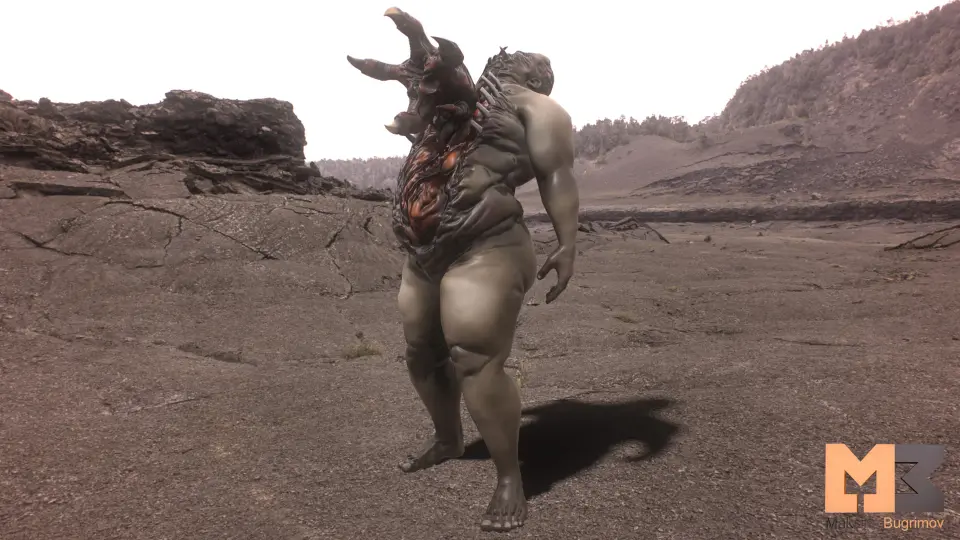
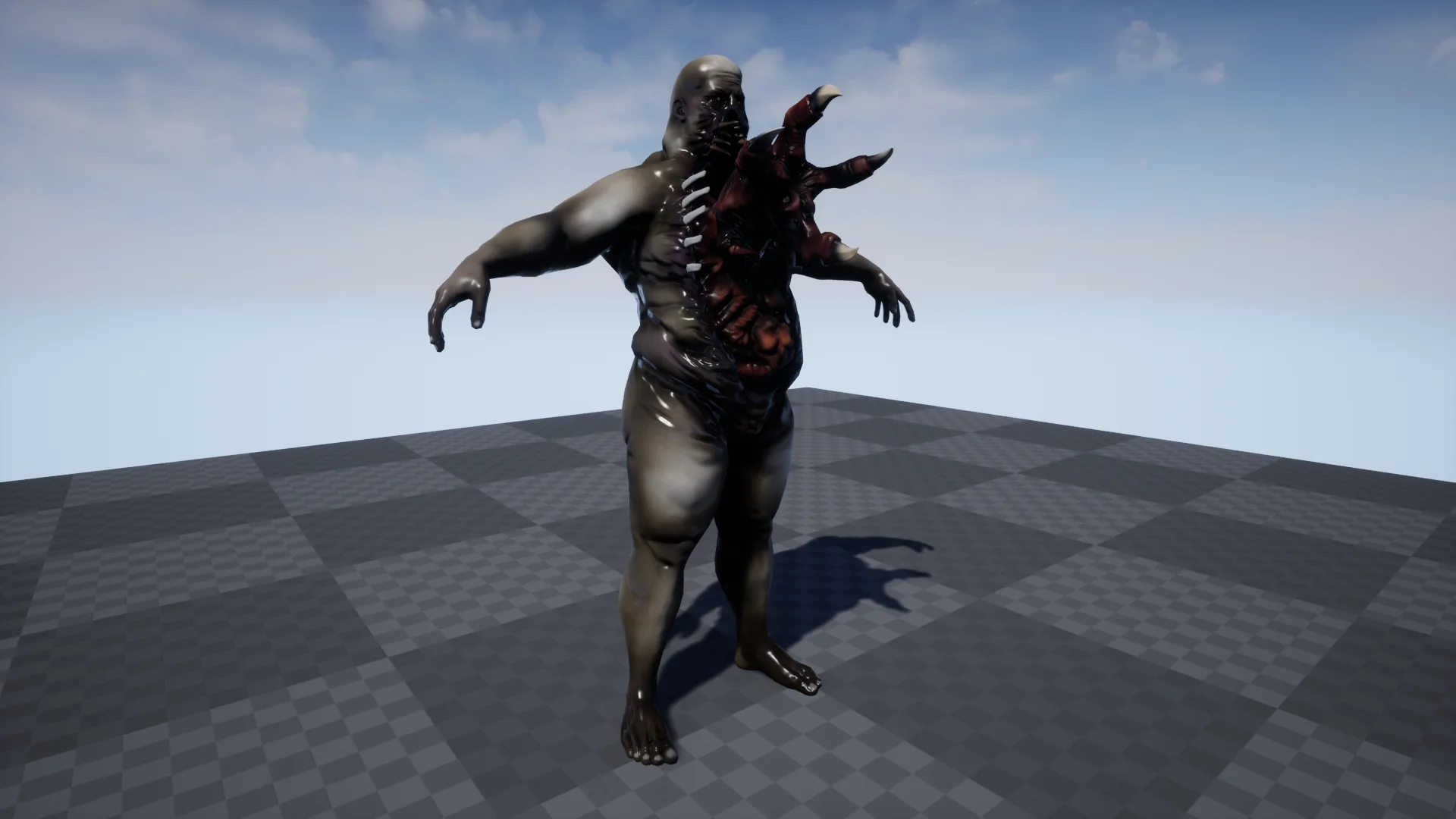
Gloomy industrial drainage tunnels, fog-drenched fantasy barrows, and abandoned quarantine outposts share a common staging need: a biological threat that instantly communicates corruption. Parasite Fat operates directly within these spaces. Its swollen silhouette and parasitic premise establish immediate tension when positioned in dimly lit corridors or subterranean arenas. Because the creature leans into low-poly construction, level designers can place it in tight interior chambers or populate wide-open combat zones without sacrificing the visual clarity needed for fast-paced gameplay.
In horror settings, the asset works as a disturbing focal point. Placing a hulking, parasitic entity into a flickering medical bay or a damp root cellar evokes visceral vulnerability, especially when encountered in confined spaces with scarce lighting. Fantasy projects can reframe the same creature as an eldritch abomination, a blighted underground dweller, or a plague-spawned guardian guarding corrupted ruins. Because the visual direction relies on low-poly styling, the silhouette remains legible against complex background geometry, preventing players from losing track of the threat during chaotic encounters.
Behavioral Logic and Animation Blueprint Architecture for Parasite Fat
Visual presentation is only half of any enemy encounter; motion logic and technical control dictate how convincing the creature feels in runtime conditions. The inclusion of an Animation Blueprint and supporting script structure bridges the gap between raw motion assets and active gameplay logic. Rather than requiring developers to construct character state machines and blend spaces entirely from scratch, the system establishes a direct framework for managing locomotion transitions, idle variations, and combat states.
Using an Animation Blueprint allows the monster to smoothly interpolate between varying speeds, whether it is slowly stalking a corridor or accelerating into an aggressive charge. Hit reactions, directional turns, and behavioral branches can be driven programmatically via script variables. This setup provides predictable behavior trees for artificial intelligence routines. When a player breaks line of sight or retreats behind cover, the transition logic inside the blueprint can switch states cleanly, maintaining anatomical plausibility without unnatural animation clipping or sudden pose popping.
Movement Breadth Across the 56 Creature Animations
Non-humanoid and monstrous enemies frequently suffer from limited motion variety in game production, leading to repetitive combat cycles where players memorize single attack frames. Parasite Fat addresses this through a dedicated set of 56 creature animations. Having dozens of motion clips available gives technical animators the range necessary to build layered, reactive creature behavior instead of relying on a handful of static loops.
With 56 distinct motions, combat pacing can incorporate diverse behavioral subsets:
Locomotion sets covering various gaits, including measured pacing, wounded movement, and fast rushes toward targets.
Directional flinches and recovery animations that signal received damage based on weapon impacts.
Multiple attack sequences allowing the creature to alternate between close-range swings, sweeping strikes, and lunging maneuvers.
Transitions between dormant, alerted, and aggressive postures to support stealth or ambushes.
Distinct death sequences that reflect high-impact defeats or slow collapses, preventing multiple slain monsters from falling identically.
This volume of animation clips ensures that encounters remain dynamic. When players face the monster repeatedly throughout a campaign, the variety in movement states keeps the adversary unpredictable, sustaining the sense of danger across multiple levels.
Combat Roles from Wave Shooters to Survival Encounters
In action-oriented enemy shooters, combat encounters rely on distinct enemy archetypes to force tactical decision-making. Parasite Fat fits the role of an imposing frontline bruiser. Its bulk signals durability, naturally prompting players to prioritize targets, switch to heavier ordnance, or maintain physical distance. Because the asset is supported by scripted animation logic, it can be integrated into wave-based combat systems where groups of smaller enemies swarm ahead while this heavy entity advances relentlessly.
Survival horror games require a different tempo. Here, the creature functions as an ammo-draining obstacle where engagement must be weighed against flight. The high-quality animation work ensures that close-quarters encounters feel threatening and physical. If trapped in a dead end, a player facing sudden, aggressive lunges must read the creature's attack windups to time evasive maneuvers. In fantasy role-playing games, the creature translates naturally into an elite dungeon mini-boss or a summoning result, where its animated attacks challenge party positioning and tanking mechanics.
Production Alignment and Stylized Pipeline Benefits
The choice of a low-poly aesthetic provides practical advantages for modern development pipelines. Beyond aesthetic style, low-poly geometry reduces memory overhead and rendering cost, making the package particularly valuable for projects targeting broader hardware ranges, high frame rates, or massive enemy counts on screen. In wave shooters where dozens of hostiles attack simultaneously, low-poly assets maintain system performance where dense, cinematic meshes would cause frame drops.
Teams building games within fantasy, shooter, or horror spaces benefit from having the model, 56 dedicated creature animations, script logic, and Animation Blueprint bundled together. This structure bypasses the friction of rigging and building animation trees independently, enabling developers to import the creature directly into graybox levels, wire it to their existing AI systems, and evaluate gameplay balance immediately.
 Characters
 Characters
 Characters
 Characters