"a19e0535960bd083"{"id":"1002072","slug":"krot-ghs","title":"Krot GHS","category":"Characters \u0026 Creatures","engine":"4.25+,5.0+","assetVersion":"","engineVersion":"Engine Version: 4.25+,5.0+","tag":"Characters","accent":"blue","visual":"character","summary":"Explore Krot GHS, a low-poly monster character tuned for the Epic skeleton, featuring two-sided polygon shading and multi-genre game deployment.","platform":"Unreal Engine","publishedAt":"2026-10-26T15:36:28.720Z","updatedAt":"2026-10-26T15:36:28.720Z","sourceNotes":[],"fileContents":[],"compatibility":["Unreal Engine","Engine Version: 4.25+,5.0+"],"featuredImage":{"alt":"Krot GHS","src":"/wp-content/uploads/published/2026/10/422200d75a81-93532ab0-1af1-4dd1-a7ed-8c3f9853da6d-cacfa111c3.webp"},"hasDownloadLink":true,"downloads":0,"terms":[{"taxonomy":"category","slug":"characters-and-creatures","name":"Characters \u0026 Creatures"}],"galleryImages":[{"src":"/wp-content/uploads/published/2026/10/b1182b07d5c8-506b8a5a-98f8-4e0c-a209-9a5614f8a559-d9a5a9b398.webp","alt":"Krot GHS"},{"src":"/wp-content/uploads/published/2026/10/ad5889bd3a29-d0aa6fbb-77db-4efc-ad34-98aaa59832c4-41d745b2f8.webp","alt":"Krot GHS"},{"src":"/wp-content/uploads/published/2026/10/766eac626f09-e4004f2a-9a64-4b6a-b4fe-13f58ce41ce0-993f6276dd.webp","alt":"Krot GHS"},{"src":"/wp-content/uploads/published/2026/10/28fd2472d124-4c826477-3171-4ffd-9dab-7975872d0a84-581e7c1ab2.webp","alt":"Krot GHS"},{"src":"/wp-content/uploads/published/2026/10/92819580c875-e354a66c-3c47-4da2-addf-ef9c5761ee2f-e91b97cc6e.webp","alt":"Krot GHS"}],"accessPanel":{"kind":"resource","title":"Download this resource","eyebrow":"Free Download","message":"Log in or create a free account to start your download.","fileName":"Content.7z","safetyNote":"Resources are manually reviewed before listing to improve quality and reduce obvious risks.","actionLabel":"Download Free","resourceType":"Resource archive"},"contentHtml":"\u003ch2\u003eStaging Monster and Alien Encounters with Krot GHS\u003c/h2\u003e\n\u003cp\u003eHostile creature design dictates the atmosphere of dangerous game environments, whether players tread through subterranean fantasy tombs or explore derelict research facilities on alien worlds. Krot GHS establishes an immediate physical threat within these settings, balancing low-poly construction with a grounded, realistic aesthetic. Because the model embodies traits of both a monstrous beast and an armored warrior, it adapts readily to divergent worldbuilding goals without requiring major mesh alterations.\u003c/p\u003e\n\u003cp\u003eIn dark fantasy settings, the character functions naturally as a mutated guardian, an underground troglodyte, or an elite frontline warrior defending cursed territory. In science-fiction environments, the same silhouette translates into an extraterrestrial predator or an engineered biological weapon deployed in ship corridors. The low-poly structure allows developers to populate scenes with individual bosses or wide patrol groups without risking frame-rate penalties in scenes dense with dynamic lighting and particle effects.\u003c/p\u003e \u003ch2\u003eEpic Skeleton Tuning and Animation Blueprint Integration\u003c/h2\u003e\n\u003cp\u003eRigging alignment determines how quickly a skeletal mesh can move from the import pipeline into an active playable state. Krot GHS is tuned directly to fit an Epic skeleton, matching the established bone hierarchy and proportion standards common across standard game engines. This skeletal foundation bypasses the need for custom bone mapping, letting teams apply established motion trees and locomotion state machines directly to the character.\u003c/p\u003e\n\u003cp\u003eA couple of dedicated animations accompany the asset, offering immediate baseline movement without requiring immediate third-party animation libraries. Beyond those initial motion clips, the asset interacts directly with an Animation Blueprint structure. By relying on standard Epic skeleton proportions, technical designers can wire Krot GHS into script-driven state logic, managing transitions between idle states, aggressive locomotion, and hit reactions through familiar blendspaces and procedural aim offsets.\u003c/p\u003e \u003ch2\u003eMaterial Configuration and Two-Sided Polygon Shading\u003c/h2\u003e\n\u003cp\u003eLow-poly assets frequently employ single-plane geometry to represent thin organic flaps, clothing trim, leather straps, or sharp anatomical extrusions without multiplying triangle budgets. Krot GHS relies on this construction method, which makes the shader setup a crucial phase of technical implementation. Specifically, the model requires a shader configured with a two-sided display of polygons.\u003c/p\u003e\n\u003cp\u003eStandard rendering engines utilize backface culling by default, discarding any triangle whose normal points away from the active camera view. On single-layer geometry, this culling causes surfaces to turn completely invisible when viewed from reverse angles, creating jarring visual holes across the character mesh during combat sequences and rapid camera turns. Enabling two-sided rendering inside the material graph resolves this issue immediately:\u003c/p\u003e\n\u003cul\u003e\n\u003cli\u003eEnsures structural continuity across thin appendages, armor strips, and decorative surfaces.\u003c/li\u003e\n\u003cli\u003eMaintains correct visual volume from extreme player perspectives without baking unnecessary thickness into the underlying geometry.\u003c/li\u003e\n\u003cli\u003eSimplifies the mesh payload, keeping runtime draw performance optimized for scenes with multiple combatants.\u003c/li\u003e\n\u003c/ul\u003e \u003ch2\u003eBalancing Krot GHS Across RPG, Strategy, and Shooter Projects\u003c/h2\u003e\n\u003cp\u003eDifferent genres impose sharply contrasting technical and visual demands on character meshes. In first-person shooters, enemies engage players at close quarters, demanding clean silhouettes, readable strike telegraphs, and responsive hit-reaction hitboxes. Krot GHS supplies the aggressive physical stance necessary to signal imminent melee strikes or tactical repositioning in high-intensity firefights.\u003c/p\u003e\n\u003cp\u003eStrategy titles, conversely, demand assets that render cleanly from distant isometric or top-down cameras. When commanding armies or managing base defense scenarios, dozens of units may occupy the screen simultaneously. The low-poly footprint of Krot GHS allows real-time strategy and turn-based tactical games to field entire platoons or monstrous swarms without overloading unit rendering passes. The distinct alien-warrior profile keeps the character identifiable even when zoomed out to maximum tactical elevation.\u003c/p\u003e\n\u003cp\u003eRole-playing games benefit from the middle ground, where the model can alternate between ambient encounters, hostile wandering spawns, and narrative boss battles. Script-driven behaviors can govern pathfinding through dungeon levels, using the asset's Epic skeleton compatibility to trigger environmental interactions, vault over low obstacles, or perform custom combat sequences generated via gameplay ability systems.\u003c/p\u003e \u003ch2\u003eRoster Cohesion Alongside Dark Man GHS\u003c/h2\u003e\n\u003cp\u003eConsistency in art direction is essential when constructing faction rosters or enemy ecosystems. Krot GHS is designed with direct compatibility alongside Dark Man GHS, allowing the two characters to occupy the same game universe without stylistic friction. Teams building tiered combat challenges can pair the brute, alien monster qualities of Krot GHS with Dark Man GHS to establish varied combat roles within the same hostile camp.\u003c/p\u003e\n\u003cp\u003eThis cross-asset compatibility streamlines production for studios producing multi-enemy encounters. Shared skeletal expectations across both models allow animation trees, state scripts, and ragdoll physics profiles to be repurposed across both characters with minimal per-asset troubleshooting, keeping project workflows efficient from initial prototyping through final polish.\u003c/p\u003e\n\n\u003ch2\u003eContinue Browsing Similar Packs\u003c/h2\u003e\n\u003cul\u003e\n\u003cli\u003e\u003ca href=\"https://3dcghub.com/cruel-doll/\" title=\"Cruel Doll\"\u003eCruel Doll\u003c/a\u003e\u003c/li\u003e\n\u003cli\u003e\u003ca href=\"https://3dcghub.com/horror-villains-pack/\" title=\"Horror Villains Pack\"\u003eHorror Villains Pack\u003c/a\u003e\u003c/li\u003e\n\u003cli\u003e\u003ca href=\"https://3dcghub.com/forest-druid-girl/\" title=\"Forest Druid Girl\"\u003eForest Druid Girl\u003c/a\u003e\u003c/li\u003e\n\u003cli\u003e\u003ca href=\"https://3dcghub.com/cyberpunk-street-boy/\" title=\"Cyberpunk Street Boy\"\u003eCyberpunk Street Boy\u003c/a\u003e\u003c/li\u003e\n\u003cli\u003e\u003ca href=\"https://3dcghub.com/robot-robbie-01/\" title=\"Robot Robbie 01\"\u003eRobot Robbie 01\u003c/a\u003e\u003c/li\u003e\n\u003c/ul\u003e","contentTextLength":5726,"navigation":{"current":19,"total":4026,"previous":{"id":"1002073","slug":"ky-magic-fx-04","title":"KY Magic FX 04","category":"Spells \u0026 Combat","platform":"Unreal Engine","updatedAt":"2026-10-26T15:37:16.489Z"},"next":{"id":"1002071","slug":"knife-mocapanimpack-1-3","title":"Knife MocapAnimPack 1.3","category":"Variety","platform":"Unreal Engine","updatedAt":"2026-10-26T15:32:58.910Z"}},"relatedResources":[{"id":"1001726","slug":"cruel-doll","title":"Cruel Doll","category":"Characters \u0026 Creatures","engine":"4.25+,5.0+","assetVersion":"","engineVersion":"Engine Version: 4.25+,5.0+","tag":"Characters","accent":"blue","visual":"character","summary":"Explore the Cruel Doll character asset, featuring 19 animations, 4K parametric textures, scissor weapon combat, and seamless Epic Skeleton retargeting.","platform":"Unreal Engine","publishedAt":"2026-10-20T02:33:21.246Z","updatedAt":"2026-10-20T02:33:21.246Z","sourceNotes":[],"fileContents":[],"compatibility":["Unreal Engine","Engine Version: 4.25+,5.0+"],"featuredImage":{"alt":"Cruel Doll","src":"/wp-content/uploads/published/2026/10/0d7498df0fc1-5570c5c9-2950-4123-9061-33c81adc1f61-a19fe2f9be.webp"},"hasDownloadLink":true,"downloads":0},{"id":"1001637","slug":"horror-villains-pack","title":"Horror Villains Pack","category":"Characters \u0026 Creatures","engine":"4.25+,5.0+","assetVersion":"","engineVersion":"Engine Version: 4.25+,5.0+","tag":"Characters","accent":"blue","visual":"character","summary":"Detailed breakdown of the Horror Villains Pack characters, animation setups, Epic Skeleton compatibility, and revision 3.0 migration requirements.","platform":"Unreal Engine","publishedAt":"2026-10-13T02:15:47.532Z","updatedAt":"2026-10-13T02:15:47.532Z","sourceNotes":[],"fileContents":[],"compatibility":["Unreal Engine","Engine Version: 4.25+,5.0+"],"featuredImage":{"alt":"Horror Villains Pack","src":"/wp-content/uploads/published/2026/10/79707c106635-865a0ec2-24c7-44af-9a1a-53741edc2e46-b90b0fb2aa.webp"},"hasDownloadLink":true,"downloads":1},{"id":"1002030","slug":"forest-druid-girl","title":"Forest Druid Girl","category":"Characters \u0026 Creatures","engine":"4.25+,5.0+","assetVersion":"","engineVersion":"Engine Version: 4.25+,5.0+","tag":"Characters","accent":"blue","visual":"character","summary":"Technical overview of Forest Druid Girl, featuring dual rigged body shapes, Epic Skeleton support, 9 PBR 4K texture sets, and material customization.","platform":"Unreal Engine","publishedAt":"2026-10-26T13:33:04.443Z","updatedAt":"2026-10-26T13:33:04.443Z","sourceNotes":[],"fileContents":[],"compatibility":["Unreal Engine","Engine Version: 4.25+,5.0+"],"featuredImage":{"alt":"Forest Druid Girl","src":"/wp-content/uploads/published/2026/10/0956b92a091d-c4130ad6-e1ad-496e-824a-f12d432c94df-bc0f375af0.webp"},"hasDownloadLink":true,"downloads":0}]}
Characters
Krot GHS
Explore Krot GHS, a low-poly monster character tuned for the Epic skeleton, featuring two-sided polygon shading and multi-genre game deployment.
Staging Monster and Alien Encounters with Krot GHS
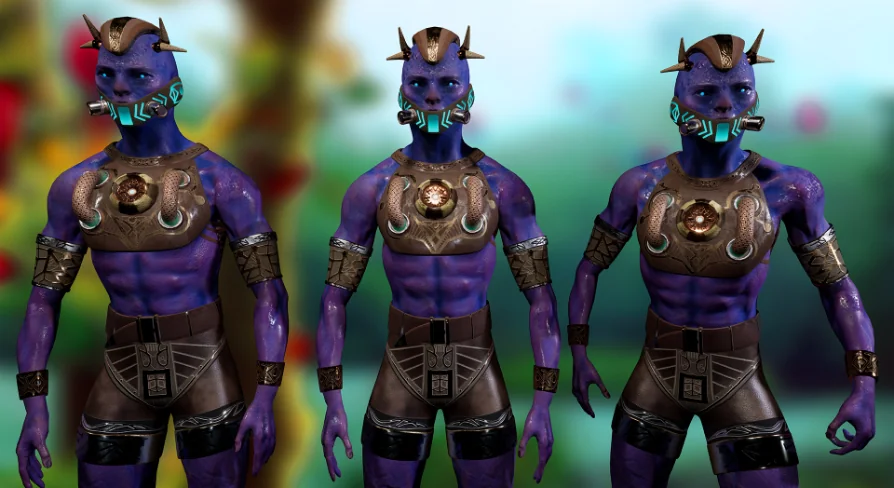
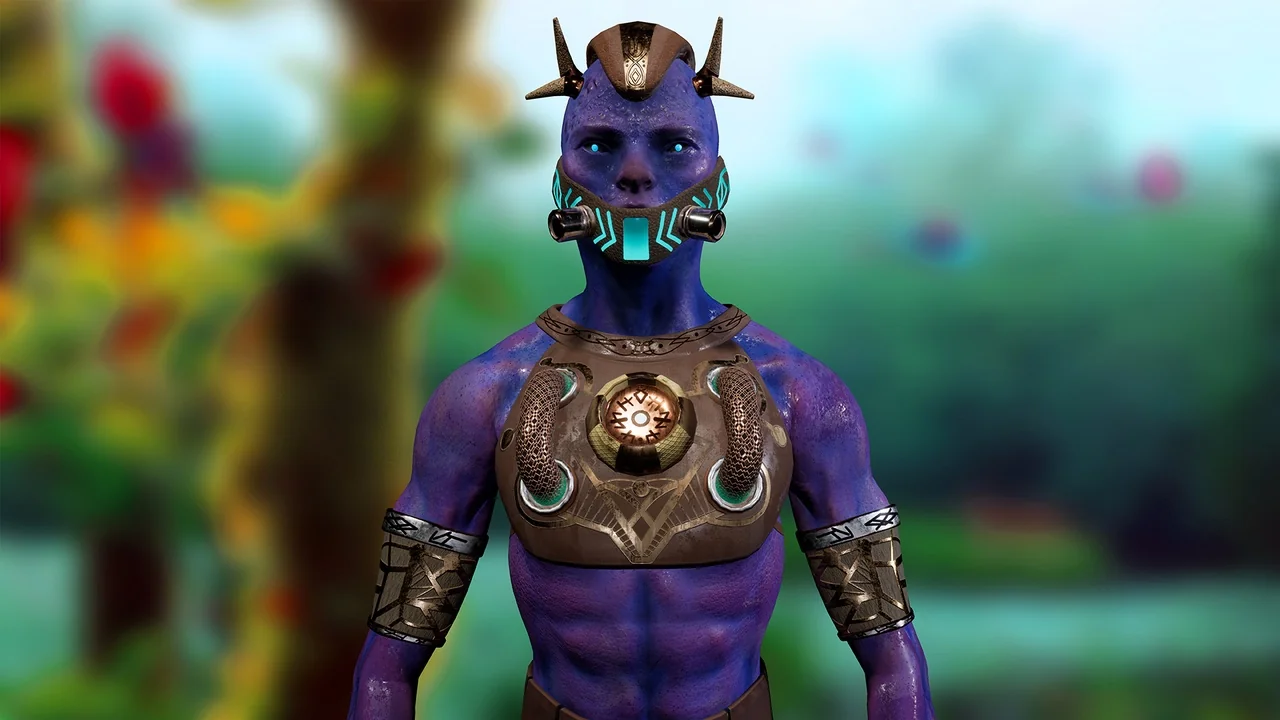
Hostile creature design dictates the atmosphere of dangerous game environments, whether players tread through subterranean fantasy tombs or explore derelict research facilities on alien worlds. Krot GHS establishes an immediate physical threat within these settings, balancing low-poly construction with a grounded, realistic aesthetic. Because the model embodies traits of both a monstrous beast and an armored warrior, it adapts readily to divergent worldbuilding goals without requiring major mesh alterations.
In dark fantasy settings, the character functions naturally as a mutated guardian, an underground troglodyte, or an elite frontline warrior defending cursed territory. In science-fiction environments, the same silhouette translates into an extraterrestrial predator or an engineered biological weapon deployed in ship corridors. The low-poly structure allows developers to populate scenes with individual bosses or wide patrol groups without risking frame-rate penalties in scenes dense with dynamic lighting and particle effects.
Epic Skeleton Tuning and Animation Blueprint Integration
Rigging alignment determines how quickly a skeletal mesh can move from the import pipeline into an active playable state. Krot GHS is tuned directly to fit an Epic skeleton, matching the established bone hierarchy and proportion standards common across standard game engines. This skeletal foundation bypasses the need for custom bone mapping, letting teams apply established motion trees and locomotion state machines directly to the character.
A couple of dedicated animations accompany the asset, offering immediate baseline movement without requiring immediate third-party animation libraries. Beyond those initial motion clips, the asset interacts directly with an Animation Blueprint structure. By relying on standard Epic skeleton proportions, technical designers can wire Krot GHS into script-driven state logic, managing transitions between idle states, aggressive locomotion, and hit reactions through familiar blendspaces and procedural aim offsets.
Material Configuration and Two-Sided Polygon Shading
Low-poly assets frequently employ single-plane geometry to represent thin organic flaps, clothing trim, leather straps, or sharp anatomical extrusions without multiplying triangle budgets. Krot GHS relies on this construction method, which makes the shader setup a crucial phase of technical implementation. Specifically, the model requires a shader configured with a two-sided display of polygons.
Standard rendering engines utilize backface culling by default, discarding any triangle whose normal points away from the active camera view. On single-layer geometry, this culling causes surfaces to turn completely invisible when viewed from reverse angles, creating jarring visual holes across the character mesh during combat sequences and rapid camera turns. Enabling two-sided rendering inside the material graph resolves this issue immediately:
Ensures structural continuity across thin appendages, armor strips, and decorative surfaces.
Maintains correct visual volume from extreme player perspectives without baking unnecessary thickness into the underlying geometry.
Simplifies the mesh payload, keeping runtime draw performance optimized for scenes with multiple combatants.
Balancing Krot GHS Across RPG, Strategy, and Shooter Projects
Different genres impose sharply contrasting technical and visual demands on character meshes. In first-person shooters, enemies engage players at close quarters, demanding clean silhouettes, readable strike telegraphs, and responsive hit-reaction hitboxes. Krot GHS supplies the aggressive physical stance necessary to signal imminent melee strikes or tactical repositioning in high-intensity firefights.
Strategy titles, conversely, demand assets that render cleanly from distant isometric or top-down cameras. When commanding armies or managing base defense scenarios, dozens of units may occupy the screen simultaneously. The low-poly footprint of Krot GHS allows real-time strategy and turn-based tactical games to field entire platoons or monstrous swarms without overloading unit rendering passes. The distinct alien-warrior profile keeps the character identifiable even when zoomed out to maximum tactical elevation.
Role-playing games benefit from the middle ground, where the model can alternate between ambient encounters, hostile wandering spawns, and narrative boss battles. Script-driven behaviors can govern pathfinding through dungeon levels, using the asset's Epic skeleton compatibility to trigger environmental interactions, vault over low obstacles, or perform custom combat sequences generated via gameplay ability systems.
Roster Cohesion Alongside Dark Man GHS
Consistency in art direction is essential when constructing faction rosters or enemy ecosystems. Krot GHS is designed with direct compatibility alongside Dark Man GHS, allowing the two characters to occupy the same game universe without stylistic friction. Teams building tiered combat challenges can pair the brute, alien monster qualities of Krot GHS with Dark Man GHS to establish varied combat roles within the same hostile camp.
This cross-asset compatibility streamlines production for studios producing multi-enemy encounters. Shared skeletal expectations across both models allow animation trees, state scripts, and ragdoll physics profiles to be repurposed across both characters with minimal per-asset troubleshooting, keeping project workflows efficient from initial prototyping through final polish.
 Characters
 Characters
 Characters
 Characters