"efaa631e936fd3ee"{"id":"1002276","slug":"modular-scifi-interiors","title":"Modular SciFi: Interiors","category":"Sci-Fi","engine":"4.26+,5.0+","assetVersion":"","engineVersion":"Engine Version: 4.26+,5.0+","tag":"Sci-Fi","accent":"blue","visual":"mech","summary":"Construct customizable sci-fi stations and bases using Modular SciFi: Interiors, featuring 83 modular pieces, material instances, and 4 example scenes.","platform":"Unreal Engine","publishedAt":"2026-10-29T16:33:57.054Z","updatedAt":"2026-10-29T16:33:57.054Z","sourceNotes":[],"fileContents":[],"compatibility":["Unreal Engine","Engine Version: 4.26+,5.0+"],"featuredImage":{"alt":"Modular SciFi: Interiors","src":"/wp-content/uploads/published/2026/10/eb5888eaf442-7a2b2f1e-f81d-4ab1-81f0-dd989af2c1f8-d364b1abc7.webp"},"hasDownloadLink":true,"downloads":0,"terms":[{"taxonomy":"category","slug":"sci-fi","name":"Sci-Fi"}],"galleryImages":[{"src":"/wp-content/uploads/published/2026/10/ab3de5b2219c-be0152c7-978c-46f8-a9e3-fb80850e7f82-3247a0ad9d.webp","alt":"Modular SciFi: Interiors"},{"src":"/wp-content/uploads/published/2026/10/07b33da4fee4-7248d6f4-c7fe-4a9e-99d6-2bca30f517f6-e76e006022.webp","alt":"Modular SciFi: Interiors"},{"src":"/wp-content/uploads/published/2026/10/df741d33c96d-ec6f8532-9193-4d4c-87ca-4bc2e7f060a8-eb2bafa88e.webp","alt":"Modular SciFi: Interiors"},{"src":"/wp-content/uploads/published/2026/10/4ee022f0afd8-12f9ebd1-1b64-4004-807b-a83ee899e82a-8237eb14f3.webp","alt":"Modular SciFi: Interiors"},{"src":"/wp-content/uploads/published/2026/10/f44b7b17f3ec-4038ff32-0b62-4e95-bbe6-971b97332753-9833ec3812.webp","alt":"Modular SciFi: Interiors"},{"src":"/wp-content/uploads/published/2026/10/f1f13d17f815-2dd31627-01bb-4475-b598-c3acec9b0b55-642d924dd5.webp","alt":"Modular SciFi: Interiors"},{"src":"/wp-content/uploads/published/2026/10/8406fe28127c-b376a90f-c82e-4665-8af5-d0b490e2effc-f973f8e347.webp","alt":"Modular SciFi: Interiors"},{"src":"/wp-content/uploads/published/2026/10/d9eaedc809fe-06177213-cbfb-439d-b0d3-abbd524e56e6-465973bb10.webp","alt":"Modular SciFi: Interiors"},{"src":"/wp-content/uploads/published/2026/10/510dfb9eed0e-c470e520-03ff-485f-b149-99714d153fb9-a5feac1f30.webp","alt":"Modular SciFi: Interiors"}],"accessPanel":{"kind":"resource","title":"Download this resource","eyebrow":"Free Download","message":"Log in or create a free account to start your download.","fileName":"Content.7z","safetyNote":"Resources are manually reviewed before listing to improve quality and reduce obvious risks.","actionLabel":"Download Free","resourceType":"Resource archive"},"contentHtml":"\u003ch2\u003eConstructing Stations and Bases with 83 Modular Pieces\u003c/h2\u003e\u003cp\u003eDesigning complex science fiction facilities often bogs down when individual rooms require custom modeling to prevent repetitive architectural patterns across a level.\u003c/p\u003e\u003cp\u003eModular SciFi: Interiors addresses this layout bottleneck by supplying a comprehensive toolkit of 83 modular pieces configured for rapid spatial assembly. The library includes structural components that snap together into diverse configurations, allowing level designers to draft sprawling base corridors, compact research outposts, and multi-tier space station chambers without modeling structural meshes from scratch. An update to the collection introduced 12 new modular pieces alongside an additional showcase space, broadening the spatial silhouettes available for room junctions, wall transitions, and ceiling placements. By combining these structural assets in different rotations and sequences, designers can establish distinct floor plans across an entire facility while preserving a cohesive mechanical aesthetic.\u003c/p\u003e\u003ch2\u003eSurface Variation via Material Instances and PBR Adjustments\u003c/h2\u003e\u003cp\u003eRepetition becomes noticeable quickly if every corridor shares identical wall panels, trim accents, and surface finishes.\u003c/p\u003e\u003cp\u003eThe package solves surface monotony through flexible material instances that decouple mesh geometry from static color schemes. Up to four individual colors can be modified directly within each instance, letting teams differentiate functional zones—such as medical bays, engineering sectors, or command bridges—using targeted palette shifts. Beyond color adjustment, the materials expose controls for physical PBR values and detail normals. Tuning roughness, metallic response, and normal map intensity allows structural surfaces to appear pristine, industrial, or worn depending on the intended context of the scene. Modifying these surface parameters enables developers to generate multiple visual variants from a single underlying mesh, keeping memory overhead manageable while extending asset utility across massive interior levels.\u003c/p\u003e\u003ch2\u003eLayout Workflows Across Four Example Environments\u003c/h2\u003e\u003cp\u003eEvaluating how individual modular units interface under actual lighting conditions requires complete room assemblies rather than isolated component grids.\u003c/p\u003e\u003cp\u003eIncluded with the asset pack are four distinct example environments configured to illustrate practical spatial flow and setup possibilities. Three of these maps are full scenes showcasing contiguous room networks, including an environment shaped by the collection trailer that integrates the updated structural pieces into a functional layout. These complete scenes illustrate proper spacing, structural rhythm, and corridor connections for space station and base interiors. The fourth map functions as a dedicated technical showcase focused purely on color customization. This setup provides a direct reference for how material instance parameters impact contrast, identity, and visual hierarchy under real-time lighting conditions.\u003c/p\u003e\u003ch2\u003eExpanding SciFi Interiors Across Broader Modular Sets\u003c/h2\u003e\u003cp\u003eStandalone environment kits often suffer from integration limits when a project scales up and requires complementary architecture or exterior transitions.\u003c/p\u003e\u003cp\u003eModular SciFi: Interiors is built to interoperate directly with other releases in the Modular SciFi series, preserving grid logic and aesthetic cohesion when blending different asset packs. It also supports compatibility alongside Nature Materials Ice, opening opportunities to construct research stations embedded within frozen landscapes or breach points where ice surfaces intrude into damaged station corridors. Because the structural language and material setups align across the ecosystem, level designers can connect modular corridors from this collection into broader station hubs, engineering decks, or hostile exterior biomes without encountering visual seams or mismatched material responses.\u003c/p\u003e\u003ch2\u003eTargeted Deployment in Environment Pipelines\u003c/h2\u003e\u003cp\u003eThis kit fits cleanly into environment art and level design pipelines focused on station, base, and space-themed interiors.\u003c/p\u003e\u003cp\u003eBecause the collection includes pre-built example scenes and flexible material instances, it serves teams moving from structural whiteboxing straight into environment dress passes. Technical artists and solo developers alike can leverage the 83-piece structural foundation to draft, iterate, and customize complete interior networks with minimal turnaround time.\u003c/p\u003e\n\n\u003ch2\u003eExplore Similar Assets\u003c/h2\u003e\n\u003cul\u003e\n\u003cli\u003e\u003ca href=\"https://3dcghub.com/modular-sci-fi-interior/\" title=\"Modular Sci-Fi Interior\"\u003eModular Sci-Fi Interior\u003c/a\u003e\u003c/li\u003e\n\u003cli\u003e\u003ca href=\"https://3dcghub.com/scifi-corridor-environment/\" title=\"SciFi Corridor Environment\"\u003eSciFi Corridor Environment\u003c/a\u003e\u003c/li\u003e\n\u003cli\u003e\u003ca href=\"https://3dcghub.com/sci-fi-interior-pack/\" title=\"Sci-Fi Interior Pack\"\u003eSci-Fi Interior Pack\u003c/a\u003e\u003c/li\u003e\n\u003cli\u003e\u003ca href=\"https://3dcghub.com/scifi-industrial-level-kit-2-0/\" title=\"SciFi/Industrial Level Kit 2.0\"\u003eSciFi/Industrial Level Kit 2.0\u003c/a\u003e\u003c/li\u003e\n\u003cli\u003e\u003ca href=\"https://3dcghub.com/modular-scifi-hallways/\" title=\"Modular SciFi Hallways\"\u003eModular SciFi Hallways\u003c/a\u003e\u003c/li\u003e\n\u003c/ul\u003e","contentTextLength":4598,"navigation":{"current":9,"total":4209,"previous":{"id":"1002277","slug":"nanite-sand-dunes","title":"NANITE SAND DUNES","category":"Desert","platform":"Unreal Engine","updatedAt":"2026-10-29T16:34:25.435Z"},"next":{"id":"1002275","slug":"zen-dev","title":"Zen Dev","category":"Engine Tools","platform":"Unreal Engine","updatedAt":"2026-10-29T16:32:49.171Z"}},"relatedResources":[{"id":"1001680","slug":"modular-sci-fi-interior","title":"Modular Sci-Fi Interior","category":"Sci-Fi","engine":"4.26+,5.0+","assetVersion":"","engineVersion":"Engine Version: 4.26+,5.0+","tag":"Sci-Fi","accent":"blue","visual":"mech","summary":"Build AAA spaceship corridors, engineering bays, and laboratories with Modular Sci-Fi Interior, featuring 68 compatible parts and customizable materials.","platform":"Unreal Engine","publishedAt":"2026-10-13T15:31:32.670Z","updatedAt":"2026-10-13T15:31:32.670Z","sourceNotes":[],"fileContents":[],"compatibility":["Unreal Engine","Engine Version: 4.26+,5.0+"],"featuredImage":{"alt":"Modular Sci-Fi Interior","src":"/wp-content/uploads/published/2026/10/5f742de1385a-81f27987-eea8-4083-8247-e2f32ed77b80-110aed85b4.webp"},"hasDownloadLink":true,"downloads":1},{"id":"1001665","slug":"scifi-corridor-environment","title":"SciFi Corridor Environment","category":"Sci-Fi","engine":"4.20+,5.0+","assetVersion":"","engineVersion":"Engine Version: 4.20+,5.0+","tag":"Sci-Fi","accent":"blue","visual":"city","summary":"Explore the SciFi Corridor Environment, a modular lowpoly level scene built for current gen games with customizable PBR materials and prop compatibility.","platform":"Unreal Engine","publishedAt":"2026-10-13T15:05:15.324Z","updatedAt":"2026-10-13T15:05:15.324Z","sourceNotes":[],"fileContents":[],"compatibility":["Unreal Engine","Engine Version: 4.20+,5.0+"],"featuredImage":{"alt":"SciFi Corridor Environment","src":"/wp-content/uploads/published/2026/10/522388a562b7-365997bb-848d-475f-be61-3d69c5e3307e-42292051e6.webp"},"hasDownloadLink":true,"downloads":1},{"id":"1001660","slug":"sci-fi-interior-pack","title":"Sci-Fi Interior Pack","category":"Sci-Fi","engine":"4.16+,5.0+","assetVersion":"","engineVersion":"Engine Version: 4.16+,5.0+","tag":"Sci-Fi","accent":"blue","visual":"mech","summary":"Build AAA sci-fi corridors, rooms, and space station halls with the modular meshes, props, and realistic PBR materials in the Sci-Fi Interior Pack.","platform":"Unreal Engine","publishedAt":"2026-10-13T14:49:18.243Z","updatedAt":"2026-10-13T14:49:18.243Z","sourceNotes":[],"fileContents":[],"compatibility":["Unreal Engine","Engine Version: 4.16+,5.0+"],"featuredImage":{"alt":"Sci-Fi Interior Pack","src":"/wp-content/uploads/published/2026/10/feeee675490c-ab3f77c7-91c9-47ea-82e1-43d047947c91-e6293b0541.webp"},"hasDownloadLink":true,"downloads":1}]}
Sci-Fi
Modular SciFi: Interiors
Construct customizable sci-fi stations and bases using Modular SciFi: Interiors, featuring 83 modular pieces, material instances, and 4 example scenes.
Category:Unreal Engine,Sci-FiPlatform: Unreal EngineEngine Version: 4.26+,5.0+Published: Oct 29, 2026
Sci-Fi
Resource overview
Constructing Stations and Bases with 83 Modular Pieces
Designing complex science fiction facilities often bogs down when individual rooms require custom modeling to prevent repetitive architectural patterns across a level.
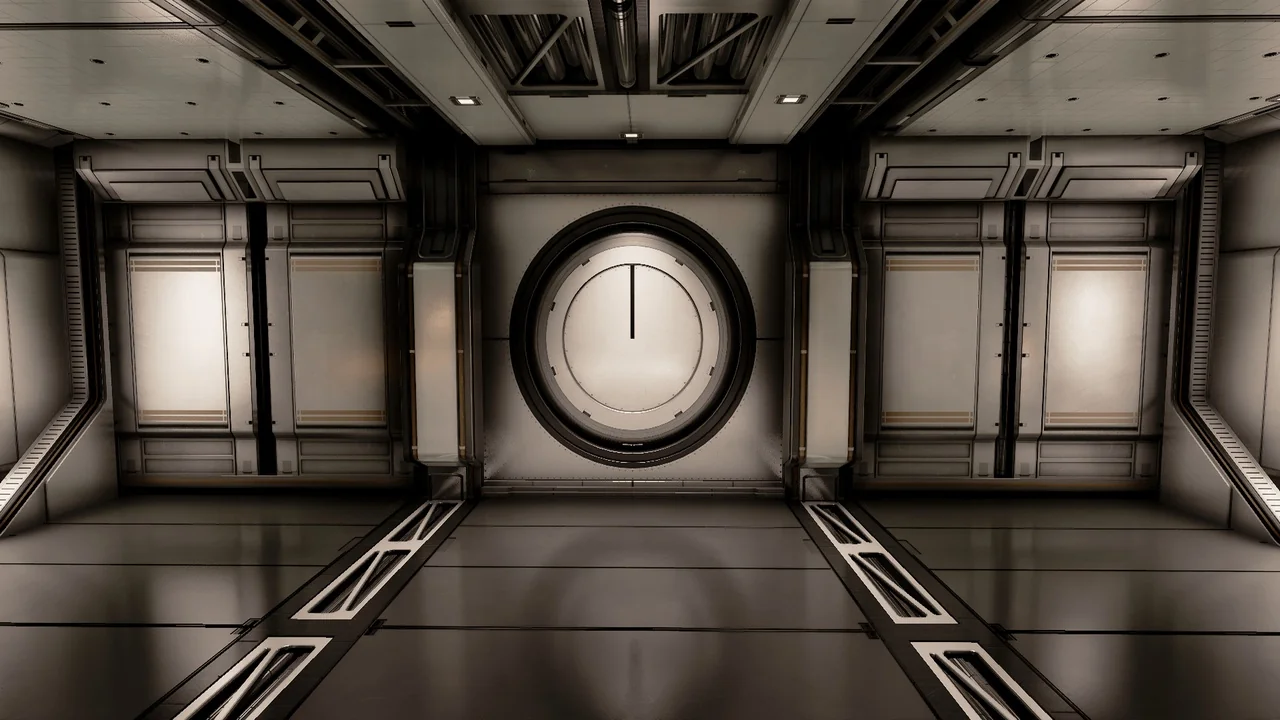
Modular SciFi: Interiors addresses this layout bottleneck by supplying a comprehensive toolkit of 83 modular pieces configured for rapid spatial assembly. The library includes structural components that snap together into diverse configurations, allowing level designers to draft sprawling base corridors, compact research outposts, and multi-tier space station chambers without modeling structural meshes from scratch. An update to the collection introduced 12 new modular pieces alongside an additional showcase space, broadening the spatial silhouettes available for room junctions, wall transitions, and ceiling placements. By combining these structural assets in different rotations and sequences, designers can establish distinct floor plans across an entire facility while preserving a cohesive mechanical aesthetic.
Surface Variation via Material Instances and PBR Adjustments
Repetition becomes noticeable quickly if every corridor shares identical wall panels, trim accents, and surface finishes.
The package solves surface monotony through flexible material instances that decouple mesh geometry from static color schemes. Up to four individual colors can be modified directly within each instance, letting teams differentiate functional zones—such as medical bays, engineering sectors, or command bridges—using targeted palette shifts. Beyond color adjustment, the materials expose controls for physical PBR values and detail normals. Tuning roughness, metallic response, and normal map intensity allows structural surfaces to appear pristine, industrial, or worn depending on the intended context of the scene. Modifying these surface parameters enables developers to generate multiple visual variants from a single underlying mesh, keeping memory overhead manageable while extending asset utility across massive interior levels.
Layout Workflows Across Four Example Environments
Evaluating how individual modular units interface under actual lighting conditions requires complete room assemblies rather than isolated component grids.
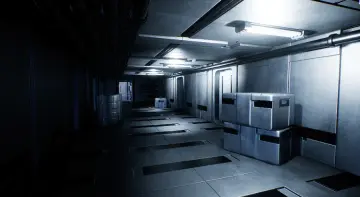
Included with the asset pack are four distinct example environments configured to illustrate practical spatial flow and setup possibilities. Three of these maps are full scenes showcasing contiguous room networks, including an environment shaped by the collection trailer that integrates the updated structural pieces into a functional layout. These complete scenes illustrate proper spacing, structural rhythm, and corridor connections for space station and base interiors. The fourth map functions as a dedicated technical showcase focused purely on color customization. This setup provides a direct reference for how material instance parameters impact contrast, identity, and visual hierarchy under real-time lighting conditions.
Expanding SciFi Interiors Across Broader Modular Sets
Standalone environment kits often suffer from integration limits when a project scales up and requires complementary architecture or exterior transitions.
Modular SciFi: Interiors is built to interoperate directly with other releases in the Modular SciFi series, preserving grid logic and aesthetic cohesion when blending different asset packs. It also supports compatibility alongside Nature Materials Ice, opening opportunities to construct research stations embedded within frozen landscapes or breach points where ice surfaces intrude into damaged station corridors. Because the structural language and material setups align across the ecosystem, level designers can connect modular corridors from this collection into broader station hubs, engineering decks, or hostile exterior biomes without encountering visual seams or mismatched material responses.
Targeted Deployment in Environment Pipelines
This kit fits cleanly into environment art and level design pipelines focused on station, base, and space-themed interiors.
Because the collection includes pre-built example scenes and flexible material instances, it serves teams moving from structural whiteboxing straight into environment dress passes. Technical artists and solo developers alike can leverage the 83-piece structural foundation to draft, iterate, and customize complete interior networks with minimal turnaround time.
 Sci-Fi
 Sci-Fi
 Sci-Fi
 Sci-Fi