"a7cfa646d0d8ae55"{"id":"28335","slug":"l-chinesewarrior","title":"L: ChineseWarrior","category":"Characters \u0026 Creatures","engine":"4.26+,5.0+","assetVersion":"Engine version: 4.26+,5.0+","engineVersion":"","tag":"Characters","accent":"blue","visual":"character","summary":"L: ChineseWarrior supports character-driven fantasy, medieval, and RPG scenes with a modular setup and a weapon included. It combines Epic Skeleton rigging, facial morph targets and blendshapes, demo animations, and cloth and hair simulation for projects th...","platform":"Unreal Engine","publishedAt":"2026-05-07T09:49:18.000Z","updatedAt":"2026-05-07T09:49:19.000Z","sourceNotes":[],"fileContents":[],"compatibility":["Unreal Engine","Engine version: 4.26+,5.0+"],"featuredImage":{"alt":"L: ChineseWarrior","src":"https://3dcghub.com/wp-content/uploads/2026/05/76f7d635cab5_e23907c8-2980-46de-bb91-032c76e56dd0.webp"},"hasDownloadLink":true,"downloads":1,"terms":[{"taxonomy":"category","slug":"characters-and-creatures","name":"Characters \u0026 Creatures"},{"taxonomy":"post_tag","slug":"characters","name":"Characters"},{"taxonomy":"post_tag","slug":"textures","name":"Textures"},{"taxonomy":"post_tag","slug":"unreal-engine-5","name":"Unreal Engine 5"}],"galleryImages":[{"src":"https://3dcghub.com/wp-content/uploads/2026/05/236e1eaeb928_bce1e630-0ca1-45ab-b110-bc1e69b4ae84.webp","alt":"L: ChineseWarrior"},{"src":"https://3dcghub.com/wp-content/uploads/2026/05/2ce2a0f7e121_0dc37412-c23b-40a3-a068-1428bde7b4ef.webp","alt":"L: ChineseWarrior"},{"src":"https://3dcghub.com/wp-content/uploads/2026/05/c06cbbbbff9a_8613b96e-2c26-459b-a7b0-89857a8e006f.webp","alt":"L: ChineseWarrior"},{"src":"https://3dcghub.com/wp-content/uploads/2026/05/39c8f31260dd_7ab4eb79-dcf4-4af8-9cb0-a7c8c36084dc.webp","alt":"L: ChineseWarrior"},{"src":"https://3dcghub.com/wp-content/uploads/2026/05/3f3c2a8cdafc_707a1053-3e26-48e9-80fa-6ed0a95776ac.webp","alt":"L: ChineseWarrior"},{"src":"https://3dcghub.com/wp-content/uploads/2026/05/443e78bfc49d_66ae6d41-638c-4414-9360-a336732bddd7.webp","alt":"L: ChineseWarrior"},{"src":"https://3dcghub.com/wp-content/uploads/2026/05/fd2d82fb8efe_afc2d7b2-8667-4867-8c6f-c010020508a1.webp","alt":"L: ChineseWarrior"},{"src":"https://3dcghub.com/wp-content/uploads/2026/05/554e02130371_36ad8cad-07a4-474e-89c5-d926935092ae.webp","alt":"L: ChineseWarrior"},{"src":"https://3dcghub.com/wp-content/uploads/2026/05/01b4bec24e53_66c8ab06-8b5b-4d08-bada-880df225c330.webp","alt":"L: ChineseWarrior"},{"src":"https://3dcghub.com/wp-content/uploads/2026/05/a9c2fae5d5df_a4a926b3-0e68-4d98-a575-a7eb465b86cf.webp","alt":"L: ChineseWarrior"}],"accessPanel":{"kind":"resource","title":"Access this resource","eyebrow":"Free Download","message":"Log in or create a free account to start your download.","fileName":"Content.7z","safetyNote":"All resources are 100% manually reviewed to eliminate all risks.","actionLabel":"Download Free","resourceType":"Resource archive"},"contentHtml":"\u003cp\u003eFantasy RPG encounters, medieval combat scenes, and shinobi or samurai-inspired character setups all benefit from a hero asset that already covers the essentials for posing, animation, and presentation. L: ChineseWarrior focuses on that kind of workflow with a modular character, a rig based on the Epic Skeleton, and a weapon included as part of the package.\u003c/p\u003e \u003ch2\u003eL: ChineseWarrior in fantasy and medieval character scenes\u003c/h2\u003e\n\u003cp\u003eThe character sits comfortably in stylized or realistic combat-oriented environments suggested by its tags, including fantasy, medieval, RPG, samurai, shinobi, and ninja themes. The included weapon gives it an immediate role in scene building, whether the goal is a posed preview character, a gameplay-ready combatant, or a cinematic figure for close-up shots.\u003c/p\u003e\n\u003cp\u003eIts modular model structure is one of the more practical details here. A modular character is useful when a project needs flexibility in character assembly or variation without changing to a completely different asset. That makes L: ChineseWarrior relevant for teams or solo artists building multiple looks around the same base character workflow.\u003c/p\u003e \u003ch2\u003eEpic Skeleton rigging and the no-blueprint setup\u003c/h2\u003e\n\u003cp\u003eL: ChineseWarrior is rigged with the Epic Skeleton, which immediately places it in a familiar animation setup for creators already working with that rig standard. Demo animations are included, giving the character a starting motion set for testing presentation, checking deformation, or blocking out scenes.\u003c/p\u003e\n\u003cp\u003eThere are no blueprints included. That matters for implementation because the asset is centered on the character itself rather than on a blueprint-driven gameplay system. The setup emphasizes the rigged model, animation support, and simulation elements instead of packaged logic.\u003c/p\u003e \u003ch3\u003eFacial expressions, cloth simulation, and hair simulation\u003c/h3\u003e\n\u003cp\u003eFacial expressions are included through morph targets and blendshapes. For projects that need more than a static warrior model, that provides a direct path to expression work, whether for portraits, dialogue framing, or more animated performance shots.\u003c/p\u003e\n\u003cp\u003eCloth and hair simulation are also part of the character setup. Those elements can add motion and secondary detail during animation or presentation, especially in action poses and moving shots where rigid character parts alone would look too stiff. Combined with the demo animations, they make this character more than a still figure and give it a stronger starting point for motion-based scenes.\u003c/p\u003e \u003ch2\u003ePBR textures, Marmoset 4 rendering, and the modular model\u003c/h2\u003e\n\u003cp\u003eThe character uses PBR textures in a metal/roughness workflow at 4K resolution. That gives the material setup a clear physically based structure for surface definition and presentation. The character preview was rendered in Marmoset 4, which frames how the asset has been visually presented.\u003c/p\u003e\n\u003cp\u003eBetween the 4K textures, the modular model, and the included weapon, the asset leans toward creators who want a character that can hold up in closer views while still serving practical scene assembly needs. The tags also point to a lowpoly classification, placing it in an interesting space where modularity and workflow convenience are part of the appeal alongside its fantasy and realistic character styling.\u003c/p\u003e \u003ch2\u003eWhere L: ChineseWarrior fits best\u003c/h2\u003e\n\u003cp\u003eThis character is a strong fit for projects that need an Epic Skeleton warrior with facial expression support, some animation content to start from, and simulation-ready cloth and hair. It makes the most sense when the goal is to drop a modular combat character into fantasy, medieval, or RPG-focused work without relying on built-in blueprints.\u003c/p\u003e\n\n\u003ch2\u003eMore From The Same Workflow\u003c/h2\u003e\n\u003cul\u003e\n\u003cli\u003e\u003ca href=\"https://3dcghub.com/1950s-characters-bundle-1950s-characters-bundle-1950-character-gangster-3d/\" title=\"1950s Characters Bundle ( 1950s Characters Bundle 1950 Character Gangster 3D )\"\u003e1950s Characters Bundle ( 1950s Characters Bundle 1950 Character Gangster 3D )\u003c/a\u003e\u003c/li\u003e\n\u003cli\u003e\u003ca href=\"https://3dcghub.com/character-rigged-npc-character-rigged-npc-rig-characters-animated-3d/\" title=\"Character / Rigged / NPC ( Character Rigged NPC Rig Characters Animated 3D )\"\u003eCharacter / Rigged / NPC ( Character Rigged NPC Rig Characters Animated 3D )\u003c/a\u003e\u003c/li\u003e\n\u003cli\u003e\u003ca href=\"https://3dcghub.com/ground-vol-48-hand-painted-textures/\" title=\"Ground Vol.48 – Hand Painted Textures\"\u003eGround Vol.48 – Hand Painted Textures\u003c/a\u003e\u003c/li\u003e\n\u003c/ul\u003e","contentTextLength":3869,"navigation":{"current":1298,"total":3167,"previous":{"id":"28348","slug":"landscaping-vines-1-2","title":"Landscaping Vines 1","category":"Climber","platform":"Unreal Engine","updatedAt":"2026-05-07T10:00:11.000Z"},"next":{"id":"28322","slug":"metawardrobe-metahuman","title":"MetaWardrobe - Metahuman","category":"Clothing \u0026 Accessories","platform":"Unreal Engine","updatedAt":"2026-05-07T09:12:01.000Z"}},"relatedResources":[{"id":"27038","slug":"apache-warrior-1","title":"Apache Warrior 1","category":"Characters \u0026 Creatures","engine":"5.0+","assetVersion":"Engine version: 5.0+","engineVersion":"","tag":"Characters","accent":"blue","visual":"character","summary":"Apache Warrior 1 combines an Epic Skeleton setup with 14 extra tail bones, 52 facial blendshapes, and modular mesh parts. Its material set and PBR textures give the character a direct path from assembly to rendering.","platform":"Unreal Engine","publishedAt":"2026-04-21T07:14:09.000Z","updatedAt":"2026-04-21T07:14:10.000Z","sourceNotes":[],"fileContents":[],"compatibility":["Unreal Engine","Engine version: 5.0+"],"featuredImage":{"alt":"Apache Warrior 1","src":"https://3dcghub.com/wp-content/uploads/2026/04/b4a6a7ad59ad_212004c9-3106-4a58-bf51-6ca664afc1b0.webp"},"hasDownloadLink":true,"downloads":0},{"id":"24789","slug":"swordswoman","title":"Swordswoman","category":"Characters \u0026 Creatures","engine":"4.26+,5.0+","assetVersion":"Engine version: 4.26+,5.0+","engineVersion":"","tag":"Characters","accent":"blue","visual":"character","summary":"Swordswoman is set up as a modular female character with a UE4 skeleton, facial expressions, and separated armor, hair, body, and clothing parts. It also includes a full body without seams plus multiple 4K texture sets for the main components.","platform":"Unreal Engine","publishedAt":"2026-04-17T08:47:00.000Z","updatedAt":"2026-04-20T06:12:38.000Z","sourceNotes":[],"fileContents":[],"compatibility":["Unreal Engine","Engine version: 4.26+,5.0+"],"featuredImage":{"alt":"Swordswoman","src":"https://3dcghub.com/wp-content/uploads/2026/04/ed75dd13c63a_b31ab841-8674-4ec4-a28d-0844fb43f8f2.webp"},"hasDownloadLink":true,"downloads":1},{"id":"24908","slug":"realistic-base-skeleton","title":"Realistic Base Skeleton","category":"Characters \u0026 Creatures","engine":"4.26+,5.0+","assetVersion":"Engine version: 4.26+,5.0+","engineVersion":"","tag":"Characters","accent":"blue","visual":"character","summary":"Realistic Base Skeleton supports both animation and prop workflows with a rigged Epic skeleton setup. The updated version adds x-ray visibility, separable body parts, and multiple texture variations for different scene states.","platform":"Unreal Engine","publishedAt":"2026-04-17T12:07:16.000Z","updatedAt":"2026-04-20T06:12:36.000Z","sourceNotes":[],"fileContents":[],"compatibility":["Unreal Engine","Engine version: 4.26+,5.0+"],"featuredImage":{"alt":"Realistic Base Skeleton","src":"https://3dcghub.com/wp-content/uploads/2026/04/042747b0d662_b7255164-629b-4690-91c7-7a1d9efdb1e8.webp"},"hasDownloadLink":true,"downloads":0}]}
Characters
L: ChineseWarrior
L: ChineseWarrior supports character-driven fantasy, medieval, and RPG scenes with a modular setup and a weapon included. It combines Epic Skeleton rigging, facial morph targets and blendshapes, demo animations, and cloth and hair simulation for projects th...
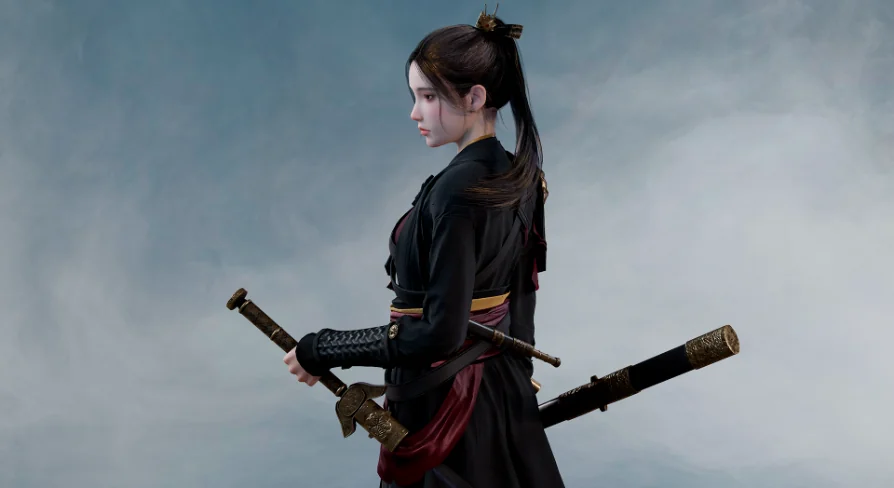
Fantasy RPG encounters, medieval combat scenes, and shinobi or samurai-inspired character setups all benefit from a hero asset that already covers the essentials for posing, animation, and presentation. L: ChineseWarrior focuses on that kind of workflow with a modular character, a rig based on the Epic Skeleton, and a weapon included as part of the package.
L: ChineseWarrior in fantasy and medieval character scenes
The character sits comfortably in stylized or realistic combat-oriented environments suggested by its tags, including fantasy, medieval, RPG, samurai, shinobi, and ninja themes. The included weapon gives it an immediate role in scene building, whether the goal is a posed preview character, a gameplay-ready combatant, or a cinematic figure for close-up shots.
Its modular model structure is one of the more practical details here. A modular character is useful when a project needs flexibility in character assembly or variation without changing to a completely different asset. That makes L: ChineseWarrior relevant for teams or solo artists building multiple looks around the same base character workflow.
Epic Skeleton rigging and the no-blueprint setup
L: ChineseWarrior is rigged with the Epic Skeleton, which immediately places it in a familiar animation setup for creators already working with that rig standard. Demo animations are included, giving the character a starting motion set for testing presentation, checking deformation, or blocking out scenes.
There are no blueprints included. That matters for implementation because the asset is centered on the character itself rather than on a blueprint-driven gameplay system. The setup emphasizes the rigged model, animation support, and simulation elements instead of packaged logic.
Facial expressions, cloth simulation, and hair simulation
Facial expressions are included through morph targets and blendshapes. For projects that need more than a static warrior model, that provides a direct path to expression work, whether for portraits, dialogue framing, or more animated performance shots.
Cloth and hair simulation are also part of the character setup. Those elements can add motion and secondary detail during animation or presentation, especially in action poses and moving shots where rigid character parts alone would look too stiff. Combined with the demo animations, they make this character more than a still figure and give it a stronger starting point for motion-based scenes.
PBR textures, Marmoset 4 rendering, and the modular model
The character uses PBR textures in a metal/roughness workflow at 4K resolution. That gives the material setup a clear physically based structure for surface definition and presentation. The character preview was rendered in Marmoset 4, which frames how the asset has been visually presented.
Between the 4K textures, the modular model, and the included weapon, the asset leans toward creators who want a character that can hold up in closer views while still serving practical scene assembly needs. The tags also point to a lowpoly classification, placing it in an interesting space where modularity and workflow convenience are part of the appeal alongside its fantasy and realistic character styling.
Where L: ChineseWarrior fits best
This character is a strong fit for projects that need an Epic Skeleton warrior with facial expression support, some animation content to start from, and simulation-ready cloth and hair. It makes the most sense when the goal is to drop a modular combat character into fantasy, medieval, or RPG-focused work without relying on built-in blueprints.
 Characters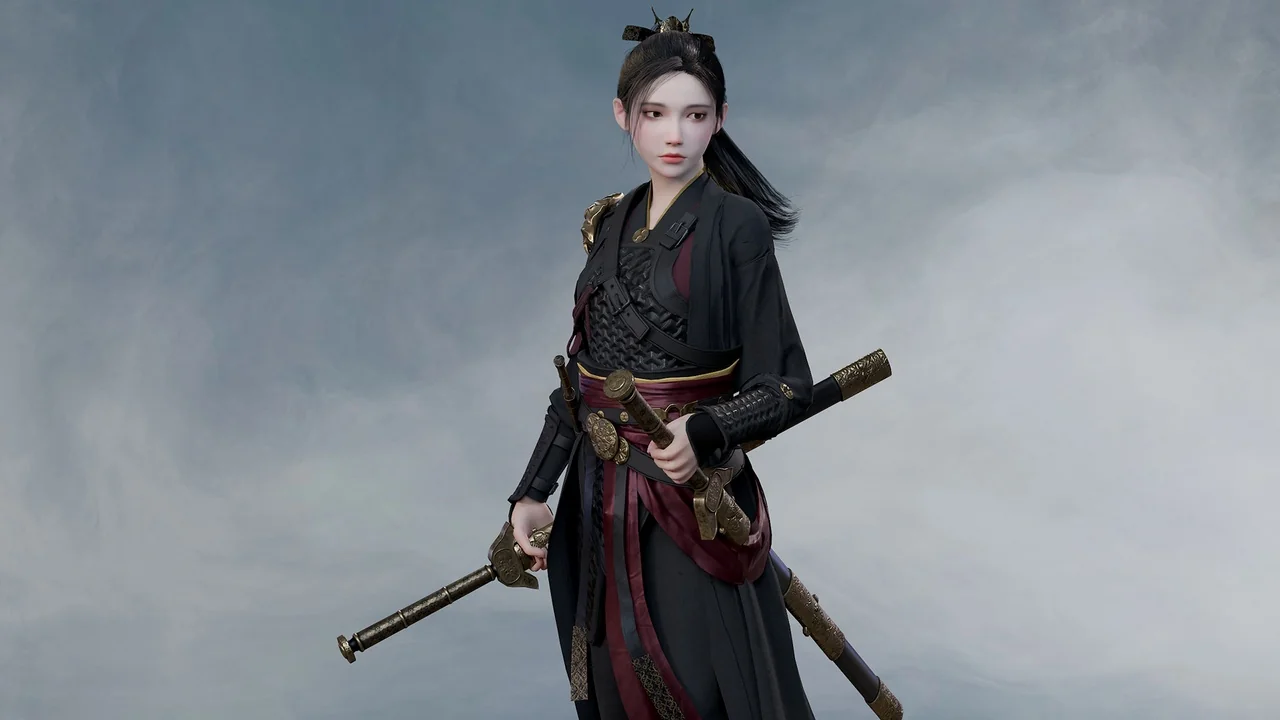
 Characters
 Characters
 Characters