"7b46a695175d8694"{"id":"1001508","slug":"cyber-underground","title":"Cyber Underground","category":"Industrial","engine":"5.0+","assetVersion":"","engineVersion":"Engine Version: 5.0+","tag":"Industrial","accent":"blue","visual":"mech","summary":"Explore Cyber Underground, a realistic and optimized cyber subway pack featuring a complete demo level, trains, platforms, and Opera House Kit compatibility.","platform":"Unreal Engine","publishedAt":"2026-10-09T13:09:06.276Z","updatedAt":"2026-10-09T13:09:06.276Z","sourceNotes":[],"fileContents":[],"compatibility":["Unreal Engine","Engine Version: 5.0+"],"featuredImage":{"alt":"Cyber Underground","src":"/wp-content/uploads/published/2026/10/5fd051b347d5-01734b71-81f6-4482-bb2a-ed0661bbe0c6-24938b070e.webp"},"hasDownloadLink":true,"downloads":0,"terms":[{"taxonomy":"category","slug":"industrial","name":"Industrial"}],"galleryImages":[{"src":"/wp-content/uploads/published/2026/10/0c48baef7402-bec71230-d2e8-4938-99a2-31e4d47ae646-9af419628d.webp","alt":"Cyber Underground"},{"src":"/wp-content/uploads/published/2026/10/1fd4e26a802f-73015986-19cc-4295-967e-22b21fc20570-8a59003445.webp","alt":"Cyber Underground"},{"src":"/wp-content/uploads/published/2026/10/dbdc0b212d94-8a4c07c7-03ac-4ed9-8bb2-597e81dba8a4-62830c2a8d.webp","alt":"Cyber Underground"},{"src":"/wp-content/uploads/published/2026/10/9fe1437c242b-6512831c-b2a4-4304-8d1b-035ce93057c1-032f626edf.webp","alt":"Cyber Underground"},{"src":"/wp-content/uploads/published/2026/10/e25f0f3393e6-3bb9ea47-d839-43e7-97d2-f6baed273cb2-49640bf6e4.webp","alt":"Cyber Underground"},{"src":"/wp-content/uploads/published/2026/10/e5de69df3cbc-60d29e1c-2a48-4c94-9f48-e9065f5e1b31-37847e26e1.webp","alt":"Cyber Underground"},{"src":"/wp-content/uploads/published/2026/10/37e240bcfee2-f49c86e2-2a33-4051-a831-814db930e947-252b1255e8.webp","alt":"Cyber Underground"},{"src":"/wp-content/uploads/published/2026/10/1171d89d2769-93e89507-1ccb-4255-b1a4-7e19450646b2-4458b9f207.webp","alt":"Cyber Underground"},{"src":"/wp-content/uploads/published/2026/10/6cd59e40d0cb-1afe987e-b4cf-4930-ace5-7ea54239a0f8-7a4ae4bb04.webp","alt":"Cyber Underground"},{"src":"/wp-content/uploads/published/2026/10/c07cd2175329-4b857955-9a71-4ddb-9bfb-3308d42bf8a1-0f39ce7894.webp","alt":"Cyber Underground"}],"accessPanel":{"kind":"resource","title":"Download this resource","eyebrow":"Free Download","message":"Log in or create a free account to start your download.","fileName":"Content.7z","safetyNote":"Resources are manually reviewed before listing to improve quality and reduce obvious risks.","actionLabel":"Download Free","resourceType":"Resource archive"},"contentHtml":"\u003cp\u003eSubterranean transit networks provide a distinct sense of scale, atmosphere, and spatial density. The Cyber Underground package, also presented as the Cyber Subway Pack, is tailored specifically around these underground transit environments. Built to facilitate the rapid construction or immediate deployment of subway stations, subterranean rail corridors, and passenger hubs, the pack supplies creators with the architectural foundation necessary to realize detailed urban transit scenes.\u003c/p\u003e \u003ch2\u003eSubterranean Environment Architecture in the Cyber Subway Pack\u003c/h2\u003e\n\u003cp\u003eAt the center of the package is a dual approach to level creation. It provides both a complete, thoughtfully designed demo level and a comprehensive library of individual assets. For productions that require an immediate scene without spending days laying down tracks, lining up structural pillars, or staging platforms, the ready-made demo level functions as an out-of-the-box solution. Everything within that showcased environment is arranged to demonstrate how the individual pieces lock together to establish a functional, atmospheric underground transit hub.\u003c/p\u003e\n\u003cp\u003eWhen an environment demands custom floor plans, alternate station layouts, or longer subterranean stretches, the broad asset selection allows developers to dismantle that baseline arrangement and assemble unique subway systems. The flexibility to either drop in a finished level or construct bespoke transit halls addresses different phases of environment design, whether an artist needs background staging for a cinematic shot or a functional, navigable transit map for interactive gameplay.\u003c/p\u003e \u003ch2\u003ePlatforms, Tunnels, and Train Systems\u003c/h2\u003e\n\u003cp\u003eUnderground rail networks require specific structural components to feel convincing. Cyber Underground organizes its assets around three foundational elements: the passenger platform, the surrounding transit tunnel, and the train itself. Each of these components handles a critical visual and structural role within subterranean level design.\u003c/p\u003e\n\u003cp\u003eThe platform assets form the primary pedestrian zone where scenes typically unfold. These pieces establish the staging ground for passenger interaction, waiting areas, and boarding thresholds. Because stations vary in length and traffic requirements, platform pieces must accommodate diverse architectural footprints, offering clean sightlines down the platform edge while anchoring the structural scale of the station.\u003c/p\u003e\n\u003cp\u003eBranching out from the passenger zones are the tunnel assets. Tunnels dictate the flow of the transit line, enclosing the rail tracks and establishing the boundary between open station architecture and the enclosed darkness of the subterranean network. These pieces allow for the creation of approach corridors, transit pathways, and deep rail thoroughfares that extend beyond the main station hall.\u003c/p\u003e\n\u003cp\u003eAnchoring the scene is the train asset. A subway station lacks narrative weight without rolling stock to complete the picture. The train model serves as both a central focal point along the platform edge and a visual marker that establishes the cyber transit theme throughout the subterranean level.\u003c/p\u003e \u003ch2\u003eOptimization and Realism in Underground Staging\u003c/h2\u003e\n\u003cp\u003eBalancing high visual realism with performant optimization is a primary technical challenge in complex 3D environments. Subterranean levels frequently involve enclosed spaces, long view distances along subterranean tunnels, and dense structural geometry like track beds, pillars, and platform edges. Cyber Underground balances these demands by pairing realistic visual standards with deliberate scene optimization.\u003c/p\u003e\n\u003cp\u003eThe assets are tagged for realistic presentation, ensuring materials and structural surfaces read authentically under close inspection. Whether observing the surface of the train cars, the edges of the boarding platform, or the reinforced curvature of the tunnel walls, the assets deliver high visual fidelity appropriate for modern production pipelines.\u003c/p\u003e\n\u003cp\u003eSimultaneously, the assets are built with optimization in mind. In dense underground environments where geometry repeats heavily—such as continuous track lines, recurring support columns, and extensive tunnel rings—efficient asset construction is vital to maintaining stable performance. The package balances detailed surface definition with optimized structural geometry, enabling developers to build sprawling subterranean rail lines without incurring unnecessary rendering overhead.\u003c/p\u003e \u003ch2\u003eDeploying the Ready-Made Demo Level with Opera House Kit Compatibility\u003c/h2\u003e\n\u003cp\u003eA notable workflow dimension of Cyber Underground is its stated compatibility with the Opera House Kit. Cross-asset compatibility provides practical value when expanding visual themes across distinct indoor and subterranean spaces. Rather than existing in total isolation, the subway assets can interface with the architectural language of the Opera House Kit, allowing level designers to bridge underground transit hubs directly into grand above-ground or connected public venues.\u003c/p\u003e\n\u003cp\u003eThis integration opens direct layout possibilities for scenes requiring transition zones: passengers stepping off a high-tech subway platform, traversing subterranean corridors, and emerging into adjacent institutional or grand civic architecture. The demo level itself serves as an immediate visual template, clarifying how lighting, asset density, and transit props can be staged before blending the subterranean subway structures into wider environment kits.\u003c/p\u003e \u003ch2\u003eProject Fit for Cyber Underground Environments\u003c/h2\u003e\n\u003cp\u003eCyber Underground fits cleanly into productions that demand high-fidelity subterranean spaces with minimum setup friction. For teams needing a polished cyber subway scene immediately, the included demo level provides a fully realized backdrop right away. For teams building custom underground rail networks from scratch, the combination of train models, tunnel pieces, and platform sections offers the modular freedom needed to shape complex subterranean maps.\u003c/p\u003e\n\u003cp\u003eBy pairing realistic visual detail with an optimized asset pipeline and verified compatibility with the Opera House Kit, the pack functions as a practical asset collection for games, virtual production, and real-time environment art focused on underground urban transit.\u003c/p\u003e\n\n\u003ch2\u003eMore From The Same Workflow\u003c/h2\u003e\n\u003cul\u003e\n\u003cli\u003e\u003ca href=\"https://3dcghub.com/urban-underground/\" title=\"Urban Underground\"\u003eUrban Underground\u003c/a\u003e\u003c/li\u003e\n\u003cli\u003e\u003ca href=\"https://3dcghub.com/underground-facility/\" title=\"Underground Facility\"\u003eUnderground Facility\u003c/a\u003e\u003c/li\u003e\n\u003cli\u003e\u003ca href=\"https://3dcghub.com/cyber-scrapyard-environment-kit/\" title=\"Cyber Scrapyard Environment Kit\"\u003eCyber Scrapyard Environment Kit\u003c/a\u003e\u003c/li\u003e\n\u003cli\u003e\u003ca href=\"https://3dcghub.com/sewerage/\" title=\"Sewerage\"\u003eSewerage\u003c/a\u003e\u003c/li\u003e\n\u003cli\u003e\u003ca href=\"https://3dcghub.com/cyber-night-city/\" title=\"Cyber Night City\"\u003eCyber Night City\u003c/a\u003e\u003c/li\u003e\n\u003c/ul\u003e","contentTextLength":6334,"navigation":{"current":37,"total":3481,"previous":{"id":"1001509","slug":"cyberpunk-street-lights-cyberpunk-street-light-lamp-futuristic-fantasy-3d-art","title":"Cyberpunk Street Lights ( Cyberpunk Street Light Lamp Futuristic Fantasy 3D Art)","category":"Street / Road","platform":"Unreal Engine","updatedAt":"2026-10-09T13:09:57.626Z"},"next":{"id":"1001507","slug":"city-skyline-restaurant-and-piano-bar","title":"City Skyline Restaurant \u0026 Piano Bar","category":"Sci-Fi","platform":"Unreal Engine","updatedAt":"2026-10-09T13:08:04.836Z"}},"relatedResources":[{"id":"1001400","slug":"urban-underground","title":"Urban Underground","category":"Industrial","engine":"4.15+,5.0+","assetVersion":"","engineVersion":"Engine Version: 4.15+,5.0+","tag":"Industrial","accent":"blue","visual":"mech","summary":"Explore Urban Underground, a fully modular subway station construction set featuring assembly documentation, time lapse guides, and pack compatibility.","platform":"Unreal Engine","publishedAt":"2026-10-04T17:55:46.662Z","updatedAt":"2026-10-04T17:55:46.662Z","sourceNotes":[],"fileContents":[],"compatibility":["Unreal Engine","Engine Version: 4.15+,5.0+"],"featuredImage":{"alt":"Urban Underground","src":"/wp-content/uploads/published/2026/10/cb4afa49262c-46ff451d-5b03-429a-bb31-1819730a81f5-13299a2b6d.webp"},"hasDownloadLink":true,"downloads":1},{"id":"8740","slug":"underground-facility","title":"Underground Facility","category":"Industrial","engine":"5.0+","assetVersion":"Engine version: 5.0+","engineVersion":"4.25","tag":"Industrial","accent":"blue","visual":"city","summary":"Build immersive subterranean worlds with the Underground Facility asset pack. This kit includes detailed modular tunnels, complex piping systems, and essential sci-fi props designed for high-performance gaming.","platform":"Unreal Engine","publishedAt":"2026-02-25T17:38:14.000Z","updatedAt":"2026-04-19T15:55:21.000Z","sourceNotes":[],"fileContents":[],"compatibility":["Unreal Engine","Engine version: 5.0+"],"featuredImage":{"alt":"Underground Facility","src":"https://3dcghub.com/wp-content/uploads/2026/02/6c04e1f2-1681-40b6-902b-d008fe963a89.webp"},"hasDownloadLink":true,"downloads":3},{"id":"8569","slug":"cyber-scrapyard-environment-kit","title":"Cyber Scrapyard Environment Kit","category":"Industrial","engine":"5.1+","assetVersion":"Engine version: 5.1+","engineVersion":"5.1","tag":"Industrial","accent":"blue","visual":"city","summary":"Transform your digital projects with a versatile collection of industrial and sci-fi assets. This kit provides everything needed to build realistic junkyards and cyberpunk landscapes.","platform":"Unreal Engine","publishedAt":"2026-02-23T17:53:11.000Z","updatedAt":"2026-04-19T15:55:24.000Z","sourceNotes":[],"fileContents":[],"compatibility":["Unreal Engine","Engine version: 5.1+"],"featuredImage":{"alt":"Cyber Scrapyard Environment Kit","src":"https://3dcghub.com/wp-content/uploads/2026/02/c8395b77-a014-44fc-a1ea-0c16b9c884ee.webp"},"hasDownloadLink":true,"downloads":0}]}
Industrial
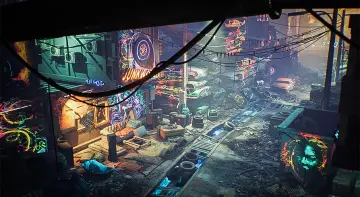
Cyber Underground
Explore Cyber Underground, a realistic and optimized cyber subway pack featuring a complete demo level, trains, platforms, and Opera House Kit compatibility.
Category:Unreal Engine,IndustrialPlatform: Unreal EngineEngine Version: 5.0+Published: Oct 9, 2026
Industrial
Resource overview
Subterranean transit networks provide a distinct sense of scale, atmosphere, and spatial density. The Cyber Underground package, also presented as the Cyber Subway Pack, is tailored specifically around these underground transit environments. Built to facilitate the rapid construction or immediate deployment of subway stations, subterranean rail corridors, and passenger hubs, the pack supplies creators with the architectural foundation necessary to realize detailed urban transit scenes.
Subterranean Environment Architecture in the Cyber Subway Pack
At the center of the package is a dual approach to level creation. It provides both a complete, thoughtfully designed demo level and a comprehensive library of individual assets. For productions that require an immediate scene without spending days laying down tracks, lining up structural pillars, or staging platforms, the ready-made demo level functions as an out-of-the-box solution. Everything within that showcased environment is arranged to demonstrate how the individual pieces lock together to establish a functional, atmospheric underground transit hub.
When an environment demands custom floor plans, alternate station layouts, or longer subterranean stretches, the broad asset selection allows developers to dismantle that baseline arrangement and assemble unique subway systems. The flexibility to either drop in a finished level or construct bespoke transit halls addresses different phases of environment design, whether an artist needs background staging for a cinematic shot or a functional, navigable transit map for interactive gameplay.
Platforms, Tunnels, and Train Systems
Underground rail networks require specific structural components to feel convincing. Cyber Underground organizes its assets around three foundational elements: the passenger platform, the surrounding transit tunnel, and the train itself. Each of these components handles a critical visual and structural role within subterranean level design.
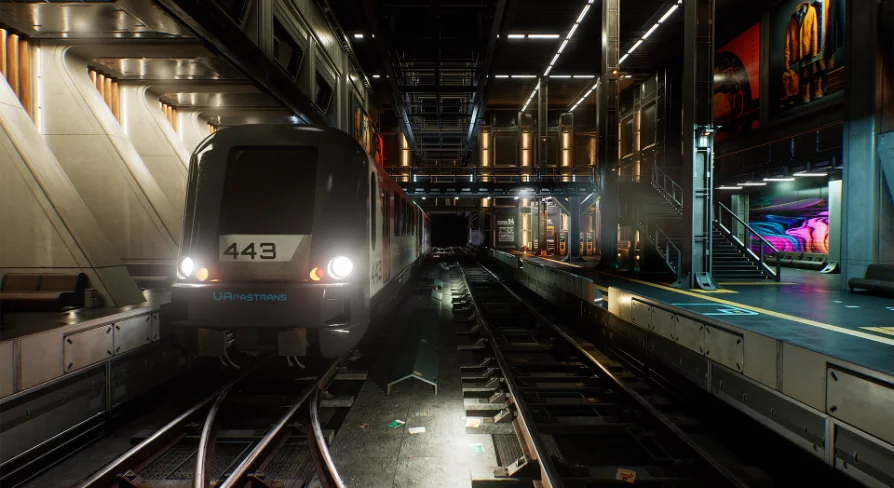
The platform assets form the primary pedestrian zone where scenes typically unfold. These pieces establish the staging ground for passenger interaction, waiting areas, and boarding thresholds. Because stations vary in length and traffic requirements, platform pieces must accommodate diverse architectural footprints, offering clean sightlines down the platform edge while anchoring the structural scale of the station.
Branching out from the passenger zones are the tunnel assets. Tunnels dictate the flow of the transit line, enclosing the rail tracks and establishing the boundary between open station architecture and the enclosed darkness of the subterranean network. These pieces allow for the creation of approach corridors, transit pathways, and deep rail thoroughfares that extend beyond the main station hall.
Anchoring the scene is the train asset. A subway station lacks narrative weight without rolling stock to complete the picture. The train model serves as both a central focal point along the platform edge and a visual marker that establishes the cyber transit theme throughout the subterranean level.
Optimization and Realism in Underground Staging
Balancing high visual realism with performant optimization is a primary technical challenge in complex 3D environments. Subterranean levels frequently involve enclosed spaces, long view distances along subterranean tunnels, and dense structural geometry like track beds, pillars, and platform edges. Cyber Underground balances these demands by pairing realistic visual standards with deliberate scene optimization.
The assets are tagged for realistic presentation, ensuring materials and structural surfaces read authentically under close inspection. Whether observing the surface of the train cars, the edges of the boarding platform, or the reinforced curvature of the tunnel walls, the assets deliver high visual fidelity appropriate for modern production pipelines.
Simultaneously, the assets are built with optimization in mind. In dense underground environments where geometry repeats heavily—such as continuous track lines, recurring support columns, and extensive tunnel rings—efficient asset construction is vital to maintaining stable performance. The package balances detailed surface definition with optimized structural geometry, enabling developers to build sprawling subterranean rail lines without incurring unnecessary rendering overhead.
Deploying the Ready-Made Demo Level with Opera House Kit Compatibility
A notable workflow dimension of Cyber Underground is its stated compatibility with the Opera House Kit. Cross-asset compatibility provides practical value when expanding visual themes across distinct indoor and subterranean spaces. Rather than existing in total isolation, the subway assets can interface with the architectural language of the Opera House Kit, allowing level designers to bridge underground transit hubs directly into grand above-ground or connected public venues.
This integration opens direct layout possibilities for scenes requiring transition zones: passengers stepping off a high-tech subway platform, traversing subterranean corridors, and emerging into adjacent institutional or grand civic architecture. The demo level itself serves as an immediate visual template, clarifying how lighting, asset density, and transit props can be staged before blending the subterranean subway structures into wider environment kits.
Project Fit for Cyber Underground Environments
Cyber Underground fits cleanly into productions that demand high-fidelity subterranean spaces with minimum setup friction. For teams needing a polished cyber subway scene immediately, the included demo level provides a fully realized backdrop right away. For teams building custom underground rail networks from scratch, the combination of train models, tunnel pieces, and platform sections offers the modular freedom needed to shape complex subterranean maps.
By pairing realistic visual detail with an optimized asset pipeline and verified compatibility with the Opera House Kit, the pack functions as a practical asset collection for games, virtual production, and real-time environment art focused on underground urban transit.
 Industrial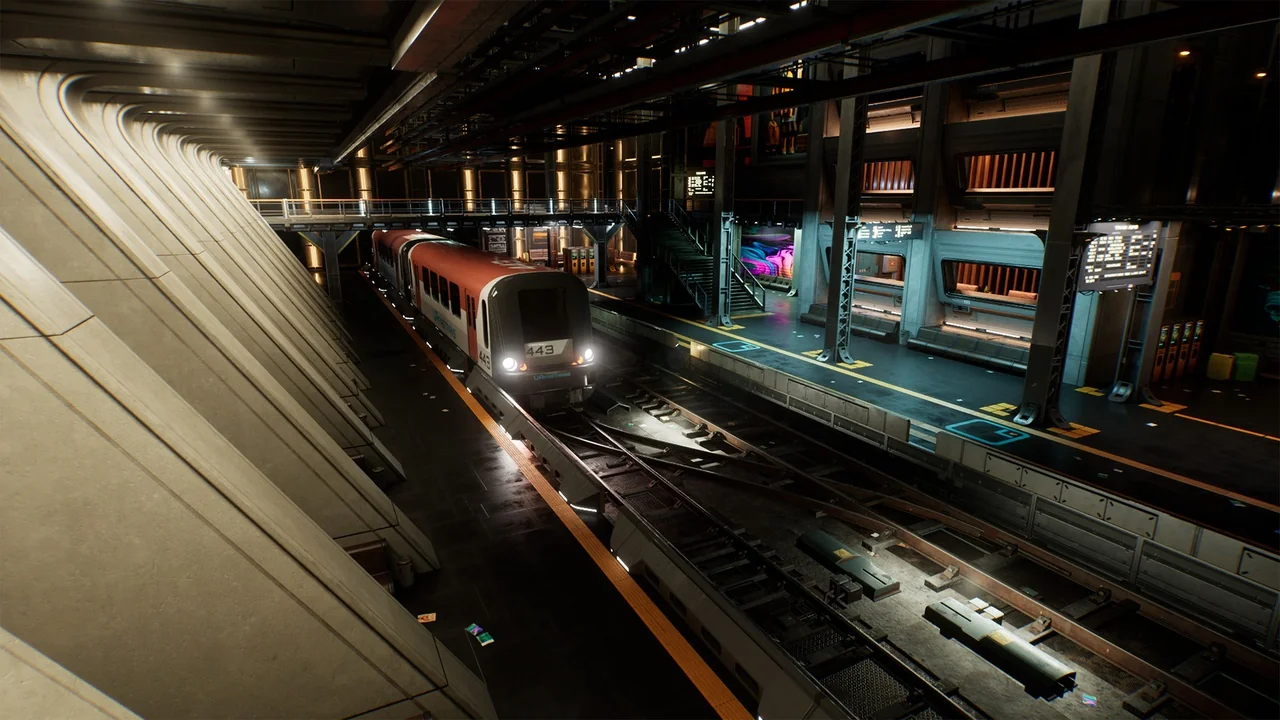
 Industrial
 Industrial
 Industrial