"1c2c8b66743036b4"{"id":"1001683","slug":"abandoned-hong-kong","title":"Abandoned Hong-Kong","category":"Apocalyptic / Post-apocalyptic","engine":"5.4+","assetVersion":"","engineVersion":"Engine Version: 5.4+","tag":"Apocalyptic","accent":"blue","visual":"mech","summary":"Explore Abandoned Hong-Kong, a post-apocalyptic urban level featuring dense architecture, Asian city aesthetics, and cyberpunk decay.","platform":"Unreal Engine","publishedAt":"2026-10-14T08:56:07.329Z","updatedAt":"2026-10-14T08:56:07.329Z","sourceNotes":[],"fileContents":[],"compatibility":["Unreal Engine","Engine Version: 5.4+"],"featuredImage":{"alt":"Abandoned Hong-Kong","src":"/wp-content/uploads/published/2026/10/690b13a93f8d-1d56f647-d064-4f68-970e-2bd1af645135-42b9962c3c.webp"},"hasDownloadLink":true,"downloads":0,"terms":[{"taxonomy":"category","slug":"apocalyptic-post-apocalyptic","name":"Apocalyptic / Post-apocalyptic"}],"galleryImages":[{"src":"/wp-content/uploads/published/2026/10/629d3612acb3-9f8e22a6-3bcb-410b-9d2c-7f1ab21b24a0-f77b0c1175.webp","alt":"Abandoned Hong-Kong"},{"src":"/wp-content/uploads/published/2026/10/8a4ed561f3fc-324b4aea-bcbb-459b-afbc-c7e8fad0d776-68fc04785e.webp","alt":"Abandoned Hong-Kong"},{"src":"/wp-content/uploads/published/2026/10/4cd1a8dcee71-c40a3757-2ded-474b-9d29-80dddcb42975-8e3649fa7d.webp","alt":"Abandoned Hong-Kong"},{"src":"/wp-content/uploads/published/2026/10/6d0502f6974d-6fde4332-33c9-4564-834a-037b7a6858b2-2ed4c73c7e.webp","alt":"Abandoned Hong-Kong"},{"src":"/wp-content/uploads/published/2026/10/abd0fab9c4e7-77650185-c3f8-44ab-85dc-3930d70366bf-8f424b1ff3.webp","alt":"Abandoned Hong-Kong"},{"src":"/wp-content/uploads/published/2026/10/388d3d7c0cf4-9c97f85b-bfa5-4ecb-9d6c-e88188b2fa57-076332bbe1.webp","alt":"Abandoned Hong-Kong"},{"src":"/wp-content/uploads/published/2026/10/7583ef5af03b-aff7d25d-80e0-4a27-bad1-d7f5f8b946f3-1cc3cd029a.webp","alt":"Abandoned Hong-Kong"},{"src":"/wp-content/uploads/published/2026/10/73392d910faf-813a0764-bde6-4c9f-b39b-2e7ca410b03e-21506e7191.webp","alt":"Abandoned Hong-Kong"},{"src":"/wp-content/uploads/published/2026/10/57f935475fd8-d995402e-d041-4968-8b0e-d927920bc590-9b399bbc7a.webp","alt":"Abandoned Hong-Kong"},{"src":"/wp-content/uploads/published/2026/10/07de0e4aa4fd-1612181b-1c33-4175-99b9-041cab8acf34-188c7b1dbc.webp","alt":"Abandoned Hong-Kong"}],"accessPanel":{"kind":"resource","title":"Download this resource","eyebrow":"Free Download","message":"Log in or create a free account to start your download.","fileName":"Content.7z","safetyNote":"Resources are manually reviewed before listing to improve quality and reduce obvious risks.","actionLabel":"Download Free","resourceType":"Resource archive"},"contentHtml":"\u003ch2\u003eSolving Dense Urban Scale in Abandoned Hong-Kong\u003c/h2\u003e\n\u003cp\u003eConstructing a convincingly crowded, ruined metropolis presents significant spatial challenges when balancing architectural density with the navigation requirements of gameplay levels.\u003c/p\u003e\n\u003cp\u003eAbandoned Hong-Kong addresses this workflow hurdle by anchoring its environment in the recognizable verticality and compacted footprint of old Hong Kong. The layout reflects a once-thriving metropolis that has collapsed into a haunting, silent state, giving creators an evocative urban space based on real-world municipal density. Rather than assembling disparate architectural assets that struggle to convey regional scale, world builders can utilize an environment explicitly structured around tightly packed buildings, narrow vertical sightlines, and decayed structural framing characteristic of historic, heavily populated Asian districts.\u003c/p\u003e \u003ch2\u003eArchitectural Influences Across Hong Kong, Chinatown, and Tokyo\u003c/h2\u003e\n\u003cp\u003eCapturing the specific structural texture of East Asian urban centers requires an architectural vocabulary that distinctively separates itself from generic Western ruins.\u003c/p\u003e\n\u003cp\u003eThe visual framework combines structural elements reminiscent of old Hong Kong tenements, Chinatown alleyways, and dense Tokyo city blocks. Multi-tier building facades, close-set exterior walls, and interlocking civic structures establish an authentic regional baseline across the entire environment. Because the architecture brings together Japanese street configurations and traditional Chinatown spatial compactness, the asset spans several stylistic settings within an overarching Asian post-apocalyptic theme. This flexibility allows level designers to construct scenarios that call for the layered, lived-in clutter of East Asian metropolises, where building footprints overlap heavily and vertical space is utilized to its absolute limit.\u003c/p\u003e \u003ch2\u003eTranslating Concept Art into Post-Apocalyptic Level Building\u003c/h2\u003e\n\u003cp\u003eTransitioning from an initial atmospheric mood painting to a functional 3D game level requires clear visual direction and balanced spatial composition.\u003c/p\u003e\n\u003cp\u003eThe environment builds directly upon foundations established across Concept Art 1, Concept Art 2, and comprehensive overview planning. These foundational views demonstrate how dilapidated building blocks, debris-filled ground paths, and towering vertical silhouettes work in harmony to produce a coherent level. By following the spatial relationships mapped out from visual concept art to the wider overview layout, designers can quickly plot encounter spaces, player routes, and ambient vistas suitable for narrative exploration or intense combat sequences. The resulting configuration retains the striking mood of pre-production artwork while offering practical geometric structures for active level design.\u003c/p\u003e \u003ch2\u003eAtmospheric Tones Between Cyberpunk Decay and Abandoned Asia\u003c/h2\u003e\n\u003cp\u003eConveying an authentic sense of desolation relies on contrasting the ghost of a hyper-active technological civilization with cold structural neglect.\u003c/p\u003e\n\u003cp\u003eAbandoned Hong-Kong balances cyberpunk design cues with raw, weathered environmental decay. Remnants of extreme urban density—such as clustered vertical residential blocks, external utility frameworks, and deep street canyons—evoke a futuristic city that has survived an abrupt collapse. This intersection between cyberpunk aesthetics and Asian architectural heritage establishes an eerie, solemn tone ideal for speculative fiction, survival games, or cinematic visual sequences. The absolute absence of human life contrasts sharply with the imposing scale of the surrounding towers, creating an immediate sense of quiet isolation across the whole scene.\u003c/p\u003e \u003ch2\u003eProduction Placement and Viking Village Compatibility\u003c/h2\u003e\n\u003cp\u003eIntegrating an East Asian urban environment into a broader production depends on clean alignment with existing project setups and environment pipelines.\u003c/p\u003e\n\u003cp\u003eWith verified compatibility for Viking Village, this package fits neatly into multi-environment workflows where shared technical frameworks and baseline configurations are required. Within a larger world with diverse biomes or shifting narrative chapters, this dense urban zone can serve as a ruined focal point, a transitional quarantine perimeter, or a specialized combat district. Productions exploring dystopian settings, alternate-history Asian cities, or abandoned cyberpunk levels can drop the environment into their world hierarchy without needing to reconstruct complex architectural silhouettes from the ground up.\u003c/p\u003e\n\n\u003ch2\u003eMore From The Same Workflow\u003c/h2\u003e\n\u003cul\u003e\n\u003cli\u003e\u003ca href=\"https://3dcghub.com/uscans-doors-01/\" title=\"Uscans Doors 01\"\u003eUscans Doors 01\u003c/a\u003e\u003c/li\u003e\n\u003cli\u003e\u003ca href=\"https://3dcghub.com/abandoned-gas-station-post-apocalyptic/\" title=\"Abandoned Gas Station - Post Apocalyptic\"\u003eAbandoned Gas Station - Post Apocalyptic\u003c/a\u003e\u003c/li\u003e\n\u003cli\u003e\u003ca href=\"https://3dcghub.com/abandoned-sea-platform-post-apocalyptic-offshore-environment-pack/\" title=\"Abandoned Sea Platform – Post-Apocalyptic Offshore Environment Pack\"\u003eAbandoned Sea Platform – Post-Apocalyptic Offshore Environment Pack\u003c/a\u003e\u003c/li\u003e\n\u003cli\u003e\u003ca href=\"https://3dcghub.com/abandoned-police-department/\" title=\"Abandoned Police Department\"\u003eAbandoned Police Department\u003c/a\u003e\u003c/li\u003e\n\u003cli\u003e\u003ca href=\"https://3dcghub.com/soviet-post-soviet-abandoned-world/\" title=\"Soviet/Post Soviet Abandoned World.\"\u003eSoviet/Post Soviet Abandoned World.\u003c/a\u003e\u003c/li\u003e\n\u003c/ul\u003e","contentTextLength":4696,"navigation":{"current":32,"total":3651,"previous":{"id":"1001684","slug":"classic-survival-horror-framework-v2","title":"Classic Survival Horror Framework V2","category":"Action-Adventure","platform":"Unreal Engine","updatedAt":"2026-10-14T08:57:28.447Z"},"next":{"id":"1001682","slug":"castles-spells-and-secrets-await","title":"Castles, Spells, and Secrets Await","category":"Interior","platform":"Unreal Engine","updatedAt":"2026-10-14T07:31:01.410Z"}},"relatedResources":[{"id":"1001698","slug":"post-apocalyptic-abandoned-coffee-shop-drive-thru","title":"Post Apocalyptic Abandoned Coffee Shop Drive Thru","category":"Apocalyptic / Post-apocalyptic","engine":"5.0+","assetVersion":"","engineVersion":"Engine Version: 5.0+","tag":"Apocalyptic","accent":"blue","visual":"mech","summary":"Examine the modular architecture, layered materials, texture budgets, and layout options in the Post Apocalyptic Abandoned Coffee Shop Drive Thru environment.","platform":"Unreal Engine","publishedAt":"2026-10-14T10:07:50.072Z","updatedAt":"2026-10-14T10:07:50.072Z","sourceNotes":[],"fileContents":[],"compatibility":["Unreal Engine","Engine Version: 5.0+"],"featuredImage":{"alt":"Post Apocalyptic Abandoned Coffee Shop Drive Thru","src":"/wp-content/uploads/published/2026/10/ef17473c3bd0-03682c0d-ee73-4661-9dba-feedf93c0a9d-516d90a349.webp"},"hasDownloadLink":true,"downloads":1},{"id":"1000176","slug":"uscans-doors-01","title":"Uscans Doors 01","category":"Apocalyptic / Post-apocalyptic","engine":"5.3+","assetVersion":"","engineVersion":"Engine Version: 5.3+","tag":"Apocalyptic","accent":"blue","visual":"mech","summary":"Uscans Doors 01 focuses on realistic old doors for scene work, with a drag-and-drop setup aimed at abandoned and photogrammetry-driven environments.","platform":"Unreal Engine","publishedAt":"2026-06-20T07:03:51.520Z","updatedAt":"2026-06-20T07:03:51.520Z","sourceNotes":[],"fileContents":[],"compatibility":["Unreal Engine","Engine Version: 5.3+"],"featuredImage":{"alt":"Uscans Doors 01","src":"/wp-content/uploads/published/2026/06/0311baaebd81-b87657a4-fa96-423c-96b3-c2c5b55501d3-c3991b705d.webp"},"hasDownloadLink":true,"downloads":0},{"id":"6805","slug":"abandoned-gas-station-post-apocalyptic","title":"Abandoned Gas Station - Post Apocalyptic","category":"Apocalyptic / Post-apocalyptic","engine":"5.5+","assetVersion":"Engine version: 5.5+","engineVersion":"5.5","tag":"Apocalyptic","accent":"blue","visual":"city","summary":"Discover a high-quality environment pack designed for post-apocalyptic settings. This resource features Nanite optimization and Substance Painter textures for ultimate realism.","platform":"Unreal Engine","publishedAt":"2026-02-20T15:29:49.000Z","updatedAt":"2026-04-19T15:56:07.000Z","sourceNotes":[],"fileContents":[],"compatibility":["Unreal Engine","Engine version: 5.5+"],"featuredImage":{"alt":"Abandoned Gas Station - Post Apocalyptic","src":"https://3dcghub.com/wp-content/uploads/2026/02/4cef6771-3c2f-4b18-bd61-81c0633478ea.webp"},"hasDownloadLink":true,"downloads":0}]}
Apocalyptic
Abandoned Hong-Kong
Explore Abandoned Hong-Kong, a post-apocalyptic urban level featuring dense architecture, Asian city aesthetics, and cyberpunk decay.
Constructing a convincingly crowded, ruined metropolis presents significant spatial challenges when balancing architectural density with the navigation requirements of gameplay levels.
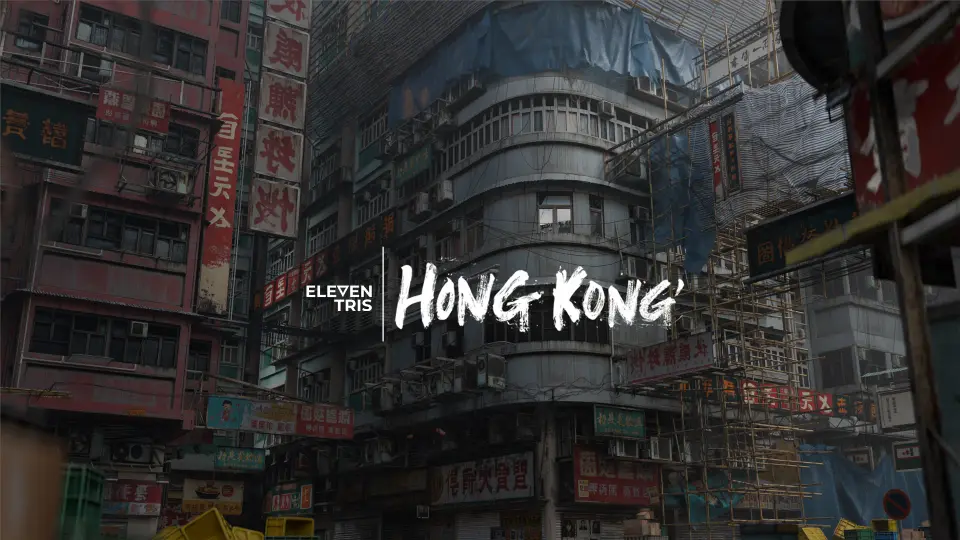
Abandoned Hong-Kong addresses this workflow hurdle by anchoring its environment in the recognizable verticality and compacted footprint of old Hong Kong. The layout reflects a once-thriving metropolis that has collapsed into a haunting, silent state, giving creators an evocative urban space based on real-world municipal density. Rather than assembling disparate architectural assets that struggle to convey regional scale, world builders can utilize an environment explicitly structured around tightly packed buildings, narrow vertical sightlines, and decayed structural framing characteristic of historic, heavily populated Asian districts.
Architectural Influences Across Hong Kong, Chinatown, and Tokyo
Capturing the specific structural texture of East Asian urban centers requires an architectural vocabulary that distinctively separates itself from generic Western ruins.
The visual framework combines structural elements reminiscent of old Hong Kong tenements, Chinatown alleyways, and dense Tokyo city blocks. Multi-tier building facades, close-set exterior walls, and interlocking civic structures establish an authentic regional baseline across the entire environment. Because the architecture brings together Japanese street configurations and traditional Chinatown spatial compactness, the asset spans several stylistic settings within an overarching Asian post-apocalyptic theme. This flexibility allows level designers to construct scenarios that call for the layered, lived-in clutter of East Asian metropolises, where building footprints overlap heavily and vertical space is utilized to its absolute limit.
Translating Concept Art into Post-Apocalyptic Level Building
Transitioning from an initial atmospheric mood painting to a functional 3D game level requires clear visual direction and balanced spatial composition.
The environment builds directly upon foundations established across Concept Art 1, Concept Art 2, and comprehensive overview planning. These foundational views demonstrate how dilapidated building blocks, debris-filled ground paths, and towering vertical silhouettes work in harmony to produce a coherent level. By following the spatial relationships mapped out from visual concept art to the wider overview layout, designers can quickly plot encounter spaces, player routes, and ambient vistas suitable for narrative exploration or intense combat sequences. The resulting configuration retains the striking mood of pre-production artwork while offering practical geometric structures for active level design.
Atmospheric Tones Between Cyberpunk Decay and Abandoned Asia
Conveying an authentic sense of desolation relies on contrasting the ghost of a hyper-active technological civilization with cold structural neglect.
Abandoned Hong-Kong balances cyberpunk design cues with raw, weathered environmental decay. Remnants of extreme urban density—such as clustered vertical residential blocks, external utility frameworks, and deep street canyons—evoke a futuristic city that has survived an abrupt collapse. This intersection between cyberpunk aesthetics and Asian architectural heritage establishes an eerie, solemn tone ideal for speculative fiction, survival games, or cinematic visual sequences. The absolute absence of human life contrasts sharply with the imposing scale of the surrounding towers, creating an immediate sense of quiet isolation across the whole scene.
Production Placement and Viking Village Compatibility
Integrating an East Asian urban environment into a broader production depends on clean alignment with existing project setups and environment pipelines.
With verified compatibility for Viking Village, this package fits neatly into multi-environment workflows where shared technical frameworks and baseline configurations are required. Within a larger world with diverse biomes or shifting narrative chapters, this dense urban zone can serve as a ruined focal point, a transitional quarantine perimeter, or a specialized combat district. Productions exploring dystopian settings, alternate-history Asian cities, or abandoned cyberpunk levels can drop the environment into their world hierarchy without needing to reconstruct complex architectural silhouettes from the ground up.
 Apocalyptic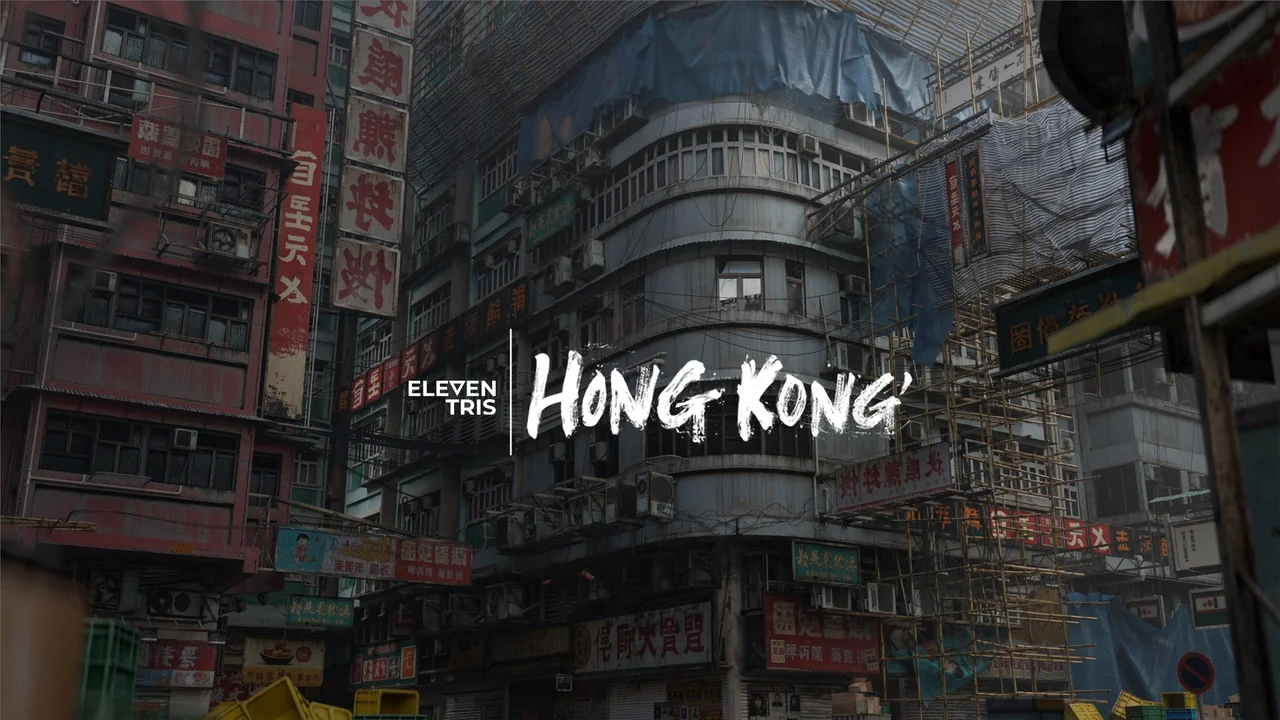
 Apocalyptic
 Apocalyptic
 Apocalyptic