Working inside Unityâs physics stack
Toolkit for Unity Physics 2026 is built to sit on top of Unityâs built-in Physics behaviours and systems. The package brings together physics-based tools and systems, along with easy-to-use APIs, structs, and scripts, so the work stays focused on applying the mechanics rather than assembling everything manually.
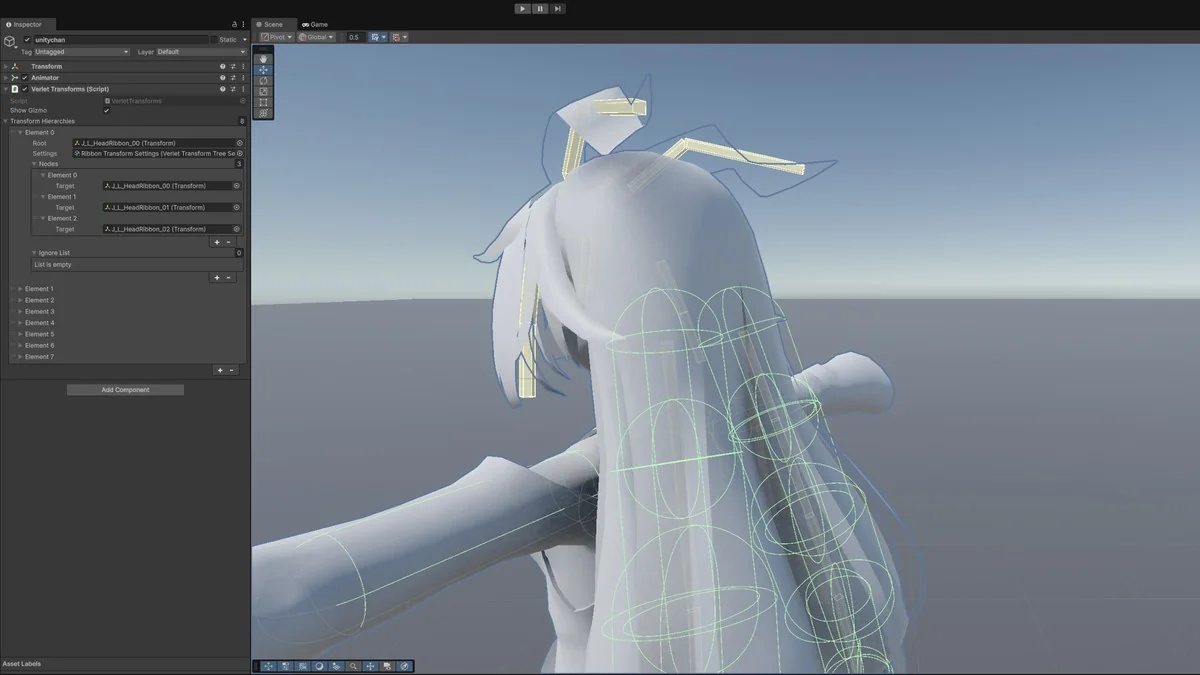
The toolkit is offered as a bundle. Ballistics and Verlet are also available as individual components, and the package is included in the Toolkits for Unity Bundle 2026. That makes it a single physics-oriented set of tools, while still leaving room to use specific parts on their own when a project only needs one system.
At a practical level, the toolkit centers on effects that can change how a scene moves and reacts: ropes, buoyancy, softbody-like behaviour, force effects, and projectile trajectory prediction. Those are the kinds of mechanics that tend to show up in game systems where movement needs to feel responsive rather than static.
Ballistics with direct control over trajectory
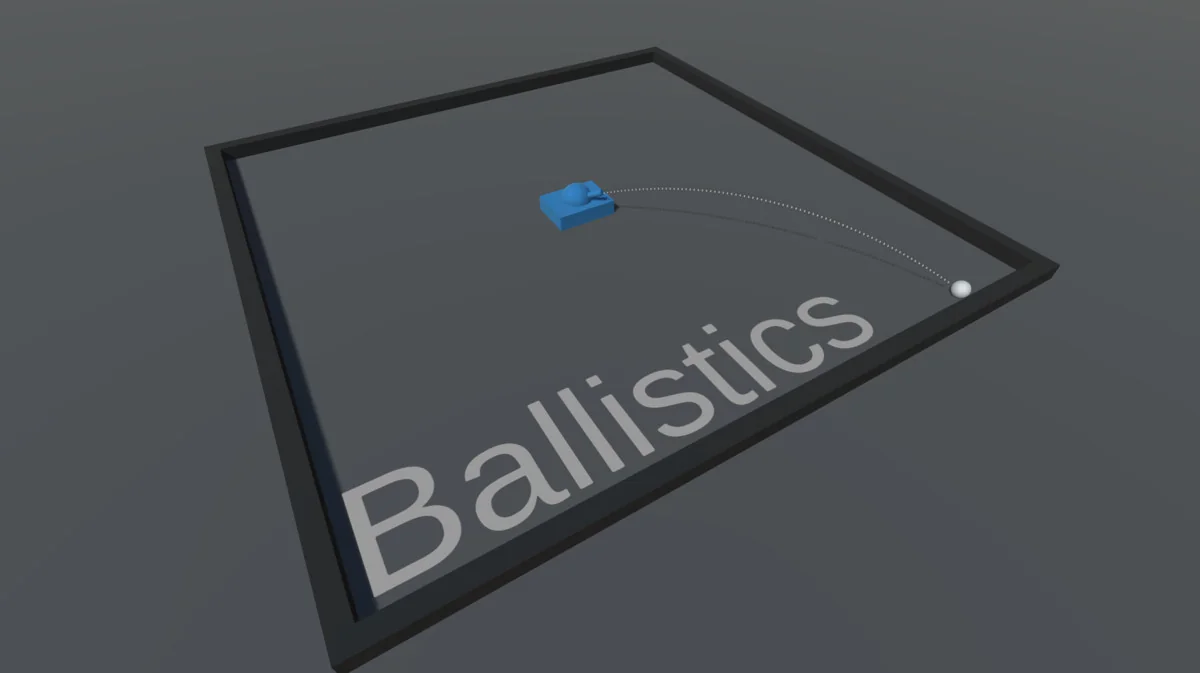
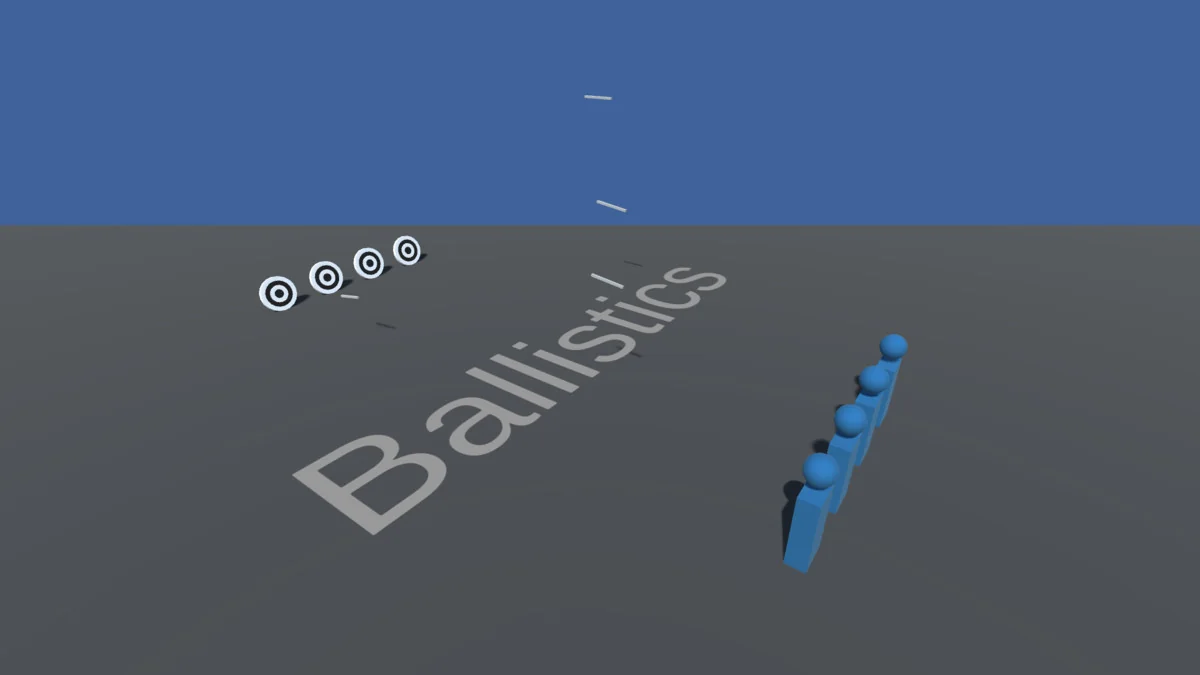
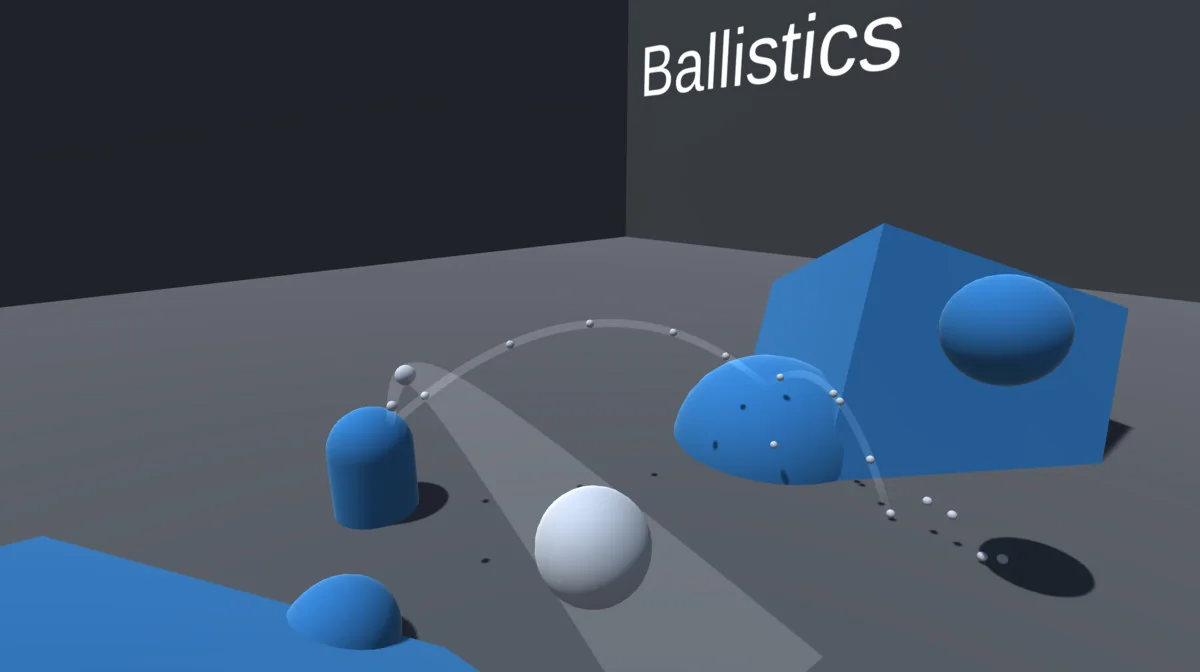
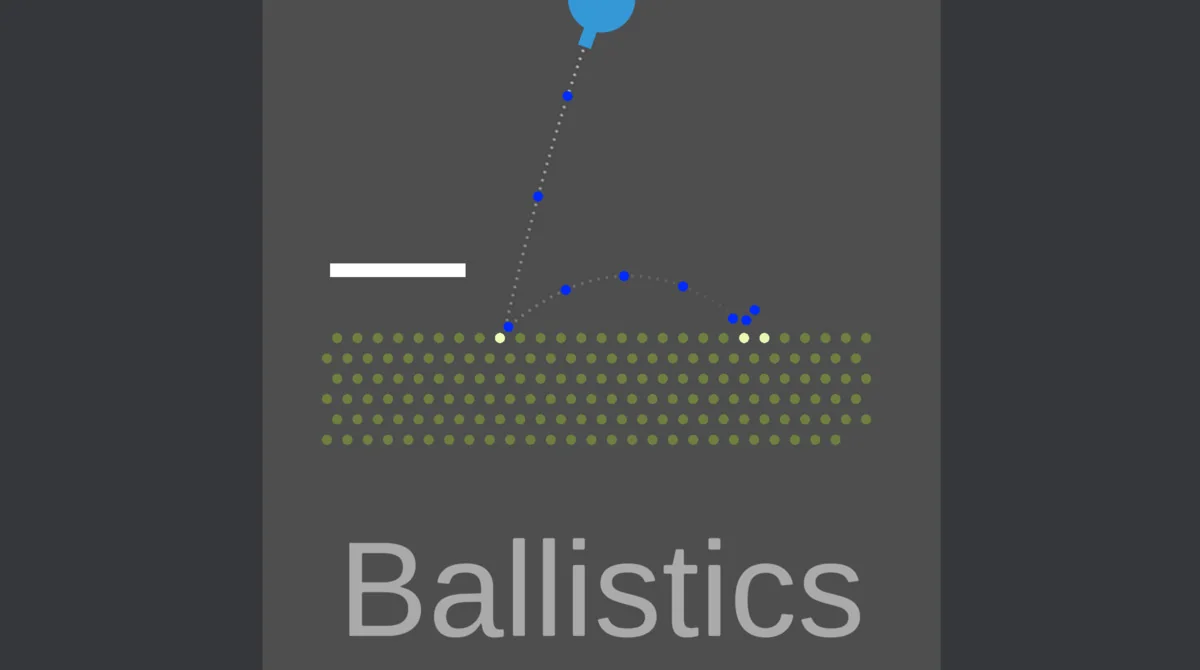
Ballistics is the most explicit control layer in the toolkit. It gives complete control over projectile trajectory, with options for arc height, ground speed, launch velocity, and more. That makes it suitable for situations where a projectile cannot just follow a default arc and needs a specific shape or pace instead.
Two trajectory models are supported. One is a realistic and accurate model. The other is a âfantasyâ option that lets you dial in the desired height and linear speed first, then lets the physical simulation run from there. That approach is useful when the feel of the shot matters as much as strict realism, because it still uses simulation while giving tighter control over the result.
This combination of controls makes Ballistics a strong fit for gameplay that needs projectiles to read clearly on screen. A launch can be tuned for height, speed, and motion feel without leaving the physics framework that drives the rest of the toolkit.
Ropes, buoyancy, and force-driven motion
Several of the toolkitâs other systems focus on how objects respond once they are already in motion. Ropes, buoyancy, softbody-like behaviour, force effects, and projectile prediction all sit in that category, giving a game more ways to react to the physics world instead of staying rigid or predictable.
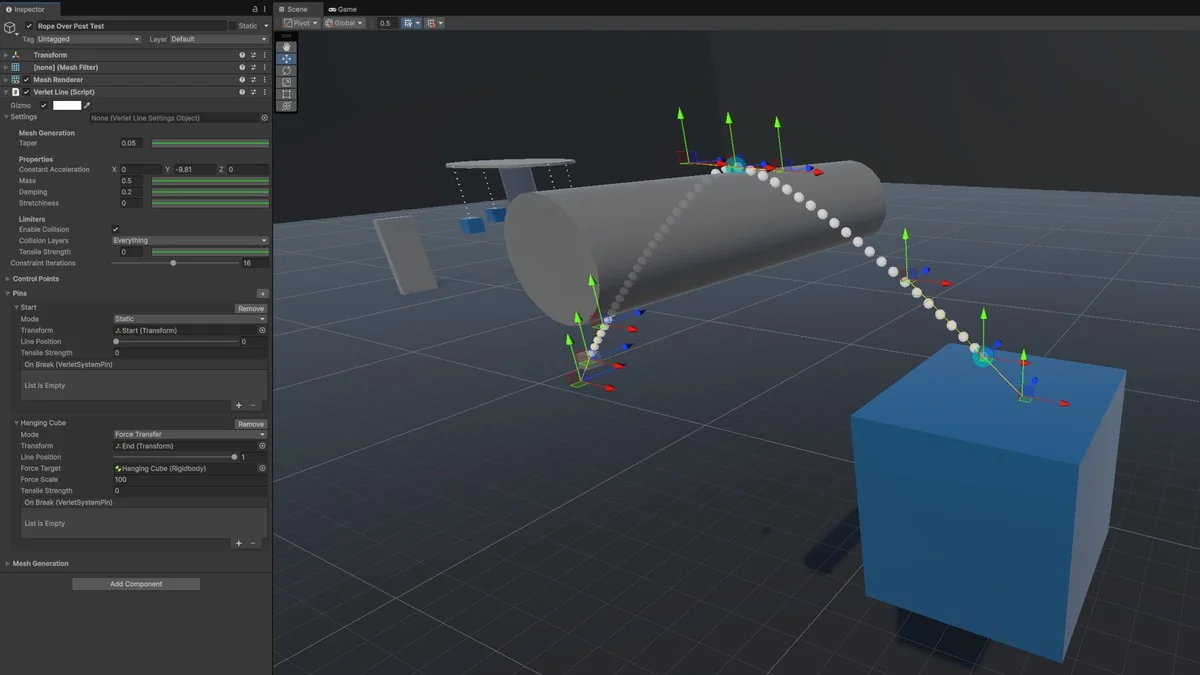
- Ropes for physics-driven connections and movement
- Buoyancy for objects that need to respond to water-like forces
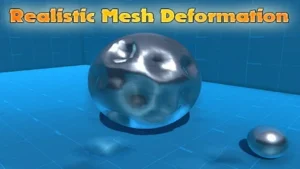
- Softbody-like behaviour for less rigid motion
- Force effects for pushing or influencing objects
- Projectile trajectory prediction for motion planning
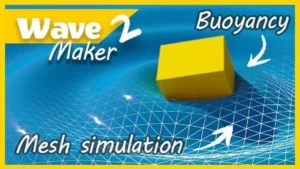
The buoyancy system is described in straightforward terms: it calculates the buoyancy force that would be applied to an object using the geometry of your mesh and the mass you define. That keeps the feature grounded in the shape and mass of the object rather than in a purely visual approximation.
Because the toolkit works with Unityâs built-in Physics behaviours, these systems are positioned as additions to the existing simulation layer rather than replacements for it. That is a useful fit for projects that already rely on Unity physics and want to extend it with more specialized movement and interaction tools.
Annual release cycle and ongoing access
The toolkit follows a yearly maintenance cycle. Each release launches on November 1st with that yearâs updates, content, and elevated support. Community support is provided free through the developerâs Discord community, regardless of purchase.
The cycle also affects how the toolkit stays available over time. At the end of each cycle, the toolkit receives its final update and is removed from sale to new customers. Existing users keep full access to the tools they already have, including the ability to download them and use them in new projects for as long as they like. Future-year updates are optional.
There is also a grace period for purchases made near the end of a cycle, close to November 1st, where the next version is free. The same schedule means the next toolkit release follows the same yearly rhythm, with Toolkit 2027 set for November 1st, 2026.
For teams building projectiles, ropes, buoyancy-driven scenes, or physics effects that need to stay inside Unityâs simulation model, Toolkit for Unity Physics 2026 offers a focused set of systems with a clear update cycle and continuing community support.
Asset Gallery
Protected download
Access this resource
All resources are 100% manually reviewed to eliminate all risks.