"ddd0e3fb95b0aec2"{"id":"1001558","slug":"stone-palace","title":"Stone Palace","category":"Historical","engine":"5.2+","assetVersion":"","engineVersion":"Engine Version: 5.2+","tag":"Historical","accent":"blue","visual":"mech","summary":"Construct grand historical and fantasy environments using modular stone building components, pillars, statues, and foliage for immersive levels.","platform":"Unreal Engine","publishedAt":"2026-10-10T03:49:25.404Z","updatedAt":"2026-10-10T03:49:25.404Z","sourceNotes":[],"fileContents":[],"compatibility":["Unreal Engine","Engine Version: 5.2+"],"featuredImage":{"alt":"Stone Palace","src":"/wp-content/uploads/published/2026/10/a8d7b05b4ede-b9923cd5-4086-4fd5-9fb8-6364e48407ab-31f98fbf86.webp"},"hasDownloadLink":true,"downloads":0,"terms":[{"taxonomy":"category","slug":"historical","name":"Historical"}],"galleryImages":[{"src":"/wp-content/uploads/published/2026/10/be60cb53e851-718c242b-6493-440d-bc5e-ec789b1e8234-f7f3368dfa.webp","alt":"Stone Palace"},{"src":"/wp-content/uploads/published/2026/10/1dbeaae4839f-75872a82-1601-40a5-9275-bd6ba8f1527d-af24a9eac2.webp","alt":"Stone Palace"},{"src":"/wp-content/uploads/published/2026/10/faa9db220406-9a426335-9cf4-4cd8-a303-2619e771e567-dd92bcfae4.webp","alt":"Stone Palace"},{"src":"/wp-content/uploads/published/2026/10/dd3f1ab6a336-24ac79a1-6cf2-499d-be22-d83c4b194dc9-bd2aa1c62d.webp","alt":"Stone Palace"},{"src":"/wp-content/uploads/published/2026/10/ffdd8ee3f64b-58fdef4e-4f81-4d70-bce7-3391cb2b1d2f-37cdbbd666.webp","alt":"Stone Palace"},{"src":"/wp-content/uploads/published/2026/10/2016d573440b-bcfea412-08b5-4816-8807-e5568ae3c05f-0fae440142.webp","alt":"Stone Palace"},{"src":"/wp-content/uploads/published/2026/10/b050a0862fbd-8d25c4e3-20fd-48dd-8ed8-3bb6a28902a9-6853857b98.webp","alt":"Stone Palace"},{"src":"/wp-content/uploads/published/2026/10/ba4de305f866-32e6e02d-420f-4c74-8951-ef474af16a88-45bbdf215a.webp","alt":"Stone Palace"},{"src":"/wp-content/uploads/published/2026/10/74f11e275d90-4cb4f7c7-279a-41a4-ba00-d7a327ff3913-3b9580cdfb.webp","alt":"Stone Palace"},{"src":"/wp-content/uploads/published/2026/10/744d64434c44-87649e4b-2e23-4bb7-a13e-8b5df3e3a7eb-7718338b48.webp","alt":"Stone Palace"}],"accessPanel":{"kind":"resource","title":"Download this resource","eyebrow":"Free Download","message":"Log in or create a free account to start your download.","fileName":"Content.7z","safetyNote":"Resources are manually reviewed before listing to improve quality and reduce obvious risks.","actionLabel":"Download Free","resourceType":"Resource archive"},"contentHtml":"\u003ch2\u003eAssembling Stone Palace Architecture from Modular Building Components\u003c/h2\u003e\u003cp\u003eConstructing a sprawling stone palace begins with laying down foundational modular building components. By relying on repeatable modular pieces, level designers can block out large floor plans, towering walls, and elevated chambers without breaking architectural coherence. Masonry structures require consistent stone seams and logical joins, meaning the initial assembly phase centers on aligning wall sections, floor planes, and archways to form a cohesive exterior and interior footprint.\u003c/p\u003e\u003cp\u003eThe modular logic allows for varied configurations ranging from narrow transit corridors to wide courtyards. When snapping structural pieces into place, establishing clear horizontal and vertical grids prevents awkward misalignments along massive stone surfaces. Establishing strong boundary walls early sets up the spatial logic for the rest of the build, creating natural divisions between expansive central courtyards and tucked-away royal chambers.\u003c/p\u003e\u003ch2\u003eStructural Anchors: Placing Stone Pillars and Volumetric Framing\u003c/h2\u003e\u003cp\u003ePillars serve as the primary rhythm-makers across stone architecture. When constructing massive palace halls, placing stone pillars at uniform intervals breaks up vast ceiling expanses and guides player sightlines along grand pathways. These load-bearing forms define the spatial weight of the environment, establishing high vertical clearance that feels grounded in realistic masonry techniques.\u003c/p\u003e\u003cp\u003eBeyond structural logic, colonnades alter how players navigate through large spaces. In an action or shooter scenario, repetitive pillar placement provides essential physical cover without sacrificing visibility across a grand hall. In exploration-heavy games, double rows of stone pillars naturally herd the eye toward thrones, elevated daises, or prominent exits, establishing clear visual targets across big architectural volumes.\u003c/p\u003e\u003ch2\u003eDressing Historical and Fantasy Spaces with Statues and Props\u003c/h2\u003e\u003cp\u003eOnce the core walls and pillars establish structural bounds, thematic character emerges through statues and accompanying props. The inclusion of statues introduces human-scale focal points against otherwise cold, monumental stone. Positioning statues within alcoves, along processional aisles, or as central courtyard monuments grounds the scene in historical and fantasy worldbuilding.\u003c/p\u003e\u003cp\u003eProp dressing must balance detail with readability. Placing statues symmetrically creates a regal, disciplined atmosphere suitable for throne rooms and ceremonial halls. Asymmetrical placement, such as fallen or weathered statues tucked into corner nooks, suggests abandonment, ruin, or the aftermath of conflict. These sculptural elements break up flat masonry surfaces, providing intricate silhouettes that elevate the overall realism of the environment.\u003c/p\u003e\u003ch2\u003eSoftening Hard Stone Surfaces with Foliage\u003c/h2\u003e\u003cp\u003eA stone-built palace easily risks feeling stark and sterile without organic contrast. Introducing foliage into the build interrupts the rigid stone geometry, introducing natural color shifts and irregular forms. Placing vegetation along lower wall bases, between stone paving joints, or draped across high archways introduces a layer of environmental history.\u003c/p\u003e\u003cp\u003eFoliage also establishes climatic context. Ivy climbing up exterior stone pillars signals damp, aged courtyards, while low-lying bushes and ground cover help transition artificial stone foundations smoothly into wild exterior terrain. For adventure and exploration titles, foliage-covered pathways can denote neglected wings of the palace, intuitively communicating which routes are actively maintained and which have fallen into disuse.\u003c/p\u003e\u003ch2\u003eSpatial Flow for Shooter and Adventure Level Layouts\u003c/h2\u003e\u003cp\u003eLevel design within grand palace architecture requires balancing open visual spectacle with tightly controlled combat and exploration routes. Big architecture naturally invites wide-open vistas, but shooter gameplay demands intermittent sightline breaks, flanking routes, and defensible strongpoints. Modular stone components can be combined to form parapets, balustrades, and multi-tier overlooks that give verticality to firefights.\u003c/p\u003e\u003cp\u003eAdventure games, by comparison, prioritize curiosity and discovery. By offsetting wall segments and staggering pillar rows, creators can occlude views just enough to encourage players to turn corners. Expansive rooms with high stone ceilings instill a sense of scale, while intermediate archways frame subsequent gameplay zones, creating continuous anticipation throughout the palace interior.\u003c/p\u003e\u003ch2\u003ePalace Hall Compatibility and Architectural Scope\u003c/h2\u003e\u003cp\u003eEnsuring visual harmony across expansive complexes depends on compatibility with Palace Hall setups. When extending modular stone structures into broader hall layouts, maintaining identical stone tones and architectural motifs ensures seamless transitions from outer perimeter buildings straight into the heart of the palace.\u003c/p\u003e\u003cp\u003eBig structures demand consistent scale across every threshold. Because the assets are structured around modular assemblies, creators can expand individual rooms into cavernous reception halls or scale them down to intimate, secure chambers while preserving the exact material feel of the masonry. The interplay between heavy structural stone, grand pillars, detailed statues, and accent foliage delivers a complete framework for building realistic, highly immersive historical or fantasy palaces.\u003c/p\u003e\n\n\u003ch2\u003eMore From The Same Workflow\u003c/h2\u003e\n\u003cul\u003e\n\u003cli\u003e\u003ca href=\"https://3dcghub.com/middle-eastern-town-gigapack-w-level-pcg-met-palace-bazaar-city/\" title=\"Middle Eastern Town Gigapack w/ Level PCG ( MET, Palace, Bazaar, City)\"\u003eMiddle Eastern Town Gigapack w/ Level PCG ( MET, Palace, Bazaar, City)\u003c/a\u003e\u003c/li\u003e\n\u003cli\u003e\u003ca href=\"https://3dcghub.com/ancient-mayan-ruins/\" title=\"Ancient Mayan Ruins\"\u003eAncient Mayan Ruins\u003c/a\u003e\u003c/li\u003e\n\u003cli\u003e\u003ca href=\"https://3dcghub.com/neptune-s-roman-bath-roman-roman-baths-neptune-roman-medieval-greek-bath-3d/\" title=\"Neptune\u0026#039;s Roman Bath ( Roman Roman Baths Neptune Roman Medieval Greek Bath 3D )\"\u003eNeptune\u0026#039;s Roman Bath ( Roman Roman Baths Neptune Roman Medieval Greek Bath 3D )\u003c/a\u003e\u003c/li\u003e\n\u003cli\u003e\u003ca href=\"https://3dcghub.com/6-stylize-material-grass-and-stone/\" title=\"6 Stylize Material Grass And Stone\"\u003e6 Stylize Material Grass And Stone\u003c/a\u003e\u003c/li\u003e\n\u003cli\u003e\u003ca href=\"https://3dcghub.com/showroom-level-kit-11/\" title=\"Showroom Level Kit 11\"\u003eShowroom Level Kit 11\u003c/a\u003e\u003c/li\u003e\n\u003c/ul\u003e","contentTextLength":5673,"navigation":{"current":16,"total":3511,"previous":{"id":"1001559","slug":"stylized-dungeon-castle","title":"Stylized Dungeon Castle","category":"Fantasy","platform":"Unreal Engine","updatedAt":"2026-10-10T03:50:13.480Z"},"next":{"id":"1001557","slug":"showroom-level-kit-11","title":"Showroom Level Kit 11","category":"Historical","platform":"Unreal Engine","updatedAt":"2026-10-10T03:48:40.285Z"}},"relatedResources":[{"id":"1000285","slug":"middle-eastern-town-gigapack-w-level-pcg-met-palace-bazaar-city","title":"Middle Eastern Town Gigapack w/ Level PCG ( MET, Palace, Bazaar, City)","category":"Historical","engine":"5.6+","assetVersion":"","engineVersion":"Engine Version: 5.6+","tag":"Historical","accent":"blue","visual":"city","summary":"A comprehensive Unreal Engine 5 environment pack featuring over 1,000 modular meshes, procedural foliage, and tools for building historical desert cities.","platform":"Unreal Engine","publishedAt":"2026-07-03T16:58:55.632Z","updatedAt":"2026-07-03T16:58:55.632Z","sourceNotes":[],"fileContents":[],"compatibility":["Unreal Engine","Engine Version: 5.6+"],"featuredImage":{"alt":"Middle Eastern Town Gigapack w/ Level PCG ( MET, Palace, Bazaar, City)","src":"/wp-content/uploads/published/2026/07/f1526e76e49f-f10078a8-6c9d-469c-b94e-a9f1d375aebc-06f70fe46a.webp"},"hasDownloadLink":true,"downloads":3},{"id":"25055","slug":"ancient-mayan-ruins","title":"Ancient Mayan Ruins","category":"Historical","engine":"5.2+","assetVersion":"Engine version: 5.2+","engineVersion":"5.2","tag":"Historical","accent":"blue","visual":"city","summary":"Ancient Mayan Ruins brings together weathered stone architecture, ruined temple forms, and jungle atmosphere in a compact environment. It fits historical and adventure scenes that need a clear ancient identity without a large level footprint.","platform":"Unreal Engine","publishedAt":"2026-04-18T16:36:05.000Z","updatedAt":"2026-04-20T06:12:33.000Z","sourceNotes":[],"fileContents":[],"compatibility":["Unreal Engine","Engine version: 5.2+"],"featuredImage":{"alt":"Ancient Mayan Ruins","src":"https://3dcghub.com/wp-content/uploads/2026/04/c004353b90eb_f01535e2-4bc8-4d12-bf45-2cb3c0a2f2ae.webp"},"hasDownloadLink":true,"downloads":0},{"id":"1001062","slug":"neptune-s-roman-bath-roman-roman-baths-neptune-roman-medieval-greek-bath-3d","title":"Neptune's Roman Bath ( Roman Roman Baths Neptune Roman Medieval Greek Bath 3D )","category":"Historical","engine":"5.1+","assetVersion":"","engineVersion":"Engine Version: 5.1+","tag":"Historical","accent":"blue","visual":"mech","summary":"Neptune's Roman Bath adds 82 unique Unreal environment meshes for Roman bathhouse levels plus ULAT modular tool. Foliage and fire effects are external.","platform":"Unreal Engine","publishedAt":"2026-09-03T13:12:39.407Z","updatedAt":"2026-09-03T13:12:39.407Z","sourceNotes":[],"fileContents":[],"compatibility":["Unreal Engine","Engine Version: 5.1+"],"featuredImage":{"alt":"Neptune's Roman Bath ( Roman Roman Baths Neptune Roman Medieval Greek Bath 3D )","src":"/wp-content/uploads/published/2026/09/dcfd2defe710-3426baa8-5e69-4fce-bd53-9fc7d1829fe1-4c82150a40.webp"},"hasDownloadLink":true,"downloads":0}]}
Historical
Stone Palace
Construct grand historical and fantasy environments using modular stone building components, pillars, statues, and foliage for immersive levels.
Category:Unreal Engine,HistoricalPlatform: Unreal EngineEngine Version: 5.2+Published: Oct 10, 2026
Historical
Resource overview
Assembling Stone Palace Architecture from Modular Building Components
Constructing a sprawling stone palace begins with laying down foundational modular building components. By relying on repeatable modular pieces, level designers can block out large floor plans, towering walls, and elevated chambers without breaking architectural coherence. Masonry structures require consistent stone seams and logical joins, meaning the initial assembly phase centers on aligning wall sections, floor planes, and archways to form a cohesive exterior and interior footprint.
The modular logic allows for varied configurations ranging from narrow transit corridors to wide courtyards. When snapping structural pieces into place, establishing clear horizontal and vertical grids prevents awkward misalignments along massive stone surfaces. Establishing strong boundary walls early sets up the spatial logic for the rest of the build, creating natural divisions between expansive central courtyards and tucked-away royal chambers.
Structural Anchors: Placing Stone Pillars and Volumetric Framing
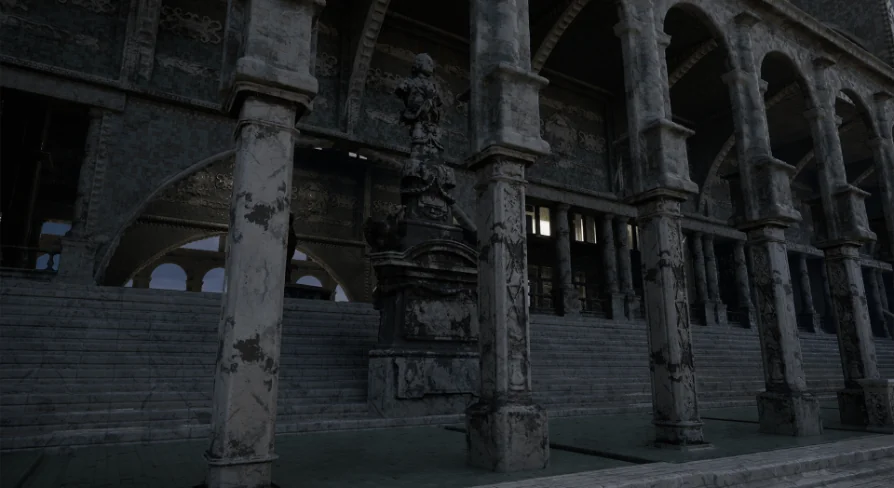
Pillars serve as the primary rhythm-makers across stone architecture. When constructing massive palace halls, placing stone pillars at uniform intervals breaks up vast ceiling expanses and guides player sightlines along grand pathways. These load-bearing forms define the spatial weight of the environment, establishing high vertical clearance that feels grounded in realistic masonry techniques.
Beyond structural logic, colonnades alter how players navigate through large spaces. In an action or shooter scenario, repetitive pillar placement provides essential physical cover without sacrificing visibility across a grand hall. In exploration-heavy games, double rows of stone pillars naturally herd the eye toward thrones, elevated daises, or prominent exits, establishing clear visual targets across big architectural volumes.
Dressing Historical and Fantasy Spaces with Statues and Props
Once the core walls and pillars establish structural bounds, thematic character emerges through statues and accompanying props. The inclusion of statues introduces human-scale focal points against otherwise cold, monumental stone. Positioning statues within alcoves, along processional aisles, or as central courtyard monuments grounds the scene in historical and fantasy worldbuilding.
Prop dressing must balance detail with readability. Placing statues symmetrically creates a regal, disciplined atmosphere suitable for throne rooms and ceremonial halls. Asymmetrical placement, such as fallen or weathered statues tucked into corner nooks, suggests abandonment, ruin, or the aftermath of conflict. These sculptural elements break up flat masonry surfaces, providing intricate silhouettes that elevate the overall realism of the environment.
Softening Hard Stone Surfaces with Foliage
A stone-built palace easily risks feeling stark and sterile without organic contrast. Introducing foliage into the build interrupts the rigid stone geometry, introducing natural color shifts and irregular forms. Placing vegetation along lower wall bases, between stone paving joints, or draped across high archways introduces a layer of environmental history.
Foliage also establishes climatic context. Ivy climbing up exterior stone pillars signals damp, aged courtyards, while low-lying bushes and ground cover help transition artificial stone foundations smoothly into wild exterior terrain. For adventure and exploration titles, foliage-covered pathways can denote neglected wings of the palace, intuitively communicating which routes are actively maintained and which have fallen into disuse.
Spatial Flow for Shooter and Adventure Level Layouts
Level design within grand palace architecture requires balancing open visual spectacle with tightly controlled combat and exploration routes. Big architecture naturally invites wide-open vistas, but shooter gameplay demands intermittent sightline breaks, flanking routes, and defensible strongpoints. Modular stone components can be combined to form parapets, balustrades, and multi-tier overlooks that give verticality to firefights.
Adventure games, by comparison, prioritize curiosity and discovery. By offsetting wall segments and staggering pillar rows, creators can occlude views just enough to encourage players to turn corners. Expansive rooms with high stone ceilings instill a sense of scale, while intermediate archways frame subsequent gameplay zones, creating continuous anticipation throughout the palace interior.
Palace Hall Compatibility and Architectural Scope
Ensuring visual harmony across expansive complexes depends on compatibility with Palace Hall setups. When extending modular stone structures into broader hall layouts, maintaining identical stone tones and architectural motifs ensures seamless transitions from outer perimeter buildings straight into the heart of the palace.
Big structures demand consistent scale across every threshold. Because the assets are structured around modular assemblies, creators can expand individual rooms into cavernous reception halls or scale them down to intimate, secure chambers while preserving the exact material feel of the masonry. The interplay between heavy structural stone, grand pillars, detailed statues, and accent foliage delivers a complete framework for building realistic, highly immersive historical or fantasy palaces.
 Historical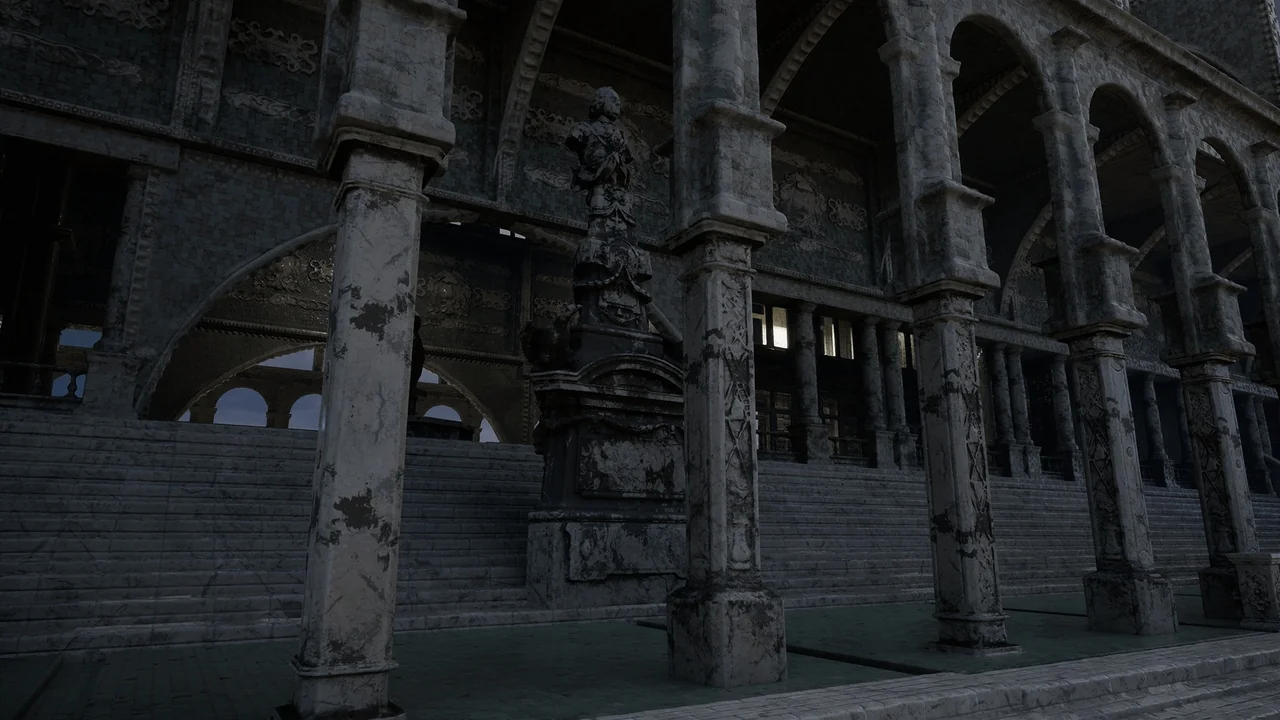
 Historical
 Historical
 Historical