"6ac84fdb0bd06614"{"id":"28100","slug":"post-apocalyptic-melee-weapons-vol-2-post-apocalyptic-melee-weapons-weapon-old","title":"Post Apocalyptic Melee Weapons VOL.2 (Post Apocalyptic Melee Weapons Weapon Old)","category":"Weapons \u0026 Combat","engine":"4.26+,5.0+","assetVersion":"Engine version: 4.26+,5.0+","engineVersion":"","tag":"Weapons \u0026 Combat","accent":"blue","visual":"city","summary":"Post Apocalyptic Melee Weapons VOL.2 brings together the pictured assets, maps, and materials in an Unreal Engine project. Its stated focus is realistic AAA-quality visuals, with compatibility noted for the Ultimate Level Art Tool.","platform":"Unreal Engine","publishedAt":"2026-05-04T08:21:39.000Z","updatedAt":"2026-05-04T08:21:40.000Z","sourceNotes":[],"fileContents":[],"compatibility":["Unreal Engine","Engine version: 4.26+,5.0+"],"featuredImage":{"alt":"Post Apocalyptic Melee Weapons VOL.2 (Post Apocalyptic Melee Weapons Weapon Old)","src":"https://3dcghub.com/wp-content/uploads/2026/05/1f2485f883aa_16c8546e-3b13-454e-bb27-7b23a3cbdac7.webp"},"hasDownloadLink":true,"downloads":0,"terms":[{"taxonomy":"category","slug":"weapons-and-combat","name":"Weapons \u0026 Combat"},{"taxonomy":"post_tag","slug":"environment","name":"Environment"},{"taxonomy":"post_tag","slug":"unreal-engine-5","name":"Unreal Engine 5"},{"taxonomy":"post_tag","slug":"weapons","name":"Weapons"}],"galleryImages":[{"src":"https://3dcghub.com/wp-content/uploads/2026/05/5726c38bfed8_70c3e2c0-833d-4391-b323-ab88ac8b0443.webp","alt":"Post Apocalyptic Melee Weapons VOL.2 (Post Apocalyptic Melee Weapons Weapon Old)"},{"src":"https://3dcghub.com/wp-content/uploads/2026/05/0dbfc65ac42a_6dedc090-7b81-4aee-b7fa-236fb10fd3a9.webp","alt":"Post Apocalyptic Melee Weapons VOL.2 (Post Apocalyptic Melee Weapons Weapon Old)"},{"src":"https://3dcghub.com/wp-content/uploads/2026/05/75e925476119_743e349b-3b74-41a7-8dea-758f165ddd84.webp","alt":"Post Apocalyptic Melee Weapons VOL.2 (Post Apocalyptic Melee Weapons Weapon Old)"},{"src":"https://3dcghub.com/wp-content/uploads/2026/05/a46508fe9080_0f9b9f55-e180-4a55-8ae7-dc4c73816e4d.webp","alt":"Post Apocalyptic Melee Weapons VOL.2 (Post Apocalyptic Melee Weapons Weapon Old)"},{"src":"https://3dcghub.com/wp-content/uploads/2026/05/ca62bd1916ee_82222cee-ba9d-44bd-a0d4-f309c0ae7cff.webp","alt":"Post Apocalyptic Melee Weapons VOL.2 (Post Apocalyptic Melee Weapons Weapon Old)"},{"src":"https://3dcghub.com/wp-content/uploads/2026/05/9c62955d46b5_05c1a074-5c61-45b2-88a3-f130d9dd2692.webp","alt":"Post Apocalyptic Melee Weapons VOL.2 (Post Apocalyptic Melee Weapons Weapon Old)"}],"accessPanel":{"kind":"resource","title":"Access this resource","eyebrow":"Free Download","message":"Log in or create a free account to start your download.","fileName":"Content.7z","safetyNote":"All resources are 100% manually reviewed to eliminate all risks.","actionLabel":"Download Free","resourceType":"Resource archive"},"contentHtml":"\u003cp\u003ePost Apocalyptic Melee Weapons VOL.2 is presented as a complete Unreal Engine project package that includes everything pictured, covering assets, maps, and materials. The name and tag set place it firmly in a rough, scavenged melee space, with post-apocalyptic and primitive themes tied to weapons such as hammers, axes, shields, and swords.\u003c/p\u003e\n\u003cp\u003eThat combination makes the pack easy to read from a production standpoint. It is not framed as a single isolated prop. It is framed as a project-level set of content, where the assets are delivered alongside the maps and materials used with them inside Unreal Engine. For setup, that matters more than a bare asset drop, because the package already extends beyond model content into the surrounding project elements that support scene use.\u003c/p\u003e \u003ch2\u003ePost Apocalyptic Melee Weapons VOL.2 project contents\u003c/h2\u003e\n\u003cp\u003eThe core promise here is simple and concrete: everything pictured is included. The package contains the assets themselves, the maps, and the materials, all created in Unreal Engine. That gives the resource a broader implementation footprint than a loose folder of weapon meshes. It suggests a pack that can be reviewed and placed within a working Unreal Engine context instead of needing every supporting element to be recreated from scratch.\u003c/p\u003e\n\u003cp\u003eThe resource name and tags point to a melee collection with a worn, old-world survival tone. Post-apocalyptic, primitive, hammer, medieval, axe, shield, sword, and weapon all appear in the associated details. Taken together, those tags frame the creative range of the set: hand-held combat pieces with a harsh, rugged identity rather than polished modern firearms or clean fantasy ornament.\u003c/p\u003e\n\u003cp\u003eFor scene assembly, that kind of naming is useful because it immediately narrows the visual lane. The pack is aligned with rougher close-combat storytelling, whether the focus is on individual props, environmental dressing, or loadout presentation inside a larger Unreal Engine level.\u003c/p\u003e \u003ch2\u003eUnreal Engine assets, maps, and materials\u003c/h2\u003e\n\u003cp\u003eThe implementation details stay centered on Unreal Engine. The assets, maps, and materials are all stated to be created there, which positions the pack as an Unreal-native project resource rather than a platform-agnostic collection. If the goal is to evaluate, place, and light the content in the same ecosystem where it was authored, that is the main setup detail provided.\u003c/p\u003e\n\u003cp\u003eMaps and materials being included changes how the resource can be approached. Materials are part of the authored look, and maps provide a ready project context for viewing or arranging what is included. Even without extra technical breakdowns, that combination signals a package intended for practical in-engine use rather than only external inspection.\u003c/p\u003e\n\u003cp\u003eThere is also a clear quality target attached to the whole set. Each asset is stated to have been created for realistic AAA-quality visuals, style, and budget. The wording is broad, but it still gives a direct expectation for implementation: the pack is aiming at realism rather than stylization, and it is meant to read at a production level where visual consistency and presentation matter.\u003c/p\u003e \u003ch2\u003eUltimate Level Art Tool (ULAT) compatibility\u003c/h2\u003e\n\u003cp\u003eOne of the more specific workflow notes attached to the package is its compatibility with the Ultimate Level Art Tool, shortened to ULAT. The tool is described as allowing fast creation of custom modular buildings, while also offering a seamless and distinctive way to populate scenes naturally.\u003c/p\u003e\n\u003cp\u003eThat compatibility note broadens the resource beyond isolated prop placement. Even though ULAT is explained through building and scene-population tasks, the practical implication is that this package can sit inside a larger environment-building workflow that values speed and natural scene filling. In other words, the weapons content is not being presented as detached from level production. It is being positioned alongside a system used to shape and populate scenes in a more modular way.\u003c/p\u003e\n\u003cp\u003eThe longer translated name given for ULAT is “A modular design development tool for mobile and web-based systems.” No further technical explanation is attached to that name here, but the workflow description remains the most useful part: custom modular buildings and natural scene population, with this package marked as compatible.\u003c/p\u003e\n\u003cp\u003eFrom an implementation angle, that compatibility is the clearest systems-level detail provided. It tells Unreal Engine users that the pack is not limited to stand-alone viewing and can be considered in relation to a broader modular production setup.\u003c/p\u003e \u003ch2\u003ePrimitive, Hammer, Axe, Shield, and Sword usage\u003c/h2\u003e\n\u003cp\u003eThe tag set gives the strongest clues about how the collection can be used creatively. Primitive and post-apocalyptic immediately suggest a rough material language and a survivalist atmosphere. Hammer, axe, shield, and sword narrow that down further into specific melee categories.\u003c/p\u003e\n\u003cp\u003eThose terms make the resource practical for scenes where combat props need to communicate age, improvisation, or a stripped-back form of warfare. A hammer or axe can carry blunt-force or tool-like associations. A shield and sword push the pack toward heavier hand-to-hand silhouettes. The medieval tag adds another layer to that blend, implying an overlap between old-world forms and post-apocalyptic styling rather than a purely contemporary weapon direction.\u003c/p\u003e\n\u003cp\u003eBecause the package includes maps and materials in addition to the assets, the resource is set up for more than static storage of props. It can support prop presentation inside Unreal Engine scenes where the visual style, material treatment, and contextual placement work together. The stated realism target reinforces that use, especially for projects that need melee equipment to read clearly within a grounded visual world.\u003c/p\u003e \u003ch2\u003eWhere Post Apocalyptic Melee Weapons VOL.2 fits in a project\u003c/h2\u003e\n\u003cp\u003eThis package is most clearly defined by three things: it includes the pictured assets along with maps and materials, it is created in Unreal Engine, and it targets realistic AAA-quality visuals. The extra workflow hook is ULAT compatibility, tying the content to a modular scene-building pipeline that emphasizes faster building creation and more natural population.\u003c/p\u003e\n\u003cp\u003eThat makes the pack straightforward to place in production terms. It suits Unreal Engine work that needs post-apocalyptic or primitive melee content presented with an authored material setup and a ready project context. The final practical takeaway is simple: this is a weapon-focused Unreal Engine package prepared to sit inside scene work, not just a loose collection of named props.\u003c/p\u003e\n\n\u003ch2\u003eExplore Similar Assets\u003c/h2\u003e\n\u003cul\u003e\n\u003cli\u003e\u003ca href=\"https://3dcghub.com/post-apocalyptic-melee-weapons/\" title=\"Post Apocalyptic Melee Weapons\"\u003ePost Apocalyptic Melee Weapons\u003c/a\u003e\u003c/li\u003e\n\u003cli\u003e\u003ca href=\"https://3dcghub.com/stylized-staves-rpg-weapons/\" title=\"Stylized Staves – RPG Weapons\"\u003eStylized Staves – RPG Weapons\u003c/a\u003e\u003c/li\u003e\n\u003c/ul\u003e","contentTextLength":6684,"navigation":{"current":1331,"total":3181,"previous":{"id":"28113","slug":"polygon-street-racer","title":"POLYGON - Street Racer","category":"Streets \u0026 Construction","platform":"Unreal Engine","updatedAt":"2026-05-04T08:50:35.000Z"},"next":{"id":"28091","slug":"project-sunrise-interaction-dialogue-quest-system","title":"Project Sunrise - Interaction, Dialogue \u0026 Quest System","category":"Gameplay Features","platform":"Unreal Engine","updatedAt":"2026-05-04T08:15:03.000Z"}},"relatedResources":[{"id":"24733","slug":"post-apocalyptic-melee-weapons","title":"Post Apocalyptic Melee Weapons","category":"Weapons \u0026 Combat","engine":"4.26+,5.0+","assetVersion":"Engine version: 4.26+,5.0+","engineVersion":"","tag":"Weapons \u0026 Combat","accent":"blue","visual":"character","summary":"Post Apocalyptic Melee Weapons brings melee gear with variations, emissive burning detail, blood textures, and a flame particle system into one package. It also includes a blueprint that changes flame direction with the weapon swing, plus meshes in static a...","platform":"Unreal Engine","publishedAt":"2026-04-16T17:22:08.000Z","updatedAt":"2026-04-20T06:12:38.000Z","sourceNotes":[],"fileContents":[],"compatibility":["Unreal Engine","Engine version: 4.26+,5.0+"],"featuredImage":{"alt":"Post Apocalyptic Melee Weapons","src":"https://3dcghub.com/wp-content/uploads/2026/04/1b0251452b2d_d0788fbb-54ce-4971-bb94-2906f7da430c.webp"},"hasDownloadLink":true,"downloads":0},{"id":"1000725","slug":"axes-pack","title":"Axes Pack","category":"Weapons \u0026 Combat","engine":"4.26+,5.0+","assetVersion":"","engineVersion":"Engine Version: 4.26+,5.0+","tag":"Weapons \u0026 Combat","accent":"blue","visual":"mech","summary":"Axes Pack delivers five ready-for-battle melee axes with rigged versions, PBR materials, four texture resolutions, and 17 Blueprints for Unreal Engine workflows","platform":"Unreal Engine","publishedAt":"2026-07-26T15:29:31.703Z","updatedAt":"2026-07-26T15:55:51.664Z","sourceNotes":[],"fileContents":[],"compatibility":["Unreal Engine","Engine Version: 4.26+,5.0+"],"featuredImage":{"alt":"Axes Pack","src":"/wp-content/uploads/published/2026/07/6183996495d5-3e87e9af-7afa-4979-98e1-e5a25d473023-16fc163f21.webp"},"hasDownloadLink":true,"downloads":0},{"id":"5413","slug":"medieval-viking-weapons-and-shields-set-medieval-viking-weapons-shield-old","title":"Medieval / Viking Weapons and Shields Set ( Medieval Viking Weapons Shield Old )","category":"Weapons \u0026 Combat","engine":"4.26+,5.0+","assetVersion":"Engine version: 4.26+,5.0+","engineVersion":"4.19","tag":"Weapons \u0026 Combat","accent":"blue","visual":"luts","summary":"Enhance your game project with this optimized set of 18 Medieval and Viking weapons and shields. Features ZBrush sculpting and 2K textures for high detail.","platform":"Unreal Engine","publishedAt":"2026-02-15T15:00:55.000Z","updatedAt":"2026-04-19T15:56:57.000Z","sourceNotes":[],"fileContents":[],"compatibility":["Unreal Engine","Engine version: 4.26+,5.0+"],"featuredImage":{"alt":"Medieval / Viking Weapons and Shields Set ( Medieval Viking Weapons Shield Old )","src":"https://3dcghub.com/wp-content/uploads/2026/02/53285e9e-8a05-46f8-8475-cb377c2aba8b.webp"},"hasDownloadLink":true,"downloads":1}]}
Post Apocalyptic Melee Weapons VOL.2 brings together the pictured assets, maps, and materials in an Unreal Engine project. Its stated focus is realistic AAA-quality visuals, with compatibility noted for the Ultimate Level Art Tool.
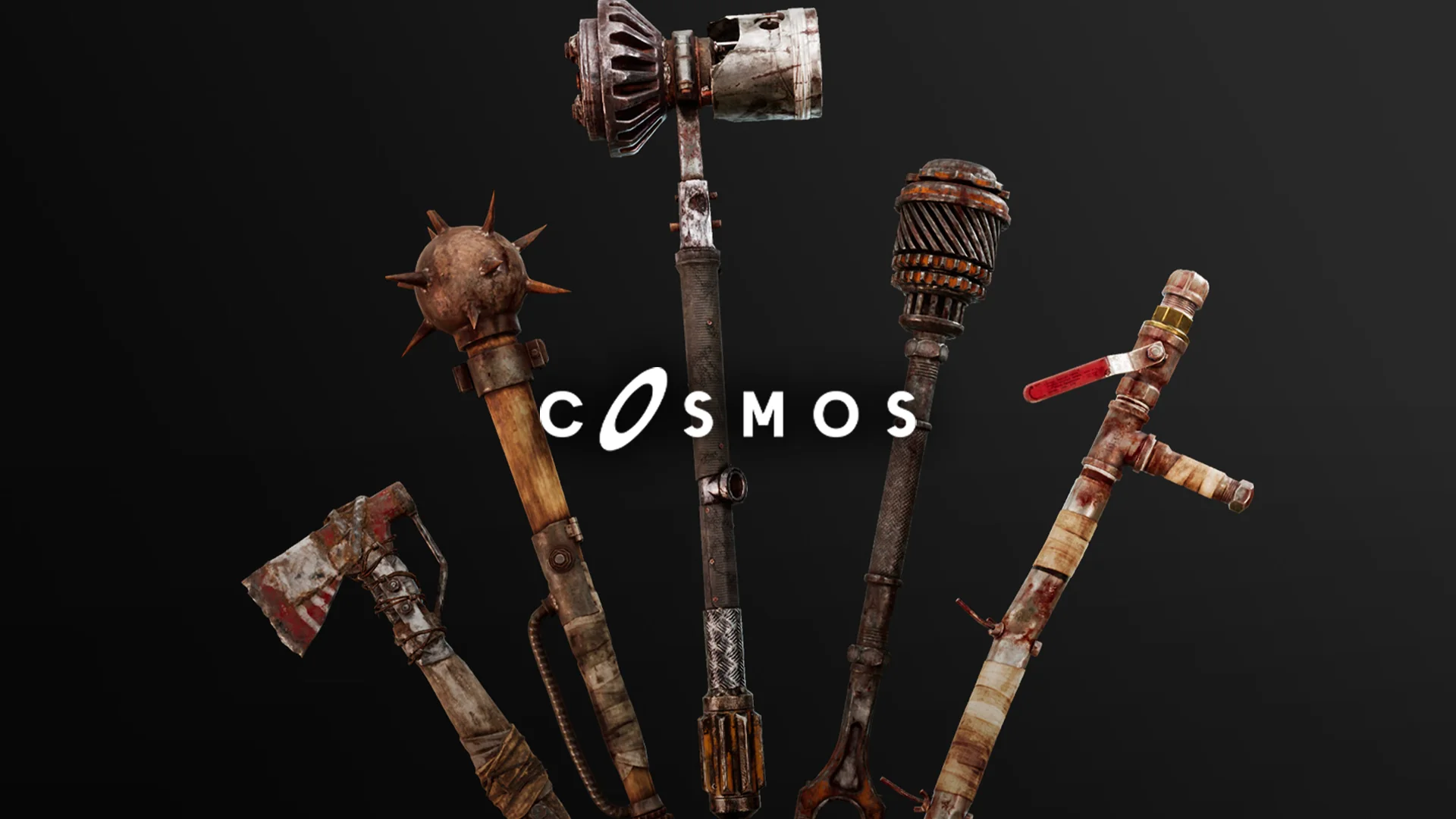
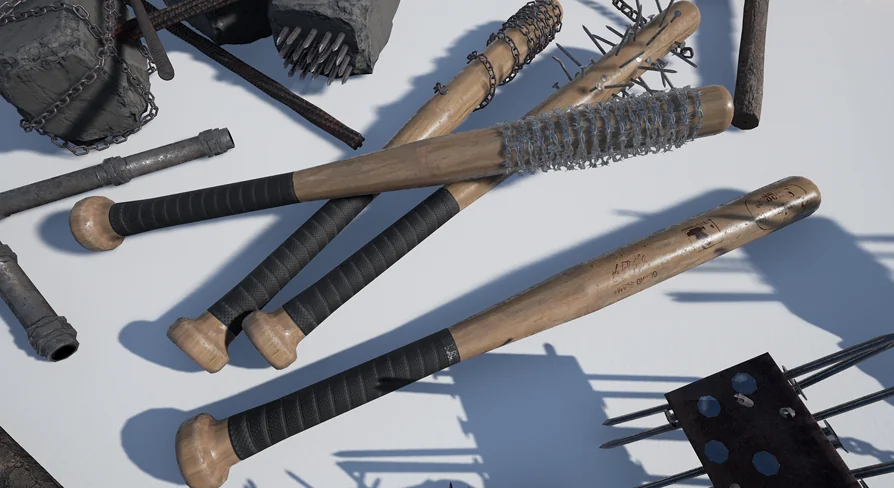
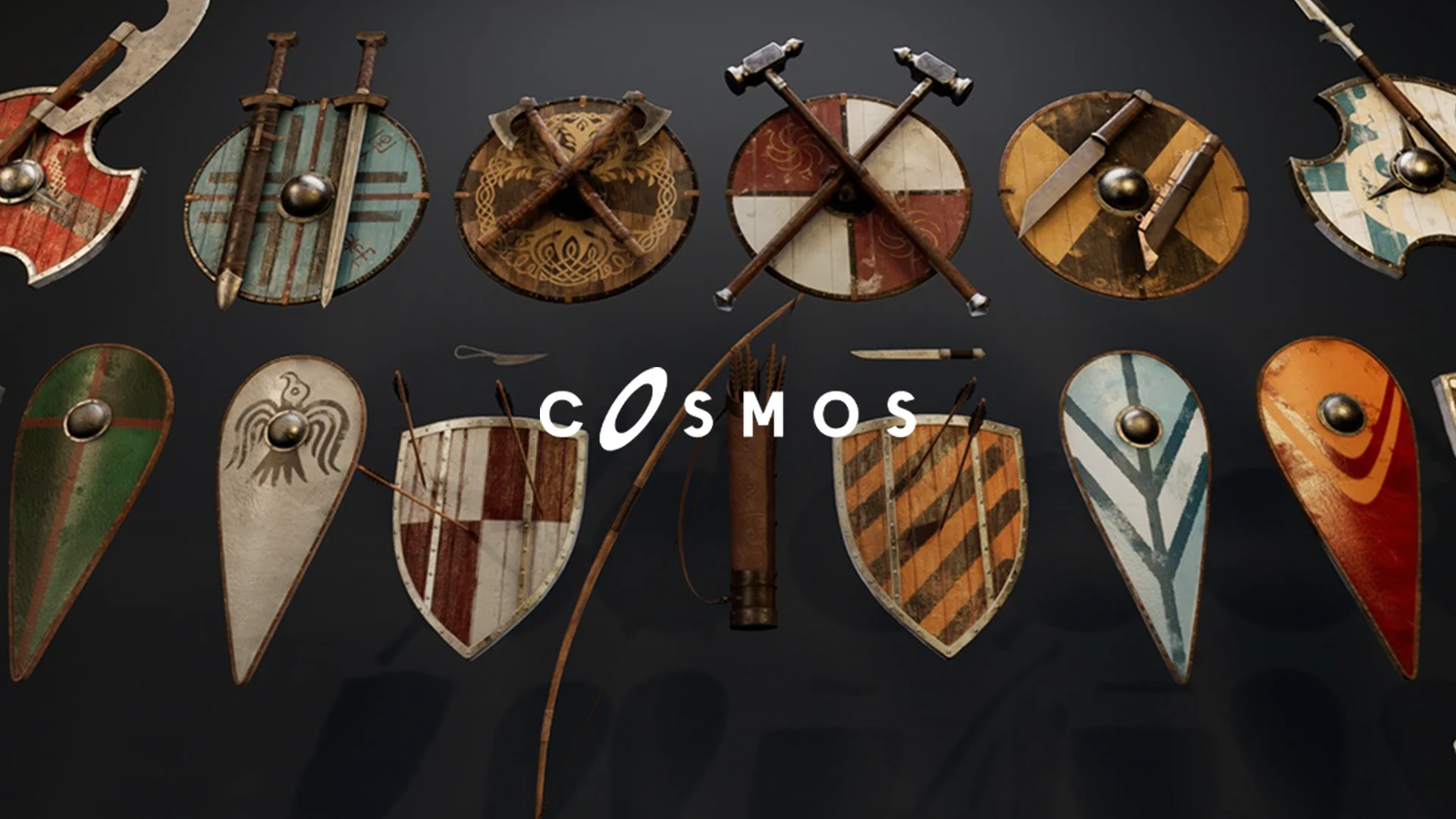
Post Apocalyptic Melee Weapons VOL.2 is presented as a complete Unreal Engine project package that includes everything pictured, covering assets, maps, and materials. The name and tag set place it firmly in a rough, scavenged melee space, with post-apocalyptic and primitive themes tied to weapons such as hammers, axes, shields, and swords.
That combination makes the pack easy to read from a production standpoint. It is not framed as a single isolated prop. It is framed as a project-level set of content, where the assets are delivered alongside the maps and materials used with them inside Unreal Engine. For setup, that matters more than a bare asset drop, because the package already extends beyond model content into the surrounding project elements that support scene use.
Post Apocalyptic Melee Weapons VOL.2 project contents
The core promise here is simple and concrete: everything pictured is included. The package contains the assets themselves, the maps, and the materials, all created in Unreal Engine. That gives the resource a broader implementation footprint than a loose folder of weapon meshes. It suggests a pack that can be reviewed and placed within a working Unreal Engine context instead of needing every supporting element to be recreated from scratch.
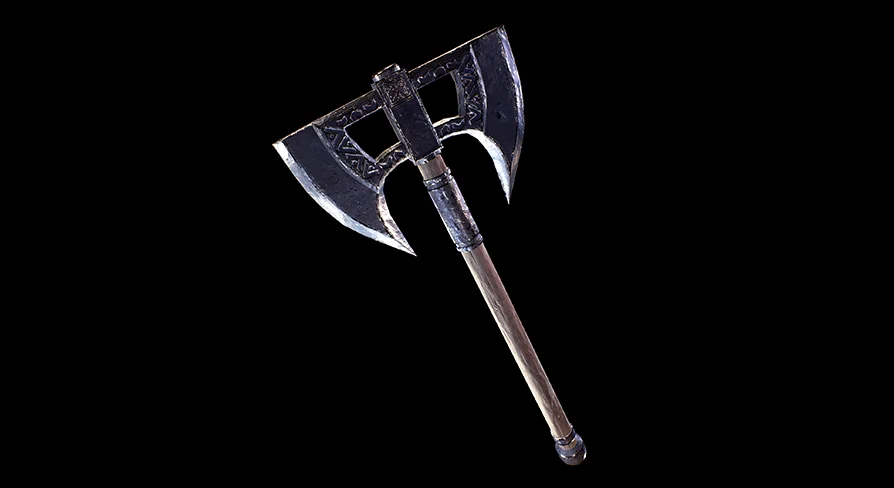
The resource name and tags point to a melee collection with a worn, old-world survival tone. Post-apocalyptic, primitive, hammer, medieval, axe, shield, sword, and weapon all appear in the associated details. Taken together, those tags frame the creative range of the set: hand-held combat pieces with a harsh, rugged identity rather than polished modern firearms or clean fantasy ornament.
For scene assembly, that kind of naming is useful because it immediately narrows the visual lane. The pack is aligned with rougher close-combat storytelling, whether the focus is on individual props, environmental dressing, or loadout presentation inside a larger Unreal Engine level.
Unreal Engine assets, maps, and materials
The implementation details stay centered on Unreal Engine. The assets, maps, and materials are all stated to be created there, which positions the pack as an Unreal-native project resource rather than a platform-agnostic collection. If the goal is to evaluate, place, and light the content in the same ecosystem where it was authored, that is the main setup detail provided.
Maps and materials being included changes how the resource can be approached. Materials are part of the authored look, and maps provide a ready project context for viewing or arranging what is included. Even without extra technical breakdowns, that combination signals a package intended for practical in-engine use rather than only external inspection.
There is also a clear quality target attached to the whole set. Each asset is stated to have been created for realistic AAA-quality visuals, style, and budget. The wording is broad, but it still gives a direct expectation for implementation: the pack is aiming at realism rather than stylization, and it is meant to read at a production level where visual consistency and presentation matter.
Ultimate Level Art Tool (ULAT) compatibility
One of the more specific workflow notes attached to the package is its compatibility with the Ultimate Level Art Tool, shortened to ULAT. The tool is described as allowing fast creation of custom modular buildings, while also offering a seamless and distinctive way to populate scenes naturally.
That compatibility note broadens the resource beyond isolated prop placement. Even though ULAT is explained through building and scene-population tasks, the practical implication is that this package can sit inside a larger environment-building workflow that values speed and natural scene filling. In other words, the weapons content is not being presented as detached from level production. It is being positioned alongside a system used to shape and populate scenes in a more modular way.
The longer translated name given for ULAT is “A modular design development tool for mobile and web-based systems.” No further technical explanation is attached to that name here, but the workflow description remains the most useful part: custom modular buildings and natural scene population, with this package marked as compatible.
From an implementation angle, that compatibility is the clearest systems-level detail provided. It tells Unreal Engine users that the pack is not limited to stand-alone viewing and can be considered in relation to a broader modular production setup.
Primitive, Hammer, Axe, Shield, and Sword usage
The tag set gives the strongest clues about how the collection can be used creatively. Primitive and post-apocalyptic immediately suggest a rough material language and a survivalist atmosphere. Hammer, axe, shield, and sword narrow that down further into specific melee categories.
Those terms make the resource practical for scenes where combat props need to communicate age, improvisation, or a stripped-back form of warfare. A hammer or axe can carry blunt-force or tool-like associations. A shield and sword push the pack toward heavier hand-to-hand silhouettes. The medieval tag adds another layer to that blend, implying an overlap between old-world forms and post-apocalyptic styling rather than a purely contemporary weapon direction.
Because the package includes maps and materials in addition to the assets, the resource is set up for more than static storage of props. It can support prop presentation inside Unreal Engine scenes where the visual style, material treatment, and contextual placement work together. The stated realism target reinforces that use, especially for projects that need melee equipment to read clearly within a grounded visual world.
Where Post Apocalyptic Melee Weapons VOL.2 fits in a project
This package is most clearly defined by three things: it includes the pictured assets along with maps and materials, it is created in Unreal Engine, and it targets realistic AAA-quality visuals. The extra workflow hook is ULAT compatibility, tying the content to a modular scene-building pipeline that emphasizes faster building creation and more natural population.
That makes the pack straightforward to place in production terms. It suits Unreal Engine work that needs post-apocalyptic or primitive melee content presented with an authored material setup and a ready project context. The final practical takeaway is simple: this is a weapon-focused Unreal Engine package prepared to sit inside scene work, not just a loose collection of named props.
 Weapons & Combat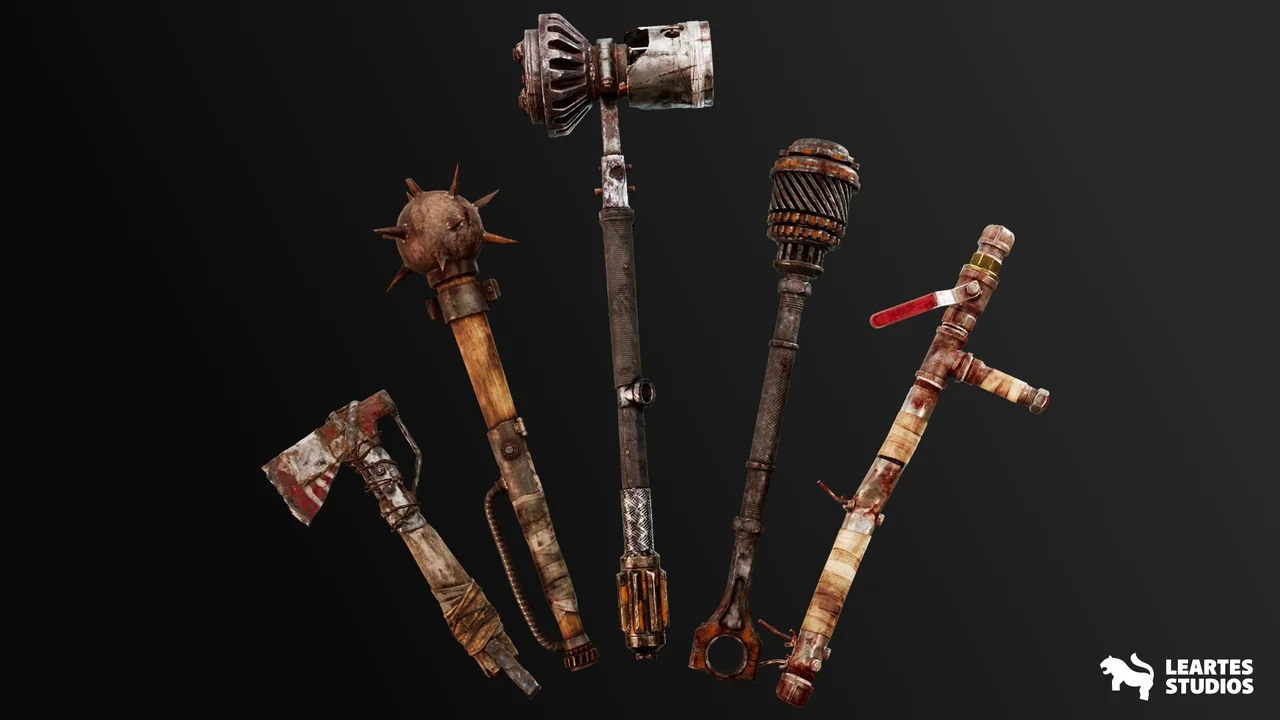
 Weapons & Combat
 Weapons & Combat
 Weapons & Combat