"5da73d49ff33a5b1"{"id":"1002387","slug":"gladiator-warrior","title":"Gladiator Warrior","category":"Characters \u0026 Creatures","engine":"5.1+","assetVersion":"","engineVersion":"Engine Version: 5.1+","tag":"Characters","accent":"blue","visual":"character","summary":"Examine the Gladiator Warrior asset featuring realistic styling, sword weaponry, Animationblueprint support, and cross-genre compatibility.","platform":"Unreal Engine","indexPolicy":"index","publishedAt":"2026-11-10T04:05:01.420Z","updatedAt":"2026-11-10T04:05:01.420Z","sourceNotes":[],"fileContents":[],"compatibility":["Unreal Engine","Engine Version: 5.1+"],"featuredImage":{"alt":"Gladiator Warrior","src":"/wp-content/uploads/published/2026/11/b1cef3152942-9c99a406-9742-428d-b495-55531a8e1904-3673fc9e29.webp"},"hasDownloadLink":true,"downloads":0,"terms":[{"taxonomy":"category","slug":"characters-and-creatures","name":"Characters \u0026 Creatures"}],"galleryImages":[{"src":"/wp-content/uploads/published/2026/11/47ebe54ff666-4c55e8f0-76d3-476a-aaa9-f41978785d2c-b90ad9ff14.webp","alt":"Gladiator Warrior"},{"src":"/wp-content/uploads/published/2026/11/09e1cf11df91-b3432e52-3ee9-4e6a-b7fd-e95a13679b5e-48b0bc0ee5.webp","alt":"Gladiator Warrior"},{"src":"/wp-content/uploads/published/2026/11/4fc043132d7d-7e4fef5d-0283-4171-845d-f93c9865b575-0f9a153e9e.webp","alt":"Gladiator Warrior"},{"src":"/wp-content/uploads/published/2026/11/cc89c94f2a1f-f57858ab-6647-4c27-82dd-a6b92f0e51b0-130402c9d8.webp","alt":"Gladiator Warrior"},{"src":"/wp-content/uploads/published/2026/11/4c5bb8af84a5-f9a3d457-42e6-4cff-bafc-a558550e8157-e942297492.webp","alt":"Gladiator Warrior"}],"accessPanel":{"kind":"resource","title":"Get this resource","eyebrow":"Free resource","message":"Download this resource in your browser.","fileName":"Content.7z","safetyNote":"Resources are manually reviewed before listing to improve quality and reduce obvious risks.","actionLabel":"Get this resource","resourceType":"Resource archive","versions":[]},"contentHtml":"\u003ch2\u003eAction-Adventure and Third-Person Combat Environments\u003c/h2\u003e\n\u003cp\u003eCharacter implementation sets the baseline for player responsiveness, camera perspective, and encounter pacing. The Gladiator Warrior arrives configured as a game-ready asset intended to bridge multiple design disciplines, spanning third-person action-adventure journeys to tactical third-person shooter environments. While gladiator imagery traditionally evokes ancient arenas, the structural requirements of third-person game genres demand versatile underlying mechanics. Player-controlled characters must handle locomotion transitions, camera collision, target lock systems, and close-quarters engagements without technical friction.\u003c/p\u003e\n\u003cp\u003ePlacing a realistic male combatant into an action-adventure layout demands an aesthetic that balances grounded historical cues with broader fantasy elements. The character model reflects a warrior motif that shifts smoothly between austere medieval settings and mythic fantasy arenas. In third-person shooters or hybrid action titles, integrating a melee-focused protagonist introduces dynamic gameplay opportunities, such as dedicated close-combat phases, boss encounter stages, or specialized arena modes where ranged weapons yield to blade encounters.\u003c/p\u003e\n\u003cp\u003eThe asset's game-ready construction means technical setup overhead is significantly reduced. Developers can bypass early modeling and rigging passes, moving straight into control binding, camera framing, and encounter tuning within their chosen engine environment.\u003c/p\u003e \u003ch2\u003eWeapon Deployment for the Gladiator in Combat Scenarios\u003c/h2\u003e\n\u003cp\u003eMelee encounters require precise coordination between character geometry and handheld props. With the Gladiator Warrior, the primary focus centers around the included sword, serving as the focal point for offensive interaction. A designated weapon prop must synchronize with hand sockets, swing arcs, and hit-detection colliders to provide responsive feedback during attacks, parries, and recovery frames.\u003c/p\u003e\n\u003cp\u003eIn fantasy and medieval titles, swordplay dictates player positioning. The warrior archetype demands clear visual readability, ensuring players and opponents can anticipate incoming attacks based on silhouette posture and weapon trajectory. Because the character maintains a realistic visual style, swings and strikes carry physical plausibility rather than exaggerated cartoon physics. This realism influences hitboxes and collision traces, allowing game creators to build grounded combat systems featuring timed dodges, poise thresholds, and direct weapon-on-weapon clashes.\u003c/p\u003e\n\u003cp\u003eThe sword setup also functions cleanly within multi-weapon inventory systems. Whether configured as a persistent sidearm or an equipable item drawn during specific arena phases, the weapon asset attaches reliably to the character frame, anchoring the gladiator aesthetic firmly in tactical, weapon-driven gameplay.\u003c/p\u003e \u003ch2\u003eAnimationblueprint and Script Control for the Warrior Character\u003c/h2\u003e\n\u003cp\u003eVisual assets rely heavily on backend logic to translate player input into believable physical movement. The presence of a dedicated Animationblueprint and accompanying script components forms the technical spine of the Gladiator Warrior package. Within modern production pipelines, an animation blueprint governs state machines, blend spaces, and procedural adjustments, ensuring smooth interpolation between idle stances, sprints, and combat maneuvers.\u003c/p\u003e\n\u003cp\u003eManaging weapon strikes, evasive rolls, and damage reactions requires organized state transitions. The animation blueprint provides the foundational architecture needed to evaluate input variables—such as movement velocity, combat engagement states, and attack triggers. This structure prevents animation pop, maintains foot-planting accuracy on varied terrain, and enables upper-body montage layering so that sword swings can execute while the lower body continues traversing uneven geometry.\u003c/p\u003e\n\u003cp\u003eScript integration works directly alongside these animation states, processing game-side gameplay commands. When player input signals a strike or a parry, script hooks can fire damage traces, consume character stamina, play synchronized audio triggers, or activate interface notifications. By consolidating these functions into an established technical framework, the asset eliminates the guesswork typically involved in connecting raw 3D meshes to complex playable control rigs.\u003c/p\u003e \u003ch2\u003eThematic Crossover and Compatibility with Cyberpunk Metalhead\u003c/h2\u003e\n\u003cp\u003eCharacter customization and production workflows often demand cross-pack integration. A notable technical dimension of the Gladiator Warrior is its compatibility with Cyberpunk Metalhead. Although the visual themes represent polar opposites—one rooted in fantasy, medieval warfare, and realistic arena combat, and the other situated in futuristic, cybernetic aesthetics—shared technical compatibility unlocks creative flexibility.\u003c/p\u003e\n\u003cp\u003eThis cross-compatibility points toward unified structural standards, such as shared skeletal hierarchies, normalized socket placements, or matching proportion systems. In development scenarios where disparate genres collide, such as virtual reality simulations, time-travel narratives, or sci-fi combat arenas featuring holographic or gladiatorial simulations, these models can interact seamlessly. Developers can swap animations, test mechanical frameworks across contrasting visual profiles, or populate varied enemy tiers without rebuilding input and motion graphs from scratch.\u003c/p\u003e\n\u003cp\u003eA unified technical foundation between ancient combat aesthetics and futuristic character designs streamlines pipeline maintenance. Production teams avoid the friction of managing diverging rig setups, allowing rapid prototyping of diverse rosters using standardized control scripts.\u003c/p\u003e \u003ch2\u003eProduction Utility and Implementation Scenarios\u003c/h2\u003e\n\u003cp\u003eTeams building combat-centric titles need assets that perform reliably right out of the box. The Gladiator Warrior serves specific production niches across several development tiers:\u003c/p\u003e\n\u003cul\u003e \u003cli\u003e\u003cstrong\u003eAction-Adventure Prototypes:\u003c/strong\u003e Enables immediate testing of melee combat mechanics, third-person camera configurations, and weapon-swing traces without waiting for custom character concept passes.\u003c/li\u003e \u003cli\u003e\u003cstrong\u003eArena and Wave-Based Combat Modes:\u003c/strong\u003e Serves as a ready-made combatant for wave defense scenarios, boss trials, or gladiator-themed challenge modes within larger game worlds.\u003c/li\u003e \u003cli\u003e\u003cstrong\u003eHybrid Third-Person Mechanics:\u003c/strong\u003e Accommodates titles blending ranged mechanics with close-quarters blade engagements, providing a grounded male warrior model capable of operating in diverse mechanical systems.\u003c/li\u003e \u003cli\u003e\u003cstrong\u003eAnimation Framework Testing:\u003c/strong\u003e Allows gameplay programmers to validate custom Animationblueprint logic, hit detection scripts, and motion state graphs against a functional, realistic character rig.\u003c/li\u003e\n\u003c/ul\u003e\n\u003cp\u003eDevelopers who benefit most are indie teams, technical animators, and gameplay programmers looking to implement a realistic male warrior with functional weapon bindings and modular animation control without assembling the core technical pipeline from the ground up.\u003c/p\u003e\n\n\u003ch2\u003eContinue Browsing Similar Packs\u003c/h2\u003e\n\u003cul\u003e\n\u003cli\u003e\u003ca href=\"https://3dcghub.com/f3-warrior-girl-scarlett/\" rel=\"noopener noreferrer\"\u003eF3 Warrior Girl Scarlett\u003c/a\u003e\u003c/li\u003e\n\u003cli\u003e\u003ca href=\"https://3dcghub.com/warrior-hero/\" rel=\"noopener noreferrer\"\u003eWarrior Hero\u003c/a\u003e\u003c/li\u003e\n\u003cli\u003e\u003ca href=\"https://3dcghub.com/asian-armour-metahuman/\" rel=\"noopener noreferrer\"\u003eAsian Armour - Metahuman\u003c/a\u003e\u003c/li\u003e\n\u003cli\u003e\u003ca href=\"https://3dcghub.com/apache-warrior-1/\" rel=\"noopener noreferrer\"\u003eApache Warrior 1\u003c/a\u003e\u003c/li\u003e\n\u003cli\u003e\u003ca href=\"https://3dcghub.com/viking-warriors/\" rel=\"noopener noreferrer\"\u003eViking Warriors\u003c/a\u003e\u003c/li\u003e\n\u003c/ul\u003e","contentTextLength":7112,"navigation":{"current":33,"total":4340,"previous":{"id":"1002388","slug":"k-pop-series-ryu","title":"K-POP SERIES - Ryu","category":"Humans","platform":"Unreal Engine","updatedAt":"2026-11-10T04:05:52.610Z"},"next":{"id":"1002386","slug":"girl-monk-v001","title":"Girl Monk v001","category":"Characters \u0026 Creatures","platform":"Unreal Engine","updatedAt":"2026-11-10T04:03:38.882Z"}},"relatedResources":[{"id":"1001804","slug":"f3-warrior-girl-scarlett","title":"F3 Warrior Girl Scarlett","category":"Characters \u0026 Creatures","engine":"5.1+","assetVersion":"","engineVersion":"Engine Version: 5.1+","tag":"Characters","accent":"blue","visual":"character","summary":"Explore F3 Warrior Girl Scarlett for UE5, featuring modular parts, Epic Skeleton rigging, ARkit blendshapes, and Xandra Character Creator support.","platform":"Unreal Engine","indexPolicy":"index","publishedAt":"2026-10-21T07:55:59.371Z","updatedAt":"2026-10-21T07:55:59.371Z","sourceNotes":[],"fileContents":[],"compatibility":["Unreal Engine","Engine Version: 5.1+"],"featuredImage":{"alt":"F3 Warrior Girl Scarlett","src":"/wp-content/uploads/published/2026/10/3ff4a3d9c180-93e6847a-6539-400c-b282-f7230a72232c-bc82cfec5c.webp"},"hasDownloadLink":true,"downloads":1},{"id":"1002265","slug":"warrior-hero","title":"Warrior Hero","category":"Characters \u0026 Creatures","engine":"5.0+","assetVersion":"","engineVersion":"Engine Version: 5.0+","tag":"Characters","accent":"blue","visual":"character","summary":"A modular stylized medieval character featuring 4K AORM textures, 4 LOD stages, a Control Rig, Animation Blueprints, and separate armor components.","platform":"Unreal Engine","indexPolicy":"index","publishedAt":"2026-10-29T16:27:35.145Z","updatedAt":"2026-10-29T16:27:35.145Z","sourceNotes":[],"fileContents":[],"compatibility":["Unreal Engine","Engine Version: 5.0+"],"featuredImage":{"alt":"Warrior Hero","src":"/wp-content/uploads/published/2026/10/63b5bd5dcd22-e1c7d3fd-1c2b-414f-9bcd-db5505dff4c8-85da5ab7de.webp"},"hasDownloadLink":true,"downloads":0},{"id":"1650","slug":"asian-armour-metahuman","title":"Asian Armour - Metahuman","category":"Characters \u0026 Creatures","engine":"5.3+","assetVersion":"Engine version: 5.3+","engineVersion":"5.0","tag":"Characters","accent":"blue","visual":"character","summary":"Enhance your Unreal Engine project with the Asian Armour Pack. Featuring modular Chinese, Mongolian, and Samurai gear compatible with MetaHuman and UE5.","platform":"Unreal Engine","indexPolicy":"index","publishedAt":"2026-02-06T20:17:02.000Z","updatedAt":"2026-04-19T15:58:07.000Z","sourceNotes":[],"fileContents":[],"compatibility":["Unreal Engine","Engine version: 5.3+"],"featuredImage":{"alt":"Asian Armour - Metahuman","src":"https://3dcghub.com/wp-content/uploads/2026/02/47250ceb-dbcc-48c4-a64e-85f096544bda.webp"},"hasDownloadLink":true,"downloads":8}]}
Characters
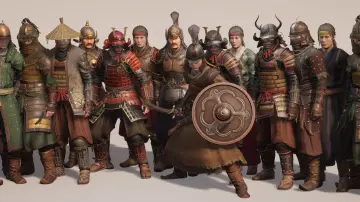
Gladiator Warrior
Examine the Gladiator Warrior asset featuring realistic styling, sword weaponry, Animationblueprint support, and cross-genre compatibility.
Action-Adventure and Third-Person Combat Environments
Character implementation sets the baseline for player responsiveness, camera perspective, and encounter pacing. The Gladiator Warrior arrives configured as a game-ready asset intended to bridge multiple design disciplines, spanning third-person action-adventure journeys to tactical third-person shooter environments. While gladiator imagery traditionally evokes ancient arenas, the structural requirements of third-person game genres demand versatile underlying mechanics. Player-controlled characters must handle locomotion transitions, camera collision, target lock systems, and close-quarters engagements without technical friction.
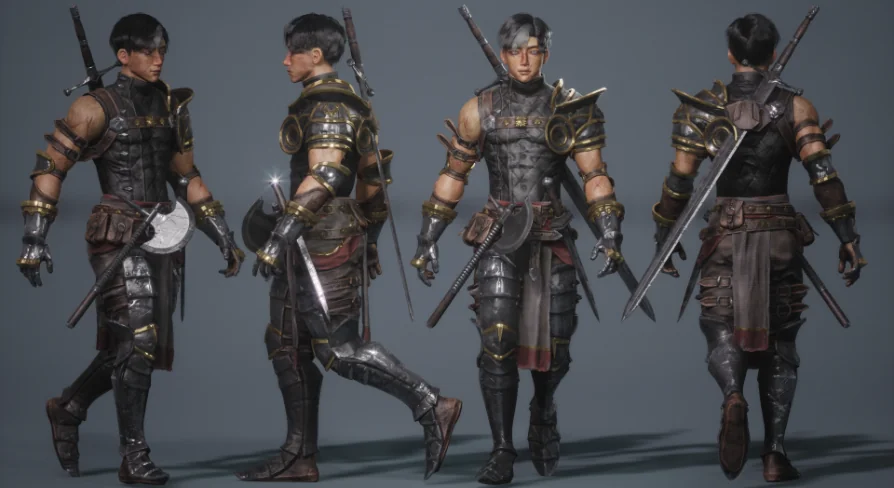
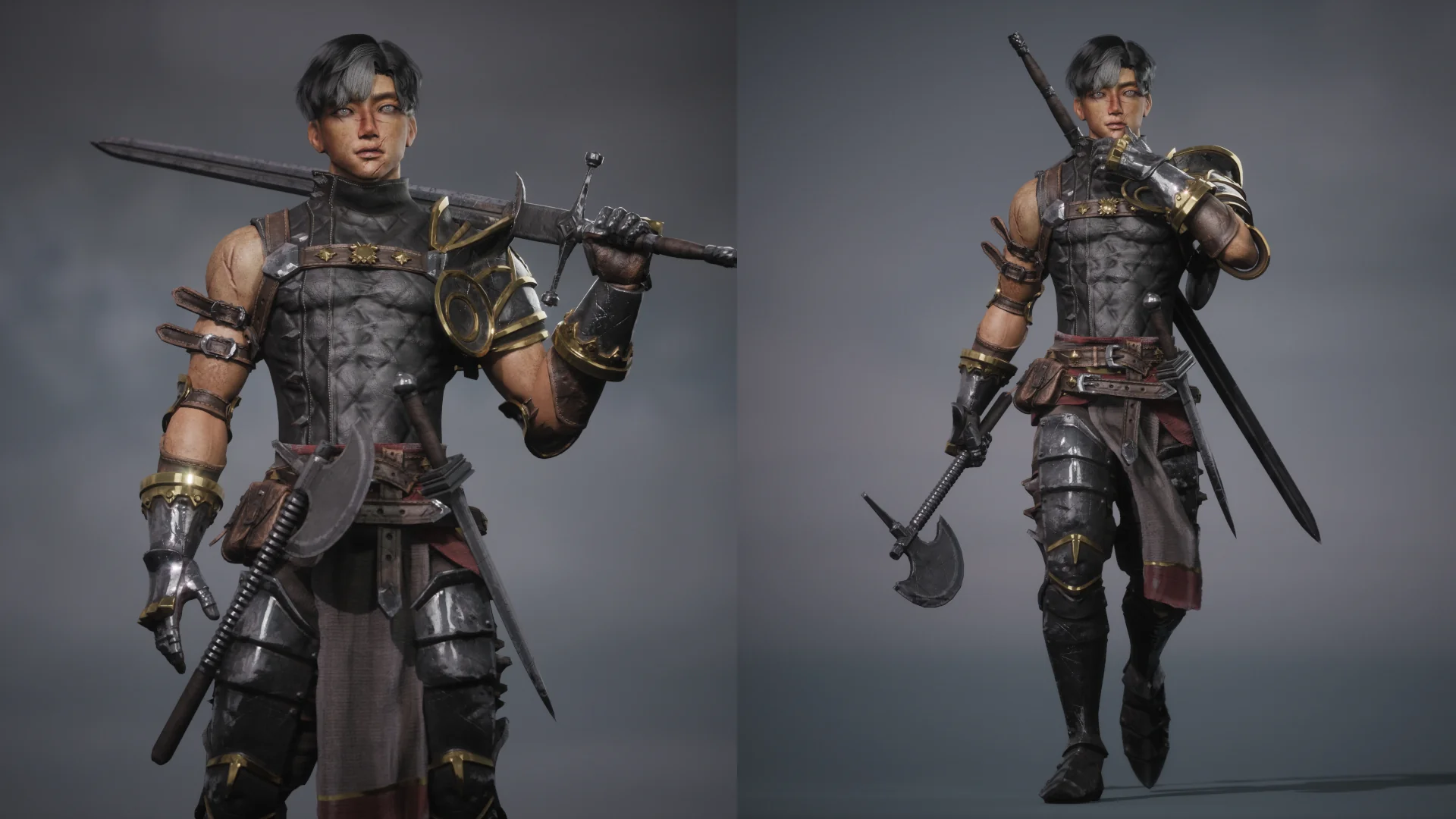
Placing a realistic male combatant into an action-adventure layout demands an aesthetic that balances grounded historical cues with broader fantasy elements. The character model reflects a warrior motif that shifts smoothly between austere medieval settings and mythic fantasy arenas. In third-person shooters or hybrid action titles, integrating a melee-focused protagonist introduces dynamic gameplay opportunities, such as dedicated close-combat phases, boss encounter stages, or specialized arena modes where ranged weapons yield to blade encounters.
The asset's game-ready construction means technical setup overhead is significantly reduced. Developers can bypass early modeling and rigging passes, moving straight into control binding, camera framing, and encounter tuning within their chosen engine environment.
Weapon Deployment for the Gladiator in Combat Scenarios
Melee encounters require precise coordination between character geometry and handheld props. With the Gladiator Warrior, the primary focus centers around the included sword, serving as the focal point for offensive interaction. A designated weapon prop must synchronize with hand sockets, swing arcs, and hit-detection colliders to provide responsive feedback during attacks, parries, and recovery frames.
In fantasy and medieval titles, swordplay dictates player positioning. The warrior archetype demands clear visual readability, ensuring players and opponents can anticipate incoming attacks based on silhouette posture and weapon trajectory. Because the character maintains a realistic visual style, swings and strikes carry physical plausibility rather than exaggerated cartoon physics. This realism influences hitboxes and collision traces, allowing game creators to build grounded combat systems featuring timed dodges, poise thresholds, and direct weapon-on-weapon clashes.
The sword setup also functions cleanly within multi-weapon inventory systems. Whether configured as a persistent sidearm or an equipable item drawn during specific arena phases, the weapon asset attaches reliably to the character frame, anchoring the gladiator aesthetic firmly in tactical, weapon-driven gameplay.
Animationblueprint and Script Control for the Warrior Character
Visual assets rely heavily on backend logic to translate player input into believable physical movement. The presence of a dedicated Animationblueprint and accompanying script components forms the technical spine of the Gladiator Warrior package. Within modern production pipelines, an animation blueprint governs state machines, blend spaces, and procedural adjustments, ensuring smooth interpolation between idle stances, sprints, and combat maneuvers.
Managing weapon strikes, evasive rolls, and damage reactions requires organized state transitions. The animation blueprint provides the foundational architecture needed to evaluate input variables—such as movement velocity, combat engagement states, and attack triggers. This structure prevents animation pop, maintains foot-planting accuracy on varied terrain, and enables upper-body montage layering so that sword swings can execute while the lower body continues traversing uneven geometry.
Script integration works directly alongside these animation states, processing game-side gameplay commands. When player input signals a strike or a parry, script hooks can fire damage traces, consume character stamina, play synchronized audio triggers, or activate interface notifications. By consolidating these functions into an established technical framework, the asset eliminates the guesswork typically involved in connecting raw 3D meshes to complex playable control rigs.
Thematic Crossover and Compatibility with Cyberpunk Metalhead
Character customization and production workflows often demand cross-pack integration. A notable technical dimension of the Gladiator Warrior is its compatibility with Cyberpunk Metalhead. Although the visual themes represent polar opposites—one rooted in fantasy, medieval warfare, and realistic arena combat, and the other situated in futuristic, cybernetic aesthetics—shared technical compatibility unlocks creative flexibility.
This cross-compatibility points toward unified structural standards, such as shared skeletal hierarchies, normalized socket placements, or matching proportion systems. In development scenarios where disparate genres collide, such as virtual reality simulations, time-travel narratives, or sci-fi combat arenas featuring holographic or gladiatorial simulations, these models can interact seamlessly. Developers can swap animations, test mechanical frameworks across contrasting visual profiles, or populate varied enemy tiers without rebuilding input and motion graphs from scratch.
A unified technical foundation between ancient combat aesthetics and futuristic character designs streamlines pipeline maintenance. Production teams avoid the friction of managing diverging rig setups, allowing rapid prototyping of diverse rosters using standardized control scripts.
Production Utility and Implementation Scenarios
Teams building combat-centric titles need assets that perform reliably right out of the box. The Gladiator Warrior serves specific production niches across several development tiers:
Action-Adventure Prototypes: Enables immediate testing of melee combat mechanics, third-person camera configurations, and weapon-swing traces without waiting for custom character concept passes.
Arena and Wave-Based Combat Modes: Serves as a ready-made combatant for wave defense scenarios, boss trials, or gladiator-themed challenge modes within larger game worlds.
Hybrid Third-Person Mechanics: Accommodates titles blending ranged mechanics with close-quarters blade engagements, providing a grounded male warrior model capable of operating in diverse mechanical systems.
Animation Framework Testing: Allows gameplay programmers to validate custom Animationblueprint logic, hit detection scripts, and motion state graphs against a functional, realistic character rig.
Developers who benefit most are indie teams, technical animators, and gameplay programmers looking to implement a realistic male warrior with functional weapon bindings and modular animation control without assembling the core technical pipeline from the ground up.
 Characters
 Characters
 Characters
 Characters