"a19e0535960bd083"{"id":"1002041","slug":"ghosts-in-the-dark","title":"Ghosts in The Dark","category":"Creatures \u0026 Monsters","engine":"5.4+","assetVersion":"","engineVersion":"Engine Version: 5.4+","tag":"Creatures","accent":"blue","visual":"character","summary":"Incorporate slowly wandering scary ghosts into intense horror scenes with dedicated Blueprint and Animationblueprint setups fit for Palace Hall environments.","platform":"Unreal Engine","publishedAt":"2026-10-26T14:23:13.713Z","updatedAt":"2026-10-26T14:23:13.713Z","sourceNotes":[],"fileContents":[],"compatibility":["Unreal Engine","Engine Version: 5.4+"],"featuredImage":{"alt":"Ghosts in The Dark","src":"/wp-content/uploads/published/2026/10/f8ab9ae48d3c-78cb5ebd-7b59-48a1-87e5-f29b5fae100e-e57d77ac47.webp"},"hasDownloadLink":true,"downloads":0,"terms":[{"taxonomy":"category","slug":"creatures-and-monsters","name":"Creatures \u0026 Monsters"}],"galleryImages":[{"src":"/wp-content/uploads/published/2026/10/384f1edfe25f-8b18877f-b917-4954-9c64-d4efc3b13bff-0b41083b87.webp","alt":"Ghosts in The Dark"},{"src":"/wp-content/uploads/published/2026/10/f743c4ae6ba1-b162bef7-55b1-48fa-a7c2-9f6afa8f5e45-dc75a43f56.webp","alt":"Ghosts in The Dark"},{"src":"/wp-content/uploads/published/2026/10/c3c036f0c4a4-65677438-d314-4295-a5d7-e16b8726c7d5-6deeee8214.webp","alt":"Ghosts in The Dark"},{"src":"/wp-content/uploads/published/2026/10/3def4ed1c48c-79688e0e-1563-47c4-8377-5559f3e2c498-d2eb222ff0.webp","alt":"Ghosts in The Dark"},{"src":"/wp-content/uploads/published/2026/10/bb390f84cc63-f6c013be-9318-4762-87a1-5d8a8aeb14d2-0e73371113.webp","alt":"Ghosts in The Dark"},{"src":"/wp-content/uploads/published/2026/10/56c1605a1bc2-23b7ce1b-f7f4-4804-9e3f-c5eff72a902e-786277084d.webp","alt":"Ghosts in The Dark"},{"src":"/wp-content/uploads/published/2026/10/2f1413340071-61f657a2-7c8e-4002-a71d-c1fc28619dbd-5647ca7a14.webp","alt":"Ghosts in The Dark"},{"src":"/wp-content/uploads/published/2026/10/1d7fc72c1843-10f67db5-2a62-4574-8686-ecfea3b85e9c-b53d1e1fff.webp","alt":"Ghosts in The Dark"},{"src":"/wp-content/uploads/published/2026/10/e2f119577ffa-56f4da54-0fb6-4dc4-a953-4f0506d6f0b6-2b9f0cf840.webp","alt":"Ghosts in The Dark"}],"accessPanel":{"kind":"resource","title":"Download this resource","eyebrow":"Free Download","message":"Log in or create a free account to start your download.","fileName":"Content.7z","safetyNote":"Resources are manually reviewed before listing to improve quality and reduce obvious risks.","actionLabel":"Download Free","resourceType":"Resource archive"},"contentHtml":"\u003ch2\u003ePacing Dread with Wandering Scary Ghosts\u003c/h2\u003e\n\u003cp\u003eHorror game pacing relies heavily on how threats traverse space. When hostile entities sprint instantly toward a player, the experience shifts from psychological tension into pure reflex-driven action. Ghosts in The Dark targets a completely different emotional frequency by centering on slowly wandering scary ghosts calibrated for intense, prolonged encounters. The deliberate slowness of an apparition forces players to monitor their environment continuously, calculating sightlines and exit routes rather than relying on rapid evasive maneuvers.\u003c/p\u003e\n\u003cp\u003eA phantom drifting at an unhurried pace carries a distinct psychological weight. It suggests an unyielding, inevitable presence that cannot be easily startled or outmaneuvered in tight corridors. By moving methodically through spaces, these entities transform simple navigation into an exercise in patience and risk calculation. Players must gauge whether to hide, redirect their path, or slip past during a patrol interval, amplifying the dread that builds whenever an eerie shadow looms into view.\u003c/p\u003e\n\u003cp\u003eDeploying wandering specters allows level designers to populate dark zones with persistent pressure. Instead of serving as one-off jump scares that disappear after a trigger fire, wandering phantoms inhabit rooms as active, ongoing hazards. This persistent movement keeps scenes taut, ensuring that silence does not equal safety.\u003c/p\u003e \u003ch2\u003eStructural Roles for Phantom and Ghoul Characters\u003c/h2\u003e\n\u003cp\u003eCharacter classification shapes how an entity interacts with gameplay mechanics. Labeled across archetypes spanning demon, ghoul, undead, and supernatural menace, the figures in Ghosts in The Dark carry the flexibility needed to fulfill diverse threat profiles. A ghoul or demon character can serve as a primary stalker within a self-contained chapter or function as an environmental obstacle blocking critical narrative items.\u003c/p\u003e\n\u003cp\u003eBecause these apparitions embody sinister, nightmare-inducing traits, they fit naturally into scenes where visual clarity is compromised. Dim lighting, flickering torches, and heavy mist maximize the silhouette value of a creeping ghost. In fantasy contexts, they provide mystical resistance within ancient crypts or cursed sanctuaries, while in contemporary survival horror, they evoke the sensation of trespassing within a deeply haunted dwelling.\u003c/p\u003e\n\u003cp\u003eThe visual presence of an undead menace alters how players perceive safe zones. An encounter with a chilling apparition strips away comfort, prompting heightened spatial awareness. Whether configured as solitary wanderers patrolling narrow galleries or grouped to form a layered labyrinth of creeping threats, these characters provide a solid supernatural foundation for horror encounters.\u003c/p\u003e \u003ch2\u003eAnimationblueprint and Script Integration in Game Scenes\u003c/h2\u003e\n\u003cp\u003eBehavioral credibility in game engines depends directly on underlying logic and motion frameworks. Ghosts in The Dark incorporates Blueprint and Animationblueprint setups, granting developers direct control over character motion, state transitions, and responsive behavior without starting from raw components.\u003c/p\u003e\n\u003cp\u003eThe presence of an Animationblueprint ensures that locomotion blends cleanly as the ghost drifts across varied terrain. Smooth transitions between roaming states, directional turns, and ambient idling prevent the jarring snaps that break player immersion. Because ghost movement demands an ethereal, floaty cadence rather than standard foot-planting steps, specialized animation logic is crucial to maintain an unnatural, sinister drift.\u003c/p\u003e\n\u003cp\u003eScripting support via Blueprints provides a modular way to handle wandering paths, line of sight, and environmental interactions. Level designers can establish dedicated patrol nodes or randomize wandering vectors to keep player encounters unpredictable. When a ghost detects a player or shifts states, the Blueprint architecture allows developers to hook in audio cues, chilling visual alterations, or gameplay triggers that dynamically intensify the scene.\u003c/p\u003e \u003ch2\u003eSetting the Scene in a Palace Hall\u003c/h2\u003e\n\u003cp\u003eScale plays an essential part in environmental horror. Verified compatibility with Palace Hall contexts demonstrates how the asset functions within cavernous, opulent interiors. Grand palace architecture introduces specific design dynamics: vaulted ceilings, long colonnades, marble floors, and wide chambers that offer deceptive sightlines.\u003c/p\u003e\n\u003cp\u003ePlacing slowly wandering phantoms inside a palace hall creates a stark thematic contrast. The grandeur of regal halls clashes directly with the grim, menacing presence of an undead ghoul, reinforcing a story of fallen nobility, violent history, or ancestral curse. In gameplay terms, large halls present both opportunities and hazards. Players can spot the wandering ghost from a distance, yet the lack of dense clutter leaves fewer obstacles to break line of sight, turning an open ballroom or gallery into an exposed danger zone.\u003c/p\u003e\n\u003cp\u003eArchitectural elements like pillars and archways become vital tools for stealth. As the eerie apparition glides between columns, light casting through towering windows generates shifting shadows that obscure its exact trajectory. This interplay between classical architecture and slow-moving supernatural entities builds an intense, cinematic atmosphere suited for exploration-heavy horror titles.\u003c/p\u003e \u003ch2\u003eProject Fit and Creative Application\u003c/h2\u003e\n\u003cp\u003eGhosts in The Dark serves developers building atmospheric horror, gothic fantasy adventures, and investigative supernatural mysteries where pacing takes priority over chaotic combat. Teams crafting narrative-driven games benefit from entities that inhabit spaces with quiet malice, generating tension through ambient presence rather than constant aggression.\u003c/p\u003e\n\u003cp\u003eTechnical artists and level designers who need ready-to-deploy roaming logic can leverage the packaged Blueprint and Animationblueprint foundations to speed up level staging. By combining scripted wandering behavior with the unsettling visual identity of a demonic phantom, the package provides the essential mechanics required to stage intense, shadow-filled encounters across palace halls and haunted ruins alike.\u003c/p\u003e\n\n\u003ch2\u003eMore From The Same Workflow\u003c/h2\u003e\n\u003cul\u003e\n\u003cli\u003e\u003ca href=\"https://3dcghub.com/ocean-monster-fish-pack-part-2-underwater-creatures-fish-low-poly-11/\" title=\"Ocean Monster Fish Pack - Part 2 - Underwater Creatures - Fish low poly - #11\"\u003eOcean Monster Fish Pack - Part 2 - Underwater Creatures - Fish low poly - #11\u003c/a\u003e\u003c/li\u003e\n\u003cli\u003e\u003ca href=\"https://3dcghub.com/dragon/\" title=\"Dragon\"\u003eDragon\u003c/a\u003e\u003c/li\u003e\n\u003cli\u003e\u003ca href=\"https://3dcghub.com/ghouls-mega-bundle/\" title=\"Ghouls Mega Bundle\"\u003eGhouls Mega Bundle\u003c/a\u003e\u003c/li\u003e\n\u003cli\u003e\u003ca href=\"https://3dcghub.com/monsters-skeleton/\" title=\"Monsters - Skeleton\"\u003eMonsters - Skeleton\u003c/a\u003e\u003c/li\u003e\n\u003cli\u003e\u003ca href=\"https://3dcghub.com/kinematic-tentacles/\" title=\"Kinematic Tentacles\"\u003eKinematic Tentacles\u003c/a\u003e\u003c/li\u003e\n\u003c/ul\u003e","contentTextLength":6294,"navigation":{"current":50,"total":4026,"previous":{"id":"1002042","slug":"grapple-hook-system","title":"Grapple Hook System","category":"Weapons \u0026 Combat","platform":"Unreal Engine","updatedAt":"2026-10-26T14:30:11.385Z"},"next":{"id":"1002040","slug":"german-soldier-wwii","title":"German Soldier WWII","category":"Characters \u0026 Creatures","platform":"Unreal Engine","updatedAt":"2026-10-26T14:22:08.764Z"}},"relatedResources":[{"id":"1000084","slug":"ocean-monster-fish-pack-part-2-underwater-creatures-fish-low-poly-11","title":"Ocean Monster Fish Pack - Part 2 - Underwater Creatures - Fish low poly - #11","category":"Creatures \u0026 Monsters","engine":"5.5+","assetVersion":"","engineVersion":"Engine Version: 5.5+","tag":"Creatures","accent":"blue","visual":"character","summary":"Five low poly underwater predators with 4K PBR textures and creature-specific animation sets for Unreal Engine 4.18+ and Unity 2019+.","platform":"Unreal Engine","publishedAt":"2026-06-05T16:10:19.047Z","updatedAt":"2026-10-21T09:00:49.338Z","sourceNotes":[],"fileContents":[],"compatibility":["Unreal Engine","Engine Version: 5.5+"],"featuredImage":{"alt":"Ocean Monster Fish Pack - Part 2 - Underwater Creatures - Fish low poly - #11","src":"/wp-content/uploads/published/2026/06/b6571f02d880-f5259706-5176-48e5-9a7a-2b0dce6d60c0-f35957ada4.webp"},"hasDownloadLink":true,"downloads":1},{"id":"1002079","slug":"lizards","title":"Lizards","category":"Creatures \u0026 Monsters","engine":"5.0+","assetVersion":"","engineVersion":"Engine Version: 5.0+","tag":"Creatures","accent":"blue","visual":"character","summary":"Integrate two animated primitive lizard predator models featuring distinct material setups, complete locomotion, and directional hit animations.","platform":"Unreal Engine","publishedAt":"2026-10-26T15:48:41.755Z","updatedAt":"2026-10-26T15:48:41.755Z","sourceNotes":[],"fileContents":[],"compatibility":["Unreal Engine","Engine Version: 5.0+"],"featuredImage":{"alt":"Lizards","src":"/wp-content/uploads/published/2026/10/707eb6061717-e45335f8-8696-4c3a-b7ff-d8f993b91322-5dc8f93617.webp"},"hasDownloadLink":true,"downloads":0},{"id":"1000053","slug":"dragon","title":"Dragon","category":"Creatures \u0026 Monsters","engine":"5.1+","assetVersion":"","engineVersion":"5.1+","tag":"Creatures","accent":"blue","visual":"character","summary":"A cinematic wyvern with walking, flight, landing, takeoff, fire breath, Control Rig, Live Link facial mocap support, and Fire and Ice textures.","platform":"Unreal Engine","publishedAt":"2026-05-22T13:33:18.918Z","updatedAt":"2026-05-22T13:33:18.918Z","sourceNotes":[],"fileContents":[],"compatibility":["Unreal Engine","Engine version: 5.1+"],"featuredImage":{"alt":"Dragon","src":"/wp-content/uploads/published/2026/05/e28671acc617-e0b72e17-c394-4668-a933-1fd9e18939e3-c4991e3716.webp"},"hasDownloadLink":true,"downloads":4}]}
Creatures
Ghosts in The Dark
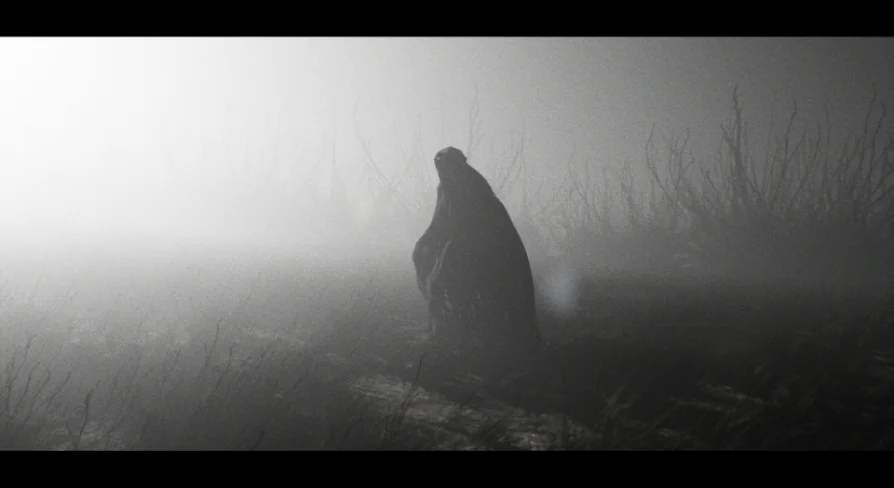
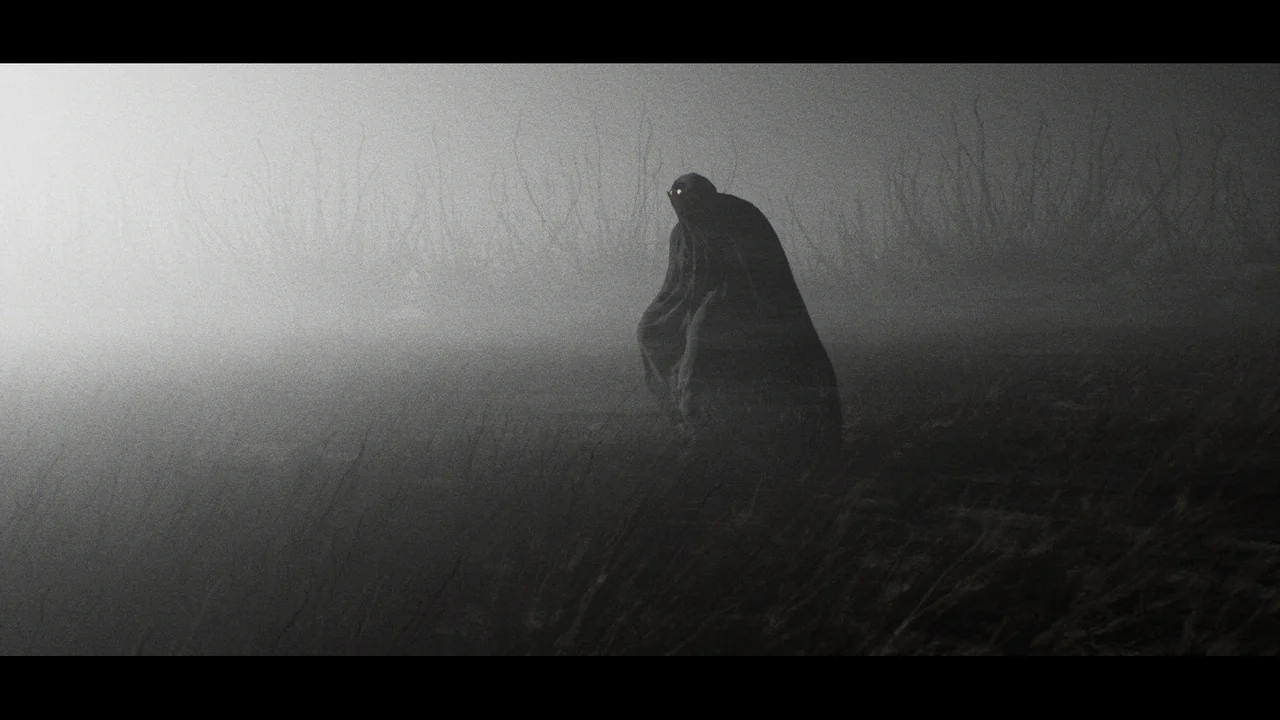
Incorporate slowly wandering scary ghosts into intense horror scenes with dedicated Blueprint and Animationblueprint setups fit for Palace Hall environments.
Horror game pacing relies heavily on how threats traverse space. When hostile entities sprint instantly toward a player, the experience shifts from psychological tension into pure reflex-driven action. Ghosts in The Dark targets a completely different emotional frequency by centering on slowly wandering scary ghosts calibrated for intense, prolonged encounters. The deliberate slowness of an apparition forces players to monitor their environment continuously, calculating sightlines and exit routes rather than relying on rapid evasive maneuvers.
A phantom drifting at an unhurried pace carries a distinct psychological weight. It suggests an unyielding, inevitable presence that cannot be easily startled or outmaneuvered in tight corridors. By moving methodically through spaces, these entities transform simple navigation into an exercise in patience and risk calculation. Players must gauge whether to hide, redirect their path, or slip past during a patrol interval, amplifying the dread that builds whenever an eerie shadow looms into view.
Deploying wandering specters allows level designers to populate dark zones with persistent pressure. Instead of serving as one-off jump scares that disappear after a trigger fire, wandering phantoms inhabit rooms as active, ongoing hazards. This persistent movement keeps scenes taut, ensuring that silence does not equal safety.
Structural Roles for Phantom and Ghoul Characters
Character classification shapes how an entity interacts with gameplay mechanics. Labeled across archetypes spanning demon, ghoul, undead, and supernatural menace, the figures in Ghosts in The Dark carry the flexibility needed to fulfill diverse threat profiles. A ghoul or demon character can serve as a primary stalker within a self-contained chapter or function as an environmental obstacle blocking critical narrative items.
Because these apparitions embody sinister, nightmare-inducing traits, they fit naturally into scenes where visual clarity is compromised. Dim lighting, flickering torches, and heavy mist maximize the silhouette value of a creeping ghost. In fantasy contexts, they provide mystical resistance within ancient crypts or cursed sanctuaries, while in contemporary survival horror, they evoke the sensation of trespassing within a deeply haunted dwelling.
The visual presence of an undead menace alters how players perceive safe zones. An encounter with a chilling apparition strips away comfort, prompting heightened spatial awareness. Whether configured as solitary wanderers patrolling narrow galleries or grouped to form a layered labyrinth of creeping threats, these characters provide a solid supernatural foundation for horror encounters.
Animationblueprint and Script Integration in Game Scenes
Behavioral credibility in game engines depends directly on underlying logic and motion frameworks. Ghosts in The Dark incorporates Blueprint and Animationblueprint setups, granting developers direct control over character motion, state transitions, and responsive behavior without starting from raw components.
The presence of an Animationblueprint ensures that locomotion blends cleanly as the ghost drifts across varied terrain. Smooth transitions between roaming states, directional turns, and ambient idling prevent the jarring snaps that break player immersion. Because ghost movement demands an ethereal, floaty cadence rather than standard foot-planting steps, specialized animation logic is crucial to maintain an unnatural, sinister drift.
Scripting support via Blueprints provides a modular way to handle wandering paths, line of sight, and environmental interactions. Level designers can establish dedicated patrol nodes or randomize wandering vectors to keep player encounters unpredictable. When a ghost detects a player or shifts states, the Blueprint architecture allows developers to hook in audio cues, chilling visual alterations, or gameplay triggers that dynamically intensify the scene.
Setting the Scene in a Palace Hall
Scale plays an essential part in environmental horror. Verified compatibility with Palace Hall contexts demonstrates how the asset functions within cavernous, opulent interiors. Grand palace architecture introduces specific design dynamics: vaulted ceilings, long colonnades, marble floors, and wide chambers that offer deceptive sightlines.
Placing slowly wandering phantoms inside a palace hall creates a stark thematic contrast. The grandeur of regal halls clashes directly with the grim, menacing presence of an undead ghoul, reinforcing a story of fallen nobility, violent history, or ancestral curse. In gameplay terms, large halls present both opportunities and hazards. Players can spot the wandering ghost from a distance, yet the lack of dense clutter leaves fewer obstacles to break line of sight, turning an open ballroom or gallery into an exposed danger zone.
Architectural elements like pillars and archways become vital tools for stealth. As the eerie apparition glides between columns, light casting through towering windows generates shifting shadows that obscure its exact trajectory. This interplay between classical architecture and slow-moving supernatural entities builds an intense, cinematic atmosphere suited for exploration-heavy horror titles.
Project Fit and Creative Application
Ghosts in The Dark serves developers building atmospheric horror, gothic fantasy adventures, and investigative supernatural mysteries where pacing takes priority over chaotic combat. Teams crafting narrative-driven games benefit from entities that inhabit spaces with quiet malice, generating tension through ambient presence rather than constant aggression.
Technical artists and level designers who need ready-to-deploy roaming logic can leverage the packaged Blueprint and Animationblueprint foundations to speed up level staging. By combining scripted wandering behavior with the unsettling visual identity of a demonic phantom, the package provides the essential mechanics required to stage intense, shadow-filled encounters across palace halls and haunted ruins alike.
 Creatures
 Creatures
 Creatures
 Creatures