"a338a1d501976271"{"id":"1001343","slug":"dynamic-first-person-template","title":"Dynamic First Person Template","category":"Shooter","engine":"5.4+","assetVersion":"","engineVersion":"Engine Version: 5.4+","tag":"Shooter","accent":"blue","visual":"mech","summary":"Configure FPS gameplay via a dropped Settings actor. Dynamic First Person Template features 100+ variables, weapon recoil, flashlight battery, and camera effect","platform":"Unreal Engine","publishedAt":"2026-10-04T10:07:41.991Z","updatedAt":"2026-10-04T10:07:41.991Z","sourceNotes":[],"fileContents":[],"compatibility":["Unreal Engine","Engine Version: 5.4+"],"featuredImage":{"alt":"Dynamic First Person Template","src":"/wp-content/uploads/published/2026/10/af07f68e3c92-987ade73-9b51-41e6-a137-bed85c417cf7-f7d4cc359e.webp"},"hasDownloadLink":true,"downloads":0,"terms":[{"taxonomy":"category","slug":"shooter","name":"Shooter"}],"galleryImages":[{"src":"/wp-content/uploads/published/2026/10/a5c99590c082-07b7e1d1-7db4-42ff-8c9d-a6b6868da940-c9c06e345f.webp","alt":"Dynamic First Person Template"},{"src":"/wp-content/uploads/published/2026/10/68f4186e978b-8bb3424c-ec66-4027-89d1-12a9d1e0e0eb-f1d136875a.webp","alt":"Dynamic First Person Template"},{"src":"/wp-content/uploads/published/2026/10/f1bdad3808dc-f2e429ee-1e24-463b-852d-1280f28a1561-6d347949a7.webp","alt":"Dynamic First Person Template"},{"src":"/wp-content/uploads/published/2026/10/b289720f928b-a42ddb36-8132-4e02-8037-f72d2f3c4583-e8160142ac.webp","alt":"Dynamic First Person Template"},{"src":"/wp-content/uploads/published/2026/10/168b7d8fb8ce-1eecde35-6700-47ae-a722-4f0708926ada-112d875379.webp","alt":"Dynamic First Person Template"}],"accessPanel":{"kind":"resource","title":"Download this resource","eyebrow":"Free Download","message":"Log in or create a free account to start your download.","fileName":"Dynamic First Person Template.7z","safetyNote":"Resources are manually reviewed before listing to improve quality and reduce obvious risks.","actionLabel":"Download Free","resourceType":"Resource archive"},"contentHtml":"\u003ch2\u003eLevel Setup Through the Settings Actor\u003c/h2\u003e\n\u003cp\u003eIntegrating a functional first-person character into a scene typically demands extensive node-graph modifications. Dynamic First Person Template circumvents this layer of blueprint management by shifting core control to an in-world placement workflow. Implementing the framework begins simply by dragging and dropping the dedicated Settings actor directly into the target level. Once placed in the scene, the actor exposes more than 100 customizable variables directly, letting creators adjust movement, feedback, and player handling without opening character blueprints or altering backend logic.\u003c/p\u003e\n\u003cp\u003eThe parameter layout is arranged through clear adjustments rather than raw data fields. Configuration relies on sliders, predefined presets, and focused controls that adjust mechanics instantly. Because the Settings actor handles variable distribution across the character framework, tweaking physical response, mechanical feedback, and player limitations happens directly in the scene viewport or details panel. This setup workflow keeps core logic untouched while establishing immediate parity across all active gameplay modules.\u003c/p\u003e \u003ch2\u003ePlayer Vitals, Stamina, and Interaction Systems\u003c/h2\u003e\n\u003cp\u003ePlayer survivability relies on tightly coupled resource loops centered around health, stamina, and physical environmental hazards. An HP system tracks player damage states, operating alongside an integrated fall damage mechanic that calculates penalties when dropping from dangerous heights. Player movement is further governed by a dedicated stamina system that limits extended physical exertion, directly influencing how pacing unfolds across an environment.\u003c/p\u003e\n\u003cp\u003eLocomotion is paired with sensory feedback via a dedicated footsteps system, producing auditory responses synchronized with player movement. When navigating spaces, players engage with the world using a built-in interaction system designed to handle contextual mechanics and object handling. The combination of health depletion, stamina consumption, audio footsteps, and world interaction provides a grounded gameplay baseline suitable for realistic scenarios and tension-driven encounters.\u003c/p\u003e \u003ch2\u003eWeapon Handling, Recoil, and Dynamic Crosshair Behavior\u003c/h2\u003e\n\u003cp\u003eCombat and firearm management operate through a dedicated weapon system that tracks offensive actions and resource states. The architecture includes native ammo handling, requiring players to monitor their current reserves during engagements. When weapons discharge, a procedural recoil system displaces the view, directly altering weapon stability and targeting precision.\u003c/p\u003e\n\u003cp\u003eTargeting feedback is communicated through an active dynamic crosshair that reflects combat states and movement conditions. The template ties weapon mechanics to distinct damage calculation logic, translating hits into mechanical penalties for targets. Complementing the mechanical systems are four weapon animations, ensuring that firing and weapon handling are visually matched with the firearm's mechanical performance.\u003c/p\u003e \u003ch2\u003eFlashlight Mechanics and Battery Resource Management\u003c/h2\u003e\n\u003cp\u003eExploration within low-visibility settings is supported by an integrated flashlight system. Rather than providing infinite illumination, the equipment is constrained by a dedicated battery system. Players must manage electrical reserves, making continuous illumination a tactical consideration that heightens vulnerability in dim or obscured environments.\u003c/p\u003e\n\u003cp\u003eThe flashlight features three specific flashlight animations that handle how the device is held, engaged, or shifted by the character. By combining limited battery life, custom handling animations, and sudden shifts in visibility, the framework supplies the tools required to build intense exploration sequences where light functions as an active survival resource.\u003c/p\u003e \u003ch2\u003eCamera Effects, Dirt Lens Textures, and Visual Realism\u003c/h2\u003e\n\u003cp\u003eDynamic First Person Template puts significant emphasis on camera presentation to establish realism and creepiness. The visual pipeline uses camera effects to simulate physical presence, disorient the player, and accentuate incoming trauma or sudden movements. Physical disruption is managed by nine distinct camera shakes, which apply procedural screen movement to impacts, locomotion, or high-intensity occurrences.\u003c/p\u003e\n\u003cp\u003eVisual fidelity and optical realism are reinforced through screen-space materials and optics. Four included dirt lens textures simulate physical grime, dust, and optical imperfections on the player's view, catching lighting within the level. These optics work directly alongside two post-process materials to shade the scene, delivering a distorted, gritty, or eerie visual finish that fits tense atmospheric scenarios.\u003c/p\u003e \u003ch2\u003eTemplate Asset Allocation and Structural Inventory\u003c/h2\u003e\n\u003cp\u003eThe package is organized into a modular collection of specialized components, visual layers, and sound cues ready for immediate project deployment. Across the template, assets are distributed into specific technical roles:\u003c/p\u003e\n\u003cul\u003e \u003cli\u003e\u003cstrong\u003eActors:\u003c/strong\u003e Six individual blueprint actors, including the primary Settings actor that governs level-wide mechanics.\u003c/li\u003e \u003cli\u003e\u003cstrong\u003eCustomizable Variables:\u003c/strong\u003e 100 adjustable variables accessible through sliders, toggles, and functional presets.\u003c/li\u003e \u003cli\u003e\u003cstrong\u003eCamera Shakes:\u003c/strong\u003e Nine dedicated camera shake profiles calibrated for movement, feedback, and environmental impacts.\u003c/li\u003e \u003cli\u003e\u003cstrong\u003eAudio:\u003c/strong\u003e 23 sound assets handling auditory feedback for footsteps, interaction, and mechanical triggers.\u003c/li\u003e \u003cli\u003e\u003cstrong\u003eParticle Effects:\u003c/strong\u003e Five particle emitters for environmental feedback and physical reactions.\u003c/li\u003e \u003cli\u003e\u003cstrong\u003eVisual Materials and Textures:\u003c/strong\u003e Two post-process materials alongside four dirt lens textures to create optical degradation and eerie visual atmospheres.\u003c/li\u003e \u003cli\u003e\u003cstrong\u003eAnimations:\u003c/strong\u003e Four weapon animations paired with three dedicated flashlight animations to deliver consistent first-person movement.\u003c/li\u003e\n\u003c/ul\u003e\n\u003cp\u003eWith its settings-driven configuration model, six functional actors, and deeply integrated survival mechanics, the framework establishes a solid, realistic foundation for projects requiring first-person immersion without the overhead of building foundational mechanics from scratch.\u003c/p\u003e\n\n\u003ch2\u003eMore From The Same Workflow\u003c/h2\u003e\n\u003cul\u003e\n\u003cli\u003e\u003ca href=\"https://3dcghub.com/first-person-shooter-template-pack-fpstp-3-4-advanced-fps-kit-for-ue5/\" title=\"First Person Shooter Template Pack (FPSTP) 3.4 — Advanced FPS Kit for UE5\"\u003eFirst Person Shooter Template Pack (FPSTP) 3.4 — Advanced FPS Kit for UE5\u003c/a\u003e\u003c/li\u003e\n\u003cli\u003e\u003ca href=\"https://3dcghub.com/fps-template/\" title=\"FPS Template\"\u003eFPS Template\u003c/a\u003e\u003c/li\u003e\n\u003cli\u003e\u003ca href=\"https://3dcghub.com/realistic-assault-rifle-fps-template/\" title=\"Realistic Assault Rifle FPS Template\"\u003eRealistic Assault Rifle FPS Template\u003c/a\u003e\u003c/li\u003e\n\u003cli\u003e\u003ca href=\"https://3dcghub.com/fps-animation-blueprint-v2/\" title=\"FPS Animation Blueprint v2\"\u003eFPS Animation Blueprint v2\u003c/a\u003e\u003c/li\u003e\n\u003cli\u003e\u003ca href=\"https://3dcghub.com/definitive-fps-kit/\" title=\"DEFINITIVE FPS KIT\"\u003eDEFINITIVE FPS KIT\u003c/a\u003e\u003c/li\u003e\n\u003c/ul\u003e","contentTextLength":6258,"navigation":{"current":59,"total":3338,"previous":{"id":"1001344","slug":"fish-for-fish-school-system","title":"Fish for Fish School System","category":"Animals","platform":"Unreal Engine","updatedAt":"2026-10-04T10:08:32.373Z"},"next":{"id":"1001342","slug":"dark-architecture","title":"Dark architecture","category":"Religious","platform":"Unreal Engine","updatedAt":"2026-10-04T10:06:58.143Z"}},"relatedResources":[{"id":"27661","slug":"first-person-shooter-template-pack-fpstp-3-4-advanced-fps-kit-for-ue5","title":"First Person Shooter Template Pack (FPSTP) 3.4 — Advanced FPS Kit for UE5","category":"Shooter","engine":"5.1+","assetVersion":"Engine version: 5.1+","engineVersion":"Asset Version:3.4","tag":"Shooter","accent":"blue","visual":"animation","summary":"First Person Shooter Template Pack (FPSTP) 3.4 is an advanced FPS foundation for UE5 with replicated gameplay systems, modular weapon handling, and physical bullets and grenades. It fits teams that want to work on shooter feel, progression, and expansion wi...","platform":"Unreal Engine","publishedAt":"2026-04-27T17:39:25.000Z","updatedAt":"2026-04-27T17:39:27.000Z","sourceNotes":[],"fileContents":[],"compatibility":["Unreal Engine","Engine version: 5.1+","Asset Version: 3.4"],"featuredImage":{"alt":"First Person Shooter Template Pack (FPSTP) 3.4 — Advanced FPS Kit for UE5","src":"https://3dcghub.com/wp-content/uploads/2026/04/1a211ae9f4af_df9e3a1c-da3e-4924-be65-bec590b5d0c7.webp"},"hasDownloadLink":true,"downloads":6},{"id":"12055","slug":"fps-template","title":"FPS Template","category":"Shooter","engine":"5.5+","assetVersion":"Engine version: 5.5+","engineVersion":"Aseet Version:v2.31","tag":"Shooter","accent":"blue","visual":"luts","summary":"Upgrade your development workflow with this advanced FPS Template. Based on Lyra locomotion, it provides a re-imagined, polished experience for creators building first-person shooters.","platform":"Unreal Engine","publishedAt":"2026-03-06T16:43:45.000Z","updatedAt":"2026-04-19T15:48:03.000Z","sourceNotes":[],"fileContents":[],"compatibility":["Unreal Engine","Engine version: 5.5+","Aseet Version:v2.31"],"featuredImage":{"alt":"FPS Template","src":"https://3dcghub.com/wp-content/uploads/2026/03/f312527a-fc42-42c4-b591-6c6a40f07972.webp"},"hasDownloadLink":true,"downloads":3},{"id":"24840","slug":"realistic-assault-rifle-fps-template","title":"Realistic Assault Rifle FPS Template","category":"Shooter","engine":"5.4+","assetVersion":"Engine version: 5.4+","engineVersion":"","tag":"Shooter","accent":"blue","visual":"city","summary":"This Unreal Engine 5 FPS template gives you a ready-made assault rifle setup with modular attachments, first-person arms, movement controls, and a full weapon blueprint system. It also includes grenade throwing, a playable demo map with destructible props,...","platform":"Unreal Engine","publishedAt":"2026-04-17T09:56:48.000Z","updatedAt":"2026-04-20T06:12:36.000Z","sourceNotes":[],"fileContents":[],"compatibility":["Unreal Engine","Engine version: 5.4+"],"featuredImage":{"alt":"Realistic Assault Rifle FPS Template","src":"https://3dcghub.com/wp-content/uploads/2026/04/675453222186_1756711820-Media-1-for-listing-Realistic-Assault-R.webp"},"hasDownloadLink":true,"downloads":5}]}
Shooter
Dynamic First Person Template
Configure FPS gameplay via a dropped Settings actor. Dynamic First Person Template features 100+ variables, weapon recoil, flashlight battery, and camera effect
Category:Unreal Engine,ShooterPlatform: Unreal EngineEngine Version: 5.4+Published: Oct 4, 2026
Shooter
Resource overview
Level Setup Through the Settings Actor
Integrating a functional first-person character into a scene typically demands extensive node-graph modifications. Dynamic First Person Template circumvents this layer of blueprint management by shifting core control to an in-world placement workflow. Implementing the framework begins simply by dragging and dropping the dedicated Settings actor directly into the target level. Once placed in the scene, the actor exposes more than 100 customizable variables directly, letting creators adjust movement, feedback, and player handling without opening character blueprints or altering backend logic.
The parameter layout is arranged through clear adjustments rather than raw data fields. Configuration relies on sliders, predefined presets, and focused controls that adjust mechanics instantly. Because the Settings actor handles variable distribution across the character framework, tweaking physical response, mechanical feedback, and player limitations happens directly in the scene viewport or details panel. This setup workflow keeps core logic untouched while establishing immediate parity across all active gameplay modules.
Player Vitals, Stamina, and Interaction Systems
Player survivability relies on tightly coupled resource loops centered around health, stamina, and physical environmental hazards. An HP system tracks player damage states, operating alongside an integrated fall damage mechanic that calculates penalties when dropping from dangerous heights. Player movement is further governed by a dedicated stamina system that limits extended physical exertion, directly influencing how pacing unfolds across an environment.
Locomotion is paired with sensory feedback via a dedicated footsteps system, producing auditory responses synchronized with player movement. When navigating spaces, players engage with the world using a built-in interaction system designed to handle contextual mechanics and object handling. The combination of health depletion, stamina consumption, audio footsteps, and world interaction provides a grounded gameplay baseline suitable for realistic scenarios and tension-driven encounters.
Weapon Handling, Recoil, and Dynamic Crosshair Behavior
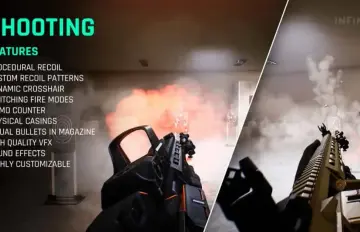
Combat and firearm management operate through a dedicated weapon system that tracks offensive actions and resource states. The architecture includes native ammo handling, requiring players to monitor their current reserves during engagements. When weapons discharge, a procedural recoil system displaces the view, directly altering weapon stability and targeting precision.
Targeting feedback is communicated through an active dynamic crosshair that reflects combat states and movement conditions. The template ties weapon mechanics to distinct damage calculation logic, translating hits into mechanical penalties for targets. Complementing the mechanical systems are four weapon animations, ensuring that firing and weapon handling are visually matched with the firearm's mechanical performance.
Flashlight Mechanics and Battery Resource Management
Exploration within low-visibility settings is supported by an integrated flashlight system. Rather than providing infinite illumination, the equipment is constrained by a dedicated battery system. Players must manage electrical reserves, making continuous illumination a tactical consideration that heightens vulnerability in dim or obscured environments.
The flashlight features three specific flashlight animations that handle how the device is held, engaged, or shifted by the character. By combining limited battery life, custom handling animations, and sudden shifts in visibility, the framework supplies the tools required to build intense exploration sequences where light functions as an active survival resource.
Camera Effects, Dirt Lens Textures, and Visual Realism
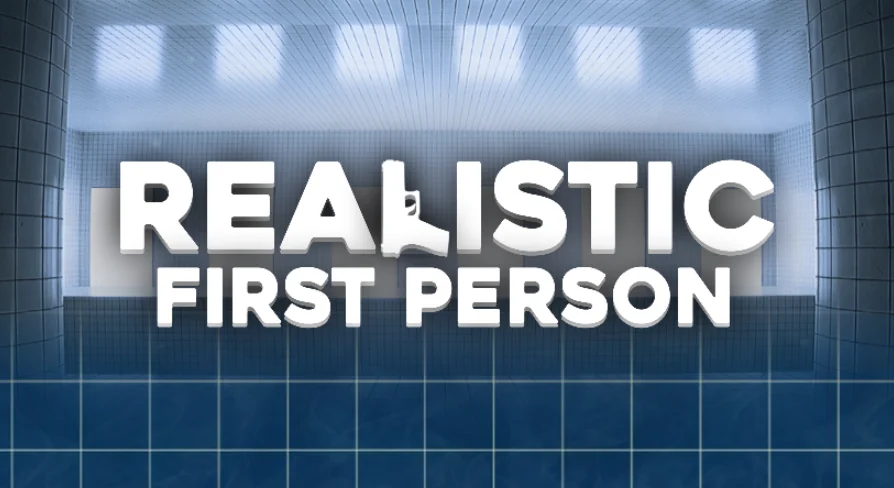
Dynamic First Person Template puts significant emphasis on camera presentation to establish realism and creepiness. The visual pipeline uses camera effects to simulate physical presence, disorient the player, and accentuate incoming trauma or sudden movements. Physical disruption is managed by nine distinct camera shakes, which apply procedural screen movement to impacts, locomotion, or high-intensity occurrences.
Visual fidelity and optical realism are reinforced through screen-space materials and optics. Four included dirt lens textures simulate physical grime, dust, and optical imperfections on the player's view, catching lighting within the level. These optics work directly alongside two post-process materials to shade the scene, delivering a distorted, gritty, or eerie visual finish that fits tense atmospheric scenarios.
Template Asset Allocation and Structural Inventory
The package is organized into a modular collection of specialized components, visual layers, and sound cues ready for immediate project deployment. Across the template, assets are distributed into specific technical roles:
Actors: Six individual blueprint actors, including the primary Settings actor that governs level-wide mechanics.
Customizable Variables: 100 adjustable variables accessible through sliders, toggles, and functional presets.
Camera Shakes: Nine dedicated camera shake profiles calibrated for movement, feedback, and environmental impacts.
Audio: 23 sound assets handling auditory feedback for footsteps, interaction, and mechanical triggers.
Particle Effects: Five particle emitters for environmental feedback and physical reactions.
Visual Materials and Textures: Two post-process materials alongside four dirt lens textures to create optical degradation and eerie visual atmospheres.
Animations: Four weapon animations paired with three dedicated flashlight animations to deliver consistent first-person movement.
With its settings-driven configuration model, six functional actors, and deeply integrated survival mechanics, the framework establishes a solid, realistic foundation for projects requiring first-person immersion without the overhead of building foundational mechanics from scratch.
 Shooter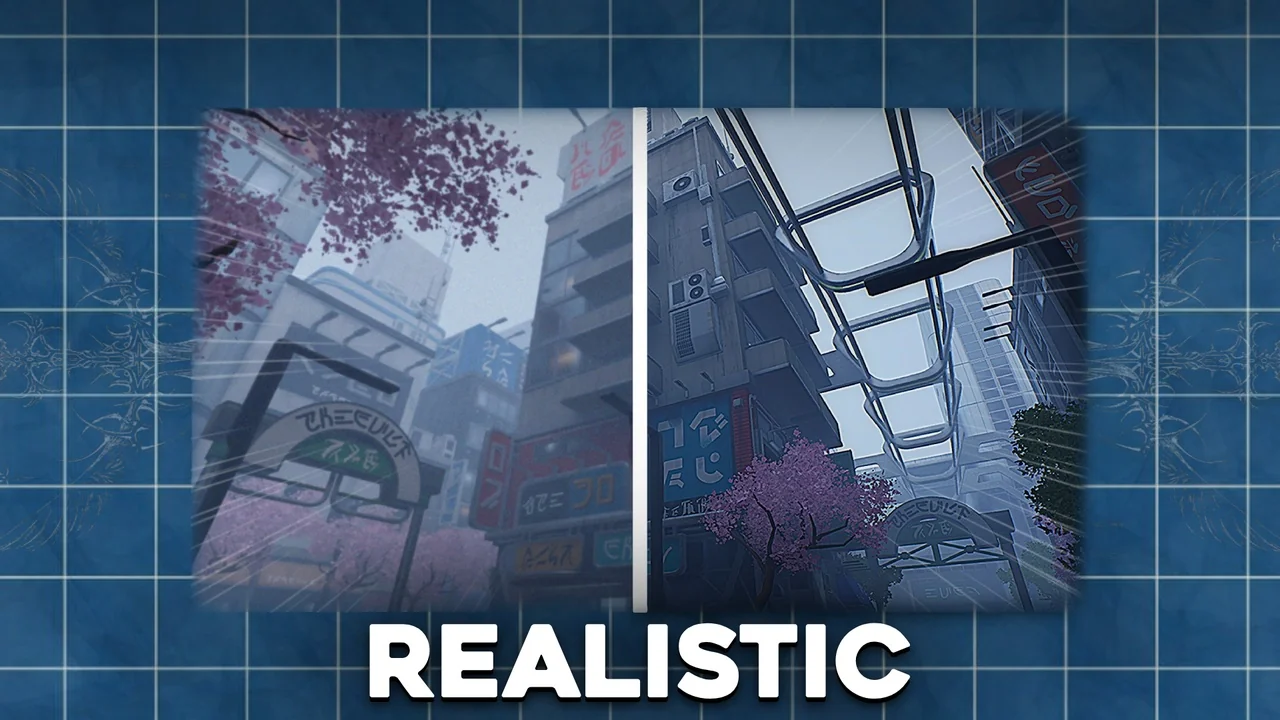
 Shooter
 Shooter
 Shooter