"a338a1d501976271"{"id":"1001342","slug":"dark-architecture","title":"Dark architecture","category":"Religious","engine":"4.25+,5.0+","assetVersion":"","engineVersion":"Engine Version: 4.25+,5.0+","tag":"Religious","accent":"blue","visual":"mech","summary":"Construct ominous necromancer strongholds and obsidian fortifications using the modular pieces and exterior scene in Dark architecture.","platform":"Unreal Engine","publishedAt":"2026-10-04T10:06:58.143Z","updatedAt":"2026-10-04T10:06:58.143Z","sourceNotes":[],"fileContents":[],"compatibility":["Unreal Engine","Engine Version: 4.25+,5.0+"],"featuredImage":{"alt":"Dark architecture","src":"/wp-content/uploads/published/2026/10/44b7433438e6-0fe63ffb-8737-48b5-90c8-aad55a20befc-2fc98a1d1d.webp"},"hasDownloadLink":true,"downloads":0,"terms":[{"taxonomy":"category","slug":"religious","name":"Religious"}],"galleryImages":[{"src":"/wp-content/uploads/published/2026/10/2e3dce09ff1e-25674ec2-536c-4c5b-86f0-040804d5f619-b837f74068.webp","alt":"Dark architecture"},{"src":"/wp-content/uploads/published/2026/10/67660893eab1-0465ec54-533e-4312-ab31-267c2195e148-aabc30cf17.webp","alt":"Dark architecture"},{"src":"/wp-content/uploads/published/2026/10/05002f54288a-af8fd10c-5f34-4516-bf36-54743fae0d81-552046ab9a.webp","alt":"Dark architecture"},{"src":"/wp-content/uploads/published/2026/10/73fd0b0e43fb-2dd9a992-eb13-488a-afe4-8a2da66ff89f-60286b05b5.webp","alt":"Dark architecture"},{"src":"/wp-content/uploads/published/2026/10/685218910a82-7ed5c947-9d6f-448a-a72c-89454f439ba4-af78586880.webp","alt":"Dark architecture"},{"src":"/wp-content/uploads/published/2026/10/bad0cbf51ff5-2dea90a1-255b-4282-860c-b06665696256-e7b6d795a1.webp","alt":"Dark architecture"},{"src":"/wp-content/uploads/published/2026/10/7a29daa8942c-262683ba-3bab-4e1f-8dd8-b9112146693f-1788504857.webp","alt":"Dark architecture"},{"src":"/wp-content/uploads/published/2026/10/5bf809b80d98-1d6718fa-1d00-4e5a-b33e-2b18614d9527-f1fefaa4a8.webp","alt":"Dark architecture"},{"src":"/wp-content/uploads/published/2026/10/9693fa077b5e-730ecb1b-412d-48d3-bc92-4dbc60330e36-c59d6ce73b.webp","alt":"Dark architecture"},{"src":"/wp-content/uploads/published/2026/10/f464f666d165-8511a0d4-1bbf-4fb3-bace-eaaff4732619-8fb8a1db9b.webp","alt":"Dark architecture"}],"accessPanel":{"kind":"resource","title":"Download this resource","eyebrow":"Free Download","message":"Log in or create a free account to start your download.","fileName":"Content.7z","safetyNote":"Resources are manually reviewed before listing to improve quality and reduce obvious risks.","actionLabel":"Download Free","resourceType":"Resource archive"},"contentHtml":"\u003ch2\u003eConstructing Grim Fortresses with Dark Architecture Elements\u003c/h2\u003e\u003cp\u003eBuilding formidable dark fantasy environments requires shapes that immediately convey malevolence, permanence, and dread. Dark architecture delivers a focused kit of modular building components engineered specifically to assemble grim, foreboding strongholds. Rather than presenting static, unchangeable backdrops, the package provides classic evil architecture constructor elements that give level designers the freedom to lay out sprawling necrotic complexes, jagged outposts, and solitary towers from the foundation up.\u003c/p\u003e\u003cp\u003eThe structural aesthetic centers on dark obsidian stonework. Obsidian surfaces carry a natural sense of weight and unyielding hardness, transforming walls into an immovable block that feels anchored into its surrounding environment. When arranged as sheer ramparts, defensive bastions, and elevated towers, these elements project a grave calm suitable for settings dominated by necromancy, hungry spirits, and the restless undead. The visual signature relies heavily on realistic detailing combined with the classical hallmarks of fantasy horror, incorporating skull motifs and severe geometric lines that reinforce an atmosphere of otherworldly, mystical evil.\u003c/p\u003e\u003ch2\u003eAtmosphere and Staging Through the Pregathered Exterior Scene\u003c/h2\u003e\u003cp\u003eTo demonstrate how individual constructor pieces unite into a cohesive setting, the pack includes a fully pregathered example scene focused entirely on exterior construction. This demonstration level showcases a grim castle rising directly among jagged rocks, illustrating how the obsidian stonework integrates with rough, natural geology to form an imposing defensive landmark.\u003c/p\u003e\u003cp\u003eA defining characteristic of this assembled fortress is the treatment of its structural openings. Windows, archways, and embrasures across the obsidian walls shine with an unfaithful, ghostly light. This unnatural illumination pierces the darkness, establishing sharp contrast against the pitch-black stone surfaces. In practical level design, this lighting treatment serves both an aesthetic and a navigational purpose, acting as a grim beacon across distance and identifying structural weak points or points of interest without requiring auxiliary decorative props.\u003c/p\u003e\u003cp\u003eBecause the pregathered scene is strictly exterior, it provides an uninterrupted template for landscape integration, skybox composition, and perimeter staging. Creators can analyze the distribution of heights, the placement of foundational blocks against rock formations, and the balance between unbroken masonry and illuminated apertures to inform custom fortress layouts.\u003c/p\u003e\u003ch2\u003eModular Flexibility for Necropolis and Stronghold Building\u003c/h2\u003e\u003cp\u003eThe core strength of the modular constructor system lies in its adaptability across varying scales of villainous architecture. Whether a project calls for an isolated altar, an expansive necropolis, or a multi-tiered fortress of hellish origin, the kit supports diverse configurations through its reusable components.\u003c/p\u003e\u003cp\u003eBy treating the collection as an architectural constructor, builders can generate distinct structural silhouettes:\u003c/p\u003e\u003cul\u003e\u003cli\u003e\u003cstrong\u003eIsolated Necromancer Towers:\u003c/strong\u003e Slender, vertical arrangements that utilize the dark obsidian texture and ghostly illuminated windows to dominate desolate horizons.\u003c/li\u003e\u003cli\u003e\u003cstrong\u003eExpansive Necropolis Complexes:\u003c/strong\u003e Sprawling low-profile layouts where immovable blocks, grim walls, and recurring skull accents define courtyards, mausoleums, and burial districts.\u003c/li\u003e\u003cli\u003e\u003cstrong\u003eImpassable Bastions and Gates:\u003c/strong\u003e Heavily fortified exterior choke points combining massive obsidian slabs, narrow portals, and sheer defensive faces anchored into surrounding rocky terrain.\u003c/li\u003e\u003c/ul\u003e\u003cp\u003eThe emphasis on classic evil construction motifs ensures that components blend seamlessly when repeated across large-scale fortifications. Repetition is masked through the heavy, planar nature of the stone and the dramatic focal points created by the glowing openings, allowing wide perimeter walls to maintain visual consistency without appearing flat or disjointed.\u003c/p\u003e\u003ch2\u003eIntegration and Pairing with White Castle Assets\u003c/h2\u003e\u003cp\u003eDark architecture exists as part of a broader architectural bundle concept and shares direct design compatibility with the White castle asset collection. This relationship offers notable creative advantages when building multi-faction worlds or contrasting territorial zones within a single game map.\u003c/p\u003e\u003cp\u003eThe stark obsidian styling, skull emblems, and spectral luminescence of Dark architecture stand in direct thematic opposition to the lighter, traditional masonry found in White castle structures. Because the proportions and architectural constructor methodologies remain aligned, developers can stage compelling narrative juxtapositions. Examples include ancestral strongholds corrupted and overtaken by dark magic, disputed borders where opposing architectural traditions meet, or transitional ruins where pristine stone gives way to necrotic obsidian corruption.\u003c/p\u003e\u003cp\u003eThis cross-asset consistency eliminates the visual disconnect that often occurs when attempting to pit contrasting factions against one another using mismatched asset packs. The modular logic carries across the boundary, allowing seamless integration between the grim aesthetic of the undead and more conventional architectural forms.\u003c/p\u003e\u003ch2\u003eApplication Across Grim Fantasy and Horror Pipelines\u003c/h2\u003e\u003cp\u003eThe kit is tailored primarily for environment artists, indie developers, and level designers building dark fantasy, horror, and grim medieval experiences. Games featuring undead hordes, subterranean cults, necromantic bosses, or demonic realms require structural assets that convey malice organically through their architecture rather than relying exclusively on post-processing effects or external dressing.\u003c/p\u003e\u003cp\u003eBecause the collection is arranged through exterior construction pieces and delivered alongside a preassembled demonstration, implementation requires minimal setup. Artists can drop the pregathered fortress directly into an existing rocky landscape for immediate exterior cinematics or background vistas, or break down the assembly to produce bespoke dungeon entrances, siege environments, and cursed citadels tailored to specific gameplay paths.\u003c/p\u003e\n\n\u003ch2\u003eMore From The Same Workflow\u003c/h2\u003e\n\u003cul\u003e\n\u003cli\u003e\u003ca href=\"https://3dcghub.com/shinto-shrine/\" title=\"Shinto Shrine\"\u003eShinto Shrine\u003c/a\u003e\u003c/li\u003e\n\u003cli\u003e\u003ca href=\"https://3dcghub.com/buddhist-monastery-environment/\" title=\"Buddhist Monastery Environment\"\u003eBuddhist Monastery Environment\u003c/a\u003e\u003c/li\u003e\n\u003cli\u003e\u003ca href=\"https://3dcghub.com/polygon-samurai-pack/\" title=\"POLYGON - Samurai Pack\"\u003ePOLYGON - Samurai Pack\u003c/a\u003e\u003c/li\u003e\n\u003cli\u003e\u003ca href=\"https://3dcghub.com/dark-castle-environment/\" title=\"Dark Castle Environment\"\u003eDark Castle Environment\u003c/a\u003e\u003c/li\u003e\n\u003cli\u003e\u003ca href=\"https://3dcghub.com/dark-element-spell-vfx-pack/\" title=\"Dark Element - Spell VFX Pack\"\u003eDark Element - Spell VFX Pack\u003c/a\u003e\u003c/li\u003e\n\u003c/ul\u003e","contentTextLength":6326,"navigation":{"current":60,"total":3338,"previous":{"id":"1001343","slug":"dynamic-first-person-template","title":"Dynamic First Person Template","category":"Shooter","platform":"Unreal Engine","updatedAt":"2026-10-04T10:07:41.991Z"},"next":{"id":"1001341","slug":"cyberpunk-street-assets","title":"Cyberpunk street assets","category":"Sci-Fi","platform":"Unreal Engine","updatedAt":"2026-10-04T10:06:00.352Z"}},"relatedResources":[{"id":"9414","slug":"shinto-shrine","title":"Shinto Shrine","category":"Religious","engine":"4.26+,5.0+","assetVersion":"Engine version: 4.26+,5.0+","engineVersion":"5.0","tag":"Religious","accent":"blue","visual":"city","summary":"Build authentic Japanese environments with this detailed Shinto Shrine collection. It includes customizable blueprints, photoscan-based rocks, and iconic architectural elements like the traditional gate and guardian dogs.","platform":"Unreal Engine","publishedAt":"2026-03-01T16:48:34.000Z","updatedAt":"2026-04-19T15:51:11.000Z","sourceNotes":[],"fileContents":[],"compatibility":["Unreal Engine"],"featuredImage":{"alt":"Shinto Shrine","src":"https://3dcghub.com/wp-content/uploads/2026/03/6c89f405-91a4-4bce-b18e-cf1e670ba358.webp"},"hasDownloadLink":true,"downloads":0},{"id":"1001048","slug":"buddhist-monastery-environment","title":"Buddhist Monastery Environment","category":"Religious","engine":"4.26+,5.0+","assetVersion":"","engineVersion":"Engine Version: 4.26+,5.0+","tag":"Religious","accent":"blue","visual":"city","summary":"Buddhist Monastery Environment includes 98 unique meshes, 95 static, 2 skeletal with cloth, master materials, water master, lantern blueprint, and decals for ga","platform":"Unreal Engine","publishedAt":"2026-08-27T16:04:29.983Z","updatedAt":"2026-08-27T16:04:29.983Z","sourceNotes":[],"fileContents":[],"compatibility":["Unreal Engine","Engine Version: 4.26+,5.0+"],"featuredImage":{"alt":"Buddhist Monastery Environment","src":"/wp-content/uploads/published/2026/08/8c59342a8cc5-884c42db-b1bb-49f0-bf47-c3f174f9676d-8316532ef1.webp"},"hasDownloadLink":true,"downloads":0},{"id":"25106","slug":"polygon-samurai-pack","title":"POLYGON - Samurai Pack","category":"Religious","engine":"4.27,5.0+","assetVersion":"Engine version: 4.27,5.0+","engineVersion":"","tag":"Religious","accent":"blue","visual":"city","summary":"POLYGON - Samurai Pack is a fantasy-themed asset pack from Synty Studios for Unreal Engine. It fits projects that need a samurai-inspired look early in the scene-building process, before the rest of the world is fully assembled.","platform":"Unreal Engine","publishedAt":"2026-04-19T05:48:01.000Z","updatedAt":"2026-04-20T06:12:32.000Z","sourceNotes":[],"fileContents":[],"compatibility":["Unreal Engine","Engine version: 4.27,5.0+"],"featuredImage":{"alt":"POLYGON - Samurai Pack","src":"https://3dcghub.com/wp-content/uploads/2026/04/7d577d2b75ca_POLYGONSamuraiPack_screenshot_01-1920x1080-17eca05.webp"},"hasDownloadLink":true,"downloads":2}]}
Religious
Dark architecture
Construct ominous necromancer strongholds and obsidian fortifications using the modular pieces and exterior scene in Dark architecture.
Category:Unreal Engine,ReligiousPlatform: Unreal EngineEngine Version: 4.25+,5.0+Published: Oct 4, 2026
Religious
Resource overview
Constructing Grim Fortresses with Dark Architecture Elements
Building formidable dark fantasy environments requires shapes that immediately convey malevolence, permanence, and dread. Dark architecture delivers a focused kit of modular building components engineered specifically to assemble grim, foreboding strongholds. Rather than presenting static, unchangeable backdrops, the package provides classic evil architecture constructor elements that give level designers the freedom to lay out sprawling necrotic complexes, jagged outposts, and solitary towers from the foundation up.
The structural aesthetic centers on dark obsidian stonework. Obsidian surfaces carry a natural sense of weight and unyielding hardness, transforming walls into an immovable block that feels anchored into its surrounding environment. When arranged as sheer ramparts, defensive bastions, and elevated towers, these elements project a grave calm suitable for settings dominated by necromancy, hungry spirits, and the restless undead. The visual signature relies heavily on realistic detailing combined with the classical hallmarks of fantasy horror, incorporating skull motifs and severe geometric lines that reinforce an atmosphere of otherworldly, mystical evil.
Atmosphere and Staging Through the Pregathered Exterior Scene
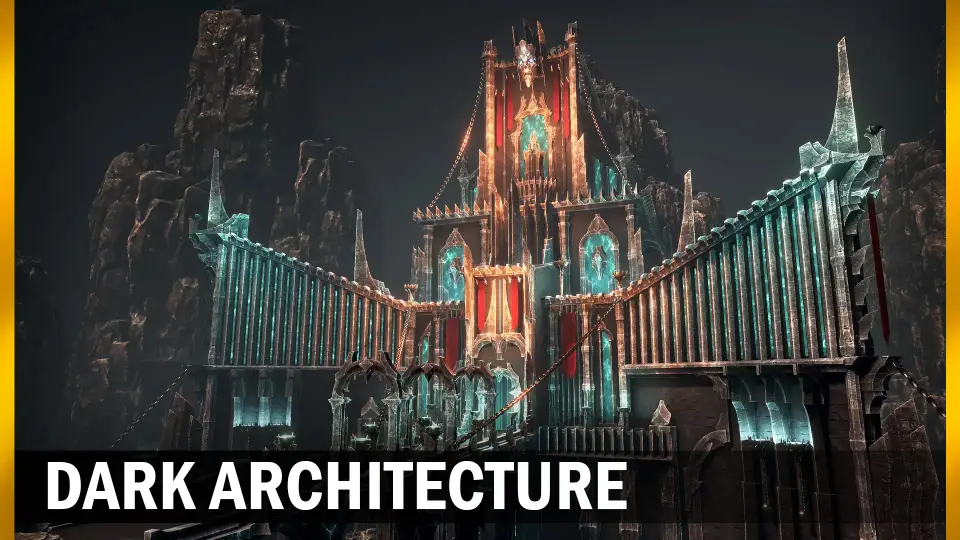
To demonstrate how individual constructor pieces unite into a cohesive setting, the pack includes a fully pregathered example scene focused entirely on exterior construction. This demonstration level showcases a grim castle rising directly among jagged rocks, illustrating how the obsidian stonework integrates with rough, natural geology to form an imposing defensive landmark.
A defining characteristic of this assembled fortress is the treatment of its structural openings. Windows, archways, and embrasures across the obsidian walls shine with an unfaithful, ghostly light. This unnatural illumination pierces the darkness, establishing sharp contrast against the pitch-black stone surfaces. In practical level design, this lighting treatment serves both an aesthetic and a navigational purpose, acting as a grim beacon across distance and identifying structural weak points or points of interest without requiring auxiliary decorative props.
Because the pregathered scene is strictly exterior, it provides an uninterrupted template for landscape integration, skybox composition, and perimeter staging. Creators can analyze the distribution of heights, the placement of foundational blocks against rock formations, and the balance between unbroken masonry and illuminated apertures to inform custom fortress layouts.
Modular Flexibility for Necropolis and Stronghold Building
The core strength of the modular constructor system lies in its adaptability across varying scales of villainous architecture. Whether a project calls for an isolated altar, an expansive necropolis, or a multi-tiered fortress of hellish origin, the kit supports diverse configurations through its reusable components.
By treating the collection as an architectural constructor, builders can generate distinct structural silhouettes:
Isolated Necromancer Towers: Slender, vertical arrangements that utilize the dark obsidian texture and ghostly illuminated windows to dominate desolate horizons.
Expansive Necropolis Complexes: Sprawling low-profile layouts where immovable blocks, grim walls, and recurring skull accents define courtyards, mausoleums, and burial districts.
Impassable Bastions and Gates: Heavily fortified exterior choke points combining massive obsidian slabs, narrow portals, and sheer defensive faces anchored into surrounding rocky terrain.
The emphasis on classic evil construction motifs ensures that components blend seamlessly when repeated across large-scale fortifications. Repetition is masked through the heavy, planar nature of the stone and the dramatic focal points created by the glowing openings, allowing wide perimeter walls to maintain visual consistency without appearing flat or disjointed.
Integration and Pairing with White Castle Assets
Dark architecture exists as part of a broader architectural bundle concept and shares direct design compatibility with the White castle asset collection. This relationship offers notable creative advantages when building multi-faction worlds or contrasting territorial zones within a single game map.
The stark obsidian styling, skull emblems, and spectral luminescence of Dark architecture stand in direct thematic opposition to the lighter, traditional masonry found in White castle structures. Because the proportions and architectural constructor methodologies remain aligned, developers can stage compelling narrative juxtapositions. Examples include ancestral strongholds corrupted and overtaken by dark magic, disputed borders where opposing architectural traditions meet, or transitional ruins where pristine stone gives way to necrotic obsidian corruption.
This cross-asset consistency eliminates the visual disconnect that often occurs when attempting to pit contrasting factions against one another using mismatched asset packs. The modular logic carries across the boundary, allowing seamless integration between the grim aesthetic of the undead and more conventional architectural forms.
Application Across Grim Fantasy and Horror Pipelines
The kit is tailored primarily for environment artists, indie developers, and level designers building dark fantasy, horror, and grim medieval experiences. Games featuring undead hordes, subterranean cults, necromantic bosses, or demonic realms require structural assets that convey malice organically through their architecture rather than relying exclusively on post-processing effects or external dressing.
Because the collection is arranged through exterior construction pieces and delivered alongside a preassembled demonstration, implementation requires minimal setup. Artists can drop the pregathered fortress directly into an existing rocky landscape for immediate exterior cinematics or background vistas, or break down the assembly to produce bespoke dungeon entrances, siege environments, and cursed citadels tailored to specific gameplay paths.
 Religious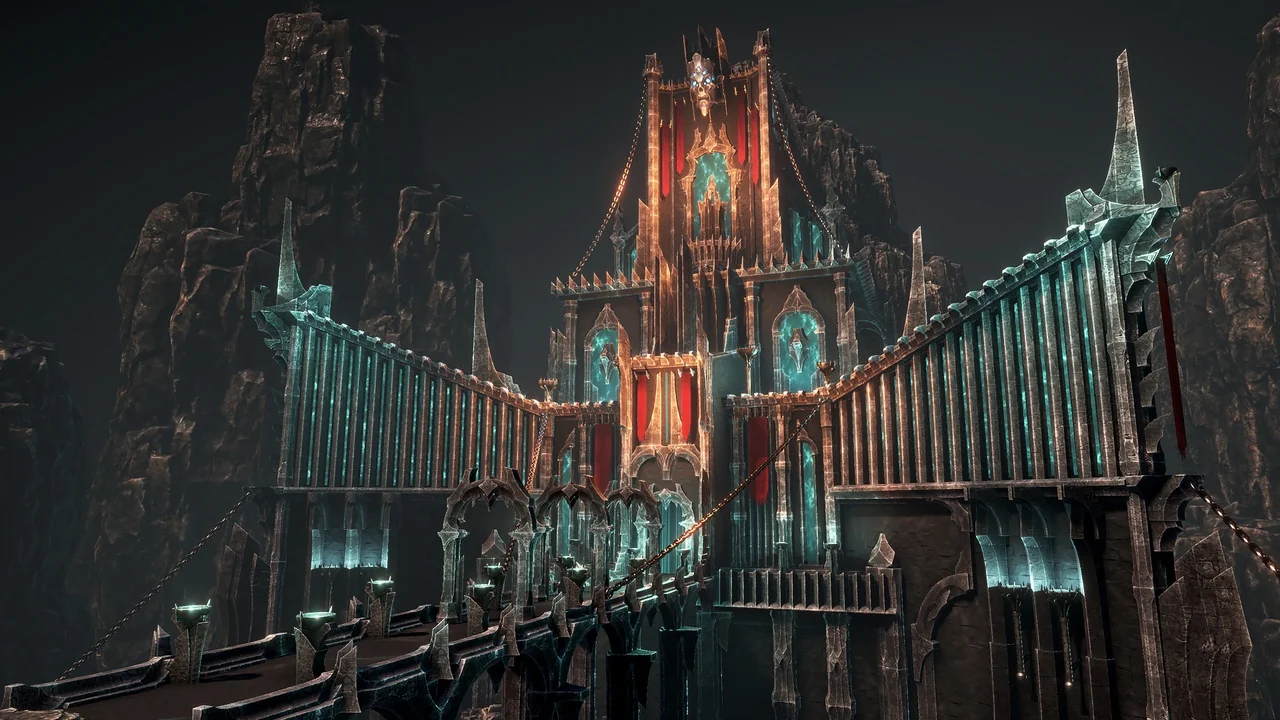
 Religious
 Religious
 Religious