"031373f479d9561a"{"id":"28608","slug":"custom-ar-15-style-rifle","title":"Custom AR-15 Style Rifle","category":"Guns","engine":"5.4+","assetVersion":"Engine version: 5.4+","engineVersion":"","tag":"Guns","accent":"blue","visual":"luts","summary":"Custom AR-15 Style Rifle centers on a modern tactical firearm that can move between gameplay and cinematic work without changing its visual identity. Its high-quality PBR textures, functional rig, and demo setup give artists and developers a clear starting...","platform":"Unreal Engine","publishedAt":"2026-05-17T14:14:07.000Z","updatedAt":"2026-05-17T14:14:08.000Z","sourceNotes":[],"fileContents":[],"compatibility":["Unreal Engine","Engine version: 5.4+"],"featuredImage":{"alt":"Custom AR-15 Style Rifle","src":"https://3dcghub.com/wp-content/uploads/2026/05/0dc876c7d3b9_ed9eecde-7572-4dac-9823-8f86a6f4a58f.webp"},"hasDownloadLink":true,"downloads":0,"terms":[{"taxonomy":"category","slug":"guns","name":"Guns"},{"taxonomy":"post_tag","slug":"prop","name":"Prop"},{"taxonomy":"post_tag","slug":"unreal-engine-5","name":"Unreal Engine 5"},{"taxonomy":"post_tag","slug":"weapons","name":"Weapons"}],"galleryImages":[{"src":"https://3dcghub.com/wp-content/uploads/2026/05/7b5dda266013_f2fe4444-5db9-423e-83c7-756ebcfa5e69.webp","alt":"Custom AR-15 Style Rifle"}],"accessPanel":{"kind":"resource","title":"Access this resource","eyebrow":"Free Download","message":"Log in or create a free account to start your download.","fileName":"Content.7z","safetyNote":"All resources are 100% manually reviewed to eliminate all risks.","actionLabel":"Download Free","resourceType":"Resource archive"},"contentHtml":"\u003cp\u003eModern combat spaces, survival encounters, and tactical first-person scenes all rely on props that can hold attention at close range. Custom AR-15 Style Rifle fits directly into that kind of work with a game-ready 3D model shaped around a custom AR-15 assault rifle and a strong emphasis on detail and realism. This gives a firearm asset that can serve as a focal object in an FPS view, a believable part of a military simulation, or a high-detail prop placed in a cinematic render where the camera may linger on materials and surface treatment.\u003c/p\u003e \u003cp\u003eIts identity is not generic. The combination of modern, tactical, military, shooter, and custom cues gives it a specific lane: contemporary action scenes where the weapon itself contributes to tone, setting, and character presence. That makes it useful not just as equipment in a loadout, but as a piece of visual storytelling inside war-themed environments, first-person interactions, and modular firearm presentations.\u003c/p\u003e \u003ch2\u003eCustom AR-15 Style Rifle in modern shooter scenes\u003c/h2\u003e\n\u003cp\u003eThis model is positioned for projects that need a firearm with immediate readability in modern game spaces. First-person shooters are an obvious fit, especially when the weapon needs to remain convincing under close camera framing. A first-person view puts pressure on every visible part of a gun model, from overall silhouette down to texture response, so an asset described as high-quality and game-ready carries practical weight in that context.\u003c/p\u003e \u003cp\u003eSurvival games can use the same qualities differently. In that kind of scene, a rifle often does more than function as a weapon. It can help define scarcity, preparedness, faction identity, or a shift from scavenged gear to more purpose-built equipment. A custom AR-15 style piece naturally reads as modern and tactical, which can sharpen the tone of a survival setting without needing additional explanation. It also works cleanly in military simulations, where realism and immediate recognition matter more than exaggerated styling.\u003c/p\u003e \u003cp\u003eCinematic renders are another strong use case because the model is presented as a high-detail prop. That matters when the rifle is not only being seen in motion but also being framed as an object in its own right. An artist staging an armory shot, a gear table layout, a tactical briefing scene, or a character portrait with weapon emphasis can treat the rifle as part of the visual language instead of a background accessory. The detailed and realistic approach supports those uses without pushing the model away from real-time work.\u003c/p\u003e \u003ch2\u003ePBR textures that support close-up realism\u003c/h2\u003e\n\u003cp\u003eOne of the clearest production-facing details here is the inclusion of high-quality PBR textures. That directly affects how the rifle reads under varied lighting conditions and why it can move between gameplay and rendered presentation. In a first-person shooter, textures are constantly tested by viewpoint changes, muzzle-level framing, and player proximity. A rifle that has to live near the camera needs material definition that remains convincing up close, and that is exactly the role these textures are meant to support.\u003c/p\u003e \u003cp\u003eThe emphasis on realistic detail up close also gives artists room to stage more deliberate shots. If the firearm appears in a reload moment, an inspection sequence, a menu presentation, or a cinematic cut, the texture work is part of what keeps those moments from falling flat. That does not mean the model is limited to hero shots. It means the asset is prepared for situations where the viewer may notice material response rather than only broad shape.\u003c/p\u003e \u003cp\u003eFor developers and visual artists, this changes how the rifle can be deployed across a project. It can remain a practical gameplay object while also being promoted into more prominent moments when needed. A weapon select screen, an equipment showcase, a military interior, or a tactical render can all draw from the same asset without requiring it to abandon its core identity. The realistic finish is one of the main reasons it can hold those different roles.\u003c/p\u003e \u003ch2\u003eEasy-to-use rig for essential firearm animation\u003c/h2\u003e\n\u003cp\u003eVisual quality is only part of the asset's usefulness. The model also includes a functional, easy-to-use rig for essential animations. That is a practical detail for anyone building interaction around the rifle rather than treating it as a static prop. Essential animation support gives the asset a path into the kinds of scenes where a weapon needs to feel active: held, presented, and integrated into gameplay or staged motion.\u003c/p\u003e \u003cp\u003eThe wording here is important because it keeps expectations grounded. The rig is described as functional and easy to use, aimed at essential animations rather than an exhaustive feature list. For a developer or animator, that makes the asset approachable. It suggests a setup that supports core firearm motion without forcing the rifle to remain only a display object. In a first-person project, that kind of accessibility matters because weapons often need to enter production quickly and fit into an existing animation flow.\u003c/p\u003e \u003cp\u003eThere is also a demo set up with Epic's Animation Starter Pack. That gives the rifle a concrete animation context rather than leaving it abstractly rigged. For teams or solo creators already thinking in terms of gameplay demonstrations, test scenes, or early implementation, a demo setup can shorten the distance between importing the asset and seeing it function inside a recognizable interaction framework. It is not just a note about presentation. It points to a usable starting point for evaluating how the rifle behaves in motion.\u003c/p\u003e \u003ch2\u003eFrom FPS firearm to cinematic prop\u003c/h2\u003e\n\u003cp\u003eThe strongest creative advantage of this rifle is how comfortably it moves between roles that often pull in different directions. A weapon optimized for gameplay can sometimes lose the nuance needed for cinematic use, while a highly detailed prop can become awkward when pushed into real-time interaction. Here, the asset is explicitly framed for both game engine use and high-detail rendered work, which gives artists freedom in how they stage it.\u003c/p\u003e \u003cp\u003eIn a first-person shooter, the rifle can serve as a front-line gameplay object where presence, realism, and tactical tone all matter. In a survival game, the same firearm can become an anchor for atmosphere and player progression simply through placement and framing. In a military simulation, the realism-focused approach helps the weapon sit naturally inside a stricter visual language. For cinematic renders, the model's close-up texture detail and detailed construction allow it to function as a prop with enough visual interest to carry a shot.\u003c/p\u003e \u003cp\u003eThat flexibility also suits hybrid projects. A creator might need one rifle for gameplay moments, menu presentation, promotional renders, and in-engine cinematics. Because this model is game-ready and still positioned as high-detail, it can cover those adjacent needs without shifting into a completely different asset category. The tactical and modern styling ties those uses together.\u003c/p\u003e \u003ch2\u003eArmy, tactical, and custom themes in one weapon asset\u003c/h2\u003e\n\u003cp\u003eThe tags around the rifle help define the exact kind of project space it belongs to: army, FPS, modular, modern, shooter, firearm, firstperson, war, tactical, weapon, military, rifle, and custom. Taken together, they place the asset inside a clear creative territory rather than leaving it open-ended. This is not a fantasy weapon, a stylized sidearm, or a broad historical prop. It sits firmly in a modern military and tactical setting.\u003c/p\u003e \u003cp\u003eThat clarity is useful when building scenes because it narrows the surrounding visual language. Characters, environments, and interface elements that already lean toward first-person combat, war themes, or tactical equipment will have an easier time accommodating a rifle with this specific identity. The custom aspect adds another layer. It gives the weapon a more individualized presence within those familiar genres, helping it feel intentional rather than purely generic.\u003c/p\u003e \u003cp\u003eThe modular tag adds a thematic cue as well, reinforcing the rifle's place in projects that focus on contemporary firearm culture and tactical presentation. Even without expanding beyond the stated details, the overall profile is consistent: a custom modern rifle for creators working in FPS, military, and war-oriented spaces who also want the asset to remain credible in cinematic close-ups.\u003c/p\u003e \u003ch2\u003eWhere this custom rifle fits best\u003c/h2\u003e\n\u003cp\u003eCustom AR-15 Style Rifle is a strong match for projects that need one firearm asset to cover both presentation and action. Its game-ready build, detailed and realistic finish, high-quality PBR textures, functional rig, and demo setup with Epic's Animation Starter Pack make it especially suitable for first-person shooters, survival games, military simulations, and cinematic scenes that keep the weapon visible at close range. If the goal is a modern tactical rifle that can work as both an interactive weapon and a high-detail prop, this asset lands in that space with a clear, focused purpose.\u003c/p\u003e\n\n\u003ch2\u003eExplore Similar Assets\u003c/h2\u003e\n\u003cul\u003e\n\u003cli\u003e\u003ca href=\"https://3dcghub.com/medieval-props-kit/\" title=\"Medieval Props Kit\"\u003eMedieval Props Kit\u003c/a\u003e\u003c/li\u003e\n\u003cli\u003e\u003ca href=\"https://3dcghub.com/medieval-props-pack/\" title=\"Medieval Props Pack\"\u003eMedieval Props Pack\u003c/a\u003e\u003c/li\u003e\n\u003cli\u003e\u003ca href=\"https://3dcghub.com/military-props-pack-high-quality-3d-assets-for-game-dev/\" title=\"Military Props Pack\"\u003eMilitary Props Pack\u003c/a\u003e\u003c/li\u003e\n\u003cli\u003e\u003ca href=\"https://3dcghub.com/mountain-village-environment-village-modular-village-houses-village-props/\" title=\"Mountain Village Environment (Village, Modular Village Houses, Village Props)\"\u003eMountain Village Environment (Village, Modular Village Houses, Village Props)\u003c/a\u003e\u003c/li\u003e\n\u003cli\u003e\u003ca href=\"https://3dcghub.com/post-apocalyptic-melee-weapons/\" title=\"Post Apocalyptic Melee Weapons\"\u003ePost Apocalyptic Melee Weapons\u003c/a\u003e\u003c/li\u003e\n\u003c/ul\u003e","contentTextLength":9207,"navigation":{"current":1356,"total":3223,"previous":{"id":"28621","slug":"dystopia-airship","title":"Dystopia Airship","category":"Vehicles \u0026 Transportation","platform":"Unreal Engine","updatedAt":"2026-05-17T15:03:33.000Z"},"next":{"id":"28604","slug":"crossroad-generator","title":"Crossroad Generator","category":"Procedural Systems","platform":"Unreal Engine","updatedAt":"2026-05-17T14:06:53.000Z"}},"relatedResources":[{"id":"1000800","slug":"cgr-basnpr","title":"CGr BASnpR","category":"Guns","engine":"5.1+","assetVersion":"","engineVersion":"Engine Version: 5.1+","tag":"Guns","accent":"blue","visual":"mech","summary":"Customizable sniper rifle asset pack for Unreal Engine 5 with procedural aiming, recoil, body-part damage, grenades, and Manny retargeted animations.","platform":"Unreal Engine","publishedAt":"2026-07-30T22:59:50.063Z","updatedAt":"2026-07-30T22:59:50.063Z","sourceNotes":[],"fileContents":[],"compatibility":["Unreal Engine","Engine Version: 5.1+"],"featuredImage":{"alt":"CGr BASnpR","src":"/wp-content/uploads/published/2026/07/1592ab78ebb1-e181ced0-2b2e-4e7f-b917-4f903811c272-5238ede6c2.webp"},"hasDownloadLink":true,"downloads":1},{"id":"27350","slug":"animated-fps-loaded-3-pistol-guns-pack","title":"Animated FPS Loaded 3-Pistol Guns Pack","category":"Guns","engine":"4.27,5.0+","assetVersion":"Engine version: 4.27,5.0+","engineVersion":"","tag":"Guns","accent":"blue","visual":"mech","summary":"This FPS weapon pack combines the.44 Magnum, Police Pistol, and WW2 Russian TT-33 with a new VFX muzzle flash and animated first-person arms. The included arms are compatible with all weapons and the UE4 Starter Kit, making the set useful for fast weapon in...","platform":"Unreal Engine","publishedAt":"2026-04-24T06:31:43.000Z","updatedAt":"2026-04-24T06:31:44.000Z","sourceNotes":[],"fileContents":[],"compatibility":["Unreal Engine","Engine version: 4.27,5.0+"],"featuredImage":{"alt":"Animated FPS Loaded 3-Pistol Guns Pack","src":"https://3dcghub.com/wp-content/uploads/2026/04/ad36f9336cc0_02ea9d81-a305-41bb-a5d6-82783708e32b.webp"},"hasDownloadLink":true,"downloads":0},{"id":"1000039","slug":"cgr-armod-pack","title":"CGr ARMod Pack","category":"Guns","engine":"5.0+","assetVersion":"","engineVersion":"5.0+","tag":"Guns","accent":"blue","visual":"mech","summary":"A customizable assault rifle pack for UE5 with attachments, firing modes, procedural aiming and recoil, body-part damage, grenades, and True FPS updates.","platform":"Unreal Engine","publishedAt":"2026-05-22T07:18:43.799Z","updatedAt":"2026-05-22T07:18:43.799Z","sourceNotes":[],"fileContents":[],"compatibility":["Unreal Engine","Engine version: 5.0+"],"featuredImage":{"alt":"CGr ARMod Pack","src":"/wp-content/uploads/published/2026/05/ff5c526bd35e-8fdcf341-9ce6-4ba7-a55f-2db28777c818-d26139c75b.webp"},"hasDownloadLink":true,"downloads":5}]}
Guns
Custom AR-15 Style Rifle
Custom AR-15 Style Rifle centers on a modern tactical firearm that can move between gameplay and cinematic work without changing its visual identity. Its high-quality PBR textures, functional rig, and demo setup give artists and developers a clear starting...
Category:Unreal Engine,GunsPlatform: Unreal EngineEngine version: 5.4+Published: May 17, 2026
Guns
Resource overview
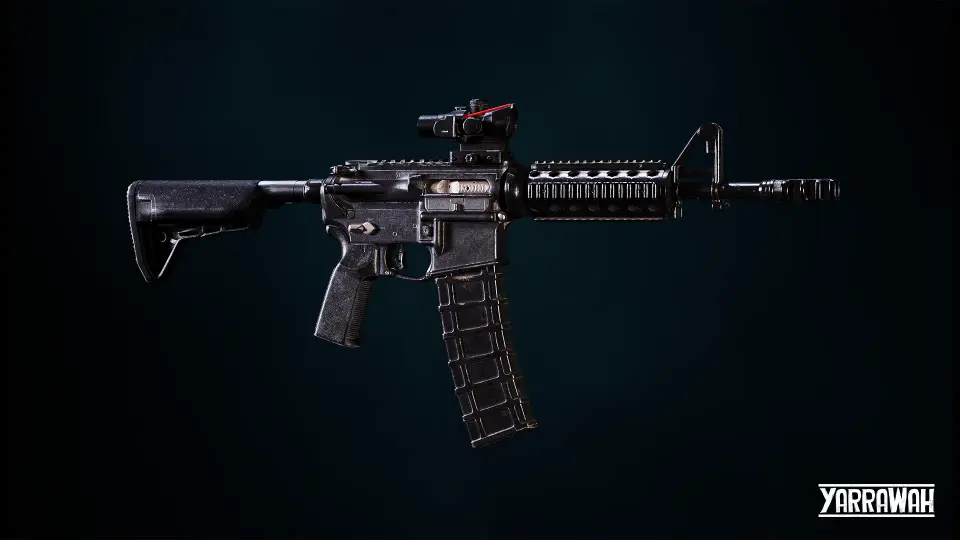
Modern combat spaces, survival encounters, and tactical first-person scenes all rely on props that can hold attention at close range. Custom AR-15 Style Rifle fits directly into that kind of work with a game-ready 3D model shaped around a custom AR-15 assault rifle and a strong emphasis on detail and realism. This gives a firearm asset that can serve as a focal object in an FPS view, a believable part of a military simulation, or a high-detail prop placed in a cinematic render where the camera may linger on materials and surface treatment.
Its identity is not generic. The combination of modern, tactical, military, shooter, and custom cues gives it a specific lane: contemporary action scenes where the weapon itself contributes to tone, setting, and character presence. That makes it useful not just as equipment in a loadout, but as a piece of visual storytelling inside war-themed environments, first-person interactions, and modular firearm presentations.
Custom AR-15 Style Rifle in modern shooter scenes
This model is positioned for projects that need a firearm with immediate readability in modern game spaces. First-person shooters are an obvious fit, especially when the weapon needs to remain convincing under close camera framing. A first-person view puts pressure on every visible part of a gun model, from overall silhouette down to texture response, so an asset described as high-quality and game-ready carries practical weight in that context.
Survival games can use the same qualities differently. In that kind of scene, a rifle often does more than function as a weapon. It can help define scarcity, preparedness, faction identity, or a shift from scavenged gear to more purpose-built equipment. A custom AR-15 style piece naturally reads as modern and tactical, which can sharpen the tone of a survival setting without needing additional explanation. It also works cleanly in military simulations, where realism and immediate recognition matter more than exaggerated styling.
Cinematic renders are another strong use case because the model is presented as a high-detail prop. That matters when the rifle is not only being seen in motion but also being framed as an object in its own right. An artist staging an armory shot, a gear table layout, a tactical briefing scene, or a character portrait with weapon emphasis can treat the rifle as part of the visual language instead of a background accessory. The detailed and realistic approach supports those uses without pushing the model away from real-time work.
PBR textures that support close-up realism
One of the clearest production-facing details here is the inclusion of high-quality PBR textures. That directly affects how the rifle reads under varied lighting conditions and why it can move between gameplay and rendered presentation. In a first-person shooter, textures are constantly tested by viewpoint changes, muzzle-level framing, and player proximity. A rifle that has to live near the camera needs material definition that remains convincing up close, and that is exactly the role these textures are meant to support.
The emphasis on realistic detail up close also gives artists room to stage more deliberate shots. If the firearm appears in a reload moment, an inspection sequence, a menu presentation, or a cinematic cut, the texture work is part of what keeps those moments from falling flat. That does not mean the model is limited to hero shots. It means the asset is prepared for situations where the viewer may notice material response rather than only broad shape.
For developers and visual artists, this changes how the rifle can be deployed across a project. It can remain a practical gameplay object while also being promoted into more prominent moments when needed. A weapon select screen, an equipment showcase, a military interior, or a tactical render can all draw from the same asset without requiring it to abandon its core identity. The realistic finish is one of the main reasons it can hold those different roles.
Easy-to-use rig for essential firearm animation
Visual quality is only part of the asset's usefulness. The model also includes a functional, easy-to-use rig for essential animations. That is a practical detail for anyone building interaction around the rifle rather than treating it as a static prop. Essential animation support gives the asset a path into the kinds of scenes where a weapon needs to feel active: held, presented, and integrated into gameplay or staged motion.
The wording here is important because it keeps expectations grounded. The rig is described as functional and easy to use, aimed at essential animations rather than an exhaustive feature list. For a developer or animator, that makes the asset approachable. It suggests a setup that supports core firearm motion without forcing the rifle to remain only a display object. In a first-person project, that kind of accessibility matters because weapons often need to enter production quickly and fit into an existing animation flow.
There is also a demo set up with Epic's Animation Starter Pack. That gives the rifle a concrete animation context rather than leaving it abstractly rigged. For teams or solo creators already thinking in terms of gameplay demonstrations, test scenes, or early implementation, a demo setup can shorten the distance between importing the asset and seeing it function inside a recognizable interaction framework. It is not just a note about presentation. It points to a usable starting point for evaluating how the rifle behaves in motion.
From FPS firearm to cinematic prop
The strongest creative advantage of this rifle is how comfortably it moves between roles that often pull in different directions. A weapon optimized for gameplay can sometimes lose the nuance needed for cinematic use, while a highly detailed prop can become awkward when pushed into real-time interaction. Here, the asset is explicitly framed for both game engine use and high-detail rendered work, which gives artists freedom in how they stage it.
In a first-person shooter, the rifle can serve as a front-line gameplay object where presence, realism, and tactical tone all matter. In a survival game, the same firearm can become an anchor for atmosphere and player progression simply through placement and framing. In a military simulation, the realism-focused approach helps the weapon sit naturally inside a stricter visual language. For cinematic renders, the model's close-up texture detail and detailed construction allow it to function as a prop with enough visual interest to carry a shot.
That flexibility also suits hybrid projects. A creator might need one rifle for gameplay moments, menu presentation, promotional renders, and in-engine cinematics. Because this model is game-ready and still positioned as high-detail, it can cover those adjacent needs without shifting into a completely different asset category. The tactical and modern styling ties those uses together.
Army, tactical, and custom themes in one weapon asset
The tags around the rifle help define the exact kind of project space it belongs to: army, FPS, modular, modern, shooter, firearm, firstperson, war, tactical, weapon, military, rifle, and custom. Taken together, they place the asset inside a clear creative territory rather than leaving it open-ended. This is not a fantasy weapon, a stylized sidearm, or a broad historical prop. It sits firmly in a modern military and tactical setting.
That clarity is useful when building scenes because it narrows the surrounding visual language. Characters, environments, and interface elements that already lean toward first-person combat, war themes, or tactical equipment will have an easier time accommodating a rifle with this specific identity. The custom aspect adds another layer. It gives the weapon a more individualized presence within those familiar genres, helping it feel intentional rather than purely generic.
The modular tag adds a thematic cue as well, reinforcing the rifle's place in projects that focus on contemporary firearm culture and tactical presentation. Even without expanding beyond the stated details, the overall profile is consistent: a custom modern rifle for creators working in FPS, military, and war-oriented spaces who also want the asset to remain credible in cinematic close-ups.
Where this custom rifle fits best
Custom AR-15 Style Rifle is a strong match for projects that need one firearm asset to cover both presentation and action. Its game-ready build, detailed and realistic finish, high-quality PBR textures, functional rig, and demo setup with Epic's Animation Starter Pack make it especially suitable for first-person shooters, survival games, military simulations, and cinematic scenes that keep the weapon visible at close range. If the goal is a modern tactical rifle that can work as both an interactive weapon and a high-detail prop, this asset lands in that space with a clear, focused purpose.
 Guns
Guns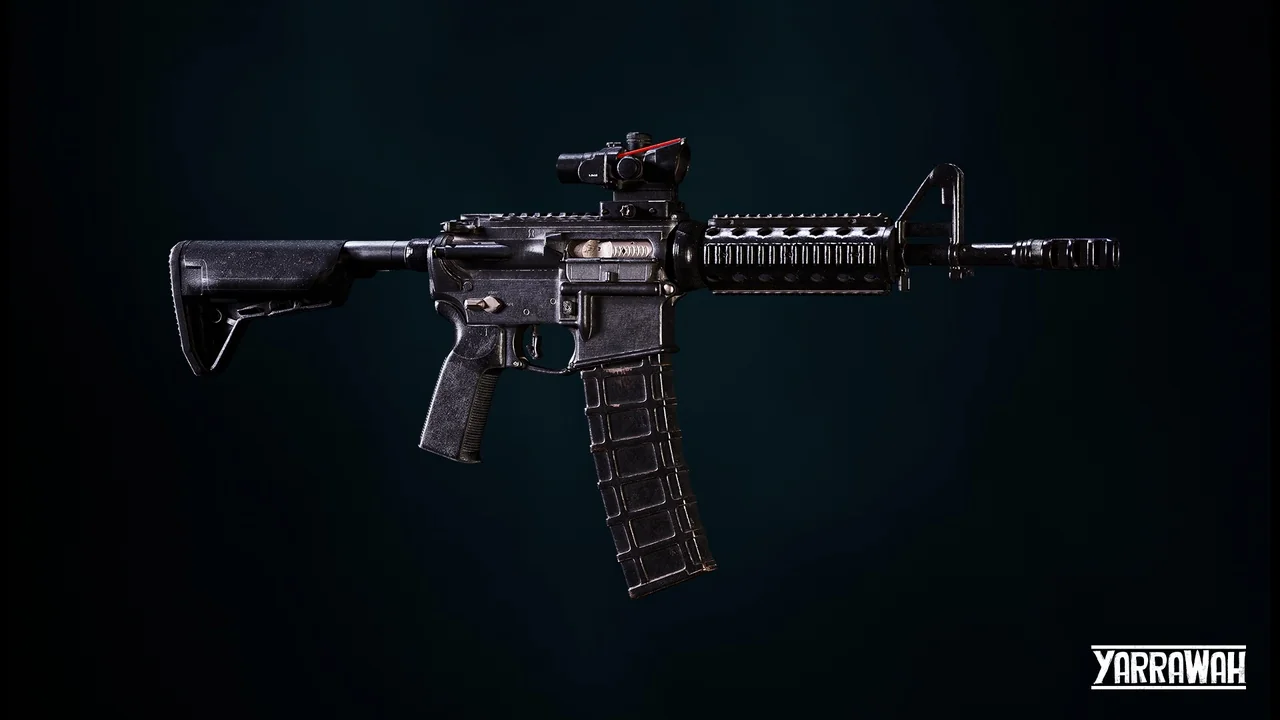
 Guns
Guns Guns
Guns Guns
Guns