"7e6fc58c410f2894"{"id":"1001676","slug":"volumetric-space-nebula-procedural-generator","title":"Volumetric Space Nebula Procedural Generator","category":"Sky \u0026 Space","engine":"4.26+,5.0+","assetVersion":"","engineVersion":"Engine Version: 4.26+,5.0+","tag":"Sky \u0026 Space","accent":"blue","visual":"mech","summary":"Generate real-time volumetric space nebulae with procedural Blueprints. Explore performance benchmarks, DLSS scaling, and cosmic environment workflows.","platform":"Unreal Engine","publishedAt":"2026-10-13T15:27:12.561Z","updatedAt":"2026-10-13T15:27:12.561Z","sourceNotes":[],"fileContents":[],"compatibility":["Unreal Engine","Engine Version: 4.26+,5.0+"],"featuredImage":{"alt":"Volumetric Space Nebula Procedural Generator","src":"/wp-content/uploads/published/2026/10/ed5e294cddf7-bf156143-df14-42a9-a30d-15701732ea7b-4d3a24d0eb.webp"},"hasDownloadLink":true,"downloads":0,"terms":[{"taxonomy":"category","slug":"sky-and-space","name":"Sky \u0026 Space"}],"galleryImages":[{"src":"/wp-content/uploads/published/2026/10/184c5d184fbd-b2b3d973-d968-4bd1-9db3-50fc06f9e970-ef55ee1996.webp","alt":"Volumetric Space Nebula Procedural Generator"},{"src":"/wp-content/uploads/published/2026/10/bd646b080451-a1cbf592-87de-4557-acdc-bbd1b2565518-36ed97c603.webp","alt":"Volumetric Space Nebula Procedural Generator"},{"src":"/wp-content/uploads/published/2026/10/2e7fc7846278-5465883b-c691-417c-9c17-86d4a7dcce25-f986dd4d65.webp","alt":"Volumetric Space Nebula Procedural Generator"},{"src":"/wp-content/uploads/published/2026/10/002fe3e2c6e8-8f840308-2b7c-4557-9b7f-2007e72d0f9b-c070a89750.webp","alt":"Volumetric Space Nebula Procedural Generator"},{"src":"/wp-content/uploads/published/2026/10/9721be6b5579-0433c763-d6b3-447e-8ac0-0f747e4b4bb7-abcbbb232d.webp","alt":"Volumetric Space Nebula Procedural Generator"},{"src":"/wp-content/uploads/published/2026/10/ca7d7531f731-0c814243-e52d-4d1c-96e5-8cf0b79d6cd3-c95af63285.webp","alt":"Volumetric Space Nebula Procedural Generator"},{"src":"/wp-content/uploads/published/2026/10/af65f412086d-873b9e33-5e25-424c-bfe8-4fce70ea542f-e1ae161f0c.webp","alt":"Volumetric Space Nebula Procedural Generator"},{"src":"/wp-content/uploads/published/2026/10/7729d2bc2a82-e2b4e84d-066b-4e34-a521-e688e333e115-7e4f0e487e.webp","alt":"Volumetric Space Nebula Procedural Generator"},{"src":"/wp-content/uploads/published/2026/10/6e0b2ec65833-a11f10e1-f240-4ae4-9204-32d773a0055a-b054bb792b.webp","alt":"Volumetric Space Nebula Procedural Generator"}],"accessPanel":{"kind":"resource","title":"Download this resource","eyebrow":"Free Download","message":"Log in or create a free account to start your download.","fileName":"Content.7z","safetyNote":"Resources are manually reviewed before listing to improve quality and reduce obvious risks.","actionLabel":"Download Free","resourceType":"Resource archive"},"contentHtml":"\u003ch2\u003eDeep Space Environments Through Procedural Volumetrics\u003c/h2\u003e\n\u003cp\u003eVast cosmic backdrops define the scale and atmosphere of modern space titles, yet rendering gas clouds, starfields, and galaxy formations often presents steep technical hurdles. Traditional methods rely on static 2D skyboxes, painted backdrop cards, or dense particle fields that break down when cameras move dynamically through deep space. The Volumetric Space Nebula Procedural Generator tackles this challenge by producing realistic, fully three-dimensional cosmic cloud structures directly in the game level.\u003c/p\u003e\n\u003cp\u003eTargeted at next-gen space games, this system supplies the visual foundation for universe-scale exploration. Players navigating starships through planetary orbits or drifting past remnants of a supernova encounter volumetric forms that possess real volume rather than flat projections. Light, density, and cosmic dust interact naturally across vast expanses, bringing believable visual depth to both remote skyboxes and immediate flight paths.\u003c/p\u003e \u003ch2\u003eInstant Generation via Procedural Blueprint Controls\u003c/h2\u003e\n\u003cp\u003eAuthoring organic cosmic volumes manually can demand hours of tedious sculpting or custom simulation baking. In contrast, this procedural blueprint automates the layout process, creating complex space nebulae in an instant. The system operates on a parameter-driven framework, allowing artists and technical designers to shape cosmic environments simply by manipulating the generation settings.\u003c/p\u003e\n\u003cp\u003eAdjusting these exposed controls reshapes the distribution, density, and configuration of the volume. Because the generator produces its structures on demand, creators can experiment rapidly with diverse nebula typologies, including tightly clustered cosmic clouds, broad interstellar formations, or expansive supernova fields. Iteration occurs immediately within the editor, removing the turnaround lag commonly associated with pre-rendered volume sequences or external simulation software.\u003c/p\u003e \u003ch2\u003eReal-Time Volumetric Shader Behavior and Cosmic Fidelity\u003c/h2\u003e\n\u003cp\u003eAt the center of the generator sits a volumetric shader developed to render realistic scenes in real-time. Instead of faking volume through layered alpha planes that cause sorting errors and fill-rate bottlenecks, the shader renders true three-dimensional medium interaction across the volume component. This produces soft, nuanced transitions between dense core regions of the nebula and faint, dispersed wisps along its outer perimeter.\u003c/p\u003e\n\u003cp\u003eThe customizable nature of the setup ensures that nebulae fit diverse sci-fi aesthetics, ranging from hard-science galactic expanses to stylized cosmic rifts. Because it operates in real-time, the shader integrates smoothly alongside other environment assets, including modular sci-fi interior setups where viewing ports, cockpit windows, or observation decks overlook living space scenes outside.\u003c/p\u003e \u003ch2\u003eHardware Demands and RTX 3060 Performance Benchmarks\u003c/h2\u003e\n\u003cp\u003eRendering true volumetric media in real-time carries significant computational cost. Raymarching and density evaluations across large screen areas demand substantial graphics hardware, meaning that a modern GPU is required to sustain smooth and stable framerates in production environments.\u003c/p\u003e\n\u003cp\u003eDocumented testing highlights what developers should expect under practical gaming conditions. Evaluated on an NVIDIA GeForce RTX 3060 running at High quality settings in 1920x1080 resolution, the generator demonstrates clear performance characteristics:\u003c/p\u003e\n\u003cul\u003e \u003cli\u003eNative Average Framerate: 60 to 80 FPS\u003c/li\u003e \u003cli\u003eAverage Framerate with DLSS Enabled: 120 to 160 FPS\u003c/li\u003e\n\u003c/ul\u003e\n\u003cp\u003eThese benchmark figures underscore the balance between raw visual fidelity and performance overhead. Under native rasterization, the system holds a solid baseline suitable for standard 60 FPS targets on mid-range hardware. Engaging temporal upscaling solutions like DLSS roughly doubles the framerate, granting generous headroom for game logic, ship physics, post-processing, and multi-layered visual effects.\u003c/p\u003e \u003ch2\u003eIntegrating Procedural Nebulae into Real-Time Level Design\u003c/h2\u003e\n\u003cp\u003eFor technical artists building outer space levels, the generator functions as a versatile environmental foundation. It fills the vacuum of space with visually complex, customizable phenomena, transforming empty skyboxes into tangible navigation landmarks. Whether staged as distant galaxy clusters, towering interstellar clouds framing a space station, or explosive supernova remnants surrounding a combat sector, the procedural toolset accelerates world building without sacrificing real-time rendering demands.\u003c/p\u003e\n\n\u003ch2\u003eRelated Resources Worth Checking\u003c/h2\u003e\n\u003cul\u003e\n\u003cli\u003e\u003ca href=\"https://3dcghub.com/space-frontier-stations-and-ships/\" title=\"Space Frontier Stations \u0026amp; Ships\"\u003eSpace Frontier Stations \u0026amp; Ships\u003c/a\u003e\u003c/li\u003e\n\u003cli\u003e\u003ca href=\"https://3dcghub.com/quick-cloud-vdb-cloud-volumetric-cinematic-clouds/\" title=\"Quick Cloud - VDB Cloud Volumetric Cinematic Clouds\"\u003eQuick Cloud - VDB Cloud Volumetric Cinematic Clouds\u003c/a\u003e\u003c/li\u003e\n\u003cli\u003e\u003ca href=\"https://3dcghub.com/brushify-mars-pack/\" title=\"Brushify - Mars Pack\"\u003eBrushify - Mars Pack\u003c/a\u003e\u003c/li\u003e\n\u003cli\u003e\u003ca href=\"https://3dcghub.com/sci-fi-observation-station-kit/\" title=\"Sci Fi Observation Station Kit\"\u003eSci Fi Observation Station Kit\u003c/a\u003e\u003c/li\u003e\n\u003cli\u003e\u003ca href=\"https://3dcghub.com/space-creator/\" title=\"Space Creator\"\u003eSpace Creator\u003c/a\u003e\u003c/li\u003e\n\u003c/ul\u003e","contentTextLength":4704,"navigation":{"current":6,"total":3618,"previous":{"id":"1001677","slug":"wild-west-ghost-town-of-fogmourn","title":"Wild West Ghost Town of Fogmourn","category":"Horror","platform":"Unreal Engine","updatedAt":"2026-10-13T15:28:07.889Z"},"next":{"id":"1001675","slug":"viking-weapons-and-shields-kit","title":"Viking Weapons and Shields Kit","category":"Weapons \u0026 Combat","platform":"Unreal Engine","updatedAt":"2026-10-13T15:24:48.939Z"}},"relatedResources":[{"id":"1001667","slug":"space-frontier-stations-and-ships","title":"Space Frontier Stations \u0026 Ships","category":"Sky \u0026 Space","engine":"5.0+","assetVersion":"","engineVersion":"Engine Version: 5.0+","tag":"Sky \u0026 Space","accent":"blue","visual":"mech","summary":"Build vast sci-fi environments with Space Frontier Stations \u0026 Ships, featuring 60+ blueprints, procedural scattering, flyable ships, and Nanite/Lumen support.","platform":"Unreal Engine","publishedAt":"2026-10-13T15:09:29.578Z","updatedAt":"2026-10-13T15:09:29.578Z","sourceNotes":[],"fileContents":[],"compatibility":["Unreal Engine","Engine Version: 5.0+"],"featuredImage":{"alt":"Space Frontier Stations \u0026 Ships","src":"/wp-content/uploads/published/2026/10/bc4215e944b8-2c47d31a-f13b-40d5-a5c8-3a6f3f1b6ef5-5a5ee01424.webp"},"hasDownloadLink":true,"downloads":0},{"id":"9756","slug":"quick-cloud-vdb-cloud-volumetric-cinematic-clouds","title":"Quick Cloud - VDB Cloud Volumetric Cinematic Clouds","category":"Sky \u0026 Space","engine":"5.4+","assetVersion":"Engine version: 5.4+","engineVersion":"Asset Version:2.1","tag":"Sky \u0026 Space","accent":"blue","visual":"city","summary":"Quick Cloud - VDB Cloud Volumetric Cinematic Clouds is a comprehensive toolset for Unreal Engine 5.3+. It features 24 high-quality VDB assets and advanced lighting controls for cinematic environments.","platform":"Unreal Engine","publishedAt":"2026-03-01T17:45:29.000Z","updatedAt":"2026-04-19T15:51:01.000Z","sourceNotes":[],"fileContents":[],"compatibility":["Unreal Engine","Engine version: 5.4+","Asset Version: 2.1"],"featuredImage":{"alt":"Quick Cloud - VDB Cloud Volumetric Cinematic Clouds","src":"https://3dcghub.com/wp-content/uploads/2026/03/8557f0fc-bf17-4de2-a500-74a083849d54.webp"},"hasDownloadLink":true,"downloads":4},{"id":"1001402","slug":"brushify-mars-pack","title":"Brushify - Mars Pack","category":"Sky \u0026 Space","engine":"4.27+,5.0+","assetVersion":"","engineVersion":"Engine Version: 4.27+,5.0+","tag":"Sky \u0026 Space","accent":"blue","visual":"mech","summary":"Build expansive offworld landscapes with the Brushify - Mars Pack, featuring an 8x8 km playable level, 8K alpha sculpting brushes, and modular shaders.","platform":"Unreal Engine","publishedAt":"2026-10-05T05:49:41.431Z","updatedAt":"2026-10-05T05:49:41.431Z","sourceNotes":[],"fileContents":[],"compatibility":["Unreal Engine","Engine Version: 4.27+,5.0+"],"featuredImage":{"alt":"Brushify - Mars Pack","src":"/wp-content/uploads/published/2026/10/a64d62ec8c85-c56b76aa-0433-41f7-a415-cdffbd385aaf-dc21797ab7.webp"},"hasDownloadLink":true,"downloads":0}]}
Sky & Space
Volumetric Space Nebula Procedural Generator
Generate real-time volumetric space nebulae with procedural Blueprints. Explore performance benchmarks, DLSS scaling, and cosmic environment workflows.
Deep Space Environments Through Procedural Volumetrics
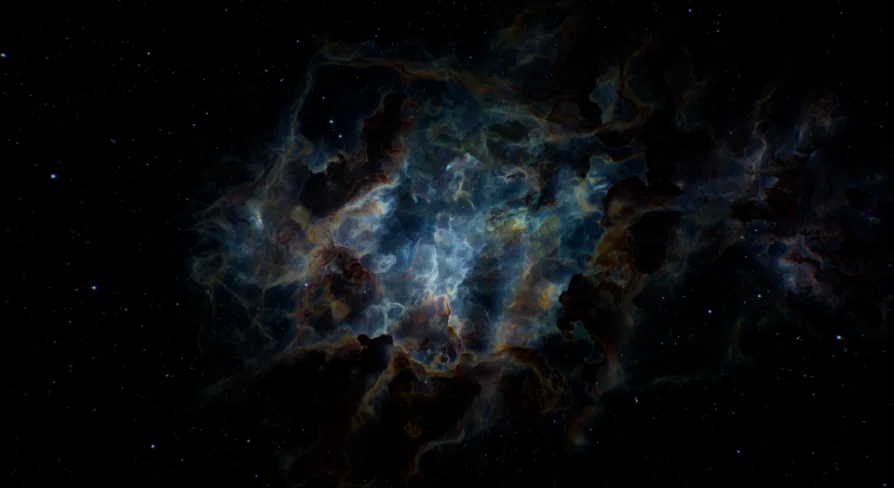
Vast cosmic backdrops define the scale and atmosphere of modern space titles, yet rendering gas clouds, starfields, and galaxy formations often presents steep technical hurdles. Traditional methods rely on static 2D skyboxes, painted backdrop cards, or dense particle fields that break down when cameras move dynamically through deep space. The Volumetric Space Nebula Procedural Generator tackles this challenge by producing realistic, fully three-dimensional cosmic cloud structures directly in the game level.
Targeted at next-gen space games, this system supplies the visual foundation for universe-scale exploration. Players navigating starships through planetary orbits or drifting past remnants of a supernova encounter volumetric forms that possess real volume rather than flat projections. Light, density, and cosmic dust interact naturally across vast expanses, bringing believable visual depth to both remote skyboxes and immediate flight paths.
Instant Generation via Procedural Blueprint Controls
Authoring organic cosmic volumes manually can demand hours of tedious sculpting or custom simulation baking. In contrast, this procedural blueprint automates the layout process, creating complex space nebulae in an instant. The system operates on a parameter-driven framework, allowing artists and technical designers to shape cosmic environments simply by manipulating the generation settings.
Adjusting these exposed controls reshapes the distribution, density, and configuration of the volume. Because the generator produces its structures on demand, creators can experiment rapidly with diverse nebula typologies, including tightly clustered cosmic clouds, broad interstellar formations, or expansive supernova fields. Iteration occurs immediately within the editor, removing the turnaround lag commonly associated with pre-rendered volume sequences or external simulation software.
Real-Time Volumetric Shader Behavior and Cosmic Fidelity
At the center of the generator sits a volumetric shader developed to render realistic scenes in real-time. Instead of faking volume through layered alpha planes that cause sorting errors and fill-rate bottlenecks, the shader renders true three-dimensional medium interaction across the volume component. This produces soft, nuanced transitions between dense core regions of the nebula and faint, dispersed wisps along its outer perimeter.
The customizable nature of the setup ensures that nebulae fit diverse sci-fi aesthetics, ranging from hard-science galactic expanses to stylized cosmic rifts. Because it operates in real-time, the shader integrates smoothly alongside other environment assets, including modular sci-fi interior setups where viewing ports, cockpit windows, or observation decks overlook living space scenes outside.
Hardware Demands and RTX 3060 Performance Benchmarks
Rendering true volumetric media in real-time carries significant computational cost. Raymarching and density evaluations across large screen areas demand substantial graphics hardware, meaning that a modern GPU is required to sustain smooth and stable framerates in production environments.
Documented testing highlights what developers should expect under practical gaming conditions. Evaluated on an NVIDIA GeForce RTX 3060 running at High quality settings in 1920x1080 resolution, the generator demonstrates clear performance characteristics:
Native Average Framerate: 60 to 80 FPS
Average Framerate with DLSS Enabled: 120 to 160 FPS
These benchmark figures underscore the balance between raw visual fidelity and performance overhead. Under native rasterization, the system holds a solid baseline suitable for standard 60 FPS targets on mid-range hardware. Engaging temporal upscaling solutions like DLSS roughly doubles the framerate, granting generous headroom for game logic, ship physics, post-processing, and multi-layered visual effects.
Integrating Procedural Nebulae into Real-Time Level Design
For technical artists building outer space levels, the generator functions as a versatile environmental foundation. It fills the vacuum of space with visually complex, customizable phenomena, transforming empty skyboxes into tangible navigation landmarks. Whether staged as distant galaxy clusters, towering interstellar clouds framing a space station, or explosive supernova remnants surrounding a combat sector, the procedural toolset accelerates world building without sacrificing real-time rendering demands.
 Sky & Space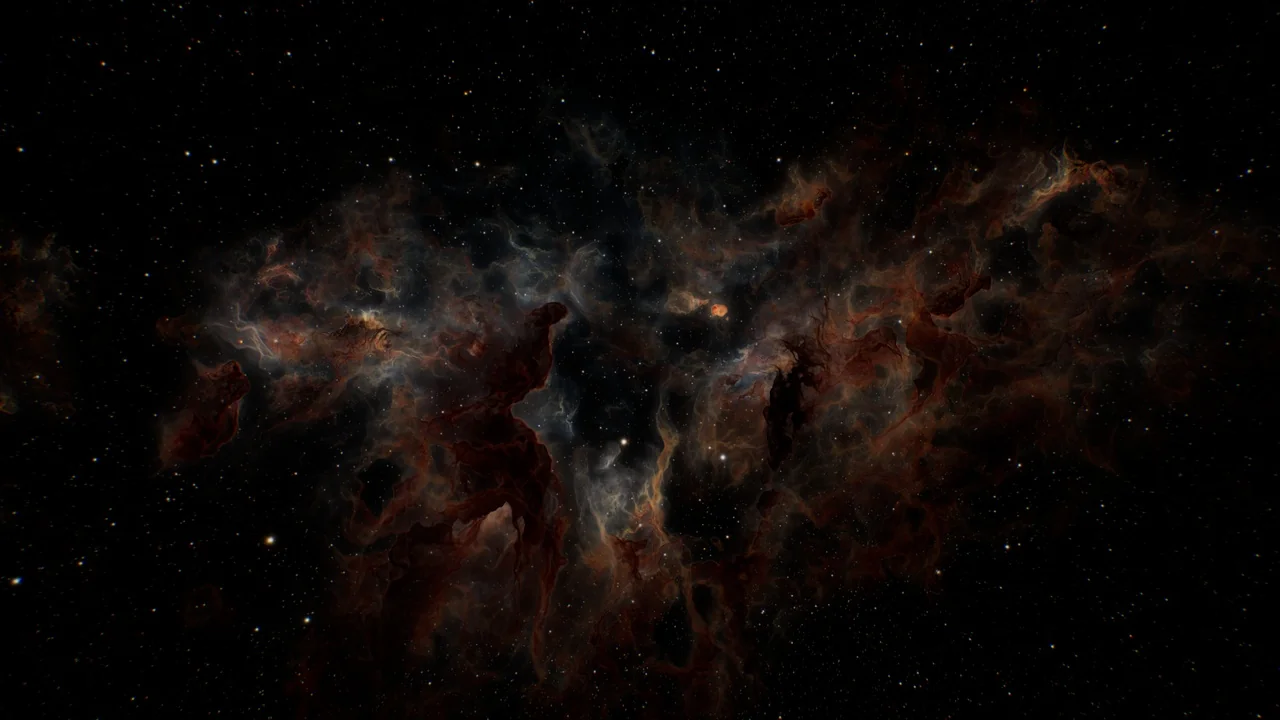
 Sky & Space
 Sky & Space
 Sky & Space