"7b46a695175d8694"{"id":"1000408","slug":"ultra-realistic-sun","title":"Ultra Realistic Sun","category":"Nature \u0026 Terrain","engine":"5.1+","assetVersion":"","engineVersion":"Engine Version: 5.1+","tag":"Nature \u0026 Terrain","accent":"blue","visual":"mech","summary":"An animated, highly optimized 3D sun model featuring customizable plasma materials, magnetic storms, and a bonus 8K Mercury asset crafted from NASA data.","platform":"Unreal Engine","publishedAt":"2026-07-08T11:51:12.938Z","updatedAt":"2026-07-08T11:51:12.938Z","sourceNotes":[],"fileContents":[],"compatibility":["Unreal Engine","Engine Version: 5.1+"],"featuredImage":{"alt":"Ultra Realistic Sun","src":"/wp-content/uploads/published/2026/07/81c268f47b8f-ceed4c0d-4572-4ba7-8791-051ad432b5d2-8c200568ec.webp"},"hasDownloadLink":true,"downloads":0,"terms":[{"taxonomy":"category","slug":"nature-and-terrain","name":"Nature \u0026 Terrain"}],"galleryImages":[{"src":"/wp-content/uploads/published/2026/07/c0e27529850f-db5f7ee9-4839-4c81-b226-e3cf3e34219c-ed7d34079c.webp","alt":"Ultra Realistic Sun"},{"src":"/wp-content/uploads/published/2026/07/39e4b1e57293-0f1a2722-a5c2-48cb-8da6-dbf1b82dfadb-e14389644c.webp","alt":"Ultra Realistic Sun"},{"src":"/wp-content/uploads/published/2026/07/90ed5257017a-b2a9f697-e873-497c-895a-19b558d548c6-31c3e86934.webp","alt":"Ultra Realistic Sun"},{"src":"/wp-content/uploads/published/2026/07/388b25d7ae69-f518092b-7922-4ffe-a90f-86374fed63a9-1ff414e2db.webp","alt":"Ultra Realistic Sun"},{"src":"/wp-content/uploads/published/2026/07/c68769c7da92-5afdea4b-8aee-4350-ab36-dd78897db29e-44599cd0df.webp","alt":"Ultra Realistic Sun"},{"src":"/wp-content/uploads/published/2026/07/ffd718b6cfe7-fe9620b0-8fee-4ee7-a286-8ba0ccd0d288-72d021db56.webp","alt":"Ultra Realistic Sun"},{"src":"/wp-content/uploads/published/2026/07/3d64f022812a-4cb67588-b78d-4274-bb79-2e2aec461957-606d01214a.webp","alt":"Ultra Realistic Sun"},{"src":"/wp-content/uploads/published/2026/07/8928a3aeb247-30b86ed5-6a1c-430a-bb14-f779daaa0f75-c393eecdb5.webp","alt":"Ultra Realistic Sun"},{"src":"/wp-content/uploads/published/2026/07/9f191acd99f1-a6bbd26c-64c6-49a1-872c-4a5b5c1dd0a7-56ed50cf09.webp","alt":"Ultra Realistic Sun"},{"src":"/wp-content/uploads/published/2026/07/c5c0e86b2d8f-226c12bf-7ff2-49af-aab0-07e1bb060020-1e4a187726.webp","alt":"Ultra Realistic Sun"}],"accessPanel":{"kind":"resource","title":"Download this resource","eyebrow":"Free Download","message":"Log in or create a free account to start your download.","fileName":"UltraRealisticSun.7z","safetyNote":"Resources are manually reviewed before listing to improve quality and reduce obvious risks.","actionLabel":"Download Free","resourceType":"Resource archive"},"contentHtml":"\u003ch2\u003eConstructing Dynamic Deep Space Environments\u003c/h2\u003e\n\u003cp\u003eDeveloping space-faring games, sci-fi cinematics, or educational astronomy visualizations requires celestial bodies that move and behave like their real-world counterparts. A static, emissive sphere is often insufficient for close-up camera work or dynamic environmental lighting. The Ultra Realistic Sun provides a dedicated model and material setup focused entirely on the complex surface and atmospheric behaviors of a star. By relying on direct observational data, this asset translates actual solar mechanics into a customizable digital format.\u003c/p\u003e\n\u003cp\u003eThe foundation of this asset was established through the extensive study of real videos and photographs of the Sun. Rather than relying purely on procedural noise generation from scratch, the visual behavior of the star is directly informed by how real solar phenomena operate. This grounded approach ensures that the resulting asset captures the authentic look of a massive, volatile celestial body, making it an immediate focal point for any space-oriented environment.\u003c/p\u003e\n\u003ch2\u003eReplicating Plasma Behavior and Magnetic Storms\u003c/h2\u003e\n\u003cp\u003eTo achieve a high level of visual realism, the asset goes beyond basic glowing textures by simulating several distinct layers of stellar activity. The surface motion reflects the churning, turbulent nature of solar plasma. As the material animates, it replicates the continuous boiling effect of the sun's outer layers, giving the star a sense of immense energy and scale.\u003c/p\u003e\n\u003cp\u003eCrucially, the model incorporates the movement of prominences. These large, bright features extending outward from the sun's surface add necessary silhouette breakup and dynamic scale to the asset. Without prominences, a star can easily look like a flat circle against the blackness of space; with them, the star feels like a three-dimensional, erupting mass. Furthermore, the inclusion of magnetic storms and specific plasma behaviors ensures that the surface remains volatile and visually engaging across its entire surface area.\u003c/p\u003e\n\u003ch2\u003eMaterial Customization and Displacement Settings\u003c/h2\u003e\n\u003cp\u003eThe core flexibility of the Ultra Realistic Sun lies in its highly adaptable material framework. While the asset is pre-configured to mimic our solar system's sun, the materials are designed to expose practically any parameter a developer or artist might need to adjust. This makes the asset exceptionally easy to use, allowing for rapid iteration without needing to rebuild complex shader networks.\u003c/p\u003e\n\u003cp\u003eUsers have direct control over the animation speed. This parameter is vital for establishing scale and age; a massive, ancient star might feature slow, rolling plasma, while a highly active, turbulent sequence might require rapid surface motion. Color controls are also fully accessible, allowing the sun to be instantly shifted across the stellar spectrum. By simply adjusting the color parameter, artists can transform the asset from a yellow dwarf into a blue giant, a red supergiant, or a dying white dwarf.\u003c/p\u003e\n\u003cp\u003eTiling adjustments help scale the surface details depending on the camera's proximity to the mesh. If a scene requires an extreme close-up of the solar surface, increasing the tiling ensures the plasma details remain crisp and proportionate. Additionally, the material provides specific controls for glow in different areas. This allows artists to isolate and tune the emission of the core surface separately from the prominences or the surrounding corona, balancing the star's brightness against the exposure settings of the wider scene.\u003c/p\u003e\n\u003cp\u003eTo break up the perfect mathematical sphere of the base geometry, displacement settings are fully integrated into the material. By tweaking the displacement, the mesh gains actual physical depth, reacting accurately to the lighting and further emphasizing the chaotic, rolling nature of the magnetic storms and plasma.\u003c/p\u003e\n\u003ch2\u003eBalancing Visual Realism with Gameplay Performance\u003c/h2\u003e\n\u003cp\u003eCreating a photorealistic star that features physical displacement, complex plasma materials, and glowing prominences can easily become a bottleneck in rendering pipelines. However, this asset is explicitly built to find a golden mean in optimizing textures and meshes. It is not restricted solely to pre-rendered animation pipelines or heavy cinematic workflows.\u003c/p\u003e\n\u003cp\u003eThe asset is fully designed to support active gameplay environments. The developers focused heavily on balancing the high-quality visual fidelity with the strict performance demands of real-time rendering. As a result, the photorealistic star model maintains very high performance, ensuring that dropping this complex celestial body into a level will not monopolize the project's rendering budget or cause severe frame rate drops during gameplay.\u003c/p\u003e\n\u003ch2\u003eIntegrating the 8K Mercury Asset\u003c/h2\u003e\n\u003cp\u003eTo ground the sun in a practical solar system context, the package includes an additional planetary asset: the planet Mercury. This is not simply a secondary rock mesh thrown in as an afterthought. The Mercury model is wrapped in exclusive, ultra-high-resolution 8K textures, making it highly suitable for foreground placements and detailed fly-by shots.\u003c/p\u003e\n\u003cp\u003eThese 8K textures were manually crafted by referencing and utilizing materials gathered directly from NASA satellite imagery. This meticulous, manual approach to the planet's surface gives Mercury an exceptionally high level of geological accuracy. The massive texture resolution ensures that the planet holds up under extreme close-ups, perfectly matching the premium visual standard set by the primary star asset and providing immediate, realistic context for solar system scene building.\u003c/p\u003e\n\n\u003ch2\u003eRelated Resources Worth Checking\u003c/h2\u003e\n\u003cul\u003e\n\u003cli\u003e\u003ca href=\"https://3dcghub.com/ultimate-water-shader-ue4-and-5/\" title=\"Ultimate Water Shader UE4 and 5\"\u003eUltimate Water Shader UE4 and 5\u003c/a\u003e\u003c/li\u003e\n\u003cli\u003e\u003ca href=\"https://3dcghub.com/lava-shader/\" title=\"Lava Shader\"\u003eLava Shader\u003c/a\u003e\u003c/li\u003e\n\u003cli\u003e\u003ca href=\"https://3dcghub.com/anime-sky-hdri-plus/\" title=\"Anime Sky HDRI Plus\"\u003eAnime Sky HDRI Plus\u003c/a\u003e\u003c/li\u003e\n\u003cli\u003e\u003ca href=\"https://3dcghub.com/dirt-track-general-dirt-decals/\" title=\"Dirt Track \u0026amp; General Dirt Decals\"\u003eDirt Track \u0026amp; General Dirt Decals\u003c/a\u003e\u003c/li\u003e\n\u003cli\u003e\u003ca href=\"https://3dcghub.com/ice-world/\" title=\"Ice World\"\u003eIce World\u003c/a\u003e\u003c/li\u003e\n\u003c/ul\u003e","contentTextLength":5723,"navigation":{"current":1213,"total":3481,"previous":{"id":"1000409","slug":"viking-nordic-legendary-cave-modular-kit","title":"Viking Nordic legendary Cave Modular Kit","category":"Dungeon","platform":"Unreal Engine","updatedAt":"2026-07-08T11:55:13.338Z"},"next":{"id":"1000407","slug":"ultimate-archvis-kit","title":"Ultimate Archvis Kit","category":"Procedural Systems","platform":"Unreal Engine","updatedAt":"2026-07-08T11:46:44.936Z"}},"relatedResources":[{"id":"1001211","slug":"grass-landscape-material-vol-i","title":"Grass Landscape Material Vol. I","category":"Nature \u0026 Terrain","engine":"5.0+","assetVersion":"","engineVersion":"Engine Version: 5.0+","tag":"Nature \u0026 Terrain","accent":"blue","visual":"luts","summary":"Examine Grass Landscape Material Vol. I, featuring photoscanned 3mx3m grass and mud surfaces with multiple displacement methods for realistic terrains.","platform":"Unreal Engine","publishedAt":"2026-09-19T08:44:44.049Z","updatedAt":"2026-09-19T08:44:44.049Z","sourceNotes":[],"fileContents":[],"compatibility":["Unreal Engine","Engine Version: 5.0+"],"featuredImage":{"alt":"Grass Landscape Material Vol. I","src":"/wp-content/uploads/published/2026/09/223a06048e45-13f8af89-33ba-43d2-bfbb-9135eb638f57-b26e938f50.webp"},"hasDownloadLink":true,"downloads":1},{"id":"12752","slug":"dirt-track-general-dirt-decals","title":"Dirt Track \u0026 General Dirt Decals","category":"Nature \u0026 Terrain","engine":"5.0+","assetVersion":"Engine version: 5.0+","engineVersion":"5.0","tag":"Nature \u0026 Terrain","accent":"blue","visual":"luts","summary":"Enhance your digital environments with this collection of 50 PBR decals. This pack includes dirt tracks, puddles, and erosion channels designed for realistic terrain detailing.","platform":"Unreal Engine","publishedAt":"2026-03-09T16:16:09.000Z","updatedAt":"2026-04-19T15:46:36.000Z","sourceNotes":[],"fileContents":[],"compatibility":["Unreal Engine","Engine version: 5.0+"],"featuredImage":{"alt":"Dirt Track \u0026 General Dirt Decals","src":"https://3dcghub.com/wp-content/uploads/2026/03/61014800-c0b5-4d88-8bec-c988a7b45fa6.webp"},"hasDownloadLink":true,"downloads":3},{"id":"12607","slug":"6-stylize-material-grass-and-stone","title":"6 Stylize Material Grass And Stone","category":"Nature \u0026 Terrain","engine":"5.3+","assetVersion":"Engine version: 5.3+","engineVersion":"5.3","tag":"Nature \u0026 Terrain","accent":"blue","visual":"luts","summary":"Enhance your digital environments with this collection of 6 Stylize Material Grass And Stone. These high-quality PBR textures are designed to suit both realistic and fantasy aesthetics.","platform":"Unreal Engine","publishedAt":"2026-03-07T12:54:54.000Z","updatedAt":"2026-04-19T15:46:38.000Z","sourceNotes":[],"fileContents":[],"compatibility":["Unreal Engine","Engine version: 5.3+"],"featuredImage":{"alt":"6 Stylize Material Grass And Stone","src":"https://3dcghub.com/wp-content/uploads/2026/03/846312d0-c5f2-45f3-b57d-271efb327a6a.webp"},"hasDownloadLink":true,"downloads":0}]}
Nature & Terrain
Ultra Realistic Sun
An animated, highly optimized 3D sun model featuring customizable plasma materials, magnetic storms, and a bonus 8K Mercury asset crafted from NASA data.
Developing space-faring games, sci-fi cinematics, or educational astronomy visualizations requires celestial bodies that move and behave like their real-world counterparts. A static, emissive sphere is often insufficient for close-up camera work or dynamic environmental lighting. The Ultra Realistic Sun provides a dedicated model and material setup focused entirely on the complex surface and atmospheric behaviors of a star. By relying on direct observational data, this asset translates actual solar mechanics into a customizable digital format.
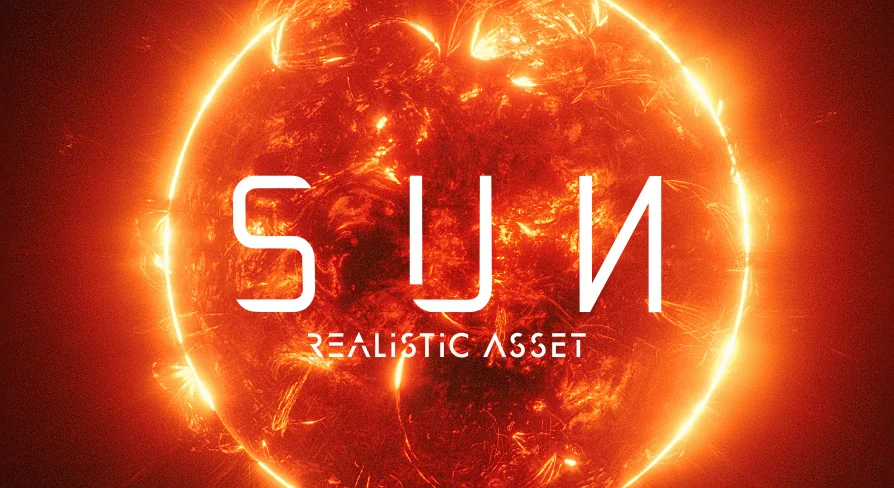
The foundation of this asset was established through the extensive study of real videos and photographs of the Sun. Rather than relying purely on procedural noise generation from scratch, the visual behavior of the star is directly informed by how real solar phenomena operate. This grounded approach ensures that the resulting asset captures the authentic look of a massive, volatile celestial body, making it an immediate focal point for any space-oriented environment.
Replicating Plasma Behavior and Magnetic Storms
To achieve a high level of visual realism, the asset goes beyond basic glowing textures by simulating several distinct layers of stellar activity. The surface motion reflects the churning, turbulent nature of solar plasma. As the material animates, it replicates the continuous boiling effect of the sun's outer layers, giving the star a sense of immense energy and scale.
Crucially, the model incorporates the movement of prominences. These large, bright features extending outward from the sun's surface add necessary silhouette breakup and dynamic scale to the asset. Without prominences, a star can easily look like a flat circle against the blackness of space; with them, the star feels like a three-dimensional, erupting mass. Furthermore, the inclusion of magnetic storms and specific plasma behaviors ensures that the surface remains volatile and visually engaging across its entire surface area.
Material Customization and Displacement Settings
The core flexibility of the Ultra Realistic Sun lies in its highly adaptable material framework. While the asset is pre-configured to mimic our solar system's sun, the materials are designed to expose practically any parameter a developer or artist might need to adjust. This makes the asset exceptionally easy to use, allowing for rapid iteration without needing to rebuild complex shader networks.
Users have direct control over the animation speed. This parameter is vital for establishing scale and age; a massive, ancient star might feature slow, rolling plasma, while a highly active, turbulent sequence might require rapid surface motion. Color controls are also fully accessible, allowing the sun to be instantly shifted across the stellar spectrum. By simply adjusting the color parameter, artists can transform the asset from a yellow dwarf into a blue giant, a red supergiant, or a dying white dwarf.
Tiling adjustments help scale the surface details depending on the camera's proximity to the mesh. If a scene requires an extreme close-up of the solar surface, increasing the tiling ensures the plasma details remain crisp and proportionate. Additionally, the material provides specific controls for glow in different areas. This allows artists to isolate and tune the emission of the core surface separately from the prominences or the surrounding corona, balancing the star's brightness against the exposure settings of the wider scene.
To break up the perfect mathematical sphere of the base geometry, displacement settings are fully integrated into the material. By tweaking the displacement, the mesh gains actual physical depth, reacting accurately to the lighting and further emphasizing the chaotic, rolling nature of the magnetic storms and plasma.
Balancing Visual Realism with Gameplay Performance
Creating a photorealistic star that features physical displacement, complex plasma materials, and glowing prominences can easily become a bottleneck in rendering pipelines. However, this asset is explicitly built to find a golden mean in optimizing textures and meshes. It is not restricted solely to pre-rendered animation pipelines or heavy cinematic workflows.
The asset is fully designed to support active gameplay environments. The developers focused heavily on balancing the high-quality visual fidelity with the strict performance demands of real-time rendering. As a result, the photorealistic star model maintains very high performance, ensuring that dropping this complex celestial body into a level will not monopolize the project's rendering budget or cause severe frame rate drops during gameplay.
Integrating the 8K Mercury Asset
To ground the sun in a practical solar system context, the package includes an additional planetary asset: the planet Mercury. This is not simply a secondary rock mesh thrown in as an afterthought. The Mercury model is wrapped in exclusive, ultra-high-resolution 8K textures, making it highly suitable for foreground placements and detailed fly-by shots.
These 8K textures were manually crafted by referencing and utilizing materials gathered directly from NASA satellite imagery. This meticulous, manual approach to the planet's surface gives Mercury an exceptionally high level of geological accuracy. The massive texture resolution ensures that the planet holds up under extreme close-ups, perfectly matching the premium visual standard set by the primary star asset and providing immediate, realistic context for solar system scene building.
 Nature & Terrain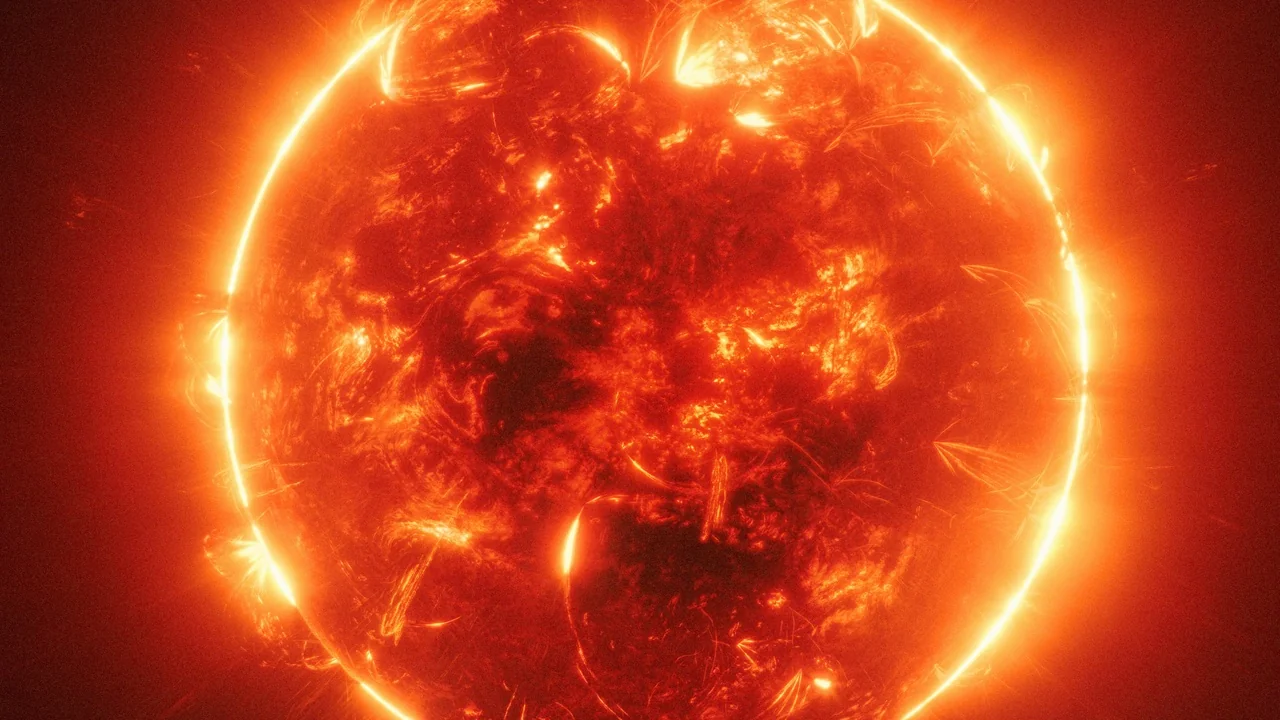
 Nature & Terrain
 Nature & Terrain
 Nature & Terrain