"7066dd76da796369"{"id":"27803","slug":"true-fighting-game-engine","title":"TRUE Fighting Game Engine","category":"Gameplay Features","engine":"5.5+","assetVersion":"Engine version: 5.5+","engineVersion":"Asset Version:1.6.2","tag":"Gameplay Features","accent":"blue","visual":"animation","summary":"TRUE Fighting Game Engine focuses on getting a fighting game scene moving quickly, from character selection to attacks, hit reactions, and multiplayer play. Its feature set covers both setup work and the moment-to-moment feel of combat, with support for 2.5...","platform":"Unreal Engine","publishedAt":"2026-04-29T06:07:36.000Z","updatedAt":"2026-04-29T06:07:37.000Z","sourceNotes":[],"fileContents":[],"compatibility":["Unreal Engine","Engine version: 5.5+","Asset Version: 1.6.2"],"featuredImage":{"alt":"TRUE Fighting Game Engine","src":"https://3dcghub.com/wp-content/uploads/2026/04/bd8f97d07537_6587df2c-727a-45b1-892a-3f3ed68e341b.webp"},"hasDownloadLink":true,"downloads":2,"terms":[{"taxonomy":"category","slug":"gameplay-features","name":"Gameplay Features"},{"taxonomy":"post_tag","slug":"game-systems","name":"Game Systems"},{"taxonomy":"post_tag","slug":"templates","name":"Templates"},{"taxonomy":"post_tag","slug":"unreal-engine-5","name":"Unreal Engine 5"}],"galleryImages":[{"src":"https://3dcghub.com/wp-content/uploads/2026/04/24163b63d7b1_976d2872-b5a7-4ec6-97b6-22148139a2ff.webp","alt":"TRUE Fighting Game Engine"},{"src":"https://3dcghub.com/wp-content/uploads/2026/04/fa1c7d52e139_e4373c12-2d42-4601-8023-f899512c4078.webp","alt":"TRUE Fighting Game Engine"},{"src":"https://3dcghub.com/wp-content/uploads/2026/04/c2b4935e4b41_b598c44b-58e9-42b4-a2a9-f287a92cc21d.webp","alt":"TRUE Fighting Game Engine"},{"src":"https://3dcghub.com/wp-content/uploads/2026/04/fdd258eba308_7ddf450e-6f2b-4d8a-b547-12ccc465eaf4.webp","alt":"TRUE Fighting Game Engine"},{"src":"https://3dcghub.com/wp-content/uploads/2026/04/627f4759ddc0_990b8f3e-d2cd-4fa0-9429-337a0519c0aa.webp","alt":"TRUE Fighting Game Engine"},{"src":"https://3dcghub.com/wp-content/uploads/2026/04/346353a73919_acff94ea-859d-47d6-b96a-e134ae5f1e07.webp","alt":"TRUE Fighting Game Engine"},{"src":"https://3dcghub.com/wp-content/uploads/2026/04/749962c019cb_44d64786-fcbc-428b-8cf6-403e88f51457.webp","alt":"TRUE Fighting Game Engine"},{"src":"https://3dcghub.com/wp-content/uploads/2026/04/5ad4bd780f17_d42007bd-c7ac-45ed-99f3-7ccc150192ff.webp","alt":"TRUE Fighting Game Engine"},{"src":"https://3dcghub.com/wp-content/uploads/2026/04/a95f481ed2b3_24840201-6085-4585-a235-a39446b298f7.webp","alt":"TRUE Fighting Game Engine"},{"src":"https://3dcghub.com/wp-content/uploads/2026/04/aea1127ccf81_31973522-2cf3-4c6c-a9b4-13456b7d2ae5.webp","alt":"TRUE Fighting Game Engine"}],"accessPanel":{"kind":"resource","title":"Access this resource","eyebrow":"Free Download","message":"Log in or create a free account to start your download.","fileName":"TRUEFightingGameEngine.7z","safetyNote":"All resources are 100% manually reviewed to eliminate all risks.","actionLabel":"Download Free","resourceType":"Resource archive"},"contentHtml":"\u003cp\u003eA match starts with immediate response, quick transitions into combat, and room to shape the fight around either a side-on format or a freer 3D approach. TRUE Fighting Game Engine centers on that hands-on layer of fighting game production: character setup, attack definition, hit reactions, and the systems needed to support both solo and multiplayer play.\u003c/p\u003e\u003cp\u003eThe project is described as a lightweight and powerful fighting game engine, and the emphasis stays practical throughout. It supports single-player and multiplayer, including local and network gameplay features, while also targeting quick loading time in the combat system and super-quick input response. That combination places the focus on implementation as much as presentation, especially for teams that need the core fighting loop to feel immediate once a scene is running.\u003c/p\u003e\u003ch2\u003eTRUE Fighting Game Engine starts with the fighting flow\u003c/h2\u003e\u003cp\u003eInstead of stopping at a basic template, TRUE Fighting Game Engine lays out a workflow tied directly to fighting game structure. Character selection is part of that foundation through a Character Select Menu, which gives the project an entry point before combat even begins.\u003c/p\u003e\u003cp\u003eRoster building is also called out in concrete terms. The available game systems include adding a character and adding a Metahuman character, which makes character integration part of the advertised workflow rather than an afterthought. For teams testing different fighters or iterating on a cast, that matters because the engine is not framed only as a finished demo scenario. It presents itself as something meant to be extended through character additions and changes to the existing setup.\u003c/p\u003e\u003cp\u003eAnimation-side implementation is present in the same workflow. Applying Motion Matching to fighting game systems and changing basic movement animations are both named directly, showing that the engine is not locked to one untouched movement set. The resource points to the work of adjusting how fighters move, not just how they attack, which is important in projects where stance, locomotion, and responsiveness define the tone of the combat.\u003c/p\u003e\u003ch2\u003eCharacter Select Menu, Motion Matching, and fighter setup\u003c/h2\u003e\u003cp\u003eThe most useful detail here is how many of the featured systems are tied to steps a developer actually performs while building out a game. Character Select Menu support handles pre-fight flow. Adding a character extends the roster. Adding a Metahuman character opens a more specific path for projects already using that kind of character workflow. Applying Motion Matching to fighting game systems suggests that movement can be brought into the combat framework in a more structured way, while changing basic movement animations points to further adjustment at the foundation level.\u003c/p\u003e\u003cp\u003eThese are not isolated features listed without context. Together, they outline a setup path: choose fighters, bring in new ones, adapt character motion, and revise movement behavior before layering attacks on top. That gives TRUE Fighting Game Engine a more implementation-focused identity than a simple visual showcase. The creator also points to video tutorials covering these systems, including the setup steps around character work, animation changes, attack combos, and hit reactions.\u003c/p\u003e\u003cp\u003eThere is also a production-ready claim attached to the system. In practical terms, that sits alongside the fast combat loading and quick input response, reinforcing that the engine aims to move beyond concept-level prototyping into something structured enough to support active game construction.\u003c/p\u003e\u003ch2\u003eAttack combos and hit reactions without extra game systems\u003c/h2\u003e\u003cp\u003eCombat creation is framed around reducing setup friction. TRUE Fighting Game Engine states that combos can be created with no extra effort by specifying the keys when adding attacks to the game systems. That is one of the clearest implementation details available, and it reveals a lot about the intended workflow. Rather than building a separate combo framework from scratch, developers can define attack behavior through the existing system by assigning the needed inputs.\u003c/p\u003e\u003cp\u003eHit reactions are mentioned alongside combo work, which keeps offense and response linked in the same development path. For a fighting game template, that pairing matters more than a long list of disconnected features. A fighter does not only need attacks to trigger; the exchange must also read clearly when strikes connect. The engine’s focus on adding attack combos and hit reactions suggests that the resource is shaped around the back-and-forth rhythm of actual matches rather than static move demonstrations.\u003c/p\u003e\u003cp\u003eAnother notable point is the promise to create advanced gameplay features for a fighting game template without additional game systems. That line positions the engine as a consolidated framework. The value there is not about quantity of features but about reducing the need to branch into separate subsystems just to extend combat behavior. For developers, that can simplify implementation when expanding a template into something more specialized.\u003c/p\u003e\u003ch2\u003e2.5D and 3D mode support in TRUE Fighting Game Engine\u003c/h2\u003e\u003cp\u003eFighting games can demand very different spatial logic depending on the style, and TRUE Fighting Game Engine explicitly supports both 2.5D and 3D modes. The examples attached to that support are clear: one side of the spectrum follows a Mortal Combat style approach, while the other follows a Tekken style fighting game system. The wording keeps the focus on need-based choice, letting a project lean toward one format or the other depending on how combat should read and move.\u003c/p\u003e\u003cp\u003eThat flexibility changes the creative use of the engine. A developer working on a side-oriented fighting game can stay within a 2.5D structure, while a project that needs fuller 3D spatial interaction has a separate mode to match that goal. Because this support is stated directly as part of the engine, it stands as one of the biggest scope indicators in the feature set.\u003c/p\u003e\u003cp\u003eMultiplayer support expands that scope further. TRUE Fighting Game Engine includes local and network gameplay features, which means its combat systems are not limited to solo testing or offline-only structure. Combined with single-player support, the engine covers several common scales of fighting game development without shifting away from its core focus on combat flow, input handling, and system setup.\u003c/p\u003e\u003cp\u003eFor teams evaluating it as a practical base, the strongest takeaway is straightforward: TRUE Fighting Game Engine ties character setup, movement changes, combo definition, hit reactions, and both 2.5D and 3D fighting styles into one production-ready combat framework with local and network multiplayer support.\u003c/p\u003e","contentTextLength":6692,"navigation":{"current":2230,"total":4016,"previous":{"id":"27816","slug":"the-great-tree-environment-fantasy-soulslike-soulslike-fantasy-mystic-art","title":"The Great Tree Environment ( Fantasy Soulslike Soulslike Fantasy Mystic Art )","category":"Fantasy","platform":"Unreal Engine","updatedAt":"2026-04-29T09:00:26.000Z"},"next":{"id":"24823","slug":"ultimate-open-world","title":"Ultimate Open World","category":"Shooter","platform":"Unreal Engine","updatedAt":"2026-04-29T05:47:19.000Z"}},"relatedResources":[{"id":"28394","slug":"advanced-framework-vr-mobile-desktop","title":"Advanced Framework - VR, Mobile \u0026 Desktop","category":"Gameplay Features","engine":"5.0+","assetVersion":"Engine version: 5.0+","engineVersion":"","tag":"Gameplay Features","accent":"blue","visual":"luts","summary":"Advanced Framework is a production-ready foundation for VR, desktop, and mobile applications. It combines first-person control setups, interaction systems, multiplayer replication, navigation modes, and adaptable UI tools in one package.","platform":"Unreal Engine","publishedAt":"2026-05-12T09:33:53.000Z","updatedAt":"2026-05-12T09:33:54.000Z","sourceNotes":[],"fileContents":[],"compatibility":["Unreal Engine","Engine version: 5.0+"],"featuredImage":{"alt":"Advanced Framework - VR, Mobile \u0026 Desktop","src":"https://3dcghub.com/wp-content/uploads/2026/05/98ecd66b1773_1af6d69e-fbe1-435d-abdf-cc772ef3b31f.webp"},"hasDownloadLink":true,"downloads":0},{"id":"27841","slug":"teleportation-and-portal","title":"Teleportation and Portal","category":"Gameplay Features","engine":"5.0+","assetVersion":"Engine version: 5.0+","engineVersion":"4.22","tag":"Gameplay Features","accent":"blue","visual":"mech","summary":"Teleportation and Portal centers on one clear job: moving characters through portals without manual friction. Its strongest practical angle is online multiplayer, with a replicated, customizable, and automatic setup backed by Blueprint, Niagara, particles,...","platform":"Unreal Engine","publishedAt":"2026-04-29T10:56:20.000Z","updatedAt":"2026-04-29T10:56:21.000Z","sourceNotes":[],"fileContents":[],"compatibility":["Unreal Engine","Engine version: 5.0+"],"featuredImage":{"alt":"Teleportation and Portal","src":"https://3dcghub.com/wp-content/uploads/2026/04/b75b5cbdd2e1_e4771e4d-77b5-48e2-8b4f-31654a1f53e7.webp"},"hasDownloadLink":true,"downloads":0},{"id":"1000980","slug":"basic-locomotion-system-replicated","title":"Basic Locomotion System (REPLICATED)","category":"Gameplay Features","engine":"5.0+","assetVersion":"","engineVersion":"Engine Version: 5.0+","tag":"Gameplay Features","accent":"blue","visual":"animation","summary":"A ground-up locomotion system for the UE5 Skeleton using Lyra animations, built as a simple third-person template with MetaHuman integration and multiplayer inv","platform":"Unreal Engine","publishedAt":"2026-08-18T05:57:51.717Z","updatedAt":"2026-08-18T05:57:51.717Z","sourceNotes":[],"fileContents":[],"compatibility":["Unreal Engine","Engine Version: 5.0+"],"featuredImage":{"alt":"Basic Locomotion System (REPLICATED)","src":"/wp-content/uploads/published/2026/08/497370037da8-24315aeb-c8a9-4077-aa37-d1119fdcf17d-0970e54182.webp"},"hasDownloadLink":true,"downloads":4}]}
Gameplay Features
TRUE Fighting Game Engine
TRUE Fighting Game Engine focuses on getting a fighting game scene moving quickly, from character selection to attacks, hit reactions, and multiplayer play. Its feature set covers both setup work and the moment-to-moment feel of combat, with support for 2.5...
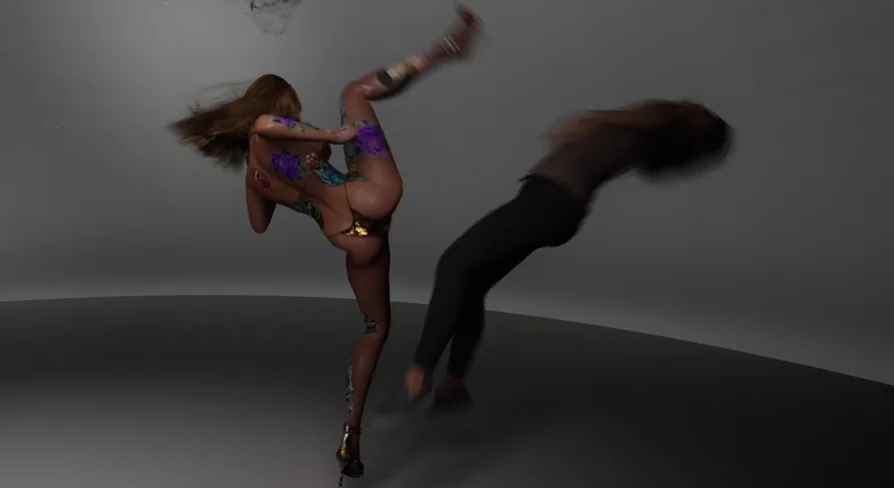
A match starts with immediate response, quick transitions into combat, and room to shape the fight around either a side-on format or a freer 3D approach. TRUE Fighting Game Engine centers on that hands-on layer of fighting game production: character setup, attack definition, hit reactions, and the systems needed to support both solo and multiplayer play.
The project is described as a lightweight and powerful fighting game engine, and the emphasis stays practical throughout. It supports single-player and multiplayer, including local and network gameplay features, while also targeting quick loading time in the combat system and super-quick input response. That combination places the focus on implementation as much as presentation, especially for teams that need the core fighting loop to feel immediate once a scene is running.
TRUE Fighting Game Engine starts with the fighting flow
Instead of stopping at a basic template, TRUE Fighting Game Engine lays out a workflow tied directly to fighting game structure. Character selection is part of that foundation through a Character Select Menu, which gives the project an entry point before combat even begins.
Roster building is also called out in concrete terms. The available game systems include adding a character and adding a Metahuman character, which makes character integration part of the advertised workflow rather than an afterthought. For teams testing different fighters or iterating on a cast, that matters because the engine is not framed only as a finished demo scenario. It presents itself as something meant to be extended through character additions and changes to the existing setup.
Animation-side implementation is present in the same workflow. Applying Motion Matching to fighting game systems and changing basic movement animations are both named directly, showing that the engine is not locked to one untouched movement set. The resource points to the work of adjusting how fighters move, not just how they attack, which is important in projects where stance, locomotion, and responsiveness define the tone of the combat.
Character Select Menu, Motion Matching, and fighter setup
The most useful detail here is how many of the featured systems are tied to steps a developer actually performs while building out a game. Character Select Menu support handles pre-fight flow. Adding a character extends the roster. Adding a Metahuman character opens a more specific path for projects already using that kind of character workflow. Applying Motion Matching to fighting game systems suggests that movement can be brought into the combat framework in a more structured way, while changing basic movement animations points to further adjustment at the foundation level.
These are not isolated features listed without context. Together, they outline a setup path: choose fighters, bring in new ones, adapt character motion, and revise movement behavior before layering attacks on top. That gives TRUE Fighting Game Engine a more implementation-focused identity than a simple visual showcase. The creator also points to video tutorials covering these systems, including the setup steps around character work, animation changes, attack combos, and hit reactions.
There is also a production-ready claim attached to the system. In practical terms, that sits alongside the fast combat loading and quick input response, reinforcing that the engine aims to move beyond concept-level prototyping into something structured enough to support active game construction.
Attack combos and hit reactions without extra game systems
Combat creation is framed around reducing setup friction. TRUE Fighting Game Engine states that combos can be created with no extra effort by specifying the keys when adding attacks to the game systems. That is one of the clearest implementation details available, and it reveals a lot about the intended workflow. Rather than building a separate combo framework from scratch, developers can define attack behavior through the existing system by assigning the needed inputs.
Hit reactions are mentioned alongside combo work, which keeps offense and response linked in the same development path. For a fighting game template, that pairing matters more than a long list of disconnected features. A fighter does not only need attacks to trigger; the exchange must also read clearly when strikes connect. The engine’s focus on adding attack combos and hit reactions suggests that the resource is shaped around the back-and-forth rhythm of actual matches rather than static move demonstrations.
Another notable point is the promise to create advanced gameplay features for a fighting game template without additional game systems. That line positions the engine as a consolidated framework. The value there is not about quantity of features but about reducing the need to branch into separate subsystems just to extend combat behavior. For developers, that can simplify implementation when expanding a template into something more specialized.
2.5D and 3D mode support in TRUE Fighting Game Engine
Fighting games can demand very different spatial logic depending on the style, and TRUE Fighting Game Engine explicitly supports both 2.5D and 3D modes. The examples attached to that support are clear: one side of the spectrum follows a Mortal Combat style approach, while the other follows a Tekken style fighting game system. The wording keeps the focus on need-based choice, letting a project lean toward one format or the other depending on how combat should read and move.
That flexibility changes the creative use of the engine. A developer working on a side-oriented fighting game can stay within a 2.5D structure, while a project that needs fuller 3D spatial interaction has a separate mode to match that goal. Because this support is stated directly as part of the engine, it stands as one of the biggest scope indicators in the feature set.
Multiplayer support expands that scope further. TRUE Fighting Game Engine includes local and network gameplay features, which means its combat systems are not limited to solo testing or offline-only structure. Combined with single-player support, the engine covers several common scales of fighting game development without shifting away from its core focus on combat flow, input handling, and system setup.
For teams evaluating it as a practical base, the strongest takeaway is straightforward: TRUE Fighting Game Engine ties character setup, movement changes, combo definition, hit reactions, and both 2.5D and 3D fighting styles into one production-ready combat framework with local and network multiplayer support.
Preview Gallery
Resource screenshots
10 curated preview images
1 / 10
Free Download
Download this resource
Log in or create a free account to start your download.
All resources are 100% manually reviewed to eliminate all risks.
 Gameplay Features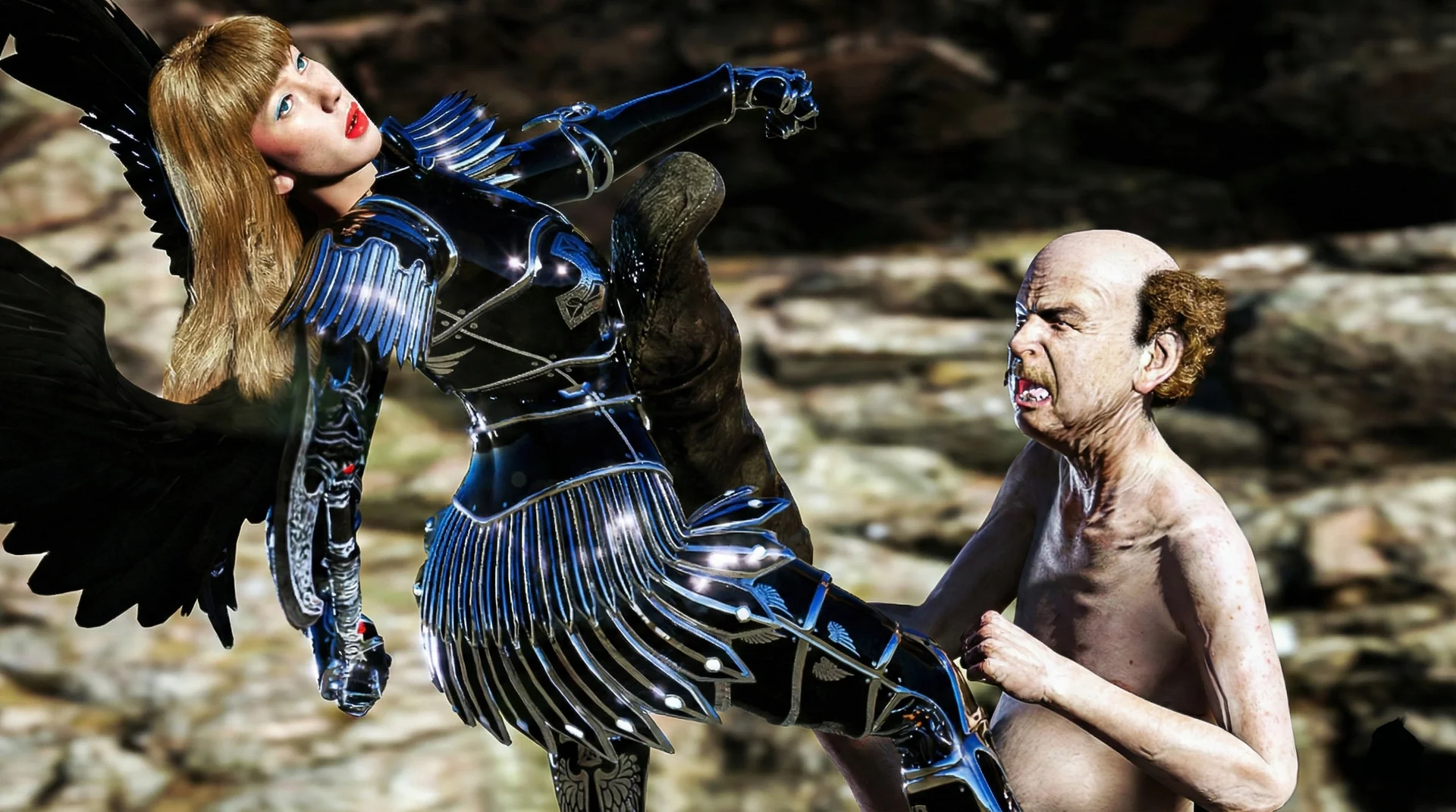
 Gameplay Features
 Gameplay Features
 Gameplay Features