Efficient Level Mapping with Tile Based Minimap
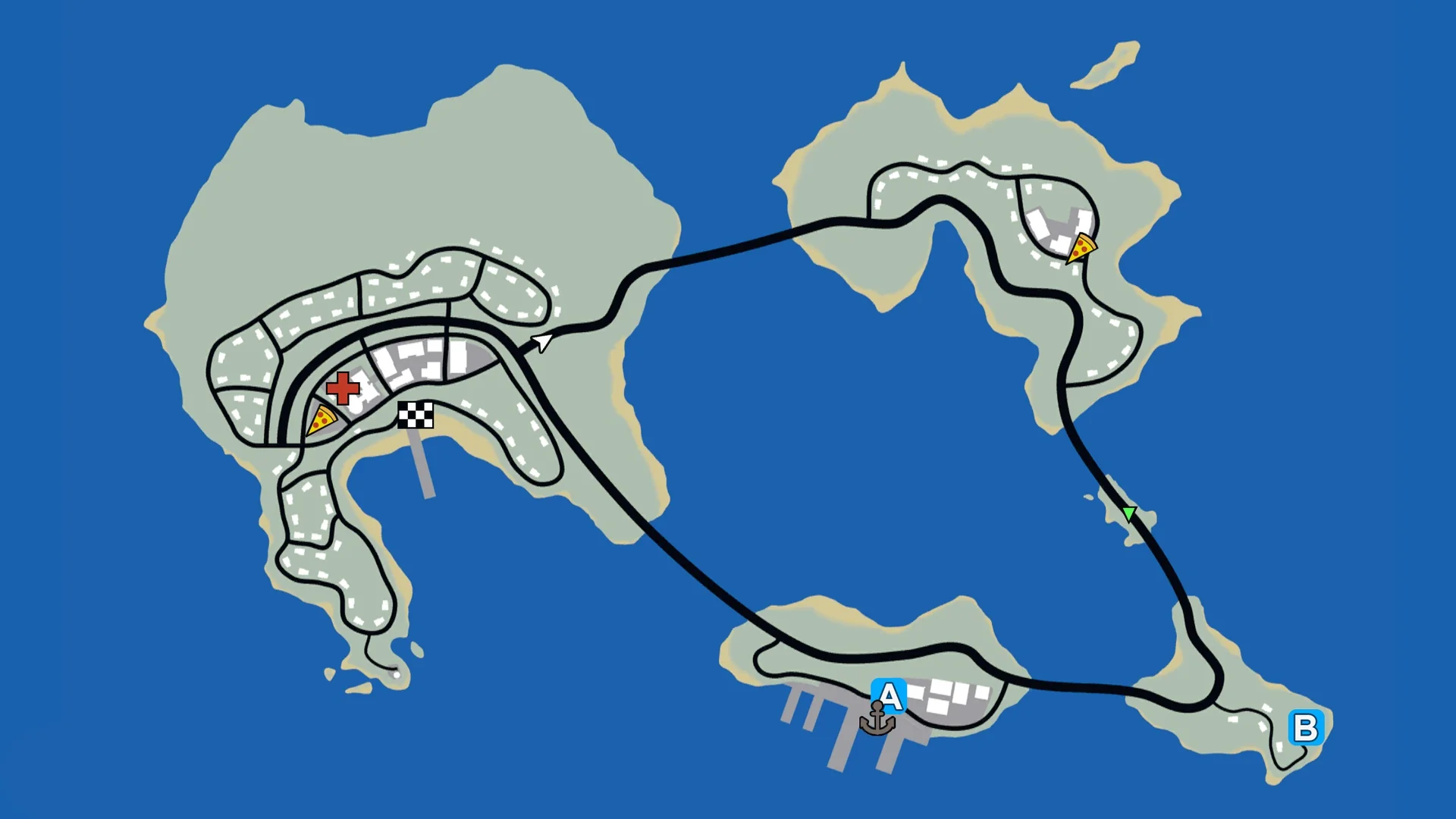
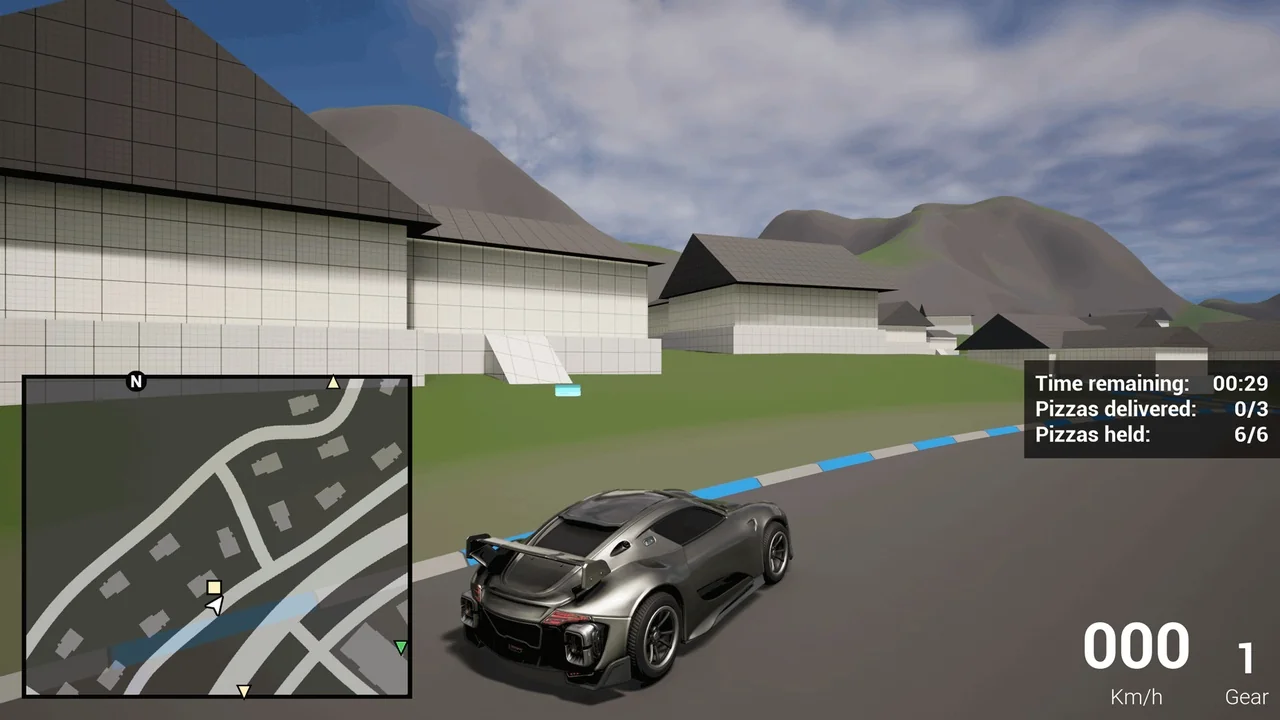
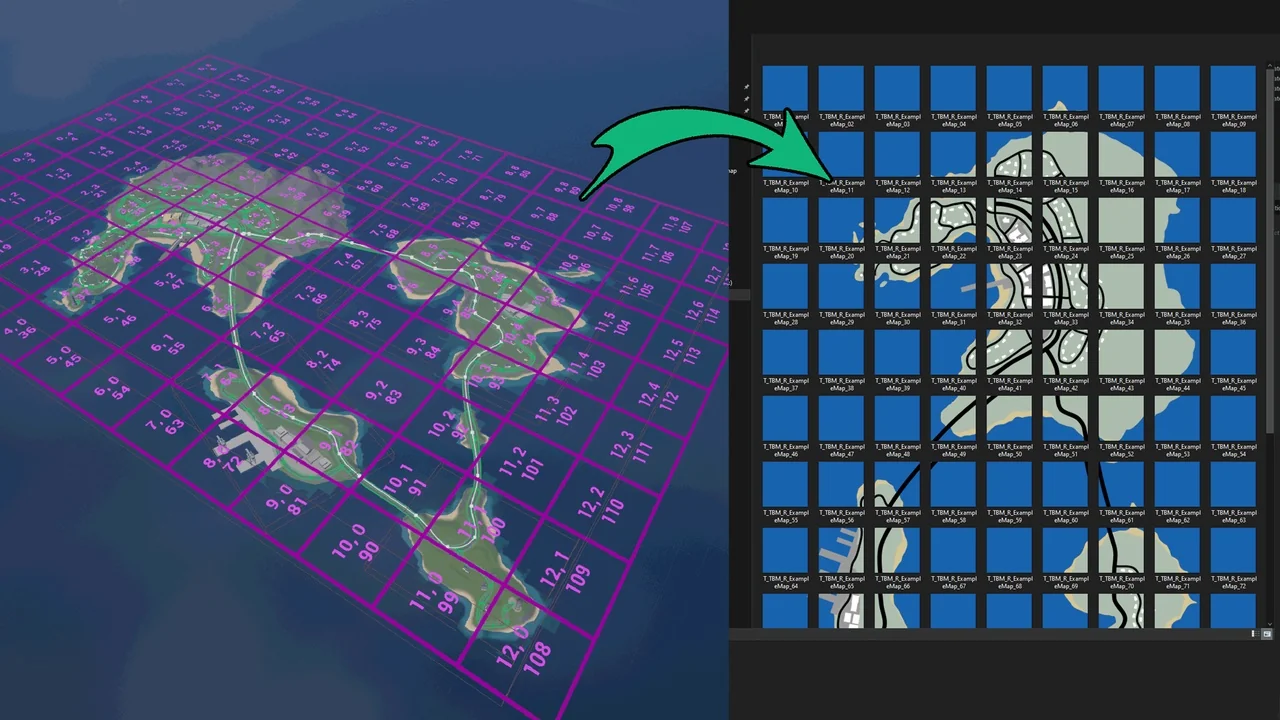
The Tile Based Minimap is a comprehensive solution for creating high-quality navigation systems within the Unreal Editor. This tool allows developers to generate in-game maps based on pre-rendered images taken directly from their levels. By breaking these images into tiles, the system loads them dynamically during gameplay to ensure optimal performance. Furthermore, the developer designed this plugin to be highly versatile for various project types.
Advanced Rendering and Customization
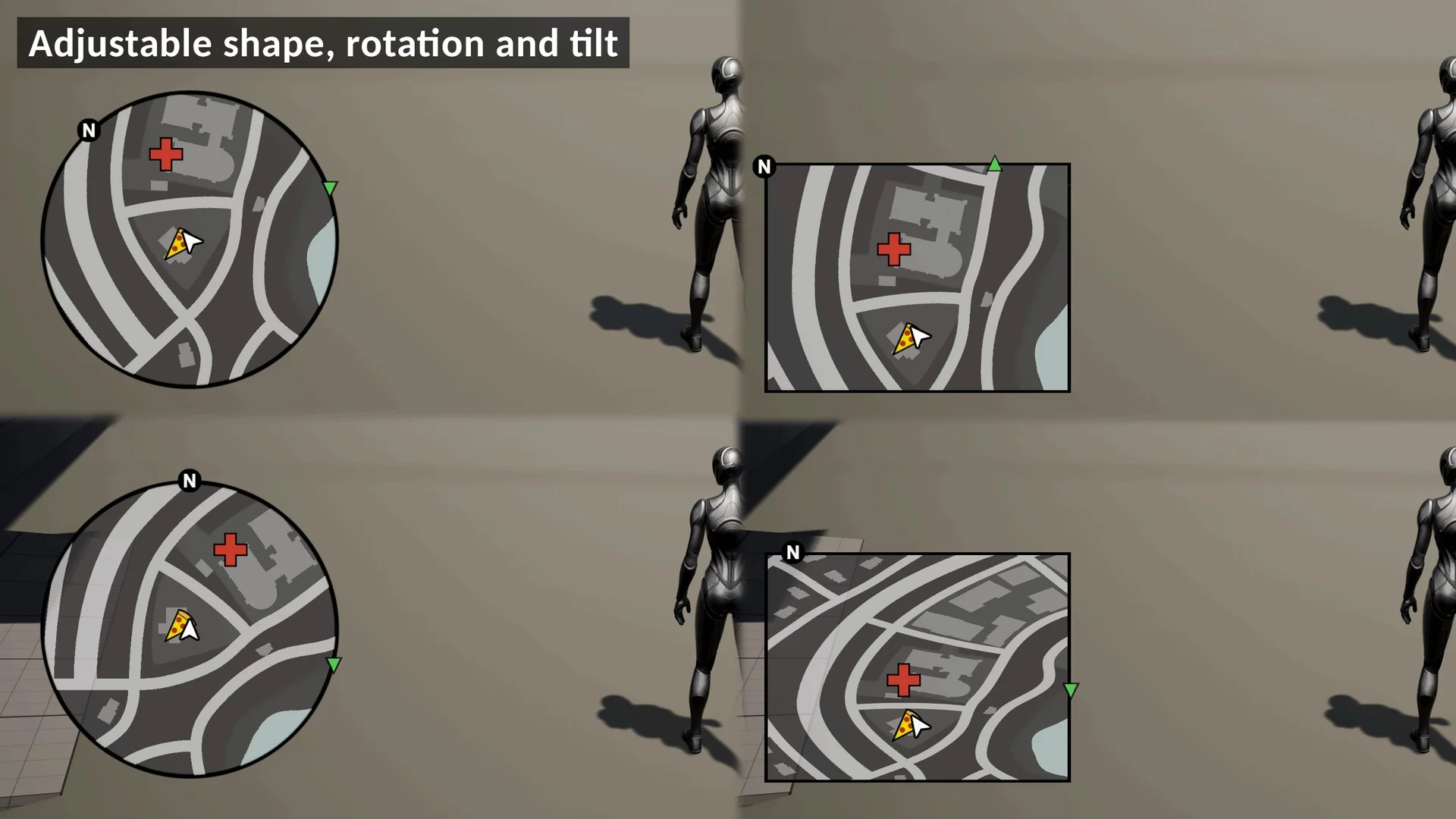
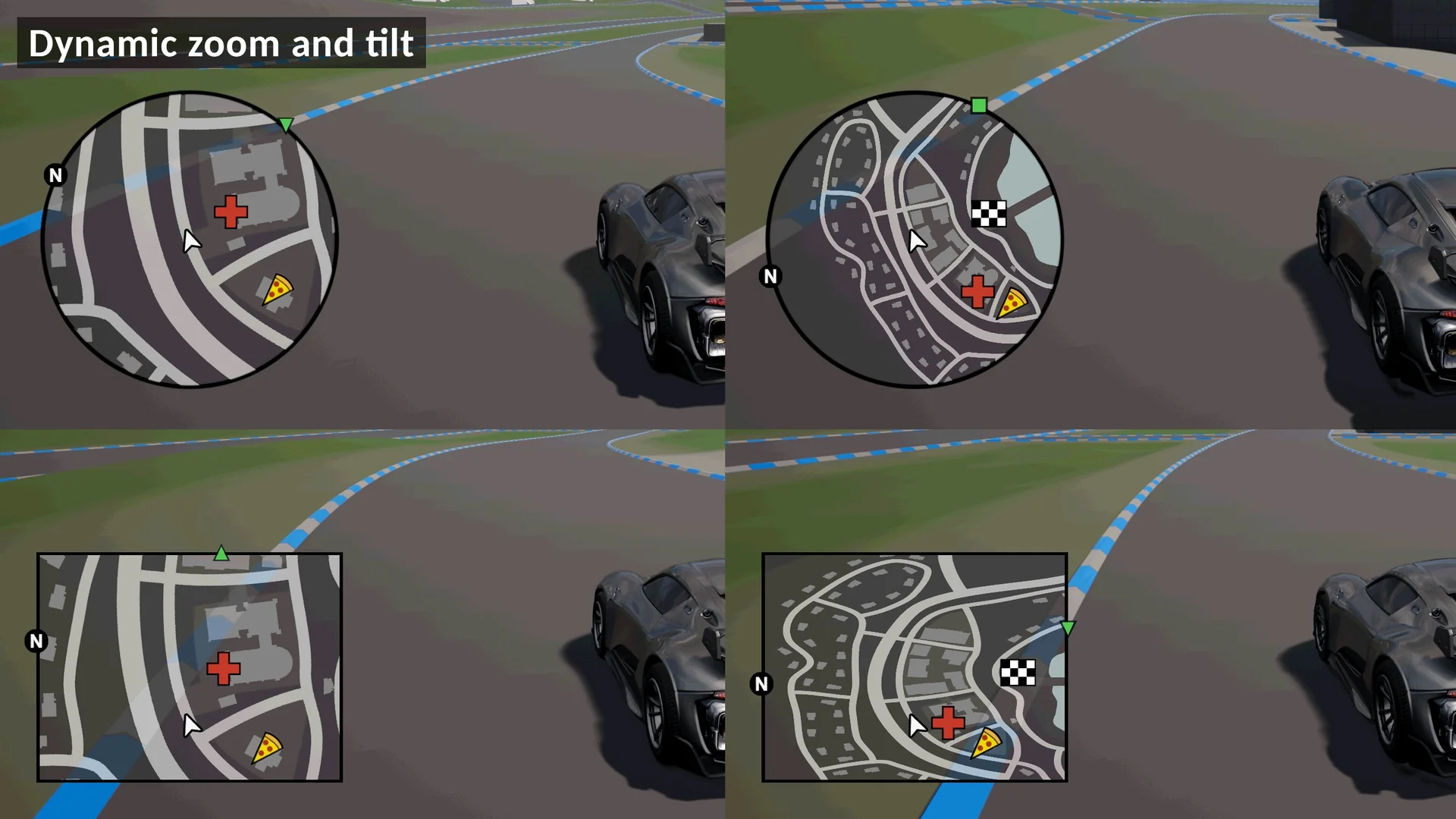
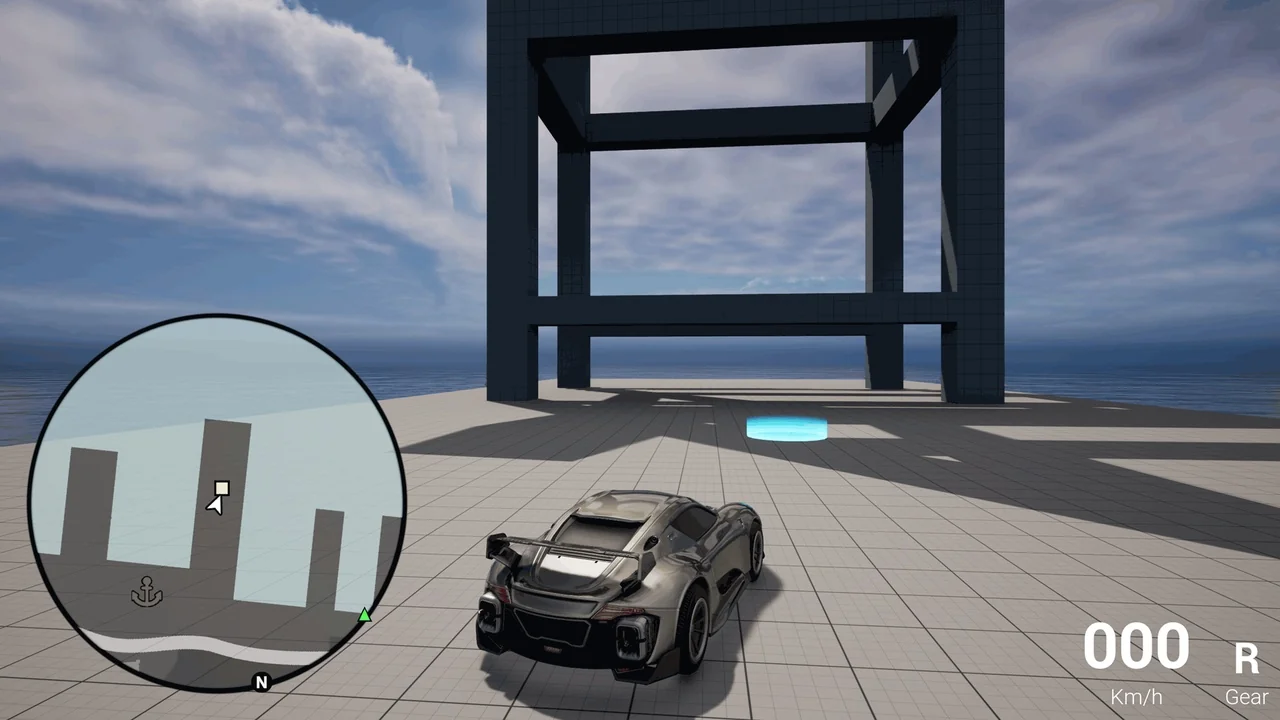
Users can render top-down images of their levels within the editor for immediate use or export them to external software. Consequently, this flexibility simplifies the workflow for creating detailed environments. The Tile Based Minimap also allows for extensive UI customization. You can easily change map shapes, zoom levels, and tilt settings. Additionally, the system supports both fixed and dynamic rotation modes to suit your gameplay needs.
Dynamic Blips and Icon Management
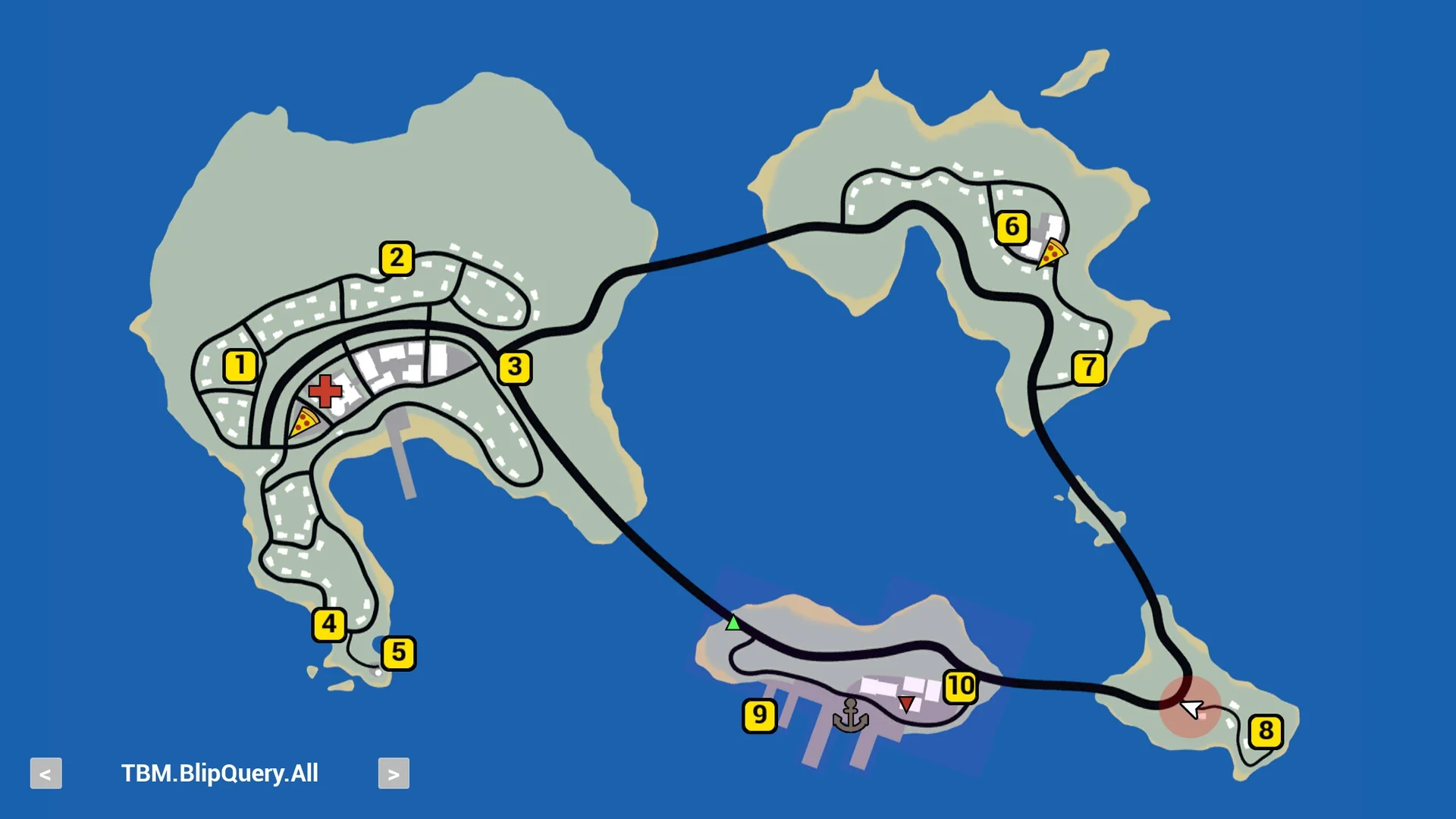
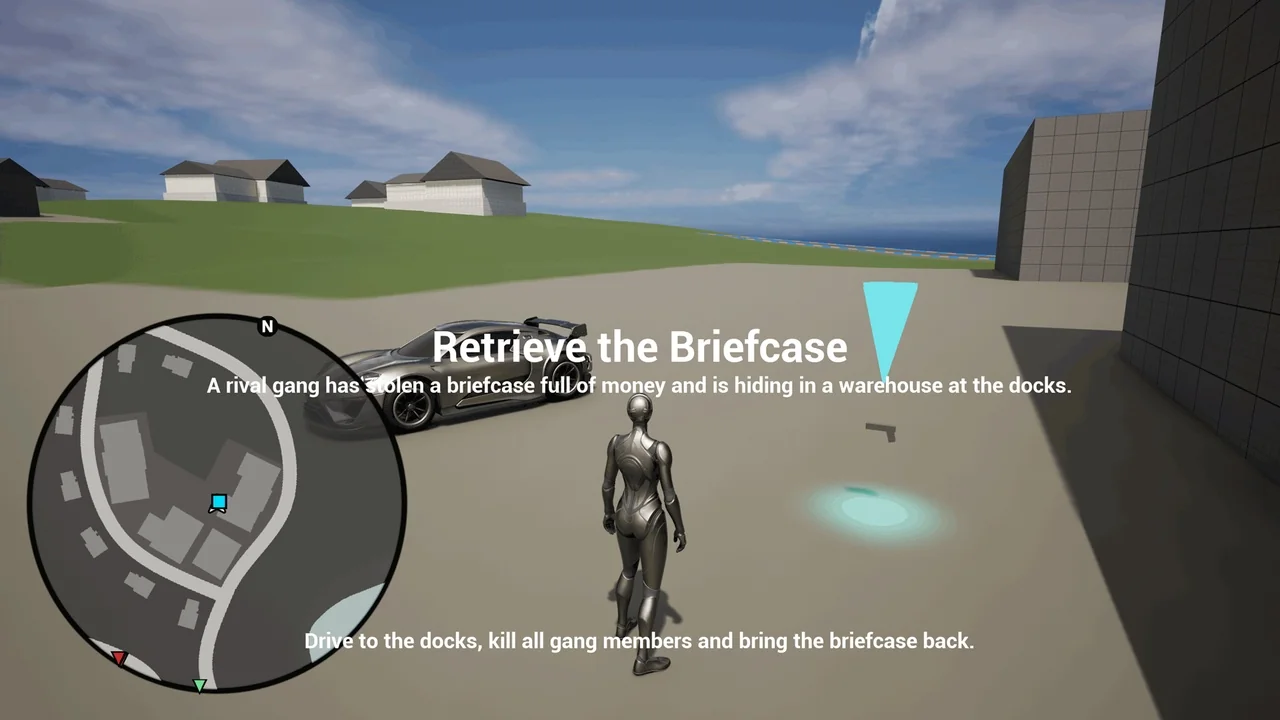
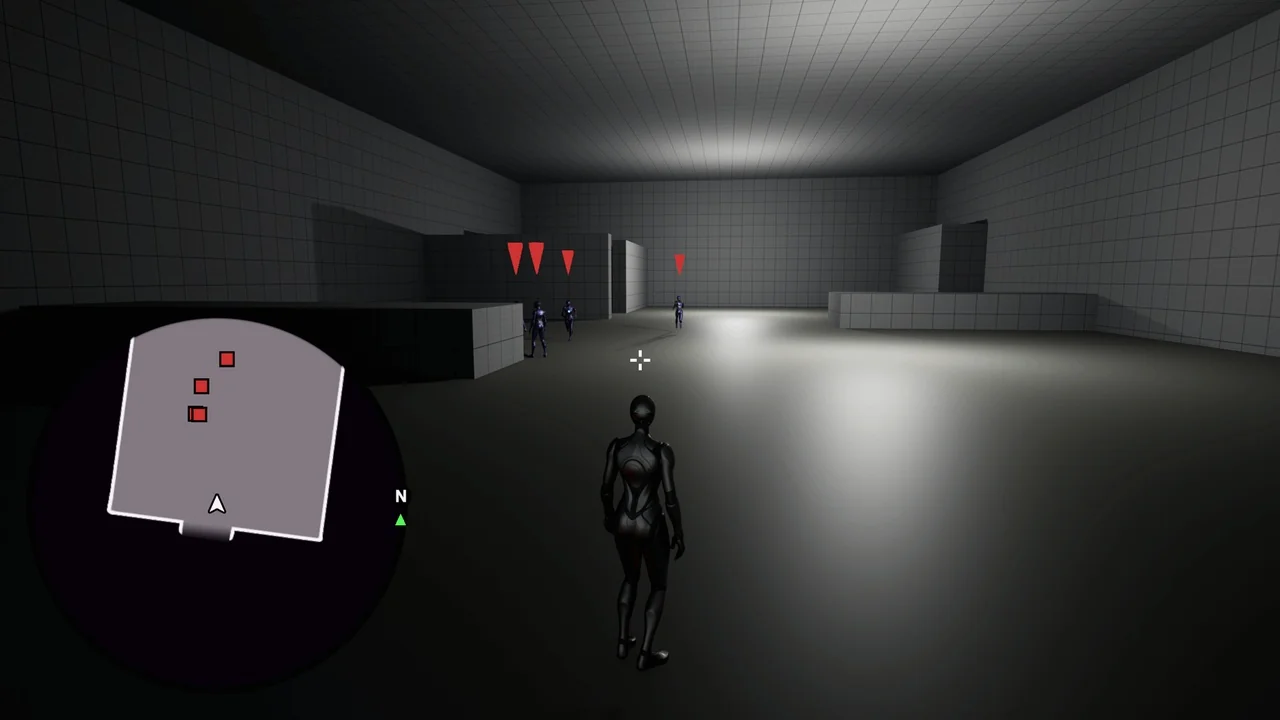
Managing map icons is straightforward and efficient. Users can create blips using data tables and a single function from the provided subsystem. Moreover, multiple widgets can source information from a single blip simultaneously. Because the system does not require specific actors for blips, transform data is sourced directly from scene components. For non-interactable widgets, UI calculations can be handled directly through the material to optimize performance.
Navigation and Multi-Grid Support
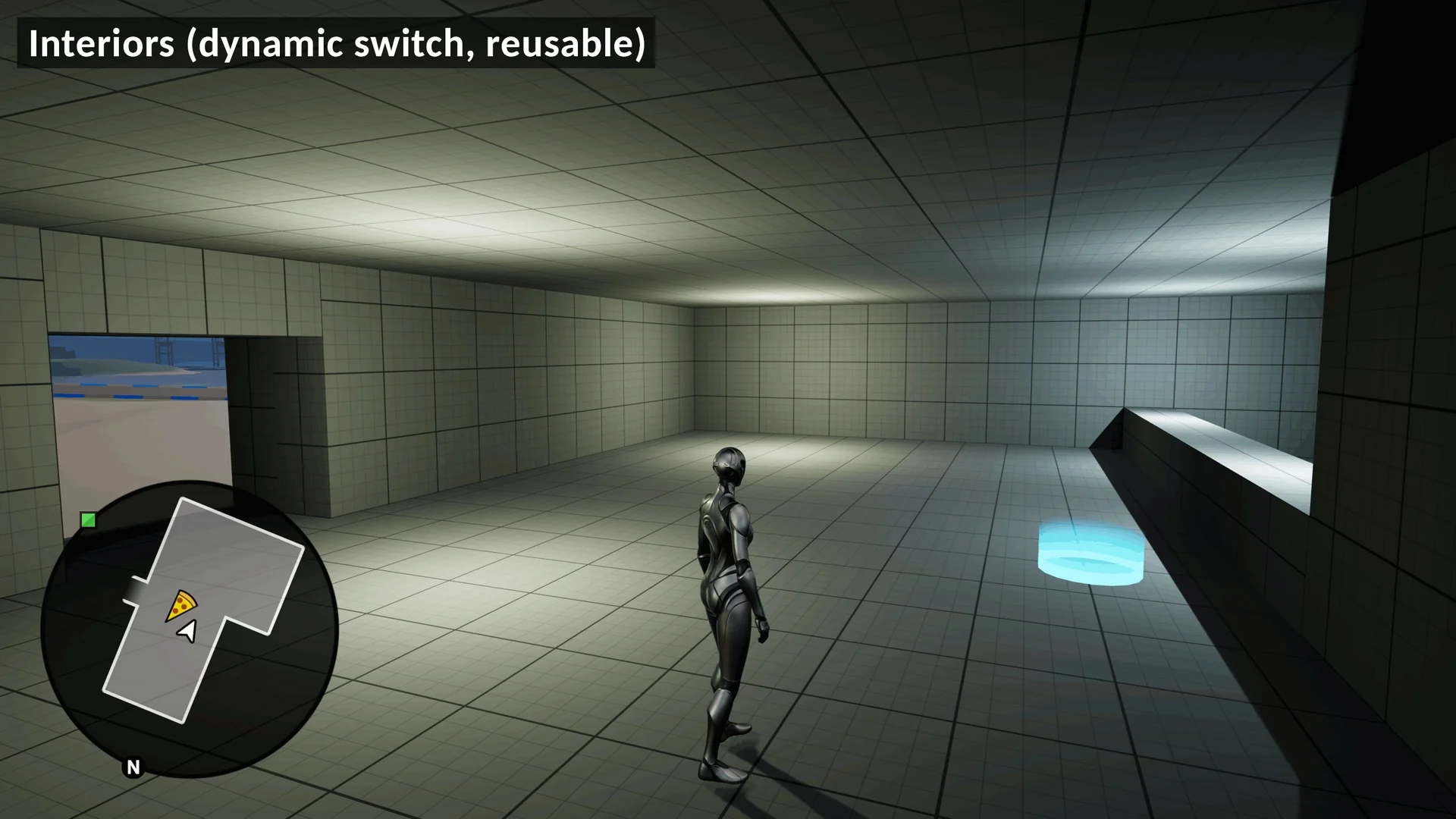
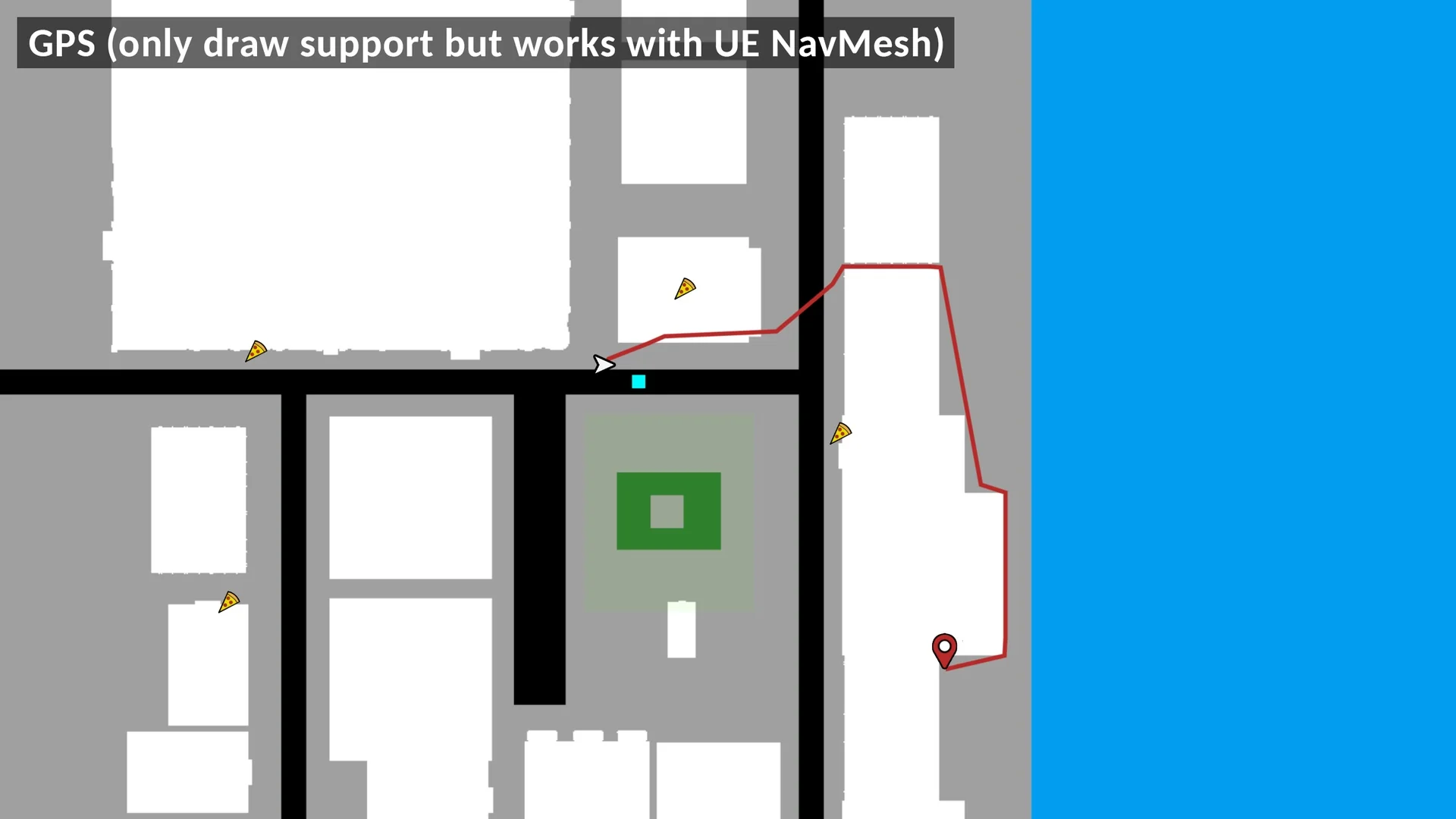
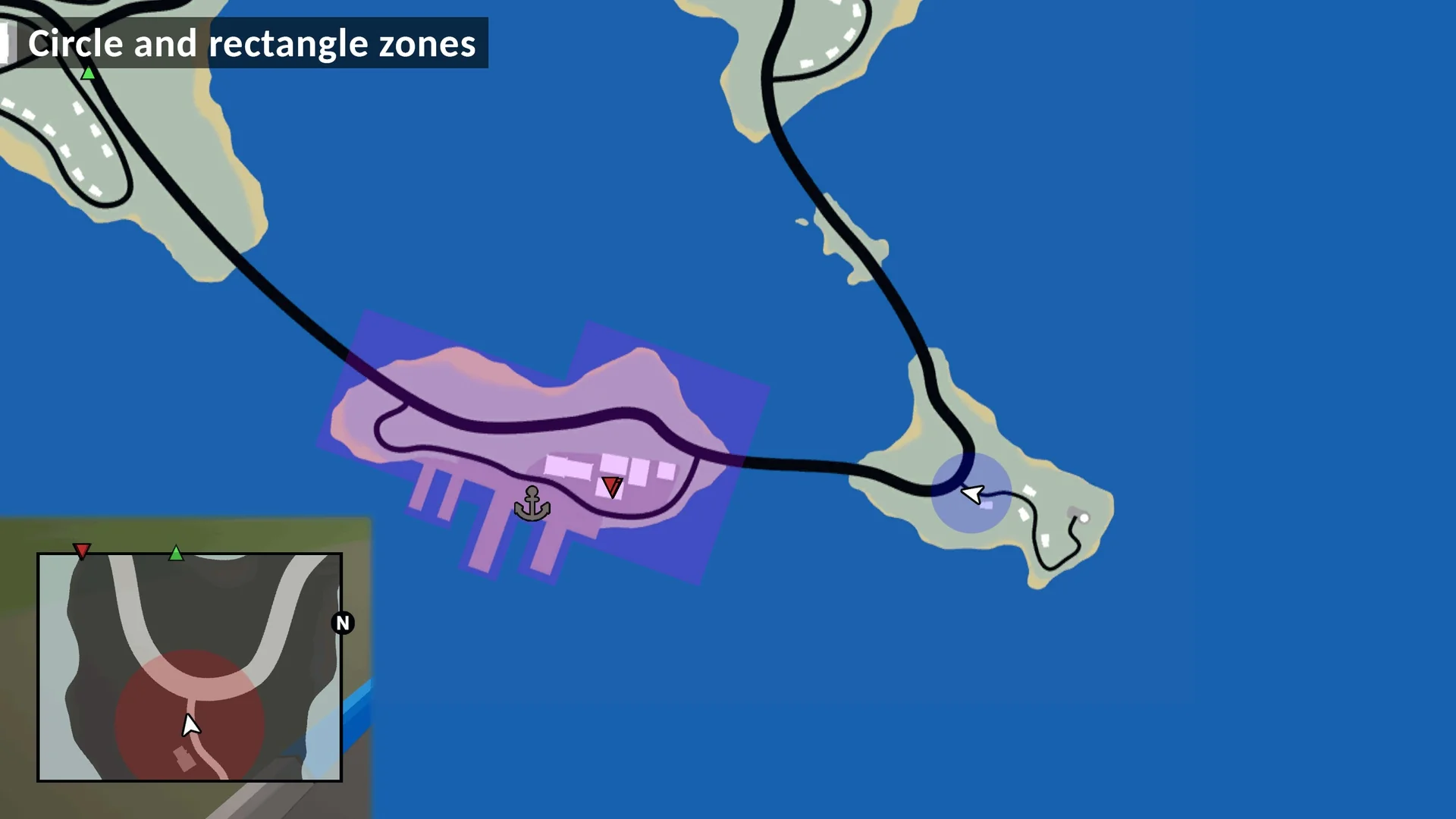
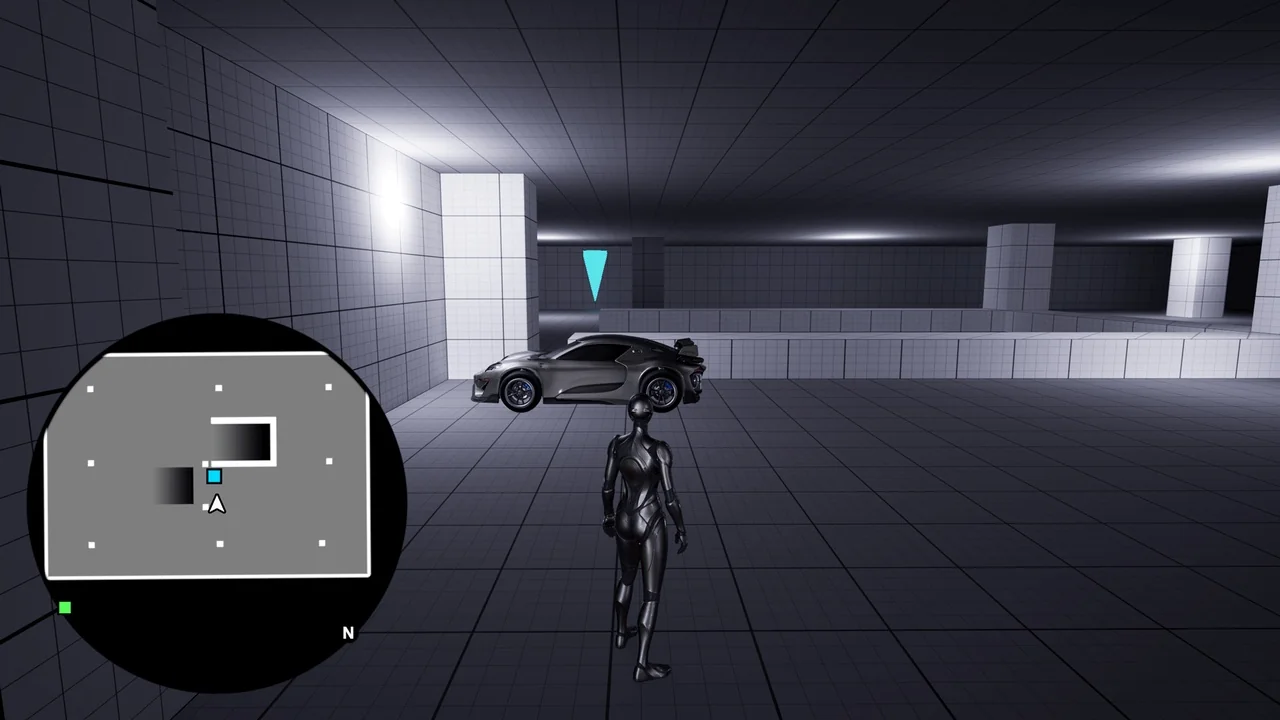
The Tile Based Minimap excels in complex environments. It supports multiple grids within a single level, allowing the system to switch between them based on player location. Therefore, it is an ideal choice for games featuring intricate interiors or varying heights. Additionally, the system can take world locations and draw a route on the grid, functioning similarly to a GPS. Users can also mark specific zones or place symbols to guide players effectively.
Replication and Visual Quality
For multiplayer projects, the Blip Replicator component handles both static and dynamic replication. Client-side blips can bind to their local sources or use replicated values as needed. To improve visual fidelity, the system offers optional material-based transformations to reduce pixel jitter. Furthermore, you can set blip scale and opacity based on their distance to the map border for smooth fading effects. Finally, the entire plugin is exposed to Blueprints, ensuring developers can customize every aspect of the system.
Screenshots & Gallery