"0148f1904a9b0d16"{"id":"1002605","slug":"stylized-fantasy-characters","title":"Stylized Fantasy Characters","category":"Humans","engine":"5.4+","assetVersion":"","engineVersion":"Engine Version: 5.4+","tag":"Humans","accent":"blue","visual":"character","summary":"A technical look at Stylized Fantasy Characters, covering dual humanoid rigs, facial visemes, removable cloaks, and cross-engine pipeline setup.","platform":"Unreal Engine","indexPolicy":"index","publishedAt":"2026-11-14T05:59:39.780Z","updatedAt":"2026-11-14T05:59:39.780Z","sourceNotes":[],"fileContents":[],"compatibility":["Unreal Engine","Engine Version: 5.4+"],"featuredImage":{"alt":"Stylized Fantasy Characters","src":"/wp-content/uploads/published/2026/11/e0a6ea56fa56-ac35f521-6dee-42d2-bdfb-c8f180c8bd7f-94954f69c5.webp"},"hasDownloadLink":true,"downloads":0,"terms":[{"taxonomy":"category","slug":"humans","name":"Humans"}],"galleryImages":[{"src":"/wp-content/uploads/published/2026/11/20d273934170-9b0d0f0c-3543-4cd4-a753-79d3eca1e1c8-16c7b866fe.webp","alt":"Stylized Fantasy Characters"},{"src":"/wp-content/uploads/published/2026/11/f84075b0fc88-92762062-42e6-4224-9c43-23fca94434d1-e7bf50335f.webp","alt":"Stylized Fantasy Characters"},{"src":"/wp-content/uploads/published/2026/11/2b1466dbc188-223c9fad-1163-4698-8e40-6ff28dcc912f-dc08690784.webp","alt":"Stylized Fantasy Characters"},{"src":"/wp-content/uploads/published/2026/11/5e095aebe759-0fac6fcc-152e-4f69-ac8f-73cb0f29a9a5-08e842e82f.webp","alt":"Stylized Fantasy Characters"},{"src":"/wp-content/uploads/published/2026/11/9992a12f39a4-d84481cd-79b8-4cd1-bbbf-2d45268e4f87-82412eac60.webp","alt":"Stylized Fantasy Characters"},{"src":"/wp-content/uploads/published/2026/11/d0b9bd7aba04-8d517e13-6c21-427b-968e-17ddb382e1b2-27be821304.webp","alt":"Stylized Fantasy Characters"},{"src":"/wp-content/uploads/published/2026/11/59650a5836ac-ea817962-bb1c-4e77-9791-8a41955e7517-6b267a94fc.webp","alt":"Stylized Fantasy Characters"},{"src":"/wp-content/uploads/published/2026/11/b7b92973332f-4d91380d-ed2c-43b0-b4ed-3fd5c689bd66-d9dbd2cd0a.webp","alt":"Stylized Fantasy Characters"},{"src":"/wp-content/uploads/published/2026/11/c88913de9895-1b6bc005-9fd4-4341-bb3d-f510a6ec9fc5-f7f2fa6f39.webp","alt":"Stylized Fantasy Characters"}],"accessPanel":{"kind":"resource","title":"Get this resource","eyebrow":"Free resource","message":"Download this resource in your browser.","fileName":"Content.7z","safetyNote":"Resources are manually reviewed before listing to improve quality and reduce obvious risks.","actionLabel":"Get this resource","resourceType":"Resource archive","versions":[]},"contentHtml":"\u003cp\u003eThe Stylized Fantasy Characters package provides a dual-character foundation consisting of fully rigged male and female models tailored for action, role-playing, and cinematic productions. Rooted in a stylized, cartoon-influenced visual direction that maintains high-fidelity AAA surface detail, the asset pack supplies core humanoid figures designed to integrate into real-time environments. Delivered with FBX files and prepared for deployment across both Unity and Unreal Engine, the models function as standalone base characters or customizable heroes ready to be equipped with gear, weapons, and specialized animation sets.\u003c/p\u003e \u003ch2\u003eCore Mesh Architecture of the Stylized Fantasy Characters\u003c/h2\u003e\n\u003cp\u003eThe package centers on two primary humanoid figures: one male and one female. Both meshes are designed to meet stylized medieval and fantasy aesthetics while adhering to the technical standards expected of modern PBR rendering pipelines. Rather than presenting static, unyielding geometry, the base forms are contoured to support dynamic motion and close-up camera scrutiny in adventure games and MMORPG environments.\u003c/p\u003e\n\u003cp\u003ePhysically based rendering properties define the material response across both figures, ensuring that skin tones, cloth elements, and structural trims react consistently under dynamic lighting environments. Because the artistic style merges cartoon proportions with refined AAA-level detail, the edge flow and silhouette definition maintain clarity across both long-range combat views and tightly framed cinematic sequences. The visual consistency across both genders allows developers to establish a unified character baseline for player avatars, story-driven companions, or non-player combatants inhabiting medieval castles, villages, and fantasy dungeons.\u003c/p\u003e \u003ch2\u003eDual Rigging Options for Mixamo and the Epic Skeleton\u003c/h2\u003e\n\u003cp\u003eSkeletal setup dictates how readily a 3D asset integrates into a working game build. To accommodate varying production workflows, the Stylized Fantasy Characters include two distinct rig configurations out of the box: a setup tailored for standard Mixamo animation pipelines, and a native structure matched to the Unreal Engine Epic Skeleton.\u003c/p\u003e\n\u003cp\u003eThe Epic Skeleton alignment allows immediate integration with Unreal Engine's standard locomotion systems. Because the joint hierarchy and naming conventions mirror default Epic standards, retargeting animations from the standard Epic Manny setup into an Animation Blueprint requires minimal structural adjustments. Developers can leverage existing character blueprints, state machines, and movement blendspaces directly on both the male and female characters without having to remap joint hierarchies manually.\u003c/p\u003e\n\u003cp\u003eFor pipelines outside the standard Unreal infrastructure, the secondary rig delivers seamless compatibility with free Mixamo animations. This configuration bypasses the joint rotation mismatches that often occur when importing non-standard skeletons into automated online rigging databases. In both implementations, the underlying weights are calibrated to handle extreme ranges of motion, including weapon swings, acrobatics, and spellcasting gestures common to stylized action titles.\u003c/p\u003e \u003ch2\u003eBlendshape Expressions and Viseme Calibration\u003c/h2\u003e\n\u003cp\u003eExpressive facial performance is essential for narrative games, role-playing dialogue systems, and rendered cutscenes. To address character personality and dialogue needs, both characters come equipped with built-in blendshape targets encompassing seven distinct emotional states alongside dedicated viseme shapes for lip-syncing.\u003c/p\u003e\n\u003cp\u003eThe emotional blendshapes allow animators to transition smoothly between key expressions such as anger, joy, surprise, or distress. Because these shapes are sculpted directly into the mesh geometry rather than driven solely by sparse bone influencers, facial surfaces deform naturally without pinching around the eyelids, brow lines, or cheek contours. The inclusion of standardized visemes enables automated or audio-driven speech pipelines, making it possible to synchronize character mouth movements with spoken dialogue tracks in real time. This capability proves particularly useful for dialogue-heavy RPG structures where NPCs and protagonists engage in scripted cinematic exchanges.\u003c/p\u003e \u003ch2\u003eModular Attachments and Cloth Customization\u003c/h2\u003e\n\u003cp\u003eCustomization plays a vital role in differentiating player units and NPCs in fantasy settings. The Stylized Fantasy Characters feature modular accessories designed to be connected or removed depending on project requirements. Included among these modular elements are removable cloaks and dedicated belt attachments.\u003c/p\u003e\n\u003cp\u003eThe removable cloaks provide an immediate visual layer of hierarchy and silhouette variation, transforming a baseline combatant into a travel-worn adventurer, spellcaster, or high-ranking warrior. Because the cloaks are independent elements, developers can toggle them on or off, connect them dynamically through socket systems, or integrate cloth simulation to allow the fabric to react naturally to character velocity and environmental wind. Similarly, the belt attachments introduce utilitarian gear that enriches character personality. These secondary props can be linked to standard skeletal sockets, allowing developers to swap accessories, mount stylized fantasy weaponry, or strip down the attire to suit distinct class archetypes.\u003c/p\u003e \u003ch2\u003ePipeline Workflows for Stylized Fantasy Assets\u003c/h2\u003e\n\u003cp\u003eFlexibility across authoring tools is reinforced through broad engine compatibility. The package includes raw FBX files, providing a flexible foundation that can be imported, inspected, and modified within external digital content creation software or loaded directly into real-time engines.\u003c/p\u003e\n\u003cp\u003eWithin the Unity ecosystem, the assets are configured to operate across all major rendering pipelines, including the standard Scriptable Render Pipeline (SRP), the Universal Render Pipeline (URP), and the High Definition Render Pipeline (HDRP). Materials, shaders, and lighting interactions translate across lightweight mobile projects or graphics-intensive desktop builds without requiring manual material recreation. The models, originally rendered in Unity, retain their stylized material shading across these varied render paths.\u003c/p\u003e\n\u003cp\u003eIn Unreal Engine, the character structure immediately benefits from the Epic Skeleton standard and straightforward Animation Blueprint generation. Whether mapped to rapid prototype mechanics or placed within vast open-world dungeon systems, the models operate as dependable foundational assets. Through its combination of dual rigs, modular attachments, and extensive facial blendshapes, the package fulfills the technical and artistic demands of modern stylized fantasy game development.\u003c/p\u003e\n\n\u003ch2\u003eRelated Resources Worth Checking\u003c/h2\u003e\n\u003cul\u003e\n\u003cli\u003e\u003ca href=\"https://3dcghub.com/stylized-fantasy-human-npc-pack/\" rel=\"noopener noreferrer\"\u003eStylized Fantasy Human NPC Pack\u003c/a\u003e\u003c/li\u003e\n\u003cli\u003e\u003ca href=\"https://3dcghub.com/sword-elf/\" rel=\"noopener noreferrer\"\u003eSword Elf\u003c/a\u003e\u003c/li\u003e\n\u003cli\u003e\u003ca href=\"https://3dcghub.com/cat-girl-101/\" rel=\"noopener noreferrer\"\u003eCat girl 101\u003c/a\u003e\u003c/li\u003e\n\u003cli\u003e\u003ca href=\"https://3dcghub.com/lady-vamp/\" rel=\"noopener noreferrer\"\u003eLady Vamp\u003c/a\u003e\u003c/li\u003e\n\u003cli\u003e\u003ca href=\"https://3dcghub.com/dark-knight-male-and-female/\" rel=\"noopener noreferrer\"\u003eDark Knight - Male and Female\u003c/a\u003e\u003c/li\u003e\n\u003c/ul\u003e","contentTextLength":6817,"navigation":{"current":44,"total":4543,"previous":{"id":"1002606","slug":"stylized-fantasy-pottery-and-vessels-22-low-poly-game-ready-assets","title":"Stylized Fantasy Pottery \u0026 Vessels: 22 Low-Poly Game-Ready Assets","category":"Tools, Objects \u0026 Decor","platform":"Unreal Engine","updatedAt":"2026-11-14T06:02:50.961Z"},"next":{"id":"1002604","slug":"stylized-characters-modular-stylized-character-creator-adventurer","title":"Stylized Characters - Modular Stylized Character Creator - Adventurer","category":"Characters \u0026 Creatures","platform":"Unreal Engine","updatedAt":"2026-11-14T05:58:43.213Z"}},"relatedResources":[{"id":"2790","slug":"stylized-fantasy-human-npc-pack","title":"Stylized Fantasy Human NPC Pack","category":"Humans","engine":"5.0+","assetVersion":"Engine version: 5.0+","engineVersion":"4.18","tag":"Humans","accent":"blue","visual":"character","summary":"Discover the Stylized Fantasy Human NPC Pack. This collection features 6 unique characters with hand-painted textures and modular parts for your next game proje","platform":"Unreal Engine","indexPolicy":"noindex","publishedAt":"2026-02-07T15:20:37.000Z","updatedAt":"2026-04-19T15:57:58.000Z","sourceNotes":[],"fileContents":[],"compatibility":["Unreal Engine","Engine version: 5.0+"],"featuredImage":{"alt":"Stylized Fantasy Human NPC Pack","src":"https://3dcghub.com/wp-content/uploads/2026/02/88415181-b2b8-4dac-a0ae-020e300d13ac.webp"},"hasDownloadLink":true,"downloads":1},{"id":"1002399","slug":"sword-elf","title":"Sword Elf","category":"Humans","engine":"4.22+,5.0+","assetVersion":"","engineVersion":"Engine Version: 4.22+,5.0+","tag":"Humans","accent":"blue","visual":"mech","summary":"Examine the technical integration, UE4 Epic skeleton retargeting, locomotion setup, and prototyping workflow for the stylized fantasy Sword Elf character.","platform":"Unreal Engine","indexPolicy":"index","publishedAt":"2026-11-10T04:28:30.060Z","updatedAt":"2026-11-10T04:28:30.060Z","sourceNotes":[],"fileContents":[],"compatibility":["Unreal Engine","Engine Version: 4.22+,5.0+"],"featuredImage":{"alt":"Sword Elf","src":"/wp-content/uploads/published/2026/11/b6a5d88c5d56-7011a649-dd4f-4904-8e6a-28ac32d5a955-e2a7ba0f70.webp"},"hasDownloadLink":true,"downloads":0},{"id":"1002612","slug":"elf-arden-stylized-medieval-elven-warrior-animated-rpg-character-hero-56-2","title":"Elf Arden - Stylized Medieval Elven Warrior - Animated RPG Character Hero - #56","category":"Humans","engine":"5.0+","assetVersion":"","engineVersion":"Engine Version: 5.0+","tag":"Humans","accent":"blue","visual":"character","summary":"Technical overview of Elf Arden, a stylized medieval elven warrior character featuring modular meshes, 4K PBR textures, and full game framework support.","platform":"Unreal Engine","indexPolicy":"index","publishedAt":"2026-11-14T06:11:57.068Z","updatedAt":"2026-11-14T06:11:57.068Z","sourceNotes":[],"fileContents":[],"compatibility":["Unreal Engine","Engine Version: 5.0+"],"featuredImage":{"alt":"Elf Arden - Stylized Medieval Elven Warrior - Animated RPG Character Hero - #56","src":"/wp-content/uploads/published/2026/11/11fbbf63d9e8-91e29e4a-b794-48ff-bd07-16f7ccbe9e0a-a207ebde13.webp"},"hasDownloadLink":true,"downloads":0}]}
Humans
Stylized Fantasy Characters
A technical look at Stylized Fantasy Characters, covering dual humanoid rigs, facial visemes, removable cloaks, and cross-engine pipeline setup.
Category:Unreal Engine,HumansPlatform: Unreal EngineEngine Version: 5.4+Published: Nov 14, 2026
Humans
Resource overview
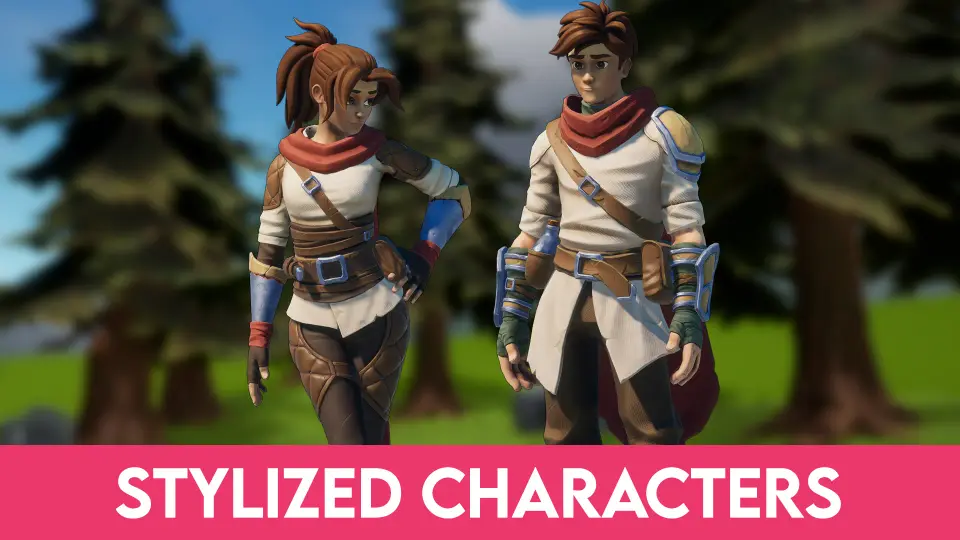
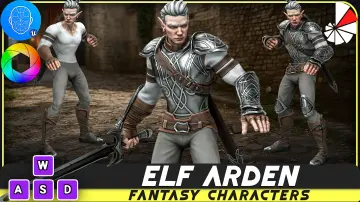
The Stylized Fantasy Characters package provides a dual-character foundation consisting of fully rigged male and female models tailored for action, role-playing, and cinematic productions. Rooted in a stylized, cartoon-influenced visual direction that maintains high-fidelity AAA surface detail, the asset pack supplies core humanoid figures designed to integrate into real-time environments. Delivered with FBX files and prepared for deployment across both Unity and Unreal Engine, the models function as standalone base characters or customizable heroes ready to be equipped with gear, weapons, and specialized animation sets.
Core Mesh Architecture of the Stylized Fantasy Characters
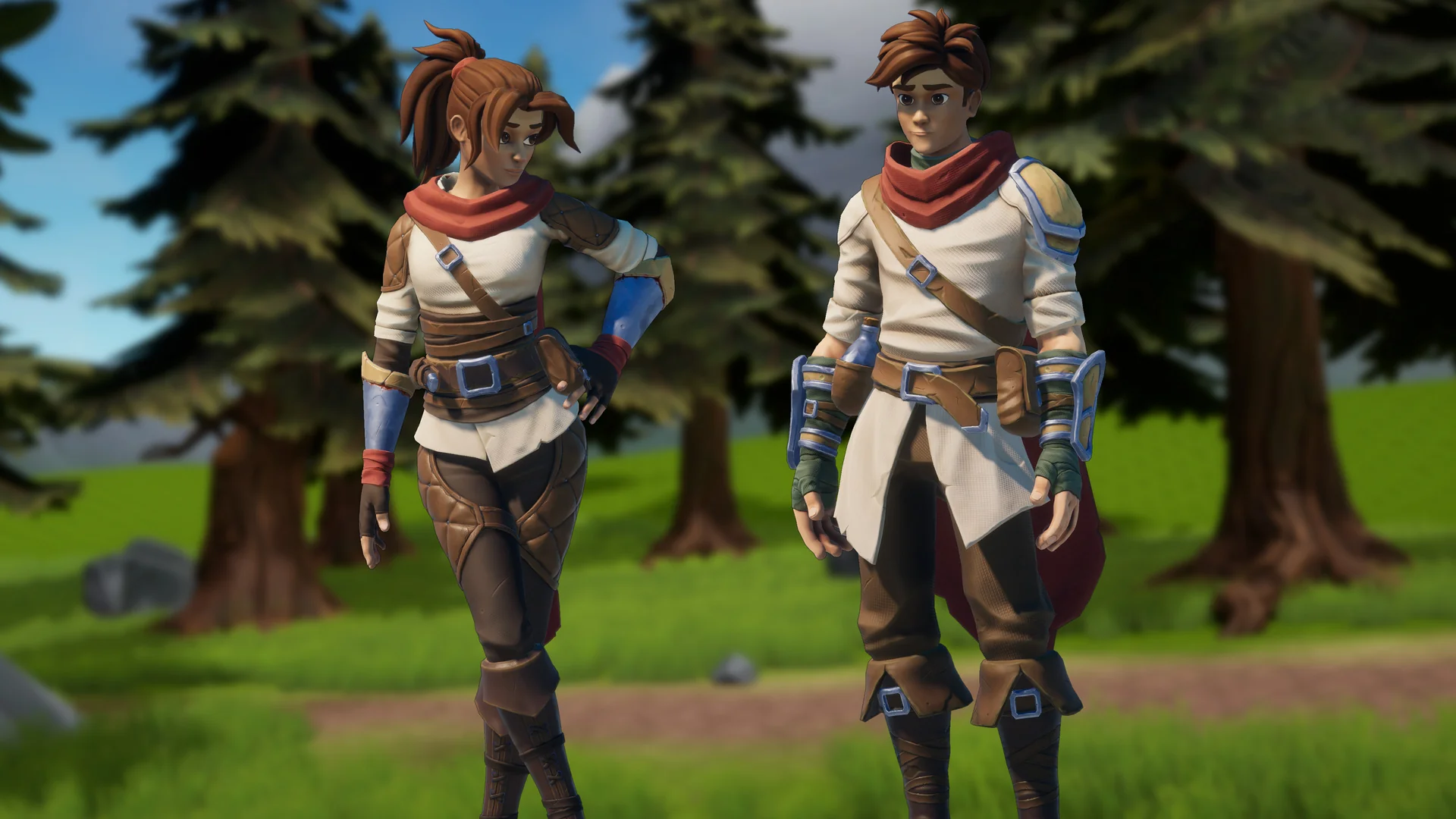
The package centers on two primary humanoid figures: one male and one female. Both meshes are designed to meet stylized medieval and fantasy aesthetics while adhering to the technical standards expected of modern PBR rendering pipelines. Rather than presenting static, unyielding geometry, the base forms are contoured to support dynamic motion and close-up camera scrutiny in adventure games and MMORPG environments.
Physically based rendering properties define the material response across both figures, ensuring that skin tones, cloth elements, and structural trims react consistently under dynamic lighting environments. Because the artistic style merges cartoon proportions with refined AAA-level detail, the edge flow and silhouette definition maintain clarity across both long-range combat views and tightly framed cinematic sequences. The visual consistency across both genders allows developers to establish a unified character baseline for player avatars, story-driven companions, or non-player combatants inhabiting medieval castles, villages, and fantasy dungeons.
Dual Rigging Options for Mixamo and the Epic Skeleton
Skeletal setup dictates how readily a 3D asset integrates into a working game build. To accommodate varying production workflows, the Stylized Fantasy Characters include two distinct rig configurations out of the box: a setup tailored for standard Mixamo animation pipelines, and a native structure matched to the Unreal Engine Epic Skeleton.
The Epic Skeleton alignment allows immediate integration with Unreal Engine's standard locomotion systems. Because the joint hierarchy and naming conventions mirror default Epic standards, retargeting animations from the standard Epic Manny setup into an Animation Blueprint requires minimal structural adjustments. Developers can leverage existing character blueprints, state machines, and movement blendspaces directly on both the male and female characters without having to remap joint hierarchies manually.
For pipelines outside the standard Unreal infrastructure, the secondary rig delivers seamless compatibility with free Mixamo animations. This configuration bypasses the joint rotation mismatches that often occur when importing non-standard skeletons into automated online rigging databases. In both implementations, the underlying weights are calibrated to handle extreme ranges of motion, including weapon swings, acrobatics, and spellcasting gestures common to stylized action titles.
Blendshape Expressions and Viseme Calibration
Expressive facial performance is essential for narrative games, role-playing dialogue systems, and rendered cutscenes. To address character personality and dialogue needs, both characters come equipped with built-in blendshape targets encompassing seven distinct emotional states alongside dedicated viseme shapes for lip-syncing.
The emotional blendshapes allow animators to transition smoothly between key expressions such as anger, joy, surprise, or distress. Because these shapes are sculpted directly into the mesh geometry rather than driven solely by sparse bone influencers, facial surfaces deform naturally without pinching around the eyelids, brow lines, or cheek contours. The inclusion of standardized visemes enables automated or audio-driven speech pipelines, making it possible to synchronize character mouth movements with spoken dialogue tracks in real time. This capability proves particularly useful for dialogue-heavy RPG structures where NPCs and protagonists engage in scripted cinematic exchanges.
Modular Attachments and Cloth Customization
Customization plays a vital role in differentiating player units and NPCs in fantasy settings. The Stylized Fantasy Characters feature modular accessories designed to be connected or removed depending on project requirements. Included among these modular elements are removable cloaks and dedicated belt attachments.
The removable cloaks provide an immediate visual layer of hierarchy and silhouette variation, transforming a baseline combatant into a travel-worn adventurer, spellcaster, or high-ranking warrior. Because the cloaks are independent elements, developers can toggle them on or off, connect them dynamically through socket systems, or integrate cloth simulation to allow the fabric to react naturally to character velocity and environmental wind. Similarly, the belt attachments introduce utilitarian gear that enriches character personality. These secondary props can be linked to standard skeletal sockets, allowing developers to swap accessories, mount stylized fantasy weaponry, or strip down the attire to suit distinct class archetypes.
Pipeline Workflows for Stylized Fantasy Assets
Flexibility across authoring tools is reinforced through broad engine compatibility. The package includes raw FBX files, providing a flexible foundation that can be imported, inspected, and modified within external digital content creation software or loaded directly into real-time engines.
Within the Unity ecosystem, the assets are configured to operate across all major rendering pipelines, including the standard Scriptable Render Pipeline (SRP), the Universal Render Pipeline (URP), and the High Definition Render Pipeline (HDRP). Materials, shaders, and lighting interactions translate across lightweight mobile projects or graphics-intensive desktop builds without requiring manual material recreation. The models, originally rendered in Unity, retain their stylized material shading across these varied render paths.
In Unreal Engine, the character structure immediately benefits from the Epic Skeleton standard and straightforward Animation Blueprint generation. Whether mapped to rapid prototype mechanics or placed within vast open-world dungeon systems, the models operate as dependable foundational assets. Through its combination of dual rigs, modular attachments, and extensive facial blendshapes, the package fulfills the technical and artistic demands of modern stylized fantasy game development.
 Humans
 Humans
 Humans
 Humans