Sky Master ULTIMATE fits into a Unity project as a weather and sky system that starts from the BiRP store version, with URP and HDRP remakes available separately on request. Those pipeline versions are standalone projects, and the existing store installation needs to be removed before installing them. The package is also tied to a version path: the original Sky Master ULTIMATE officially supports BiRP up to Unity 2019, while the newer Sky Master ULTIMATE 2026 version is for Unity 2021.3 and above on the BiRP pipeline.
That version split matters in production. Instead of treating sky, weather, lighting, and ocean as disconnected pieces, the package groups those parts into one weather system. It is meant to cover the majority of game and performance requirement scenarios in all pipelines, so the setup is aimed at projects that want a single environment stack rather than a collection of separate effects.
Pipeline setup and version paths
The base store version is for BiRP. For teams working in URP or HDRP, complete remakes of the system are available on request. These are separate standalone projects rather than a simple add-on, which means the pipeline choice needs to be handled cleanly before installation. That separation is important for any production setup where render pipeline decisions are already fixed.
The newer Sky Master ULTIMATE 2026 release keeps everything in Sky Master ULTIMATE and adds Tornado and Global Snow & Rain systems. It also adapts the package from Unity 2021.3 LTS to Unity 6.3 LTS. In the latest release candidate, the system is compatible with Unity 6 URP RenderGraph in Unity 6 LTS. That places the package across more recent Unity workflows while still keeping the BiRP path available.
The version notes also show a clear maintenance path. The package can move forward into newer Unity releases, while older BiRP usage remains documented through official support up to Unity 2019. For projects that need a stable environment system across a long production cycle, that kind of version distinction is a practical part of planning.
Sky Manager and environment control
At the center of the system is Sky Manager, which provides automatic or on-demand day/night cycling and smooth weather transitions. That makes the package useful beyond static sky visuals. It can handle the timing layer of the environment, so the sky and weather can change as part of gameplay or scene logic instead of needing separate manual control for every effect.
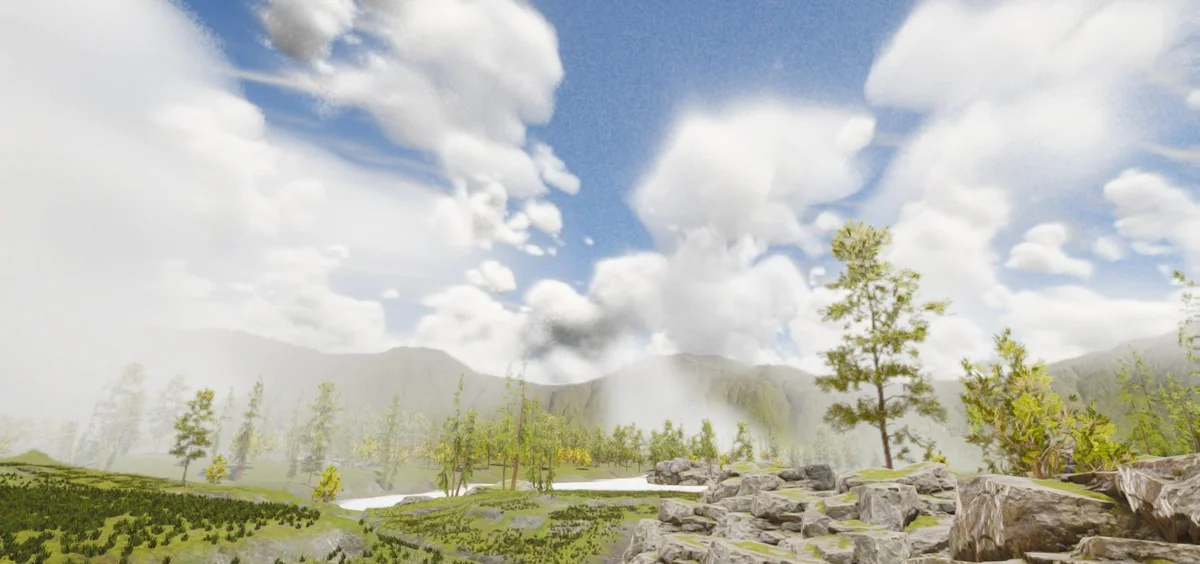
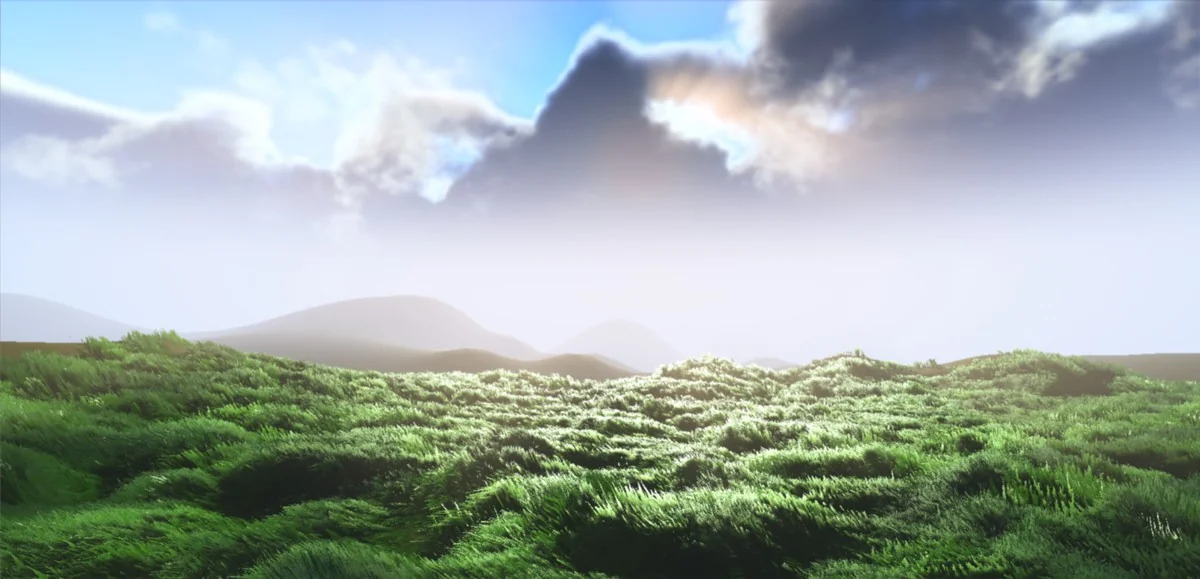
The system is built as a premium weather solution with Dynamic Sky, Weather, Volumetric Clouds, Lighting, GI, and Ocean modules. Those parts work together as a single environment stack rather than as isolated effects. In practice, that means the sky, weather state, lighting behavior, and ocean presence all sit under one system instead of being assembled from unrelated tools.
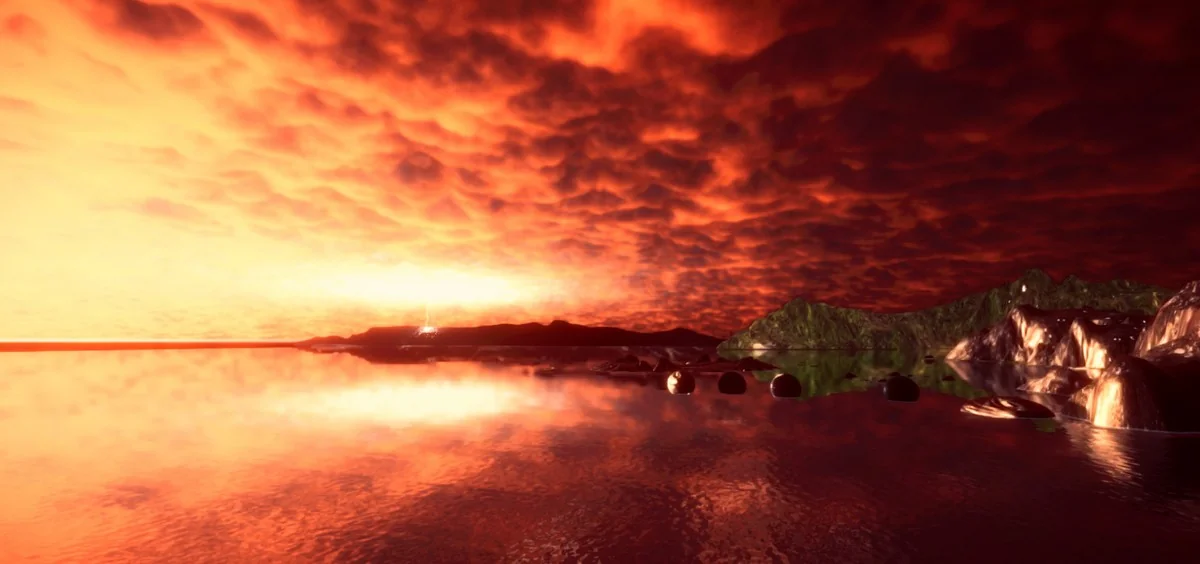
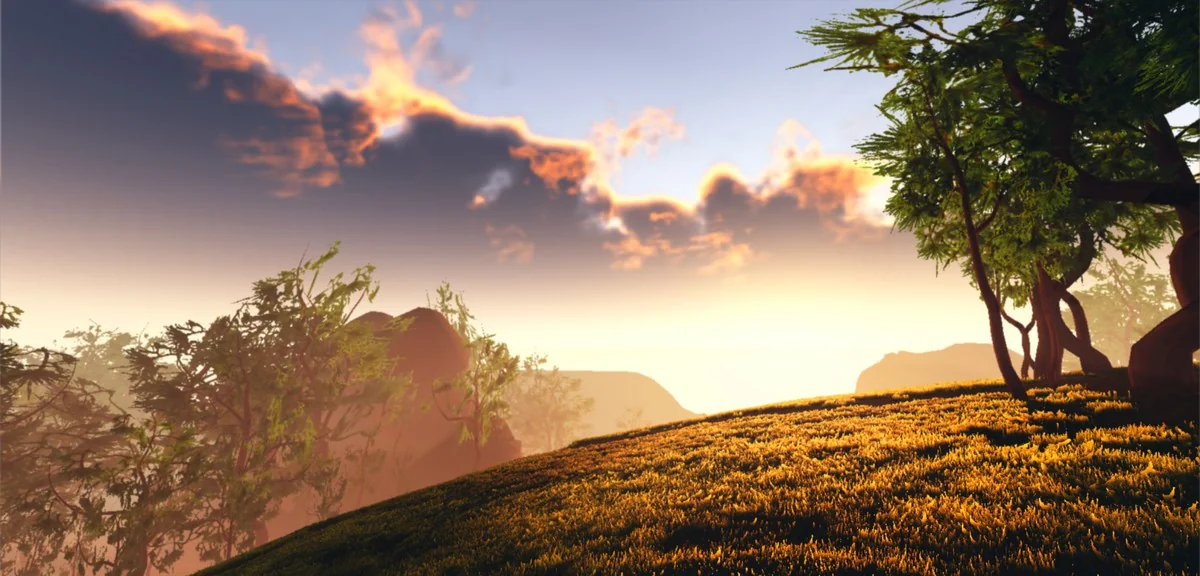
The package also includes a physically based sky rendering system with atmospheric scattering. That gives the sky layer a clear rendering identity inside the project, especially when paired with the day/night cycle and weather changes controlled through Sky Manager. The emphasis is not only on appearance, but on how the sky is managed as part of the environment over time.
Volumetric clouds, lighting, and real-time GI
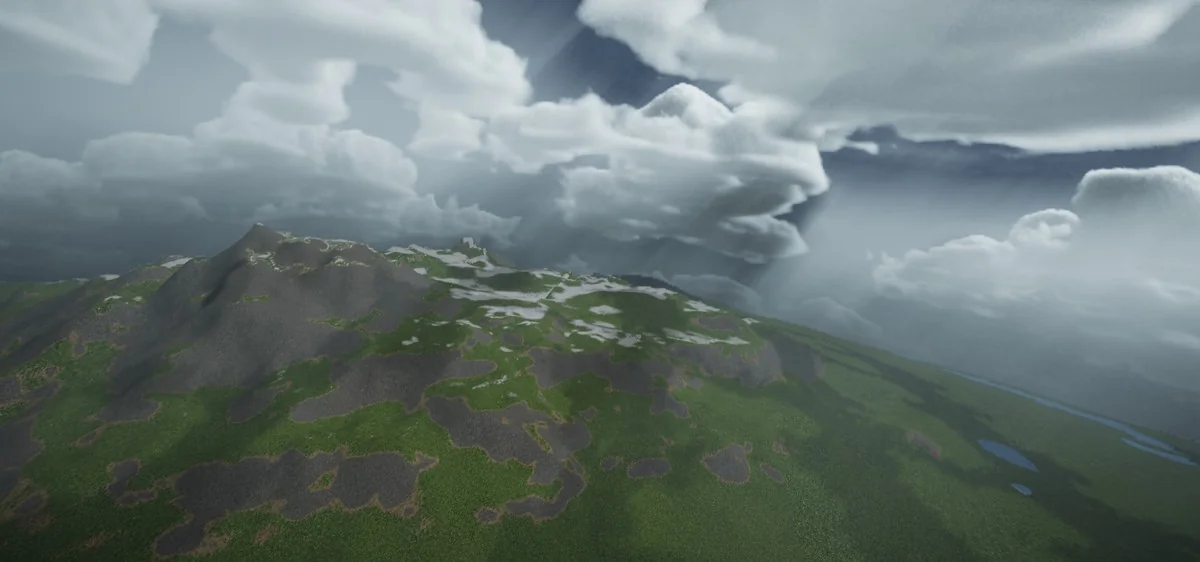
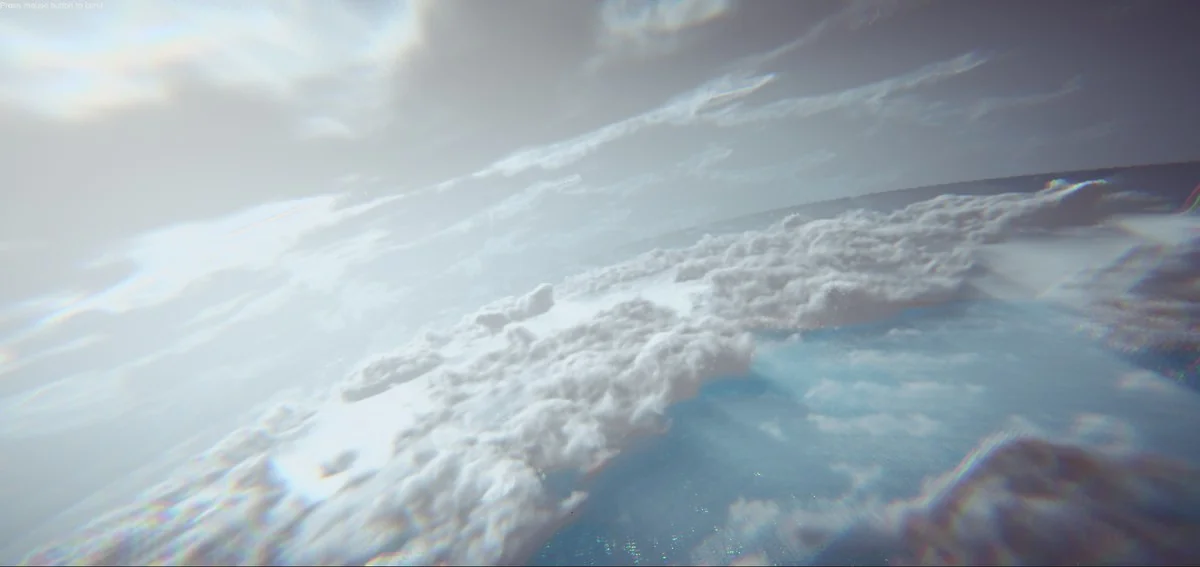
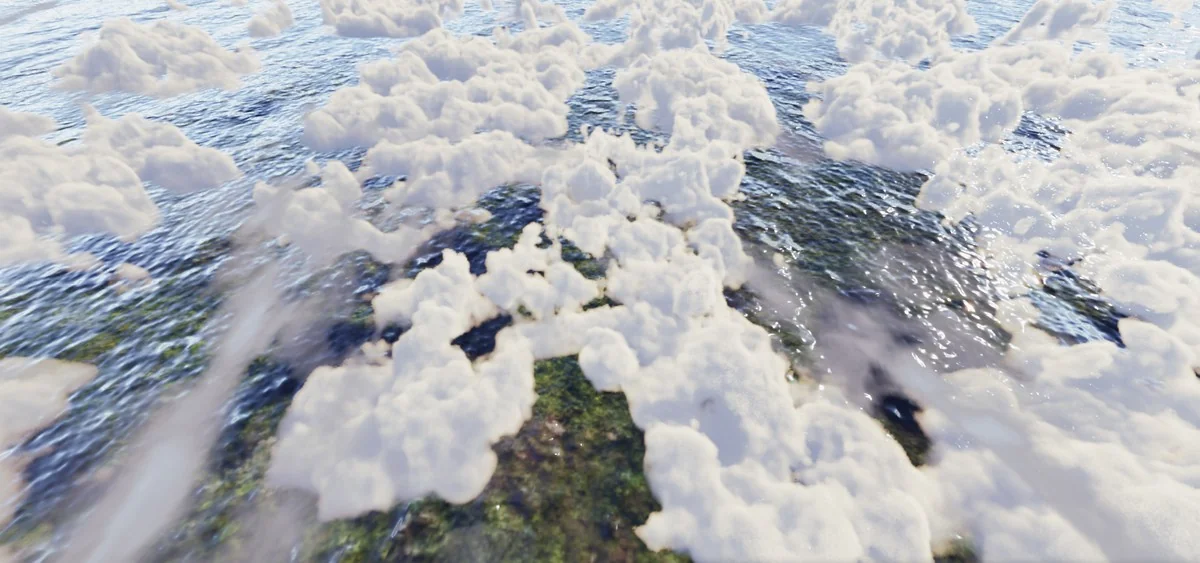
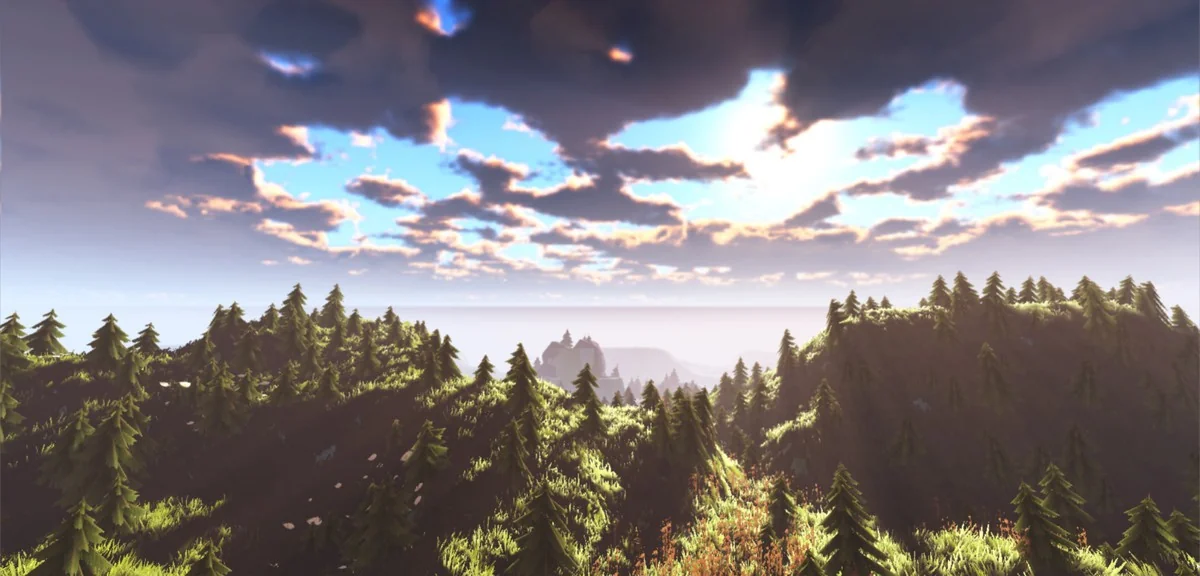
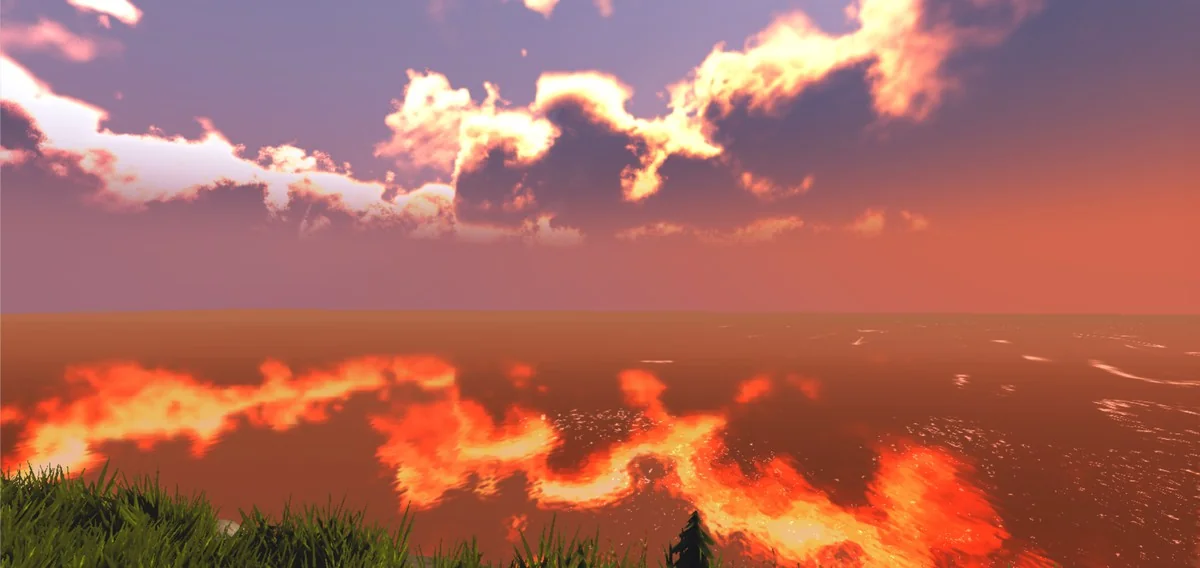
One of the most notable parts of the system is its focus on optimized volumetric rendering. The package includes industry-level optimized Volumetric Clouds and Volumetric Lighting, plus an Ocean system. It also includes a GI Proxy and optimized SEGI for real-time Global Illumination. Those pieces point to a setup that is meant to affect the look of the full scene, not just the horizon.
Real-time GI support is especially relevant when weather and lighting need to shift together. If the sky changes, the scene lighting needs to respond in a way that still feels connected. The package addresses that with GI-oriented modules and a physically based sky model, making it suitable for projects where environment changes have to stay visually coherent.
The combination of clouds, lighting, GI, and ocean support also helps the package cover a wide range of environment needs without breaking the system into separate one-off assets. That makes it a clear fit for production workflows where environment art and rendering need to be managed in the same place.
Where it fits in a Unity workflow
Sky Master ULTIMATE sits well in the part of production where the environment layer is being established and tuned. If a project needs sky motion, weather changes, cloud coverage, and lighting response to work together, this package provides those controls in one system. It is especially relevant when the project needs both visual richness and a defined pipeline path.
The package also gives teams a straightforward reason to decide on their pipeline early. BiRP, URP, and HDRP are handled as separate paths, and the standalone nature of the URP and HDRP remakes means the system is not meant to be installed casually across multiple setups at once. That makes pipeline planning part of the workflow, not an afterthought.
For support and maintenance, the package points users toward a forum thread or a Discord channel. That matters for a system with version paths, standalone pipeline remakes, and Unity updates to manage. In practical terms, Sky Master ULTIMATE is a weather and sky system for teams that need the environment layer to stay organized, configurable, and tied to the rendering pipeline they are actually using.
The clearest takeaway is simple: this is a Unity environment system built to handle sky, weather, volumetric clouds, lighting, GI, and ocean behavior together, with separate pipeline versions and a version path that reaches into Unity 6-era workflows.
Preview Images
Protected download
Access this resource
All resources are 100% manually reviewed to eliminate all risks.