"efaa631e936fd3ee"{"id":"1002188","slug":"sci-fi-shrine-props-vol-1","title":"Sci-Fi Shrine Props VOL 1","category":"Buildings \u0026 Architecture","engine":"4.26+,5.0+","assetVersion":"","engineVersion":"Engine Version: 4.26+,5.0+","tag":"Buildings","accent":"blue","visual":"mech","summary":"Explore Sci-Fi Shrine Props VOL 1, featuring Substance Painter PBR textures, alien temple motifs, and integration with the Lost Alien Worlds series.","platform":"Unreal Engine","publishedAt":"2026-10-29T14:29:58.761Z","updatedAt":"2026-10-29T14:29:58.761Z","sourceNotes":[],"fileContents":[],"compatibility":["Unreal Engine","Engine Version: 4.26+,5.0+"],"featuredImage":{"alt":"Sci-Fi Shrine Props VOL 1","src":"/wp-content/uploads/published/2026/10/b9b2ca7daf44-fdbbb5c1-12de-4c34-906f-6dbd9bd28f11-c2ad3a203c.webp"},"hasDownloadLink":true,"downloads":0,"terms":[{"taxonomy":"category","slug":"buildings-and-architecture","name":"Buildings \u0026 Architecture"}],"galleryImages":[{"src":"/wp-content/uploads/published/2026/10/328573d4a8a3-c65a4df2-32cf-41d8-8275-50b41257a64c-6e439caa82.webp","alt":"Sci-Fi Shrine Props VOL 1"},{"src":"/wp-content/uploads/published/2026/10/ca2785bd129a-9b01b6b5-7036-4046-bac6-a5a33aa4eaf0-55b6faaebf.webp","alt":"Sci-Fi Shrine Props VOL 1"},{"src":"/wp-content/uploads/published/2026/10/cfabb942aafe-19948ef6-2192-4ca6-a14a-fc42ad7e30c9-b79717c391.webp","alt":"Sci-Fi Shrine Props VOL 1"},{"src":"/wp-content/uploads/published/2026/10/34a46b3dd92b-1203835e-1c25-48a5-862b-7a5a8bb7e12b-b8e0daa8cf.webp","alt":"Sci-Fi Shrine Props VOL 1"},{"src":"/wp-content/uploads/published/2026/10/7c9313f57f51-3b9eef64-575c-4098-95f8-e9c911f26fab-33449248de.webp","alt":"Sci-Fi Shrine Props VOL 1"},{"src":"/wp-content/uploads/published/2026/10/79645c03b5ae-7fddd317-6e12-4347-9ce6-5105d98919a7-26d12e7538.webp","alt":"Sci-Fi Shrine Props VOL 1"},{"src":"/wp-content/uploads/published/2026/10/5ae3d80ab6df-cd6d2280-d16a-46d6-8b39-ec18a92ac63e-9847d4305a.webp","alt":"Sci-Fi Shrine Props VOL 1"},{"src":"/wp-content/uploads/published/2026/10/2f37b4e9ddf7-37305269-6e89-4c11-bae3-d4fde3a7176b-953c4c7bb1.webp","alt":"Sci-Fi Shrine Props VOL 1"},{"src":"/wp-content/uploads/published/2026/10/3d55d49c68db-060b3c25-09be-49e6-815f-2ae618b82b46-b04d33c4e1.webp","alt":"Sci-Fi Shrine Props VOL 1"}],"accessPanel":{"kind":"resource","title":"Download this resource","eyebrow":"Free Download","message":"Log in or create a free account to start your download.","fileName":"Content.7z","safetyNote":"Resources are manually reviewed before listing to improve quality and reduce obvious risks.","actionLabel":"Download Free","resourceType":"Resource archive"},"contentHtml":"\u003ch2\u003eAncient Temple Aesthetics and Alien Shrines\u003c/h2\u003e\u003cp\u003eConstructing believable extraterrestrial environments often requires balancing unfamiliar technology with recognizable architectural forms. Sci-Fi Shrine Props VOL 1 occupies this space by presenting structures that merge sacred ceremonial designs with speculative science fiction. The motifs center on monuments, shrines, temples, and gateways, offering environmental artists a toolkit for staging narrative points of interest within alien topographies.\u003c/p\u003e\u003cp\u003eWhen depicting an extraterrestrial civilization, ancient structures communicate history and cultural depth. An altar, a carved gateway, or an isolated alien monument immediately signals to a player or viewer that the world possessed ritualistic, spiritual, or technological traditions long before the current scene takes place. By utilizing silhouettes evocative of ancient temples alongside otherworldly design conventions, these props act as narrative anchors in derelict wastelands, temple courtyards, or hidden subterranean ruins.\u003c/p\u003e\u003ch2\u003eSubstance Painter Material Pipeline and PBR Maps\u003c/h2\u003e\u003cp\u003eMaterial definition plays a critical role in how speculative architecture grounds itself in real-time lighting. All textures within this collection were created in Substance Painter, establishing a standardized physically based rendering workflow across every prop. The texture set supplies the standard PBR channels needed to achieve accurate surface response under dynamic illumination:\u003c/p\u003e\u003cul\u003e\u003cli\u003e\u003cstrong\u003eBaseColor:\u003c/strong\u003e Establishes the diffuse chromatic values of the structures, balancing alien stone hues with manufactured alloy tones.\u003c/li\u003e\u003cli\u003e\u003cstrong\u003eNormal:\u003c/strong\u003e Captures high-frequency architectural paneling, sculpted inscriptions, and surface weathering without bloating scene geometry.\u003c/li\u003e\u003cli\u003e\u003cstrong\u003eRoughness:\u003c/strong\u003e Dictates surface moisture, wear patterns, and the tactile contrast between polished alien alloys and eroded, weathered stonework.\u003c/li\u003e\u003cli\u003e\u003cstrong\u003eMetalness:\u003c/strong\u003e Defines conductive surfaces, separating raw mineral temple materials from embedded extraterrestrial hardware.\u003c/li\u003e\u003cli\u003e\u003cstrong\u003eAmbient Occlusion (AO):\u003c/strong\u003e Enforces natural contact shadows in crevices, carved reliefs, and deep structural recesses where ambient environmental light rarely penetrates.\u003c/li\u003e\u003cli\u003e\u003cstrong\u003eEmissive:\u003c/strong\u003e Drives active luminescence across energy channels, glyphs, and ceremonial indicators, allowing props to remain visible and atmospheric in low-light environments.\u003c/li\u003e\u003c/ul\u003e\u003cp\u003eBecause the textures follow this complete map structure, the assets integrate cleanly into real-time rendering environments demonstrated in UE preview setups. Light bounces convincingly across varying degrees of roughness and metallic response, giving each shrine volume and material presence.\u003c/p\u003e\u003ch2\u003eIlluminated Gateways, Monuments, and UFO Motifs\u003c/h2\u003e\u003cp\u003eThe thematic scope extends across multiple archetypes, ranging from monolithic monuments to functional portal structures and UFO-inspired artifacts. In speculative level design, a gateway serves both as a visual landmark and a functional transition boundary. Whether framed as a stargate, an entrance to an underground sanctum, or a teleportation platform, these structures rely heavily on the interaction between ancient masonry and active technology.\u003c/p\u003e\u003cp\u003eThe emissive channels authored in Substance Painter are central to this contrast. A cold stone archway transforms into an active extraterrestrial mechanism when illuminated runes or technological conduits pulse with light. Similarly, the inclusion of UFO and alien design signatures introduces aerodynamic, non-human ergonomics into traditional temple geometries. Sculpted curves, unfamiliar symmetry, and levitating or anchored monument forms encourage compositions that feel truly disconnected from terrestrial architecture.\u003c/p\u003e\u003ch2\u003eMiniature Details to Monumental Structures\u003c/h2\u003e\u003cp\u003eWorld composition depends on variation in visual density. While towering monuments and ceremonial gateways dictate the primary horizon lines of an environment, smaller shrine components and miniature elements flesh out intimate spaces. Miniatures and smaller prop variants allow level designers to populate interior chambers, ritual tables, and secondary paths without repeating monumental silhouettes.\u003c/p\u003e\u003cp\u003eThese smaller props share the exact texture standards as their larger counterparts, preserving visual consistency throughout an entire scene. When an artist transitions a camera from an expansive outdoor temple complex into a claustrophobic altar room, the material fidelity holds steady across BaseColor, Normal, and Roughness responses. The miniature props can serve as focus objects, collectibles, or decorative dressing around primary alien shrines.\u003c/p\u003e\u003ch2\u003eCompatibility Across the Lost Alien Worlds Collection\u003c/h2\u003e\u003cp\u003eSci-Fi Shrine Props VOL 1 is built to fit within the broader Lost Alien Worlds framework, which encompasses 30 distinct asset packs. This ecosystem allows developers to pair ceremonial props with complementary alien landscapes, organic terrain, and extraterrestrial installations without stylistic clash.\u003c/p\u003e\u003cp\u003eEnvironments requiring ancient alien ruins, forgotten UFO landing sites, or subterranean temple corridors benefit from assets that adhere to a unified visual language. With complete PBR map sets and UE preview verification, these props provide a dependable base for staging ritualistic sci-fi encounters, puzzle chambers, and extraterrestrial waypoints.\u003c/p\u003e\n\n\u003ch2\u003eRelated Resources Worth Checking\u003c/h2\u003e\n\u003cul\u003e\n\u003cli\u003e\u003ca href=\"https://3dcghub.com/hospital-combo-prop-pack-vol-1-6/\" title=\"Hospital - COMBO Prop Pack (VOL 1-6)\"\u003eHospital - COMBO Prop Pack (VOL 1-6)\u003c/a\u003e\u003c/li\u003e\n\u003cli\u003e\u003ca href=\"https://3dcghub.com/scificityscape/\" title=\"ScifiCityscape\"\u003eScifiCityscape\u003c/a\u003e\u003c/li\u003e\n\u003cli\u003e\u003ca href=\"https://3dcghub.com/metro-station-modular-pack/\" title=\"Metro Station Modular Pack\"\u003eMetro Station Modular Pack\u003c/a\u003e\u003c/li\u003e\n\u003cli\u003e\u003ca href=\"https://3dcghub.com/graveyard-and-nature-set/\" title=\"Graveyard and Nature Set\"\u003eGraveyard and Nature Set\u003c/a\u003e\u003c/li\u003e\n\u003cli\u003e\u003ca href=\"https://3dcghub.com/sci-fi-survey-drones/\" title=\"Sci-fi Survey Drones\"\u003eSci-fi Survey Drones\u003c/a\u003e\u003c/li\u003e\n\u003c/ul\u003e","contentTextLength":5430,"navigation":{"current":97,"total":4209,"previous":{"id":"1002189","slug":"sci-fi-shrine-props-vol-2","title":"Sci-Fi Shrine props VOL 2","category":"Religious","platform":"Unreal Engine","updatedAt":"2026-10-29T14:30:58.638Z"},"next":{"id":"1002187","slug":"sci-fi-pistol","title":"Sci-fi Pistol","category":"Weapons \u0026 Combat","platform":"Unreal Engine","updatedAt":"2026-10-29T14:28:44.986Z"}},"relatedResources":[{"id":"1001697","slug":"hospital-combo-prop-pack-vol-1-6","title":"Hospital - COMBO Prop Pack (VOL 1-6)","category":"Buildings \u0026 Architecture","engine":"4.26+,5.0+","assetVersion":"","engineVersion":"Engine Version: 4.26+,5.0+","tag":"Buildings","accent":"blue","visual":"mech","summary":"Six bundled volumes of game-ready hospital machinery, medical props, and master materials created for Unreal Engine with dynamic lighting scenes.","platform":"Unreal Engine","publishedAt":"2026-10-14T09:16:34.005Z","updatedAt":"2026-10-14T09:16:34.005Z","sourceNotes":[],"fileContents":[],"compatibility":["Unreal Engine","Engine Version: 4.26+,5.0+"],"featuredImage":{"alt":"Hospital - COMBO Prop Pack (VOL 1-6)","src":"/wp-content/uploads/published/2026/10/a0ff161b3f4e-cfe800b5-ba53-48ff-aa6a-0031502dc450-af6ba09091.webp"},"hasDownloadLink":true,"downloads":0},{"id":"1389","slug":"scificityscape","title":"ScifiCityscape","category":"Buildings \u0026 Architecture","engine":"4.26+,5.0+","assetVersion":"Engine version: 4.26+,5.0+","engineVersion":"4.21","tag":"Buildings","accent":"blue","visual":"city","summary":"Create massive space stations and futuristic cities with the ScifiCityscape asset pack for Unreal Engine 4 and 5. Modular buildings for high-quality environment","platform":"Unreal Engine","publishedAt":"2026-02-06T18:09:52.000Z","updatedAt":"2026-04-19T15:58:10.000Z","sourceNotes":[],"fileContents":[],"compatibility":["Unreal Engine","Engine version: 4.26+,5.0+"],"featuredImage":{"alt":"ScifiCityscape","src":"https://3dcghub.com/wp-content/uploads/2026/02/3dc18a4b-1057-4e27-a638-da011f805cd2.png"},"hasDownloadLink":true,"downloads":0},{"id":"1002107","slug":"metro-station-modular-pack","title":"Metro Station Modular Pack","category":"Buildings \u0026 Architecture","engine":"4.20+,5.0+","assetVersion":"","engineVersion":"Engine Version: 4.20+,5.0+","tag":"Buildings","accent":"blue","visual":"mech","summary":"Build custom subway and transit interiors with the Metro Station Modular Pack, featuring flexible modules, props, and custom material workflows.","platform":"Unreal Engine","publishedAt":"2026-10-29T08:50:50.608Z","updatedAt":"2026-10-29T08:50:50.608Z","sourceNotes":[],"fileContents":[],"compatibility":["Unreal Engine","Engine Version: 4.20+,5.0+"],"featuredImage":{"alt":"Metro Station Modular Pack","src":"/wp-content/uploads/published/2026/10/f4c41323e6dd-ea5cf3e7-6612-4d33-b8e8-dab0bb638e79-44725a3de1.webp"},"hasDownloadLink":true,"downloads":0}]}
Buildings
Sci-Fi Shrine Props VOL 1
Explore Sci-Fi Shrine Props VOL 1, featuring Substance Painter PBR textures, alien temple motifs, and integration with the Lost Alien Worlds series.
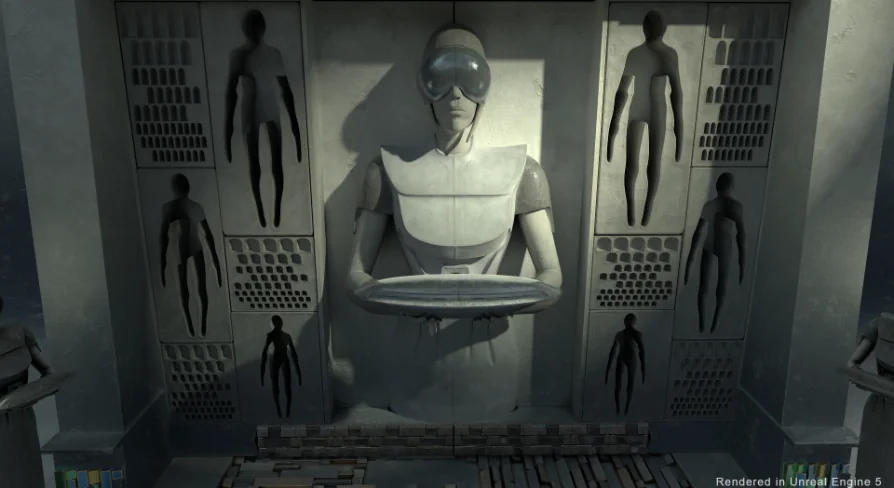
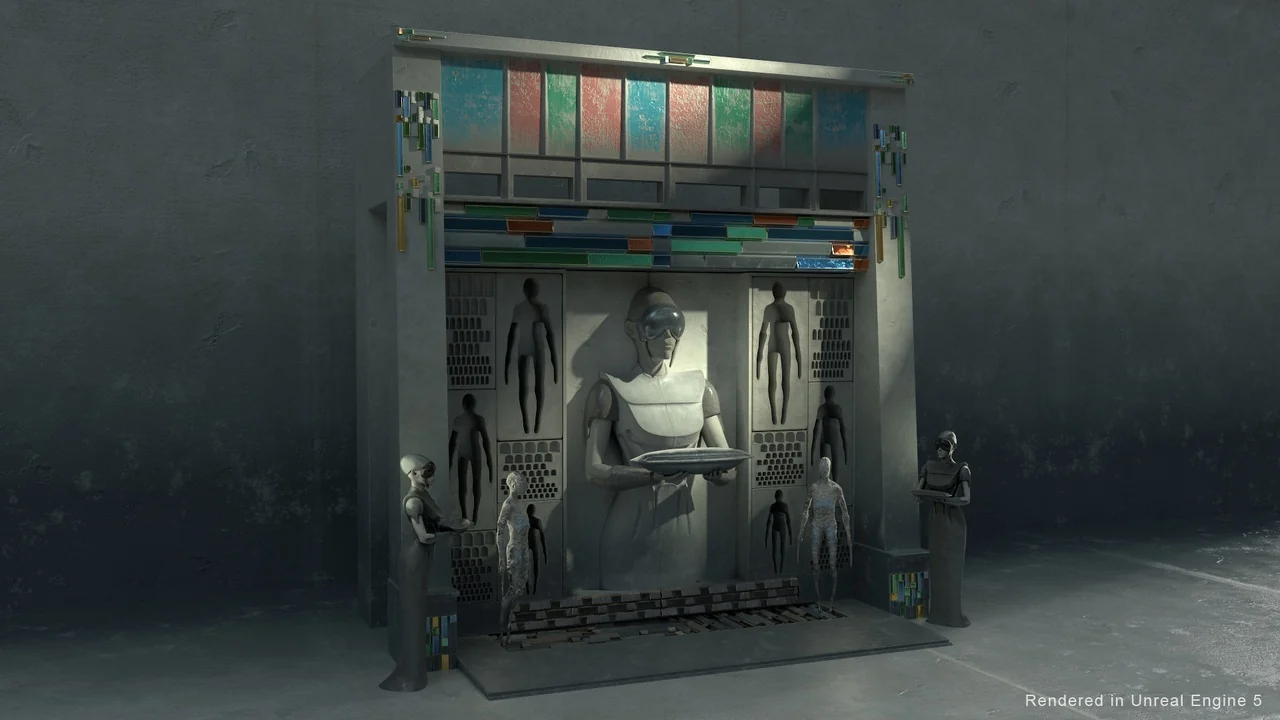
Constructing believable extraterrestrial environments often requires balancing unfamiliar technology with recognizable architectural forms. Sci-Fi Shrine Props VOL 1 occupies this space by presenting structures that merge sacred ceremonial designs with speculative science fiction. The motifs center on monuments, shrines, temples, and gateways, offering environmental artists a toolkit for staging narrative points of interest within alien topographies.
When depicting an extraterrestrial civilization, ancient structures communicate history and cultural depth. An altar, a carved gateway, or an isolated alien monument immediately signals to a player or viewer that the world possessed ritualistic, spiritual, or technological traditions long before the current scene takes place. By utilizing silhouettes evocative of ancient temples alongside otherworldly design conventions, these props act as narrative anchors in derelict wastelands, temple courtyards, or hidden subterranean ruins.
Substance Painter Material Pipeline and PBR Maps
Material definition plays a critical role in how speculative architecture grounds itself in real-time lighting. All textures within this collection were created in Substance Painter, establishing a standardized physically based rendering workflow across every prop. The texture set supplies the standard PBR channels needed to achieve accurate surface response under dynamic illumination:
BaseColor: Establishes the diffuse chromatic values of the structures, balancing alien stone hues with manufactured alloy tones.
Normal: Captures high-frequency architectural paneling, sculpted inscriptions, and surface weathering without bloating scene geometry.
Roughness: Dictates surface moisture, wear patterns, and the tactile contrast between polished alien alloys and eroded, weathered stonework.
Metalness: Defines conductive surfaces, separating raw mineral temple materials from embedded extraterrestrial hardware.
Ambient Occlusion (AO): Enforces natural contact shadows in crevices, carved reliefs, and deep structural recesses where ambient environmental light rarely penetrates.
Emissive: Drives active luminescence across energy channels, glyphs, and ceremonial indicators, allowing props to remain visible and atmospheric in low-light environments.
Because the textures follow this complete map structure, the assets integrate cleanly into real-time rendering environments demonstrated in UE preview setups. Light bounces convincingly across varying degrees of roughness and metallic response, giving each shrine volume and material presence.
Illuminated Gateways, Monuments, and UFO Motifs
The thematic scope extends across multiple archetypes, ranging from monolithic monuments to functional portal structures and UFO-inspired artifacts. In speculative level design, a gateway serves both as a visual landmark and a functional transition boundary. Whether framed as a stargate, an entrance to an underground sanctum, or a teleportation platform, these structures rely heavily on the interaction between ancient masonry and active technology.
The emissive channels authored in Substance Painter are central to this contrast. A cold stone archway transforms into an active extraterrestrial mechanism when illuminated runes or technological conduits pulse with light. Similarly, the inclusion of UFO and alien design signatures introduces aerodynamic, non-human ergonomics into traditional temple geometries. Sculpted curves, unfamiliar symmetry, and levitating or anchored monument forms encourage compositions that feel truly disconnected from terrestrial architecture.
Miniature Details to Monumental Structures
World composition depends on variation in visual density. While towering monuments and ceremonial gateways dictate the primary horizon lines of an environment, smaller shrine components and miniature elements flesh out intimate spaces. Miniatures and smaller prop variants allow level designers to populate interior chambers, ritual tables, and secondary paths without repeating monumental silhouettes.
These smaller props share the exact texture standards as their larger counterparts, preserving visual consistency throughout an entire scene. When an artist transitions a camera from an expansive outdoor temple complex into a claustrophobic altar room, the material fidelity holds steady across BaseColor, Normal, and Roughness responses. The miniature props can serve as focus objects, collectibles, or decorative dressing around primary alien shrines.
Compatibility Across the Lost Alien Worlds Collection
Sci-Fi Shrine Props VOL 1 is built to fit within the broader Lost Alien Worlds framework, which encompasses 30 distinct asset packs. This ecosystem allows developers to pair ceremonial props with complementary alien landscapes, organic terrain, and extraterrestrial installations without stylistic clash.
Environments requiring ancient alien ruins, forgotten UFO landing sites, or subterranean temple corridors benefit from assets that adhere to a unified visual language. With complete PBR map sets and UE preview verification, these props provide a dependable base for staging ritualistic sci-fi encounters, puzzle chambers, and extraterrestrial waypoints.
 Buildings
 Buildings
 Buildings
 Buildings