"7e6fc58c410f2894"{"id":"1001653","slug":"reef-kit","title":"Reef Kit","category":"Environments","engine":"4.26+,5.0+","assetVersion":"","engineVersion":"Engine Version: 4.26+,5.0+","tag":"Environments","accent":"blue","visual":"city","summary":"Build dynamic underwater scenes with Reef Kit, featuring interactive foliage, reactive material instances, and extensive rock customization.","platform":"Unreal Engine","publishedAt":"2026-10-13T08:28:48.173Z","updatedAt":"2026-10-13T08:28:48.173Z","sourceNotes":[],"fileContents":[],"compatibility":["Unreal Engine","Engine Version: 4.26+,5.0+"],"featuredImage":{"alt":"Reef Kit","src":"/wp-content/uploads/published/2026/10/5ff5c2065ff6-10fcb1a9-d8e8-4fa8-b781-c92bf29f502e-214f52ab72.webp"},"hasDownloadLink":true,"downloads":0,"terms":[{"taxonomy":"category","slug":"environments","name":"Environments"}],"galleryImages":[{"src":"/wp-content/uploads/published/2026/10/7f5820390af3-35033c4d-2b6f-4ef5-a712-ce3f345bb281-edf11d32a8.webp","alt":"Reef Kit"},{"src":"/wp-content/uploads/published/2026/10/168917f14583-ecbcd390-d667-4eab-bc63-3daa49010eee-e15e66b178.webp","alt":"Reef Kit"},{"src":"/wp-content/uploads/published/2026/10/f06f1b6c10d0-a7b84551-396a-40fb-955f-fb96dcfa78ee-60c52819bd.webp","alt":"Reef Kit"},{"src":"/wp-content/uploads/published/2026/10/f9c6494684d6-b556a7f3-803c-4095-9b16-c55469055367-2156cd23d9.webp","alt":"Reef Kit"},{"src":"/wp-content/uploads/published/2026/10/68e5fdd0508a-0f5f6a0e-0302-4158-af4b-9ad5889c4ed1-207cd1c416.webp","alt":"Reef Kit"},{"src":"/wp-content/uploads/published/2026/10/c9fd3a7b00dc-f0338b5b-6b49-4ccd-9bfe-c9f36d47737c-b753a67b26.webp","alt":"Reef Kit"}],"accessPanel":{"kind":"resource","title":"Download this resource","eyebrow":"Free Download","message":"Log in or create a free account to start your download.","fileName":"Content.7z","safetyNote":"Resources are manually reviewed before listing to improve quality and reduce obvious risks.","actionLabel":"Download Free","resourceType":"Resource archive"},"contentHtml":"\u003ch2\u003eDynamic Environmental Response in Underwater Scenes\u003c/h2\u003e\u003cp\u003eSubmerged environments require continuous motion to feel alive. Rather than remaining rigid, the elements comprising Reef Kit react directly to scene forces and movement. Foliage pieces within the kit respond to physical presence and simulated fluid currents, creating the visual impression of a dense, living aquatic space. When assets populate an ocean floor, their behavior prevents the static rigidity that often breaks immersion in real-time underwater projects.\u003c/p\u003e\u003cp\u003eThe motion profile of the foliage meshes incorporates simulated environmental values. Wind speed and wave height parameters directly influence how plants sway, flex, and drift across a seabed. Asset weight functions alongside these environmental inputs to balance buoyancy and drag, ensuring that lighter tendrils flutter rapidly while denser structures exhibit heavier, delayed momentum. Setting up an underwater scene with these responsive parameters allows artists to align vegetative motion with water conditions, whether simulating a turbulent shallow shelf or a calm, deep-sea trench.\u003c/p\u003e\u003ch2\u003eMaterial Instance Settings Driven by World Location and Wave Height\u003c/h2\u003e\u003cp\u003eColor grading and tonal coherence across a large seabed require flexible shading networks. Within Reef Kit, each material instance features a wide range of properties designed to alter asset coloration based on the world location of foliage. As plants are scattered across different coordinates, the shaders automatically sample position data to introduce organic hue variations across the biome. This location-aware shifting keeps continuous clusters of vegetation from looking like identical clones of a single master texture.\u003c/p\u003e\u003cp\u003eMaterial instances also integrate wave height and wind speed directly into their color and shading logic. In real-world aquatic environments, depth and surface disturbances change the penetration of light, scattering rays differently as waves swell overhead. By tying wave height and wind values into the material parameters, the foliage alters its appearance in synchrony with environmental changes. Weight variables within the material instances further refine how surface shading behaves, providing fine-grained control over how materials read under different lighting conditions and depths.\u003c/p\u003e\u003ch2\u003eFoliage Reaction on Player Character Interaction\u003c/h2\u003e\u003cp\u003eA vital component of believable aquatic gameplay is the physical displacement of flora as entities pass through them. Reef Kit addresses this by incorporating foliage reaction triggered by player character interaction. When a player swims, walks, or navigates through reef beds, the surrounding plants yield to the collision rather than clipping statically through the character mesh.\u003c/p\u003e\u003cp\u003eThis interactive layer gives gameplay an immediate tactile feedback loop. Propelling a character through dense clusters of sea growth pushes the individual fronds aside, after which they settle back into their ambient rhythm dictated by wave height and weight settings. For level designers building exploration sequences, stealth mechanics, or underwater traversal routes, reactive foliage visually anchors the character within the volume of the water rather than letting them glide disconnected across the terrain.\u003c/p\u003e\u003ch2\u003eRock Customization and Static Mesh Variation in Reef Kit\u003c/h2\u003e\u003cp\u003eSeabeds rely heavily on geological variety to frame open channels, support coral outcroppings, and break up expanses of sand. Reef Kit includes huge customization for the visual appearance of rocks, giving level designers the ability to shift surface treatments across rocky formations. Artists can adjust rock properties to match the geological identity of their specific scene, transitioning from clean volcanic formations to weathered, sediment-covered surfaces without needing entirely distinct asset libraries.\u003c/p\u003e\u003cp\u003eAlongside material versatility, the pack provides lots of static meshes to prevent a repetitive look across sprawling environments. Repetition poses a significant visual hurdle in aquatic level design, where expansive horizontal planes can quickly expose duplicate assets. Distributing the kit's diverse static meshes across an underwater level allows creators to assemble complex topography, natural archways, and craggy sea walls. The meshes support both realistic and lowpoly visual targets, giving development teams latitude to integrate the assets into high-fidelity environments or stylistically streamlined projects.\u003c/p\u003e\u003ch2\u003eProduction Integration and May 2022 Sponsored Content Release\u003c/h2\u003e\u003cp\u003eReleased as a Monthly Unreal Engine Sponsored Content product for May 2022, Reef Kit functions as a modular toolkit tailored for underwater level construction. The combination of player-aware foliage, location-dependent color instances, and customizable rock meshes equips developers with the fundamental building blocks needed to sculpt reefs from scratch.\u003c/p\u003e\u003cp\u003eBecause the pack combines static mesh variety with unified material instance parameters, teams can rapidly lay down large underwater tracts without sacrificing visual cohesion. Adjusting global properties such as wind speed, wave height, and weight updates the scene holistically, keeping rocks, corals, and dynamic plants aligned within a single underwater environment.\u003c/p\u003e\n\n\u003ch2\u003eContinue Browsing Similar Packs\u003c/h2\u003e\n\u003cul\u003e\n\u003cli\u003e\u003ca href=\"https://3dcghub.com/stylescape-stylized-environment-kit/\" title=\"Stylescape: Stylized Environment Kit\"\u003eStylescape: Stylized Environment Kit\u003c/a\u003e\u003c/li\u003e\n\u003cli\u003e\u003ca href=\"https://3dcghub.com/corals-2/\" title=\"Corals 2\"\u003eCorals 2\u003c/a\u003e\u003c/li\u003e\n\u003cli\u003e\u003ca href=\"https://3dcghub.com/modular-lost-ruins-kit/\" title=\"Modular Lost Ruins Kit\"\u003eModular Lost Ruins Kit\u003c/a\u003e\u003c/li\u003e\n\u003cli\u003e\u003ca href=\"https://3dcghub.com/sci-fi-observation-station-kit/\" title=\"Sci Fi Observation Station Kit\"\u003eSci Fi Observation Station Kit\u003c/a\u003e\u003c/li\u003e\n\u003cli\u003e\u003ca href=\"https://3dcghub.com/spectrum-galaxy-modular-sci-fi-environment-kit/\" title=\"Spectrum Galaxy | Modular Sci-Fi Environment Kit\"\u003eSpectrum Galaxy | Modular Sci-Fi Environment Kit\u003c/a\u003e\u003c/li\u003e\n\u003c/ul\u003e","contentTextLength":5421,"navigation":{"current":29,"total":3618,"previous":{"id":"1001654","slug":"roof-tiles-material-pack-vol-1","title":"Roof Tiles Material Pack Vol.1","category":"Building \u0026 Human-made","platform":"Unreal Engine","updatedAt":"2026-10-13T08:29:48.500Z"},"next":{"id":"1001652","slug":"raided-forest-camp","title":"Raided Forest Camp","category":"Fantasy","platform":"Unreal Engine","updatedAt":"2026-10-13T08:28:08.172Z"}},"relatedResources":[{"id":"27966","slug":"stylescape-stylized-environment-kit","title":"Stylescape: Stylized Environment Kit","category":"Forest \u0026 Jungle","engine":"5.0+","assetVersion":"Engine version: 5.0+","engineVersion":"","tag":"Forest \u0026 Jungle","accent":"blue","visual":"city","summary":"Stylescape starts with a practical setup path: landscape tools, foliage systems, and a demo level that shows how the pieces come together. Its feature set focuses on stylized outdoor scene building with layered terrain, animated vegetation, RVT blending, an...","platform":"Unreal Engine","publishedAt":"2026-04-30T07:46:23.000Z","updatedAt":"2026-04-30T07:46:24.000Z","sourceNotes":[],"fileContents":[],"compatibility":["Unreal Engine","Engine version: 5.0+"],"featuredImage":{"alt":"Stylescape: Stylized Environment Kit","src":"https://3dcghub.com/wp-content/uploads/2026/04/919df961bd95_fa7d20f4-93b7-4cca-baea-d2f63da591a6.webp"},"hasDownloadLink":true,"downloads":0},{"id":"4140","slug":"corals-2","title":"Corals 2","category":"Plants","engine":"4.27,5.0+","assetVersion":"Engine version: 4.27,5.0+","engineVersion":"4.25","tag":"Plants","accent":"blue","visual":"character","summary":"Enhance your underwater environments with this high-quality 3D asset pack featuring realistic corals, shells, and animated seaweed for game development.","platform":"Unreal Engine","publishedAt":"2026-02-10T11:14:35.000Z","updatedAt":"2026-04-19T15:57:29.000Z","sourceNotes":[],"fileContents":[],"compatibility":["Unreal Engine","Engine version: 4.27,5.0+"],"featuredImage":{"alt":"Corals 2","src":"https://3dcghub.com/wp-content/uploads/2026/02/f6760cf3-4fba-413f-a755-bffa90591b5a.webp"},"hasDownloadLink":true,"downloads":0},{"id":"1001536","slug":"modular-lost-ruins-kit","title":"Modular Lost Ruins Kit","category":"Environments","engine":"5.1+","assetVersion":"","engineVersion":"Engine Version: 5.1+","tag":"Environments","accent":"blue","visual":"city","summary":"Build overgrown stone temples and forgotten fantasy environments using the Modular Lost Ruins Kit, featuring Nanite, Lumen, and modular grid assets.","platform":"Unreal Engine","publishedAt":"2026-10-09T17:29:18.138Z","updatedAt":"2026-10-09T17:29:18.138Z","sourceNotes":[],"fileContents":[],"compatibility":["Unreal Engine","Engine Version: 5.1+"],"featuredImage":{"alt":"Modular Lost Ruins Kit","src":"/wp-content/uploads/published/2026/10/7af8a7b14e3e-f3f91042-90f8-406c-b1c8-c8e686a421ca-85d034c72a.webp"},"hasDownloadLink":true,"downloads":0}]}
Environments
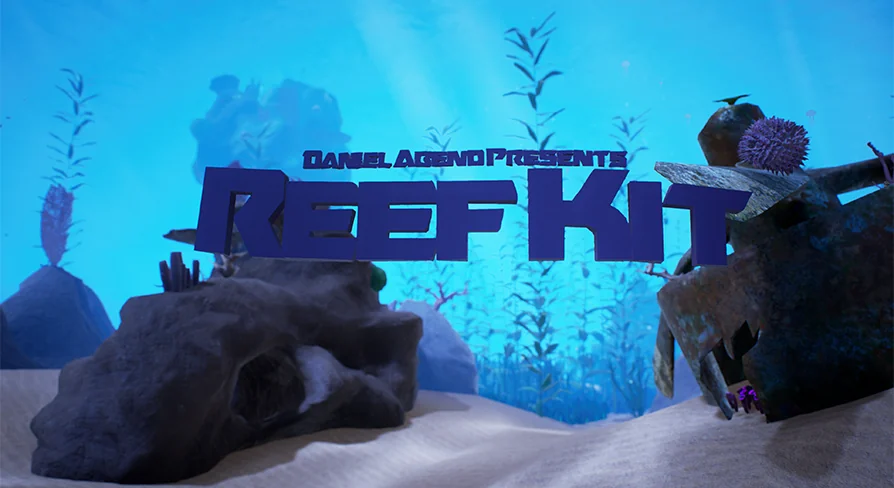
Reef Kit
Build dynamic underwater scenes with Reef Kit, featuring interactive foliage, reactive material instances, and extensive rock customization.
Category:Unreal Engine,EnvironmentsPlatform: Unreal EngineEngine Version: 4.26+,5.0+Published: Oct 13, 2026
Environments
Resource overview
Dynamic Environmental Response in Underwater Scenes
Submerged environments require continuous motion to feel alive. Rather than remaining rigid, the elements comprising Reef Kit react directly to scene forces and movement. Foliage pieces within the kit respond to physical presence and simulated fluid currents, creating the visual impression of a dense, living aquatic space. When assets populate an ocean floor, their behavior prevents the static rigidity that often breaks immersion in real-time underwater projects.
The motion profile of the foliage meshes incorporates simulated environmental values. Wind speed and wave height parameters directly influence how plants sway, flex, and drift across a seabed. Asset weight functions alongside these environmental inputs to balance buoyancy and drag, ensuring that lighter tendrils flutter rapidly while denser structures exhibit heavier, delayed momentum. Setting up an underwater scene with these responsive parameters allows artists to align vegetative motion with water conditions, whether simulating a turbulent shallow shelf or a calm, deep-sea trench.
Material Instance Settings Driven by World Location and Wave Height
Color grading and tonal coherence across a large seabed require flexible shading networks. Within Reef Kit, each material instance features a wide range of properties designed to alter asset coloration based on the world location of foliage. As plants are scattered across different coordinates, the shaders automatically sample position data to introduce organic hue variations across the biome. This location-aware shifting keeps continuous clusters of vegetation from looking like identical clones of a single master texture.
Material instances also integrate wave height and wind speed directly into their color and shading logic. In real-world aquatic environments, depth and surface disturbances change the penetration of light, scattering rays differently as waves swell overhead. By tying wave height and wind values into the material parameters, the foliage alters its appearance in synchrony with environmental changes. Weight variables within the material instances further refine how surface shading behaves, providing fine-grained control over how materials read under different lighting conditions and depths.
Foliage Reaction on Player Character Interaction
A vital component of believable aquatic gameplay is the physical displacement of flora as entities pass through them. Reef Kit addresses this by incorporating foliage reaction triggered by player character interaction. When a player swims, walks, or navigates through reef beds, the surrounding plants yield to the collision rather than clipping statically through the character mesh.
This interactive layer gives gameplay an immediate tactile feedback loop. Propelling a character through dense clusters of sea growth pushes the individual fronds aside, after which they settle back into their ambient rhythm dictated by wave height and weight settings. For level designers building exploration sequences, stealth mechanics, or underwater traversal routes, reactive foliage visually anchors the character within the volume of the water rather than letting them glide disconnected across the terrain.
Rock Customization and Static Mesh Variation in Reef Kit
Seabeds rely heavily on geological variety to frame open channels, support coral outcroppings, and break up expanses of sand. Reef Kit includes huge customization for the visual appearance of rocks, giving level designers the ability to shift surface treatments across rocky formations. Artists can adjust rock properties to match the geological identity of their specific scene, transitioning from clean volcanic formations to weathered, sediment-covered surfaces without needing entirely distinct asset libraries.
Alongside material versatility, the pack provides lots of static meshes to prevent a repetitive look across sprawling environments. Repetition poses a significant visual hurdle in aquatic level design, where expansive horizontal planes can quickly expose duplicate assets. Distributing the kit's diverse static meshes across an underwater level allows creators to assemble complex topography, natural archways, and craggy sea walls. The meshes support both realistic and lowpoly visual targets, giving development teams latitude to integrate the assets into high-fidelity environments or stylistically streamlined projects.
Production Integration and May 2022 Sponsored Content Release
Released as a Monthly Unreal Engine Sponsored Content product for May 2022, Reef Kit functions as a modular toolkit tailored for underwater level construction. The combination of player-aware foliage, location-dependent color instances, and customizable rock meshes equips developers with the fundamental building blocks needed to sculpt reefs from scratch.
Because the pack combines static mesh variety with unified material instance parameters, teams can rapidly lay down large underwater tracts without sacrificing visual cohesion. Adjusting global properties such as wind speed, wave height, and weight updates the scene holistically, keeping rocks, corals, and dynamic plants aligned within a single underwater environment.
 Environments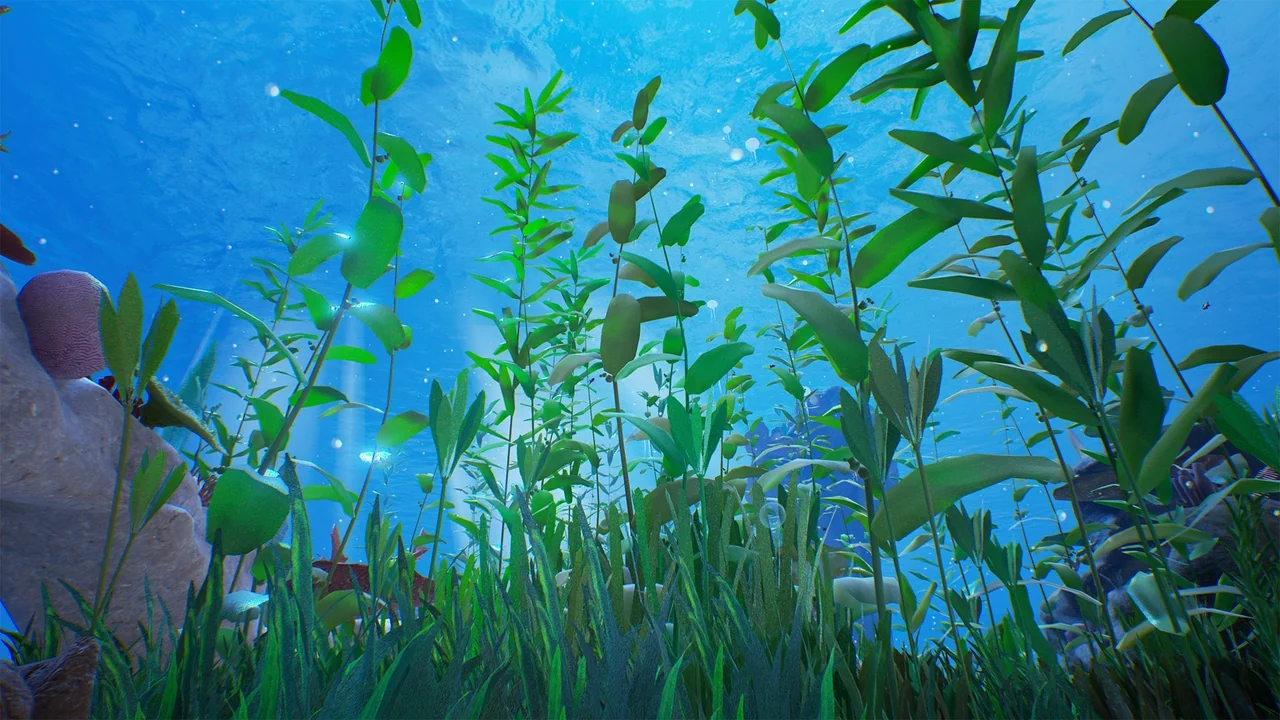
 Forest & Jungle
 Plants
 Environments