"efaa631e936fd3ee"{"id":"1002160","slug":"puzzle-system-kit","title":"Puzzle System Kit","category":"Action-Adventure","engine":"5.0+","assetVersion":"","engineVersion":"Engine Version: 5.0+","tag":"Action-Adventure","accent":"blue","visual":"mech","summary":"Explore the Puzzle System Kit, featuring 8 puzzles, a triggering door linked by BP interface, 100% blueprint logic, and retro puzzle level integration.","platform":"Unreal Engine","publishedAt":"2026-10-29T10:04:38.546Z","updatedAt":"2026-10-29T10:04:38.546Z","sourceNotes":[],"fileContents":[],"compatibility":["Unreal Engine","Engine Version: 5.0+"],"featuredImage":{"alt":"Puzzle System Kit","src":"/wp-content/uploads/published/2026/10/104a7e4df7be-b40134ce-527b-4aea-b5a3-411a6d6864f3-e7ec7076eb.webp"},"hasDownloadLink":true,"downloads":0,"terms":[{"taxonomy":"category","slug":"action-adventure","name":"Action-Adventure"}],"galleryImages":[{"src":"/wp-content/uploads/published/2026/10/3d6e5e6ceabb-0226686d-fd10-4392-b26a-9d82e2d87fb5-71aab764fc.webp","alt":"Puzzle System Kit"},{"src":"/wp-content/uploads/published/2026/10/8478b4bbeb3c-55d060a1-7ee0-4944-9fd0-d2221ab742a9-5d1f21df4f.webp","alt":"Puzzle System Kit"},{"src":"/wp-content/uploads/published/2026/10/0c69ce0f9a40-fb982902-fded-4e9d-bb35-68397a7b841d-fff70ec865.webp","alt":"Puzzle System Kit"},{"src":"/wp-content/uploads/published/2026/10/3485bb74e847-5596eac3-bcff-42fa-b98e-1caf6a07fb92-4abb13d567.webp","alt":"Puzzle System Kit"},{"src":"/wp-content/uploads/published/2026/10/533f5aa71511-fd8a10a9-8798-4dd2-a708-0d7e4468a070-485d189e1e.webp","alt":"Puzzle System Kit"}],"accessPanel":{"kind":"resource","title":"Download this resource","eyebrow":"Free Download","message":"Log in or create a free account to start your download.","fileName":"Puzzle System Kit.7z","safetyNote":"Resources are manually reviewed before listing to improve quality and reduce obvious risks.","actionLabel":"Download Free","resourceType":"Resource archive"},"contentHtml":"\u003ch2\u003eIntegrating Interactive Challenges into Puzzle System Kit Environments\u003c/h2\u003e\n\u003cp\u003eLevel design often stalls when puzzle mechanics require rigid, bespoke wiring to alter physical pathways in a scene. Puzzle System Kit addresses this coordination bottleneck by supplying eight separate puzzles alongside a dedicated triggering door, using visual scripting to handle the underlying state transitions.\u003c/p\u003e\n\u003cp\u003eInstead of forcing developers to construct custom validation checks from scratch, the framework supplies eight distinct puzzle challenges ready to validate user success. When a challenge reaches its solved condition, the event flows directly into the door mechanism to open passage forward. This decoupled interaction keeps individual challenge logic clean while establishing a reliable loop of obstacle, solution, and world change.\u003c/p\u003e \u003ch2\u003eConnecting the Triggering Door via Blueprint Interface\u003c/h2\u003e\n\u003cp\u003eCentral to the communication model is the Blueprint interface linking each puzzle to the triggering door. Relying on direct casts between specific puzzle actors and door meshes tends to create fragile references that break easily when levels are reorganized or actors are replaced. The BP interface standardizes how completion events are broadcasted and received across the board.\u003c/p\u003e\n\u003cp\u003eBy defining standard interface functions, any of the eight puzzles can notify the target door without maintaining hard actor dependencies. Once the player solves a puzzle, the puzzle actor fires a predefined interface message into the environment. The door implements this matching interface, interpreting the incoming message to trigger its transformation or opening sequence. This architecture isolates the visual movement of the door from the internal tracking of puzzle states, allowing game creators to reposition, swap, or reassign which puzzle unlocks which doorway without re-authoring event graphs.\u003c/p\u003e \u003ch2\u003eManaging Eight Puzzles Within 100% Blueprint Logic\u003c/h2\u003e\n\u003cp\u003eThe entire system is created completely with Blueprints, avoiding C++ compilation steps and custom code dependencies. Visual scripting ensures that every puzzle rule, state check, and activation sequence remains readable and editable directly in the native editor viewport.\u003c/p\u003e\n\u003cp\u003eBecause the logic is 100% Blueprint-based, inspecting how each of the eight puzzles tracks player input is straightforward. Developers can trace event execution paths from interaction events down to completion checks. Node graphs handle value changes, internal state tracking, and communication dispatches visually, which makes tracking down logic issues simple. If a puzzle needs altered timing, modified step counts, or specialized feedback adjustments, the edits take place directly inside the respective Blueprint asset without touching source code or rebuilding project binaries.\u003c/p\u003e \u003ch2\u003eRetro Style Logic and Level Pacing\u003c/h2\u003e\n\u003cp\u003eCarrying a distinct retro style focus, the mechanics emulate classic structural gating found in traditional adventure and problem-solving titles. Classic design patterns rely heavily on clear cause-and-effect sequences: completing a deliberate mental challenge directly unseals the immediate physical boundary blocking the path.\u003c/p\u003e\n\u003cp\u003eThe collection of eight puzzles gives designers varied ways to stall or guide player movement throughout a level. In retro gameplay formats, pacing depends heavily on alternating between exploration and focused problem-solving. Having multiple puzzle variations operating on the same underlying trigger framework allows levels to introduce progressive difficulty curves. Players become familiar with how the door responds to puzzle resolutions while encountering eight different puzzle scenarios that test pattern recognition, sequencing, or precision.\u003c/p\u003e \u003ch2\u003eDeploying Puzzle Interactions in Tactical Stealth Operation Frameworks\u003c/h2\u003e\n\u003cp\u003eThe kit features verified compatibility with Tactical Stealth Operation project setups. In stealth scenarios, puzzles serve a critical tactical role beyond simple brain teasers, acting as timed vulnerabilities or high-risk checkpoints.\u003c/p\u003e\n\u003cp\u003eA player tasked with bypassing security or working through restricted zones faces increased tension when forced to interact with a puzzle device while monitoring patrol routes. Because the kit coordinates directly with a physical triggering door through the BP interface, designers can set up security doors, containment locks, or access gates that require silent, methodical manipulation. Placing any of the eight puzzles at a choke point establishes high-stakes objectives where completion directly yields safe passage through closed bulkheads, reinforcing deliberate stealth gameplay without introducing code conflicts into the project framework.\u003c/p\u003e\n\n\u003ch2\u003eRelated Resources Worth Checking\u003c/h2\u003e\n\u003cul\u003e\n\u003cli\u003e\u003ca href=\"https://3dcghub.com/horse-starter-kit/\" title=\"Horse Starter Kit\"\u003eHorse Starter Kit\u003c/a\u003e\u003c/li\u003e\n\u003cli\u003e\u003ca href=\"https://3dcghub.com/advanced-survival-horror/\" title=\"Advanced Survival Horror\"\u003eAdvanced Survival Horror\u003c/a\u003e\u003c/li\u003e\n\u003cli\u003e\u003ca href=\"https://3dcghub.com/platformer-template-2-5d-kit/\" title=\"Platformer Template - 2.5D Kit\"\u003ePlatformer Template - 2.5D Kit\u003c/a\u003e\u003c/li\u003e\n\u003cli\u003e\u003ca href=\"https://3dcghub.com/ultra-game-template-1-3/\" title=\"Ultra Game Template 1.3\"\u003eUltra Game Template 1.3\u003c/a\u003e\u003c/li\u003e\n\u003cli\u003e\u003ca href=\"https://3dcghub.com/thief-simulator-starter-kit/\" title=\"Thief Simulator Starter Kit\"\u003eThief Simulator Starter Kit\u003c/a\u003e\u003c/li\u003e\n\u003c/ul\u003e","contentTextLength":4806,"navigation":{"current":124,"total":4209,"previous":{"id":"1002161","slug":"racing-game-starter-kit","title":"Racing Game Starter Kit","category":"Racing","platform":"Unreal Engine","updatedAt":"2026-10-29T10:05:28.621Z"},"next":{"id":"1002159","slug":"public-restroom","title":"Public Restroom","category":"Abandoned","platform":"Unreal Engine","updatedAt":"2026-10-29T10:04:05.101Z"}},"relatedResources":[{"id":"1001237","slug":"horse-starter-kit","title":"Horse Starter Kit","category":"Action-Adventure","engine":"5.0+","assetVersion":"","engineVersion":"Engine Version: 5.0+","tag":"Action-Adventure","accent":"blue","visual":"mech","summary":"Explore the Horse Starter Kit for Unreal Engine, featuring rigged meshes, 69 animations, rider blueprints, groom hair, and terrain orientation.","platform":"Unreal Engine","publishedAt":"2026-09-21T03:49:23.075Z","updatedAt":"2026-09-21T03:49:23.075Z","sourceNotes":[],"fileContents":[],"compatibility":["Unreal Engine","Engine Version: 5.0+"],"featuredImage":{"alt":"Horse Starter Kit","src":"/wp-content/uploads/published/2026/09/9238c10a13dd-d17047c8-82e0-47ad-b971-45fa74e3c3b6-4e580c1518.webp"},"hasDownloadLink":true,"downloads":2},{"id":"1001786","slug":"advanced-survival-horror","title":"Advanced Survival Horror","category":"Action-Adventure","engine":"5.4+","assetVersion":"","engineVersion":"Engine Version: 5.4+","tag":"Action-Adventure","accent":"blue","visual":"mech","summary":"A comprehensive breakdown of the Advanced Survival Horror template, covering its Blueprint mechanics, puzzles, inventory, combat, and traversal systems.","platform":"Unreal Engine","publishedAt":"2026-10-21T07:39:38.733Z","updatedAt":"2026-10-21T07:39:38.733Z","sourceNotes":[],"fileContents":[],"compatibility":["Unreal Engine","Engine Version: 5.4+"],"featuredImage":{"alt":"Advanced Survival Horror","src":"/wp-content/uploads/published/2026/10/05196d52fc48-bef95558-8d8c-4c14-a9d6-5eca2b82646d-ed3a16f175.webp"},"hasDownloadLink":true,"downloads":0},{"id":"1001147","slug":"platformer-template-2-5d-kit","title":"Platformer Template - 2.5D Kit","category":"Action-Adventure","engine":"5.1+","assetVersion":"","engineVersion":"Engine Version: 5.1+","tag":"Action-Adventure","accent":"blue","visual":"mech","summary":"Explore the Platformer Template - 2.5D Kit, featuring player mechanics, hazards, looping audio, flipbooks, and Blueprint systems for Unreal Engine.","platform":"Unreal Engine","publishedAt":"2026-09-10T11:43:13.319Z","updatedAt":"2026-09-10T11:43:13.319Z","sourceNotes":[],"fileContents":[],"compatibility":["Unreal Engine","Engine Version: 5.1+"],"featuredImage":{"alt":"Platformer Template - 2.5D Kit","src":"/wp-content/uploads/published/2026/09/043cf2d65ab2-69df75bf-6354-4be8-b658-2bf675f06313-2a138dc293.webp"},"hasDownloadLink":true,"downloads":0}]}
Action-Adventure
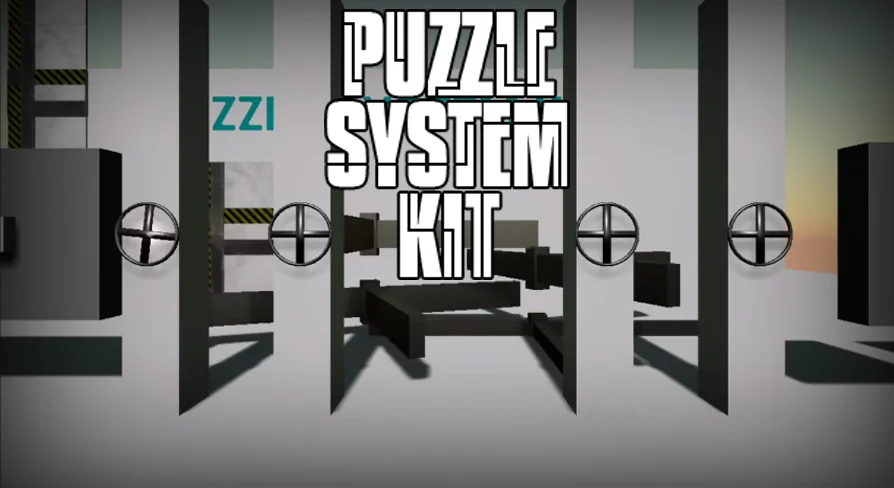
Puzzle System Kit
Explore the Puzzle System Kit, featuring 8 puzzles, a triggering door linked by BP interface, 100% blueprint logic, and retro puzzle level integration.
Integrating Interactive Challenges into Puzzle System Kit Environments
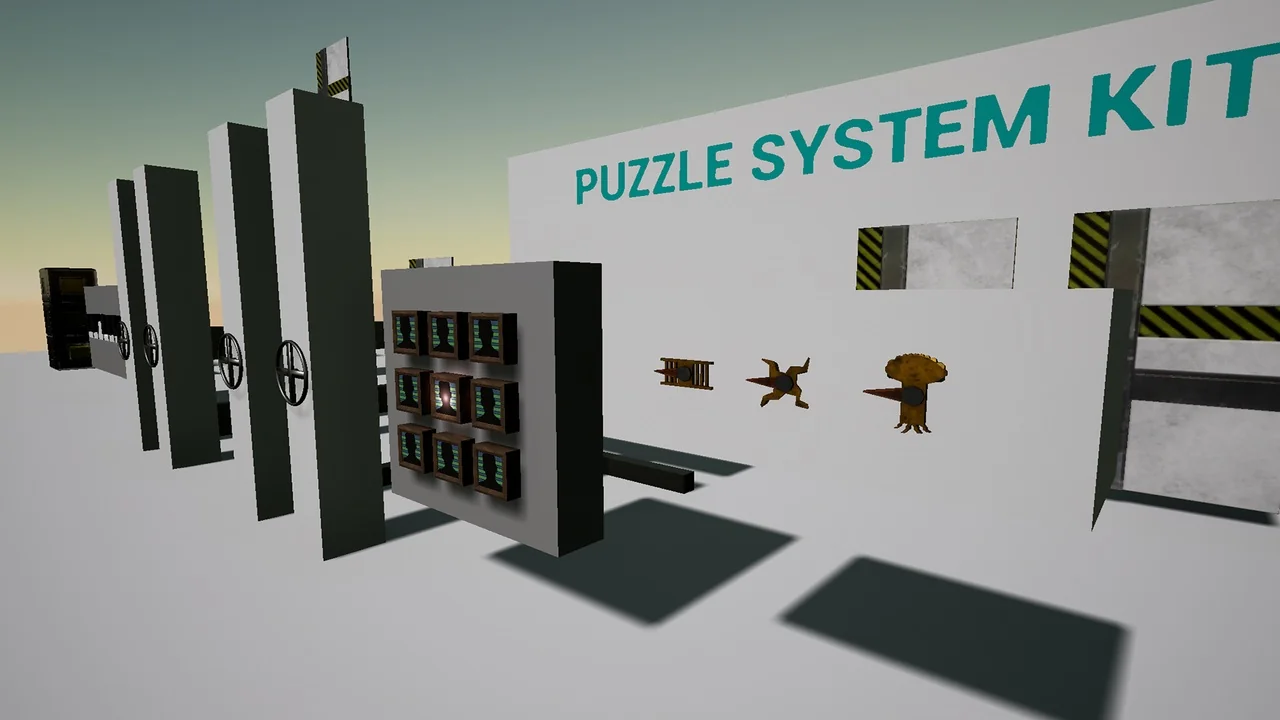
Level design often stalls when puzzle mechanics require rigid, bespoke wiring to alter physical pathways in a scene. Puzzle System Kit addresses this coordination bottleneck by supplying eight separate puzzles alongside a dedicated triggering door, using visual scripting to handle the underlying state transitions.
Instead of forcing developers to construct custom validation checks from scratch, the framework supplies eight distinct puzzle challenges ready to validate user success. When a challenge reaches its solved condition, the event flows directly into the door mechanism to open passage forward. This decoupled interaction keeps individual challenge logic clean while establishing a reliable loop of obstacle, solution, and world change.
Connecting the Triggering Door via Blueprint Interface
Central to the communication model is the Blueprint interface linking each puzzle to the triggering door. Relying on direct casts between specific puzzle actors and door meshes tends to create fragile references that break easily when levels are reorganized or actors are replaced. The BP interface standardizes how completion events are broadcasted and received across the board.
By defining standard interface functions, any of the eight puzzles can notify the target door without maintaining hard actor dependencies. Once the player solves a puzzle, the puzzle actor fires a predefined interface message into the environment. The door implements this matching interface, interpreting the incoming message to trigger its transformation or opening sequence. This architecture isolates the visual movement of the door from the internal tracking of puzzle states, allowing game creators to reposition, swap, or reassign which puzzle unlocks which doorway without re-authoring event graphs.
Managing Eight Puzzles Within 100% Blueprint Logic
The entire system is created completely with Blueprints, avoiding C++ compilation steps and custom code dependencies. Visual scripting ensures that every puzzle rule, state check, and activation sequence remains readable and editable directly in the native editor viewport.
Because the logic is 100% Blueprint-based, inspecting how each of the eight puzzles tracks player input is straightforward. Developers can trace event execution paths from interaction events down to completion checks. Node graphs handle value changes, internal state tracking, and communication dispatches visually, which makes tracking down logic issues simple. If a puzzle needs altered timing, modified step counts, or specialized feedback adjustments, the edits take place directly inside the respective Blueprint asset without touching source code or rebuilding project binaries.
Retro Style Logic and Level Pacing
Carrying a distinct retro style focus, the mechanics emulate classic structural gating found in traditional adventure and problem-solving titles. Classic design patterns rely heavily on clear cause-and-effect sequences: completing a deliberate mental challenge directly unseals the immediate physical boundary blocking the path.
The collection of eight puzzles gives designers varied ways to stall or guide player movement throughout a level. In retro gameplay formats, pacing depends heavily on alternating between exploration and focused problem-solving. Having multiple puzzle variations operating on the same underlying trigger framework allows levels to introduce progressive difficulty curves. Players become familiar with how the door responds to puzzle resolutions while encountering eight different puzzle scenarios that test pattern recognition, sequencing, or precision.
Deploying Puzzle Interactions in Tactical Stealth Operation Frameworks
The kit features verified compatibility with Tactical Stealth Operation project setups. In stealth scenarios, puzzles serve a critical tactical role beyond simple brain teasers, acting as timed vulnerabilities or high-risk checkpoints.
A player tasked with bypassing security or working through restricted zones faces increased tension when forced to interact with a puzzle device while monitoring patrol routes. Because the kit coordinates directly with a physical triggering door through the BP interface, designers can set up security doors, containment locks, or access gates that require silent, methodical manipulation. Placing any of the eight puzzles at a choke point establishes high-stakes objectives where completion directly yields safe passage through closed bulkheads, reinforcing deliberate stealth gameplay without introducing code conflicts into the project framework.
 Action-Adventure
 Action-Adventure
 Action-Adventure
 Action-Adventure