"c68a05d5e51405b3"{"id":"1001109","slug":"modular-subway-tunnels","title":"Modular Subway Tunnels","category":"Industrial","engine":"4.26+,5.0+","assetVersion":"","engineVersion":"Engine Version: 4.26+,5.0+","tag":"Industrial","accent":"blue","visual":"mech","summary":"A modular kit for building subway tunnels and underground rooms, including rails, pipes, hermetic doors, furniture, and a technical train for Unreal and Unity.","platform":"Unreal Engine","publishedAt":"2026-09-07T07:50:51.958Z","updatedAt":"2026-09-07T07:50:51.958Z","sourceNotes":[],"fileContents":[],"compatibility":["Unreal Engine","Engine Version: 4.26+,5.0+"],"featuredImage":{"alt":"Modular Subway Tunnels","src":"/wp-content/uploads/published/2026/09/61d89297ef4d-edf779ea-b395-4cd8-b3c5-ab28b72ece9f-2084d0cc6d.webp"},"hasDownloadLink":true,"downloads":1,"terms":[{"taxonomy":"category","slug":"industrial-environments","name":"Industrial"}],"galleryImages":[{"src":"/wp-content/uploads/published/2026/09/1b20c497f350-a5697ba0-44c6-4380-b840-84b225bb6a3a-1b69362347.webp","alt":"Modular Subway Tunnels"},{"src":"/wp-content/uploads/published/2026/09/f8df5a726614-13b1c1c0-9645-4a25-bc81-40ef87c5c928-322317995e.webp","alt":"Modular Subway Tunnels"},{"src":"/wp-content/uploads/published/2026/09/2e4b2ca6562d-830efe11-3a93-4184-b855-8336f9f5f53f-526295b210.webp","alt":"Modular Subway Tunnels"},{"src":"/wp-content/uploads/published/2026/09/8f8f50a92db8-687f6868-306a-4483-838e-1cc0966de691-4f05a5af51.webp","alt":"Modular Subway Tunnels"},{"src":"/wp-content/uploads/published/2026/09/b87a998cff3f-dd0006ec-322d-4110-a8f4-3d874b7a1271-173b572c31.webp","alt":"Modular Subway Tunnels"},{"src":"/wp-content/uploads/published/2026/09/785b0ed28dfb-1386ce84-2894-4735-8fed-2785ffee983c-efb63dfc29.webp","alt":"Modular Subway Tunnels"},{"src":"/wp-content/uploads/published/2026/09/63ff1f211d11-f09585ab-72c0-4e79-9a3c-ec3a1f992330-0f15fd2e52.webp","alt":"Modular Subway Tunnels"},{"src":"/wp-content/uploads/published/2026/09/e064a88732fa-5dd73a66-c26f-43af-ac9c-e4e5be7258bc-22d7e002ab.webp","alt":"Modular Subway Tunnels"},{"src":"/wp-content/uploads/published/2026/09/65c50b141455-104c9dad-8243-4ee4-a9f1-61392a2baa9c-91a09b4859.webp","alt":"Modular Subway Tunnels"},{"src":"/wp-content/uploads/published/2026/09/01b10501b7a1-6274d305-b8a6-49bb-b8c8-1ff108620a12-5d03699a1a.webp","alt":"Modular Subway Tunnels"}],"accessPanel":{"kind":"resource","title":"Download this resource","eyebrow":"Free Download","message":"Log in or create a free account to start your download.","fileName":"Content.7z","safetyNote":"Resources are manually reviewed before listing to improve quality and reduce obvious risks.","actionLabel":"Download Free","resourceType":"Resource archive"},"contentHtml":"\u003cp\u003eSubway tunnels in games rarely exist as just a hollow tube. They are spaces where concrete, cables, track work, and scattered equipment all tell a story. Modular Subway Tunnels is a resource built for that kind of environment. The kit uses modular elements to form tunnels, rooms, corridors, and other underground interiors, and it supplies many of the objects needed to fill those spaces with usable industrial detail.\u003c/p\u003e \u003ch2\u003eModular geometry for tunnels, rooms, and corridors\u003c/h2\u003e\n\u003cp\u003eAt the core of the package are the structural pieces: tunnels, rooms, and corridors that can be arranged into a functioning layout. The available elements go beyond simple architecture. The set includes rails for train tracks, pipes, wires, ventilation units, hermetic gates, hermetic doors, standard doors, furniture, electrical panels, lighting lamps, a wood box, a diesel generator, stairs, and a technical train. That combination covers both the shell of an underground level and the equipment that gives it purpose.\u003c/p\u003e\n\u003cp\u003eThe range of pieces means a scene can move from a raw, unfinished tunnel to a fully populated workshop or utility corridor. Hermetic gates and doors suggest airtight or secure transitions, while stairs connect vertical sections. A diesel generator and a technical train provide larger hero objects that anchor a scene. These are not just scattered props; they are the kinds of objects that would logically appear around active or disused metro infrastructure.\u003c/p\u003e \u003ch2\u003ePipes that look new, old, dirty, or colored\u003c/h2\u003e\n\u003cp\u003eMaterial work is a central part of the asset. The kit uses PBR materials, and it relies on 29 seamless materials. Seamless textures are especially important in modular environments because walls, floors, and equipment often need to tile across large surfaces without visible breaks. The asset also reuses textures across multiple objects, which lowers the memory cost compared to giving every mesh its own unique set of maps.\u003c/p\u003e\n\u003cp\u003eOne of the more practical details is the range of material options for pipes. Pipes can be set up as new, old, dirty, blue, green, red, or yellow. That gives a scene multiple ways to introduce color coding, wear, or varying maintenance levels. Old and dirty options help sell an abandoned or grungy space, while fresh blue or red pipes can indicate still-active systems. Electrical panels likewise come in several color choices, adding another layer of visual variety without multiplying texture files.\u003c/p\u003e \u003ch2\u003eTri counts that show what each category carries\u003c/h2\u003e\n\u003cp\u003eThe asset is marked as low poly and game ready, with a reasonable poly count. The published range of triangles is broad because the set mixes very simple props with larger architectural assemblies. Furniture sits in the lightest range, between 48 and 396 triangles. Ventilation ranges from 8 to 206. Workshop pieces span 72 to 436. On the heavier side, doors go up to 11,530 triangles, electrical equipment reaches 44,514, pipes climb to 54,740, and architecture can go as high as 89,758. These numbers give a realistic sense of where the budget goes: small props remain cheap, while large tunnel sections or complex equipment naturally cost more.\u003c/p\u003e\n\u003cp\u003eBecause the set is modular and game ready, the tri ranges are worth checking before blocking out a level. A long corridor made of large architecture pieces will carry a different cost than a room furnished with only the smaller items. Knowing those limits early helps with layout planning and performance estimation.\u003c/p\u003e \u003ch2\u003eUnreal and Unity versions with URP and HDRP in view\u003c/h2\u003e\n\u003cp\u003eModular Subway Tunnels comes in both Unreal and Unity versions. PBR materials are included, which means the way surfaces respond to light is consistent across a wider set of render pipelines. The asset tags include URP and HDRP, pointing to Unity’s Universal Render Pipeline and High Definition Render Pipeline setups. For Unreal users, the PBR workflow fits directly into the engine’s material system.\u003c/p\u003e\n\u003cp\u003eSeamless materials add another practical benefit: they make it easier to extend walls and floors across modular sections. When a tileable texture is used across multiple pieces, joints between modules become less obvious, which is often the difference between a convincing tunnel and one that reads as a series of separate boxes. Reusing textures for multiple props also fits with the low-memory design goal of the set.\u003c/p\u003e \u003ch2\u003eAn abandoned, industrial visual direction\u003c/h2\u003e\n\u003cp\u003eThe asset’s tags describe a specific kind of atmosphere: postapocalyptic, abandoned, metro, apocalyptic, grunge, old, realistic, industrial, horror, urban, and metropolitan. That grouping is useful when deciding whether this kit matches a project’s tone. The sealed hermetic doors, scattered pipes, and utilitarian furniture are all consistent with a working metro that has been aged, worn down, or overtaken by a more ominous mood. The variety of pipe finishes makes it possible to blend functioning systems with rusted or neglected ones, so a scene can look lived-in without being uniformly destroyed.\u003c/p\u003e\n\u003cp\u003eFor artists and level designers, the set covers the entire chain of assembly: choose a tunnel segment, attach a corridor, connect a room, add rails and lighting, then place the equipment that makes the space feel operational or abandoned. The combination of architecture and filling objects in one package means there is no need to hunt separately for rails, doors, generators, or a technical train when building a metro level. The modular piece count and sealed components allow the same kit to support a clear, functional underground station or a dark, derelict tunnel system.\u003c/p\u003e\n\u003cp\u003eModular Subway Tunnels is the kind of asset that gets measured by how well its pieces coexist. Between the architectural tri range, the seamless material set, and the assortment of industrial props, it provides a straightforward way to assemble underground scenes that feel populated rather than empty. For anyone putting together a subway, metro, or underground utility space, the kit’s strength is in the completeness of its parts and the worn, industrial identity carried across every element.\u003c/p\u003e\n\n\u003ch2\u003eExplore Similar Assets\u003c/h2\u003e\n\u003cul\u003e\n\u003cli\u003e\u003ca href=\"https://3dcghub.com/subway/\" title=\"Subway\"\u003eSubway\u003c/a\u003e\u003c/li\u003e\n\u003cli\u003e\u003ca href=\"https://3dcghub.com/city-subway-tunnel/\" title=\"City Subway Tunnel\"\u003eCity Subway Tunnel\u003c/a\u003e\u003c/li\u003e\n\u003cli\u003e\u003ca href=\"https://3dcghub.com/cyberpunk-subway-train-kit/\" title=\"Cyberpunk Subway Train Kit\"\u003eCyberpunk Subway Train Kit\u003c/a\u003e\u003c/li\u003e\n\u003cli\u003e\u003ca href=\"https://3dcghub.com/underground-facility/\" title=\"Underground Facility\"\u003eUnderground Facility\u003c/a\u003e\u003c/li\u003e\n\u003cli\u003e\u003ca href=\"https://3dcghub.com/modular-sewers-tunnels-modular-sewers-modular-tunnels-modular-corridor/\" title=\"Modular Sewers \u0026amp; Tunnels (Modular Sewers, Modular Tunnels, Modular Corridor)\"\u003eModular Sewers \u0026amp; Tunnels (Modular Sewers, Modular Tunnels, Modular Corridor)\u003c/a\u003e\u003c/li\u003e\n\u003c/ul\u003e","contentTextLength":6212,"navigation":{"current":866,"total":3860,"previous":{"id":"1001110","slug":"rome-italian-town","title":"Rome - Italian Town","category":"Cities","platform":"Unreal Engine","updatedAt":"2026-09-07T11:06:22.302Z"},"next":{"id":"1001108","slug":"abandoned-manor","title":"Abandoned Manor","category":"Historical","platform":"Unreal Engine","updatedAt":"2026-09-07T07:03:05.275Z"}},"relatedResources":[{"id":"1000254","slug":"subway","title":"Subway","category":"Industrial","engine":"4.26+,5.0+","assetVersion":"","engineVersion":"Engine Version: 4.26+,5.0+","tag":"Industrial","accent":"blue","visual":"mech","summary":"Construct realistic underground transit networks with a modular collection of platforms, technical rooms, spline-driven tunnels, and customizable train blueprin","platform":"Unreal Engine","publishedAt":"2026-06-30T21:55:22.710Z","updatedAt":"2026-06-30T21:55:22.710Z","sourceNotes":[],"fileContents":[],"compatibility":["Unreal Engine","Engine Version: 4.26+,5.0+"],"featuredImage":{"alt":"Subway","src":"/wp-content/uploads/published/2026/06/c872537741a5-64daf0a1-bc5d-47d4-b07e-3fc4ecca9c7f-5b87ebb9d0.webp"},"hasDownloadLink":true,"downloads":0},{"id":"8551","slug":"city-subway-tunnel","title":"City Subway Tunnel","category":"Industrial","engine":"4.26+,5.0+","assetVersion":"Engine version: 4.26+,5.0+","engineVersion":"4.19","tag":"Industrial","accent":"blue","visual":"city","summary":"Build realistic underground environments with this professional-grade modular asset pack. It features over 100 high-quality meshes and an intuitive spline system for rapid level development.","platform":"Unreal Engine","publishedAt":"2026-02-23T17:45:34.000Z","updatedAt":"2026-04-19T15:55:25.000Z","sourceNotes":[],"fileContents":[],"compatibility":["Unreal Engine","Engine version: 4.26+,5.0+"],"featuredImage":{"alt":"City Subway Tunnel","src":"https://3dcghub.com/wp-content/uploads/2026/02/e1ad8717-5123-499e-90b2-07453eddd438.webp"},"hasDownloadLink":true,"downloads":0},{"id":"1000585","slug":"cyberpunk-subway-train-kit","title":"Cyberpunk Subway Train Kit","category":"Industrial","engine":"5.0+","assetVersion":"","engineVersion":"Engine Version: 5.0+","tag":"Industrial","accent":"blue","visual":"mech","summary":"Modular cyberpunk subway train construction kit with custom materials, decals, and a demo map featuring a train interior with a moving cityscape backdrop.","platform":"Unreal Engine","publishedAt":"2026-07-17T00:03:49.854Z","updatedAt":"2026-07-17T00:03:49.854Z","sourceNotes":[],"fileContents":[],"compatibility":["Unreal Engine","Engine Version: 5.0+"],"featuredImage":{"alt":"Cyberpunk Subway Train Kit","src":"/wp-content/uploads/published/2026/07/9afb4be55c5c-0286140f-e8ac-40f9-a11b-76179a90cfba-c44c78e080.webp"},"hasDownloadLink":true,"downloads":0}]}
Industrial
Modular Subway Tunnels
A modular kit for building subway tunnels and underground rooms, including rails, pipes, hermetic doors, furniture, and a technical train for Unreal and Unity.
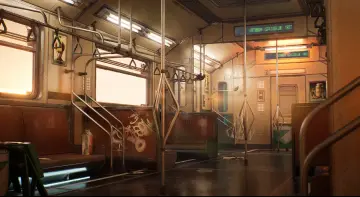
Subway tunnels in games rarely exist as just a hollow tube. They are spaces where concrete, cables, track work, and scattered equipment all tell a story. Modular Subway Tunnels is a resource built for that kind of environment. The kit uses modular elements to form tunnels, rooms, corridors, and other underground interiors, and it supplies many of the objects needed to fill those spaces with usable industrial detail.
Modular geometry for tunnels, rooms, and corridors
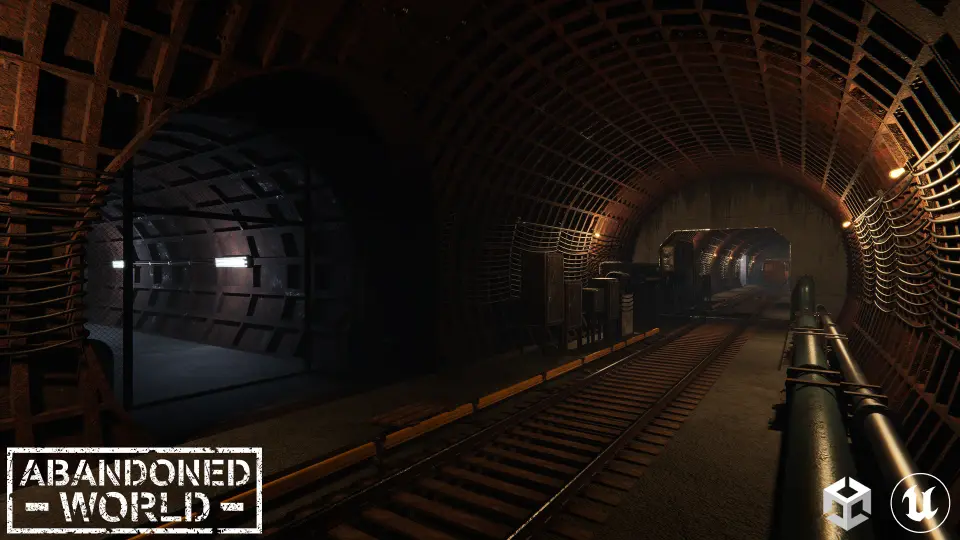
At the core of the package are the structural pieces: tunnels, rooms, and corridors that can be arranged into a functioning layout. The available elements go beyond simple architecture. The set includes rails for train tracks, pipes, wires, ventilation units, hermetic gates, hermetic doors, standard doors, furniture, electrical panels, lighting lamps, a wood box, a diesel generator, stairs, and a technical train. That combination covers both the shell of an underground level and the equipment that gives it purpose.
The range of pieces means a scene can move from a raw, unfinished tunnel to a fully populated workshop or utility corridor. Hermetic gates and doors suggest airtight or secure transitions, while stairs connect vertical sections. A diesel generator and a technical train provide larger hero objects that anchor a scene. These are not just scattered props; they are the kinds of objects that would logically appear around active or disused metro infrastructure.
Pipes that look new, old, dirty, or colored
Material work is a central part of the asset. The kit uses PBR materials, and it relies on 29 seamless materials. Seamless textures are especially important in modular environments because walls, floors, and equipment often need to tile across large surfaces without visible breaks. The asset also reuses textures across multiple objects, which lowers the memory cost compared to giving every mesh its own unique set of maps.
One of the more practical details is the range of material options for pipes. Pipes can be set up as new, old, dirty, blue, green, red, or yellow. That gives a scene multiple ways to introduce color coding, wear, or varying maintenance levels. Old and dirty options help sell an abandoned or grungy space, while fresh blue or red pipes can indicate still-active systems. Electrical panels likewise come in several color choices, adding another layer of visual variety without multiplying texture files.
Tri counts that show what each category carries
The asset is marked as low poly and game ready, with a reasonable poly count. The published range of triangles is broad because the set mixes very simple props with larger architectural assemblies. Furniture sits in the lightest range, between 48 and 396 triangles. Ventilation ranges from 8 to 206. Workshop pieces span 72 to 436. On the heavier side, doors go up to 11,530 triangles, electrical equipment reaches 44,514, pipes climb to 54,740, and architecture can go as high as 89,758. These numbers give a realistic sense of where the budget goes: small props remain cheap, while large tunnel sections or complex equipment naturally cost more.
Because the set is modular and game ready, the tri ranges are worth checking before blocking out a level. A long corridor made of large architecture pieces will carry a different cost than a room furnished with only the smaller items. Knowing those limits early helps with layout planning and performance estimation.
Unreal and Unity versions with URP and HDRP in view
Modular Subway Tunnels comes in both Unreal and Unity versions. PBR materials are included, which means the way surfaces respond to light is consistent across a wider set of render pipelines. The asset tags include URP and HDRP, pointing to Unity’s Universal Render Pipeline and High Definition Render Pipeline setups. For Unreal users, the PBR workflow fits directly into the engine’s material system.
Seamless materials add another practical benefit: they make it easier to extend walls and floors across modular sections. When a tileable texture is used across multiple pieces, joints between modules become less obvious, which is often the difference between a convincing tunnel and one that reads as a series of separate boxes. Reusing textures for multiple props also fits with the low-memory design goal of the set.
An abandoned, industrial visual direction
The asset’s tags describe a specific kind of atmosphere: postapocalyptic, abandoned, metro, apocalyptic, grunge, old, realistic, industrial, horror, urban, and metropolitan. That grouping is useful when deciding whether this kit matches a project’s tone. The sealed hermetic doors, scattered pipes, and utilitarian furniture are all consistent with a working metro that has been aged, worn down, or overtaken by a more ominous mood. The variety of pipe finishes makes it possible to blend functioning systems with rusted or neglected ones, so a scene can look lived-in without being uniformly destroyed.
For artists and level designers, the set covers the entire chain of assembly: choose a tunnel segment, attach a corridor, connect a room, add rails and lighting, then place the equipment that makes the space feel operational or abandoned. The combination of architecture and filling objects in one package means there is no need to hunt separately for rails, doors, generators, or a technical train when building a metro level. The modular piece count and sealed components allow the same kit to support a clear, functional underground station or a dark, derelict tunnel system.
Modular Subway Tunnels is the kind of asset that gets measured by how well its pieces coexist. Between the architectural tri range, the seamless material set, and the assortment of industrial props, it provides a straightforward way to assemble underground scenes that feel populated rather than empty. For anyone putting together a subway, metro, or underground utility space, the kit’s strength is in the completeness of its parts and the worn, industrial identity carried across every element.
 Industrial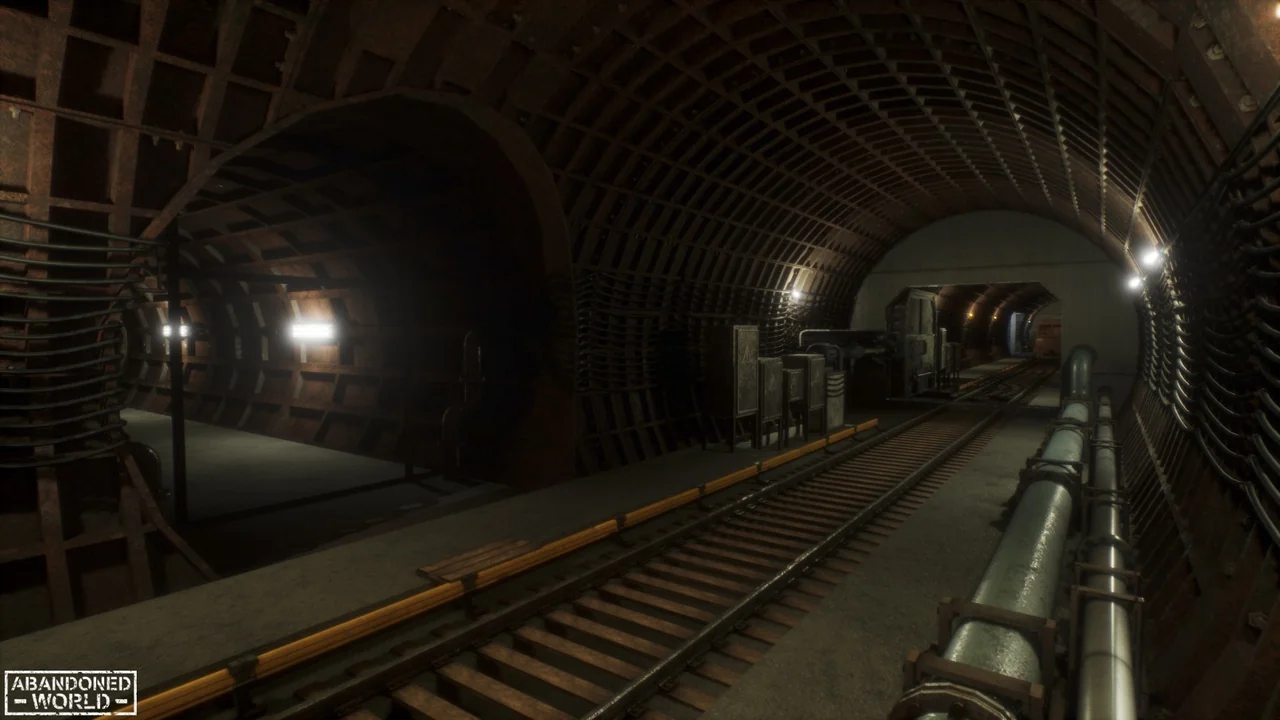
 Industrial
 Industrial
 Industrial