"d4769ebd8b229f47"{"id":"1002091","slug":"lock-system","title":"Lock System","category":"Game Mechanics","engine":"4.26+,5.0+","assetVersion":"","engineVersion":"Engine Version: 4.26+,5.0+","tag":"Game Mechanics","accent":"blue","visual":"mech","summary":"A configurable Blueprint and code framework for unlocking doors, lockers, and cockpits with key support and Pro Game Menu compatibility.","platform":"Unreal Engine","publishedAt":"2026-10-29T08:36:15.335Z","updatedAt":"2026-10-29T08:36:15.335Z","sourceNotes":[],"fileContents":[],"compatibility":["Unreal Engine","Engine Version: 4.26+,5.0+"],"featuredImage":{"alt":"Lock System","src":"/wp-content/uploads/published/2026/10/09778cc8e1ef-fbf69c35-c125-4c42-99ad-b913345514ce-bda4ce3e46.webp"},"hasDownloadLink":true,"downloads":0,"terms":[{"taxonomy":"category","slug":"game-mechanics","name":"Game Mechanics"}],"galleryImages":[{"src":"/wp-content/uploads/published/2026/10/4f4037667133-a5a2962e-4951-42d2-b052-25b8b73ba901-f0be27e32e.webp","alt":"Lock System"},{"src":"/wp-content/uploads/published/2026/10/63fc2e1de580-b25a54cb-e062-44c4-acc9-bd13ff4de979-33420c1e62.webp","alt":"Lock System"},{"src":"/wp-content/uploads/published/2026/10/5f37df9306fe-22c2ade7-904a-410a-8159-2384e55755db-0cecc33d1d.webp","alt":"Lock System"},{"src":"/wp-content/uploads/published/2026/10/823b6f7598e7-518b6c5d-14d6-4f42-a854-b295627788c2-1f3e3062ef.webp","alt":"Lock System"}],"accessPanel":{"kind":"resource","title":"Download this resource","eyebrow":"Free Download","message":"Log in or create a free account to start your download.","fileName":"Content.7z","safetyNote":"Resources are manually reviewed before listing to improve quality and reduce obvious risks.","actionLabel":"Download Free","resourceType":"Resource archive"},"contentHtml":"\u003ch2\u003eSolving Access Barriers in Interactive Spaces\u003c/h2\u003e\u003cp\u003eGated progression defines how players navigate game environments, directing traffic through locked doors, sealed compartments, and restricted machinery. Setting up separate logic for each locked prop wastes development time and leads to fragmented mechanics.\u003c/p\u003e\u003cp\u003eLock System addresses this workflow obstacle by establishing a unified foundation to handle locks of any type. Instead of writing isolated trigger scripts or custom item verifications every time an obstacle needs a key, developers can deploy a single core mechanic across their scenes. This keeps player interactions consistent whether they are picking up a keycard for a security barrier, checking a padlock on a storage trunk, or unlocking entry into a high-tech vehicle.\u003c/p\u003e\u003ch2\u003eConfiguring Door and Locker Mechanics with Keys\u003c/h2\u003e\u003cp\u003eDoors and lockers serve as the standard test cases for lock interaction, demanding predictable responses when a player attempts to open them.\u003c/p\u003e\u003cp\u003eThe system is built to make adding and configuring these objects straightforward. When placing a locked door or a secure locker in a level, the configuration process enables quick assignment of locking rules and corresponding key requirements. Because the setup steps remain uniform across different asset types, populating an environment with interactive storage containers, barricaded access routes, and residential doors requires minimal manual setup. The player experience stays reliable because every lock queries key data through the same standard pathway.\u003c/p\u003e\u003ch2\u003eBlueprint and Code Logic for Custom Expansion\u003c/h2\u003e\u003cp\u003eRigid mechanics limit project flexibility when custom gameplay rules demand unique locking behaviors.\u003c/p\u003e\u003cp\u003eUnder the hood, Lock System utilizes Blueprint and code structures that allow the base mechanics to be expanded as project requirements evolve. The framework gives technical designers and programmers direct access to inspect the logic, extend existing functions, or introduce non-standard lock states. If a production requires electronic passcodes, timed security bypasses, or multi-key prerequisites alongside standard mechanical locks, the existing code and Blueprint architecture provide a clean starting point for those additions without demanding a full rewrite of the baseline interaction flow.\u003c/p\u003e\u003ch2\u003eCockpit Entry and Specialized Vehicle Locks\u003c/h2\u003e\u003cp\u003eInteractive vehicles and heavy machinery frequently introduce complex access hurdles that go beyond ordinary architectural doorways.\u003c/p\u003e\u003cp\u003eCockpit access points represent a distinct application where the system fits cleanly into vehicle-focused and sci-fi environments. Whether granting entry to a grounded starfighter, an industrial mech, or an armored transport, locking a cockpit canopy uses the same foundational rules as securing a storage locker. Applying identical key verification logic to vehicle cockpits ensures that players do not encounter disjointed interaction rules when transitioning from foot exploration to vehicular operations, maintaining continuity across diverse gameplay scenarios.\u003c/p\u003e\u003ch2\u003ePro Game Menu Compatibility and Workflow Placement\u003c/h2\u003e\u003cp\u003eInteractive game mechanics cannot operate completely detached from the interface layer, especially when players need to track inventory items, access keys, or manage gameplay options.\u003c/p\u003e\u003cp\u003eCompatibility with Pro Game Menu ensures that the system fits neatly alongside established interface solutions. Menu states, inventory interactions, and user interface prompts can interface with the underlying lock states without creating technical conflicts. This compatibility simplifies production pipelines by allowing teams to connect environmental locking logic directly to structured interface frameworks, eliminating the need to bridge disparate menu tools with custom access checks. Lock System settles into production as a focused interaction layer, ready to manage keys, doors, cockpits, and secure containers straight out of the box.\u003c/p\u003e\n\n\u003ch2\u003eContinue Browsing Similar Packs\u003c/h2\u003e\n\u003cul\u003e\n\u003cli\u003e\u003ca href=\"https://3dcghub.com/uaim-advanced-lock-on-targeting-and-prediction-system/\" title=\"uAim - Advanced Lock-On Targeting and Prediction System\"\u003euAim - Advanced Lock-On Targeting and Prediction System\u003c/a\u003e\u003c/li\u003e\n\u003cli\u003e\u003ca href=\"https://3dcghub.com/race-system/\" title=\"Race System\"\u003eRace System\u003c/a\u003e\u003c/li\u003e\n\u003cli\u003e\u003ca href=\"https://3dcghub.com/scratch-card-lottery-system/\" title=\"Scratch Card Lottery System\"\u003eScratch Card Lottery System\u003c/a\u003e\u003c/li\u003e\n\u003cli\u003e\u003ca href=\"https://3dcghub.com/modern-rpg-skill-tree/\" title=\"Modern RPG Skill Tree\"\u003eModern RPG Skill Tree\u003c/a\u003e\u003c/li\u003e\n\u003cli\u003e\u003ca href=\"https://3dcghub.com/ui-umg-pack-clara/\" title=\"UI (UMG) Pack - Clara\"\u003eUI (UMG) Pack - Clara\u003c/a\u003e\u003c/li\u003e\n\u003c/ul\u003e","contentTextLength":4077,"navigation":{"current":47,"total":4063,"previous":{"id":"1002092","slug":"lock-on-targeting-system","title":"Lock-on Targeting System","category":"Gameplay Features","platform":"Unreal Engine","updatedAt":"2026-10-29T08:38:16.858Z"},"next":{"id":"3439","slug":"sci-fi-survey-drones","title":"Sci-fi Survey Drones","category":"Characters \u0026 Creatures","platform":"Unreal Engine","updatedAt":"2026-10-28T12:37:24.933Z"}},"relatedResources":[{"id":"1000445","slug":"uaim-advanced-lock-on-targeting-and-prediction-system","title":"uAim - Advanced Lock-On Targeting and Prediction System","category":"Game Mechanics","engine":"5.7","assetVersion":"Asset Version: 1.0","engineVersion":"Engine Version: 5.7","tag":"Game Mechanics","accent":"blue","visual":"mech","summary":"uAim is a C++ lock-on targeting and movement prediction system for Unreal Engine, covering character camera lock-on, turrets, homing projectiles, and procedural","platform":"Unreal Engine","publishedAt":"2026-07-11T00:18:00.368Z","updatedAt":"2026-07-11T00:18:00.368Z","sourceNotes":[],"fileContents":[],"compatibility":["Unreal Engine","Asset Version: 1.0","Engine Version: 5.7"],"featuredImage":{"alt":"uAim - Advanced Lock-On Targeting and Prediction System","src":"/wp-content/uploads/published/2026/07/207da5fa5aa8-68d32af6-9231-4022-8483-b4902303679b-9fcd15de94.webp"},"hasDownloadLink":true,"downloads":0},{"id":"10436","slug":"race-system","title":"Race System","category":"Game Mechanics","engine":"5.4+","assetVersion":"Engine version: 5.4+","engineVersion":"5.0","tag":"Game Mechanics","accent":"blue","visual":"audio","summary":"The Race System provides a robust blueprint-based foundation for managing racing mechanics, including position tracking, lap timing, and shortcut prevention. It is compatible with any vehicle blueprint and supports up to 16 players.","platform":"Unreal Engine","publishedAt":"2026-03-03T15:21:57.000Z","updatedAt":"2026-04-19T15:50:02.000Z","sourceNotes":[],"fileContents":[],"compatibility":["Unreal Engine","Engine version: 5.4+"],"featuredImage":{"alt":"Race System","src":"https://3dcghub.com/wp-content/uploads/2026/03/ad4f0d31-e83b-4c39-b7d2-cacb0a97069c.webp"},"hasDownloadLink":true,"downloads":0},{"id":"10458","slug":"scratch-card-lottery-system","title":"Scratch Card Lottery System","category":"Game Mechanics","engine":"5.3+","assetVersion":"Engine version: 5.3+","engineVersion":"4.27","tag":"Game Mechanics","accent":"blue","visual":"character","summary":"Enhance your game with a fully functional Scratch Card Lottery System. This asset includes customizable win probabilities, interactive widgets, and high-quality audio for a complete player experience.","platform":"Unreal Engine","publishedAt":"2026-03-03T15:26:41.000Z","updatedAt":"2026-04-19T15:50:01.000Z","sourceNotes":[],"fileContents":[],"compatibility":["Unreal Engine","Engine version: 5.3+"],"featuredImage":{"alt":"Scratch Card Lottery System","src":"https://3dcghub.com/wp-content/uploads/2026/03/a76ac459-02f0-43a9-a82a-f1bd86f0981c.webp"},"hasDownloadLink":true,"downloads":0}]}
Game Mechanics
Lock System
A configurable Blueprint and code framework for unlocking doors, lockers, and cockpits with key support and Pro Game Menu compatibility.
Category:Unreal Engine,Game MechanicsPlatform: Unreal EngineEngine Version: 4.26+,5.0+Published: Oct 29, 2026
Game Mechanics
Resource overview
Solving Access Barriers in Interactive Spaces
Gated progression defines how players navigate game environments, directing traffic through locked doors, sealed compartments, and restricted machinery. Setting up separate logic for each locked prop wastes development time and leads to fragmented mechanics.
Lock System addresses this workflow obstacle by establishing a unified foundation to handle locks of any type. Instead of writing isolated trigger scripts or custom item verifications every time an obstacle needs a key, developers can deploy a single core mechanic across their scenes. This keeps player interactions consistent whether they are picking up a keycard for a security barrier, checking a padlock on a storage trunk, or unlocking entry into a high-tech vehicle.
Configuring Door and Locker Mechanics with Keys
Doors and lockers serve as the standard test cases for lock interaction, demanding predictable responses when a player attempts to open them.
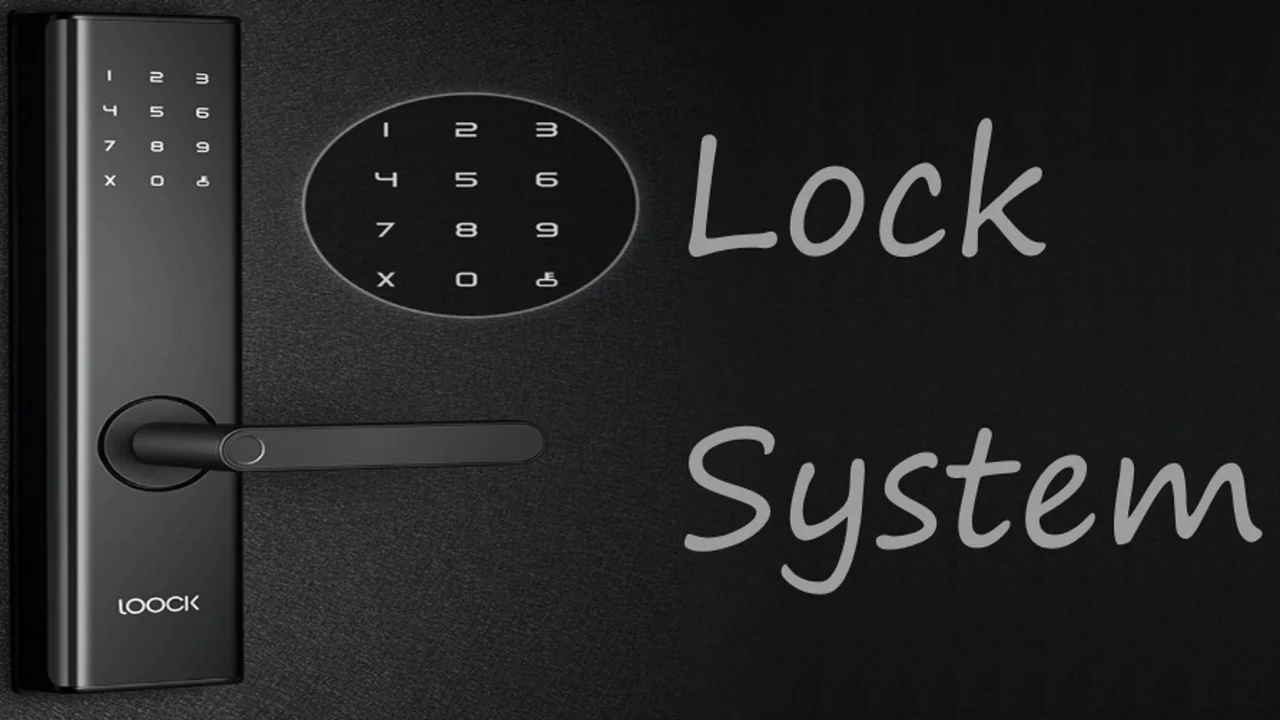
The system is built to make adding and configuring these objects straightforward. When placing a locked door or a secure locker in a level, the configuration process enables quick assignment of locking rules and corresponding key requirements. Because the setup steps remain uniform across different asset types, populating an environment with interactive storage containers, barricaded access routes, and residential doors requires minimal manual setup. The player experience stays reliable because every lock queries key data through the same standard pathway.
Under the hood, Lock System utilizes Blueprint and code structures that allow the base mechanics to be expanded as project requirements evolve. The framework gives technical designers and programmers direct access to inspect the logic, extend existing functions, or introduce non-standard lock states. If a production requires electronic passcodes, timed security bypasses, or multi-key prerequisites alongside standard mechanical locks, the existing code and Blueprint architecture provide a clean starting point for those additions without demanding a full rewrite of the baseline interaction flow.
Cockpit Entry and Specialized Vehicle Locks
Interactive vehicles and heavy machinery frequently introduce complex access hurdles that go beyond ordinary architectural doorways.
Cockpit access points represent a distinct application where the system fits cleanly into vehicle-focused and sci-fi environments. Whether granting entry to a grounded starfighter, an industrial mech, or an armored transport, locking a cockpit canopy uses the same foundational rules as securing a storage locker. Applying identical key verification logic to vehicle cockpits ensures that players do not encounter disjointed interaction rules when transitioning from foot exploration to vehicular operations, maintaining continuity across diverse gameplay scenarios.
Pro Game Menu Compatibility and Workflow Placement
Interactive game mechanics cannot operate completely detached from the interface layer, especially when players need to track inventory items, access keys, or manage gameplay options.
Compatibility with Pro Game Menu ensures that the system fits neatly alongside established interface solutions. Menu states, inventory interactions, and user interface prompts can interface with the underlying lock states without creating technical conflicts. This compatibility simplifies production pipelines by allowing teams to connect environmental locking logic directly to structured interface frameworks, eliminating the need to bridge disparate menu tools with custom access checks. Lock System settles into production as a focused interaction layer, ready to manage keys, doors, cockpits, and secure containers straight out of the box.
 Game Mechanics
 Game Mechanics
 Game Mechanics
 Game Mechanics