Introduction to LE Http Request
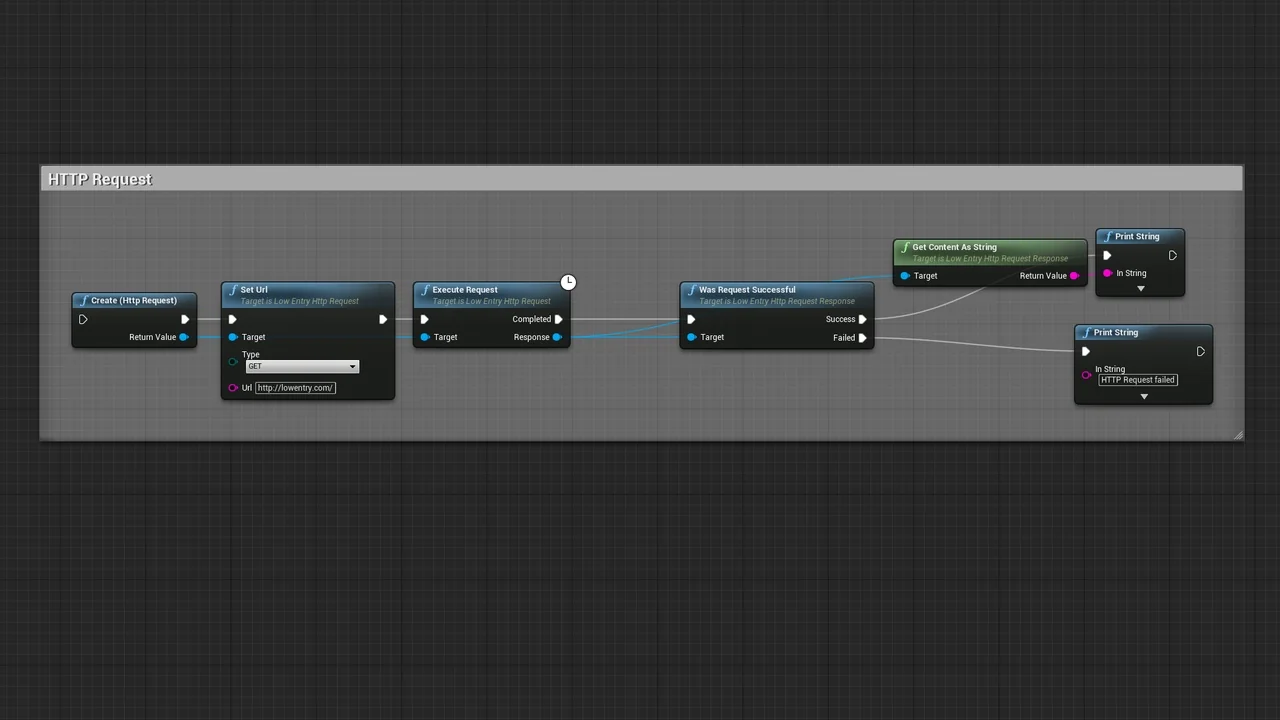
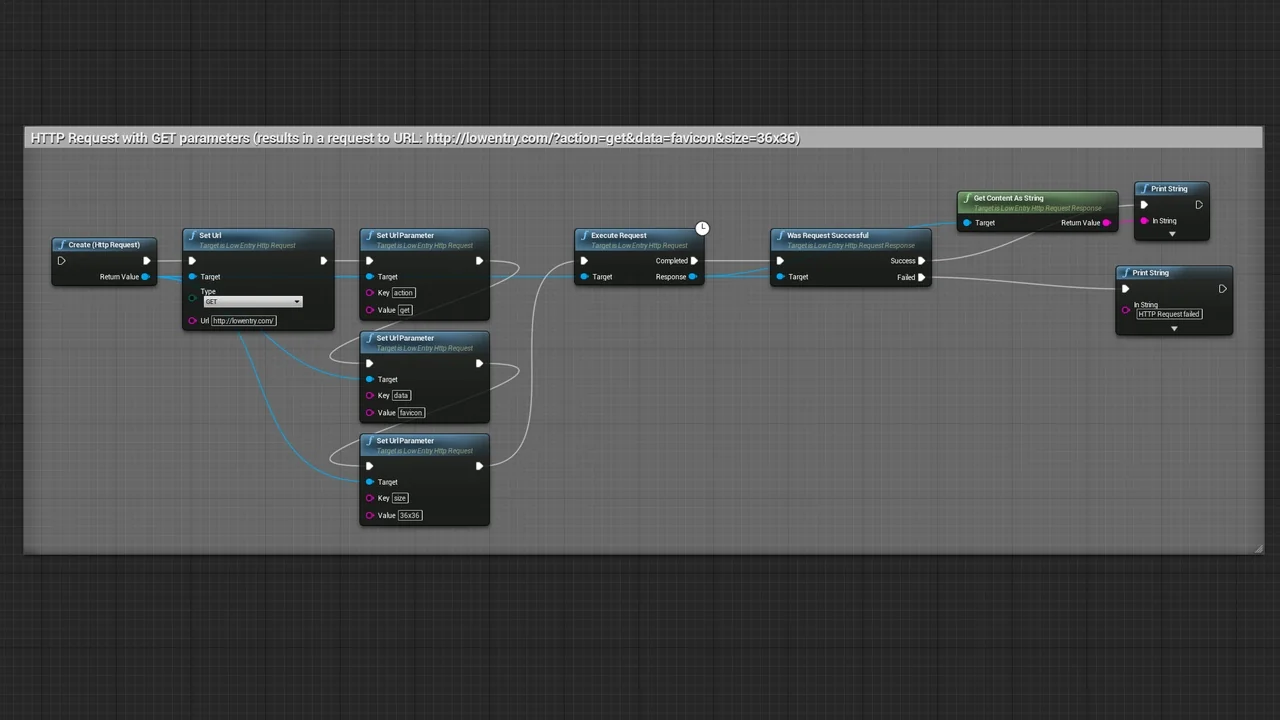
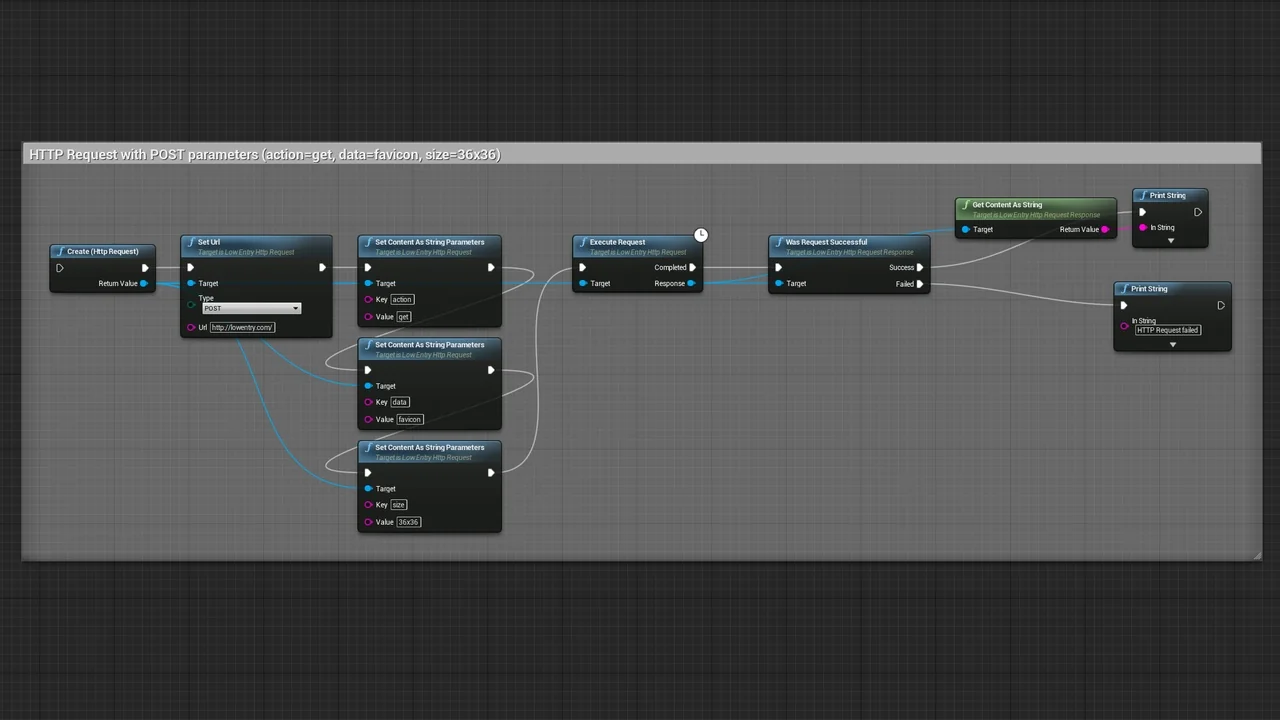
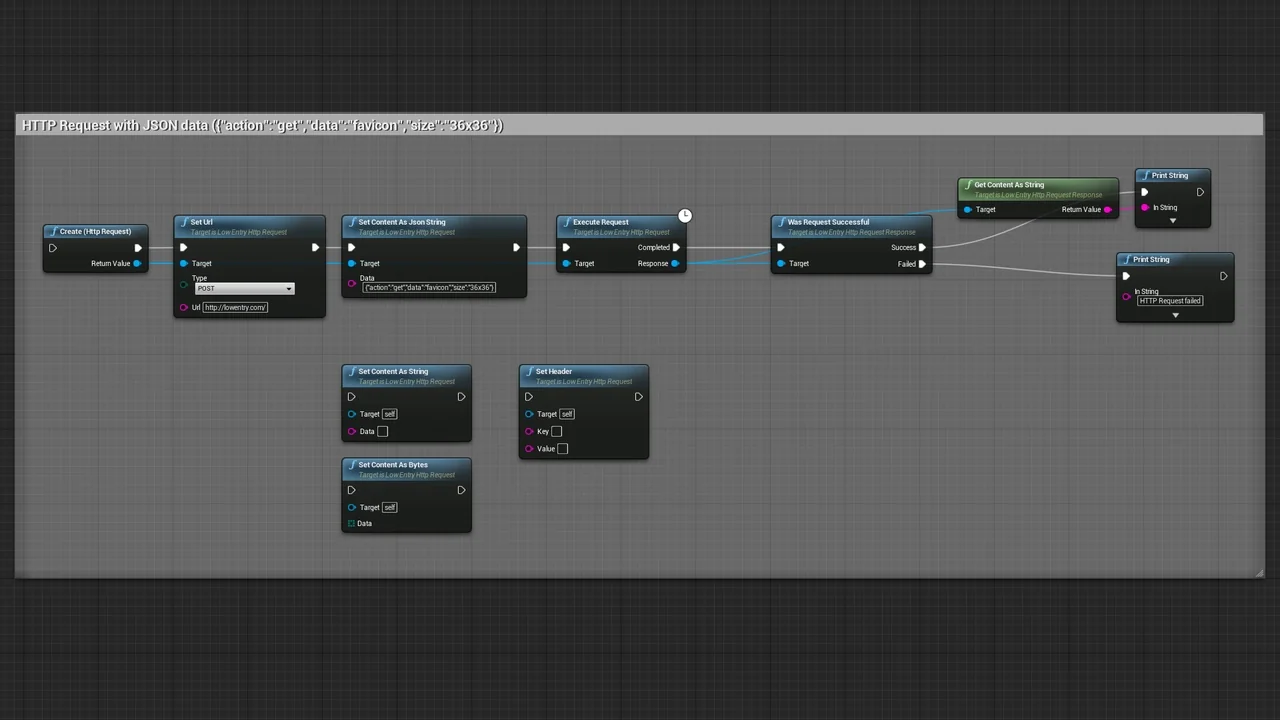
LE Http Request is a specialized tool designed to enhance the networking capabilities of developers using visual scripting. This plugin specifically provides you with Blueprints to make HTTP requests. Consequently, it allows for a more streamlined approach to web communication within your project environment. By focusing on a Blueprint-centric workflow, it ensures that networking tasks are accessible without requiring extensive manual coding.
Simplified Blueprint Networking
The primary function of LE Http Request is to facilitate communication between your project and external web services. Because the plugin provides dedicated Blueprints, you can initiate and manage requests directly within your existing logic. This integration is particularly beneficial for creators who prefer staying within the visual scripting editor. Furthermore, using these tools can help organize how your project sends and receives data across the web.
Moreover, the use of Blueprints for these tasks ensures that the networking logic remains visual and easy to follow. Therefore, developers can quickly implement the necessary nodes to handle various web-based interactions. This focus on simplicity does not compromise the utility of the tool. Instead, it provides a clear path for managing standard HTTP operations efficiently.
Data Conversion and Extended Features
Handling data from HTTP requests often involves working with different formats. The developer notes that managing this data is a crucial part of the networking process. To support this, there is an option to utilize the LE Extended Standard Library plugin. This additional resource is available for free and complements the main request tool. It provides the necessary functionality to convert bytes to and from strings.
Efficient Byte and String Management
Data received from the web is frequently delivered in a raw format. Consequently, being able to convert these bytes into readable strings is a vital step for any developer. The LE Extended Standard Library facilitates this transformation seamlessly. Additionally, this library offers more than just basic string conversion, allowing for broader data manipulation. This ensures that the information retrieved via LE Http Request can be properly formatted for use within your game or application.
Transitioning between different data types is often a complex hurdle in networking. However, by using the suggested extended library, you can bridge the gap between raw data and usable project variables. This workflow is designed to be cohesive and user-friendly. Therefore, combining these tools provides a more robust framework for handling external data sources.
Conclusion
In conclusion, LE Http Request serves as a practical solution for developers needing to implement web communication through Blueprints. It focuses on making HTTP requests straightforward and manageable within the Unreal Engine environment. By leveraging the provided nodes, you can efficiently connect your project to the web. Furthermore, the integration with the LE Extended Standard Library ensures that your data conversion needs are fully met. This combination of tools offers a reliable way to handle both the request process and the resulting data management.
Screenshots & Gallery