Node-Based Narrative Construction
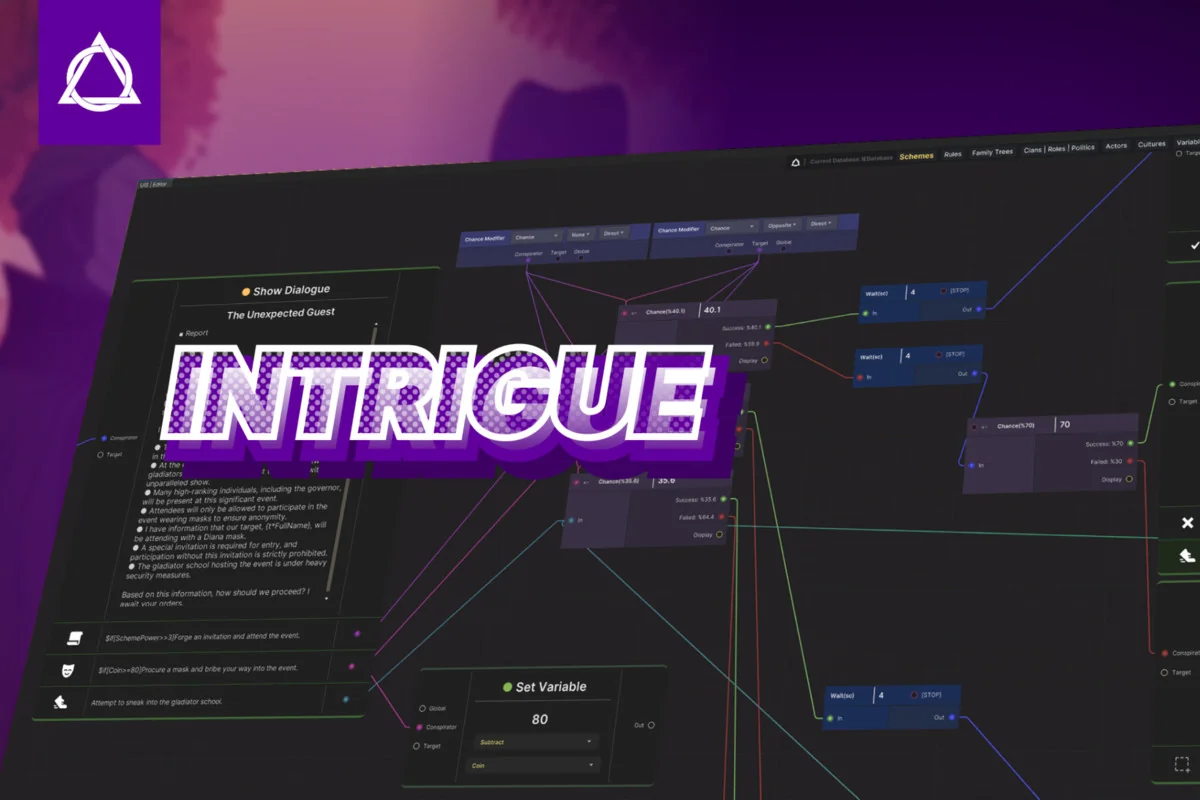
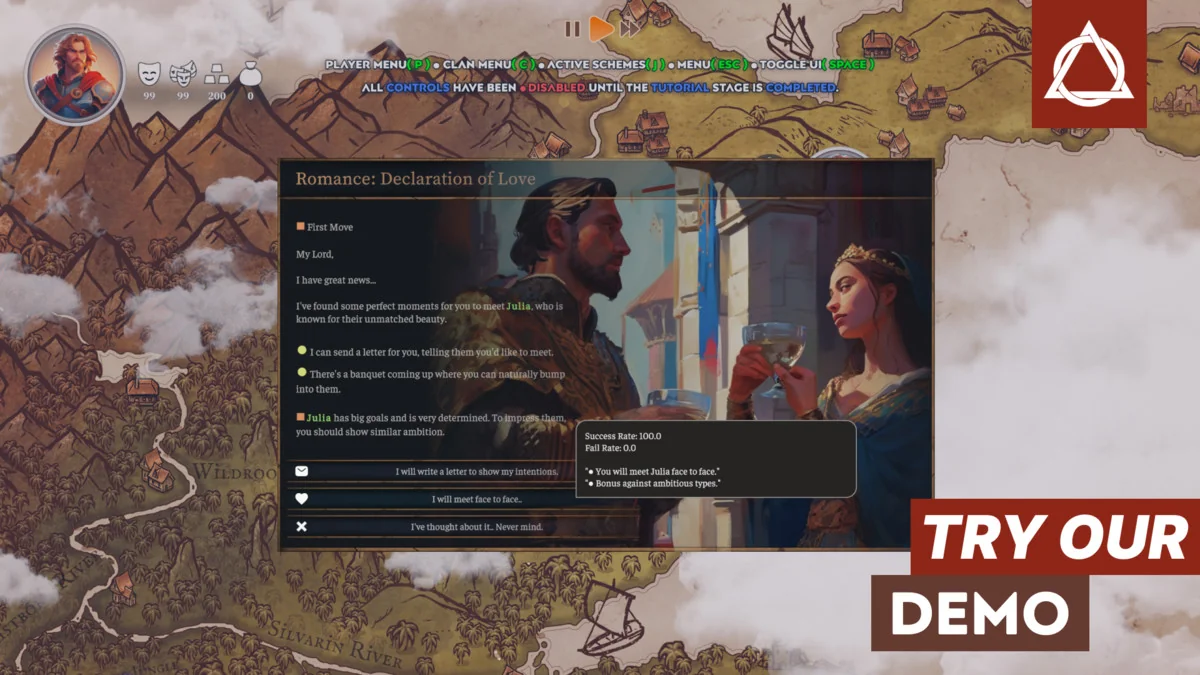
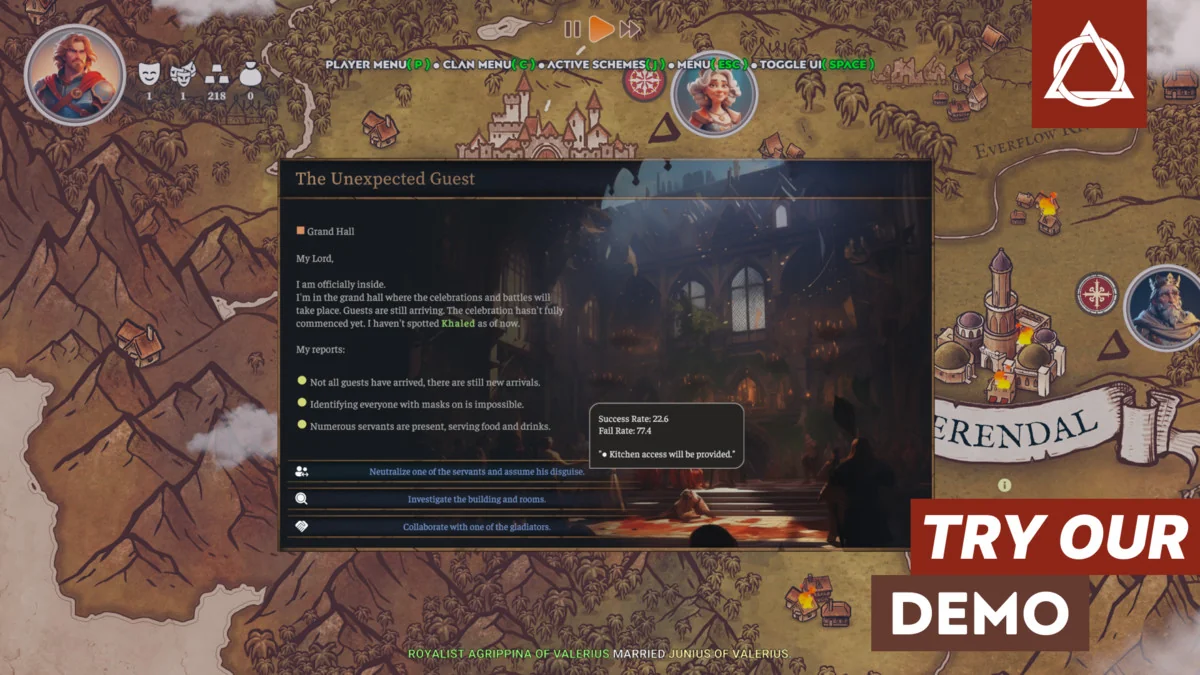
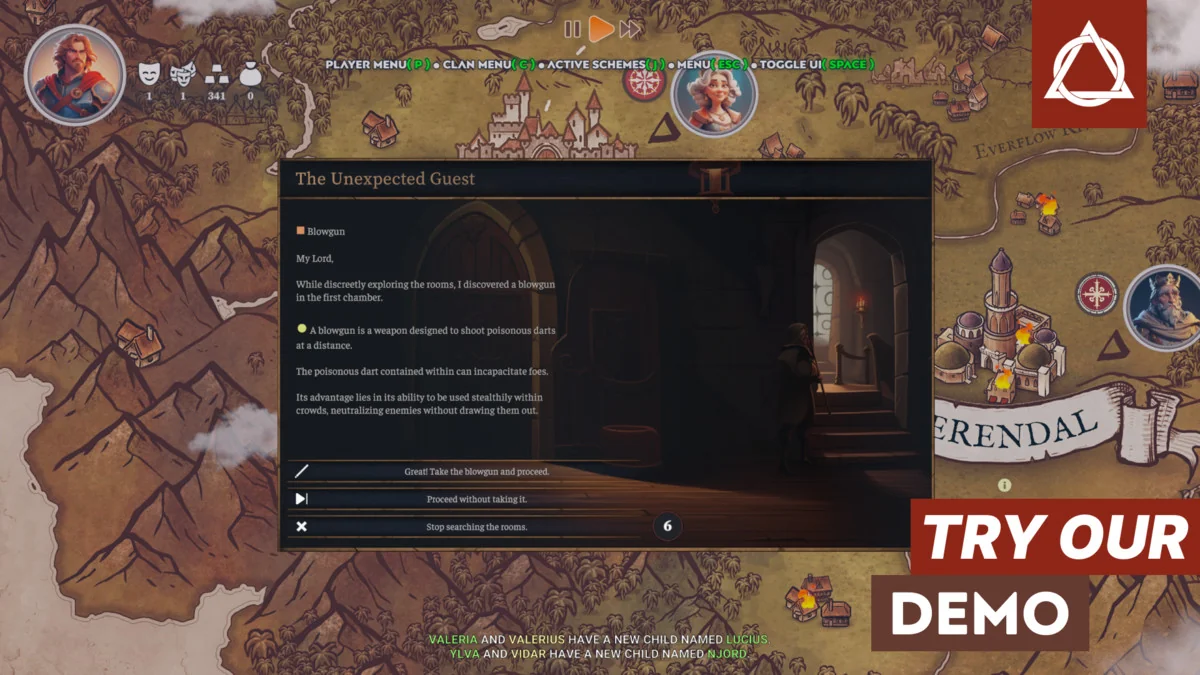
Intrigues functions as a narrative and social framework designed to facilitate the creation of high-fidelity interactive fictions within the Unity environment. At the core of the tool is a visual, node-based editor that allows developers to map out complex story flows without writing code. This system supports multi-faceted narrative structures, allowing for multiple introductions, varied development paths, and diverse conclusions. By using a node-based interface, the progression of a story can be dictated by specific choices, variable changes, or randomized chance, making the narrative path dynamic rather than linear.
The visual editor is designed to streamline the workflow for storytellers, enabling the assembly of detailed narratives in a short timeframe. Because the system is built to handle complex branching paths, it functions as a comprehensive bridge between raw story concepts and their functional implementation in a game project. The editor also includes built-in support for XML localization, allowing for easier language management within the narrative nodes themselves.
Social Hierarchies and Clan Systems
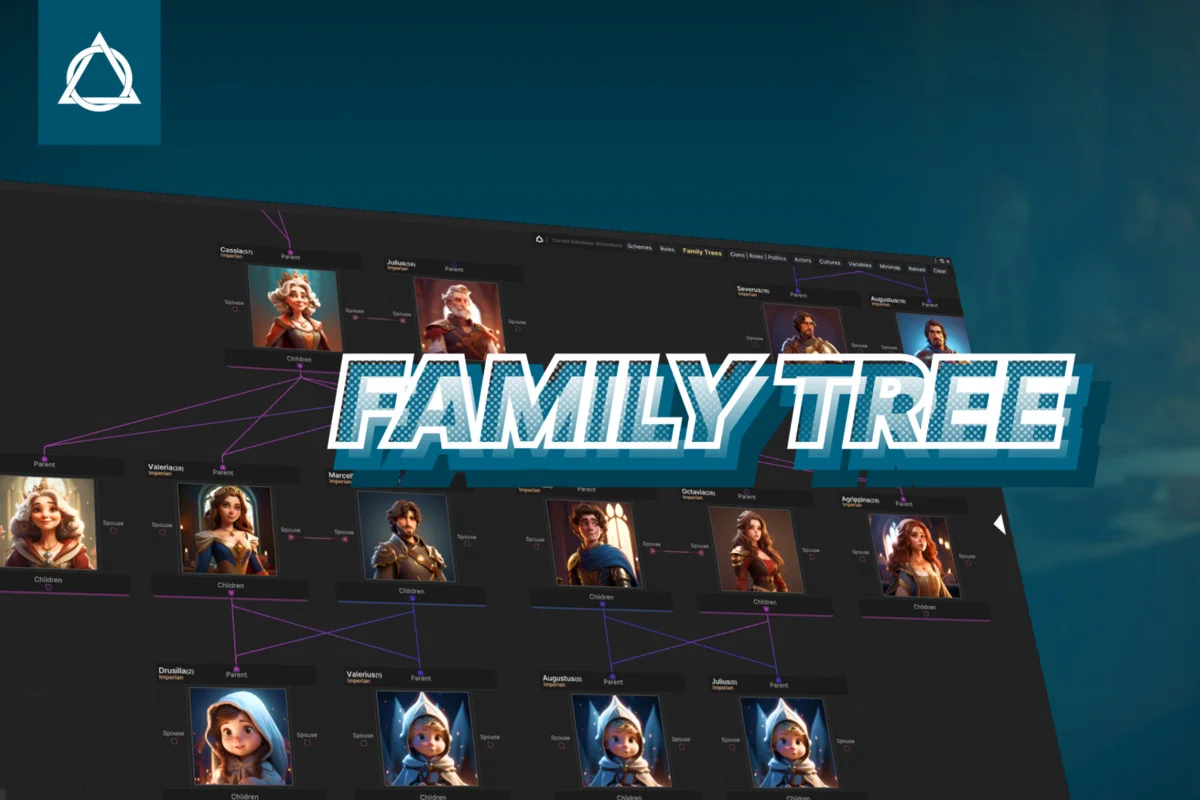
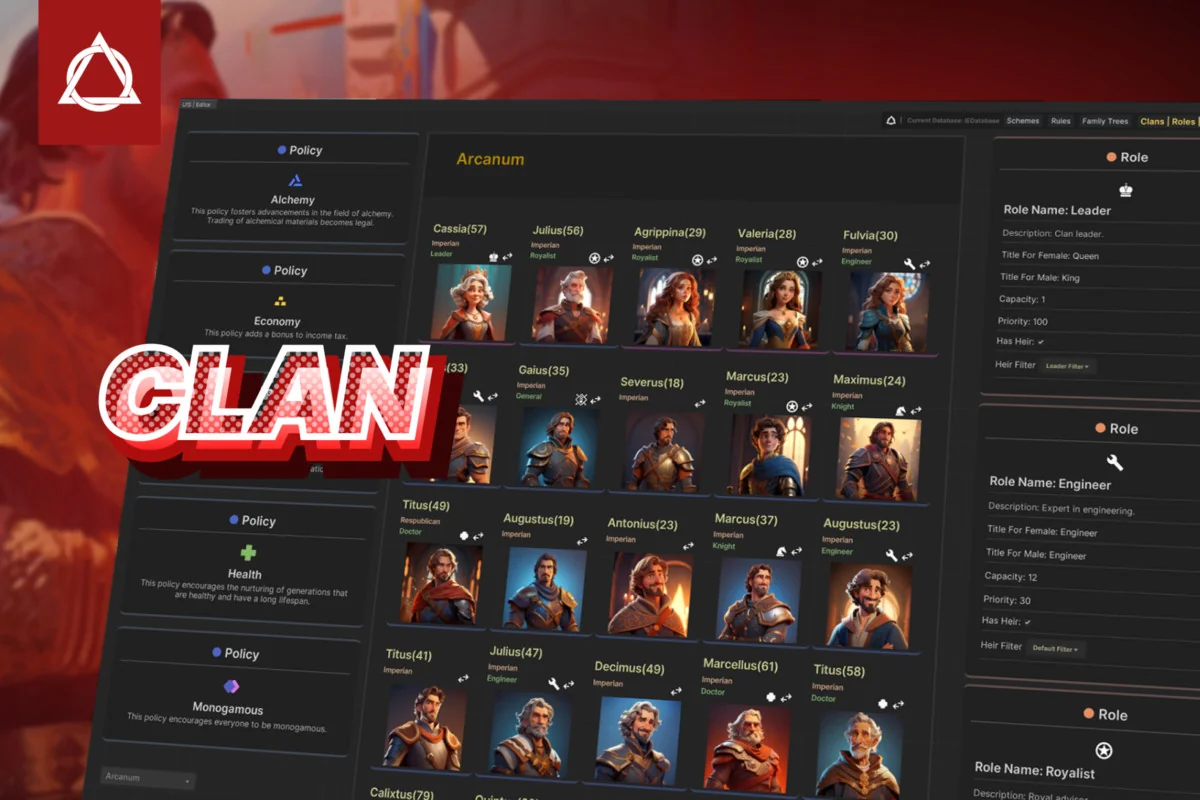
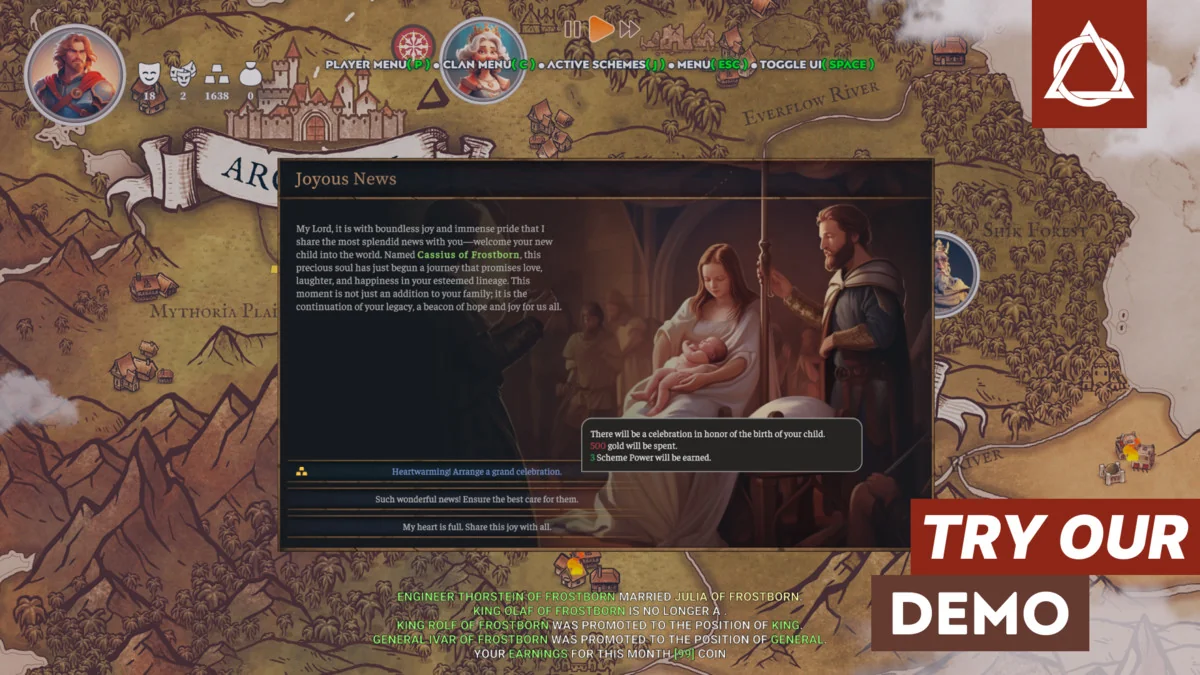
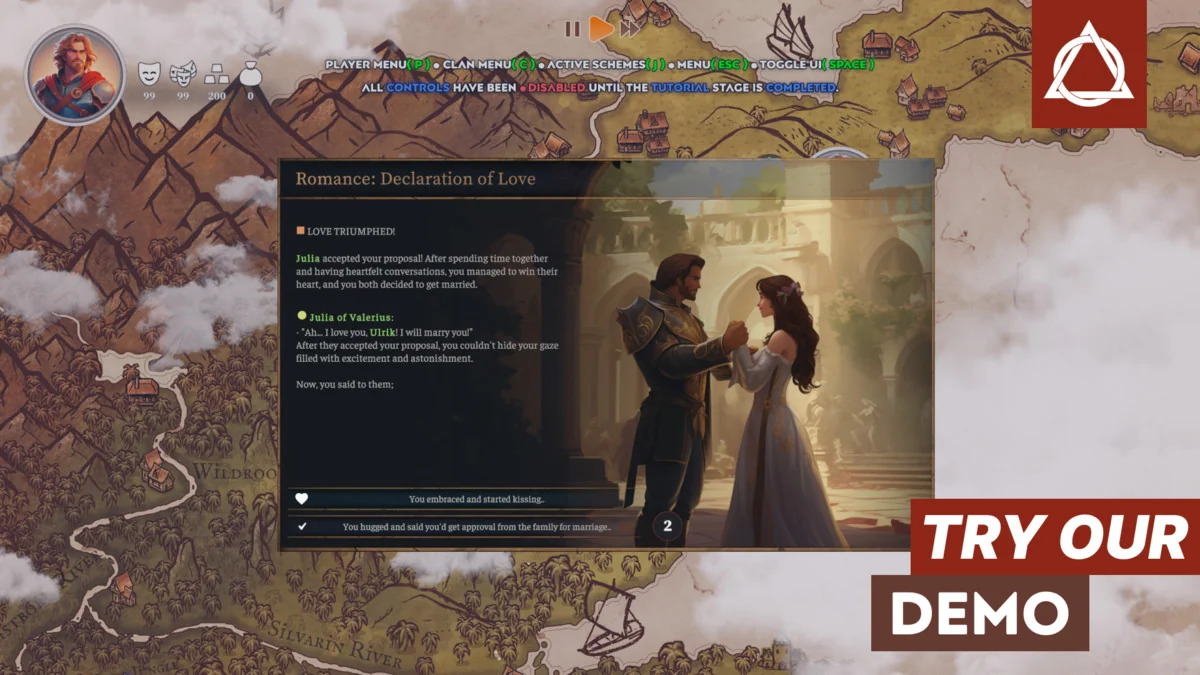
Beyond simple dialogue and text-based fiction, this tool incorporates deep social systems that manage families, clans, and broader cultures. It provides a structured approach to defining policies, roles, and cultural identities within a game world. These social structures are supported by features like marriage systems and population growth mechanics, allowing characters to develop and evolve over time within their respective lineages. The system manages runtime characters and their relationships, creating a persistent social web that can influence the story progression.
The framework includes dedicated UI components for managing these social elements, such as family trees and clan overviews. Because the core structure is designed for high compatibility, these social features can be integrated with other systems or third-party assets in a production pipeline. The ability to manage clans and families provides a systemic layer to the storytelling, where the status or affiliation of a character can trigger specific branches in the narrative node editor.
Character Perspectives and AI Schemes
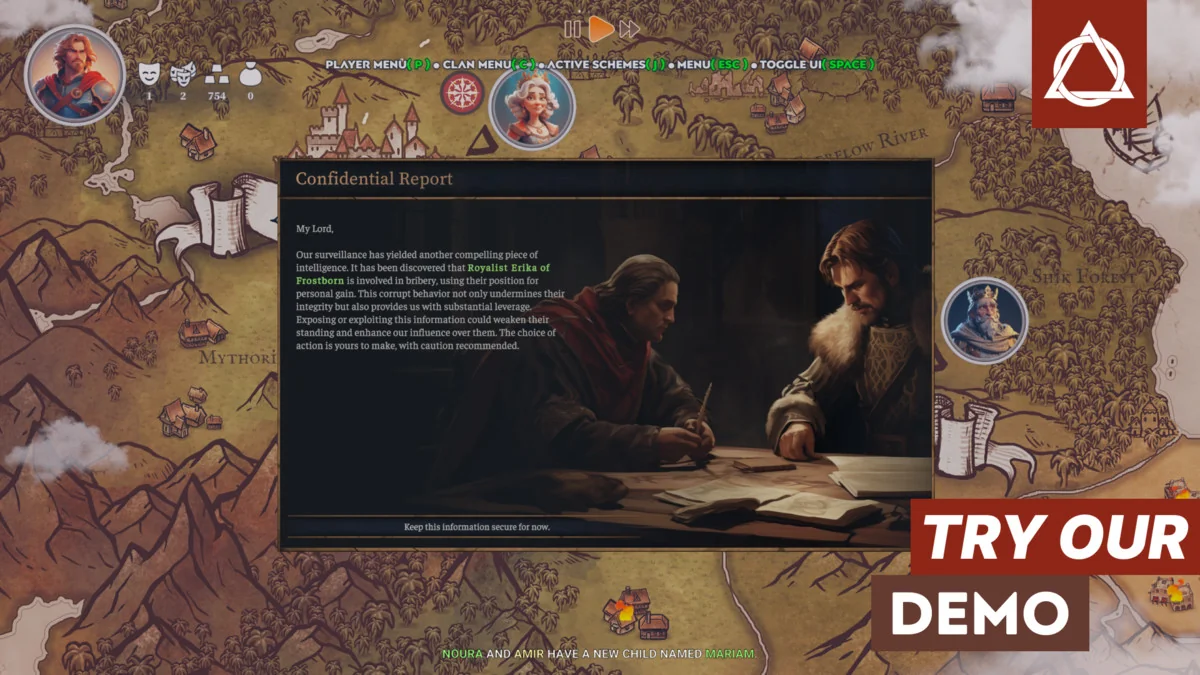
The tool offers a specialized approach to character perspectives, allowing the story to be viewed from multiple angles. While a narrative can focus on a single protagonist, the framework supports the inclusion of numerous side characters, each with their own unique perspective on the unfolding events. This makes every character a potential key player in the narrative arc rather than a static background element.
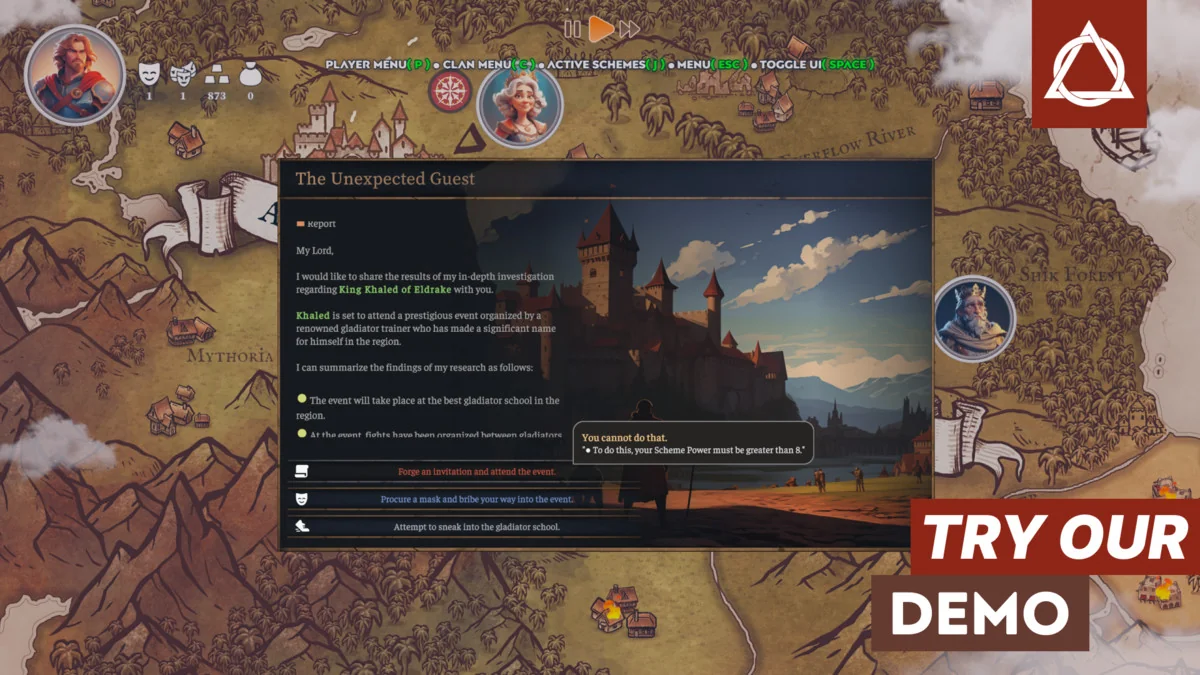
To add depth to these interactions, the system includes an AI component that enables characters to execute schemes against one another or against the player. These behaviors, such as assassination attempts or other political maneuvers, are handled by the AI logic to create a more reactive game world. This systemic approach to AI behavior ensures that the narrative is not just a static script, but a reactive environment where characters have their own agendas and methods of interaction.
Production Assets and Technical Integration
For immediate visual implementation, the package includes over 350 4K character portraits and more than 20 4K artworks, providing a significant library of visual assets to represent the characters and scenes created within the editor. These assets are intended to support the high-quality visual standard expected in modern productions.
From a technical standpoint, while the system is marketed as a no-code solution for narrative designers, it includes the complete C# source code for programmers. The code is thoroughly documented and optimized, ensuring that developers who wish to extend or modify the core functionality have the necessary access to the underlying logic. The framework also includes a robust save and load system, which is critical for long-form interactive fictions and strategy games where social progress and narrative choices must be preserved.
Workflow Versatility
The design of the framework is intended to be adaptable across various genres. While the systems for clans, marriage, and population growth naturally lend themselves to strategy games, the interactive fiction capabilities are equally applicable to other project types, such as 3D shooters. This versatility allows developers to implement deep storytelling and character relationship mechanics in projects that might not traditionally feature complex branching narratives.
The project was the result of 18 months of development and research, culminating in a version 1.0 release that emphasizes stability and integration. For developers looking to learn the system, there is an extensive wiki and a series of more than 15 tutorial videos that cover the various features from the visual editor to the social system implementation.
As a practical takeaway, the framework serves as both a narrative engine and a social database, allowing developers to manage the complex intersection of character lineage, political scheming, and branching story paths within a single visual environment.
Project Screenshots
Protected download
Access this resource
All resources are 100% manually reviewed to eliminate all risks.