"1c2c8b66743036b4"{"id":"1001687","slug":"horror-forest","title":"Horror Forest","category":"Abandoned","engine":"4.26+,5.0+","assetVersion":"","engineVersion":"Engine Version: 4.26+,5.0+","tag":"Abandoned","accent":"blue","visual":"mech","summary":"Explore the atmospheric Horror Forest environment, featuring extreme fog, realistic foliage, an abandoned church, and underground tunnel compatibility.","platform":"Unreal Engine","publishedAt":"2026-10-14T09:04:25.805Z","updatedAt":"2026-10-14T09:04:25.805Z","sourceNotes":[],"fileContents":[],"compatibility":["Unreal Engine","Engine Version: 4.26+,5.0+"],"featuredImage":{"alt":"Horror Forest","src":"/wp-content/uploads/published/2026/10/5343b62b78ea-4e0073c5-49de-4955-80b1-1598113a4775-7edbc273a9.webp"},"hasDownloadLink":true,"downloads":0,"terms":[{"taxonomy":"category","slug":"abandoned","name":"Abandoned"}],"galleryImages":[{"src":"/wp-content/uploads/published/2026/10/1d8428e0ff4e-ac94b119-2da1-456d-a81a-eac61117a90a-fdae85bf2f.webp","alt":"Horror Forest"},{"src":"/wp-content/uploads/published/2026/10/83e74fd40b94-dab6f850-5bee-49ad-bd69-f1399abf70fb-75cadff002.webp","alt":"Horror Forest"},{"src":"/wp-content/uploads/published/2026/10/47b5c33374b4-df4bd007-ebc7-48a8-aa0d-afcc590d3af7-5d9eb1a2f0.webp","alt":"Horror Forest"},{"src":"/wp-content/uploads/published/2026/10/ae80ab0f277b-36924ce7-16f1-4643-bc05-3a705f1b395d-7345786148.webp","alt":"Horror Forest"},{"src":"/wp-content/uploads/published/2026/10/34f7dfddf2d7-832ca6f9-1fe0-4834-b417-6dddf96e60f5-b68ecd3027.webp","alt":"Horror Forest"}],"accessPanel":{"kind":"resource","title":"Download this resource","eyebrow":"Free Download","message":"Log in or create a free account to start your download.","fileName":"Horror Forest.7z","safetyNote":"Resources are manually reviewed before listing to improve quality and reduce obvious risks.","actionLabel":"Download Free","resourceType":"Resource archive"},"contentHtml":"\u003ch2\u003eEstablishing Dense Fog and Eerie Tension in Horror Forest Levels\u003c/h2\u003e\n\u003cp\u003eOutdoor horror sequences rely heavily on visibility deprivation to cultivate dread. When visibility drops, players lose their primary means of assessing environmental threats, turning every silhouette into a potential danger. Horror Forest targets this specific design requirement by framing an entire level around extreme fog, cold atmosphere, and dense woods. Rather than presenting a clean or vibrant woodland, the environment focuses squarely on an eerie, realistic presentation where moisture and obscurity hang continuously over the terrain.\u003c/p\u003e\n\u003cp\u003eExtreme fog completely changes how a level designer structures sightlines. Instead of relying on distant landmarks to orient the player, a heavily fogged forest demands localized navigation cues. The fog softens lighting, reduces contrast, and obscures background clutter, forcing players to focus intently on their immediate surroundings. Within Horror Forest, this visual suppression creates a steady, spooky cadence. Every tree trunk and foliage cluster emerges suddenly from the gloom, providing immediate opportunities for ambient tension, environmental pacing, and sudden encounters.\u003c/p\u003e\n\u003cp\u003eRealistic visual treatment reinforces that unease. When natural assets look grounded and tangible, the atmospheric shift into scary thematic territory feels far more convincing. The environment balances realism with heightened gloom, ensuring the woods do not read as stylized or surreal, but rather as an authentic stretch of untamed woodland overtaken by an oppressive climate.\u003c/p\u003e \u003ch2\u003eAnchoring the Landscape with an Abandoned Church\u003c/h2\u003e\n\u003cp\u003eA sprawling expanse of trees requires architectural landmarks to give players purpose, direction, and spatial progression. Horror Forest integrates an abandoned church directly into the eerie outdoor expanse, giving the wilderness an immediate focal point. The church serves as both an orientation beacon and an unsettling narrative anchor within the woods.\u003c/p\u003e\n\u003cp\u003ePlacing an abandoned church within an overgrown setting immediately establishes contrast. Man-made stone and timber break against organic shapes, while the concept of a neglected holy site naturally deepens a scary, ominous tone. Foliage encroaching on decaying architecture hints at long-term isolation, reinforcing the idea that the surrounding forest has overtaken human presence entirely. Whether utilized as an objective destination, a temporary sanctuary, or a hostile interior staging ground, the church introduces structural variety without clashing with the natural foliage surrounding it.\u003c/p\u003e\n\u003cp\u003eThis balance between natural decay and ruined architecture also simplifies encounter design. Level layouts can naturally funnel players from the untamed edges of the woods toward the church courtyard or structural remains. The transition from free-form woodland navigation into structured architectural spaces helps modulate tension, shifting gameplay from the vulnerability of wide-open fog to the claustrophobia of ruined walls.\u003c/p\u003e \u003ch2\u003eSpooky Tree Structures and Realistic Foliage Placement\u003c/h2\u003e\n\u003cp\u003eThe foundation of any forest environment lies in the fidelity, variety, and scattering of its vegetation. In Horror Forest, foliage serves a functional mechanical purpose alongside its aesthetic duty. The trees and ground cover act as physical barriers, sightline blockers, and acoustic shields that amplify the spooky tone of the level.\u003c/p\u003e\n\u003cp\u003eRealistic foliage requires careful variation in density and scale. Tall tree canopies catch what little ambient light filters through the dense fog, while lower branches reach out to break up open gaps across player paths. Undergrowth and ground foliage fill out the floor, obscuring the underlying terrain and giving the entire area a rugged, unmaintained feel. Because the pack focuses on realistic rendering, the foliage reads naturally from both long distances within the fog and up close along footpaths.\u003c/p\u003e\n\u003cp\u003eThis vegetation layout directly dictates how sound and lighting behave within the scene. Light rays scattering through dense fog are broken apart by jagged branches and dense leaf clusters, casting complex shadows across the damp ground. The resulting visual complexity keeps players uncertain about what lies just past the tree line, maintaining an eerie atmosphere without requiring complex scripting or artificial visual filters.\u003c/p\u003e \u003ch2\u003eUnderground Tunnel Compatibility and Subterranean Transitions\u003c/h2\u003e\n\u003cp\u003eSingle-layer environments can sometimes limit gameplay scope, particularly in narrative or survival horror projects where players must traverse between distinct ecological zones. Horror Forest features compatibility with Underground Tunnel assets, providing a direct bridge between foggy ground-level woods and subterranean passages.\u003c/p\u003e\n\u003cp\u003eTransitioning from an open, fog-soaked forest into an underground tunnel system dramatically shifts player psychology. Above ground, the threat stems from boundless space, hidden tree lines, and an inability to see far into the mist. Moving beneath the surface trades that spatial vulnerability for tight, confined corridors and fixed escape paths. By supporting integration with underground tunnels, the level allows creators to build extended exploration sequences, subterranean escape routes beneath the abandoned church, or hidden facilities tucked directly under the woodland floor.\u003c/p\u003e\n\u003cp\u003eThis structural compatibility removes friction when chaining environments together. Rather than ending an outdoor expedition at an arbitrary boundary wall, level designers can place cave entrances, drainage channels, or church crypts that descend smoothly into underground tunnel layouts. The contrast between realistic misty trees and heavy underground stonework or earthworks enriches the overall gameplay loop, ensuring long-form environmental variety across a campaign.\u003c/p\u003e \u003ch2\u003eTarget Productions for Atmospheric Forest Levels\u003c/h2\u003e\n\u003cp\u003eHorror Forest provides immediate value to developers assembling atmospheric survival titles, psychological horror experiences, or dark narrative adventures. Teams seeking to establish a bleak, realistic exterior can bypass the time-consuming process of balancing fog density, foliage scaling, and architectural placement from scratch.\u003c/p\u003e\n\u003cp\u003eSolo creators and technical level designers particularly gain an advantage from having an established level environment that already integrates abandoned structures, realistic foliage, and subterranean compatibility. The balance between the foggy tree lines, the abandoned church, and underground transition possibilities supplies an end-to-end setting ready to receive gameplay mechanics, AI pathing, and sound design.\u003c/p\u003e\n\n\u003ch2\u003eMore From The Same Workflow\u003c/h2\u003e\n\u003cul\u003e\n\u003cli\u003e\u003ca href=\"https://3dcghub.com/asymmetric-multiplayer-horror/\" title=\"Asymmetric Multiplayer Horror\"\u003eAsymmetric Multiplayer Horror\u003c/a\u003e\u003c/li\u003e\n\u003cli\u003e\u003ca href=\"https://3dcghub.com/horror-military-bunker/\" title=\"Horror Military Bunker\"\u003eHorror Military Bunker\u003c/a\u003e\u003c/li\u003e\n\u003cli\u003e\u003ca href=\"https://3dcghub.com/abandoned-industrial-stairwell/\" title=\"Abandoned Industrial Stairwell\"\u003eAbandoned Industrial Stairwell\u003c/a\u003e\u003c/li\u003e\n\u003cli\u003e\u003ca href=\"https://3dcghub.com/abandoned-russian-building/\" title=\"Abandoned Russian Building\"\u003eAbandoned Russian Building\u003c/a\u003e\u003c/li\u003e\n\u003cli\u003e\u003ca href=\"https://3dcghub.com/cemetery/\" title=\"Cemetery\"\u003eCemetery\u003c/a\u003e\u003c/li\u003e\n\u003c/ul\u003e","contentTextLength":6765,"navigation":{"current":28,"total":3651,"previous":{"id":"1001688","slug":"jobsite-vol-13-farm-hay-nanite-and-low-poly","title":"Jobsite VOL.13 - Farm Hay (Nanite \u0026 Low Poly)","category":"Debris","platform":"Unreal Engine","updatedAt":"2026-10-14T09:06:27.057Z"},"next":{"id":"1001686","slug":"gui-with-multiplayer","title":"GUI with Multiplayer","category":"Gameplay Features","platform":"Unreal Engine","updatedAt":"2026-10-14T09:01:31.452Z"}},"relatedResources":[{"id":"1000977","slug":"asymmetric-multiplayer-horror","title":"Asymmetric Multiplayer Horror","category":"Action-Adventure","engine":"5.0+","assetVersion":"","engineVersion":"Engine Version: 5.0+","tag":"Action-Adventure","accent":"blue","visual":"mech","summary":"Blueprint template for asymmetric multiplayer horror with 4 vs 1 play, AI or player monsters, first/third person views, and a Cursed Forest demo.","platform":"Unreal Engine","publishedAt":"2026-08-17T17:19:51.833Z","updatedAt":"2026-08-17T17:19:51.833Z","sourceNotes":[],"fileContents":[],"compatibility":["Unreal Engine","Engine Version: 5.0+"],"featuredImage":{"alt":"Asymmetric Multiplayer Horror","src":"/wp-content/uploads/published/2026/08/d3e8d4559426-f968b340-50b9-4a59-9fa7-7cdea14f055c-e0904bd06f.webp"},"hasDownloadLink":true,"downloads":1},{"id":"1001636","slug":"horror-military-bunker","title":"Horror Military Bunker","category":"Abandoned","engine":"4.26+,5.0+","assetVersion":"","engineVersion":"Engine Version: 4.26+,5.0+","tag":"Abandoned","accent":"blue","visual":"mech","summary":"Examine the Horror Military Bunker modular environment, featuring baked lighting setups for UE4 and UE5, underground tunnel compatibility, and eerie layouts.","platform":"Unreal Engine","publishedAt":"2026-10-13T02:14:19.354Z","updatedAt":"2026-10-13T02:14:19.354Z","sourceNotes":[],"fileContents":[],"compatibility":["Unreal Engine","Engine Version: 4.26+,5.0+"],"featuredImage":{"alt":"Horror Military Bunker","src":"/wp-content/uploads/published/2026/10/39c2ac8b8ac1-d373823e-a6a9-460f-a77b-8a563e960069-0ca66d4ff6.webp"},"hasDownloadLink":true,"downloads":0},{"id":"1000718","slug":"abandoned-industrial-stairwell","title":"Abandoned Industrial Stairwell","category":"Abandoned","engine":"4.26+,5.0+","assetVersion":"","engineVersion":"Engine Version: 4.26+,5.0+","tag":"Abandoned","accent":"blue","visual":"mech","summary":"A modular 3D environment of a rustic, abandoned industrial stairwell descending into darkness. Modular construction suited for underground tunnel and horror sce","platform":"Unreal Engine","publishedAt":"2026-07-25T19:16:38.332Z","updatedAt":"2026-07-25T19:16:38.332Z","sourceNotes":[],"fileContents":[],"compatibility":["Unreal Engine","Engine Version: 4.26+,5.0+"],"featuredImage":{"alt":"Abandoned Industrial Stairwell","src":"/wp-content/uploads/published/2026/07/d92c3cca4cca-3e3d30b4-9875-4cb5-b02d-9e4a0cd39283-da36c51503.webp"},"hasDownloadLink":true,"downloads":1}]}
Abandoned
Horror Forest
Explore the atmospheric Horror Forest environment, featuring extreme fog, realistic foliage, an abandoned church, and underground tunnel compatibility.
Category:Unreal Engine,AbandonedPlatform: Unreal EngineEngine Version: 4.26+,5.0+Published: Oct 14, 2026
Abandoned
Resource overview
Establishing Dense Fog and Eerie Tension in Horror Forest Levels
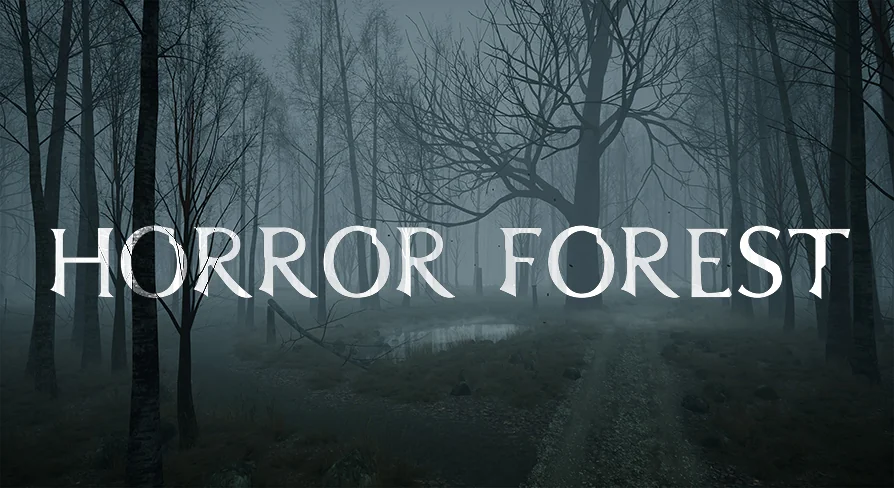
Outdoor horror sequences rely heavily on visibility deprivation to cultivate dread. When visibility drops, players lose their primary means of assessing environmental threats, turning every silhouette into a potential danger. Horror Forest targets this specific design requirement by framing an entire level around extreme fog, cold atmosphere, and dense woods. Rather than presenting a clean or vibrant woodland, the environment focuses squarely on an eerie, realistic presentation where moisture and obscurity hang continuously over the terrain.
Extreme fog completely changes how a level designer structures sightlines. Instead of relying on distant landmarks to orient the player, a heavily fogged forest demands localized navigation cues. The fog softens lighting, reduces contrast, and obscures background clutter, forcing players to focus intently on their immediate surroundings. Within Horror Forest, this visual suppression creates a steady, spooky cadence. Every tree trunk and foliage cluster emerges suddenly from the gloom, providing immediate opportunities for ambient tension, environmental pacing, and sudden encounters.
Realistic visual treatment reinforces that unease. When natural assets look grounded and tangible, the atmospheric shift into scary thematic territory feels far more convincing. The environment balances realism with heightened gloom, ensuring the woods do not read as stylized or surreal, but rather as an authentic stretch of untamed woodland overtaken by an oppressive climate.
Anchoring the Landscape with an Abandoned Church
A sprawling expanse of trees requires architectural landmarks to give players purpose, direction, and spatial progression. Horror Forest integrates an abandoned church directly into the eerie outdoor expanse, giving the wilderness an immediate focal point. The church serves as both an orientation beacon and an unsettling narrative anchor within the woods.
Placing an abandoned church within an overgrown setting immediately establishes contrast. Man-made stone and timber break against organic shapes, while the concept of a neglected holy site naturally deepens a scary, ominous tone. Foliage encroaching on decaying architecture hints at long-term isolation, reinforcing the idea that the surrounding forest has overtaken human presence entirely. Whether utilized as an objective destination, a temporary sanctuary, or a hostile interior staging ground, the church introduces structural variety without clashing with the natural foliage surrounding it.
This balance between natural decay and ruined architecture also simplifies encounter design. Level layouts can naturally funnel players from the untamed edges of the woods toward the church courtyard or structural remains. The transition from free-form woodland navigation into structured architectural spaces helps modulate tension, shifting gameplay from the vulnerability of wide-open fog to the claustrophobia of ruined walls.
Spooky Tree Structures and Realistic Foliage Placement
The foundation of any forest environment lies in the fidelity, variety, and scattering of its vegetation. In Horror Forest, foliage serves a functional mechanical purpose alongside its aesthetic duty. The trees and ground cover act as physical barriers, sightline blockers, and acoustic shields that amplify the spooky tone of the level.
Realistic foliage requires careful variation in density and scale. Tall tree canopies catch what little ambient light filters through the dense fog, while lower branches reach out to break up open gaps across player paths. Undergrowth and ground foliage fill out the floor, obscuring the underlying terrain and giving the entire area a rugged, unmaintained feel. Because the pack focuses on realistic rendering, the foliage reads naturally from both long distances within the fog and up close along footpaths.
This vegetation layout directly dictates how sound and lighting behave within the scene. Light rays scattering through dense fog are broken apart by jagged branches and dense leaf clusters, casting complex shadows across the damp ground. The resulting visual complexity keeps players uncertain about what lies just past the tree line, maintaining an eerie atmosphere without requiring complex scripting or artificial visual filters.
Underground Tunnel Compatibility and Subterranean Transitions
Single-layer environments can sometimes limit gameplay scope, particularly in narrative or survival horror projects where players must traverse between distinct ecological zones. Horror Forest features compatibility with Underground Tunnel assets, providing a direct bridge between foggy ground-level woods and subterranean passages.
Transitioning from an open, fog-soaked forest into an underground tunnel system dramatically shifts player psychology. Above ground, the threat stems from boundless space, hidden tree lines, and an inability to see far into the mist. Moving beneath the surface trades that spatial vulnerability for tight, confined corridors and fixed escape paths. By supporting integration with underground tunnels, the level allows creators to build extended exploration sequences, subterranean escape routes beneath the abandoned church, or hidden facilities tucked directly under the woodland floor.
This structural compatibility removes friction when chaining environments together. Rather than ending an outdoor expedition at an arbitrary boundary wall, level designers can place cave entrances, drainage channels, or church crypts that descend smoothly into underground tunnel layouts. The contrast between realistic misty trees and heavy underground stonework or earthworks enriches the overall gameplay loop, ensuring long-form environmental variety across a campaign.
Target Productions for Atmospheric Forest Levels
Horror Forest provides immediate value to developers assembling atmospheric survival titles, psychological horror experiences, or dark narrative adventures. Teams seeking to establish a bleak, realistic exterior can bypass the time-consuming process of balancing fog density, foliage scaling, and architectural placement from scratch.
Solo creators and technical level designers particularly gain an advantage from having an established level environment that already integrates abandoned structures, realistic foliage, and subterranean compatibility. The balance between the foggy tree lines, the abandoned church, and underground transition possibilities supplies an end-to-end setting ready to receive gameplay mechanics, AI pathing, and sound design.
 Abandoned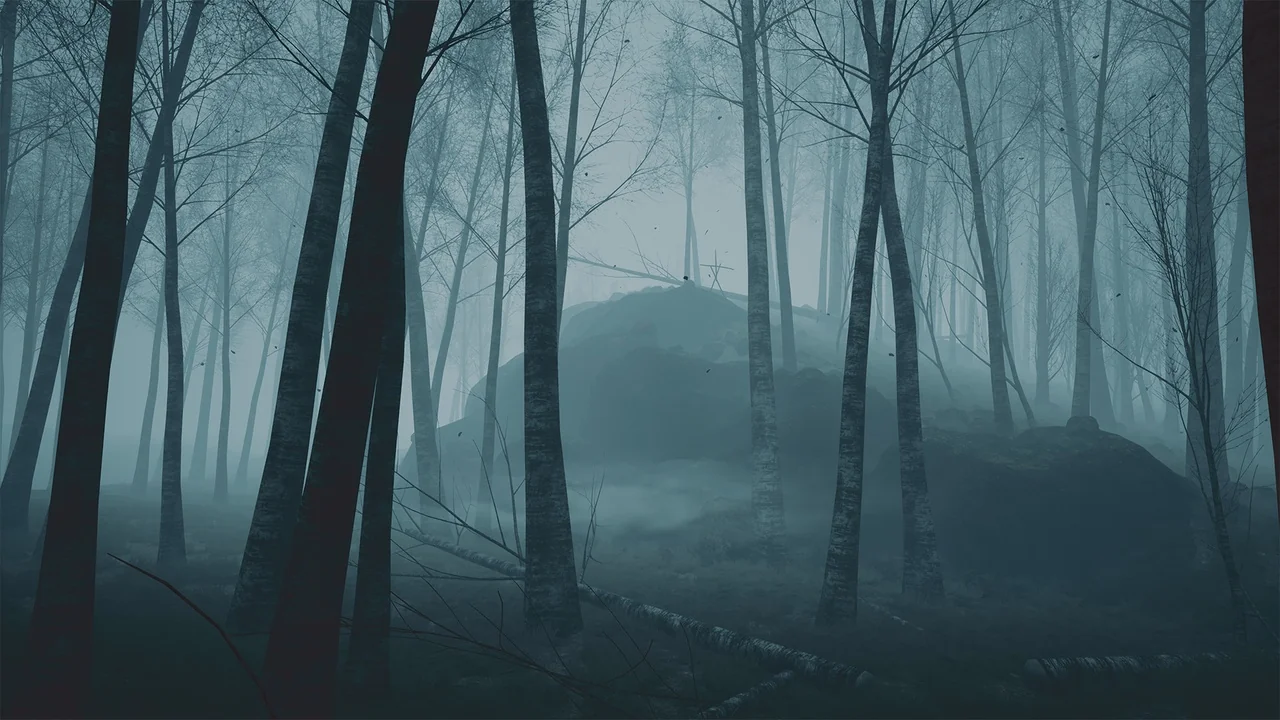
 Action-Adventure
 Abandoned
 Abandoned